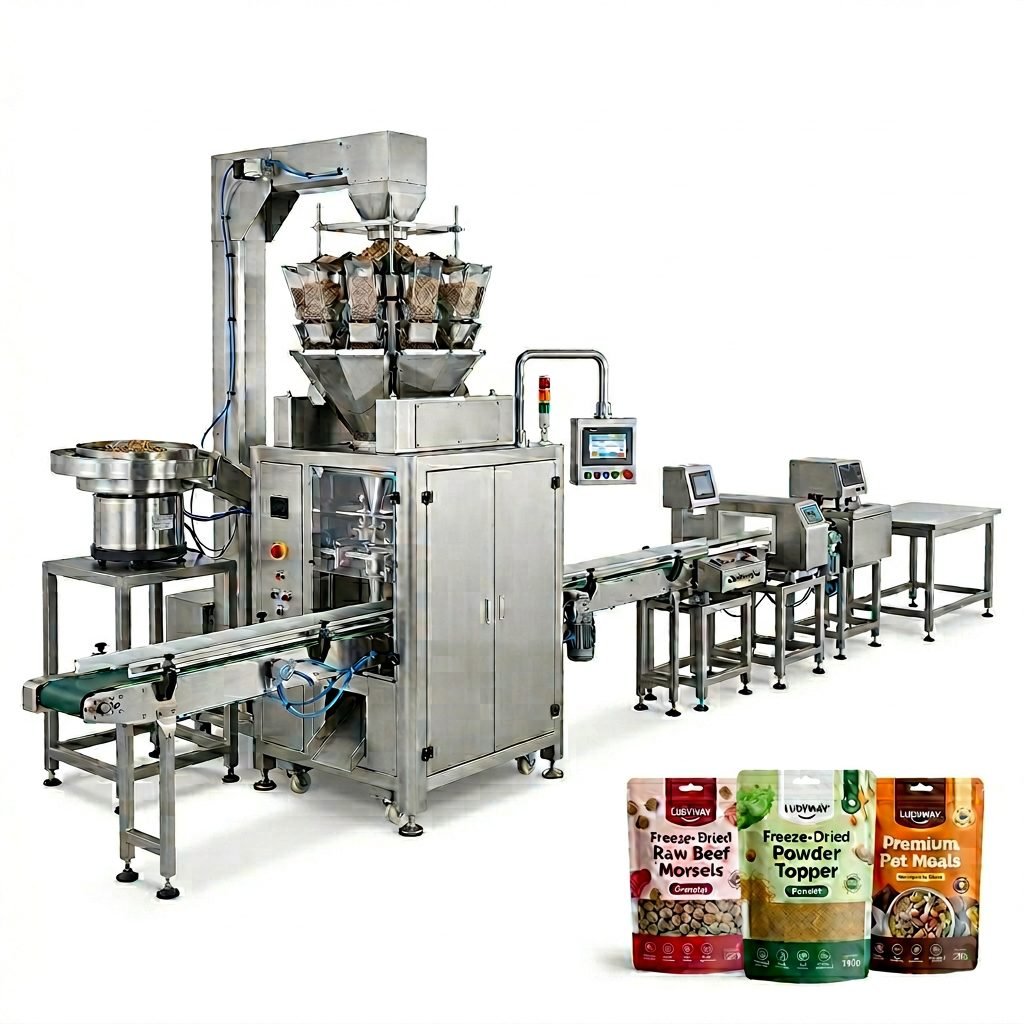
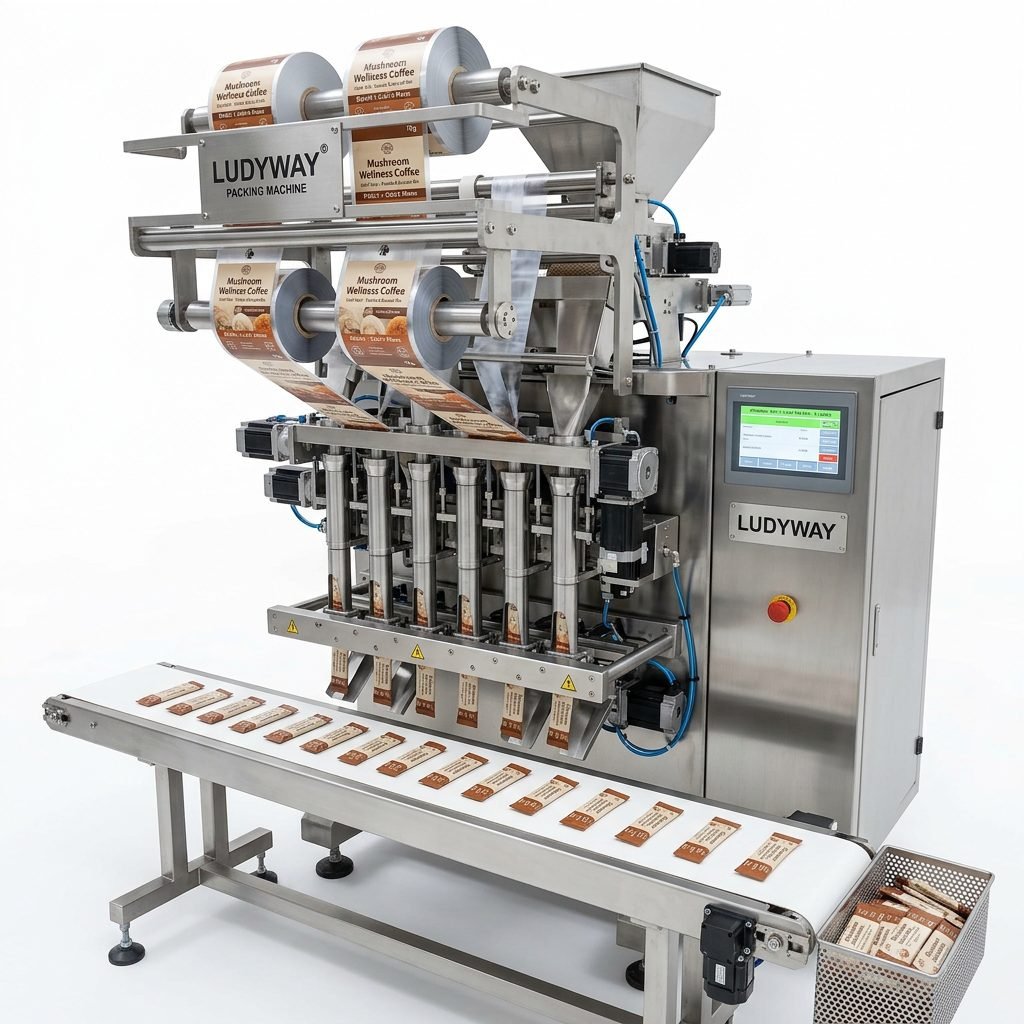
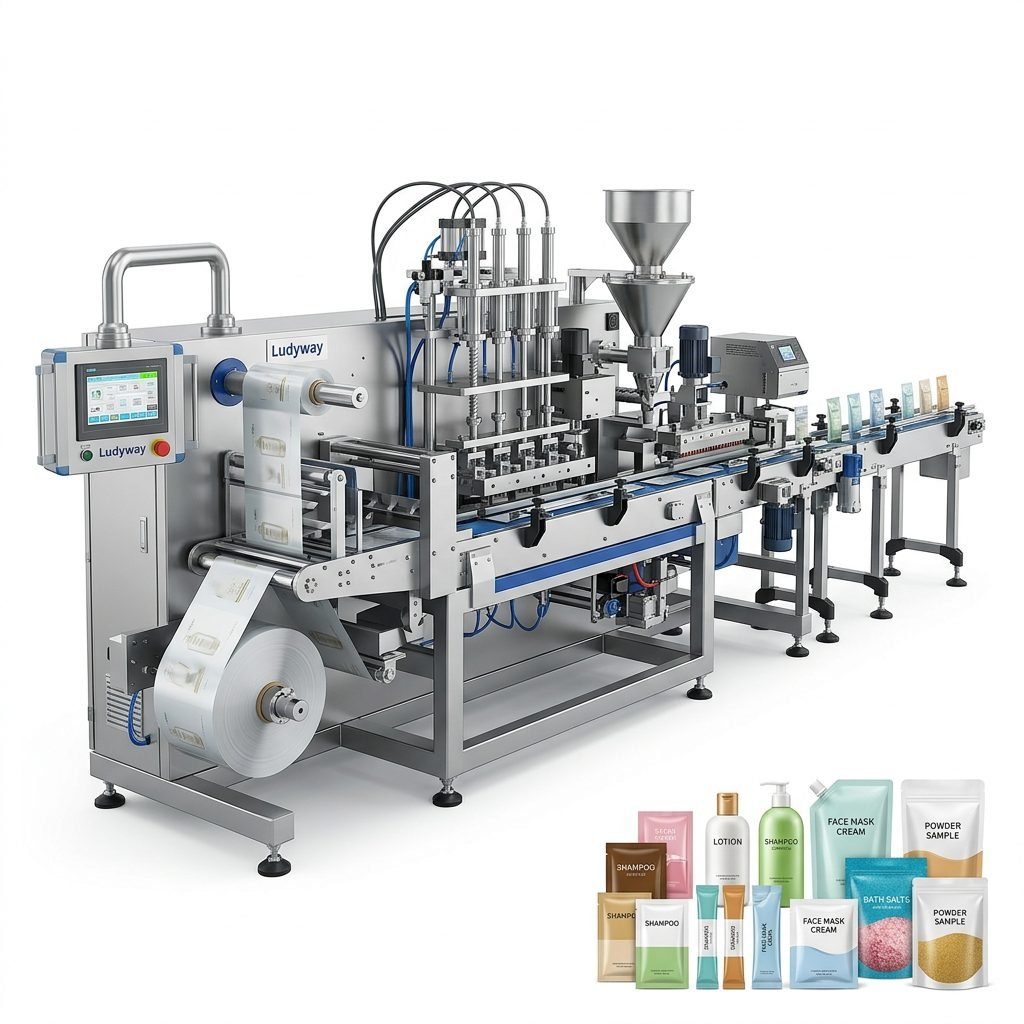
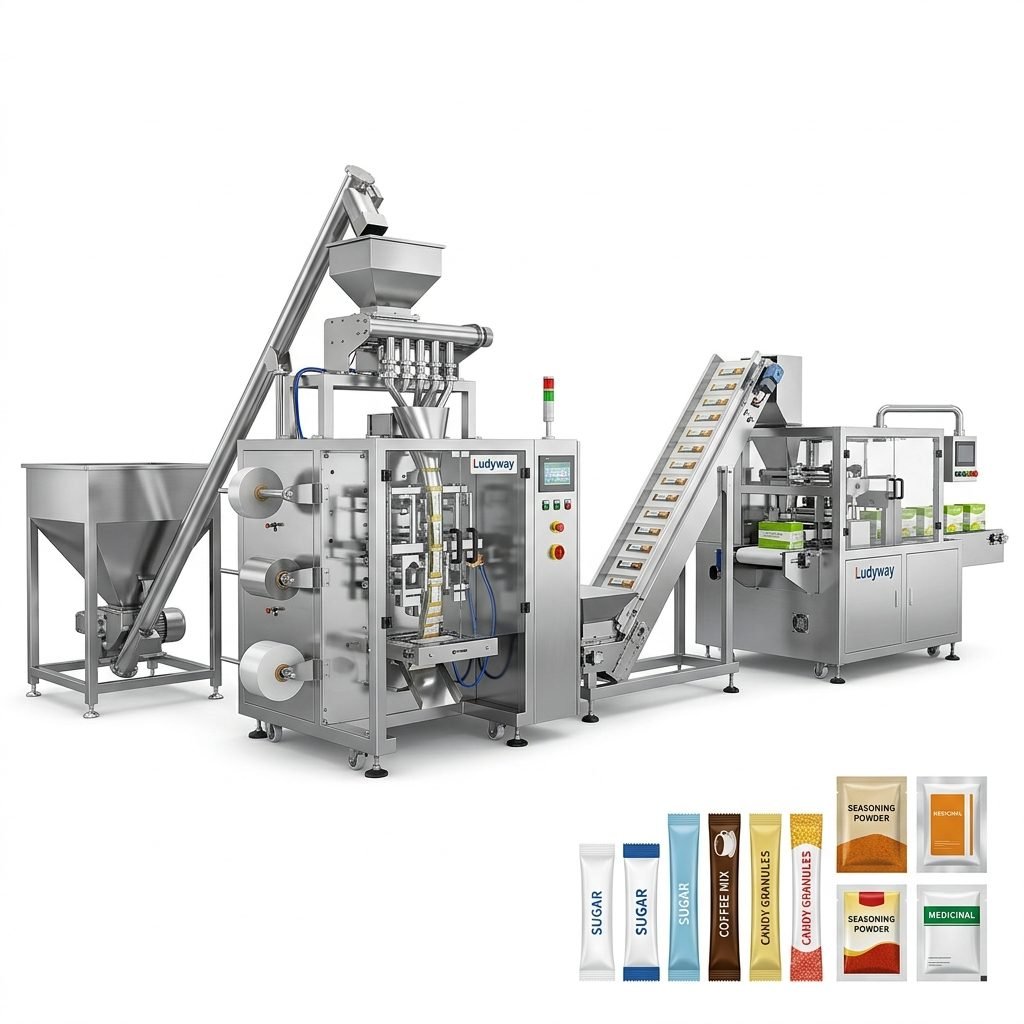
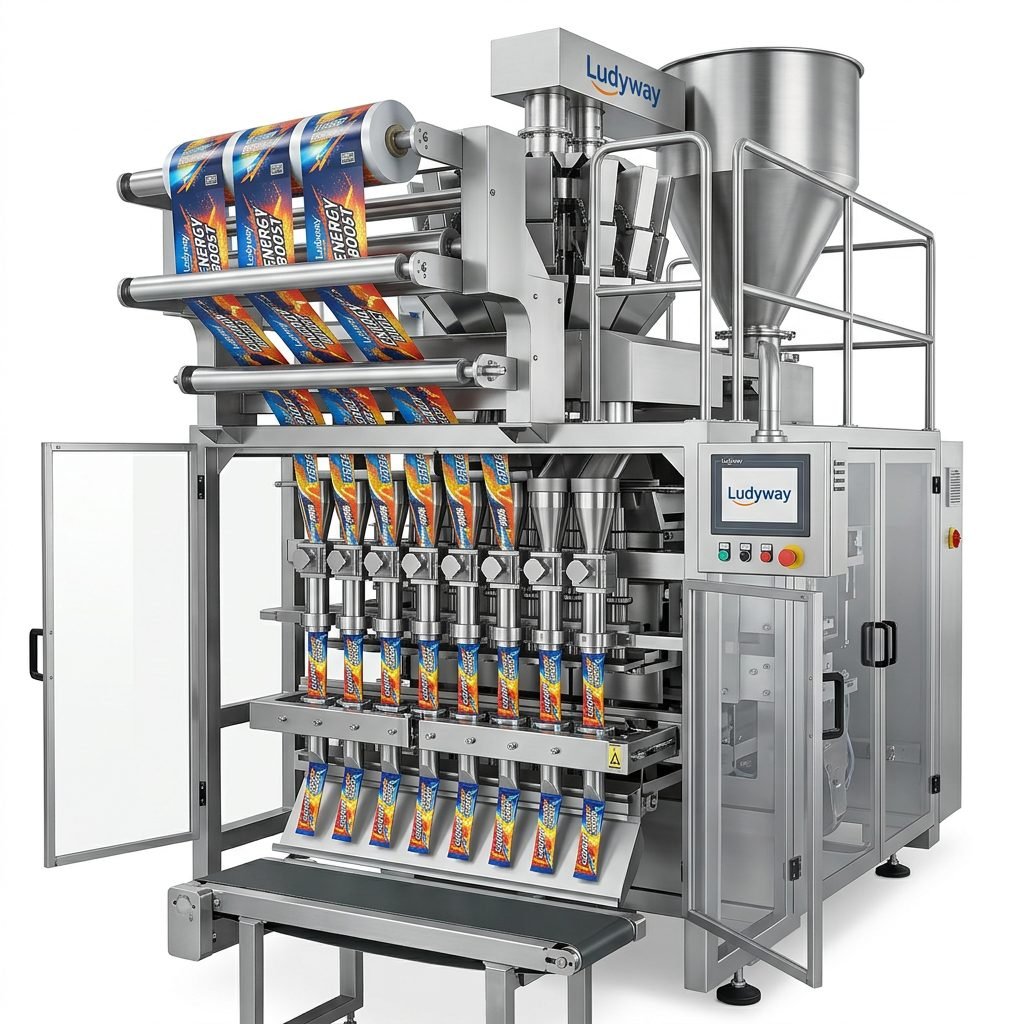
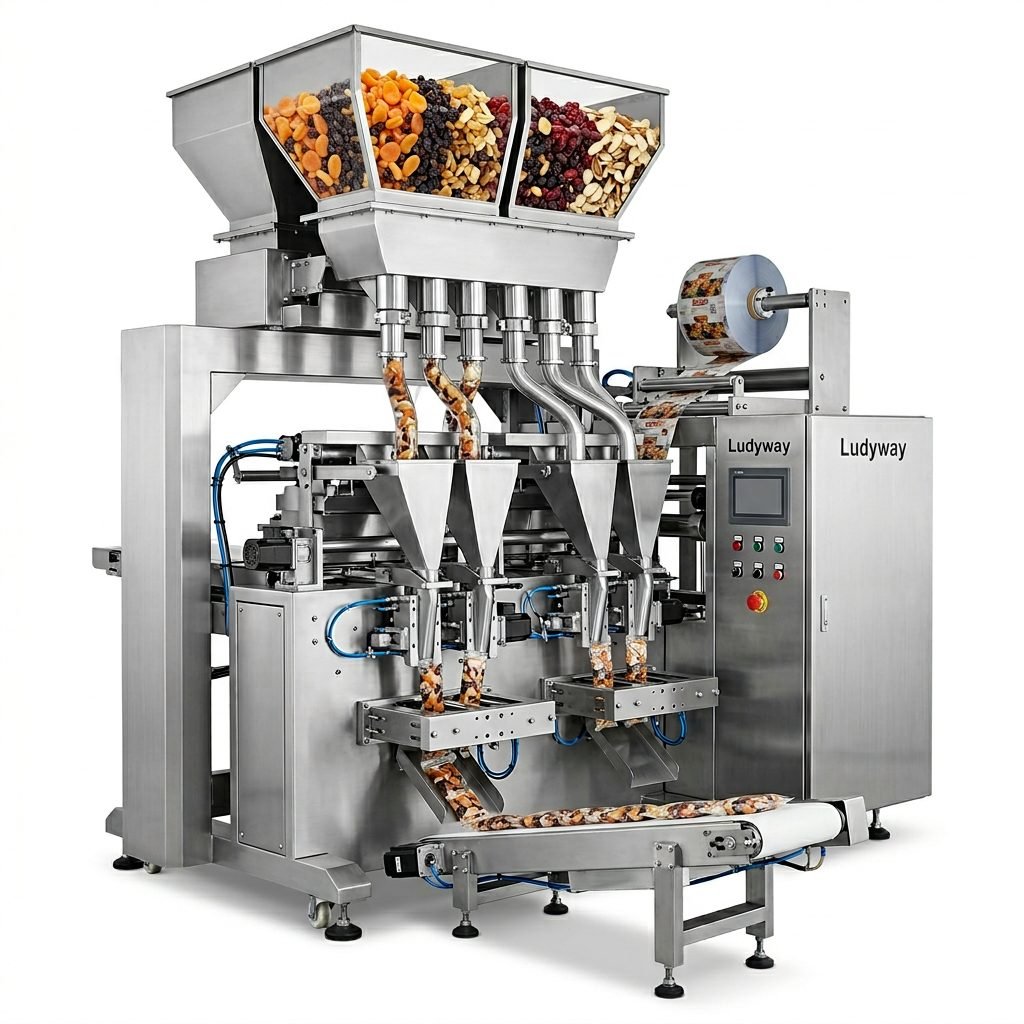
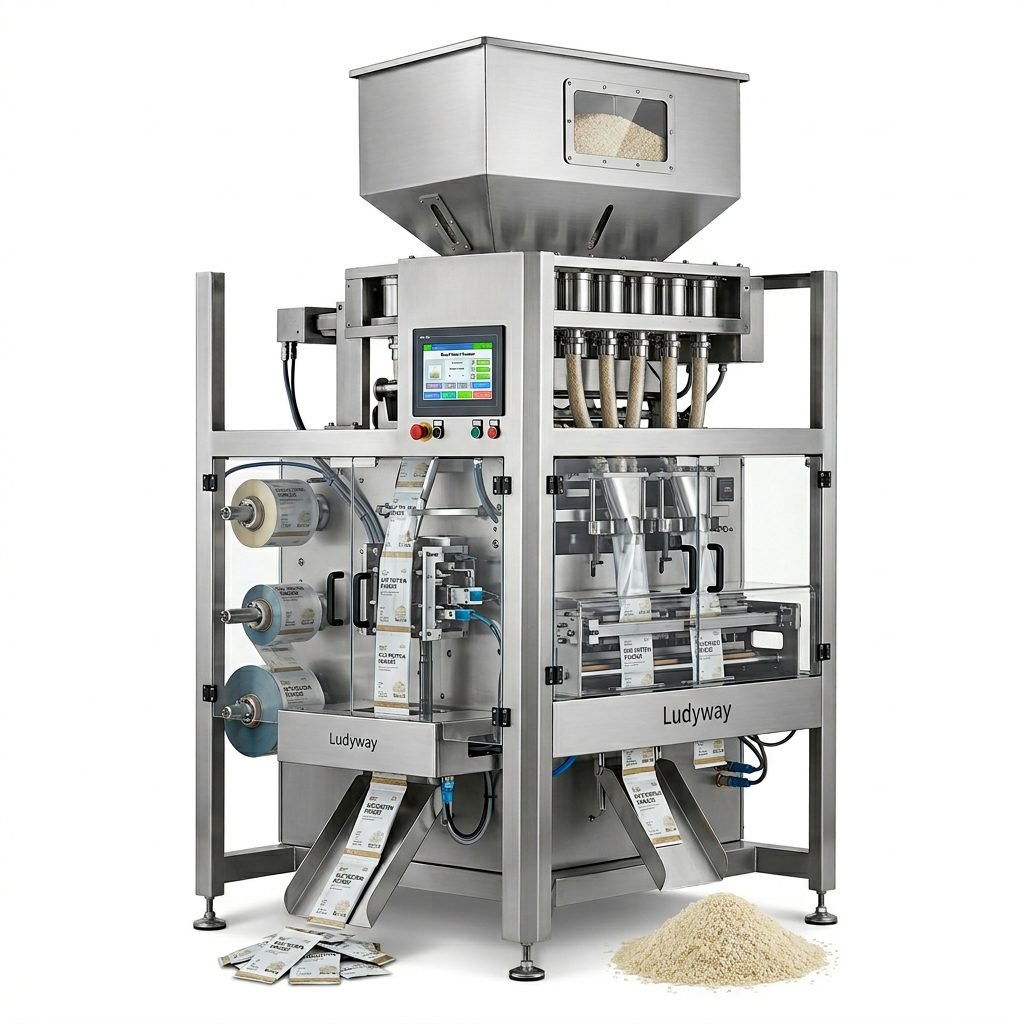
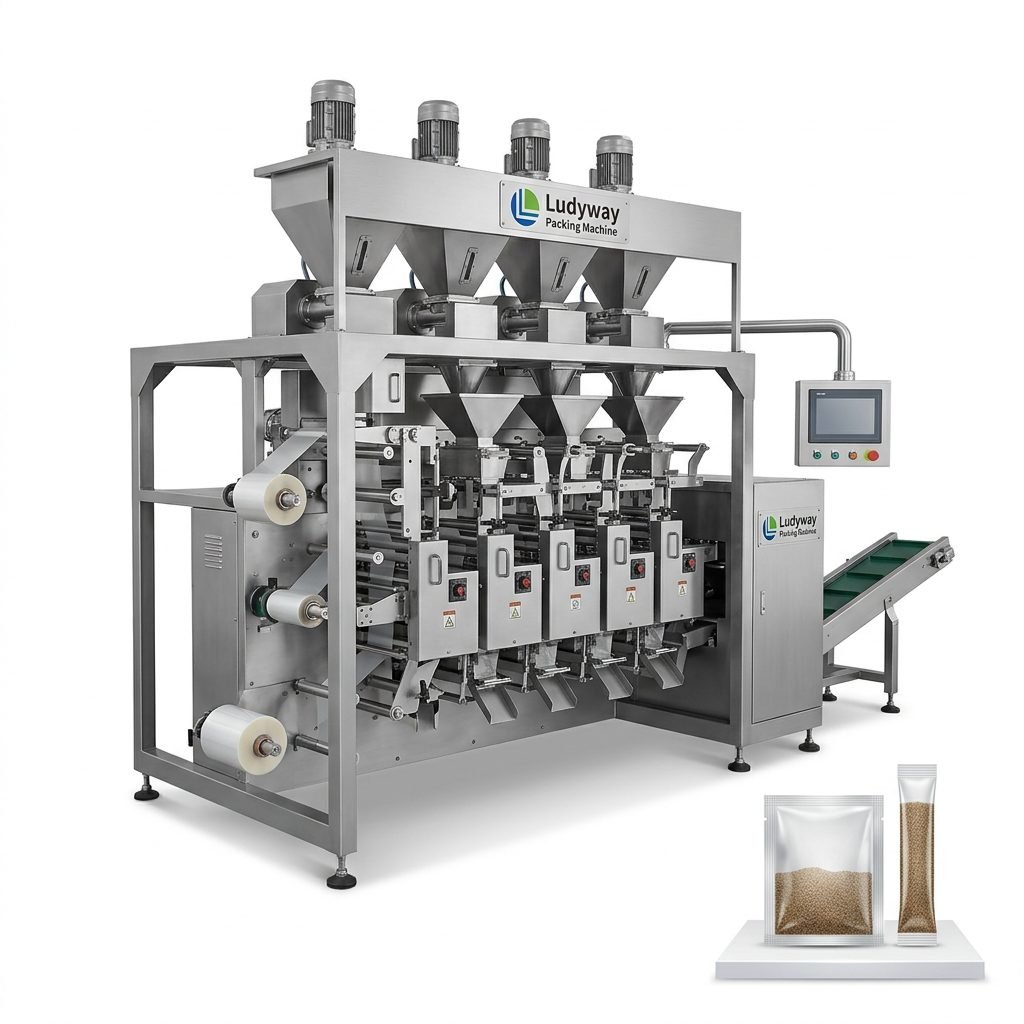
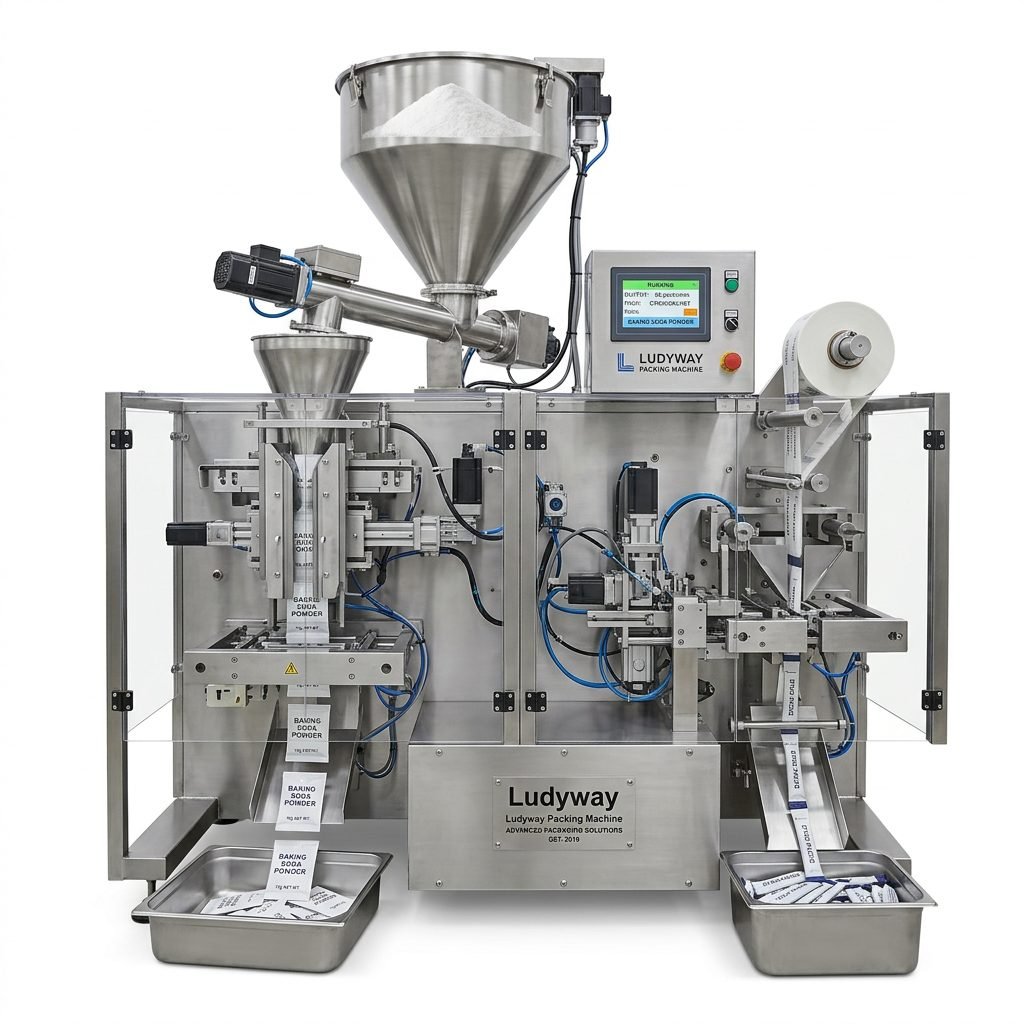
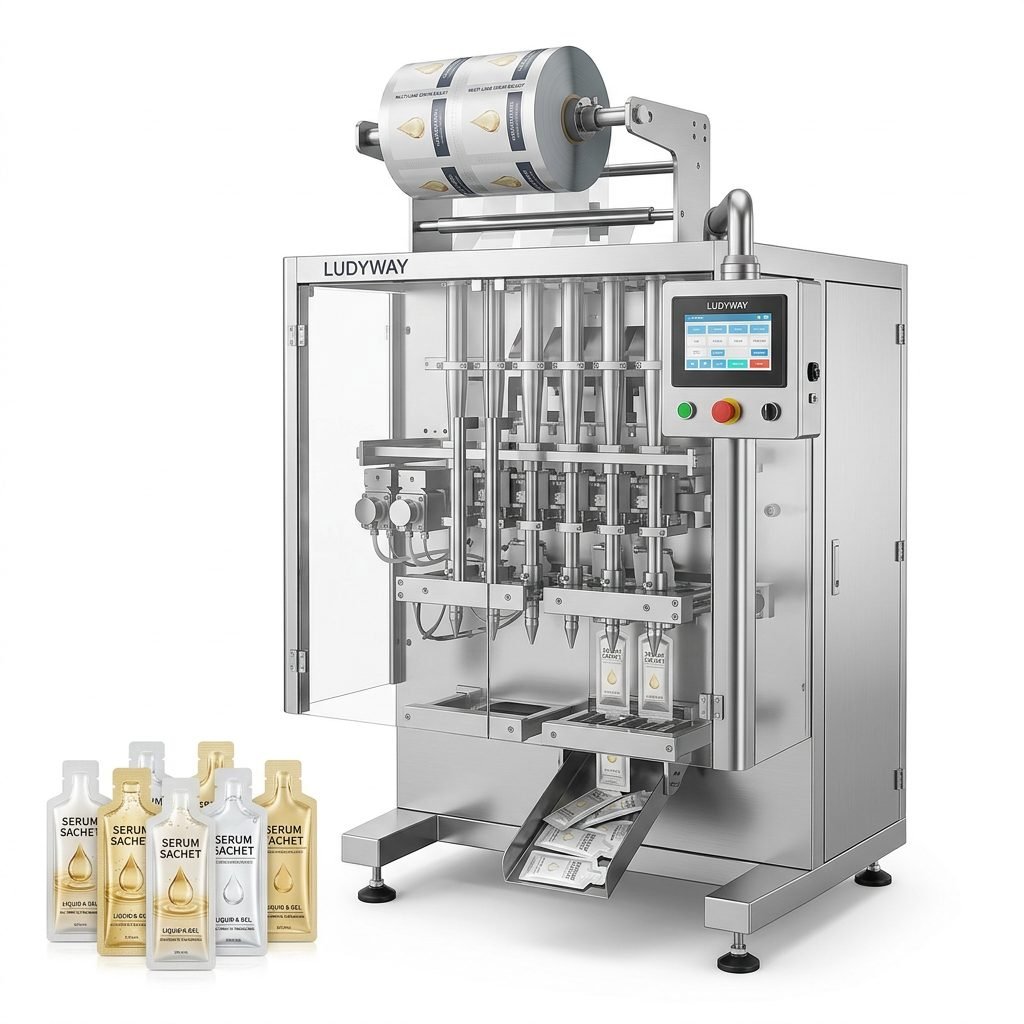
Choosing the right premade pouch filling machine is a strategic decision that affects speed, package quality, labor cost, product safety, and long-term profitability. Whether you pack powders, granules, liquids, pastes, or specialty products, the best machine is not simply the fastest model on the market—it is the one that matches your pouch type, production target, hygiene requirements, and future expansion plan.
A well-matched system helps reduce waste, improve sealing consistency, simplify changeovers, and support stable daily output. By contrast, choosing a machine based only on price can lead to downtime, pouch jams, underfilling, product leakage, and expensive maintenance issues later.
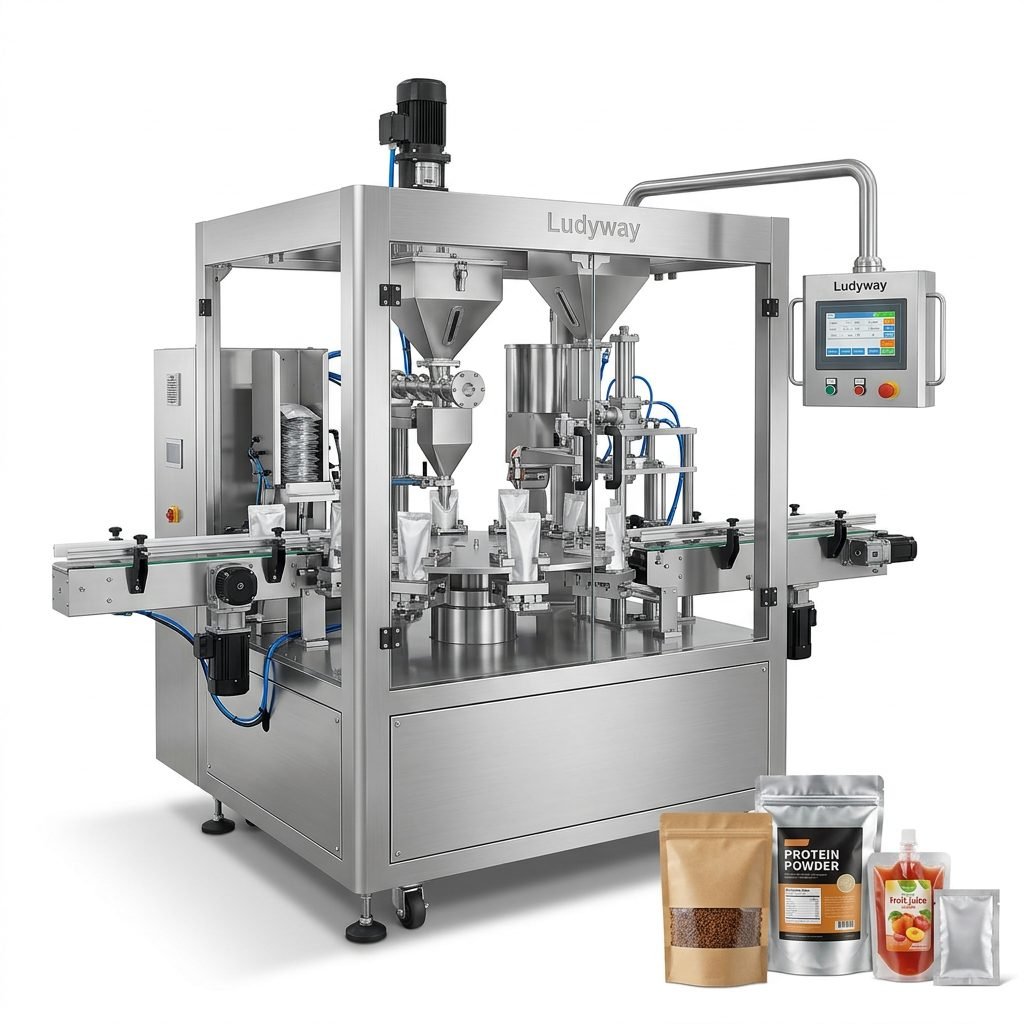
Why premade pouch filling machines are popular in modern packaging
Premade pouches are widely used because they offer strong shelf appeal, flexible material options, and convenient consumer handling. Compared with traditional rigid packaging in some applications, pouch packaging can reduce material use and shipping volume while maintaining a premium brand presentation.
- Better visual presentation for retail shelves and e-commerce packaging
- Flexible pouch formats such as stand-up pouches, zipper pouches, spouted pouches, and flat pouches
- Lower labor demand through automated filling and sealing
- Improved consistency in fill weight and seal appearance
- Scalability from semi-automatic to fully integrated packaging lines
For manufacturers in food, pharmaceutical, nutraceutical, cosmetic, and chemical sectors, premade pouch systems can support both small-batch flexibility and large-scale automated production.
Start with your product characteristics
Before comparing machine models, define exactly what you are packing. This is the most important step because the filling principle, material contact parts, dust control, pumping method, and seal design all depend on product behavior.
Questions to ask about the product
- Is the product a powder, granule, liquid, paste, gel, or mixed material?
- Does it flow freely or bridge easily?
- Is it dusty, sticky, corrosive, oily, or foamy?
- Does it require high filling accuracy?
- Is it sensitive to moisture, oxygen, or contamination?
- Does it contain solid particles in liquid?
For example, free-flowing granules may work well with multi-head weighers or cup fillers, while fine powders often require auger fillers and dust extraction. Liquids and sauces may need piston pumps, servo pumps, or specialized nozzles to avoid dripping and splashing.
Match the machine to the pouch type
Not all premade pouch filling machines handle all pouch styles equally well. Your pouch dimensions, zipper design, gusset structure, and material thickness affect how the pouch is picked up, opened, filled, and sealed.
| Pouch Type | Typical Applications | Machine Considerations |
|---|---|---|
| Stand-up pouch | Snacks, powders, pet food, supplements | Stable pouch opening and accurate pouch positioning |
| Flat pouch | Powders, tablets, small-dose products | Compact handling and clean sealing area |
| Zipper pouch | Resealable food and consumer goods | Reliable zipper opening and top seal quality |
| Spouted pouch | Liquids, puree, gels | Specialized filling station and nozzle alignment |
| Gusset pouch | Coffee, grains, bulk dry products | Stronger pouch support and shape control |
Always send pouch samples to the machine supplier for real testing. This is the fastest way to verify opening rate, filling stability, sealing strength, and finished package appearance.
Define the production speed you actually need
Speed should be based on realistic operating conditions, not only the maximum speed shown in catalogs. In actual production, output depends on pouch size, product characteristics, fill volume, operator skill, changeover frequency, and downstream coordination.
Evaluate speed using these points
- Target output per minute, hour, and shift
- Expected uptime during a normal production day
- How often you switch pouch sizes or products
- Whether inspection, coding, cartoning, or case packing is included
- Future production growth over the next 2–5 years
A machine that is slightly larger than your current demand can give useful room for growth. However, an oversized machine may create unnecessary capital cost and reduce efficiency if your product range changes frequently.
Check filling accuracy and sealing quality
Packaging efficiency is not only about speed. If pouches are poorly sealed or fill weights are inconsistent, your real productivity falls due to rework, scrap, and customer complaints.
Look for a premade pouch filling machine that offers:
- Stable dosing system matched to product type
- Consistent pouch opening to reduce missed fills
- Clean filling area to prevent product on seal zones
- Reliable heat sealing control for your pouch material
- Quality rejection function for unqualified packs
Common quality issues to prevent
- Powder trapped in the sealing area
- Liquid dripping after filling
- Inconsistent vacuum opening of pouches
- Wrinkled or weak top seals
- Weight variation beyond tolerance
Consider hygiene, cleaning, and material standards
If you package food, pharmaceuticals, health supplements, or cosmetics, hygiene design is essential. The machine should be easy to clean, resistant to corrosion, and built with suitable contact materials such as stainless steel where required.
| Factor | Why It Matters | What to Check |
|---|---|---|
| Contact materials | Protects product safety | Food-grade or pharma-appropriate stainless steel parts |
| Cleanability | Reduces contamination risk | Quick disassembly and low dead-angle design |
| Dust or spill control | Improves sealing and workshop cleanliness | Dust covers, suction, drip-proof nozzles |
| Validation support | Important for regulated industries | Documentation, testing, and traceability support |
Assess machine flexibility for multiple products
Many factories do not package just one SKU. If you run multiple pouch sizes or product types, flexibility can be more valuable than peak speed. A machine with easier adjustments may save more money over time than a faster but rigid system.
Important flexibility features include:
- Fast recipe changes through HMI
- Simple pouch width and height adjustment
- Tool-free or low-tool changeover design
- Compatibility with different fillers
- Optional coding, nitrogen flushing, zipper opening, or checkweighing modules
Look beyond the standalone machine
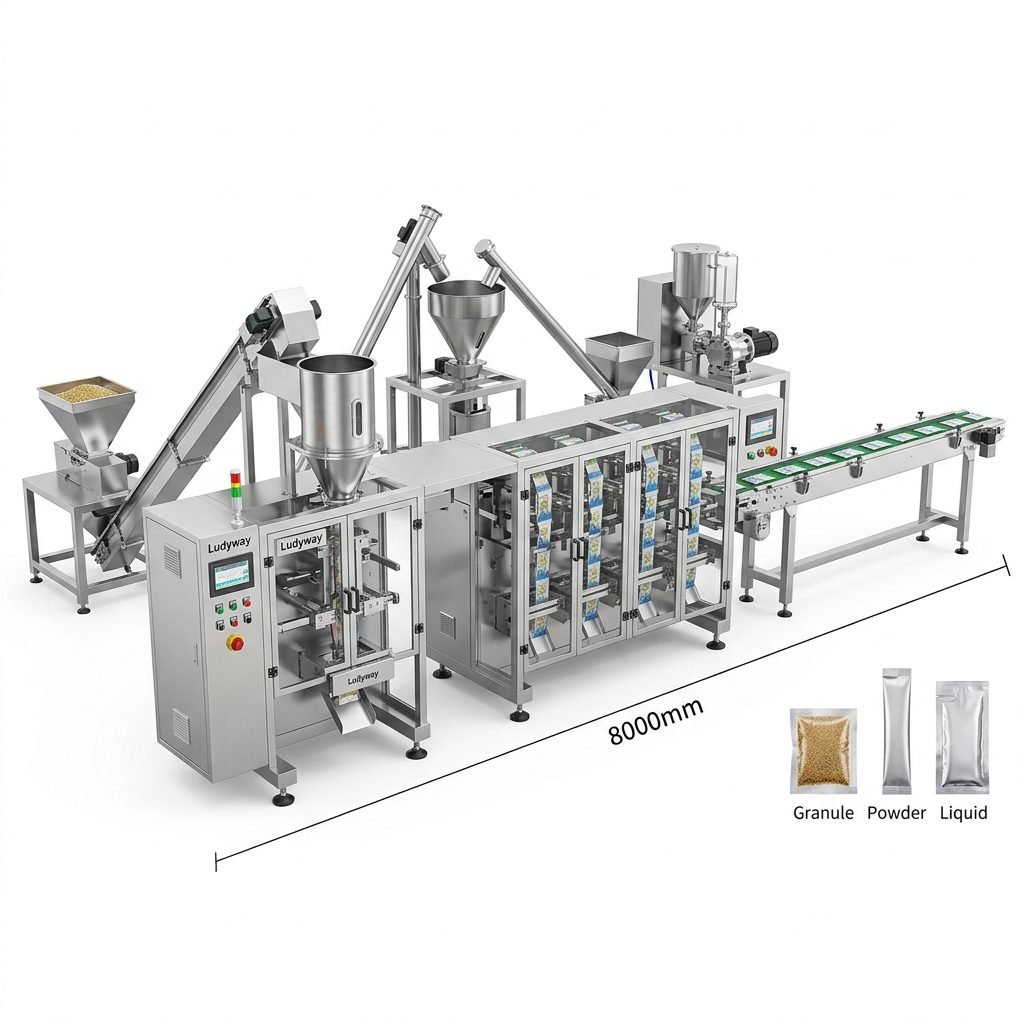
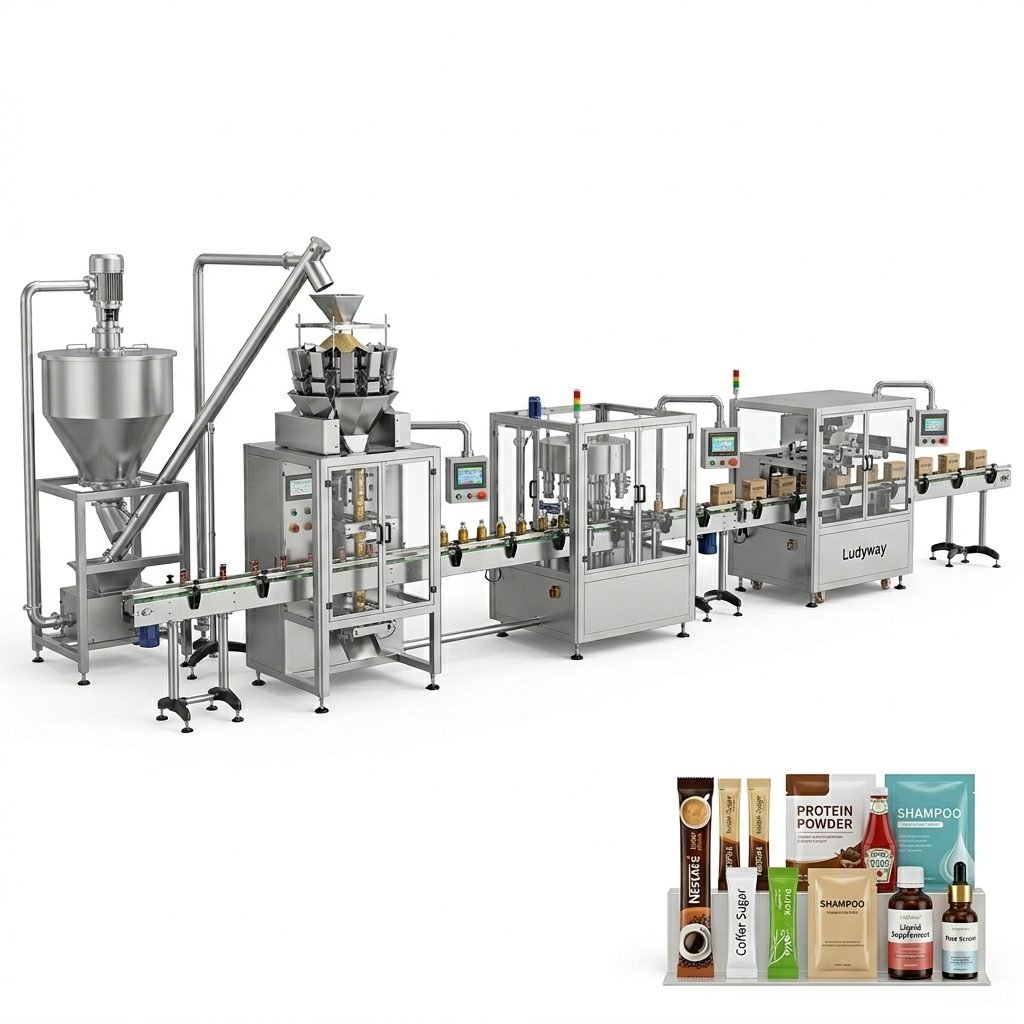
Efficient packaging operations depend on the complete workflow, not just the filling machine itself. A premade pouch filler should work smoothly with upstream feeding systems and downstream inspection or packing equipment.
Typical line components
- Product feeder or elevator
- Auger filler, weigher, piston filler, or pump system
- Premade pouch feeding and opening section
- Sealing and cooling stations
- Date coder or printer
- Checkweigher, metal detector, or vision inspection
- Cartoning, case packing, and palletizing equipment
If your business plans to automate more steps later, choose equipment that can be integrated into a broader packaging line. Working with an experienced supplier such as Ludyway premade pouch packaging machine manufacturer can be helpful when you need both single machines and scalable turnkey solutions.
Evaluate ease of operation and maintenance
A machine that is difficult to operate can reduce efficiency even if it has strong technical specifications. Operators should be able to understand alarms, adjust settings, perform basic cleaning, and complete routine maintenance without excessive downtime.
What operators and maintenance teams need
- User-friendly touchscreen interface
- Clear alarm messages and troubleshooting prompts
- Accessible wear parts and maintenance points
- Stable electrical and pneumatic components
- Spare parts availability and remote support
Ask suppliers how long common spare parts take to ship, what documentation is included, and whether online technical support is available after installation.
Important supplier questions before you buy
The quality of the supplier is often as important as the quality of the machine. Strong technical support, real application experience, and honest testing results can significantly reduce project risk.
- Can you test my actual product and pouch samples?
- What products has this model packaged successfully?
- What is the real output range under similar conditions?
- Which components are used for PLC, servo, and pneumatics?
- How long does installation and commissioning take?
- What training and after-sales service are included?
- Can the machine be upgraded later?
- What is the expected lead time for spare parts?
Common mistakes when selecting a premade pouch filling machine
- Choosing only by price instead of total operating value
- Ignoring pouch material compatibility
- Overestimating production speed requirements
- Underestimating cleaning and maintenance demands
- Buying a machine without real sample testing
- Failing to plan for future product or pouch changes
A practical selection checklist
| Selection Area | Key Decision Point |
|---|---|
| Product type | Powder, granule, liquid, paste, or mixed product |
| Pouch format | Stand-up, zipper, flat, gusset, or spouted pouch |
| Output target | Actual packs per minute under working conditions |
| Accuracy | Required fill tolerance and seal quality |
| Hygiene level | Food, pharma, cosmetic, or industrial standard |
| Changeover needs | How often sizes, products, or pouch types change |
| Line integration | Need for coding, inspection, cartoning, or palletizing |
| Support | Training, spare parts, remote service, documentation |
Final buying advice for efficient packaging operations
The best premade pouch filling machine is the one that fits your product behavior, pouch structure, speed target, hygiene requirements, and production strategy. A reliable machine should do more than fill and seal; it should help your operation run with fewer errors, less waste, smoother labor management, and better package consistency.
When evaluating suppliers, prioritize sample testing, realistic output data, line compatibility, and after-sales support. That approach will help you choose a system that supports efficient packaging operations not only today, but also as your business grows.