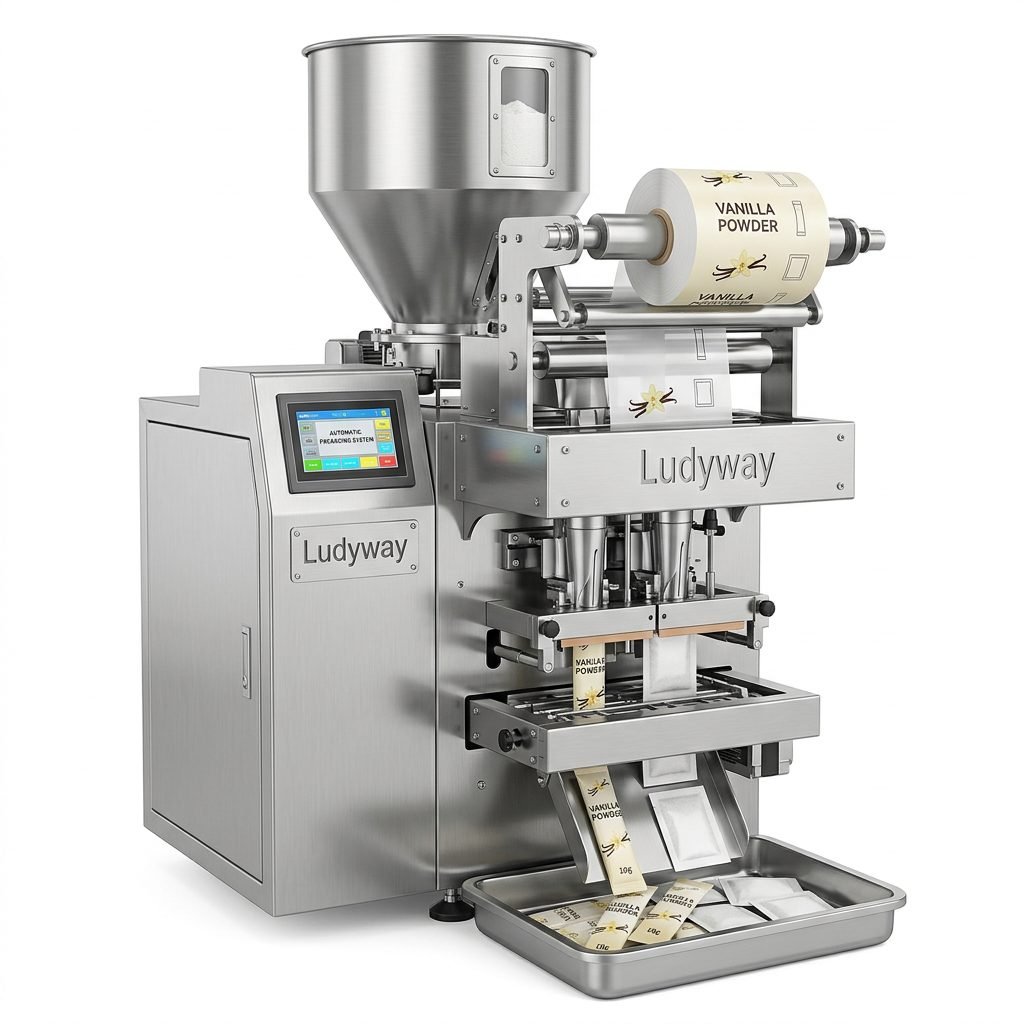
The UK packaging machinery market is a dynamic and sophisticated sector, reflecting the nation’s strong manufacturing heritage, high consumer standards, and a deeply ingrained culture of innovation and quality. From the bustling food & beverage producers in Yorkshire to the world-leading pharmaceutical hubs in the ‘Golden Triangle’ (Oxford, Cambridge, London), the demand for efficient, reliable, and increasingly sustainable packaging solutions is robust and evolving. This article delves into the market’s current size, the key forces propelling its growth, its major segments, and the compelling investment opportunities it presents for businesses looking to enhance their production capabilities.
Current Market Size and Economic Context
The UK packaging machinery market is a significant component of the country’s advanced manufacturing landscape. Valued at several hundred million pounds annually, it serves as a critical enabler for a wide range of end-user industries. The UK’s economic environment, characterized by a strong focus on high-value manufacturing and export-oriented sectors, underpins steady demand. Furthermore, British consumer preferences for premium, convenient, and well-presented products—a trait evident in everything from gourmet teas to luxury cosmetics—directly drive the need for advanced packaging technologies that can deliver on aesthetics, functionality, and speed.
Primary Growth Drivers Shaping the Industry
Several interconnected factors are accelerating the adoption and innovation of packaging machinery across the United Kingdom.
Sustainability and Regulatory Pressure
Perhaps the most powerful driver is the UK’s ambitious environmental agenda. Following the nation’s commitment to achieving Net Zero, there is immense pressure on brands to reduce plastic usage, minimize waste, and incorporate recycled materials. This shift necessitates machinery capable of handling new, often more challenging, biodegradable or mono-material films, as well as systems designed for lightweighting and precise material application to avoid excess.
E-commerce and Supply Chain Resilience
The boom in online retail, accelerated by cultural shifts in shopping habits, demands packaging that protects products during the “last mile” of delivery. This requires machinery for right-sized packaging, automated void fill, and durable corrugated case sealing. Additionally, lessons from recent global supply chain disruptions have led UK manufacturers to prioritize automation to maintain consistent output and reduce reliance on manual labour.
Technological Integration and Industry 4.0
The adoption of IoT (Internet of Things), AI, and data analytics is transforming packaging lines into smart, connected systems. UK manufacturers are investing in machinery with predictive maintenance capabilities, real-time production monitoring, and seamless integration with Enterprise Resource Planning (ERP) systems. This drive for digitalization enhances efficiency, traceability, and overall equipment effectiveness (OEE).
Consumer Demand for Flexibility and Customization
The trend towards smaller batch sizes, personalized products, and limited-edition runs—popular in the UK’s vibrant craft food and drink scene—requires packaging machinery that is highly flexible and quick to change over. Modular machines and multi-format platforms are increasingly sought after to meet this need for agility.
Key Market Segments and Applications
The market can be segmented by both technology type and end-use industry, each with distinct characteristics and growth trajectories.
By Packaging Technology
- Filling & Sealing Machinery: Dominant across all sectors, especially for liquids, granules, and powders. Aseptic filling is critical for pharmaceuticals and certain beverages.
- Labeling & Coding: High growth due to stringent track-and-trace regulations in pharma and the need for variable data printing in food.
- Wrapping & Bundling: Essential for multi-packs and secondary packaging, often integrated with end-of-line robotic palletizing systems.
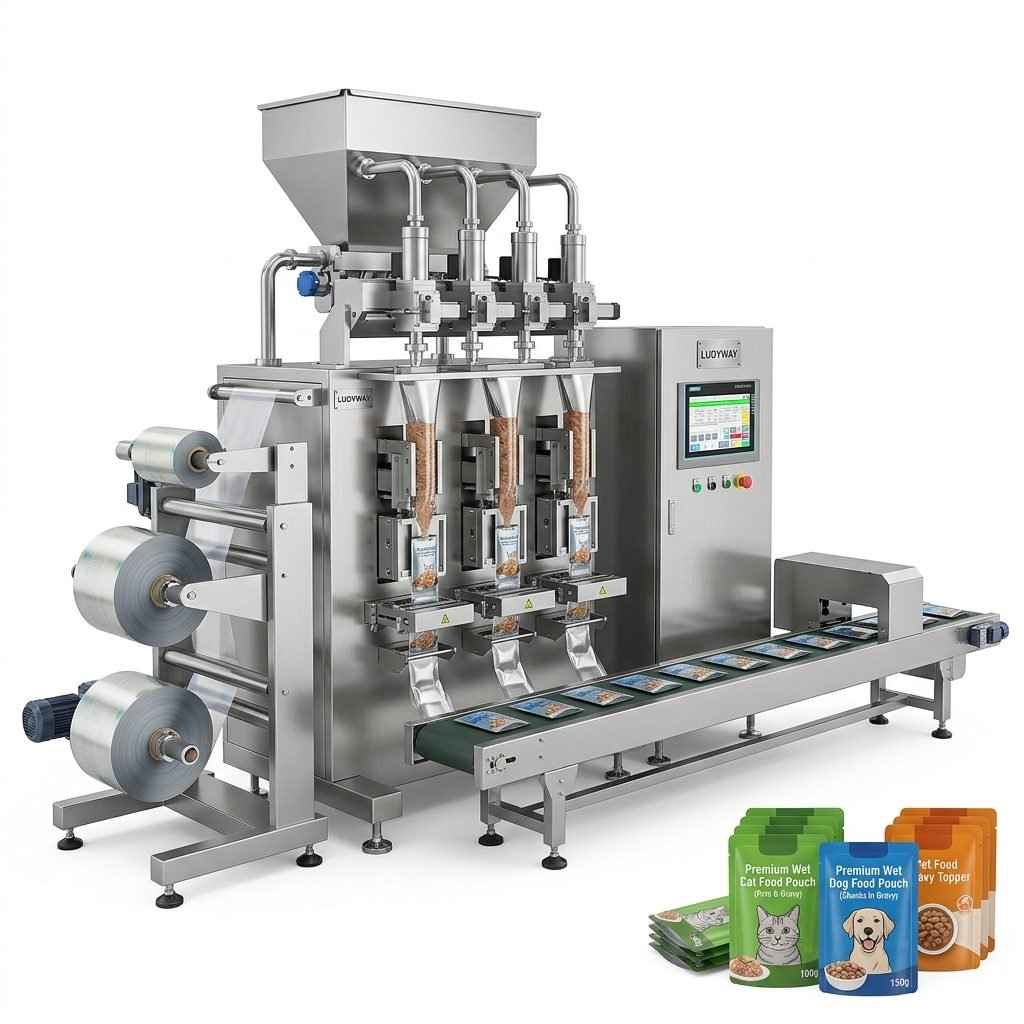
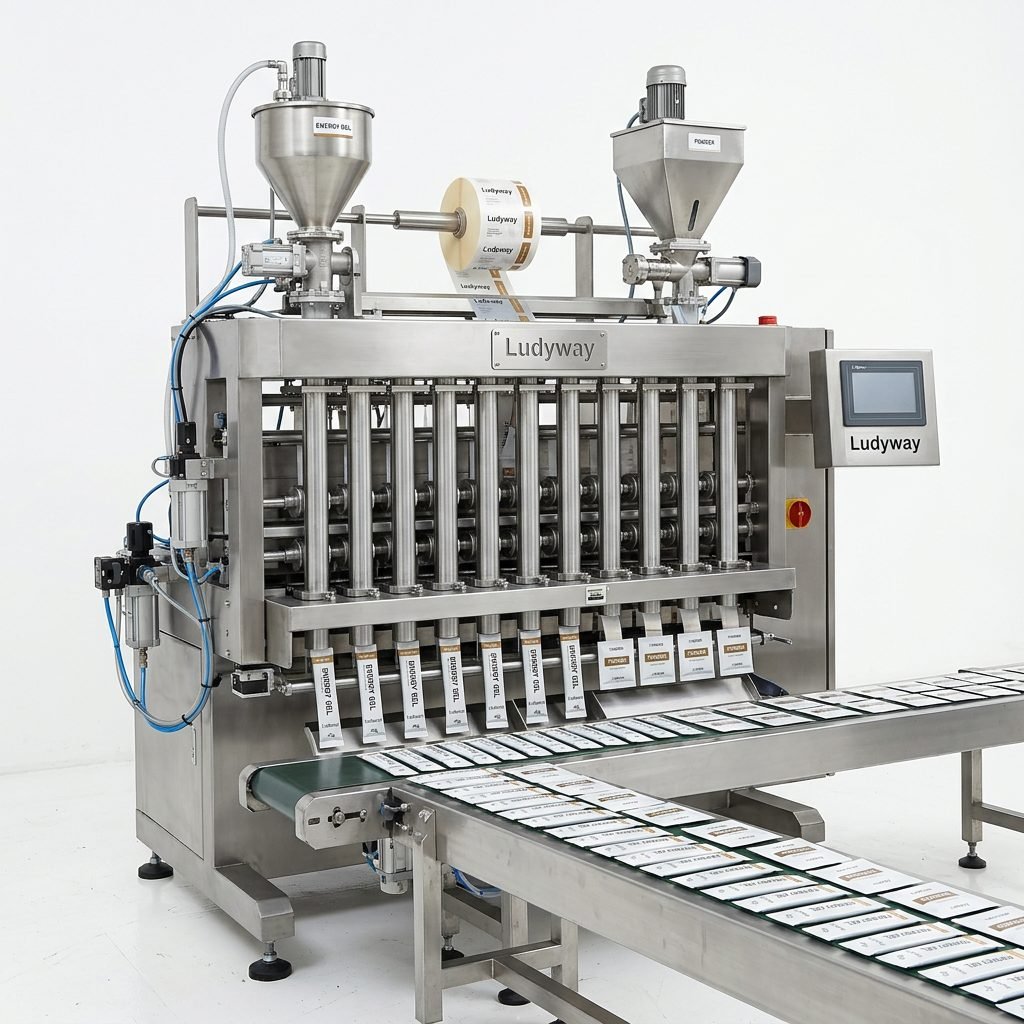
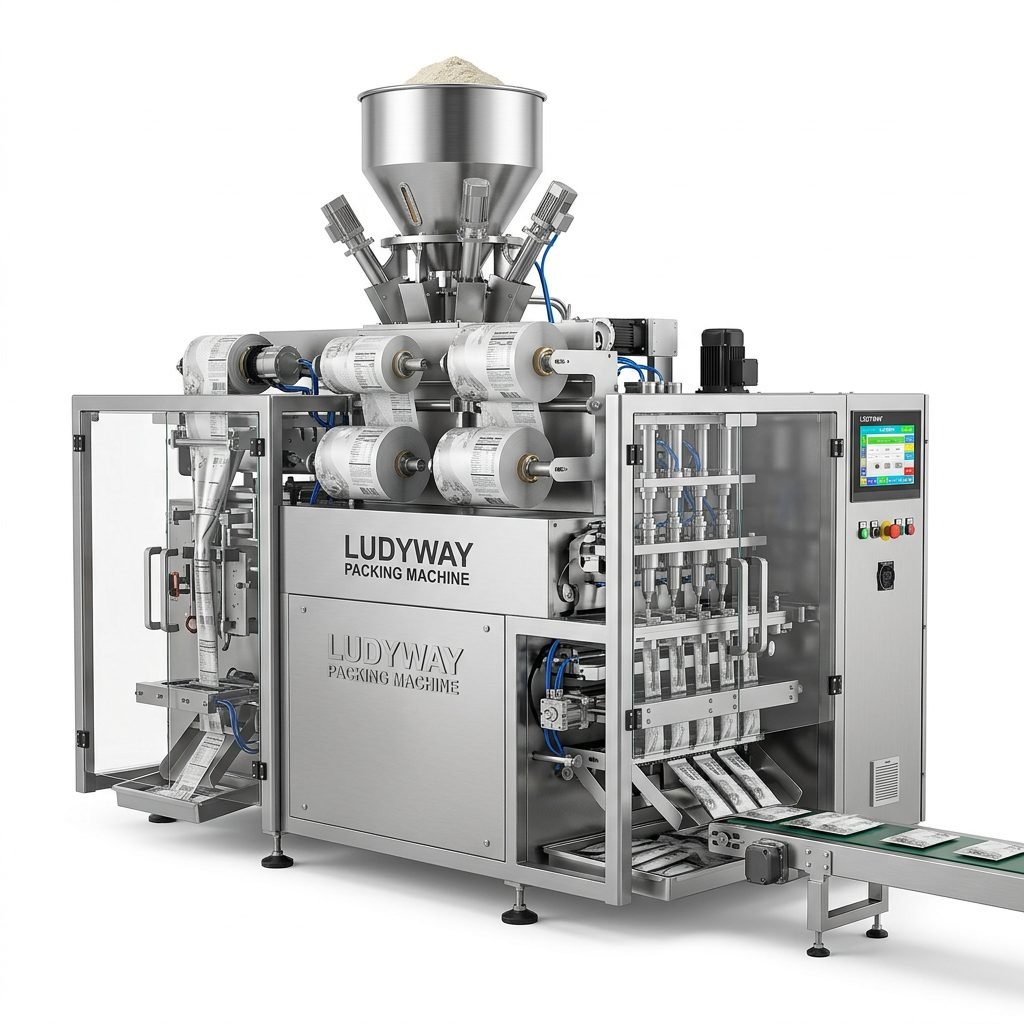
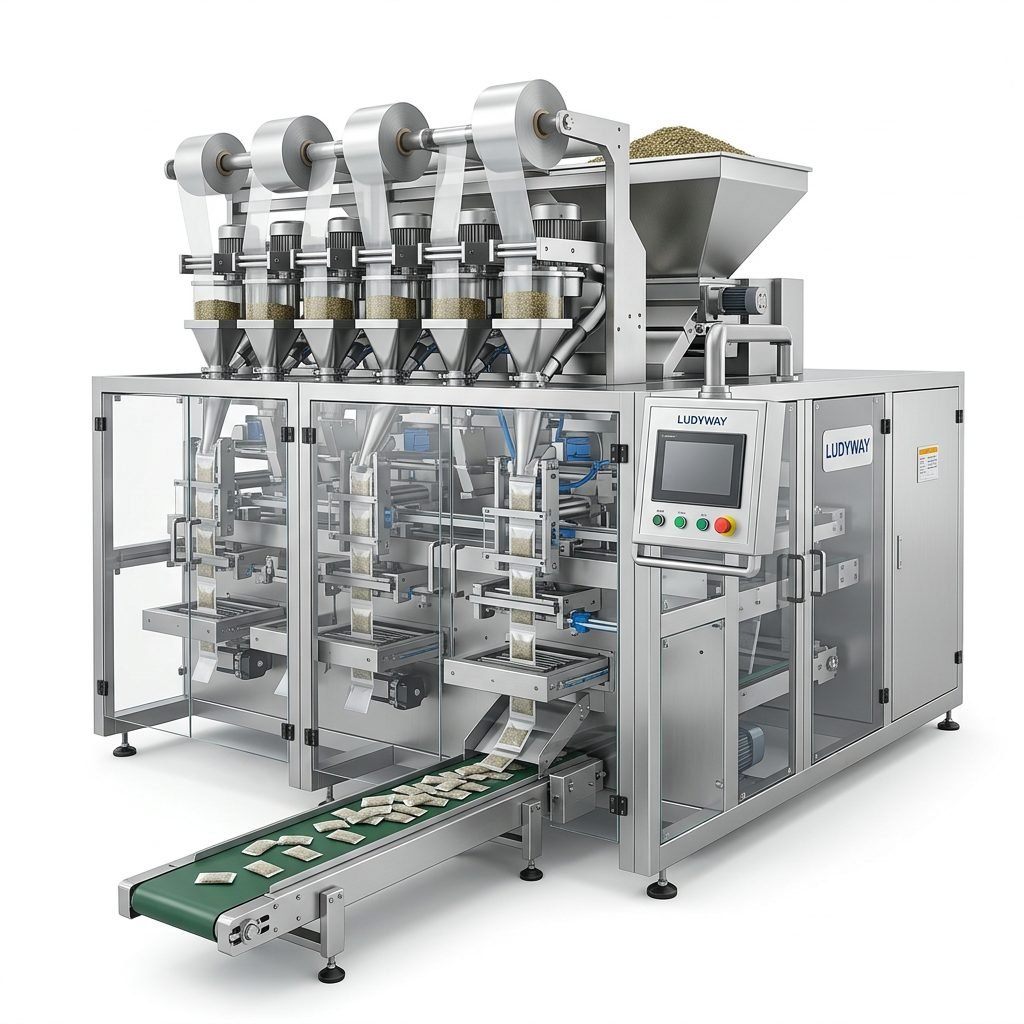
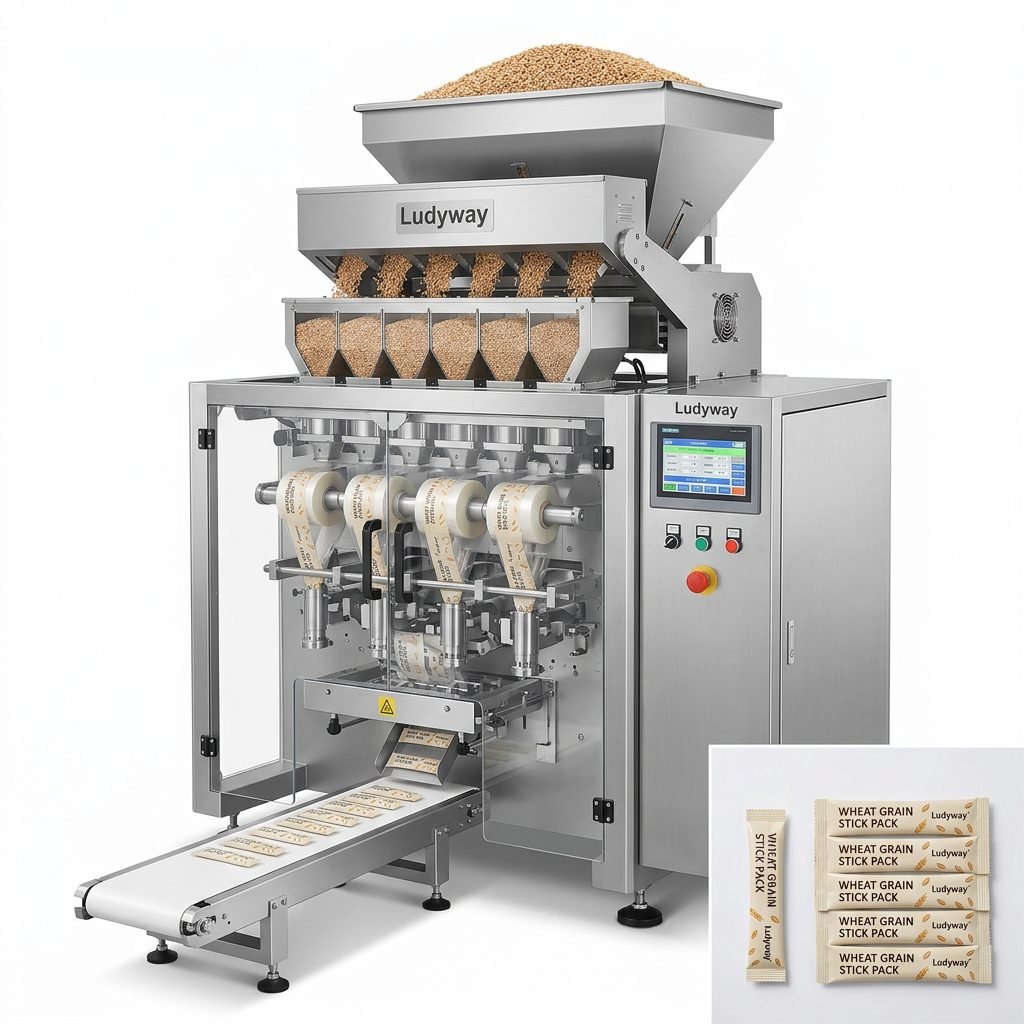
- Form-Fill-Seal (FFS): Extremely popular for its efficiency. This includes vertical (VFFS) and horizontal (HFFS) systems for creating sachets, stick packs, and pouches from roll stock film.
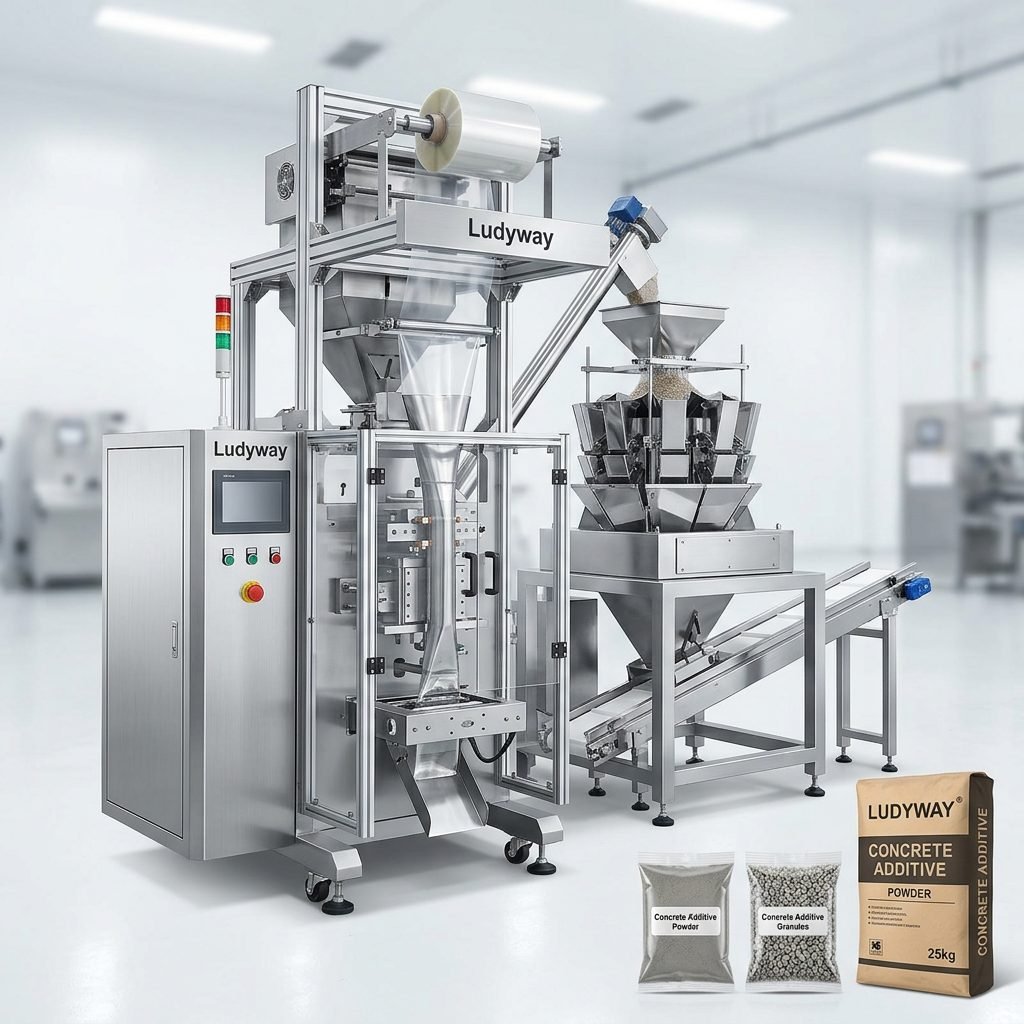
For businesses seeking reliable and versatile FFS solutions, exploring options from established suppliers like Ludyway Packing Machine can provide access to technology tailored for high-speed granule, powder, and liquid packaging applications.
By End-Use Industry
Food & Beverage: The largest segment, driven by demand for convenience foods, ready meals, and premium products. Machinery must ensure hygiene, speed, and portion control.
Pharmaceuticals & Healthcare: Requires ultra-high precision, sterile environments, and strict compliance with regulations like MHRA guidelines. Blister packing, vial filling, and medical device packaging are key areas.
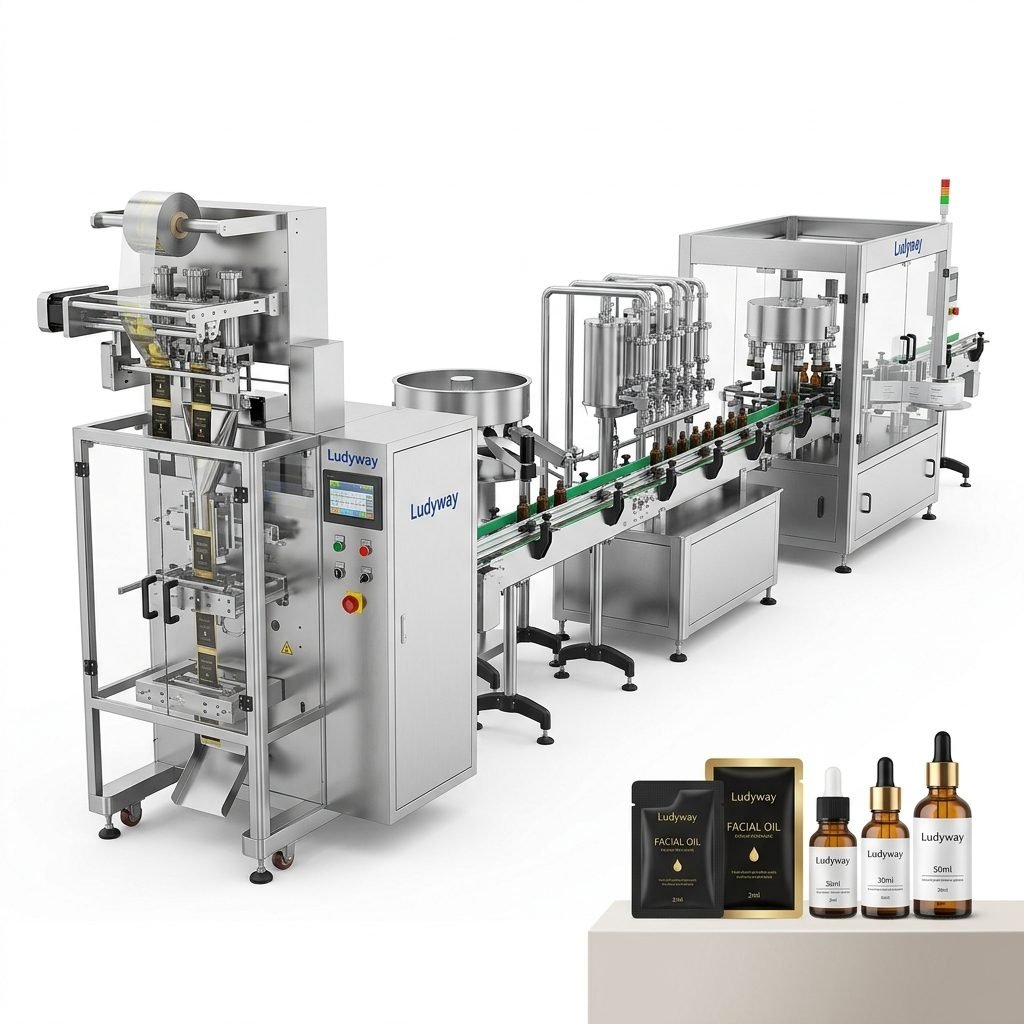
Cosmetics & Personal Care: Focuses on aesthetic presentation, flexibility for small batches, and packaging for creams, liquids, and serums.
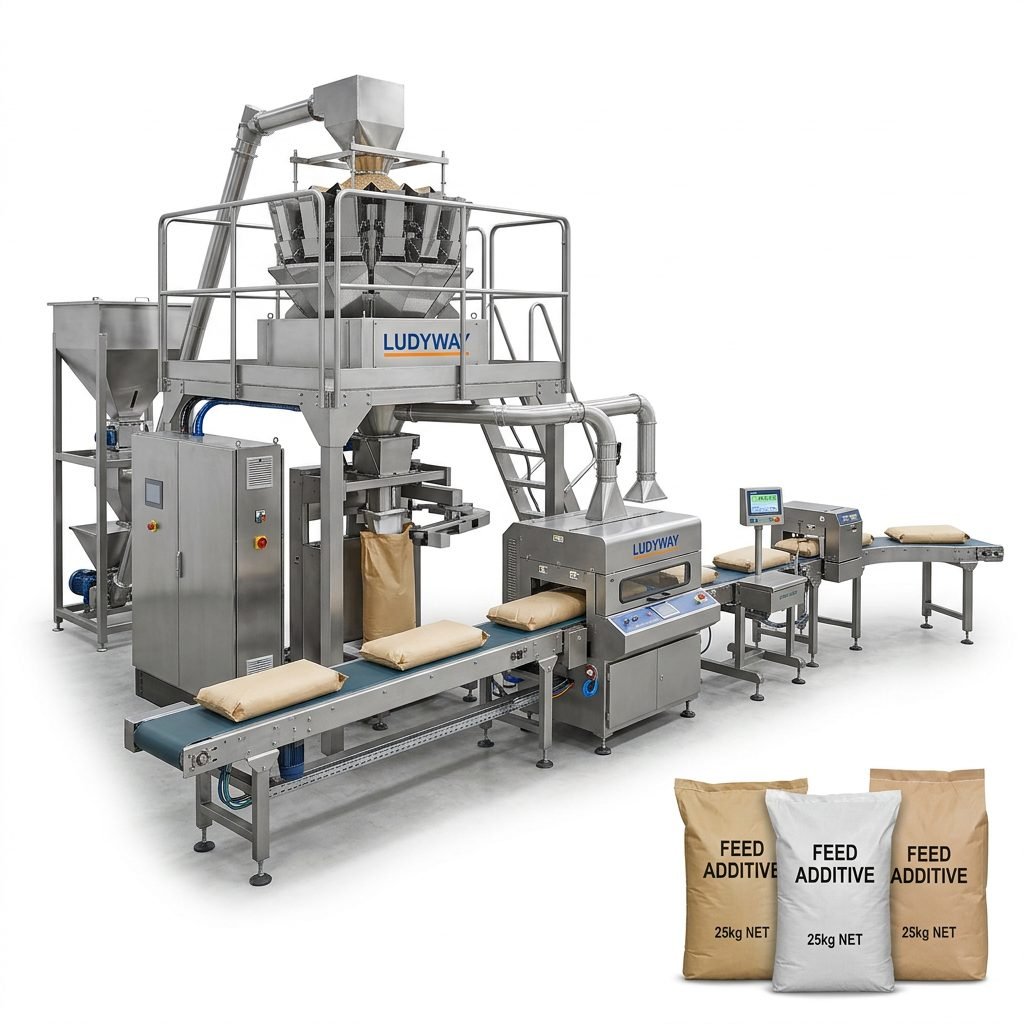
Industrial & Chemicals: Demands robust machinery for handling hazardous or abrasive materials in large-volume bags, drums, or intermediate bulk containers (IBCs).
Lucrative Investment Opportunities
For investors and businesses, the UK market presents several clear avenues for growth and value creation.
1. Retrofitting and Upgrading Existing Lines
Many UK manufacturers operate ageing machinery. There is a significant opportunity in providing modernization kits, servo-drive upgrades, and IoT sensors to enhance the performance, energy efficiency, and connectivity of legacy equipment without the cost of a complete replacement.
2. Sustainable Packaging Solutions
Investing in or developing machinery specifically designed for compostable films, paper-based packaging, and efficient recycling systems is aligned with national policy and consumer sentiment. This includes equipment for dissolvable sachets or water-soluble pods, which are gaining traction.
3. Compact and Flexible Automation for SMEs
The UK’s large base of small and medium-sized enterprises (SMEs), particularly in artisanal food and drink, needs affordable, space-saving, and easy-to-operate automated packaging systems. Companies that can deliver compact, multi-purpose machines will capture a growing niche market.
4. Service-Based Models and Support
Beyond equipment sales, there is rising demand for comprehensive service packages, including preventive maintenance contracts, remote diagnostics, and operator training. Providing reliable after-sales support and spare parts is a key differentiator and a stable revenue stream. A partner with a strong service ethos, such as Ludyway’s professional support team, can be crucial for maintaining uptime.
5. Integration of Robotics and Cobots
Collaborative robots (cobots) are becoming more accessible and are ideal for tasks like packing, palletizing, and machine tending. Investing in robotic integration services or developing cobot-friendly packaging cells presents a major opportunity to address the UK’s labour challenges and improve ergonomics.
In conclusion, the UK packaging machinery market is thriving on a confluence of tradition and innovation. Driven by sustainability goals, e-commerce, digitalization, and the demand for premium, flexible packaging, the sector offers substantial opportunities. Success will belong to those who provide not just machinery, but intelligent, sustainable, and adaptable solutions backed by strong technical support. For manufacturers aiming to upgrade their capabilities, partnering with experienced providers who understand these complex dynamics—like those offering turnkey packaging solutions from concept to installation—can be a strategic step towards future-proofing their operations.
Frequently Asked Questions (FAQs)
What are the main trends influencing packaging machinery purchases in the UK?
The dominant trends are the push towards sustainable packaging materials and processes, the integration of Industry 4.0 technologies for data and connectivity, the need for greater production line flexibility to handle smaller batches, and the ongoing automation of processes to improve efficiency and address skilled labour shortages.
How important is sustainability in the UK market compared to other regions?
Sustainability is a primary purchasing driver in the UK, often on par with or exceeding cost and speed considerations. This is due to strong government regulations (like the Plastic Packaging Tax), corporate sustainability commitments, and highly environmentally conscious consumers who actively choose brands with credible green credentials.
What should a UK manufacturer look for when choosing a new packaging machine supplier?
Key factors include: the supplier’s experience with your specific product type and material, the machine’s energy efficiency and compatibility with sustainable materials, the availability of local technical support and spare parts, the ease of integration with existing systems, and the total cost of ownership, not just the purchase price.
Is there government support available for investing in advanced packaging machinery?
Yes, various schemes can apply. These may include tax reliefs like the Annual Investment Allowance (AIA) for capital equipment, grants for innovation in green technology from bodies like Innovate UK, or support for energy-efficient equipment. It is advisable to consult with a business advisor or check government websites for current applicable schemes.
What is the typical lead time for installing a new packaging line in the UK?
Lead times can vary significantly based on machine complexity, customization, and current global supply chain conditions. For standard machines, it might range from 12 to 24 weeks. For fully customised turnkey lines, it can extend to 6-12 months. Planning well ahead and working with a supplier known for reliable project management is essential.