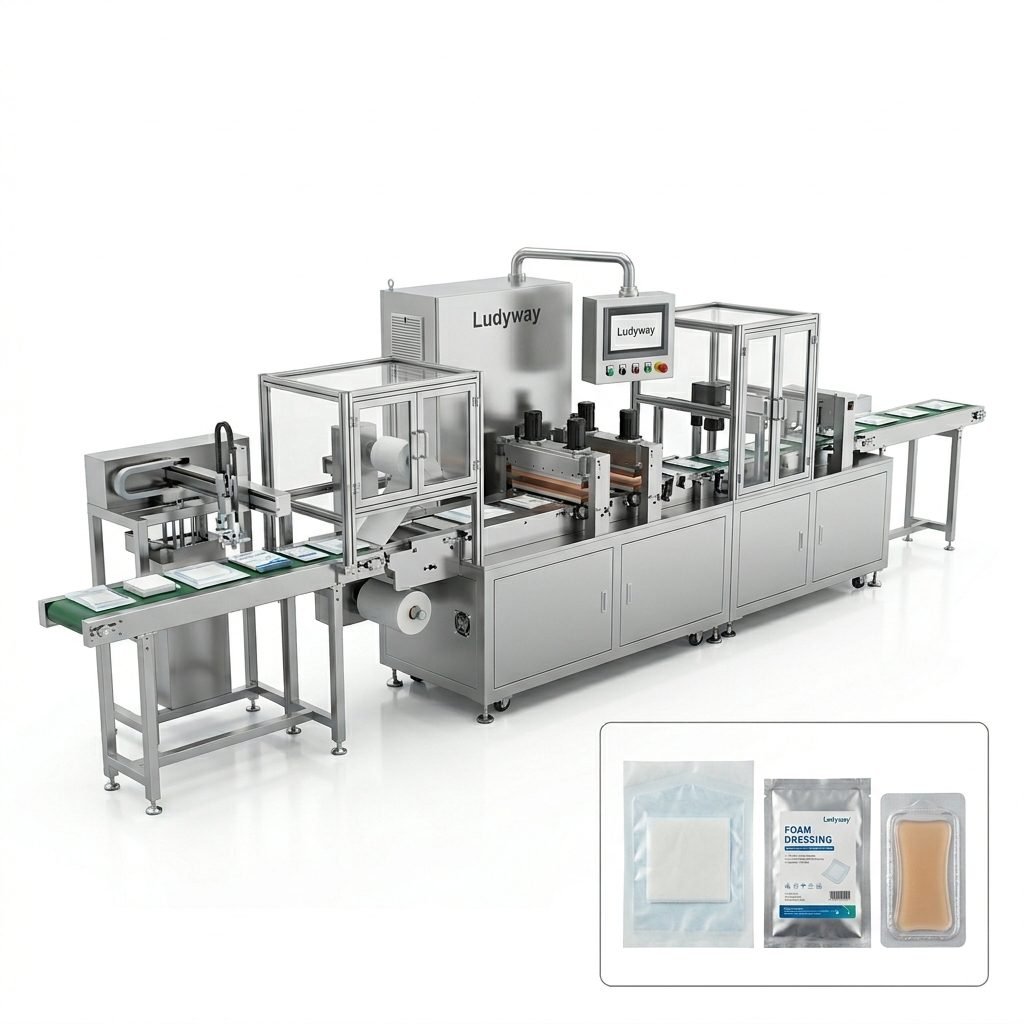
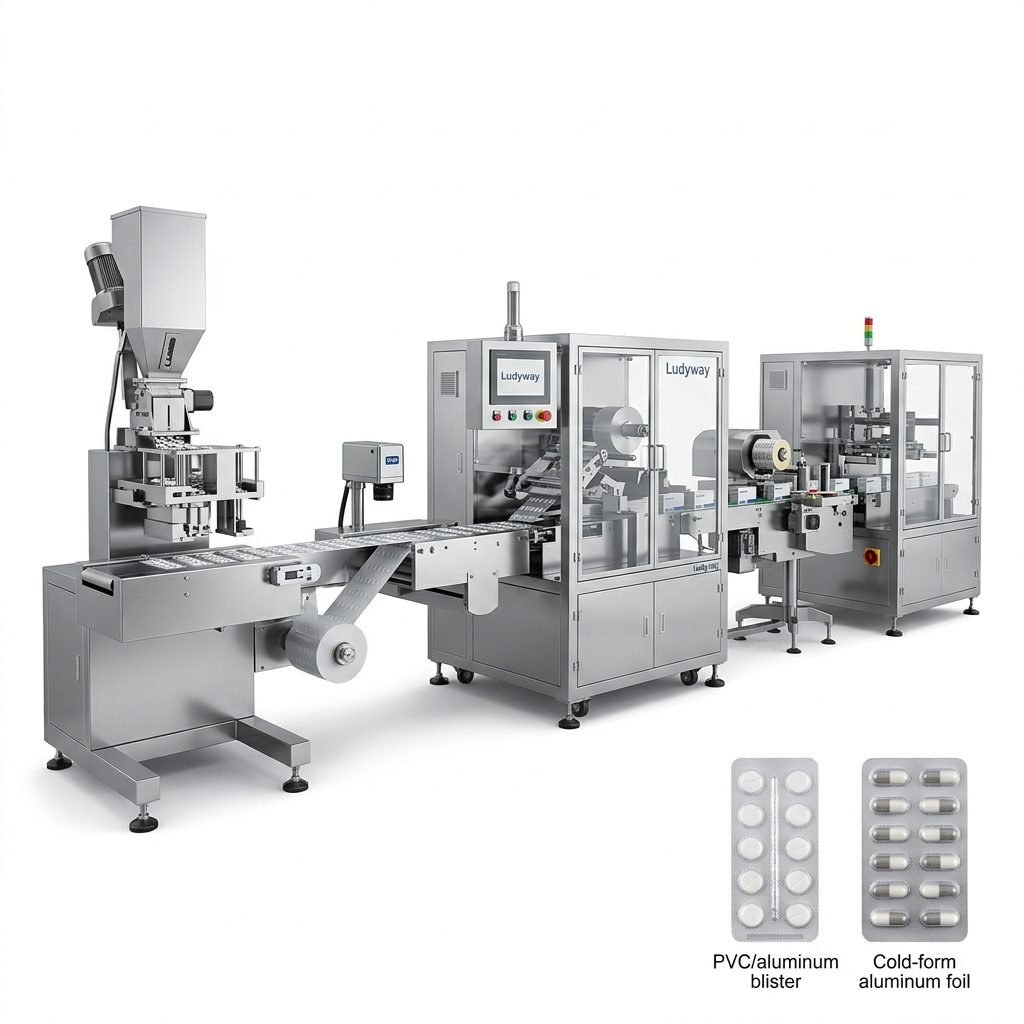
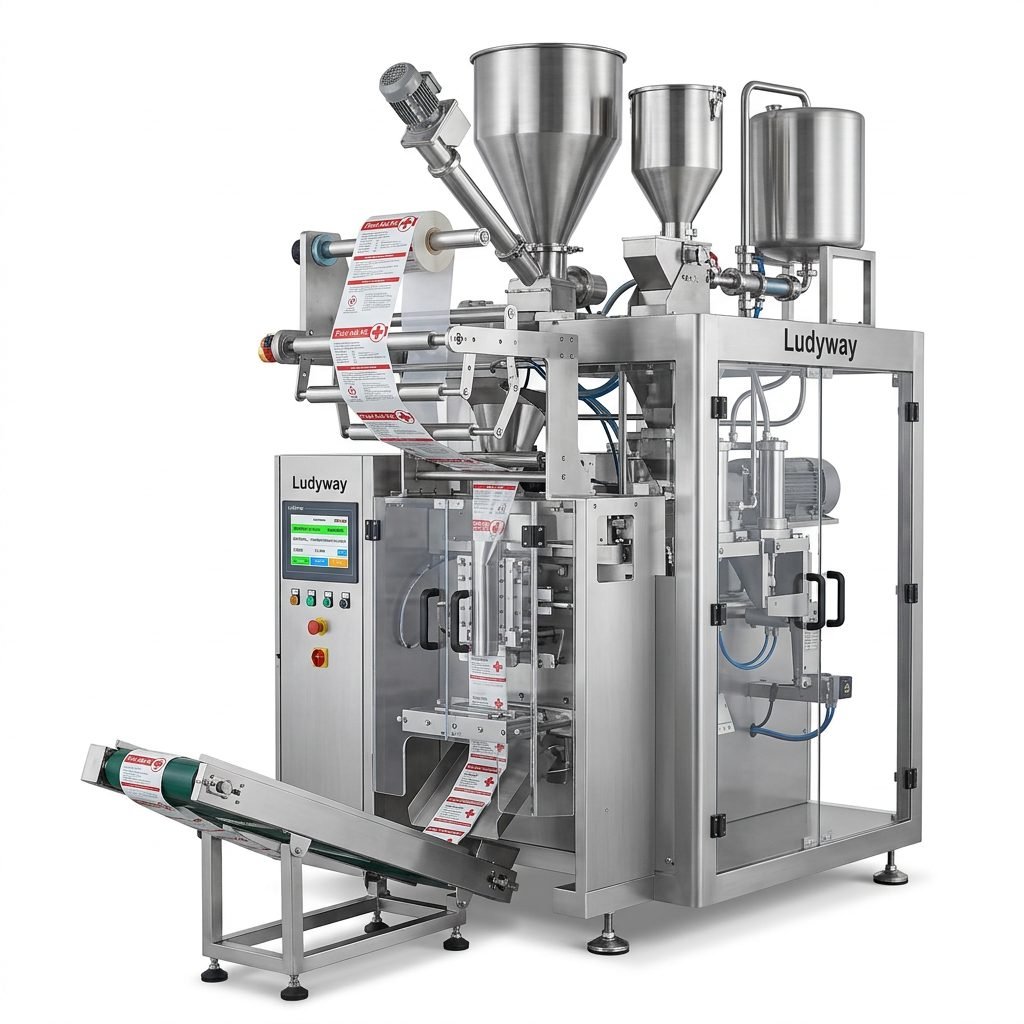
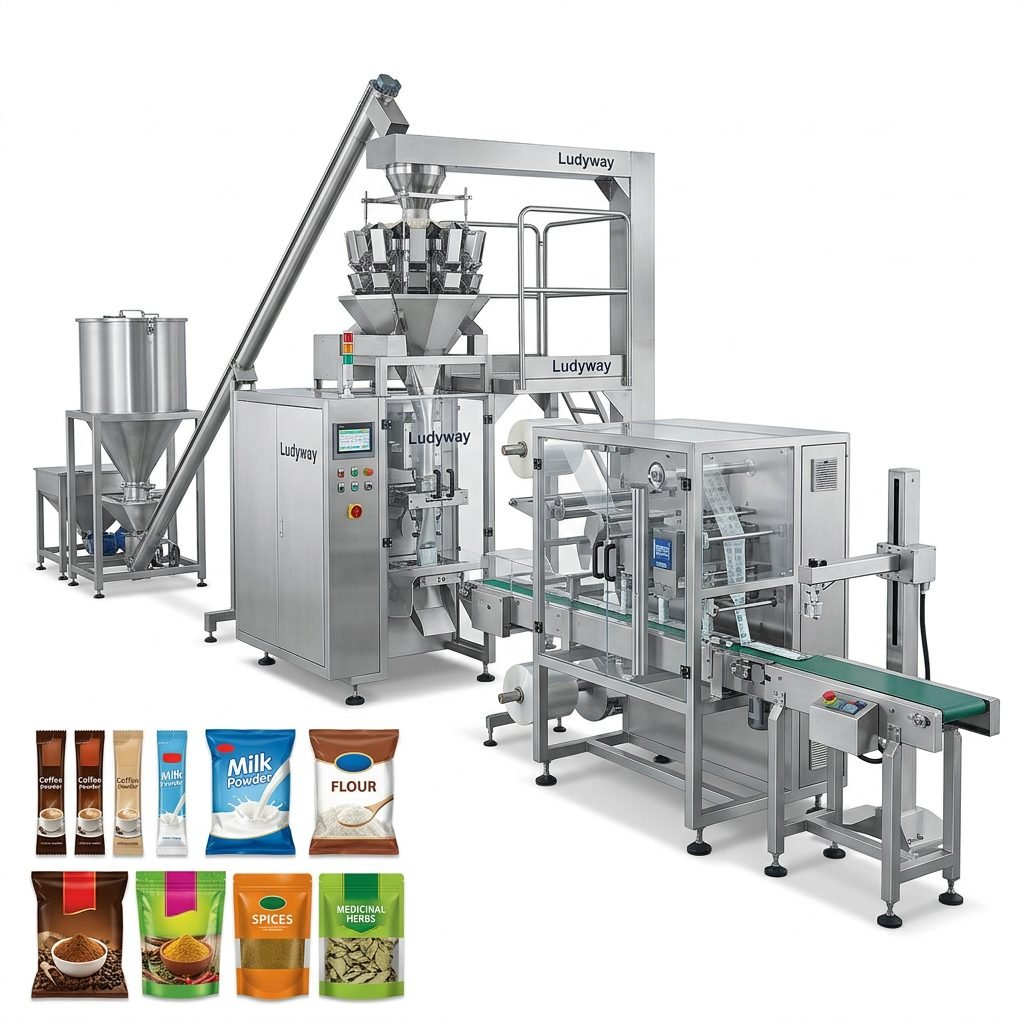
In today’s fast-paced manufacturing world, efficient and reliable packaging is crucial for product integrity, brand presentation, and operational success. For businesses handling powders, granules, liquids, or other small portions, a bag packaging machine is often the heart of the production line. This comprehensive guide delves into the world of bag packaging machines, exploring their various types, core working principles, significant benefits, and providing a clear framework for selecting the perfect machine for your specific needs.
Understanding the Different Types of Bag Packaging Machines
The term “bag packaging machine” encompasses a diverse range of equipment designed for different products, speeds, and bag styles. Choosing the right type is the first critical step.
By Product Form
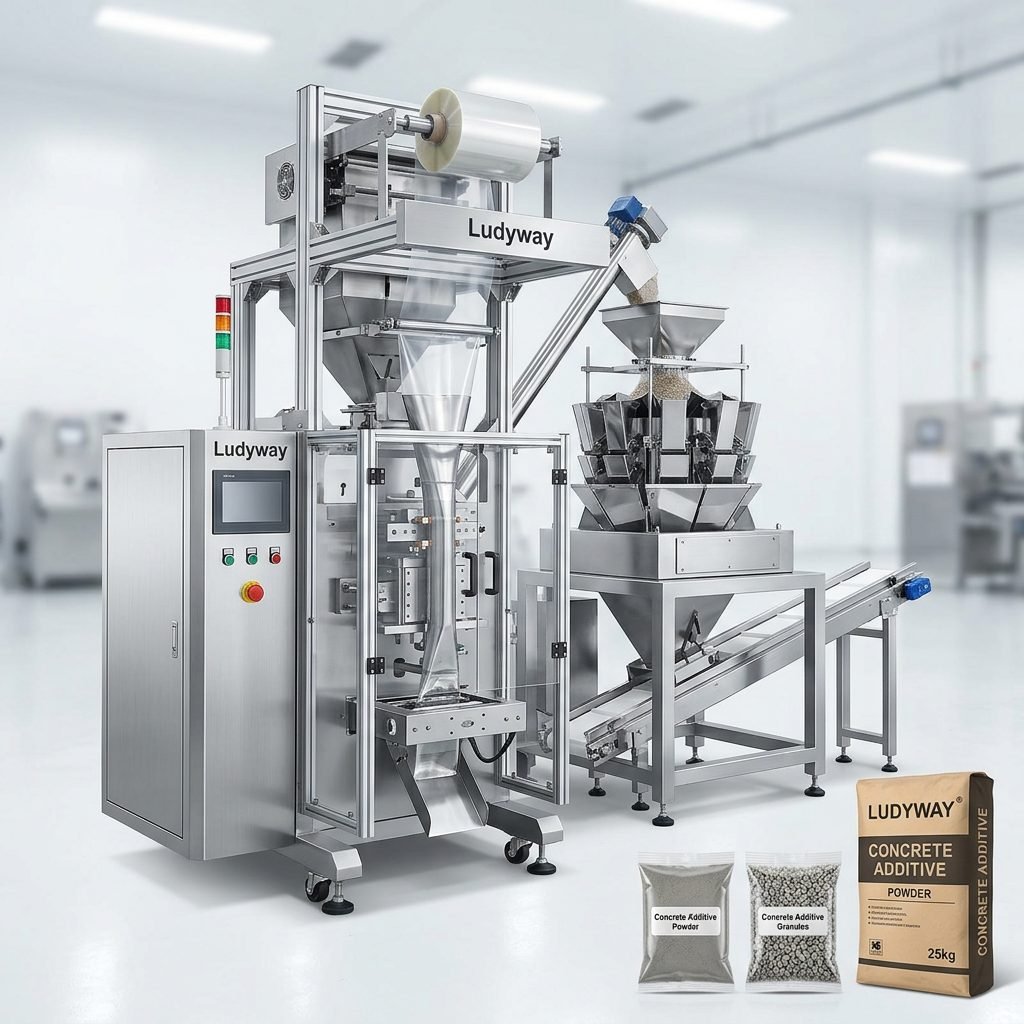
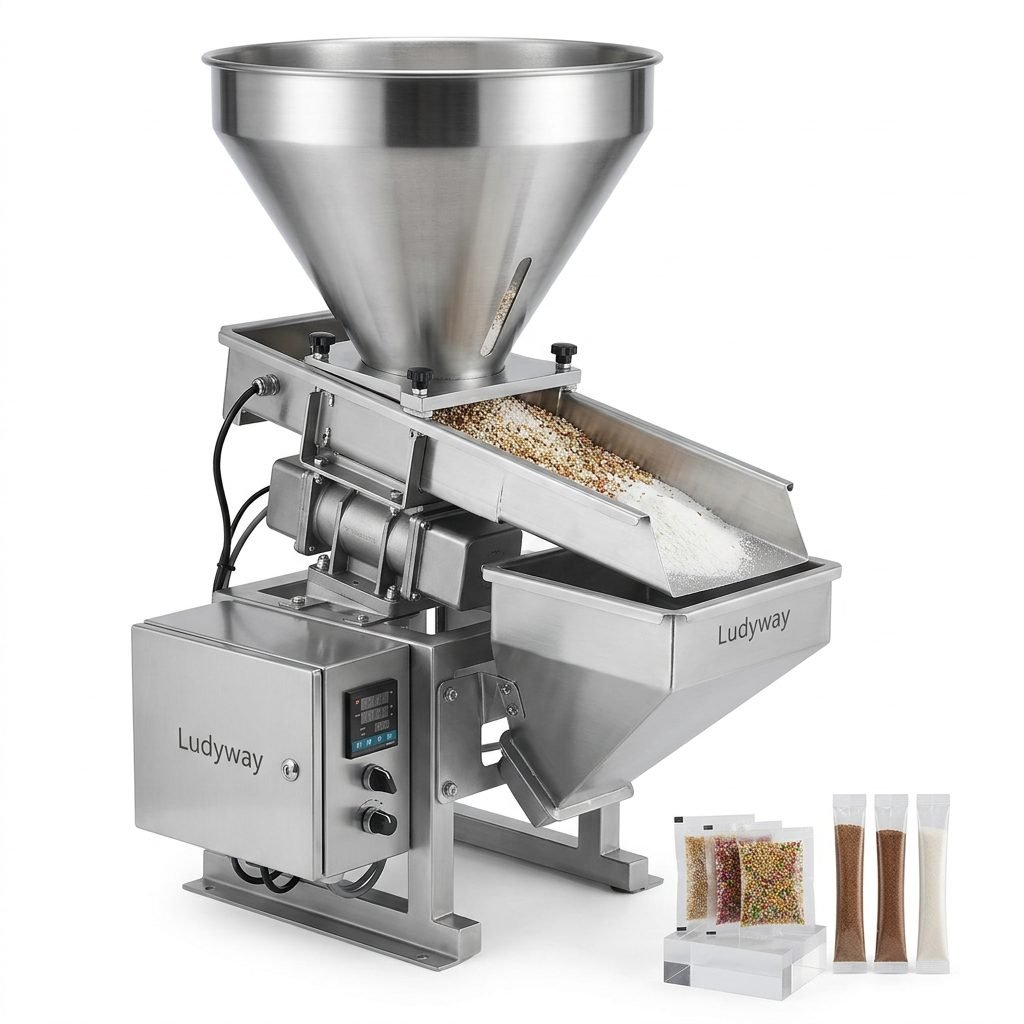
Granule & Powder Packers: These are among the most common types, designed to handle free-flowing materials like coffee, sugar, spices, protein powder, and instant drink mixes. They often use auger fillers for precise volumetric dosing.
Liquid & Paste Packers: Specialized for viscous products such as sauces, oils, cosmetics, and pharmaceutical ointments. They typically employ piston pump fillers or peristaltic pumps to ensure accurate, drip-free filling.
Solid & Piece Packers: Used for items like candy, nuts, hardware parts, or tea bags. These machines may use cup fillers, weigh scales (linear or multi-head), or counting systems for portion control.
By Bag Style & Function
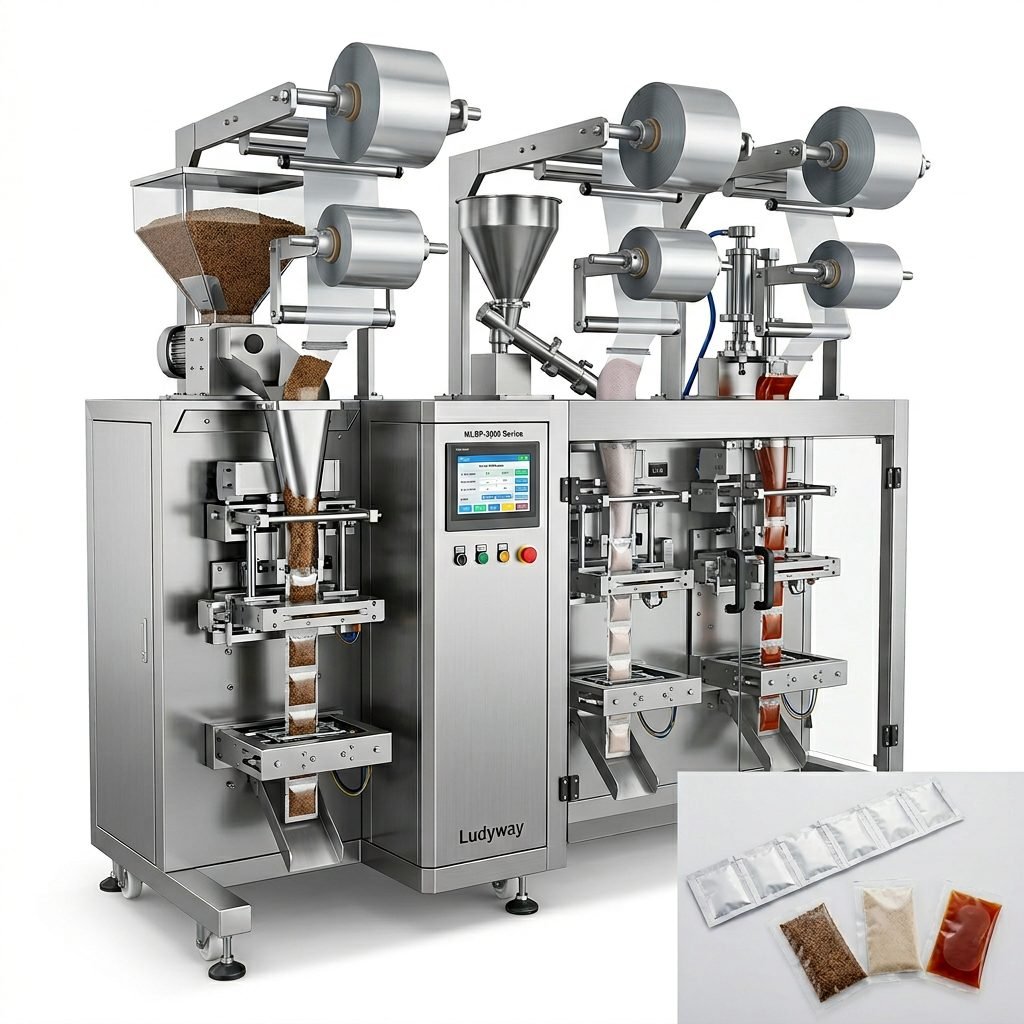
Pouch (Sachet) Packaging Machines: Create small, sealed packets from a roll of packaging film (laminate). Ideal for single-serve portions of ketchup, shampoo, seasoning, or pharmaceuticals. They form, fill, and seal in one continuous motion.
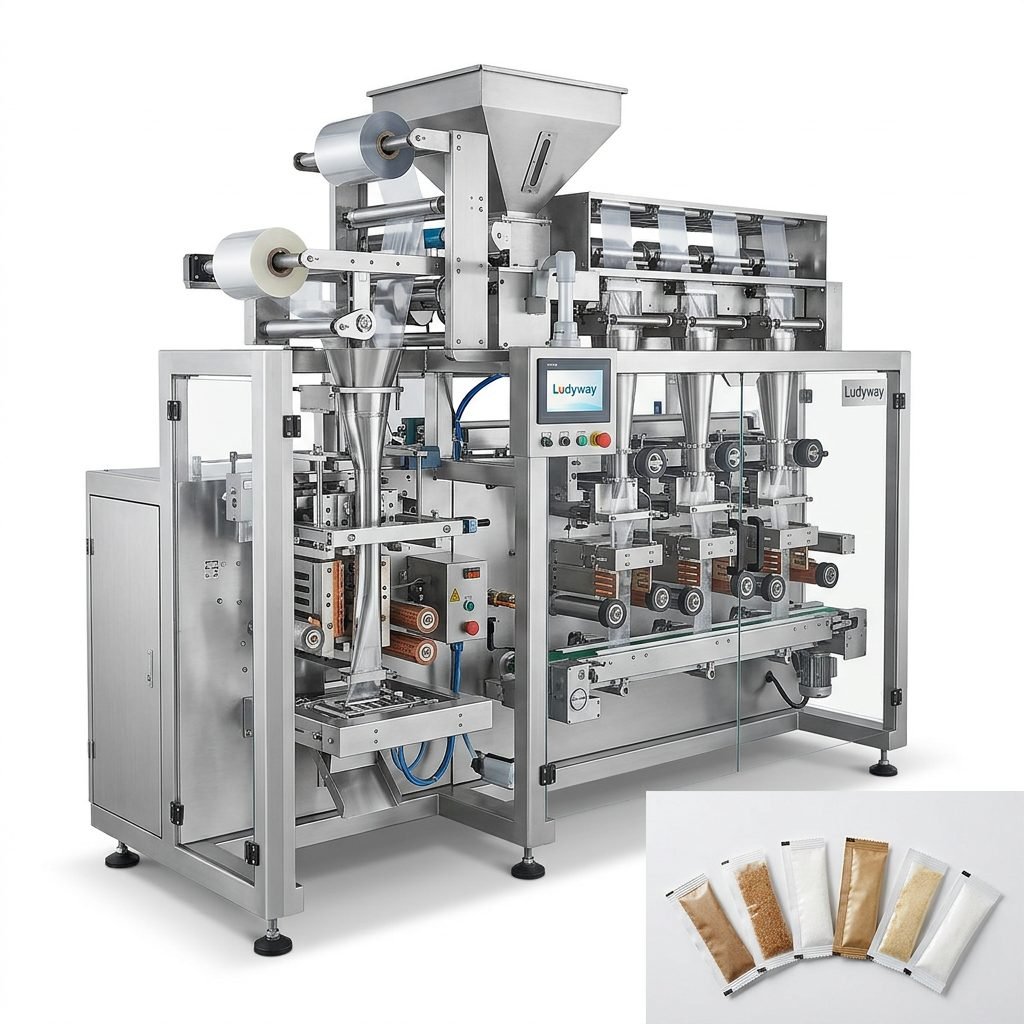
Stick Pack Machines: A subset of pouch machines that produce long, narrow “stick” packs, popular for drink mixes, supplements, and liquid concentrates. They are excellent for products that need to be dissolved or mixed.
Pre-made Bag Packers: These machines use bags that are already manufactured (flat or gusseted). The machine opens the bag, fills it, and then seals it. Suitable for larger quantities or products where custom-printed bags are preferred.
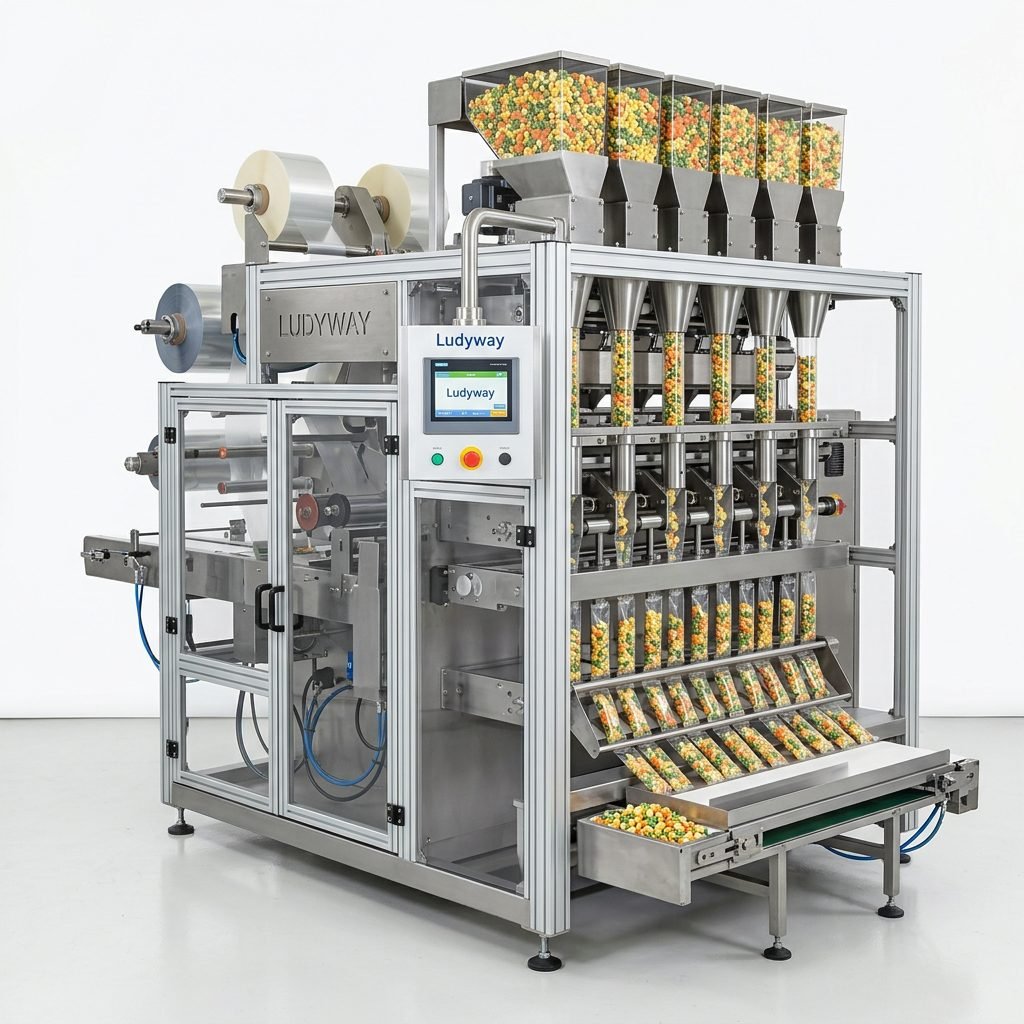
Multi-lane Packaging Systems: Advanced systems that run multiple packaging lines (e.g., 4, 8, or 16 lanes) in parallel from a single feeder, dramatically increasing output for high-volume production of sachets or stick packs.
How Does a Bag Packaging Machine Work? Core Principles
While designs vary, the fundamental working principle of an automated bag packaging machine follows a consistent sequence, often described as Form-Fill-Seal (FFS) for pouch machines.
1. Film Feeding & Forming
A roll of packaging film (laminated material for barrier properties) is fed into the machine. The film passes through a forming collar, which shapes it into a tube around the vertical filling nozzle.
2. Longitudinal Sealing
The vertical back seam of the film tube is heat-sealed, creating a continuous tube.
3. Product Dosing & Filling
At the top of the cycle, the product is precisely measured (by auger, pump, scale, etc.) and dispensed down through the filling nozzle into the formed tube.
4. Transverse Sealing & Cutting
Horizontal sealing jaws close simultaneously above the filled product to seal the top of the current bag and the bottom of the next bag. A cutting mechanism then separates the individual finished bag. For pre-made bag machines, the process involves bag pickup, opening, filling, and then sealing.
Key Benefits of Automating with a Bag Packaging Machine
Investing in an automated packaging system delivers transformative advantages beyond simple speed.
✅ Dramatically Increased Efficiency & Output: Machines operate continuously at high speeds, far surpassing manual packaging, leading to higher production capacity and shorter lead times.
✅ Unmatched Consistency & Accuracy: Automated dosing ensures every bag contains the exact same weight or volume, reducing product giveaway and ensuring compliance with weights and measures regulations.
✅ Enhanced Product Hygiene & Safety: Minimizes human contact with the product, which is critical in food, pharmaceutical, and health industries. Sealed environments protect against contamination.
✅ Significant Labor & Cost Savings: Reduces reliance on large manual packaging teams, lowering long-term labor costs and reallocating human resources to more skilled tasks.
✅ Improved Packaging Quality & Brand Image: Machines produce neat, uniform, and professionally sealed bags every time, enhancing shelf appeal and reinforcing brand reliability.
How to Choose the Right Bag Packaging Machine: A Step-by-Step Guide
Selecting a machine is a significant investment. A systematic approach ensures you get the right solution.
Step 1: Define Your Product & Material Characteristics
This is the most critical factor. Analyze your product’s flowability (free-flowing powder vs. sticky paste), abrasiveness, particle size, and sensitivity (to heat, moisture, light). The product dictates the type of filler (auger, piston, scale) and the required packaging film barrier properties.
Step 2: Determine Your Required Output (Speed)
Calculate your current and projected future bags-per-minute (BPM) or packs-per-hour needs. A single-lane sachet machine may suffice for startups, while a multi-lane packaging system is essential for large-scale consumer goods production.
Step 3: Specify Bag Size, Style, and Material
What are the dimensions (length & width) of your finished bag? Do you need a stand-up pouch, flat sachet, or stick pack? The machine must be compatible with your desired bag style and the roll film or pre-made bags you plan to use.
Step 4: Evaluate Machine Features & Construction
Look for robust, food-grade materials (e.g., stainless steel contact parts) for durability and ease of cleaning. Consider user-friendly features like a touchscreen HMI (Human-Machine Interface), quick-change parts for different bag sizes, and integrated checkweighers for quality control.
Step 5: Assess Supplier Credibility & Support
The machine is only as good as the company behind it. Choose a supplier with proven industry experience and a strong track record. Inquire about installation, training, availability of spare parts, and technical support responsiveness. A reliable partner like Ludyway Machinery, with decades of expertise in providing turnkey production solutions, can be invaluable for a smooth integration and long-term operation.
Step 6: Consider Integration & Future Expansion
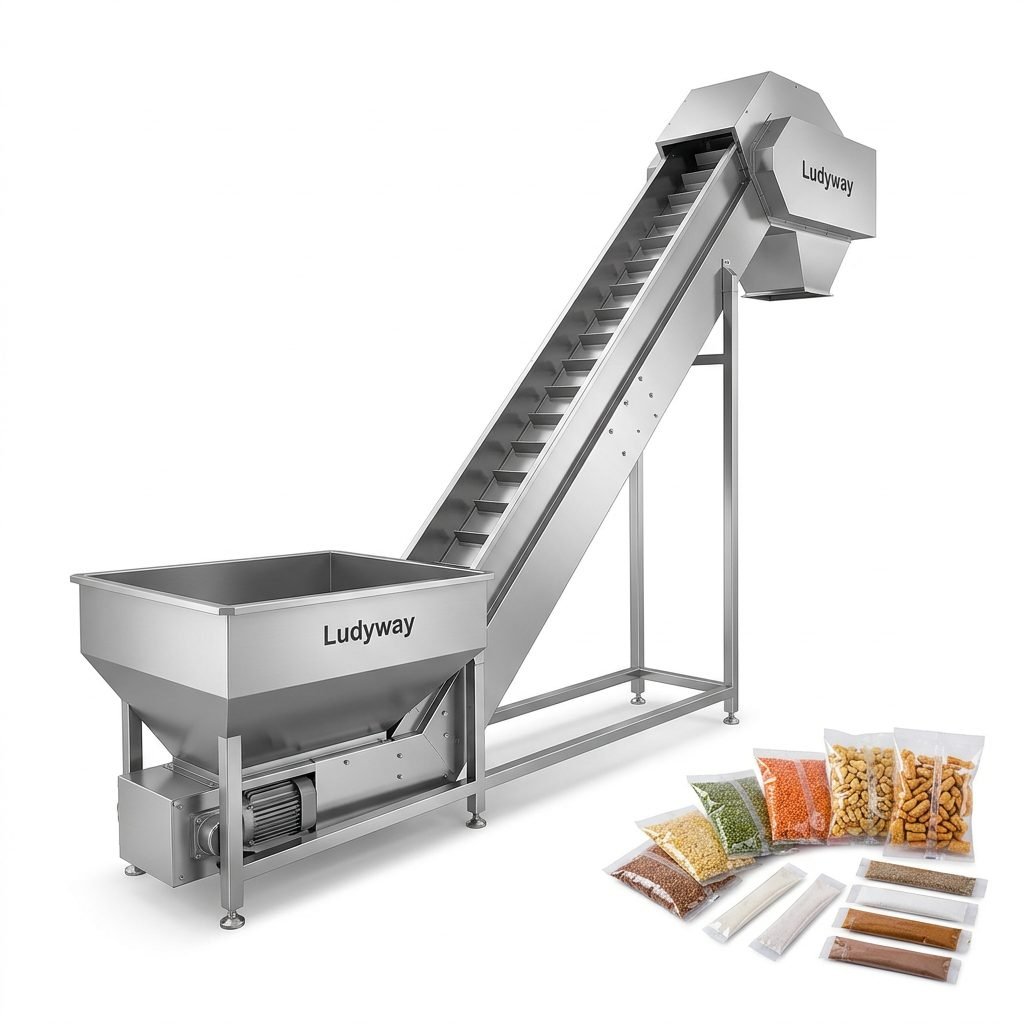
Will the machine need to connect with upstream equipment (mixers, conveyors) or downstream systems (cartoners, case packers)? Consider modular designs that allow you to add lanes or functions later as your business grows.
Frequently Asked Questions (FAQs)
What is the main difference between a sachet and a stick pack machine?
Both are types of vertical form-fill-seal (VFFS) machines. The primary difference is the shape of the forming tool. A sachet machine produces wider, often rectangular packets, while a stick pack machine uses a narrow forming tube to create the long, slender stick shape, which is particularly popular for single-serve beverage and supplement formats.
How accurate are bag packaging machines?
Modern machines are highly accurate. Auger fillers for powders typically achieve accuracies within ±0.5-1%, while precision piston fillers for liquids can be even more exact. Weight-based fillers (using scales) offer the highest accuracy, often within a fraction of a gram, which is crucial for expensive products or regulatory compliance.
Can one machine handle different bag sizes?
Yes, most machines are designed for flexibility. They feature “quick-change” systems where the forming collar, filling nozzle, and sealing jaws can be swapped out in a relatively short time (e.g., 15-30 minutes) to accommodate a new bag size or style, allowing for efficient production of multiple SKUs on the same line.
What kind of maintenance do these machines require?
Regular preventive maintenance is key to longevity and uptime. This typically includes daily cleaning of product contact parts, weekly lubrication of moving components, and periodic inspection of seals, filters, and electrical connections. A good supplier will provide a detailed maintenance schedule and training.
Is operator training complicated?
Not with today’s user-centric designs. Reputable manufacturers design machines with intuitive touchscreen controls and provide comprehensive on-site training covering operation, routine maintenance, bag changeovers, and basic troubleshooting. A well-trained operator is essential for maximizing machine productivity and lifespan.