Selecting the right packaging equipment is a critical decision for any consumer goods manufacturer. The choice impacts production efficiency, product integrity, operational costs, and ultimately, brand perception in the marketplace. With a vast array of technologies available, from simple sachet machines to complex integrated lines, navigating the options can be daunting. This guide provides a comprehensive overview of the top consumer goods packaging equipment types and offers a strategic framework to help you choose the perfect solution for your specific needs, ensuring your investment drives growth and competitive advantage.
Essential Packaging Equipment for Consumer Goods
The consumer goods sector encompasses a wide range of products, each with unique packaging requirements. Understanding the core machinery categories is the first step toward an informed decision.
1. Form-Fill-Seal (FFS) Machines
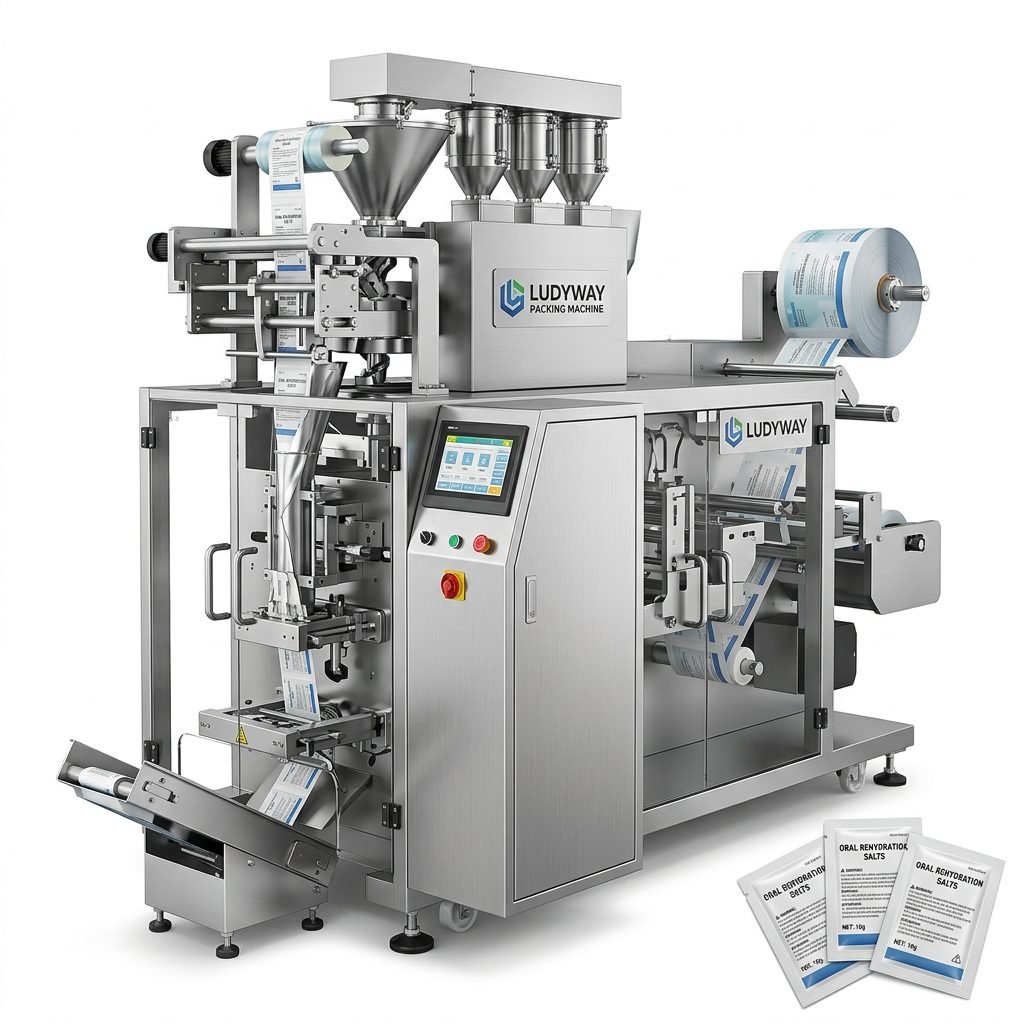
These are the workhorses of modern packaging, creating the package from a roll of film, filling it with product, and sealing it in one continuous operation. They are highly efficient and minimize material waste.
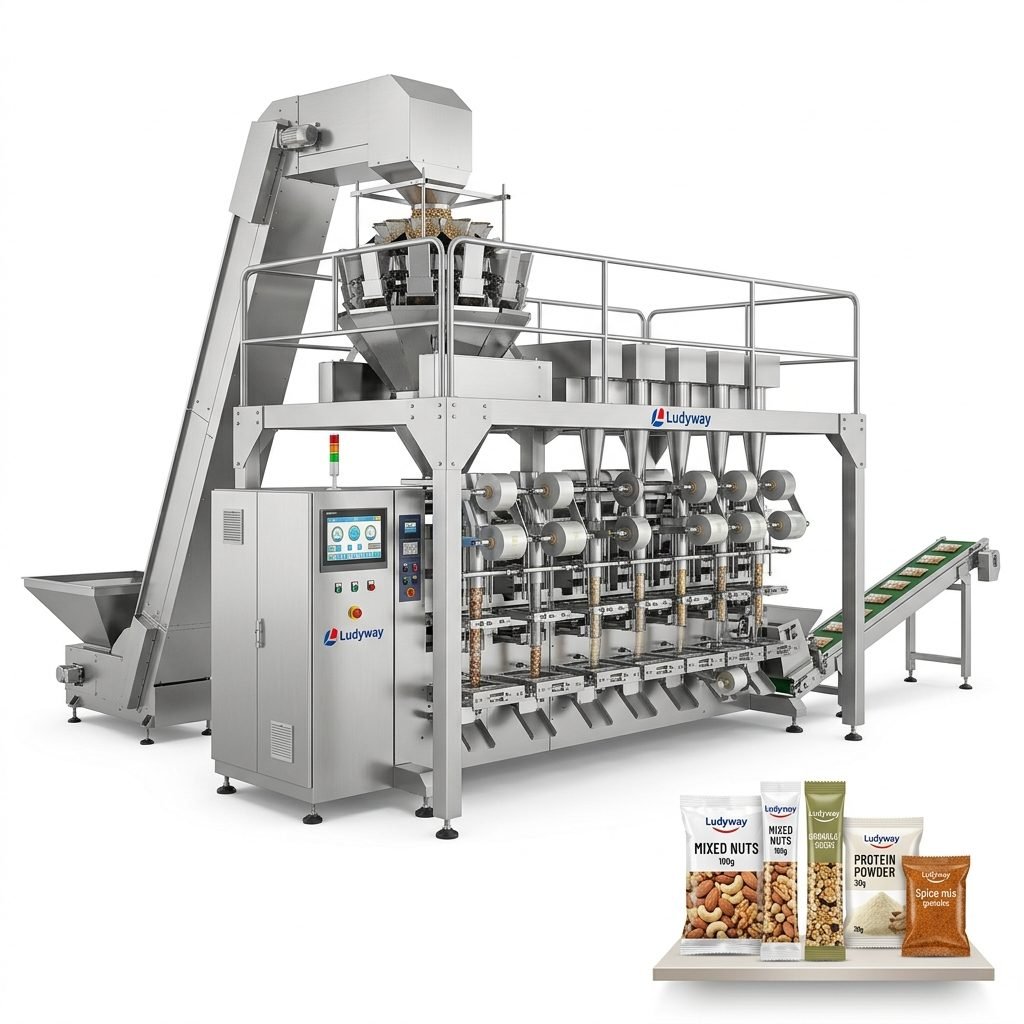
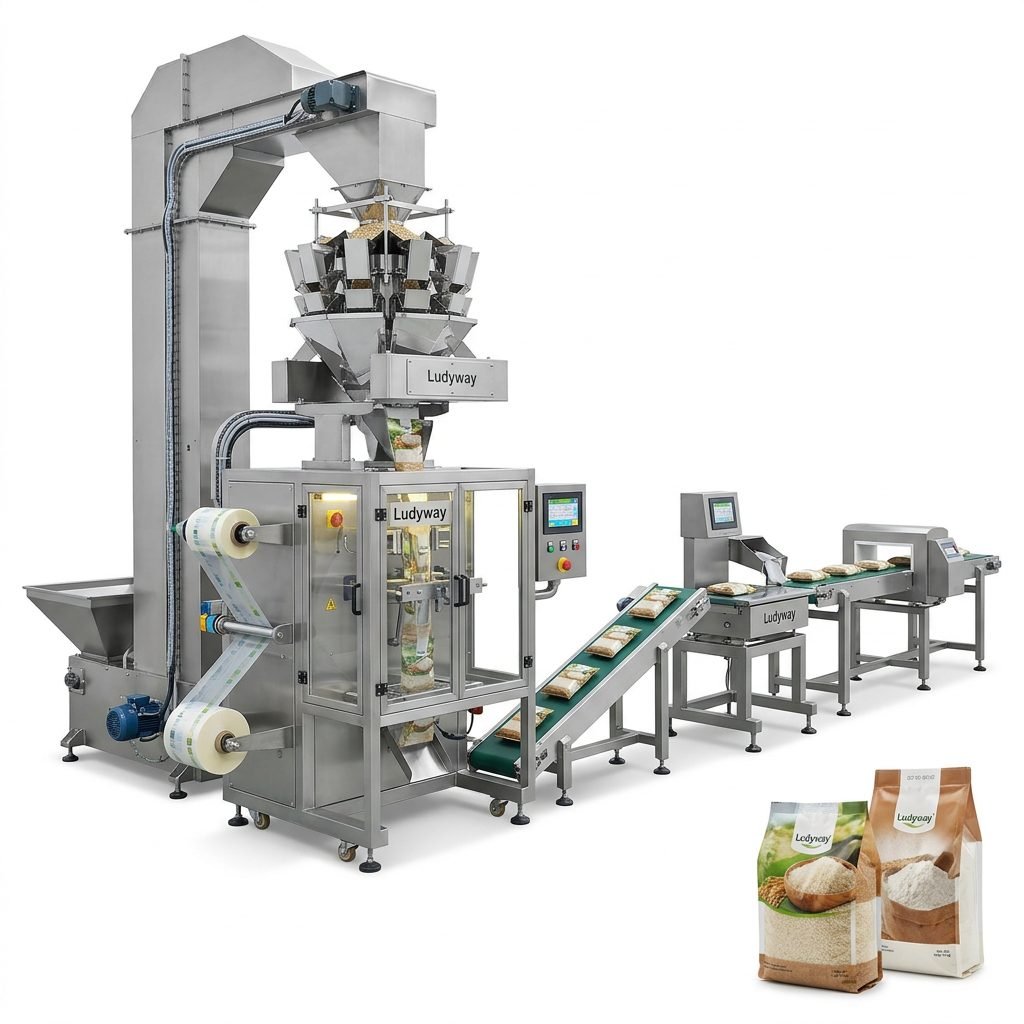
- Vertical Form-Fill-Seal (VFFS): Ideal for granules, powders, snacks, and liquids. Product is fed from above into a tube of film formed vertically. Perfect for high-speed production of single-serve packs.
- Horizontal Form-Fill-Seal (HFFS): Used for biscuits, candy bars, and multi-component items. The film is formed horizontally around the product, often allowing for more complex shapes and attractive presentation.
2. Pre-Made Pouch & Sachet Fillers
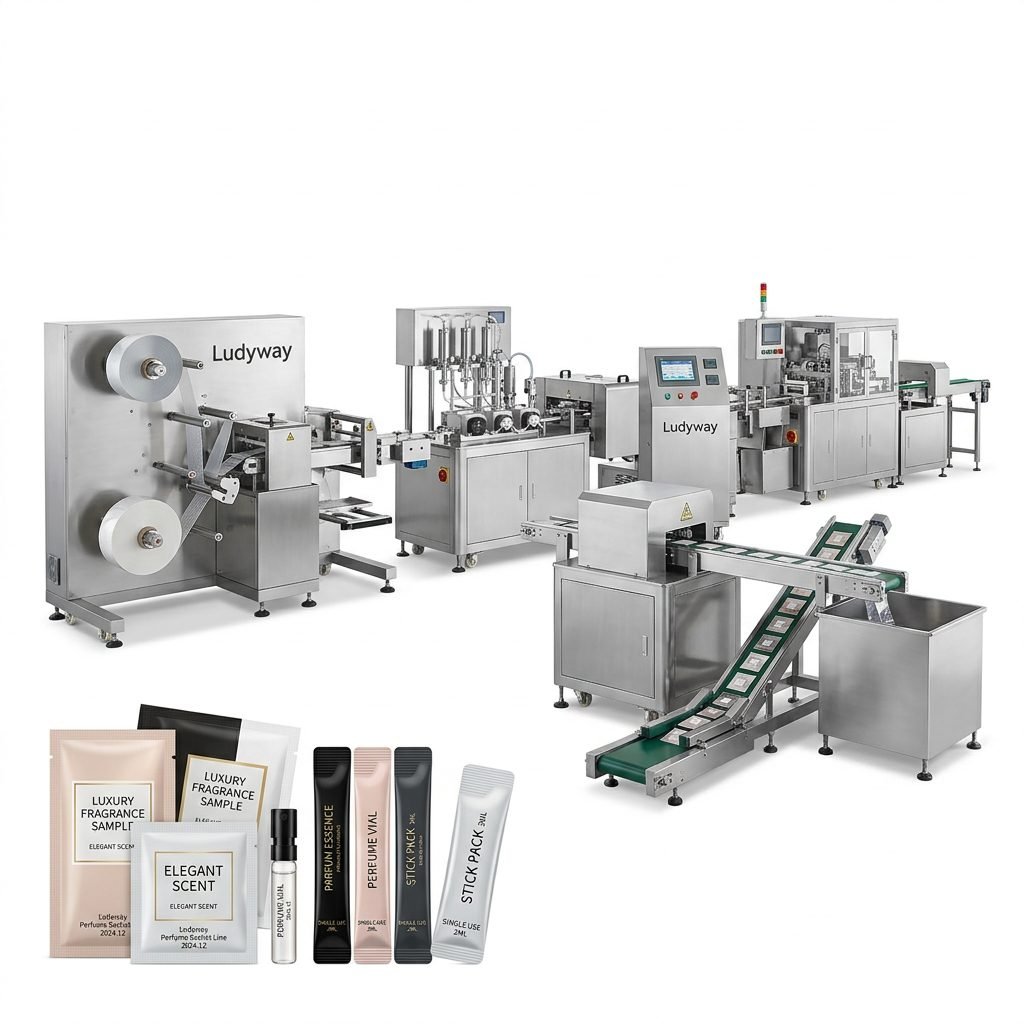
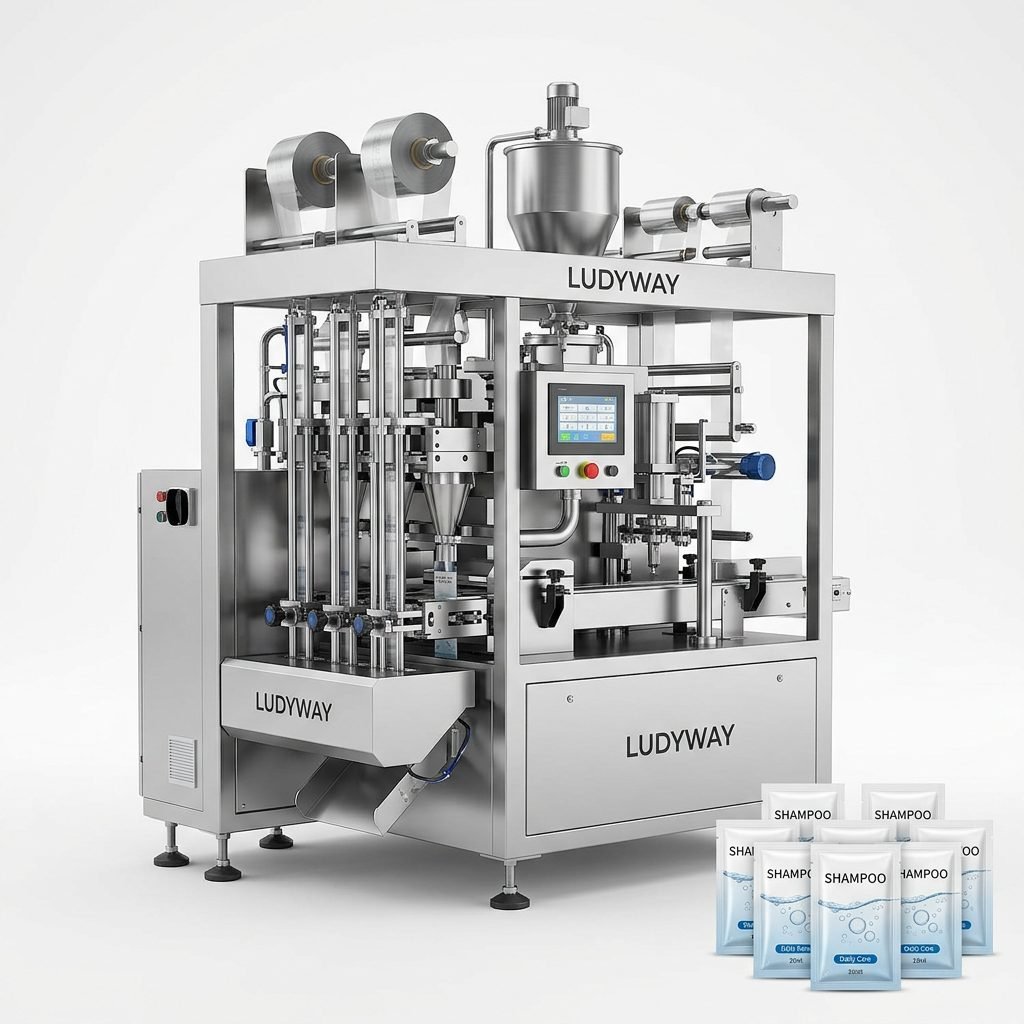
This equipment is designed to fill and seal pre-manufactured pouches or sachets. They offer great flexibility for marketing, as the pouches can be printed with high-quality graphics in advance.
- Excellent for liquid condiments, shampoo samples, tea bags, and pharmaceutical powders.
- Often chosen for premium products where packaging appearance is a key sales driver.
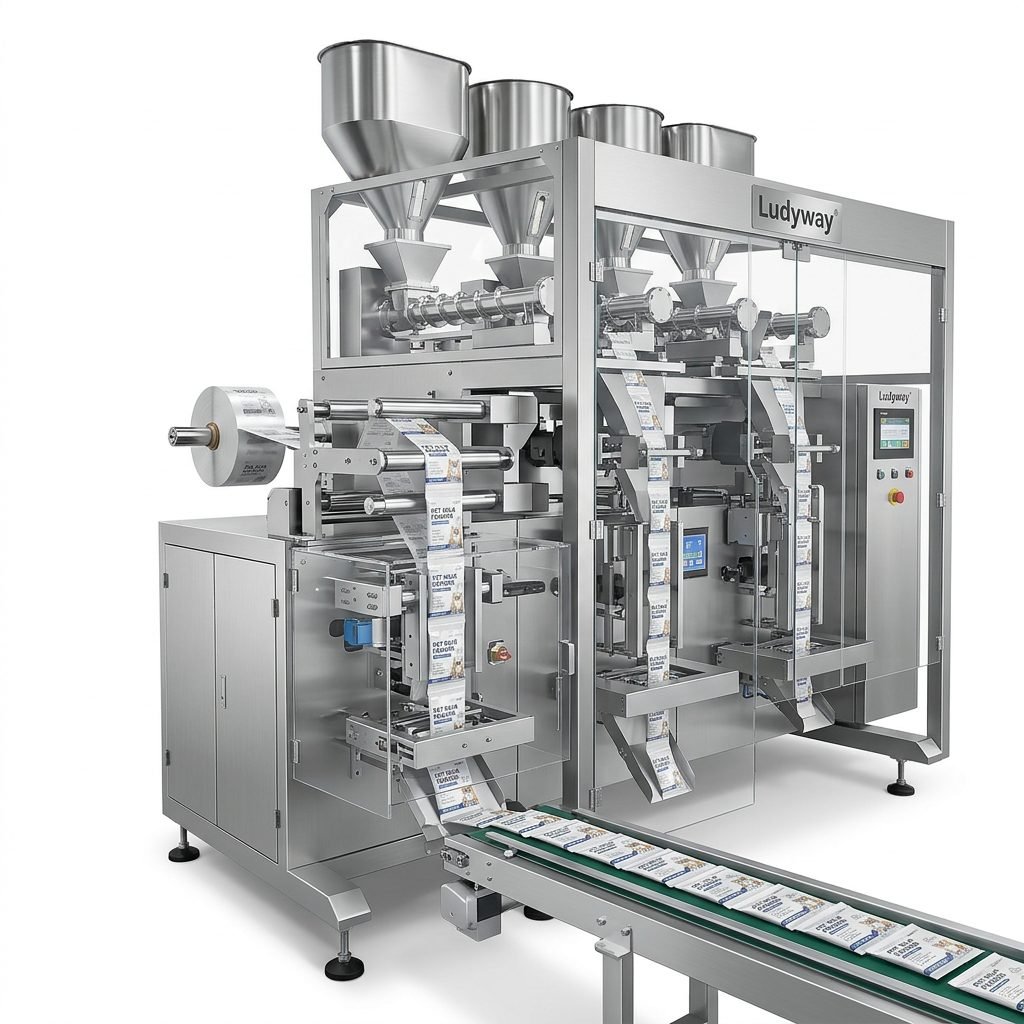
- Machines like the advanced multi-lane sachet packaging systems enable remarkable output speeds for high-volume needs.
3. Stick Pack Machines
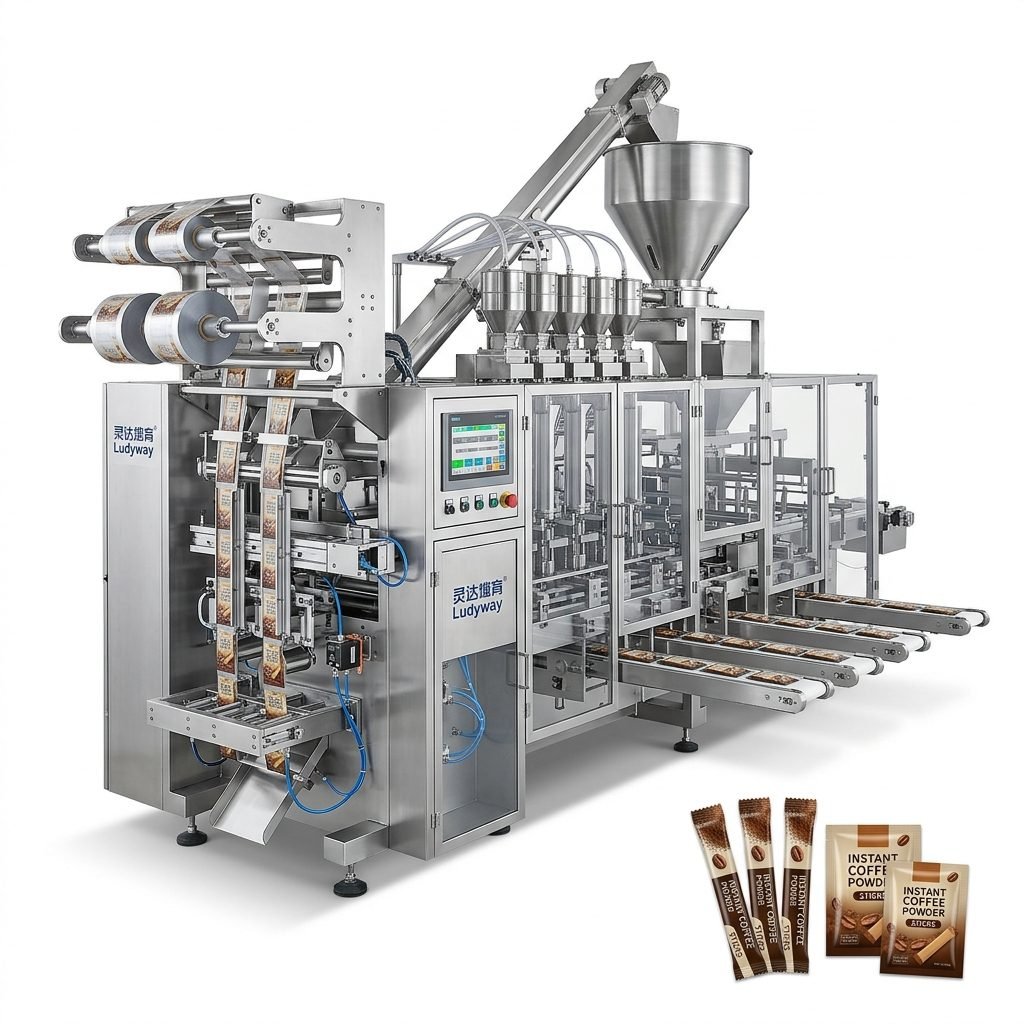
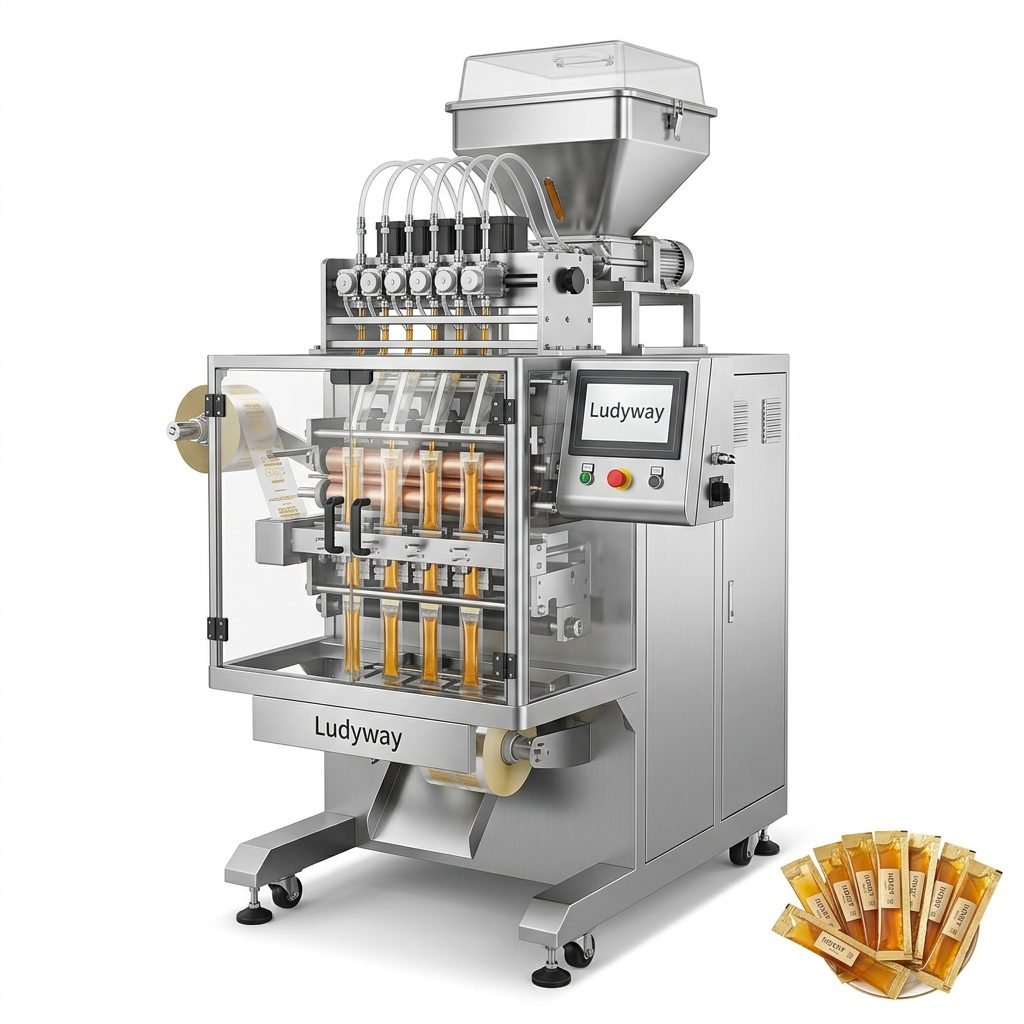
A popular subset of vertical packaging, stick packs create long, slender, single-serve packages. They are a global favorite for their portability, sleek design, and minimal material use.
Primary Applications: Instant coffee, drink mixes, sugar, pharmaceutical powders, and supplements. Their compact shape is ideal for on-the-go consumption and sample distribution. For businesses looking to scale, multi-lane stick pack machines can dramatically increase production capacity without a proportional increase in floor space.
4. Granule & Powder Packers
These are specialized machines engineered to handle dry, flowable products with precision. They tackle challenges like dust, clumping, and accurate dosing.
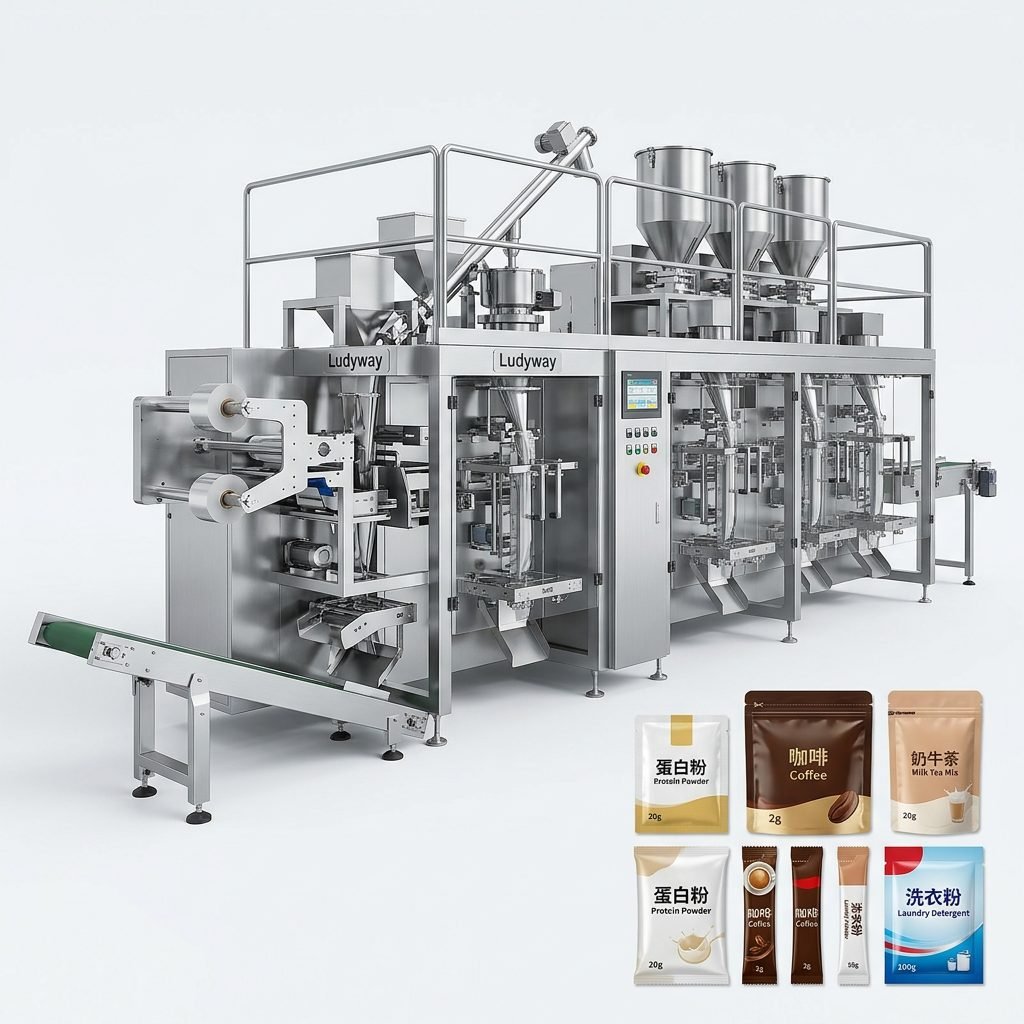
Key features often include vibratory feeders, auger fillers with anti-bridging technology, and dust extraction systems. They are essential for products like instant soup mixes, spices, protein powder, and detergent.
5. Liquid & Viscous Filling Machines
Designed for accuracy and cleanliness, these fillers handle products ranging from water-like fluids to thick pastes and creams.
- Piston Fillers: Best for precise volumetric filling of viscous products like sauces, yogurts, and cosmetics.
- Gravity/Pressure Fillers: Suitable for thin, free-flowing liquids such as juices, oils, and vinegar.
- Sanitary design with easy-clean features is critical for food and pharmaceutical applications.
How to Choose the Right Packaging Solution: A Strategic Framework
Beyond understanding machine types, a successful selection process involves a deep analysis of your product, business, and goals.
Step 1: Analyze Your Product & Material
The product’s physical characteristics dictate the core technology. Consider its form (solid, granule, powder, liquid), abrasiveness, hygroscopicity, and fragility. Simultaneously, choose packaging materials (film, laminate, pouch type) that ensure barrier properties, shelf life, and machinability on your chosen equipment.
Step 2: Define Your Output & Speed Requirements
Calculate your required production rate (packs per minute/hour) based on current and forecasted demand. Don’t just buy for today; plan for future growth. A machine operating at 80-90% of its max capacity is more sustainable than one perpetually at its limit. Explore solutions like multi-lane packaging systems for scalable, high-output efficiency.
Step 3: Evaluate Flexibility & Changeover Needs
If you run short batches or multiple SKUs, quick changeover time is paramount. Look for machines with tool-less adjustments, programmable recipes, and easy-access components. Flexibility to handle a range of package sizes can be a significant long-term asset.
Step 4: Consider Integration & Automation Level
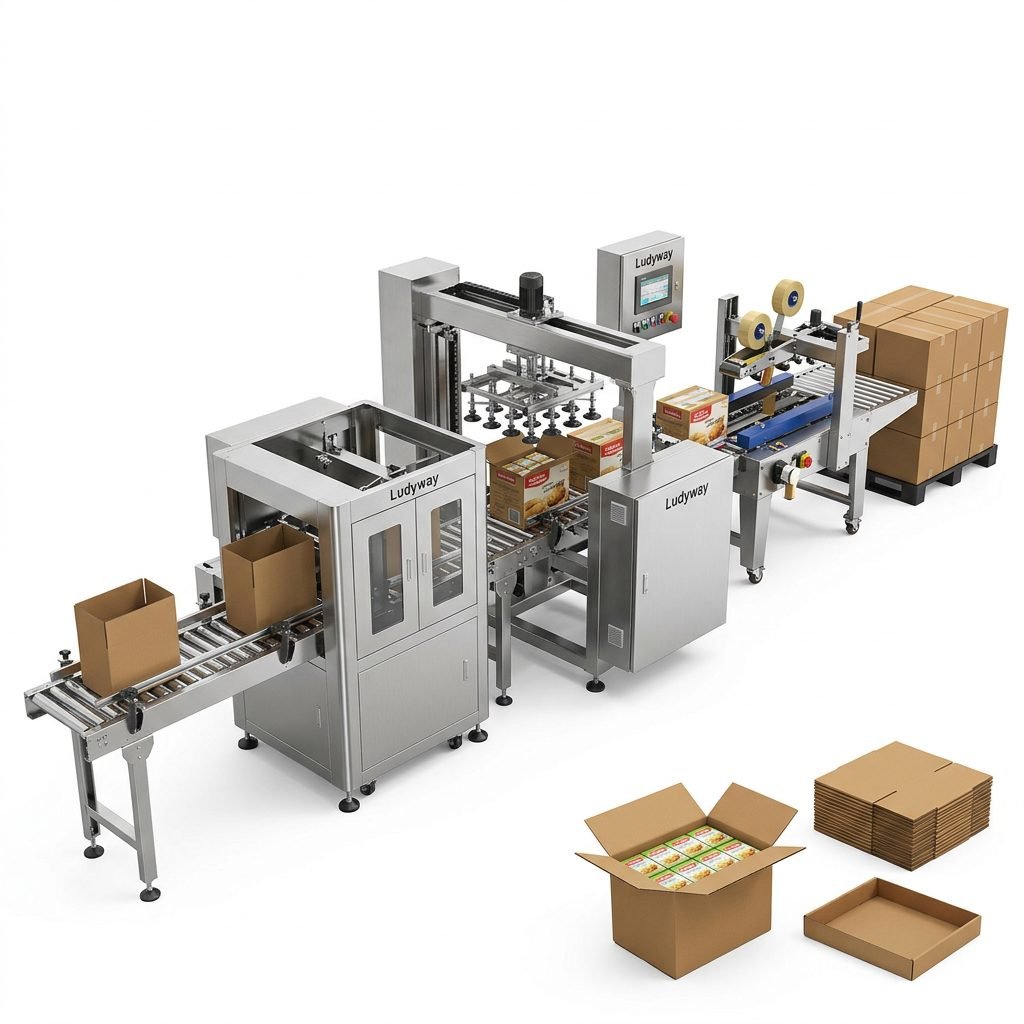
Will the machine stand alone, or integrate into a full line? Consider upstream (feeding, weighing) and downstream (cartoning, case packing) processes. Investing in automation, like robotic pick-and-place or integrated checkweighers, reduces labor costs and improves consistency. A partner with experience in turnkey production solutions can seamlessly orchestrate this integration.
Step 5: Assess Total Cost of Ownership (TCO) & Support
Look beyond the initial purchase price. Factor in energy consumption, maintenance costs, spare part availability, and expected downtime. Choose a supplier known for reliable equipment, comprehensive training, and responsive technical support. A machine with a slightly higher upfront cost but lower operating expenses and superb support often provides a better return on investment.
Partnering with the Right Equipment Supplier
The manufacturer behind the machine is as important as the technology itself. A strong partner brings expertise, reliability, and peace of mind.
Look for a supplier with proven experience in your specific industry (e.g., food, pharmaceutical). They should understand the regulatory and hygienic standards you must meet. Evaluate their engineering capability to offer customization if your product has unique needs. Finally, review their project management and after-sales service structure to ensure smooth installation and long-term operational success.
Frequently Asked Questions (FAQs)
Q1: What is the main difference between VFFS and pre-made pouch filling?
A: VFFS machines create the package from a roll of film, offering high speed and lower packaging material cost. Pre-made pouch fillers use ready-made, often pre-printed pouches, providing superior graphic quality and flexibility for short runs but typically at a higher cost per unit.
Q2: How can I increase my packaging line’s output without a complete overhaul?
A: Consider upgrading to a multi-lane system. By running multiple packaging lanes in parallel from a single feeder, you can double or triple output without significantly increasing the machine’s footprint or operator count, making it a highly efficient scalability solution.
Q3: What are the key hygiene considerations for food or pharmaceutical packaging?
A: Key features include stainless steel (grade 304 or 316) contact parts, sealed motors, easy-clean designs with minimal crevices, and compatibility with CIP (Clean-in-Place) or SIP (Sterilize-in-Place) processes. Always verify the machine meets relevant standards (e.g., FDA, GMP).
Q4: How important is after-sales service when selecting a supplier?
A: It is critically important. Reliable technical support, readily available spare parts, and operator training directly impact your line’s uptime and productivity. A supplier with a strong global service network ensures you get help when you need it, minimizing costly production stoppages.
Q5: Can packaging equipment be customized for a non-standard product?
A: Yes, many reputable suppliers offer customization and special engineering. This can range from modifying hopper designs and feed systems to creating entirely bespoke solutions. Sharing detailed product samples and requirements early in the consultation process is essential for a feasible custom design.