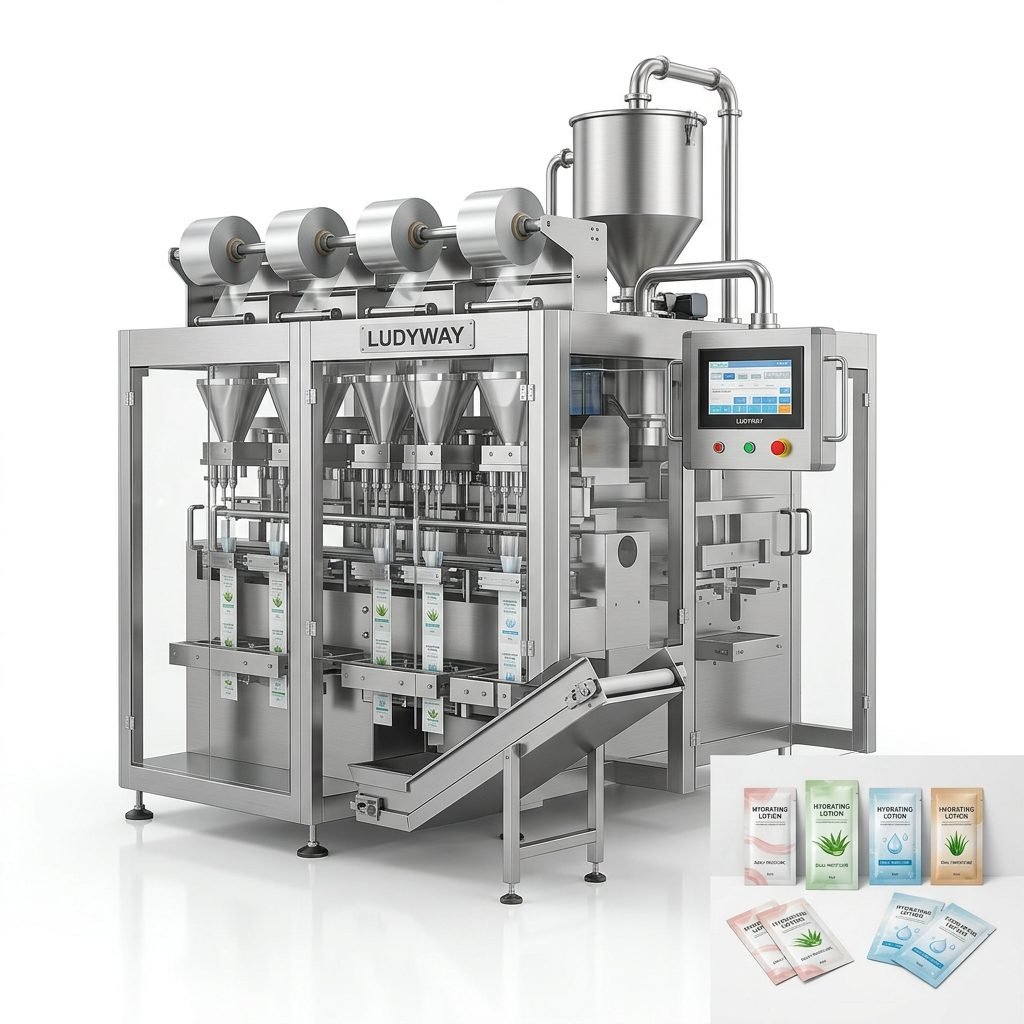
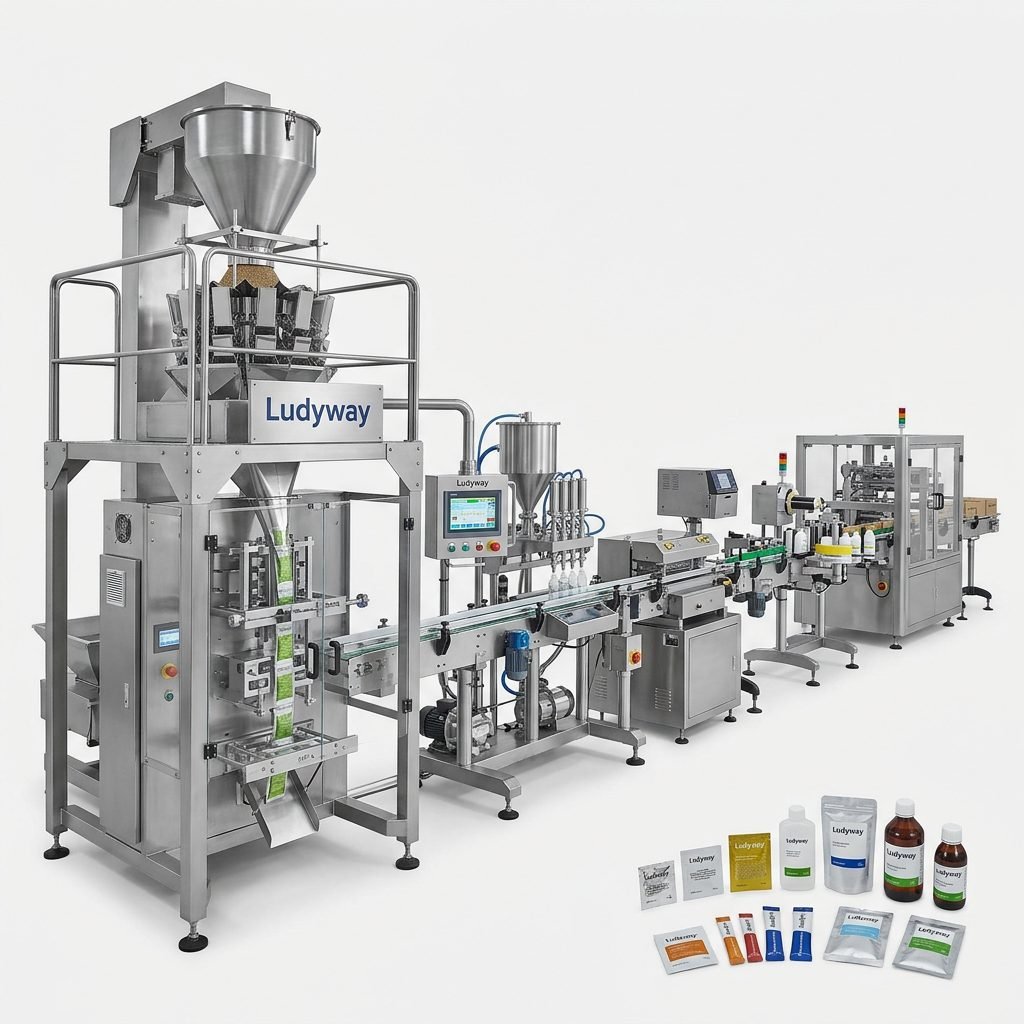
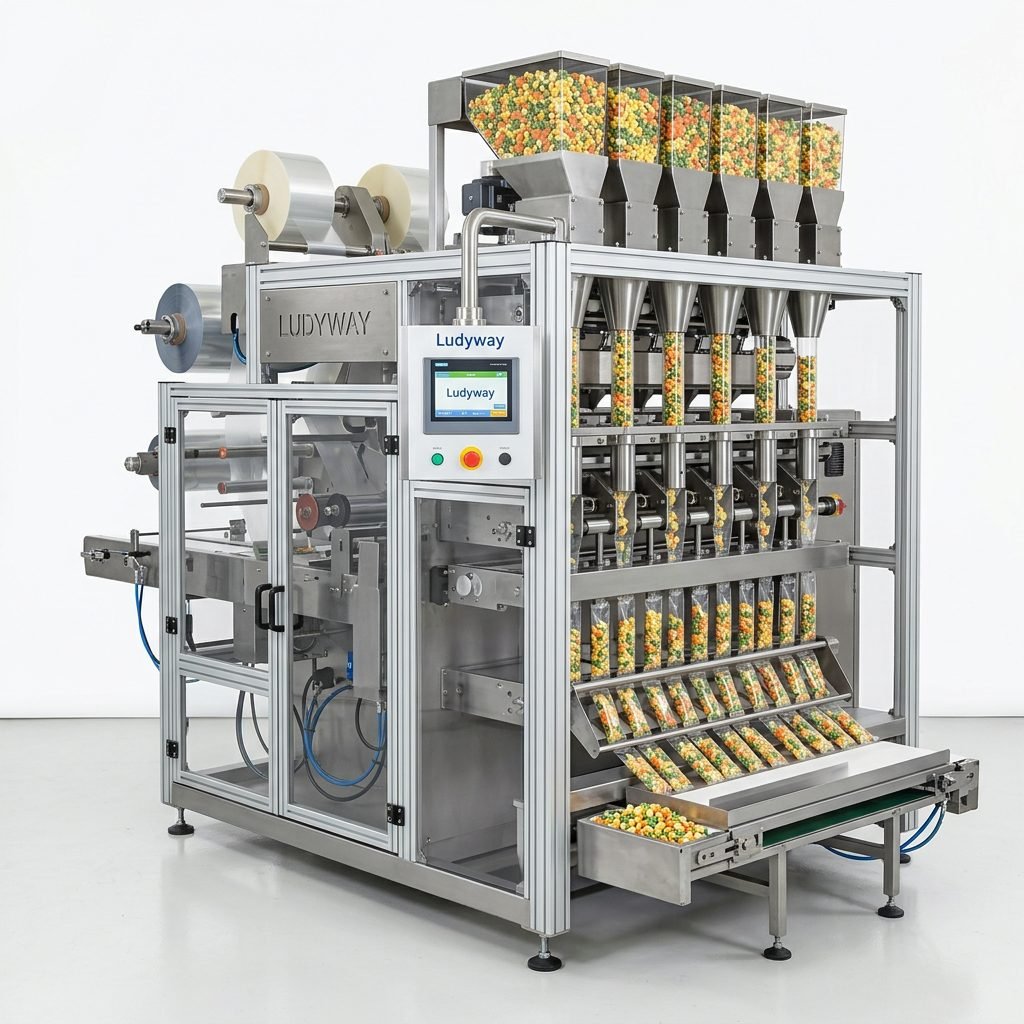
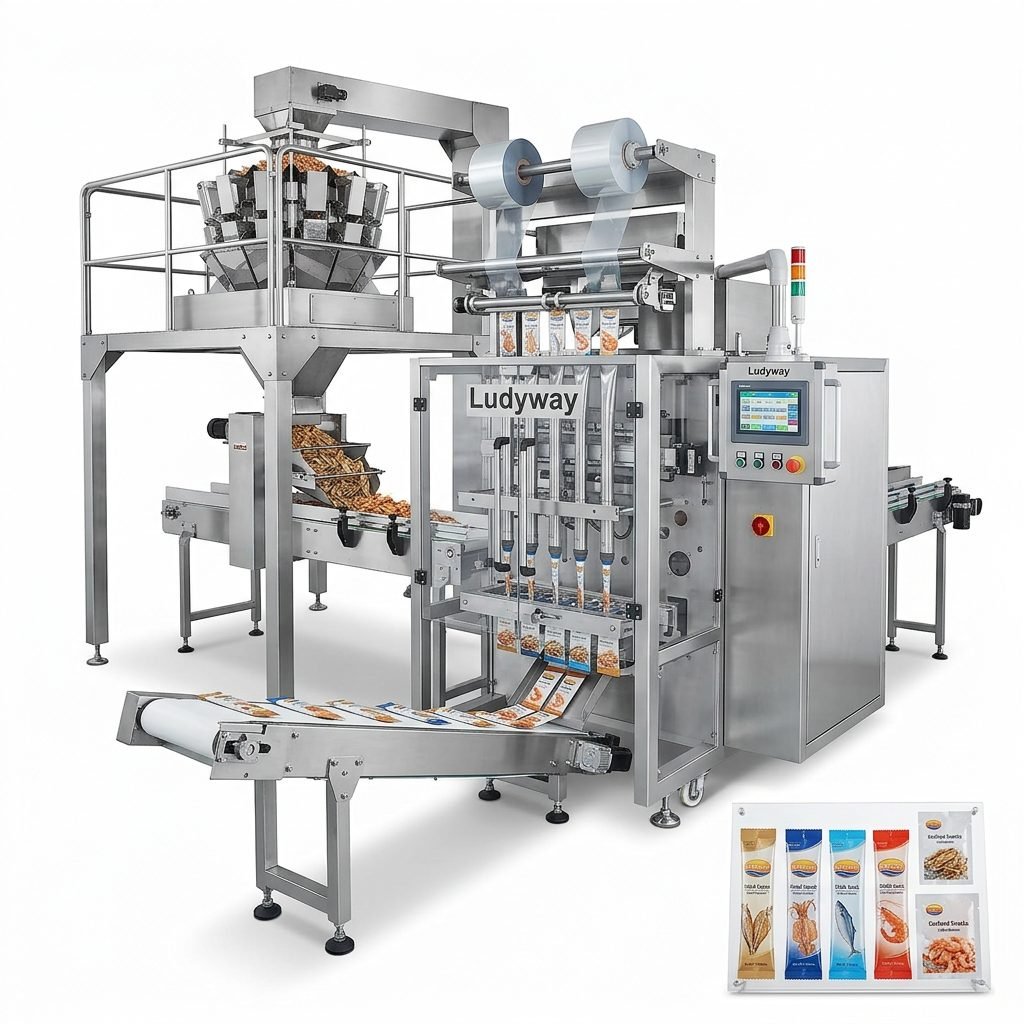
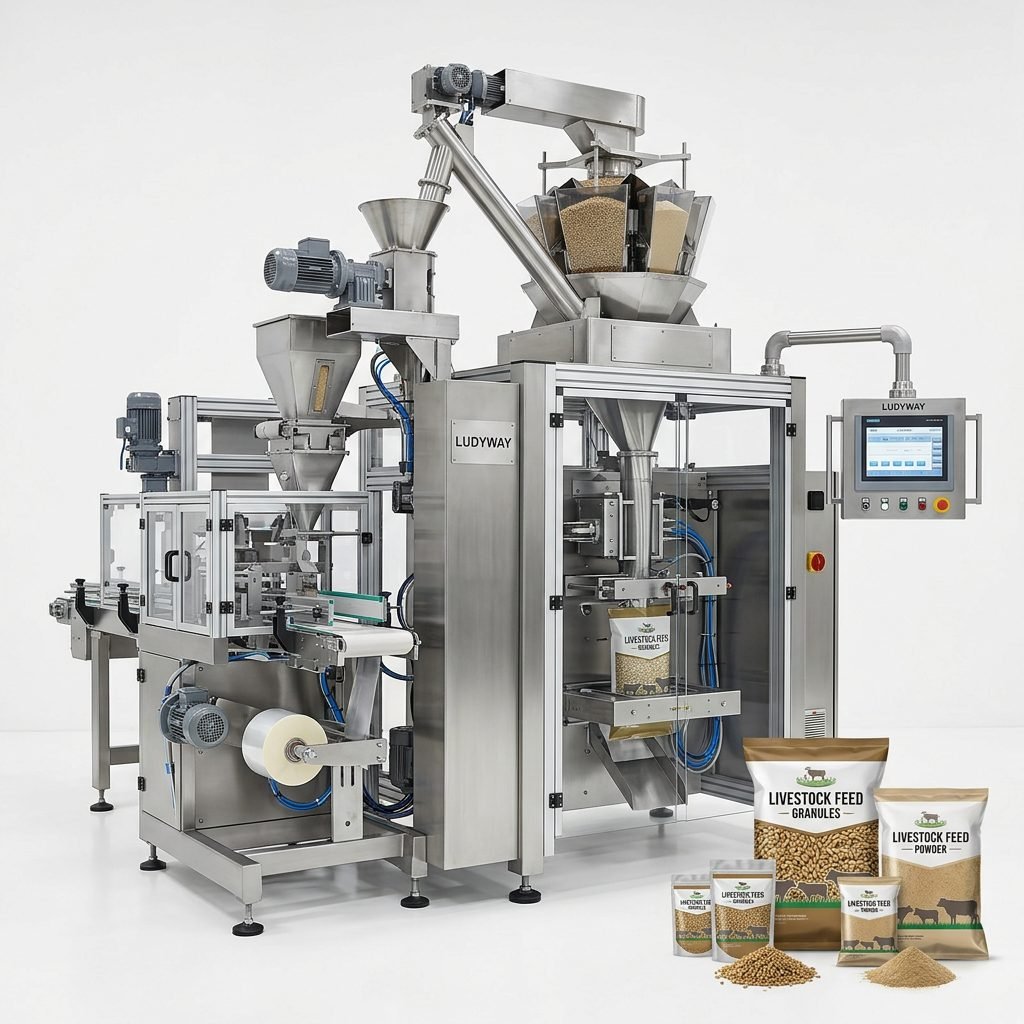
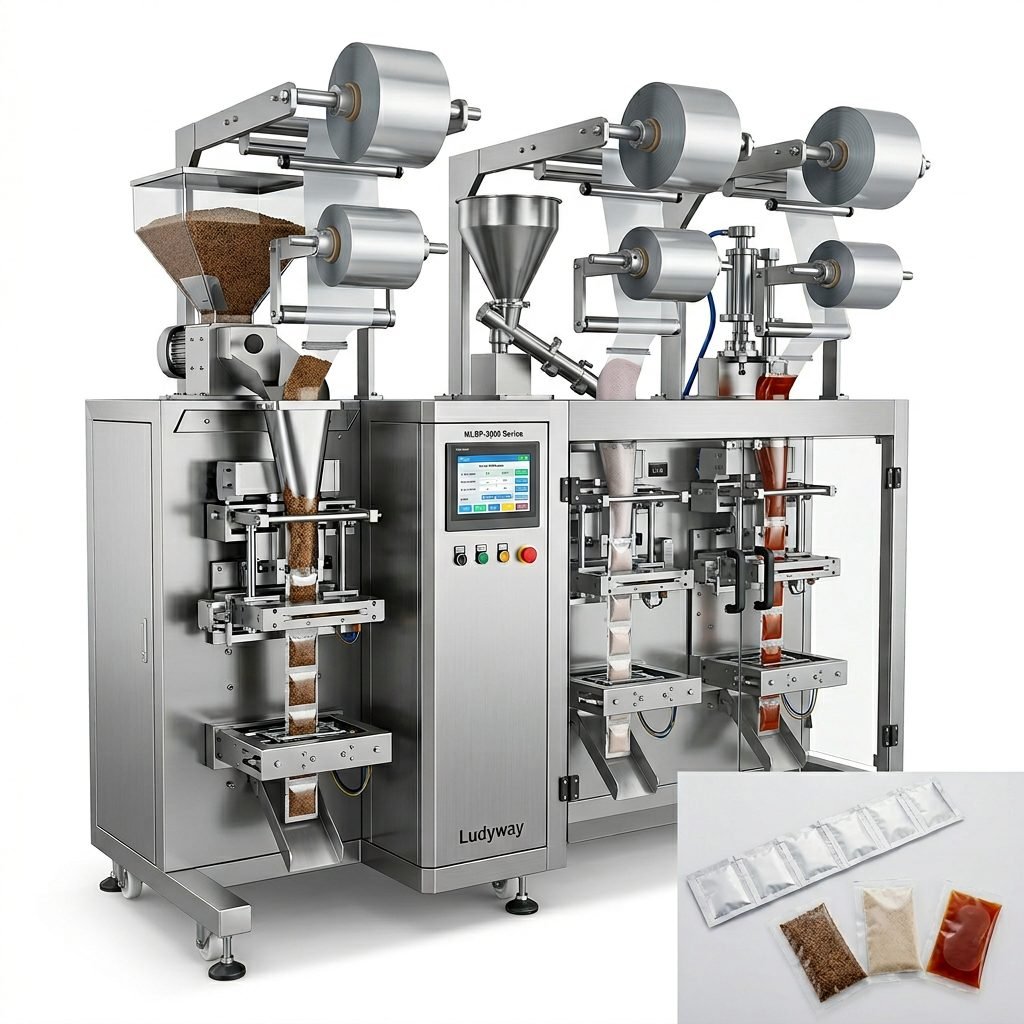
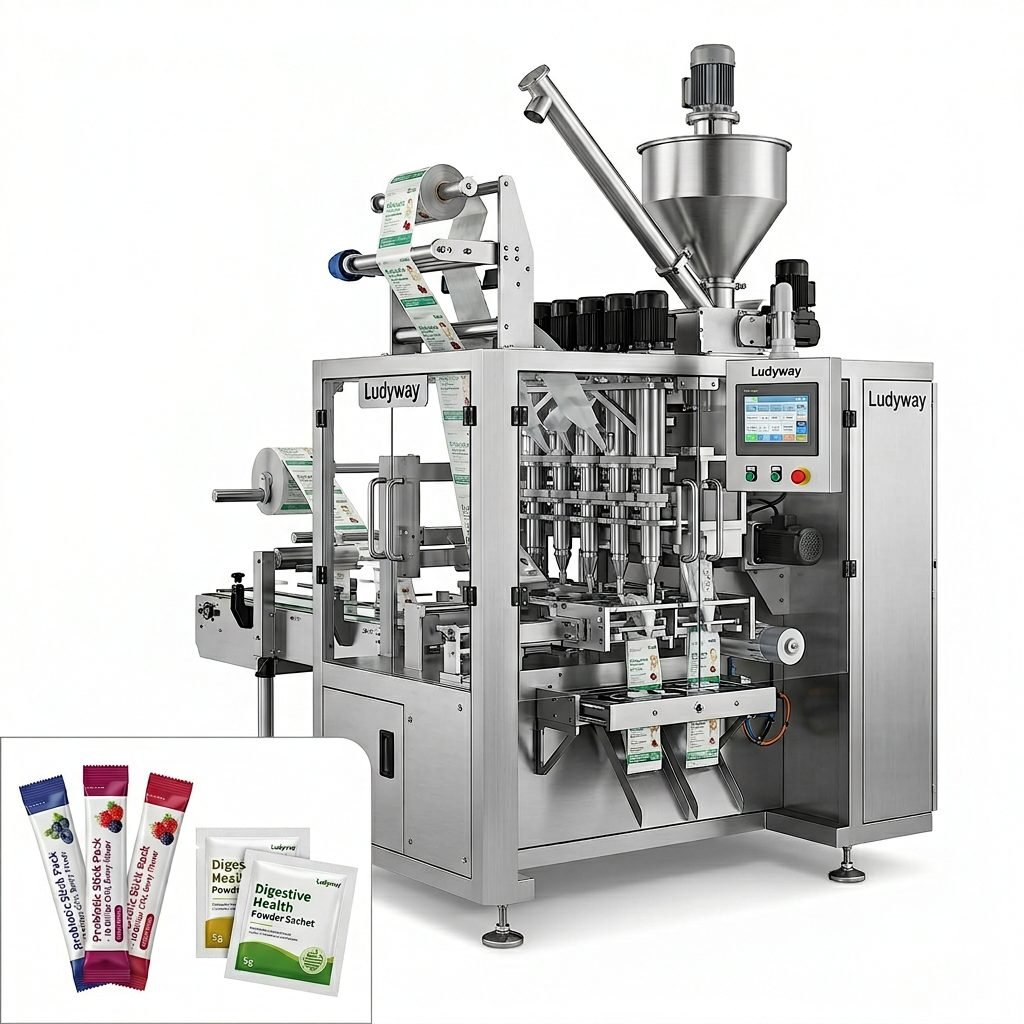
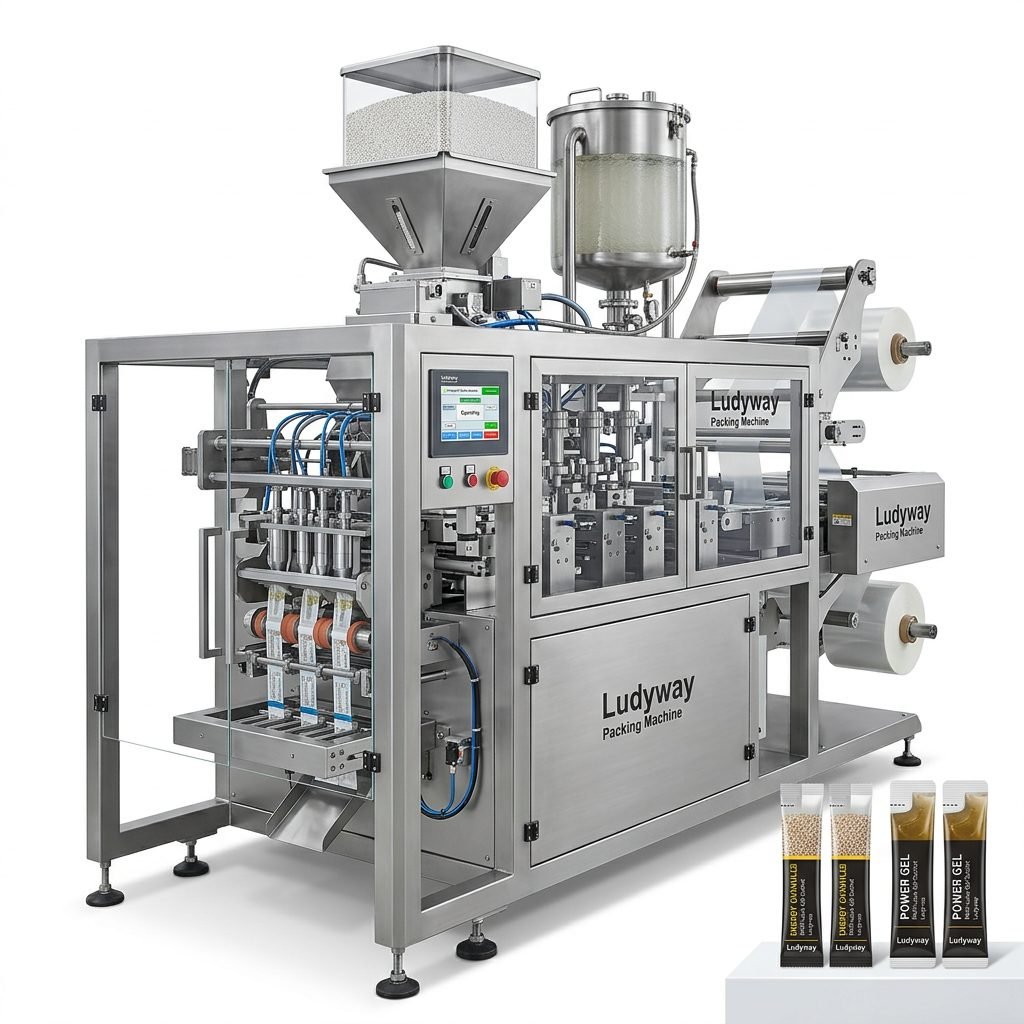
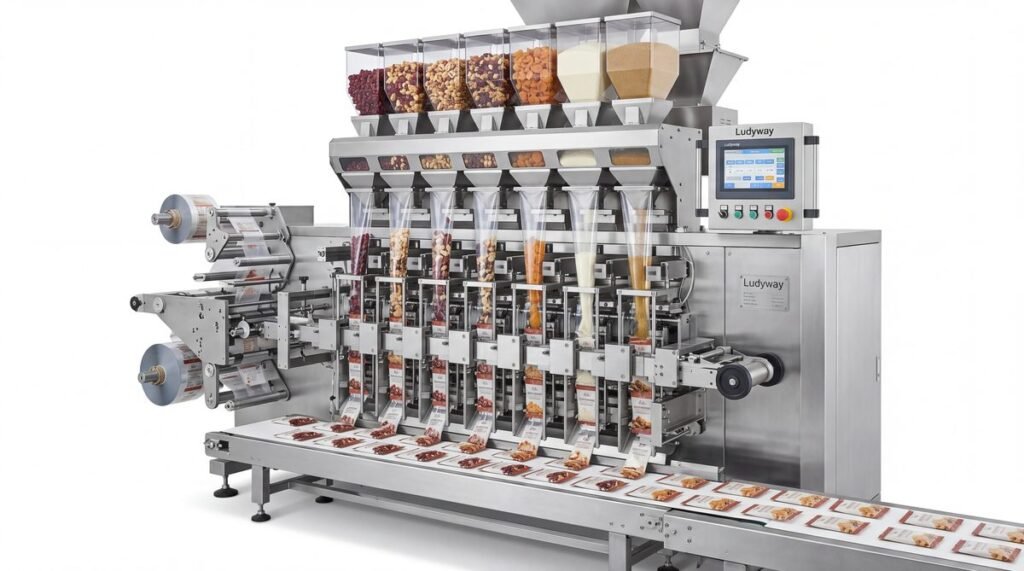
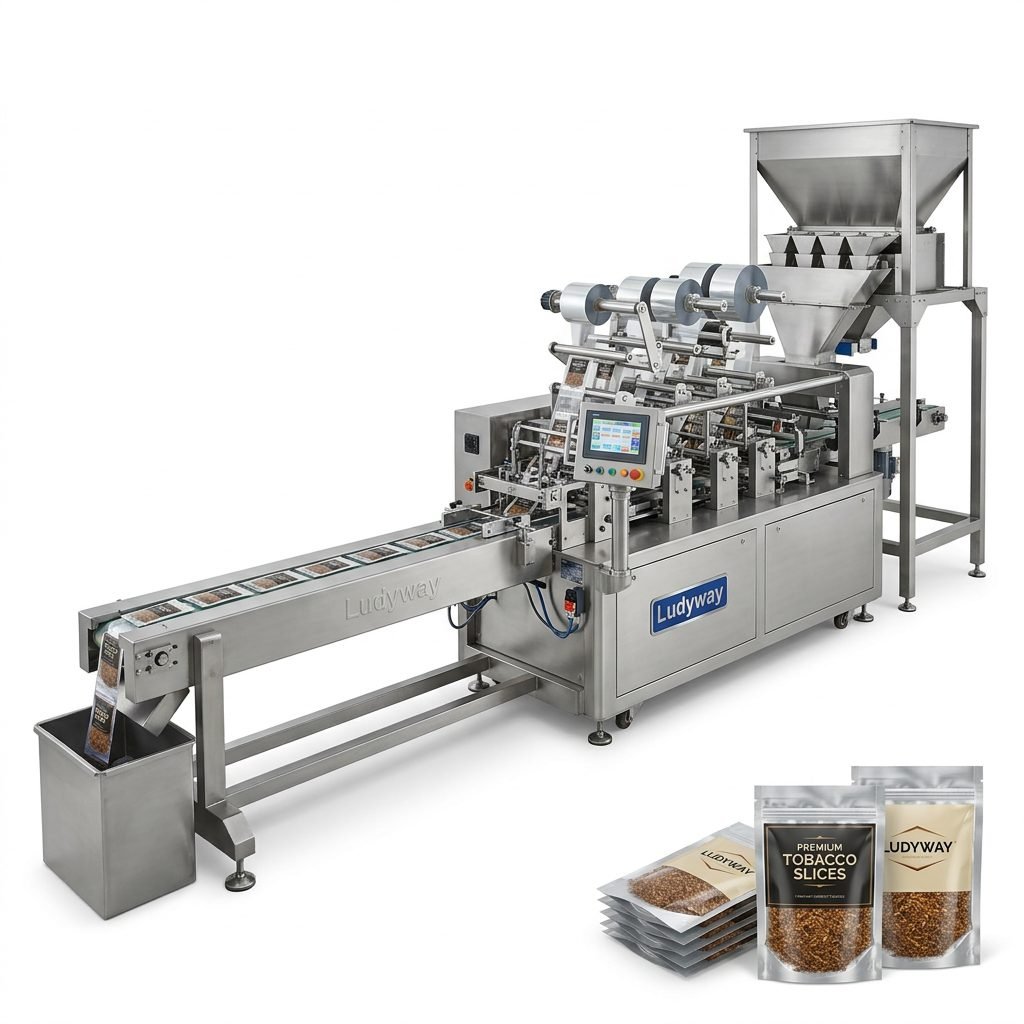
In the competitive world of cosmetics manufacturing, the final product presentation is just as crucial as the formula itself. Cosmetic packaging equipment forms the backbone of this presentation process, directly impacting efficiency, product integrity, and brand perception. Selecting the right machinery is a strategic decision that influences production speed, cost-effectiveness, and the ability to meet market demands for innovative and sustainable packaging.
Core Types of Cosmetic Packaging Equipment
The landscape of cosmetic packaging machinery is diverse, with each type designed for specific container forms and filling requirements.
Liquid Filling Machines
These are essential for products like serums, toners, foundations, and shampoos. They range from simple semi-automatic piston fillers for small batches to high-speed rotary filling lines. Key variants include:
Piston Fillers: Highly accurate for viscous products (creams, gels). They use a cylinder and piston mechanism to draw and dispense a precise volume.
Gravity & Pressure Fillers: Ideal for free-flowing, thin liquids. Gravity fillers rely on product weight, while pressure fillers use pumps for faster filling of foamy liquids.
Volumetric Cup Fillers: Best for powders and very thick pastes, using adjustable cups to measure product volume before discharge.
Powder Filling Machines
Critical for loose powders, eyeshadows, blushes, and pressed powder compacts. They must handle dust control and ensure precise weight measurement.
Auger Fillers are the industry standard. A rotating auger screw inside a hopper pushes powder through a nozzle into the container. Accuracy is paramount and depends on auger design, powder characteristics, and control systems.
Capping and Sealing Machines
This category ensures product safety and tamper evidence. Machines can apply screw caps, snap-on lids, pump dispensers, or induction seals.
Spindle Cappers: Use rotating heads to screw caps onto containers with consistent torque.
Chuck Cappers: Press snap-on or crimp-style caps onto containers.
Induction Sealers: Create a hermetic foil seal under plastic caps for leak-proofing and tamper evidence, a critical step for liquid products.
Labeling and Coding Equipment
These machines apply brand labels, ingredient lists, barcodes, and batch/expiry dates. Options include pressure-sensitive labelers, sleeve labelers, and hot stamp or inkjet coders.
Essential Functions in a Production Line
Modern cosmetic packaging lines integrate several automated functions to create a seamless workflow.
1. Container Handling & Unscrambling
Bulk containers (bottles, jars, tubes) are fed from bins and automatically oriented upright for the filling station.
2. Precision Filling & Dosing
The core function where product is accurately measured and dispensed, minimizing waste and ensuring consistency.
3. Closing & Sealing
Applying caps, lids, or seals securely and uniformly to protect the product.
4. Product & Package Integrity Check
Includes checkweighing to reject under/over-filled units, vision systems to detect missing caps or labels, and leak detection.
5. Secondary Packaging
Grouping primary packages into cartons, applying shrink wrap, or preparing them for palletizing.
How to Choose the Right Machine for Your Line
Selecting equipment requires a careful analysis of your specific needs. Here is a structured approach:
1. Analyze Your Product & Container
Product Characteristics: Viscosity, foaming tendency, abrasiveness (for powders), and sensitivity to air or light. A thick cream needs a piston filler, while a volatile essential oil blend requires a nitrogen-flushed filling environment.
Container Details: Material (glass, plastic, metal), shape, size, and opening type. An irregularly shaped perfume bottle may require custom-designed grippers on the conveyor line.
2. Define Your Production Requirements
Output Speed (Units Per Minute): Match machine speed to your current and forecasted demand. Don’t over-invest in ultra-high-speed equipment if your volumes are moderate.
Accuracy & Fill Tolerance: High-value products demand extremely precise filling to avoid giveaway. Specify your acceptable weight or volume variation.
Flexibility & Changeover: If you run multiple SKUs (different sizes/products), look for machines with quick-change parts and recipe memory to minimize downtime.
3. Evaluate Automation Level & Integration
Decide between semi-automatic (operator-assisted) and fully automatic systems. A fully integrated turnkey production line offers the highest efficiency but requires a larger initial investment. Consider future scalability.
4. Prioritize Hygiene, Safety & Compliance
Cosmetic equipment must be easy to clean (CIP/SIP capabilities) and constructed from food-grade or sanitary materials (e.g., 304/316 stainless steel). Ensure the machine design meets relevant safety standards for your region.
5. Assess Supplier Credibility & Support
Partner with a reputable supplier. Look for:
- Proven Industry Experience: Suppliers with deep knowledge of cosmetic packaging challenges can offer better guidance.
- Technical Support & Training: Availability of installation, training, and responsive after-sales service is critical.
- Quality of Construction: Robust machinery reduces long-term maintenance costs and downtime.
- Customization Ability: The best suppliers can tailor solutions to your unique needs rather than offering only standard models.
For instance, Ludyway Machinery, with over a decade of specialization, exemplifies a supplier that combines engineering expertise with a focus on reliable, customized packaging solutions for global manufacturers, ensuring clients receive machinery that fits their precise production line goals.
6. Consider Total Cost of Ownership (TCO)
Look beyond the purchase price. Factor in energy consumption, required consumables (like capping heads), maintenance costs, and the potential cost of downtime. A slightly more expensive, more reliable machine often has a lower TCO.
Frequently Asked Questions (FAQs)
What is the most important factor when choosing a cosmetic filling machine?
The compatibility between the machine’s technology and your specific product characteristics (viscosity, composition) is paramount. An incorrect match leads to waste, inaccuracy, and constant operational issues.
Can one machine handle different product types and container sizes?
Many machines offer flexibility, but with limits. Key factors are the range of adjustable filling volumes and the ease of changeover. For vastly different products (e.g., thin liquid to thick paste), separate dedicated machines or extensive changeovers are often needed.
How do I ensure the packaging process is hygienic and meets industry standards?
Select equipment with sanitary design: smooth surfaces, easy disassembly for cleaning, and use of compliant materials. Implementing proper SOPs for cleaning and maintenance is equally crucial.
What’s the difference between semi-automatic and fully automatic packaging lines?
Semi-automatic machines require operator involvement for tasks like placing containers or activating cycles. They are lower-cost and suitable for low-to-medium volume. Fully automatic lines integrate all steps (unscrambling, filling, capping, labeling) with minimal human intervention, offering high speed and consistency for large-scale production.
How can I future-proof my packaging equipment investment?
Choose a modular and scalable system from a supplier known for innovation and support. Consider potential increases in output, the addition of new product forms, and trends like sustainable packaging, which may require equipment capable of handling new materials.