In today’s fast-paced manufacturing world, the design and integration of automated packaging systems are critical for achieving operational excellence. This complete guide explores the key principles, components, and strategies for building efficient, high-performance packaging lines that boost productivity, ensure product integrity, and maximize return on investment.
Core Principles of Efficient Packaging System Design
Designing an efficient automated packaging system begins with a deep understanding of core engineering and operational principles. The goal is to create a seamless flow from product infeed to final palletizing.
System Synchronization and Flow
The heart of any efficient line is perfect synchronization. Each machine—from fillers and sealers to labelers and cartoners—must operate at a harmonized pace. Bottlenecks at any stage can cripple overall output. Modern systems use integrated programmable logic controllers (PLCs) and industrial networks to maintain this critical timing.
Modularity and Scalability
A well-designed system is not rigid. It incorporates modular components that can be easily reconfigured, upgraded, or expanded. This allows manufacturers to adapt to new package sizes, product types, or increased production volumes without replacing the entire line, protecting long-term capital investment.
Key Components in Automated Packaging Integration
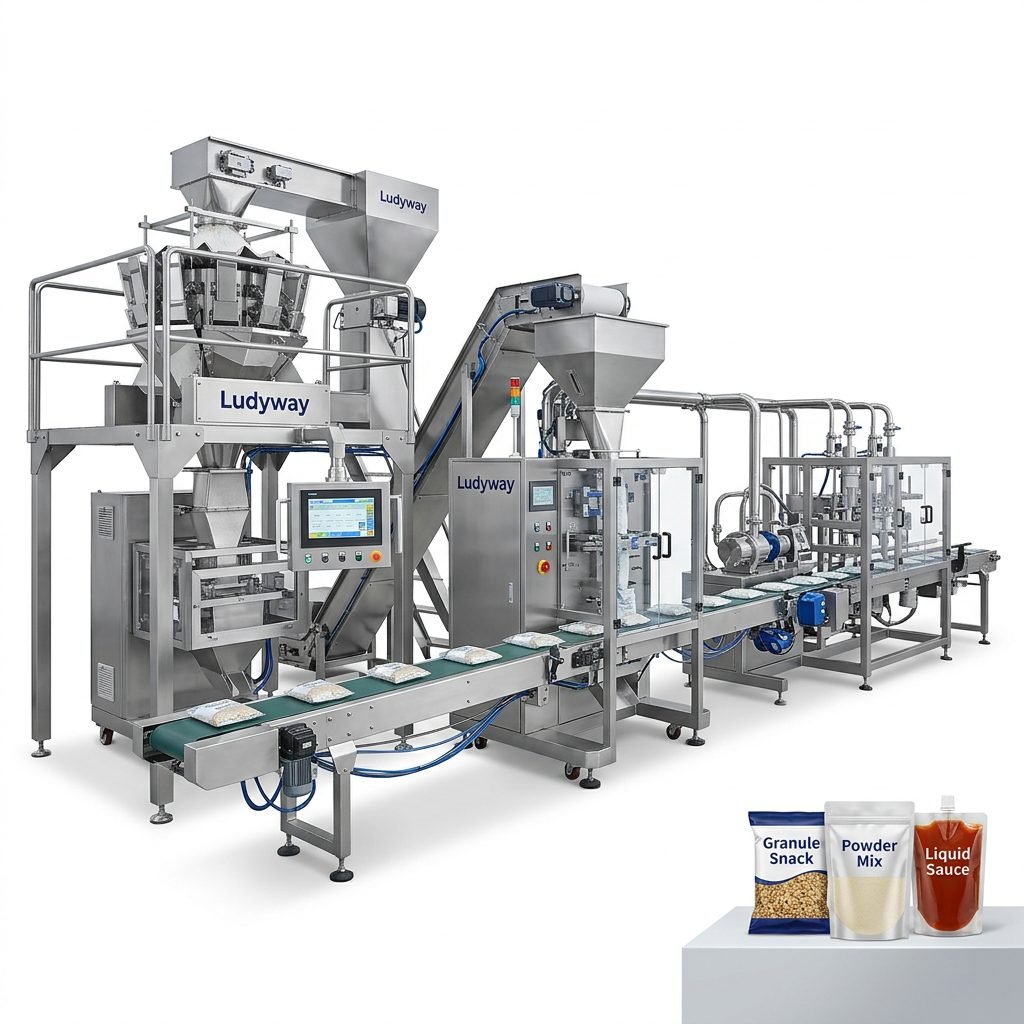
An integrated packaging line is an orchestra of specialized machinery. Understanding each section’s role is vital for successful integration.
1. Product Handling & Feeding Systems
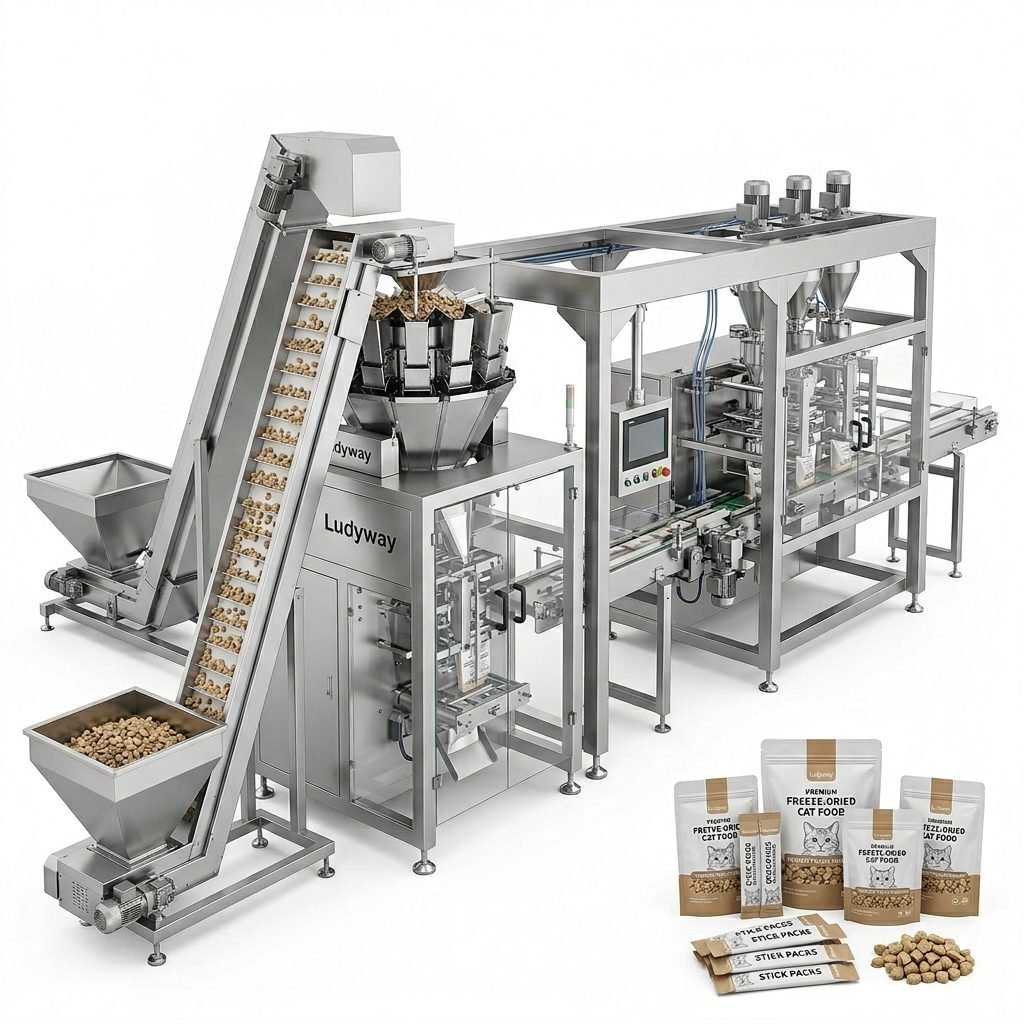
This is the first critical stage. Systems must gently and accurately orient and feed products—whether pouches, bottles, or blister packs—into the primary packaging machinery. Vibratory feeders, conveyor belts with precision guides, and robotic pick-and-place units are common here.
2. Primary Packaging Machinery
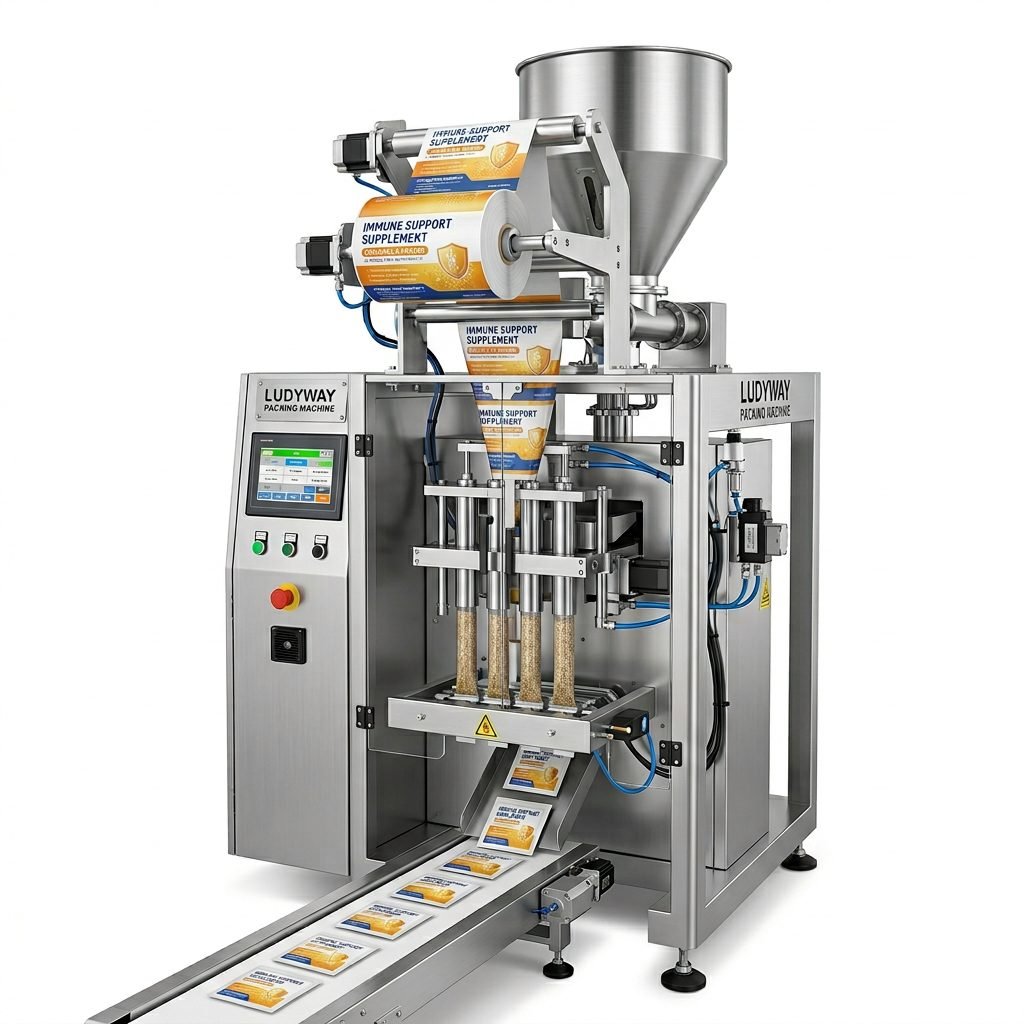
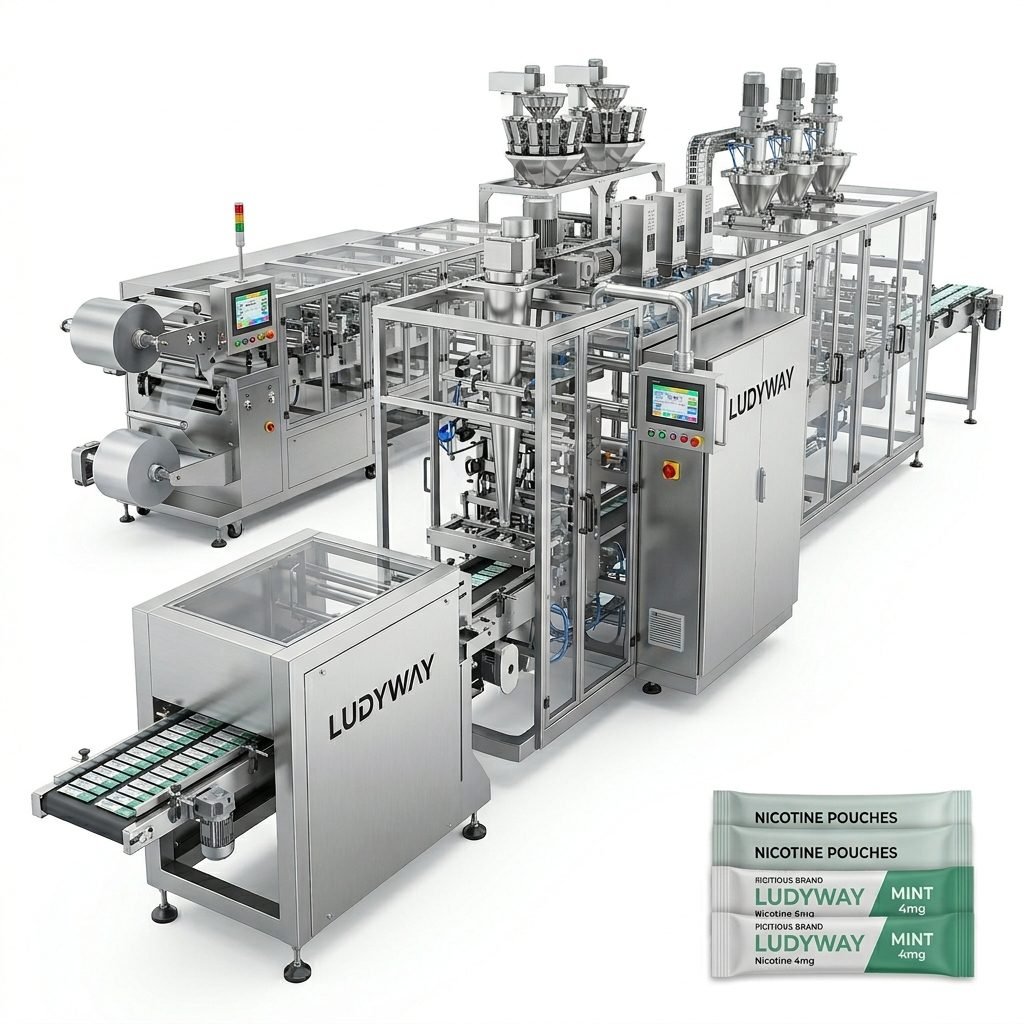
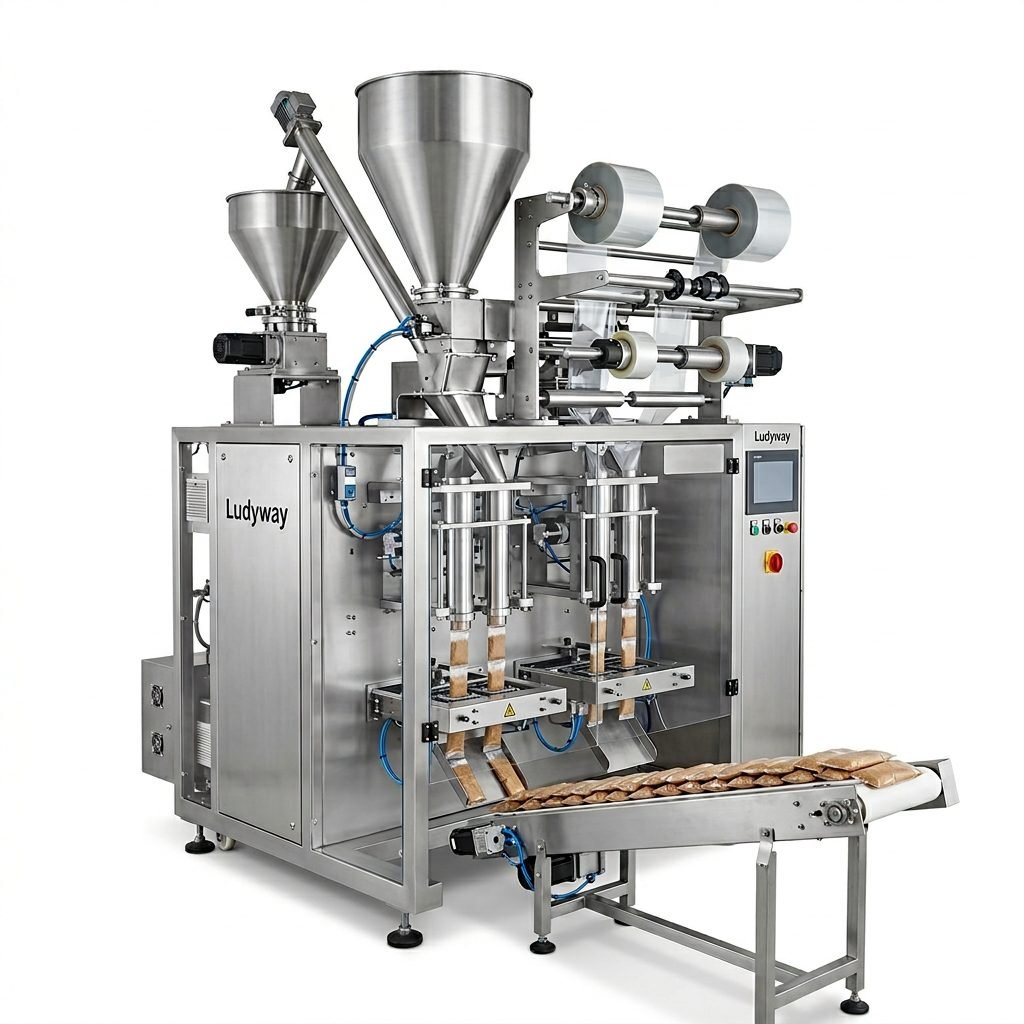
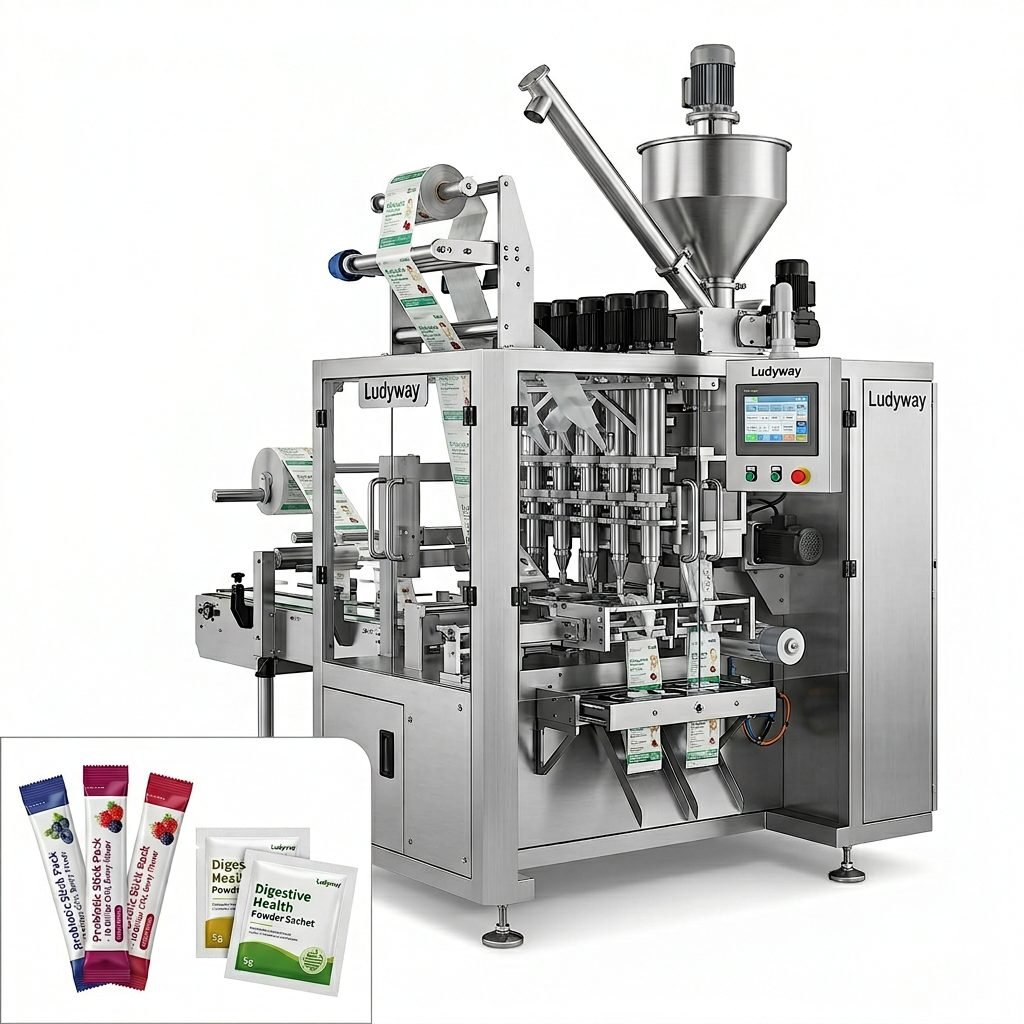
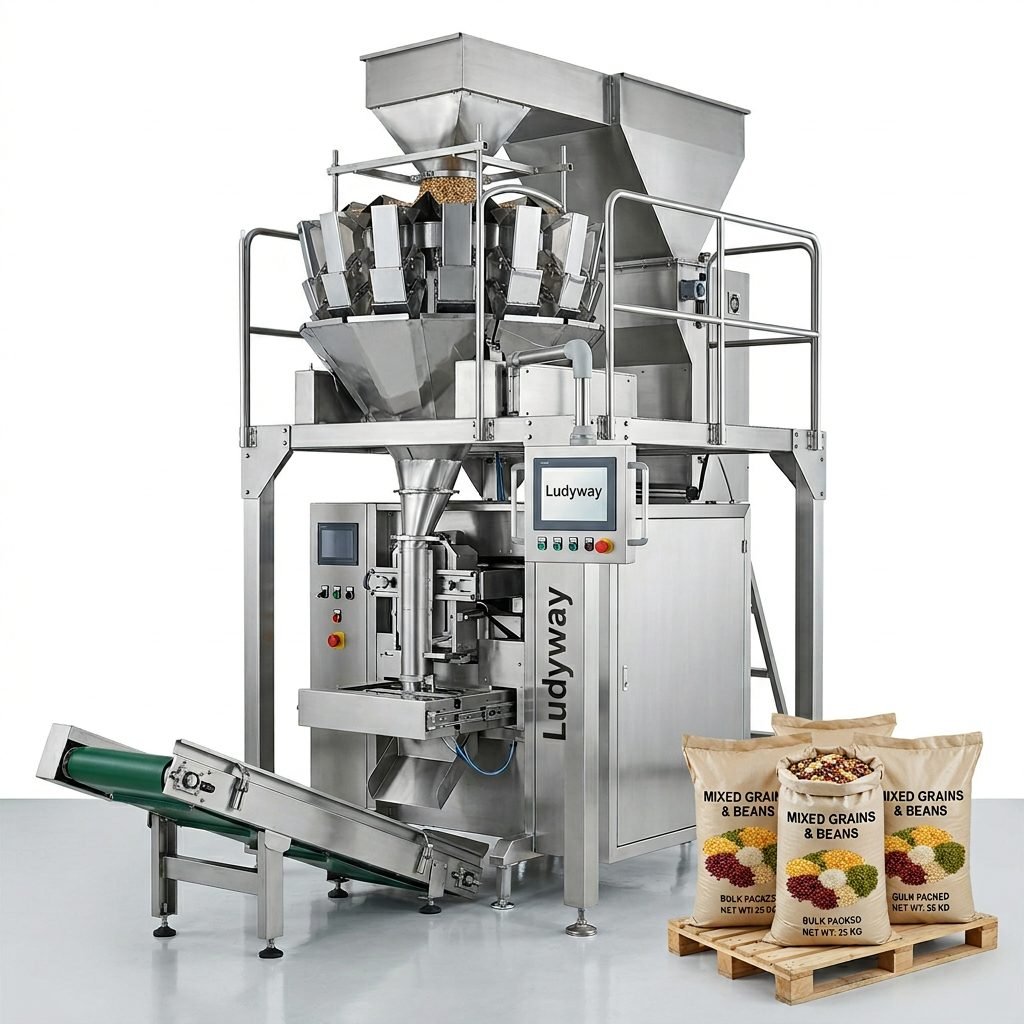
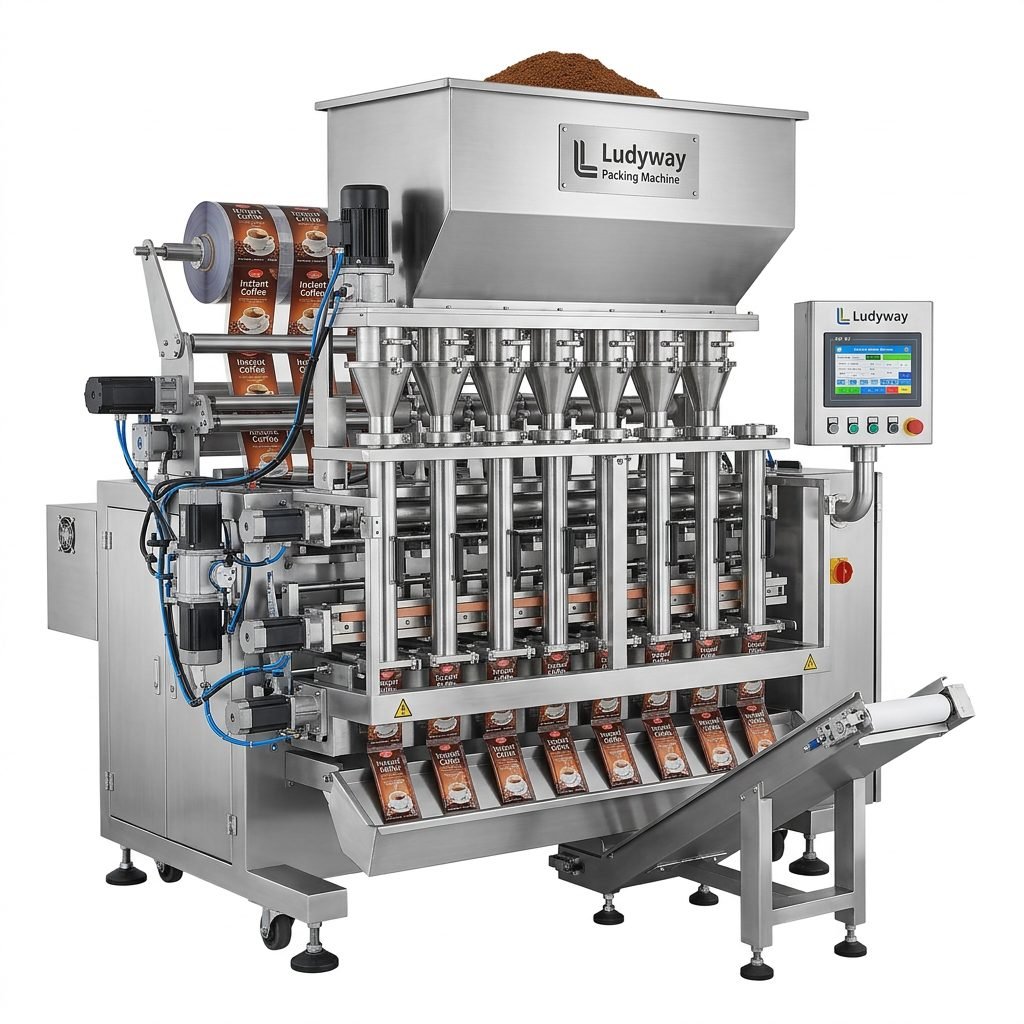
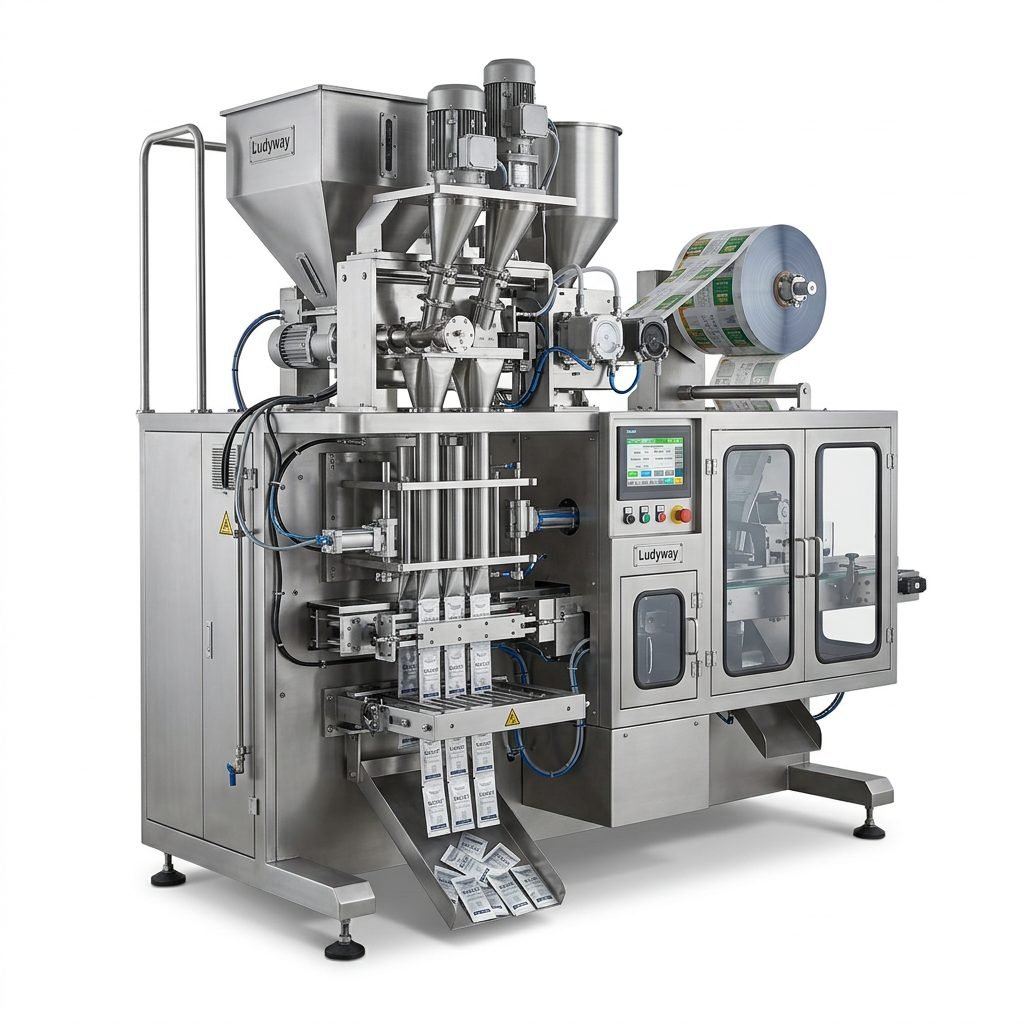
This includes the core machines that form, fill, and seal the product’s immediate container. For granular or powdered goods, this often involves advanced multi-lane stick pack and sachet packaging systems capable of high-speed, precise dosing. Liquid filling requires equally precise volumetric or weight-based fillers.
🔍 Integration Point:
The communication between the filler and the upstream feeder is paramount. Sensors must confirm product presence before filling cycle initiation to prevent waste and machine jams.
3. Secondary & Tertiary Packaging
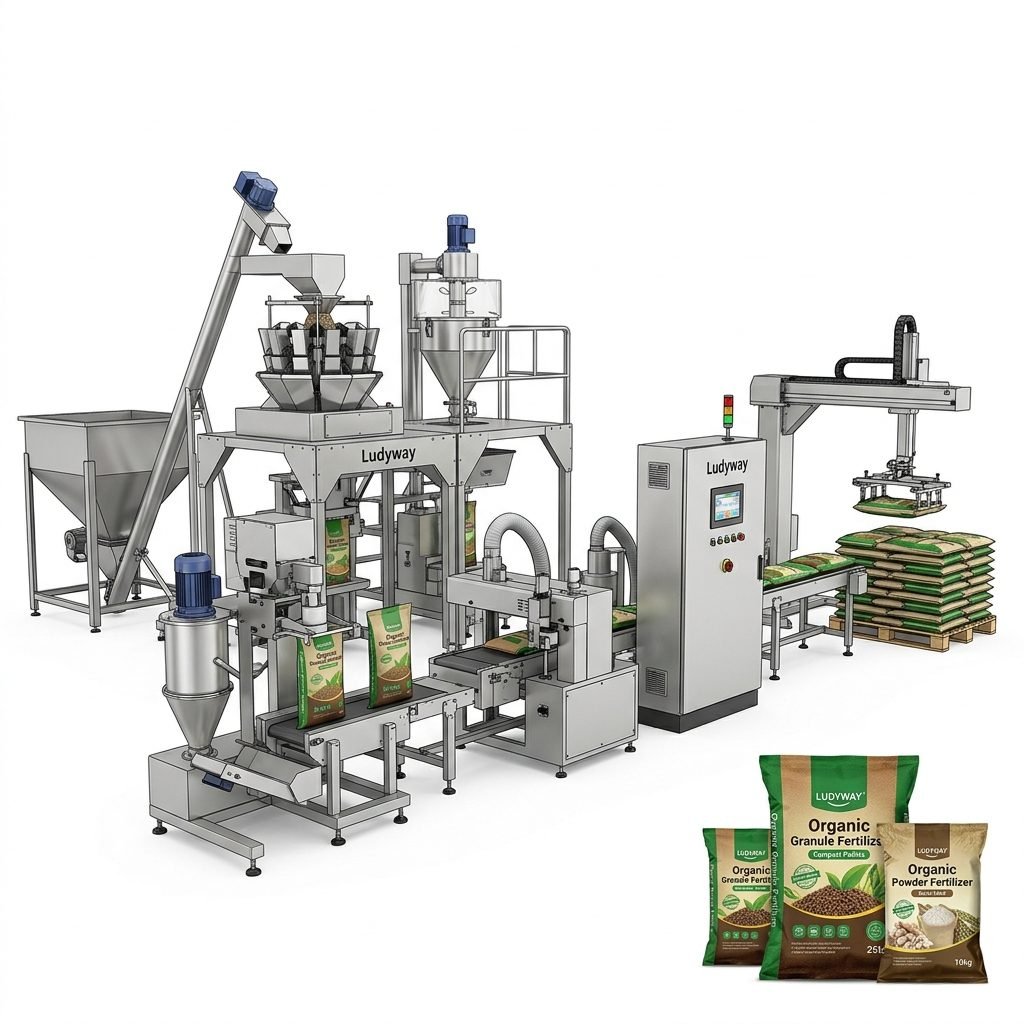
After primary packaging, products are grouped (cartoning, multipacking) and prepared for shipment (case packing, palletizing). Robotic case packers and palletizers offer immense flexibility for handling mixed SKUs and varying case patterns.
The Integration Process: From Concept to Reality
Successful integration is a phased project, not a simple installation.
Phase 1: Comprehensive Needs Analysis
This foundational phase involves auditing current operations, defining future goals, and specifying requirements for speed, package types, changeover frequency, and floor space. Engaging with experienced partners like Ludyway Machinery early in this phase can provide valuable insights drawn from decades of industry application knowledge.
Phase 2: Detailed Engineering & Simulation
Engineers create detailed layouts and, increasingly, use 3D simulation software to model the entire line’s operation. This digital twin identifies potential collisions, bottlenecks, and maintenance access issues before any metal is cut, saving significant time and cost.
Phase 3: Factory Acceptance Testing (FAT)
Before shipment, the integrated line is assembled and tested at the builder’s facility. Clients witness the system running under simulated conditions, allowing for final adjustments and operator training in a controlled environment.
Phase 4: Installation & Site Acceptance
Expert technicians install and commission the line on-site, fine-tuning it to the plant’s specific utilities and environment. A successful Site Acceptance Test (SAT) marks the formal handover to production teams.
Leveraging Technology for Peak Efficiency
Modern packaging lines are data hubs. Industrial Internet of Things (IIoT) sensors collect real-time data on machine speed, downtime, temperature, and seal quality. This data is analyzed by Manufacturing Execution Systems (MES) to provide actionable insights for predictive maintenance, reducing unplanned stoppages.
Vision Inspection Systems
Integrated camera systems perform 100% inspection for defects like incorrect fill levels, misapplied labels, or faulty seals. They are non-negotiable for quality control in industries like pharmaceuticals and premium foods, ensuring only perfect products proceed down the line.
Partnering for Success: The Role of Expert Providers
Given the complexity, partnering with a provider that offers complete turnkey solutions is often the most efficient path. A true partner brings more than hardware; they bring application expertise, single-source accountability, and lifecycle support.
Companies with deep industry roots, such as those with over 30 years of experience, understand the nuanced challenges of different sectors—from the hygiene demands of pharmaceuticals to the high-speed needs of food service. They can navigate the entire process, from initial concept and customized automation solutions to ongoing technical support and spare parts logistics, ensuring the line delivers value for its entire operational life.
Conclusion
Designing and integrating an efficient automated packaging system is a strategic investment that directly impacts a company’s bottom line, brand reputation, and operational agility. By focusing on synchronization, modularity, and data-driven management, and by partnering with experienced, solution-oriented equipment providers, manufacturers can build packaging lines that are not just fast, but also intelligent, adaptable, and reliably efficient for years to come.
Frequently Asked Questions (FAQs)
What is the most common mistake in packaging line integration?
Underestimating the importance of changeover time. A line designed only for peak speed on one product can lose all efficiency if it takes hours to switch to another SKU. Designing for quick, tool-less changeovers is crucial for flexible production.
How do I justify the ROI on a new automated packaging system?
Justification extends beyond labor savings. Calculate ROI based on increased output, reduced product waste (from overfills or rejects), lower material usage (optimized film or carton sizes), improved quality (fewer returns), and enhanced safety. A detailed analysis often reveals a payback period of under two years.
Can I automate my existing legacy packaging equipment?
Often, yes. Through retrofitting with new feeders, robots, or control systems, older machines can be integrated into a semi-automated line. However, a cost-benefit analysis against new, more efficient machinery is essential, as legacy equipment may lack modern communication protocols and energy efficiency.
What is a “turnkey” packaging solution?
A turnkey solution means the provider handles everything from initial design and engineering to equipment procurement, integration, installation, commissioning, and training. The client simply “turns the key” to start operating a complete, ready-to-run production line, minimizing internal project management burden.
How important is after-sales support for an automated line?
It is critical. Even the best-designed line requires maintenance, spare parts, and occasional troubleshooting. Partnering with a provider known for reliable technical support and service, with global reach if necessary, ensures maximum uptime and protects your investment over the long term.