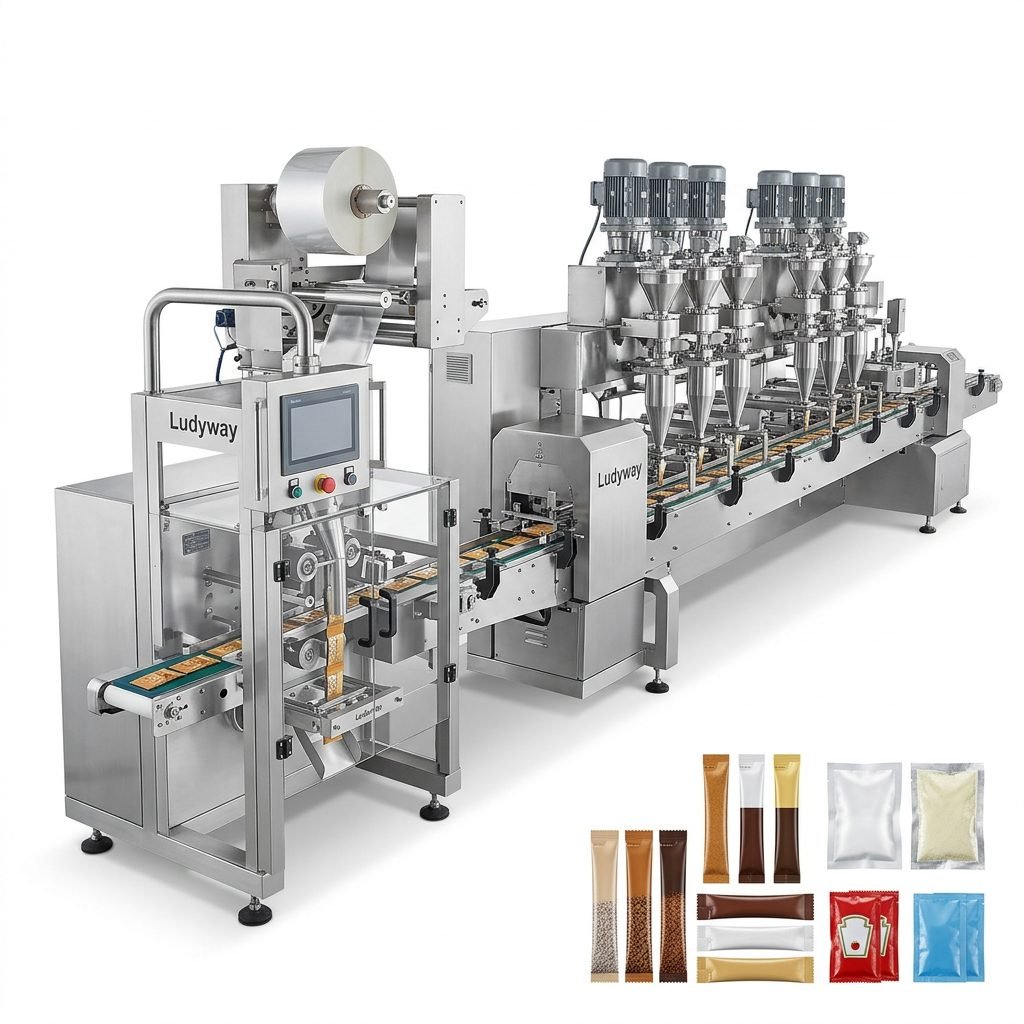
In the fast-paced world of telecommunications, where products range from delicate fiber optic cables and sensitive circuit boards to bulky routers and base station components, the journey from factory to end-user is fraught with potential hazards. Ensuring these high-value, often fragile items arrive intact and fully functional is not just a logistical concern—it’s a critical business imperative. The right packaging equipment serves as the first and most vital line of defense, directly impacting product safety, brand reputation, and operational efficiency. This article explores the top packaging equipment solutions specifically engineered to meet the unique demands of the telecom sector, offering efficient ways to protect and ship these essential products globally.
The Critical Role of Specialized Packaging in Telecom
The telecom industry operates on precision, speed, and reliability. Products are often shipped across continents and through complex supply chains involving multiple handling points. Standard packaging solutions frequently fall short, leading to:
- Physical Damage: Crushing, bending, or impact to sensitive internal components.
- Environmental Contamination: Exposure to moisture, dust, or electrostatic discharge (ESD).
- In-Efficiency in Logistics: Poorly sized or protected packages that waste space and increase shipping costs.
Specialized packaging equipment addresses these challenges head-on by automating the creation of protective environments tailored to each product’s specific vulnerabilities.
Key Packaging Requirements for Telecom Products
- → Anti-Static Protection: Circuit boards, chips, and modules are highly susceptible to ESD. Packaging must safely dissipate electrical charges.
- → High Cushioning & Void Fill: To absorb shock and vibration during transit for items like transceivers and optical connectors.
- → Moisture & Contaminant Barrier: Many telecom components are sensitive to humidity and dust, requiring sealed or desiccant-included packaging.
- → Tamper-Evidence & Security: High-value items need packaging that indicates if unauthorized access has occurred.
Top Packaging Equipment Solutions for Telecom
Investing in the right machinery automates protection, ensures consistency, and scales with production demands. Here are the essential types of equipment.
1. Automated Void Fill & Cushioning Systems
These systems create on-demand protective packaging materials that mold perfectly around irregularly shaped items like antennas or cable assemblies.
- Paper Packing Systems: Use recyclable kraft paper to create a honeycomb-like cushion. They are eco-friendly, cost-effective, and provide excellent surface protection against scratches.
- Air Pillow Machines: Inflate plastic film to create air-filled bags that fill empty spaces in cartons, preventing product movement. Ideal for filling voids around routers or switches in a larger box.
- Foam-in-Bag Systems: Dispense two-part polyurethane foam that expands to form a custom, rigid cushion around the product. Offers superior protection for extremely fragile or high-value items.
2. Stretch Wrapping & Bundling Machines
For securing multiple items, palletized loads of cables, or boxed products, automated wrapping ensures stability.
- Pallet Stretch Wrappers: Secure stacks of boxes onto pallets for shipment, protecting against shifting and moisture. Semi-automatic and fully automatic models can apply consistent tension and film layers.
- Spiral & Ring Wrappers: Used for bundling long, flexible products like fiber optic cables or coaxial cables into neat, manageable coils for storage and transport.
3. Shrink Wrapping & Sealing Equipment
Creates a tight, tamper-evident, and environmentally protective seal around products or grouped items.
- L-Bar Sealers & Shrink Tunnels: Perfect for creating retail-ready bundles of smaller components (e.g., boxes of connectors, cables). The shrink film provides a dust/moisture barrier and keeps kits together.
- Full-Body Sleeve Wrappers: Apply a printed plastic sleeve for branding and protection on products like modems or set-top boxes before cartoning.
4. ESD-Safe Packaging Machinery
This is non-negotiable for electronic components. Equipment handles pink poly or black conductive foam, anti-static bags, and tapes.
- ESD Bag Sealers: Heat-seal components inside static-shielding bags, creating a Faraday cage effect to protect sensitive microelectronics.
- Conductive Foam Die-Cutters: Automatically cut precise cavities in conductive foam inserts to hold PCBs or delicate assemblies securely within a case or tote.
5. Cartoning & Case Erecting Systems
Automate the final step of placing protected products into their shipping containers.
- Automatic Cartoners: Erect, load, and seal corrugated boxes at high speeds. They can integrate with product handling lines to insert manuals, accessories, and the main product efficiently.
- Random Case Sealers: Handle a wide variety of box sizes without changeover, ideal for facilities shipping many different SKUs, such as various telecom modules or customer-specific kits.
Benefits of Automated Telecom Packaging Lines
Integrating these machines into a cohesive line delivers transformative advantages:
- Unmatched Consistency & Quality: Every product receives identical, optimal protection, eliminating human error.
- Significant Cost Reduction: Reduces material waste via precise application, lowers labor costs, and minimizes damage-related returns.
- Enhanced Scalability & Speed: Easily handles volume spikes and accelerates order fulfillment to meet market demands.
- Improved Worker Safety & Ergonomics: Automates repetitive and physically demanding tasks like lifting and sealing.
- Stronger Brand Presentation: Professional, secure, and undamaged packages enhance customer perception and unboxing experience.
Implementing a Future-Proof Packaging Strategy
Choosing equipment is just the start. A successful strategy involves careful planning and partnership.
Key Considerations for Selection:
- Product Portfolio Analysis: Audit the size, fragility, and ESD sensitivity of all SKUs.
- Throughput & Flexibility Needs: Determine required speed and the need for quick changeovers between different products.
- Integration Capability: Ensure new equipment can communicate with existing production and warehouse management systems.
- Total Cost of Ownership (TCO): Evaluate energy consumption, maintenance needs, and consumable costs, not just the purchase price.
Partnering with an experienced provider like Ludyway Machinery, which brings deep expertise in tailored automation, is crucial. They can conduct a needs assessment, recommend an integrated line, and provide ongoing technical support to ensure your packaging operation remains a source of competitive advantage, not vulnerability.
Conclusion
In the telecommunications industry, where product integrity is synonymous with network integrity, packaging is a strategic function. The top packaging equipment—from void fill and ESD systems to automated cartoning—provides efficient, reliable, and scalable solutions to protect high-value goods throughout the global supply chain. By investing in this specialized automation, telecom manufacturers and distributors can drastically reduce damage, control costs, accelerate shipping, and ultimately deliver confidence to their customers, one securely packaged product at a time.
Frequently Asked Questions (FAQs)
1. Why is anti-static (ESD) packaging so critical for telecom products?
Telecom components like PCBs, chips, and optical modules contain microelectronics that can be permanently damaged by electrostatic discharge (ESD), which is invisible to the human eye. ESD-safe packaging materials (e.g., conductive foam, shielded bags) safely dissipate or block static electricity, preventing latent failures that could cause equipment malfunctions after installation.
2. Can automated packaging equipment handle the wide variety of sizes and shapes in a telecom product catalog?
Yes. Modern equipment is designed for flexibility. Random case sealers, adjustable cushioning systems, and programmable cartoners can accommodate a wide range of SKUs with minimal manual changeover. A proper system audit by a packaging expert can design a line that balances high-mix flexibility with high-volume efficiency.
3. What are the main cost benefits of automating telecom product packaging?
Automation primarily reduces costs in four areas: 1) Material Savings through precise application and less waste, 2) Labor Reduction by automating repetitive tasks, 3) Lower Shipping Costs via optimized package dimensions and weight, and most significantly, 4) Drastic Reduction in Damage-Related Returns and Warranty Claims, which carry very high hidden costs.
4. How does proper packaging contribute to sustainability goals in the telecom industry?
Efficient packaging directly supports sustainability. It reduces material usage through right-sizing and optimal cushioning design. Using recyclable materials like paper-based void fill aligns with circular economy goals. Furthermore, preventing product damage eliminates the waste of broken components and the carbon footprint associated with reverse logistics for returns and replacement shipments.
5. What is the first step in upgrading our telecom product packaging process?
The first step is a comprehensive packaging audit and needs analysis. This involves reviewing your product range, current damage rates, order profiles, and growth plans. Reputable packaging solution providers often offer this as a consultancy service. It forms the basis for a data-driven recommendation on the right mix of equipment and materials to achieve your specific goals for protection, efficiency, and cost.