Purchasing packaging equipment is a significant investment that can dramatically impact your production efficiency, product quality, and bottom line. Whether you’re upgrading an existing line or setting up a new facility, selecting the right machines requires careful planning and consideration. This comprehensive guide will walk you through the essential steps and factors to ensure you make an informed decision that aligns with your business goals.
Step 1: Define Your Packaging Requirements
Before you even begin looking at machines, you must have a crystal-clear understanding of your needs. This foundational step will guide every subsequent decision.
Key Questions to Ask:
- Product Type: Are you packaging granules (like coffee, seeds), powders (spices, milk powder), liquids (sauces, oils), or solid items?
- Packaging Format: Do you need stick packs, sachets, pouches, bottles, or cans?
- Production Speed (Output): What is your required output in packs per minute (PPM) or units per hour? Consider both current needs and future growth.
- Film/Material: What type of packaging material will you use (e.g., laminated film, aluminum foil, PET)? The machine must be compatible.
Step 2: Research Different Types of Packaging Machinery
The packaging machinery market is diverse. Familiarize yourself with the primary categories to narrow your search effectively.
Vertical Form-Fill-Seal (VFFS) Machines
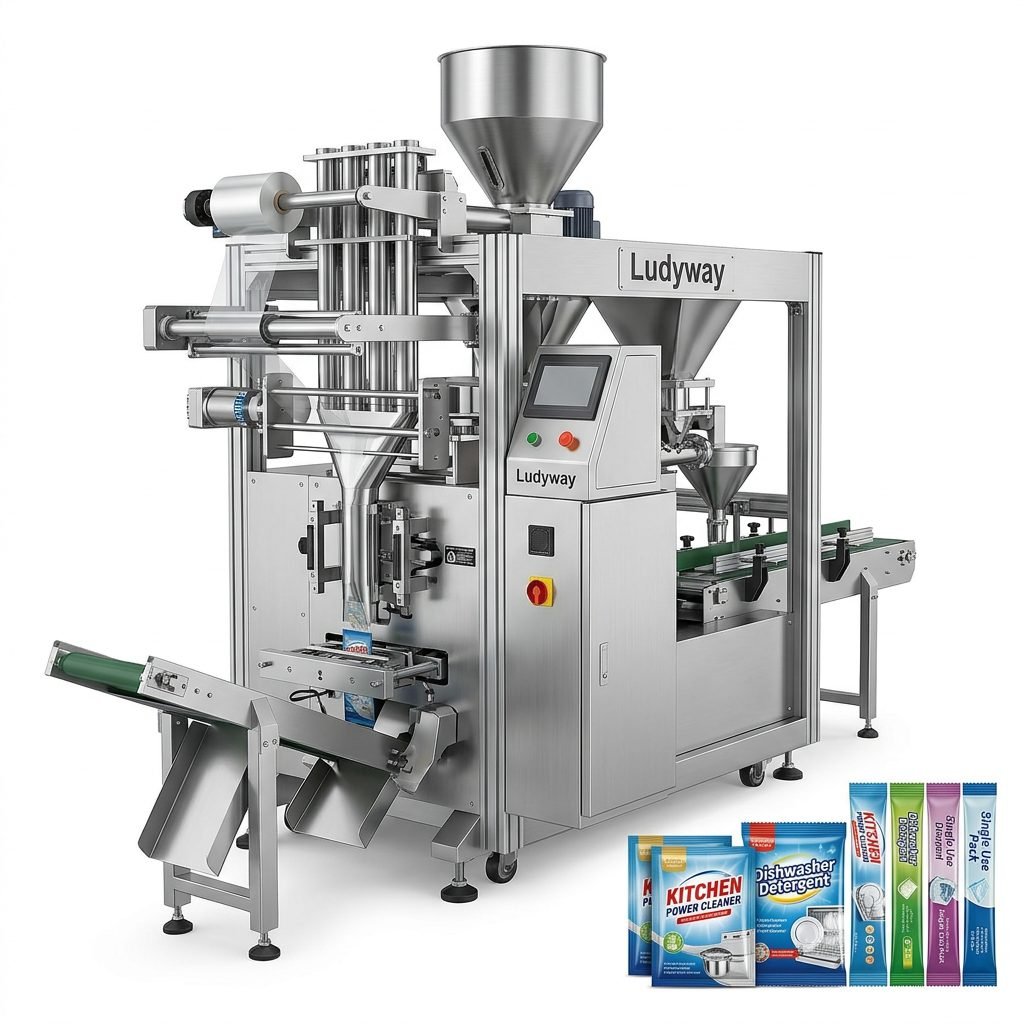
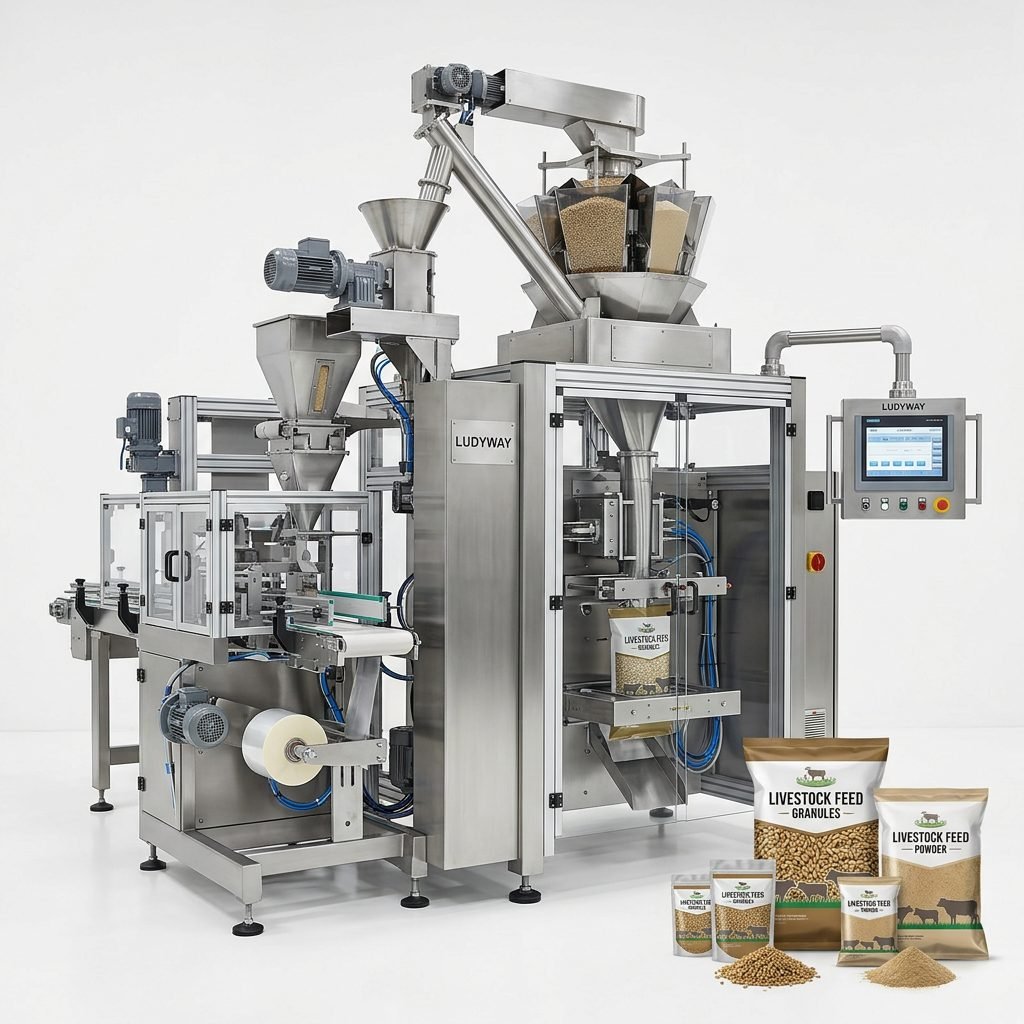
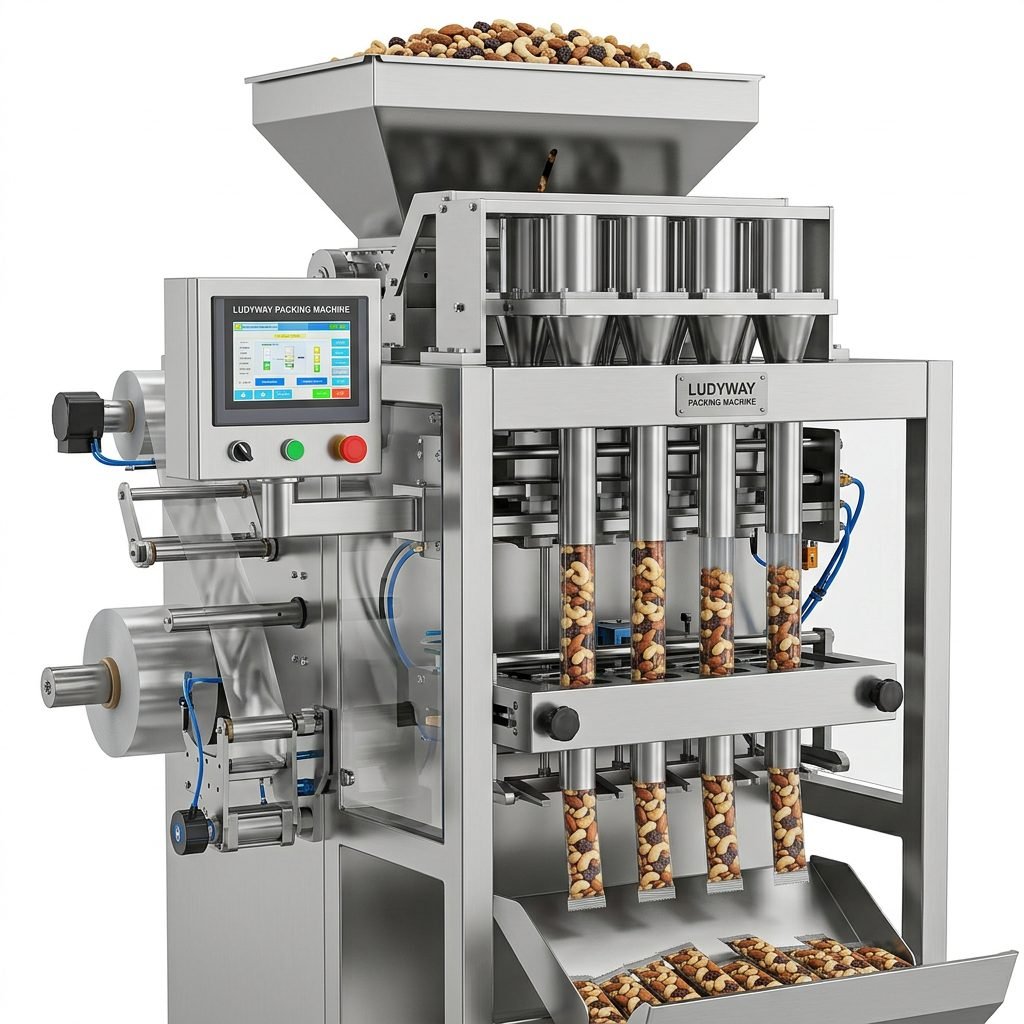
Ideal for granules, powders, and small solids. These machines form a bag from a roll of film, fill it with product, and seal it—all in one continuous vertical operation. They are highly versatile for producing pillow packs, gusseted bags, and more.
Horizontal Form-Fill-Seal (HFFS) Machines
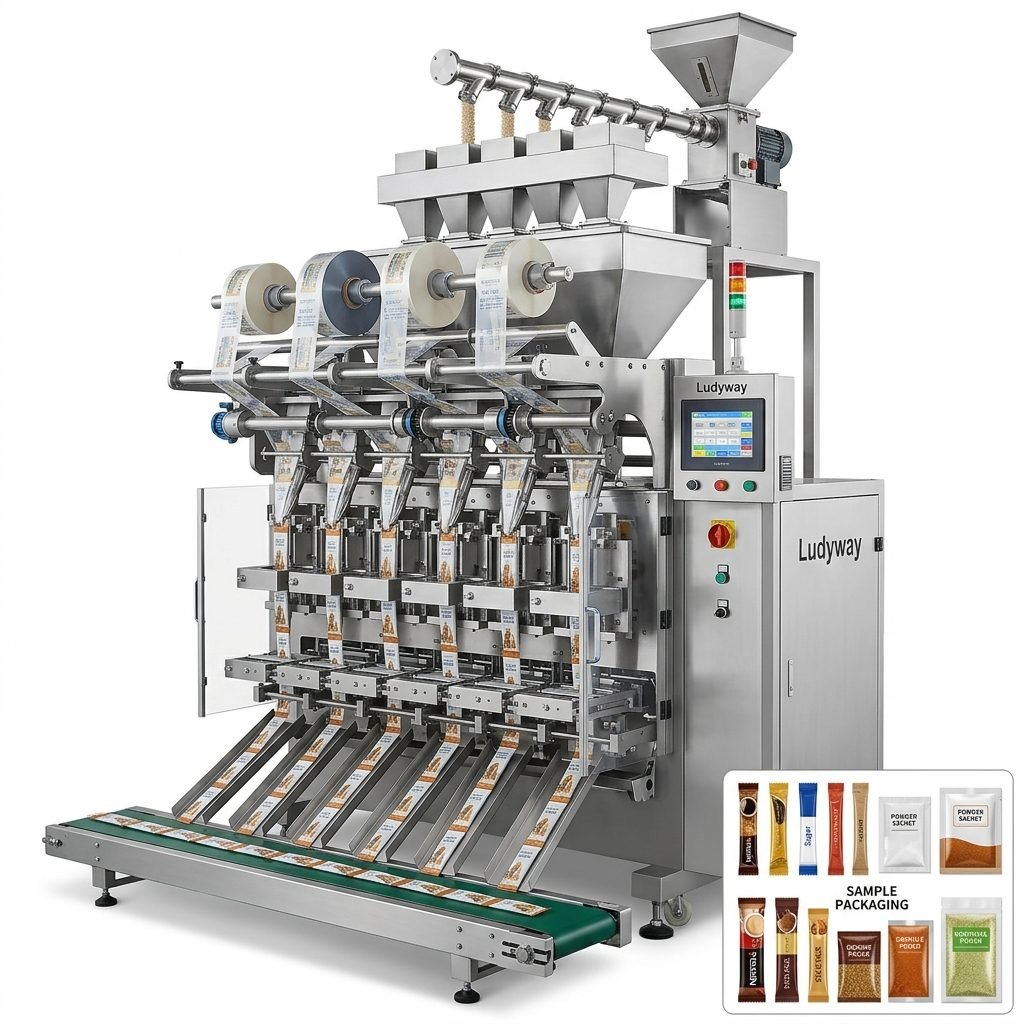
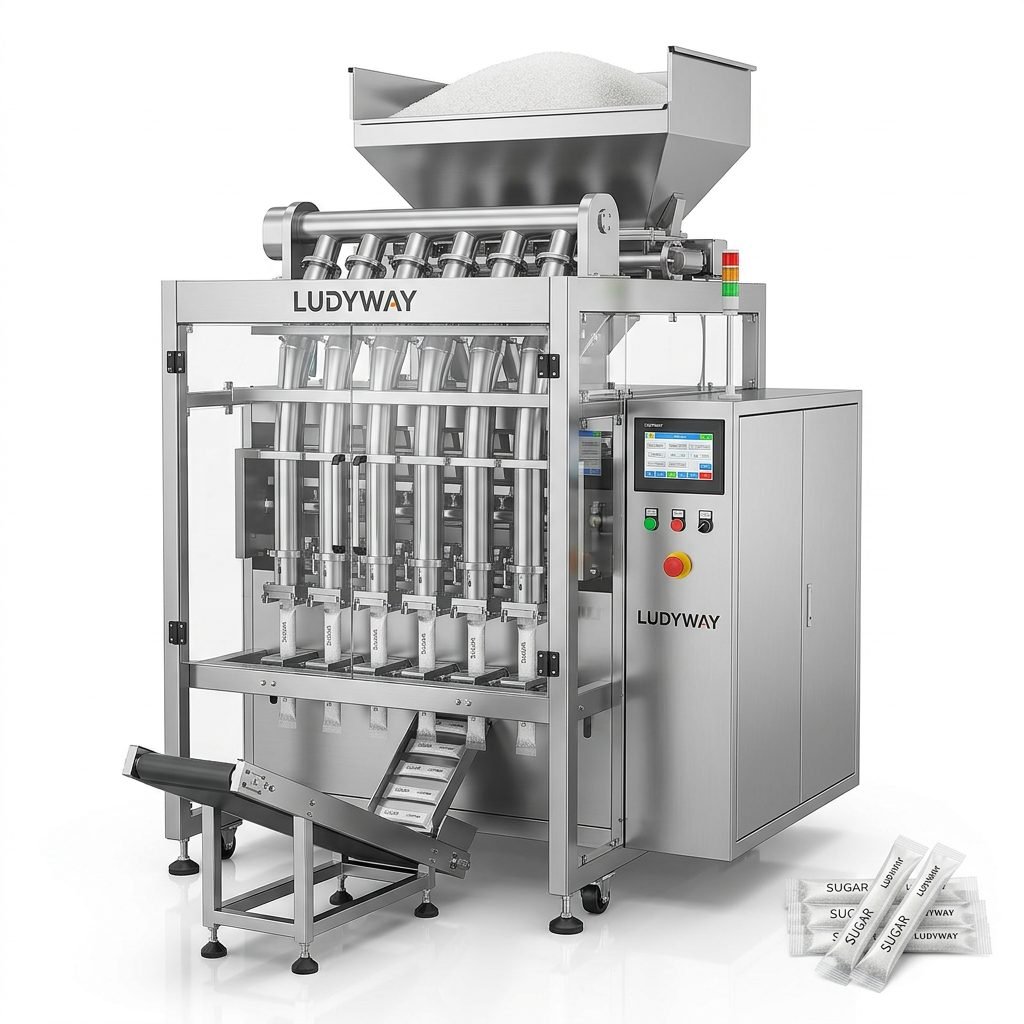
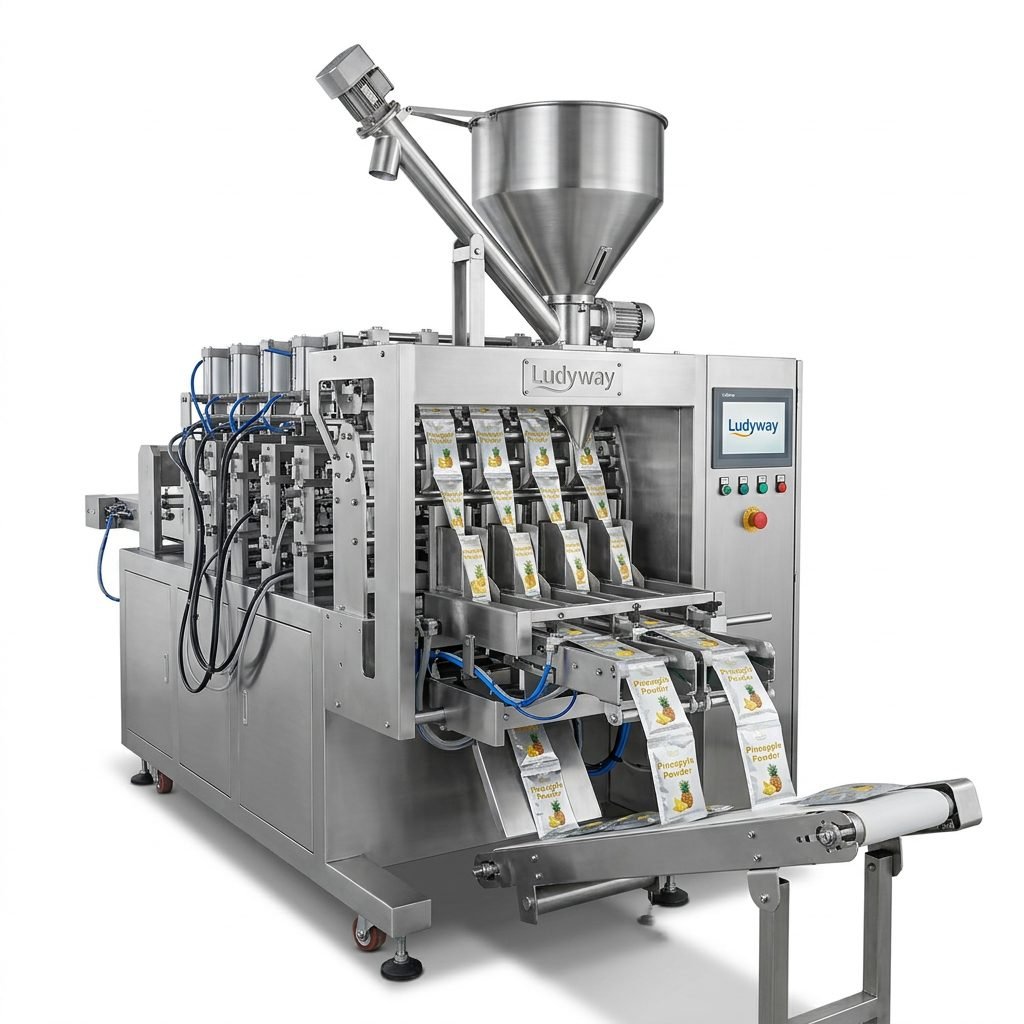
Perfect for stick packs and sachets, especially for single-serve portions of powders, liquids, or gels. They work on a horizontal plane and are known for high-speed, precise dosing and a sleek finished look.
Liquid & Paste Filling Machines
Designed specifically for viscous products like sauces, shampoos, or creams. They come in various types: piston fillers, gravity fillers, and pump fillers, each suited to different viscosities and fill accuracies.
Auger Fillers for Powders & Granules
These systems use a rotating auger (screw) to dispense dry products with excellent accuracy. They are a core component often integrated with VFFS machines for complete powder packaging solutions.
Step 3: Evaluate Machine Features & Technology
Not all machines in the same category are created equal. The technological features determine reliability, ease of use, and long-term value.
Critical Features Checklist:
- Control System: Look for a user-friendly PLC (Programmable Logic Controller) with a touchscreen HMI (Human-Machine Interface). This allows for easy recipe changes and operation.
- Construction & Durability: The frame should be robust (stainless steel is preferred for food/pharma), and critical components like servomotors and seals should be from reputable brands.
- Changeover Flexibility: How quickly and easily can you switch between different bag sizes or products? Quick-change parts reduce downtime.
- Accuracy & Weighing Systems: For cost control and compliance, high-precision weigh scales or volumetric dosing systems are non-negotiable.
- Safety & Hygiene: Ensure the machine meets relevant safety standards (CE, etc.). Sanitary design with easy-clean surfaces is crucial for food and pharmaceutical applications.
Step 4: Consider Your Supplier Carefully
The manufacturer or supplier is as important as the machine itself. Your relationship with them will affect installation, training, and years of support.
A partner like Ludyway Machinery, with over 30 years of industry experience, exemplifies the value of a reliable supplier. They don’t just sell machines; they provide turnkey production solutions. Backed by a 20,000㎡ manufacturing facility and strong engineering capabilities, they offer more than 50 intelligent packaging machine models. This depth of experience means they can guide you through the entire process, from selecting the right multi-lane stick pack machine to designing a complete line.
Supplier Evaluation Criteria:
- Industry Experience & Reputation: How long have they been serving your specific sector (food, pharma, etc.)?
- Technical Support & Service: What is their response time? Do they offer remote diagnostics, on-site engineers, and a stock of spare parts?
- Customization Ability: Can they modify a standard machine to fit your unique product or factory layout?
- Training & Documentation: Comprehensive training for your operators and clear manuals are essential for smooth operation.
- Global Support Network: If you have multiple facilities or plan to expand, a supplier with an international presence is a significant advantage.
Step 5: Plan for Integration and Future Growth
Think beyond the single machine. Consider how it will fit into your existing workflow and accommodate your business’s evolution.
Line Integration
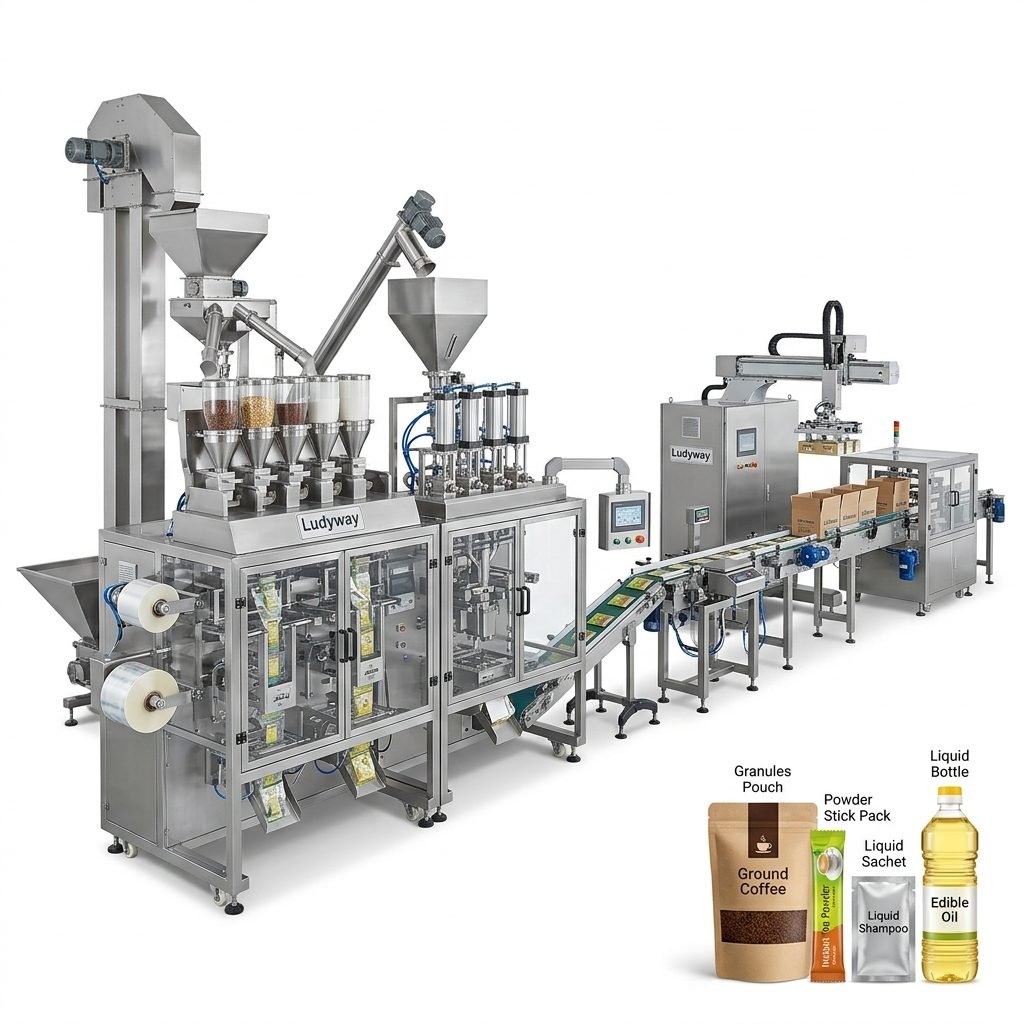
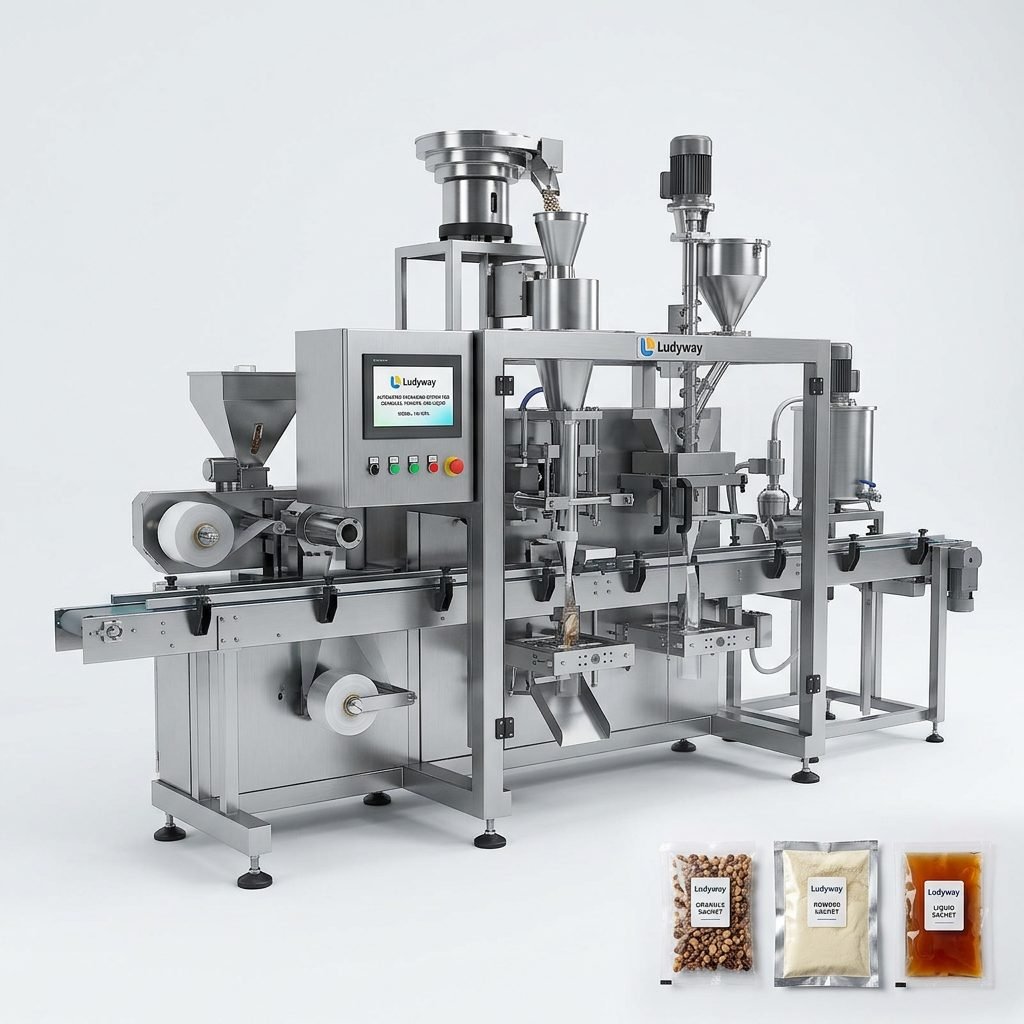
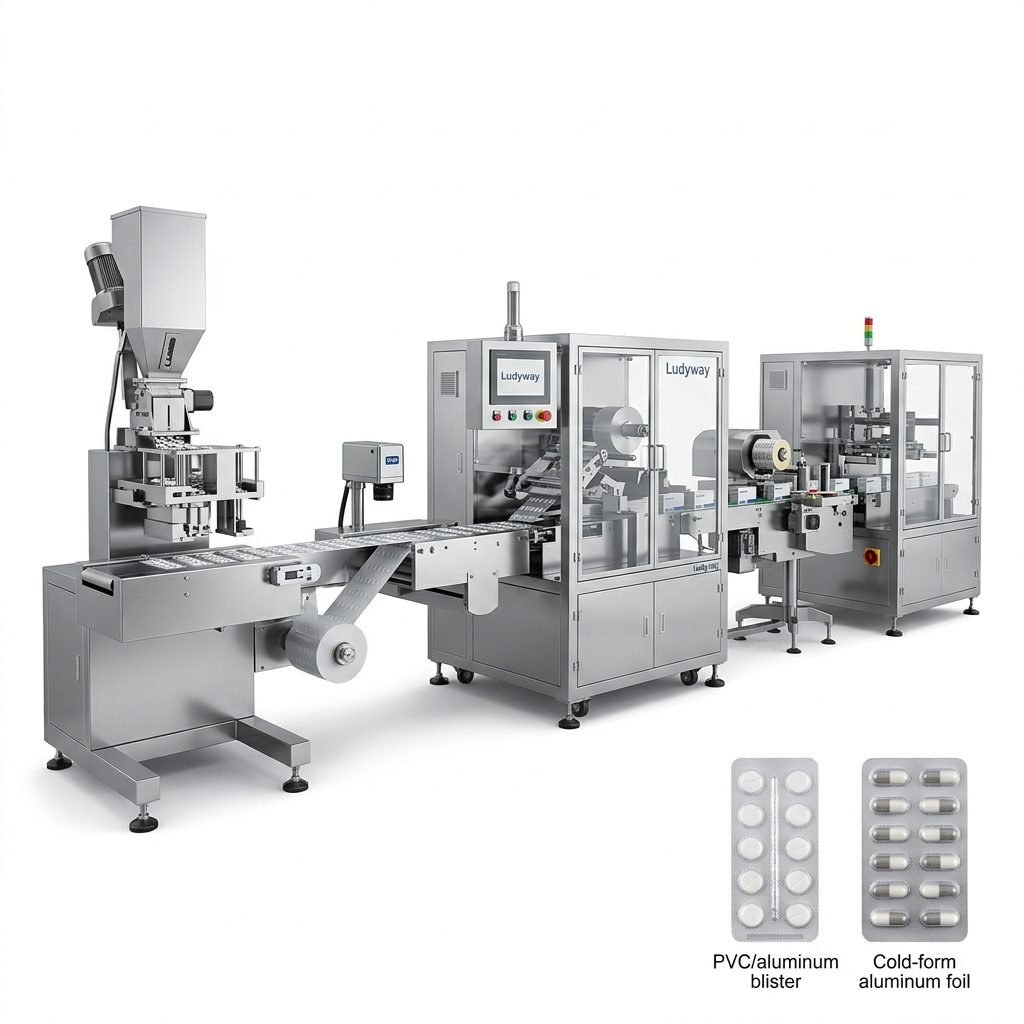
Will the new packaging machine need to connect with upstream equipment (like mixers or conveyors) or downstream systems (like cartoners or case packers)? Ensure compatibility and discuss integration support with your supplier. A professional partner can provide a complete sachet packaging system that works seamlessly.
Scalability & Flexibility
Invest in equipment that can grow with you. Can the machine handle a wider range of package sizes? Is it possible to add modules (like a gas flush for modified atmosphere packaging) later? Planning for future needs protects your investment.
Step 6: Analyze Total Cost of Ownership (TCO)
The purchase price is just the beginning. A thorough TCO analysis prevents unexpected costs and reveals the true value of a machine.
TCO Components:
- Initial Purchase Price: The cost of the machine and any essential accessories.
- Installation & Commissioning: Fees for on-site setup, calibration, and testing.
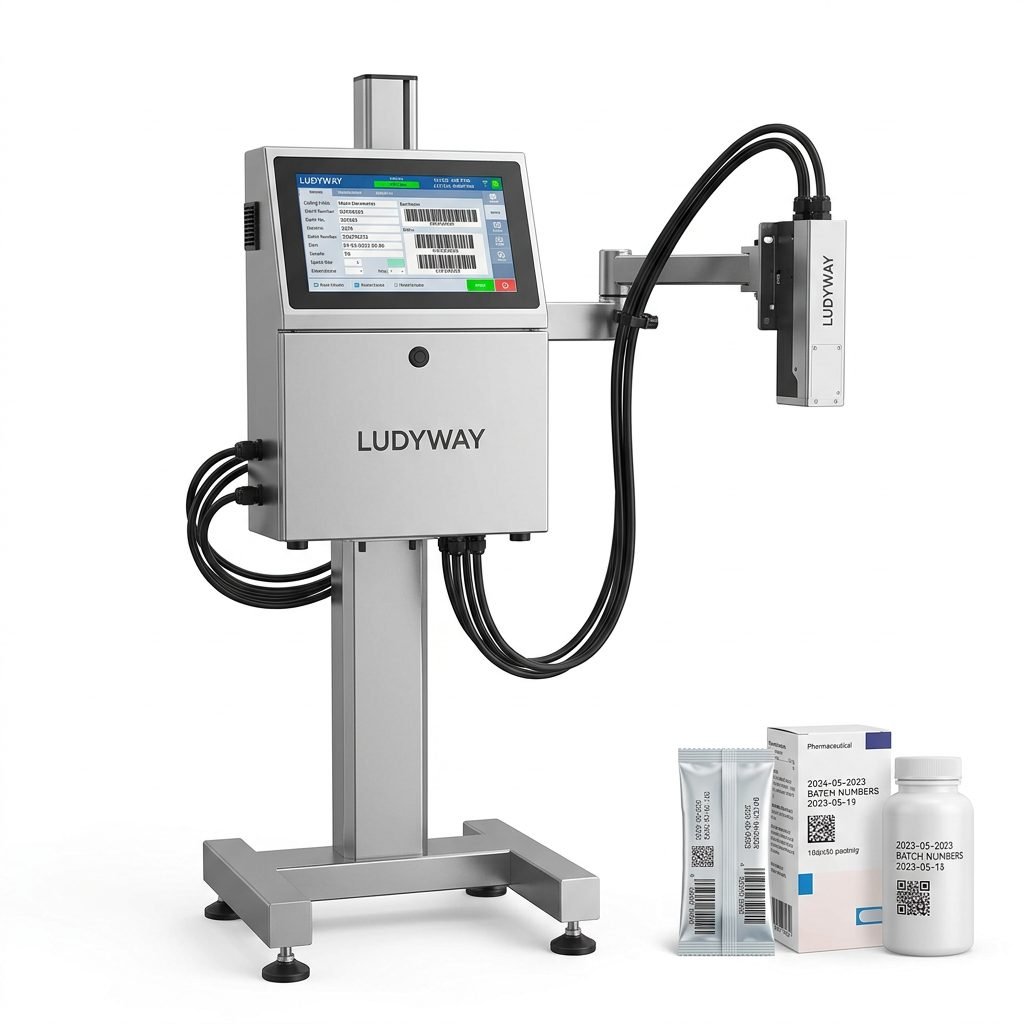
- Operating Costs: Energy consumption, compressed air usage, and required consumables (like sealing jaws or coding ink).
- Maintenance & Spare Parts: Cost of routine service contracts and the price/availability of wear parts.
- Downtime Cost: A reliable machine from a reputable supplier minimizes costly production stoppages.
Conclusion: A slightly higher initial investment in a robust, well-supported machine often results in a much lower TCO over 5-10 years due to higher efficiency, less waste, and fewer breakdowns.
Common Questions (FAQs)
1. What is the lead time for receiving a new packaging machine?
Lead times vary significantly based on machine complexity, customization, and supplier capacity. For standard models, it can range from 8 to 16 weeks. Always confirm the detailed production and delivery schedule with your supplier during the quotation process.
2. Can one machine handle multiple different products or package sizes?
Many modern machines are designed for flexibility. Quick-changeover features allow you to switch between similar products or different bag sizes within minutes. However, drastic changes (e.g., from powder to liquid) typically require a different machine type or significant modification.
3. How important is after-sales service, and what should it include?
After-sales service is critical. It should include comprehensive operator training, detailed technical documentation, a warranty period (typically 12-24 months), access to spare parts, and reliable technical support—both remote (phone/online) and the availability of service engineers for on-site visits.
4. What are the key differences between a standard machine and a turnkey solution?
A standard machine is the core packaging unit. A turnkey solution is a complete, ready-to-run production line that includes all ancillary equipment (feeders, conveyors, checkweighers, etc.), integrated controls, factory layout planning, installation, and commissioning. It offers a single-point responsibility and is ideal for new projects.
5. How do I ensure the machine meets my country’s safety and regulatory standards?
Always specify the required standards (e.g., CE for Europe, UL for North America, GOST for Russia) to your supplier upfront. Reputable manufacturers like those partnered with Ludyway design and certify their machines to meet these international standards, providing the necessary documentation for customs and regulatory approval.