In the fast-paced world of manufacturing, efficiency, hygiene, and precision are paramount. Single dose packaging equipment has emerged as a critical solution across numerous industries, from pharmaceuticals and nutraceuticals to food service and cosmetics. This specialized machinery automates the process of packaging individual, pre-measured quantities of product, ensuring accuracy, reducing waste, and enhancing consumer convenience. This complete guide explores the various types of single dose packaging machines, their significant benefits, and their diverse applications in today’s market.
Understanding Single Dose Packaging Equipment
Single dose packaging, also known as unit dose packaging, involves enclosing a precise quantity of a product—be it a powder, granule, liquid, or paste—into a single, sealed container. This container is typically a sachet, stick pack, pouch, or blister. The equipment designed for this task is highly automated, integrating functions like dosing, forming, filling, and sealing into one continuous, high-speed operation. This technology is the backbone of producing the individual servings of coffee, sugar, ketchup, shampoo, or medication that consumers use daily.
Core Components and Working Principle
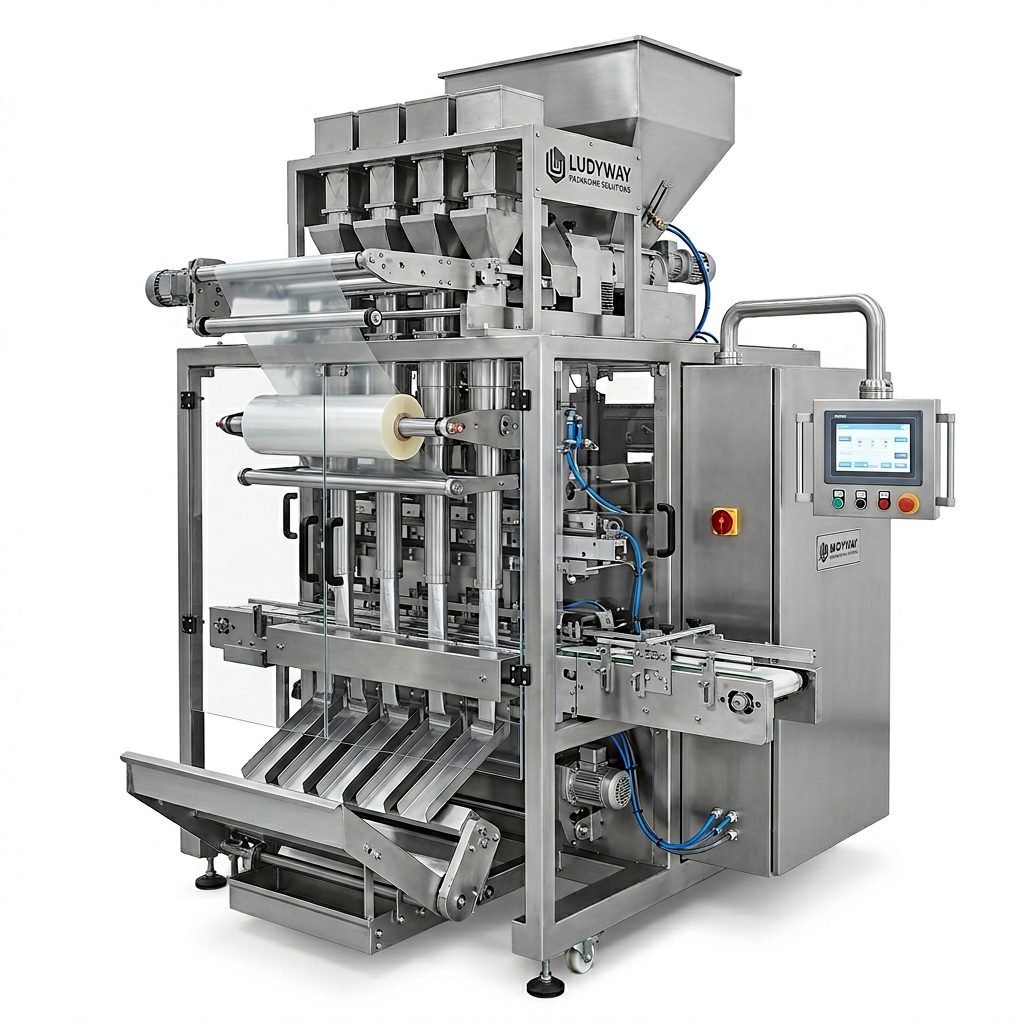
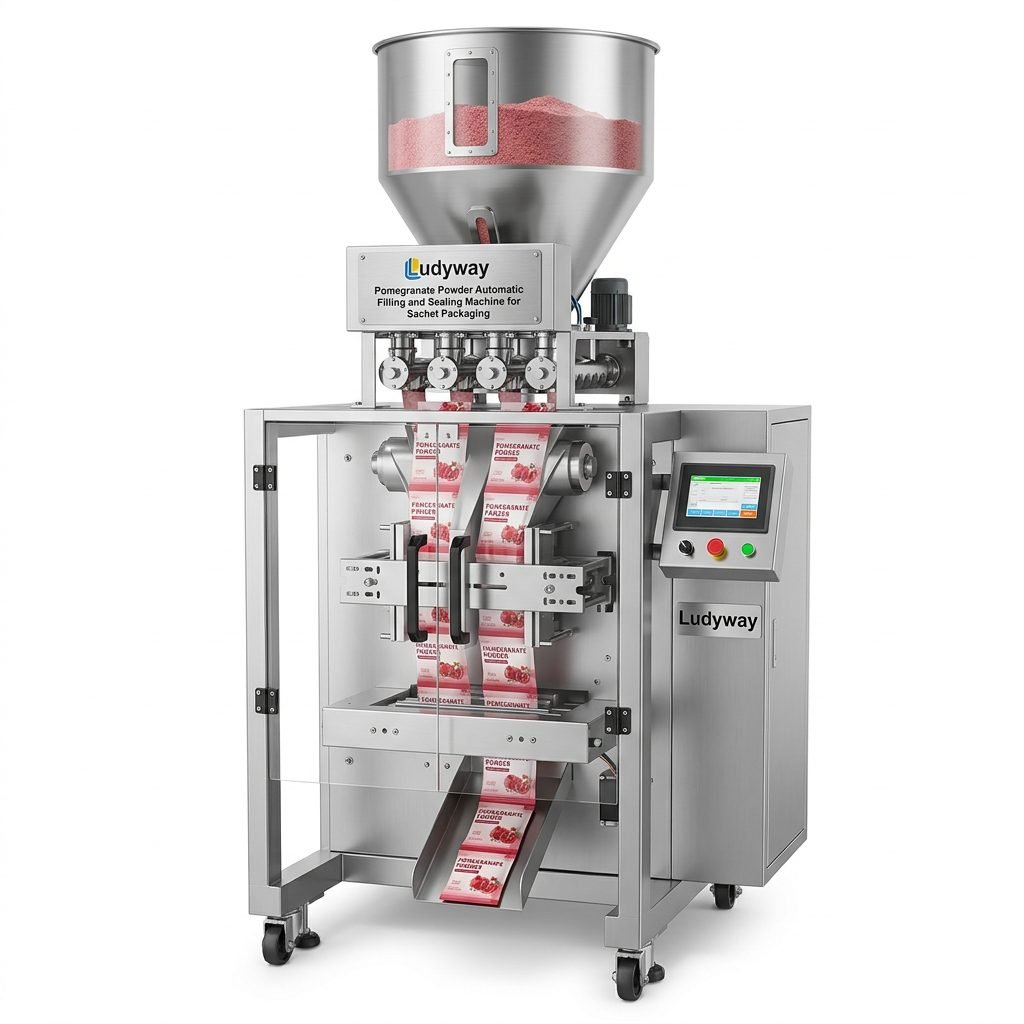
A standard single dose packaging line comprises several key components working in harmony. A film unwinding system feeds packaging material—often a laminated film for barrier properties—into the machine. The material then passes through a forming section, where it is shaped into pockets or tubes. The heart of the machine is the dosing and filling system, which can be volumetric, auger-based, or liquid pump-driven, ensuring exact amounts are dispensed. Finally, a sealing unit hermetically closes the package, and a cutting mechanism separates the individual doses. Advanced machines include integrated checkweighers and vision inspection systems to guarantee every unit meets strict quality standards.
Types of Single Dose Packaging Machines
The choice of equipment depends heavily on the product’s physical form and the desired package style. Here are the primary types:
1. Stick Pack Packaging Machines
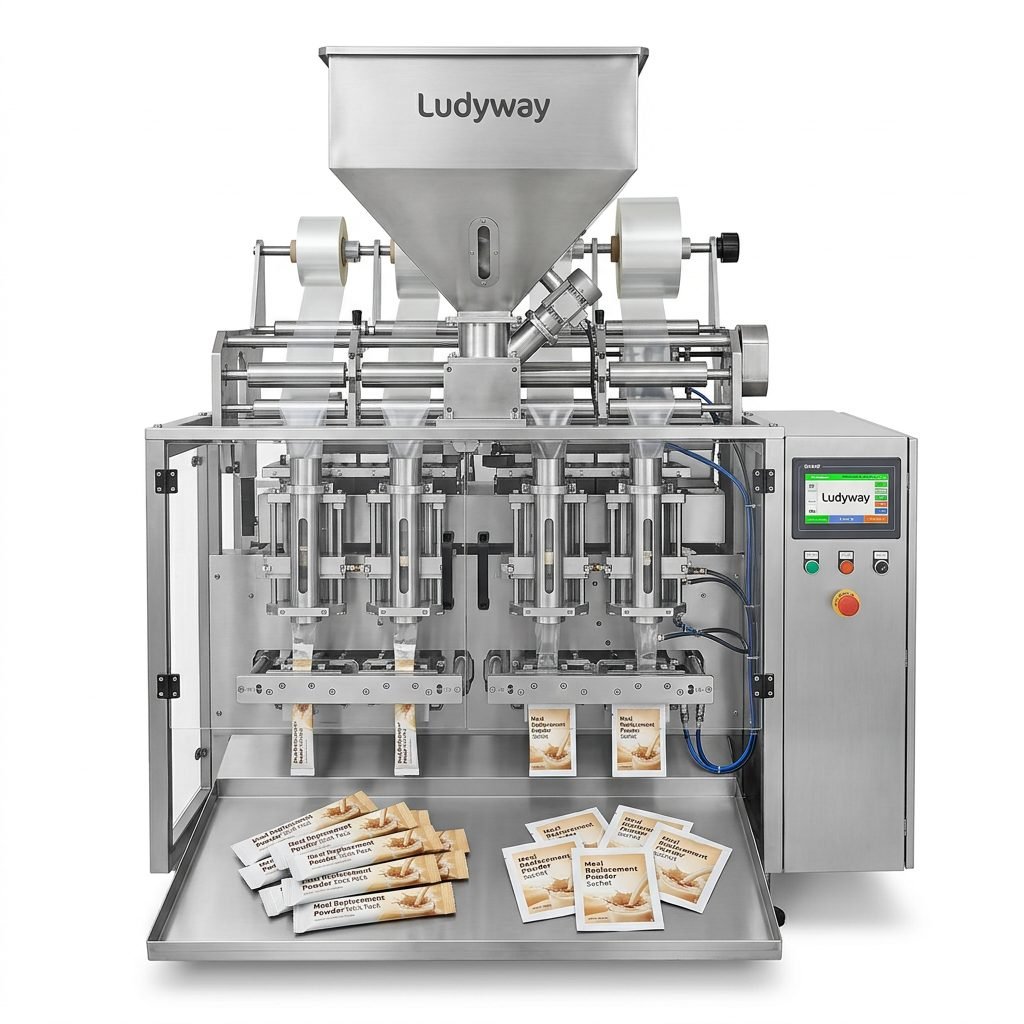
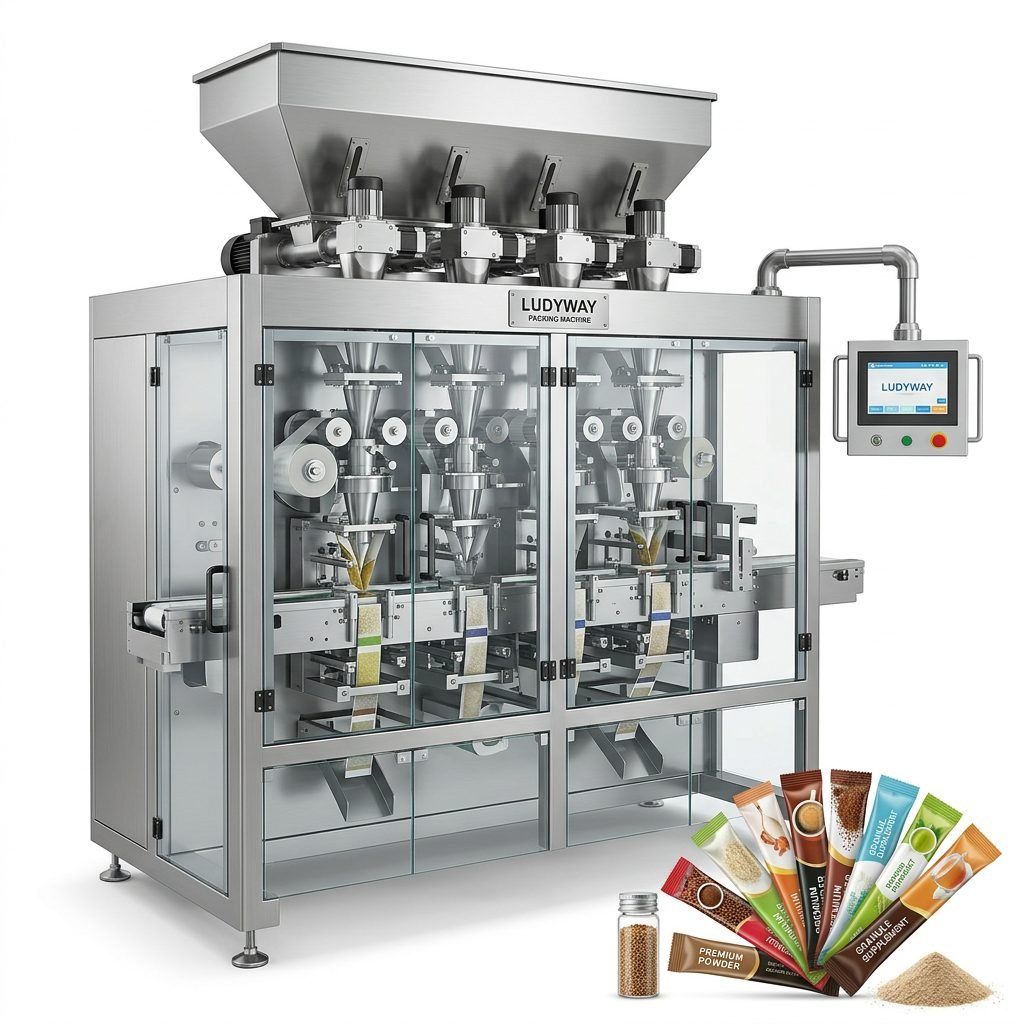
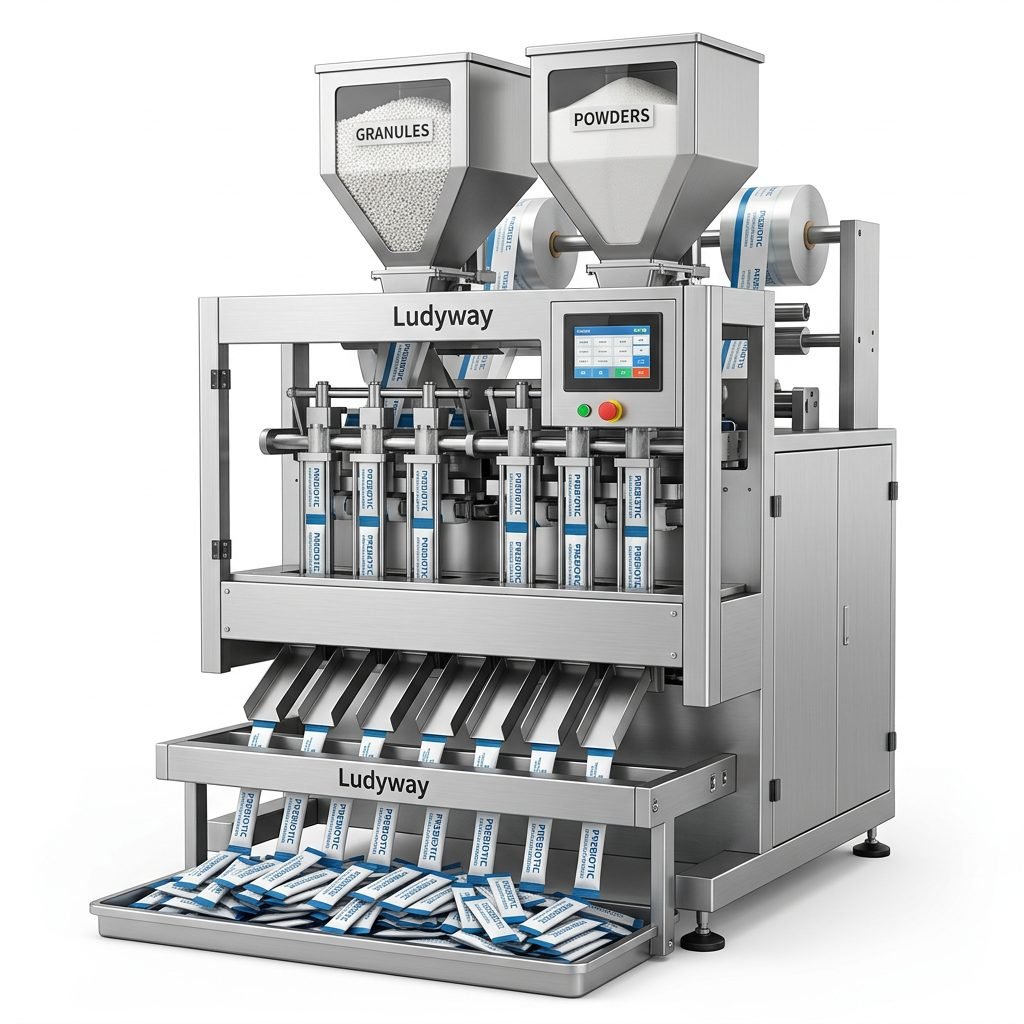
Stick pack machines produce long, slender, and upright packages ideal for powders and granules. They are exceptionally popular for instant beverages, protein powders, and pharmaceutical powders. Their slim design makes them easy to store, transport, and use. Modern multi-lane stick pack machines can produce dozens of sticks simultaneously, offering very high output rates.
2. Sachet (Pouch) Packaging Machines
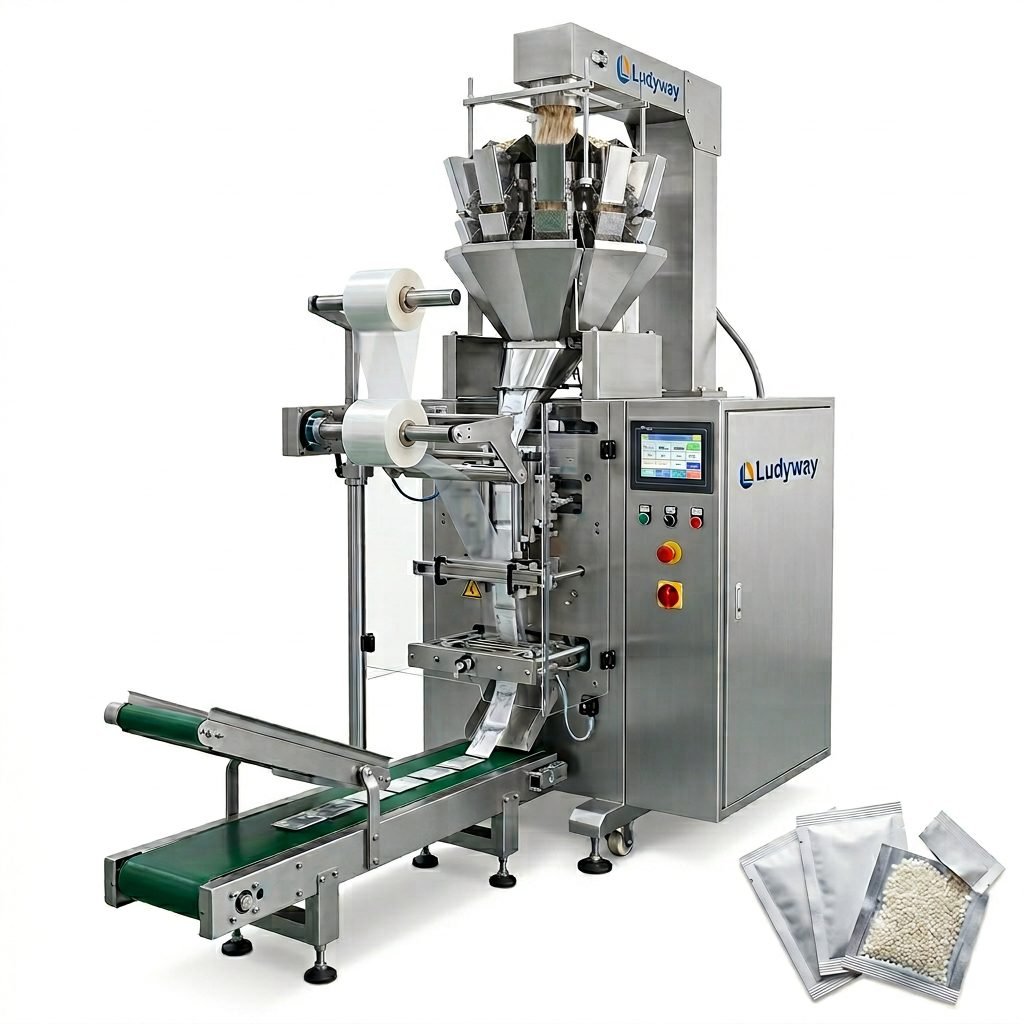
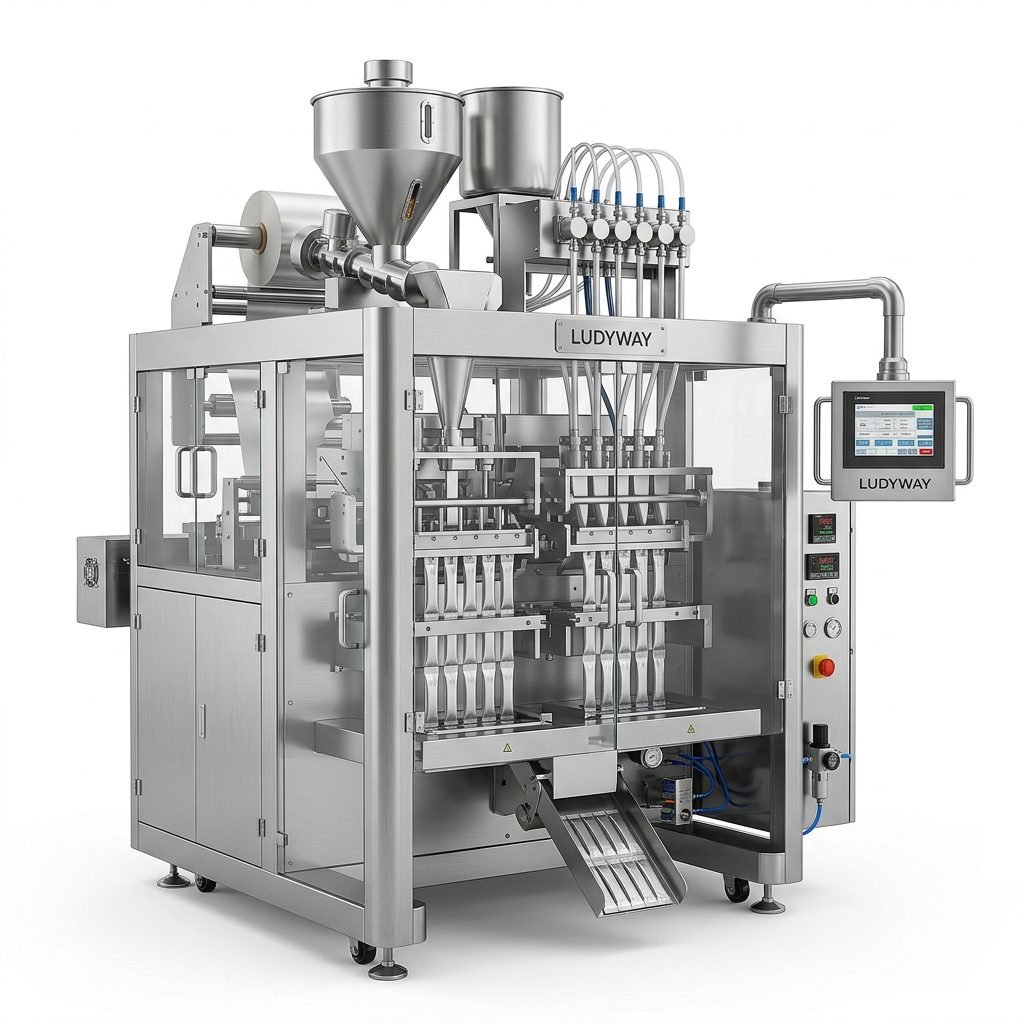
This is the most versatile category. Sachet machines can create various pouch styles, including three-side seal, four-side seal, and stand-up pouches. They handle a wide range of products: liquids (sauces, oils, lotions), viscous pastes (condiments, cosmetics), and solids. They are the go-to solution for single-serve condiments in foodservice and sample-sized products in cosmetics.
3. Blister Packaging Machines
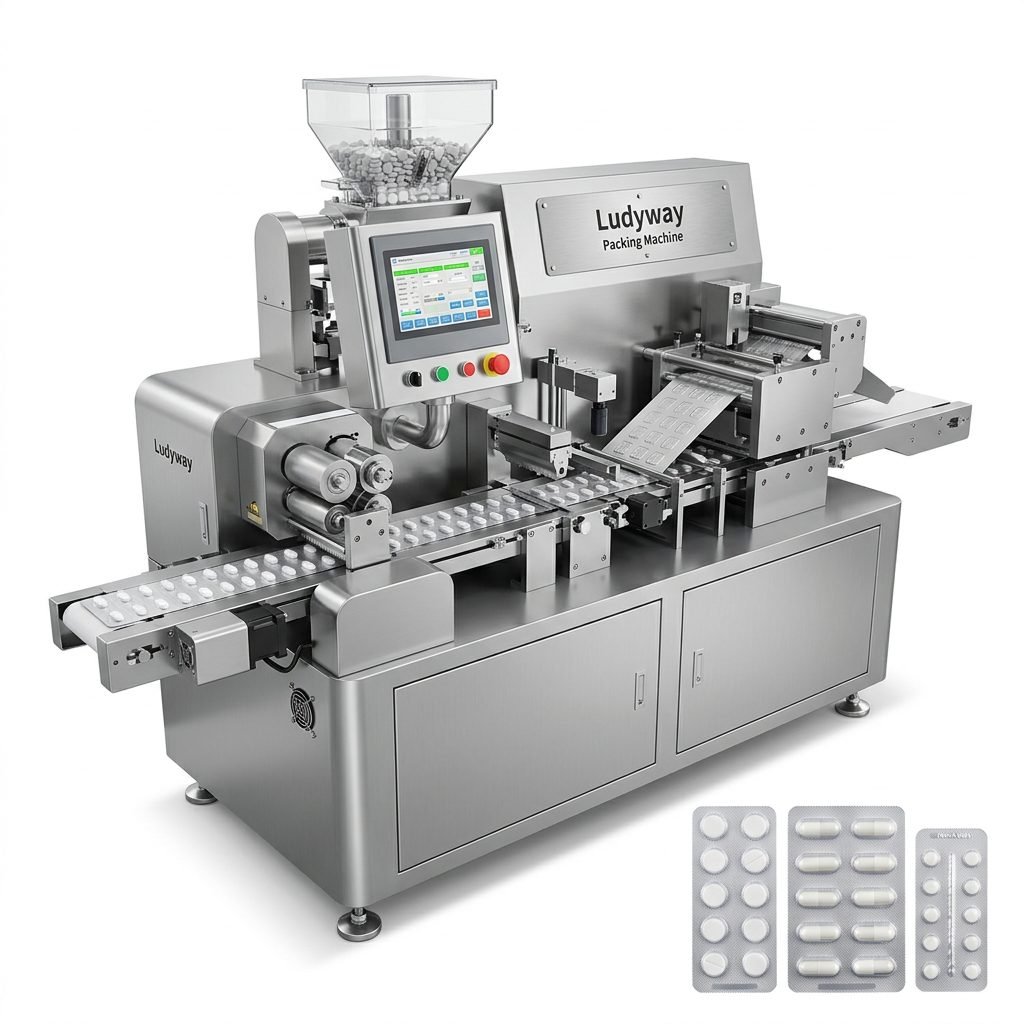
Primarily used in the pharmaceutical industry, blister machines form cavities in a plastic sheet, fill them with tablets or capsules, and then seal them with a foil lidding. This format provides excellent product protection, tamper evidence, and compliance tracking (via printed batch numbers and expiry dates).
4. Ampoule and Vial Filling Machines
For sterile liquids, such as injectables, eye drops, or high-value serums, ampoule/vial filling and sealing machines are essential. They operate in cleanroom environments, performing washing, sterilizing, filling, and sealing under aseptic conditions to ensure product safety and longevity.
Key Benefits of Automating with Single Dose Equipment
Investing in automated single dose packaging offers transformative advantages for manufacturers:
✓ Precision and Consistency: Eliminates human error in measuring, guaranteeing every unit contains the exact same amount of active ingredient or product, which is critical for pharmaceuticals and premium food items.
✓ Enhanced Hygiene and Safety: The closed, automated process minimizes human contact with the product, reducing contamination risks. Sealed single doses also extend shelf life and ensure product integrity.
✓ Operational Efficiency and Cost Savings: High-speed automation significantly increases output while reducing labor costs. It also minimizes product giveaway and material waste through precise dosing.
✓ Consumer Convenience and Compliance: Single-dose units are portable, easy to use, and dispose of. In healthcare, they improve patient adherence to dosage regimens and help hospitals manage medication distribution accurately.
Applications Across Industries
The utility of single dose packaging spans a vast array of sectors, each with unique requirements that this technology meets effectively.
Pharmaceutical and Nutraceutical
This is a primary application area. Equipment is used to package powdered medications, effervescent tablets, dietary supplements, and vitamins into stick packs or sachets. The precision ensures correct dosage, and the packaging can include desiccants for moisture-sensitive products. For more on pharmaceutical packaging solutions, you can explore industry resources at Pharmaceutical Processing World.
Food and Beverage
From coffee creamer and sugar in restaurants to oatmeal and drink mixes in retail, single dose packaging is ubiquitous. It preserves freshness, provides portion control, and offers great convenience. Liquid products like syrups, sauces, and dressing are commonly packed in sachets.
Cosmetics and Personal Care
The sample and travel-size market relies heavily on single dose sachets for shampoo, conditioner, lotion, and serum. It allows brands to offer trial products and enables consumers to use high-quality products without committing to full-size packages.
Chemical and Industrial
Single dose packaging is used for detergents, lubricants, adhesives, and water treatment chemicals. It provides safe, measured amounts for use, reducing handling risks and ensuring correct application ratios. Insights into industrial packaging trends can be found at Packaging Digest.
Choosing the Right Equipment Partner
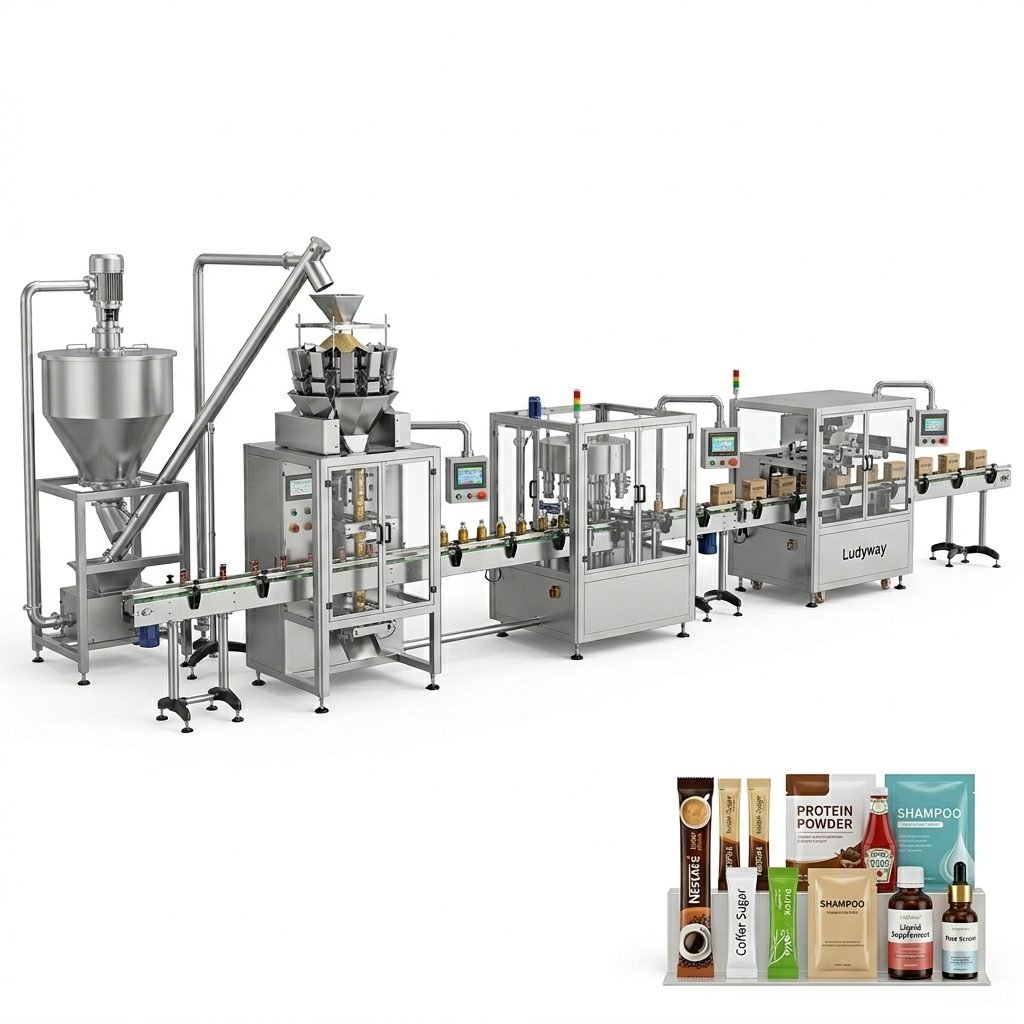
Selecting a reliable machinery supplier is as crucial as choosing the machine type. A partner with deep industry experience can provide not just a machine, but a complete turnkey production solution. Look for a provider with a proven track record, strong engineering support for customization, and comprehensive after-sales service. For instance, companies like Ludyway Packing Machine specialize in offering a wide range of intelligent packaging models and tailored solutions based on decades of industry knowledge, ensuring your investment delivers long-term value.
Key considerations should include the machine’s speed (output per minute), flexibility (quick changeover between products/pack sizes), compatibility with your packaging materials, and integration capabilities with upstream and downstream equipment like mixers and cartoners.
Future Trends in Single Dose Packaging
The future points towards even greater smart automation and sustainability. Machines are increasingly incorporating IoT sensors for predictive maintenance and real-time production data analytics. Furthermore, as environmental concerns grow, there is a rising demand for equipment that can run mono-material or compostable films, supporting the global shift towards circular economy models in packaging. Staying updated on these trends is vital; resources like Sustainable Packaging News offer valuable insights.
Conclusion
Single dose packaging equipment is more than just machinery; it’s a strategic asset that drives efficiency, ensures quality, and meets evolving consumer demands for convenience and safety. By understanding the different machine types, their benefits, and applications, manufacturers can make informed decisions that enhance their production capabilities and market competitiveness. Partnering with an experienced equipment provider ensures a smooth transition to automated, precise, and reliable single dose packaging.
Frequently Asked Questions (FAQs)
Q1: What is the main difference between a stick pack machine and a sachet machine?
A: The primary difference is the package format. Stick pack machines create long, narrow, upright “sticks” best for free-flowing powders. Sachet machines produce broader, flat or stand-up pouches that can accommodate liquids, pastes, and larger volumes of powder.
Q2: Can one machine handle different types of products, like powder and liquid?
A: Some advanced machines are designed with modular filling systems that can be swapped out (e.g., changing an auger filler for a liquid pump). However, significant product changes often require dedicated machines or extensive reconfiguration to maintain optimal speed, accuracy, and cleanliness.
Q3: How important is the packaging film material selection?
A: It is critical. The film must provide the necessary barrier properties (against moisture, oxygen, light) to protect the product’s shelf life. The machine must also be precisely calibrated to run the selected film efficiently, ensuring consistent sealing and minimal waste.
Q4: What kind of maintenance do these machines require?
A: Regular preventive maintenance is essential. This typically includes daily cleaning, lubrication of moving parts, inspection of seals and cutting blades, and calibration of the dosing system. A good supplier will provide a detailed maintenance schedule and training.
Q5: Are single dose packaging machines suitable for small-scale or start-up operations?
A: Yes. While high-speed lines exist for large manufacturers, there are also compact, semi-automatic, and tabletop models available that are perfect for low-volume production, pilot batches, or R&D purposes, offering an accessible entry point into single dose packaging.