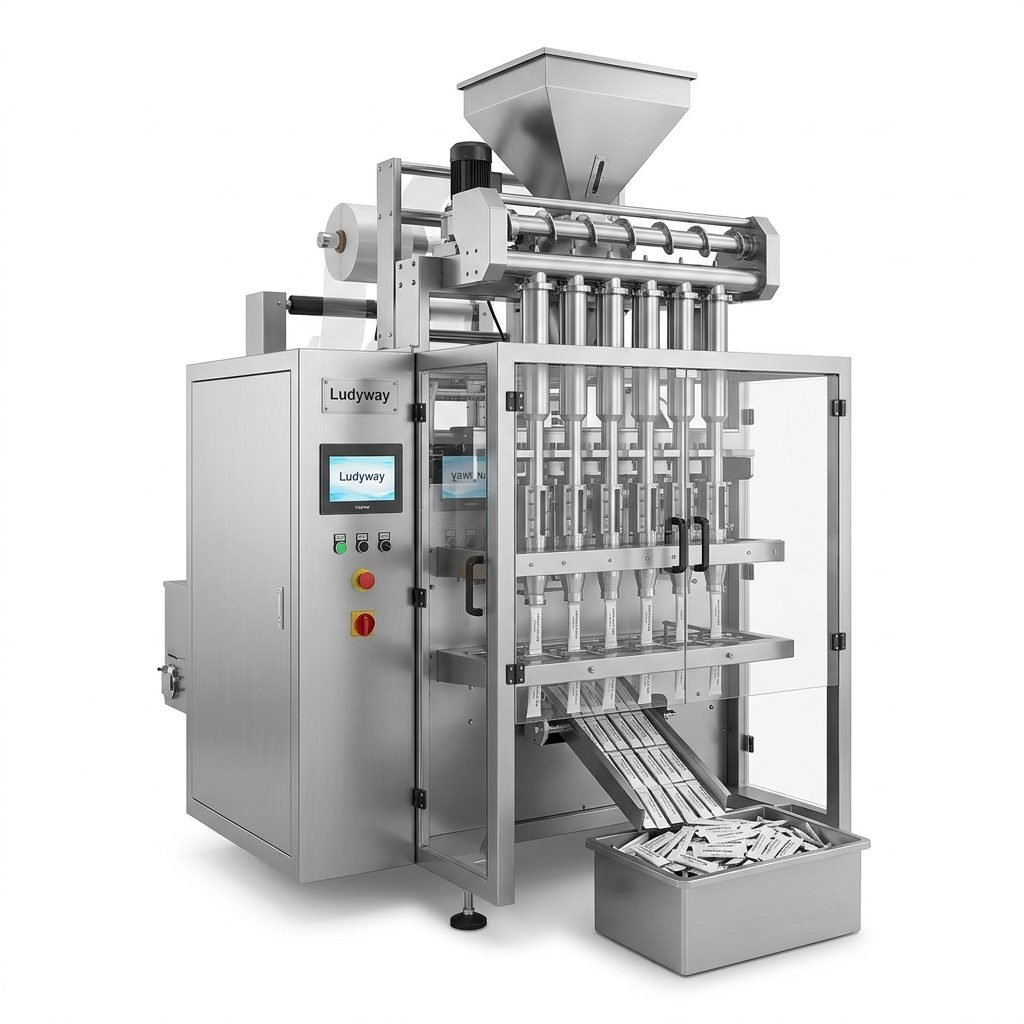
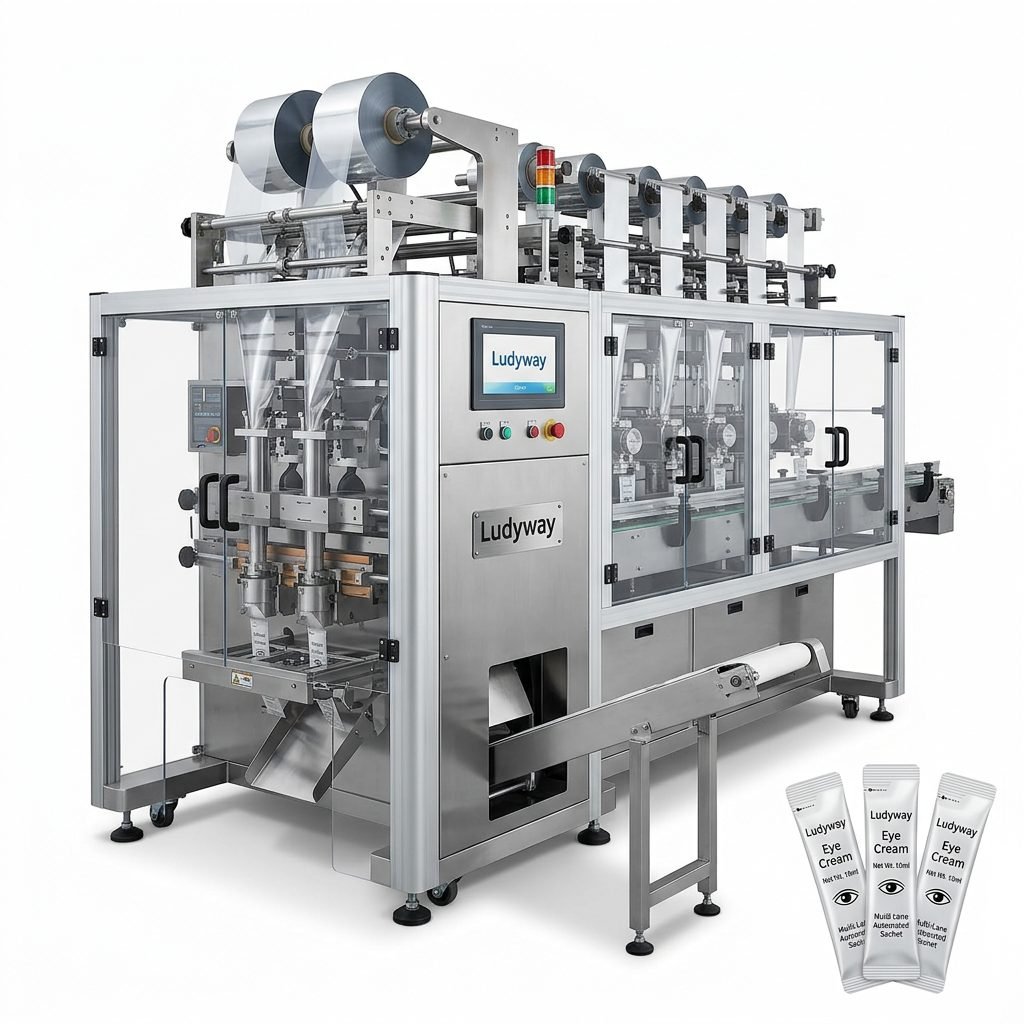
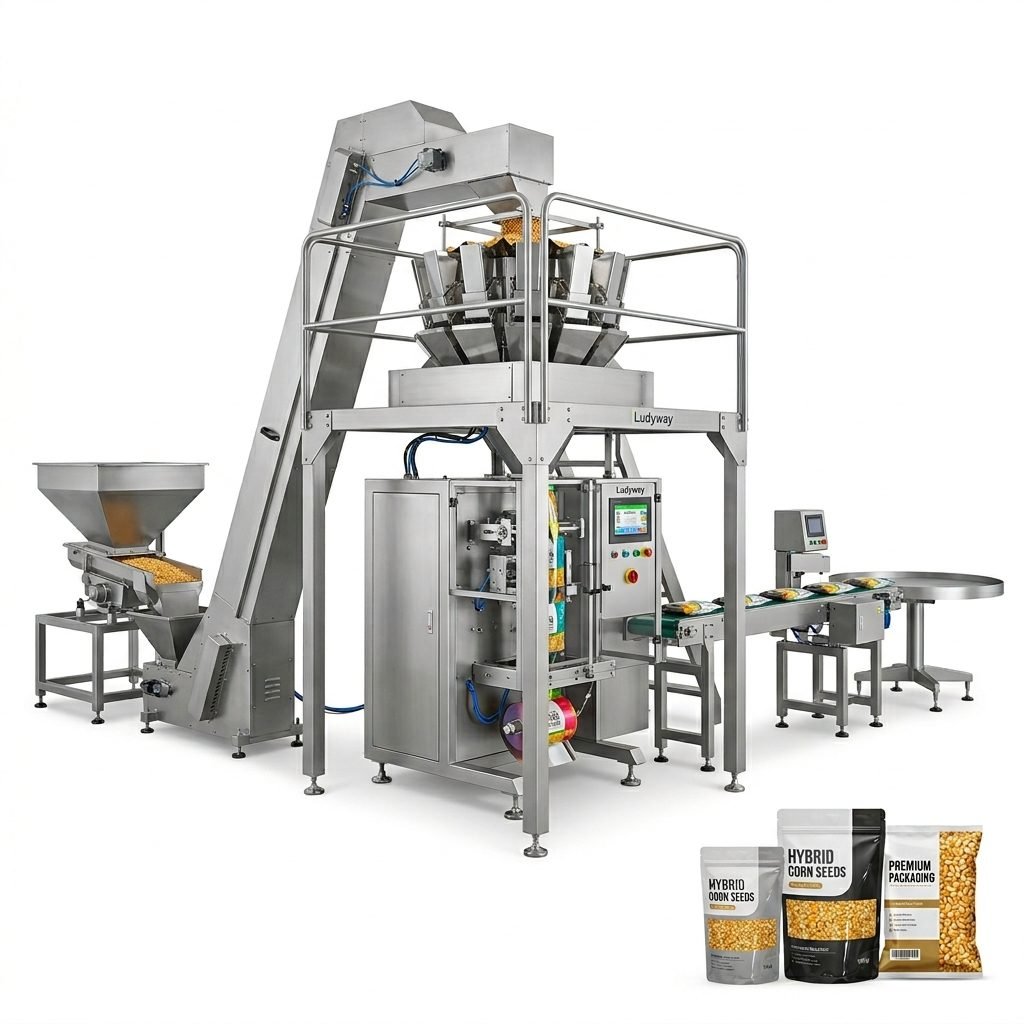
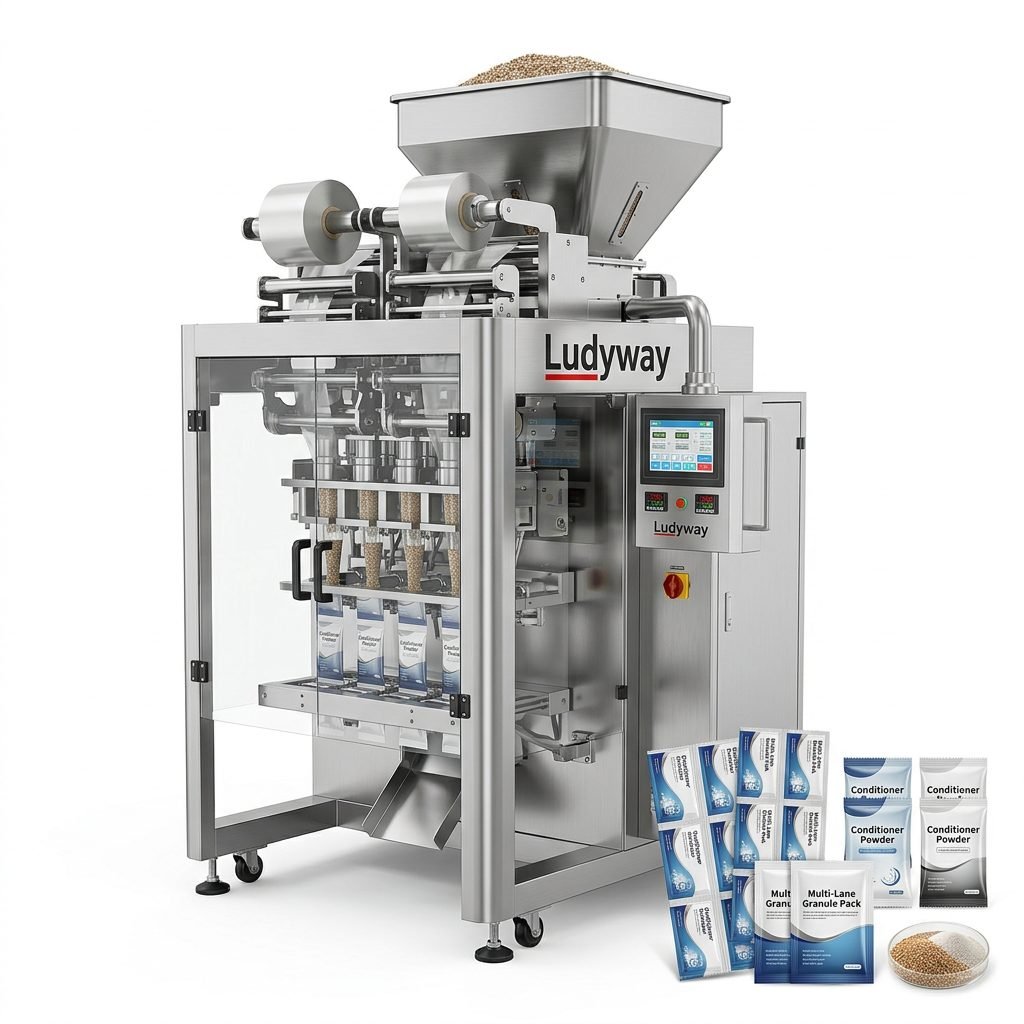
Selecting the right packaging equipment manufacturer is a critical decision that directly impacts your production efficiency, product quality, and overall operational cost. The market offers a vast array of suppliers, from global giants to specialized niche players. This guide will help you navigate the landscape of top packaging equipment manufacturers and provide a clear framework for choosing the best supplier to integrate seamlessly into your production line.
Understanding the Landscape of Packaging Equipment Manufacturers
The packaging machinery sector is diverse, with manufacturers often specializing in specific technologies, industries, or package types. Major players typically have extensive global reach and offer comprehensive product portfolios, while many highly specialized manufacturers excel in particular areas like aseptic filling, high-speed cartoning, or sustainable material handling. Your first step is to map your specific needs against the specialties of potential suppliers.
Key Manufacturer Specializations
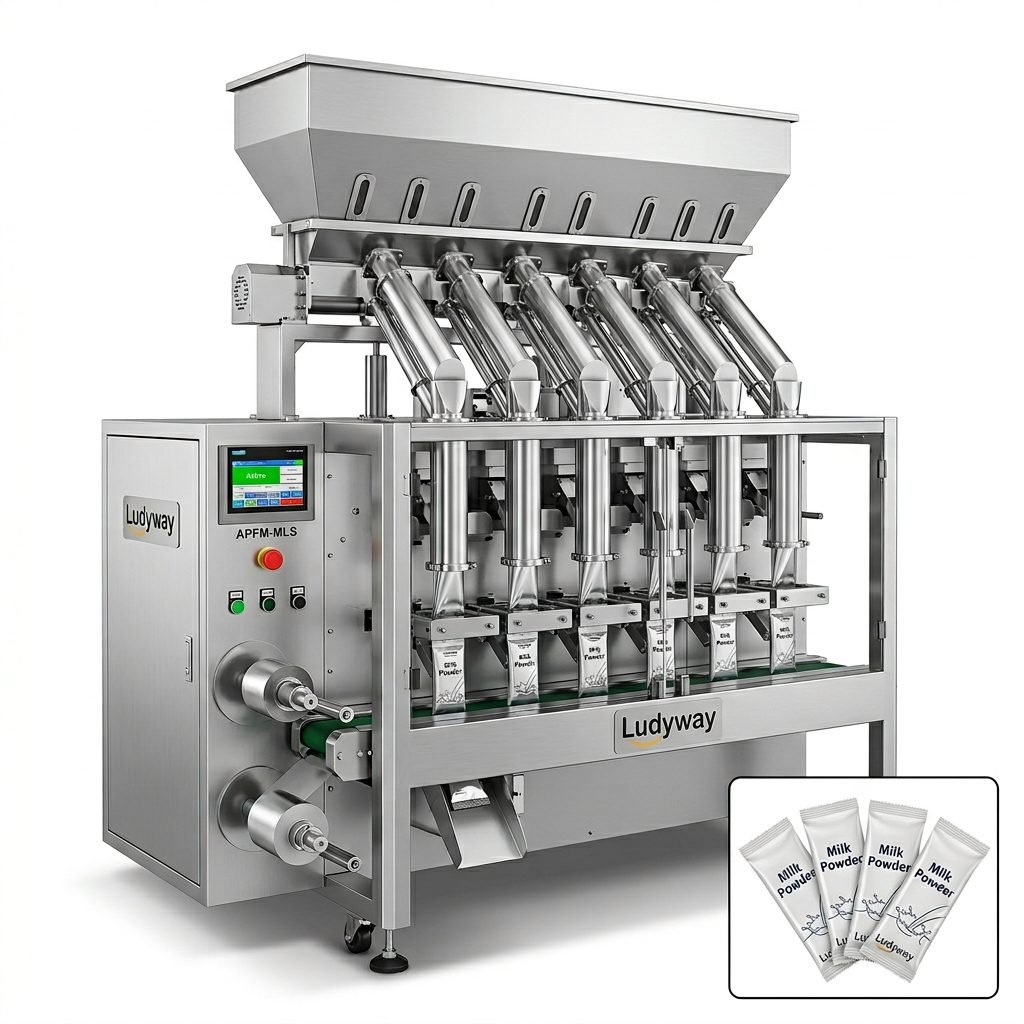
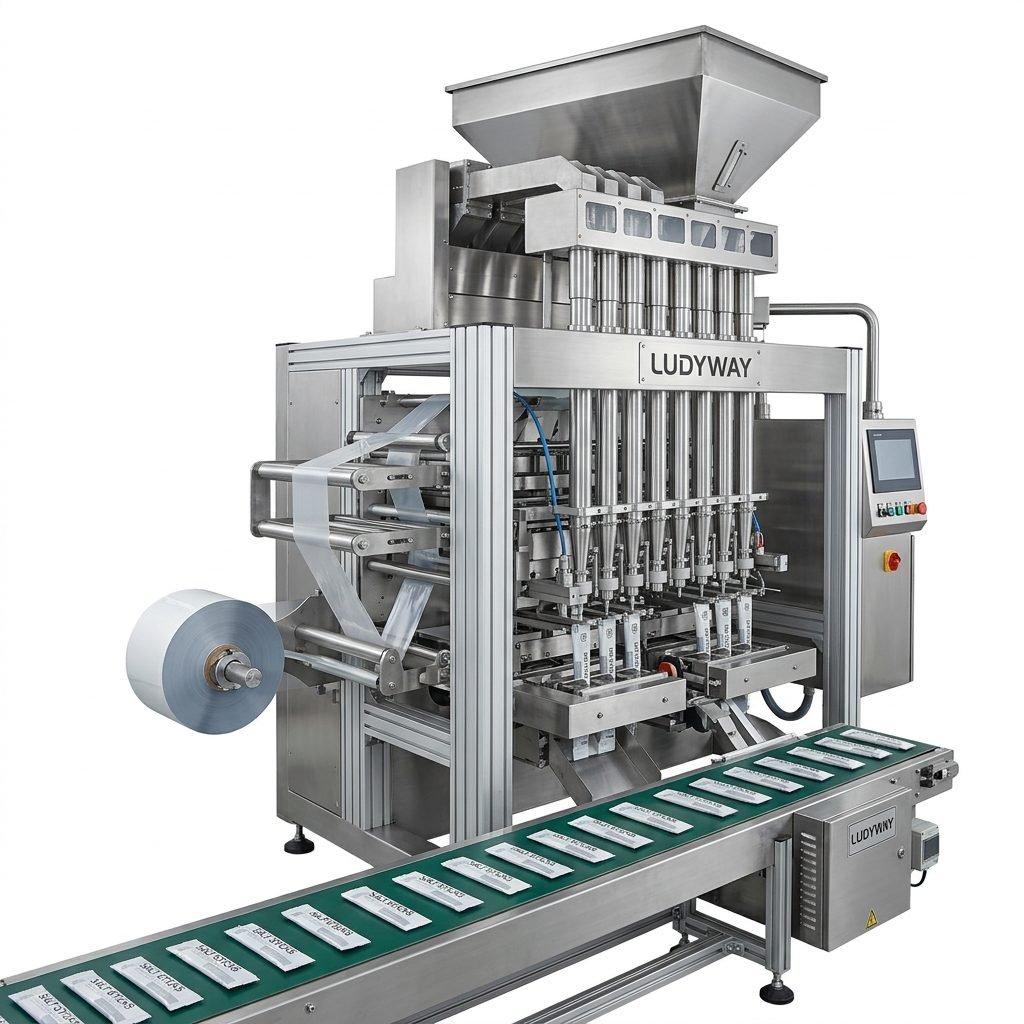
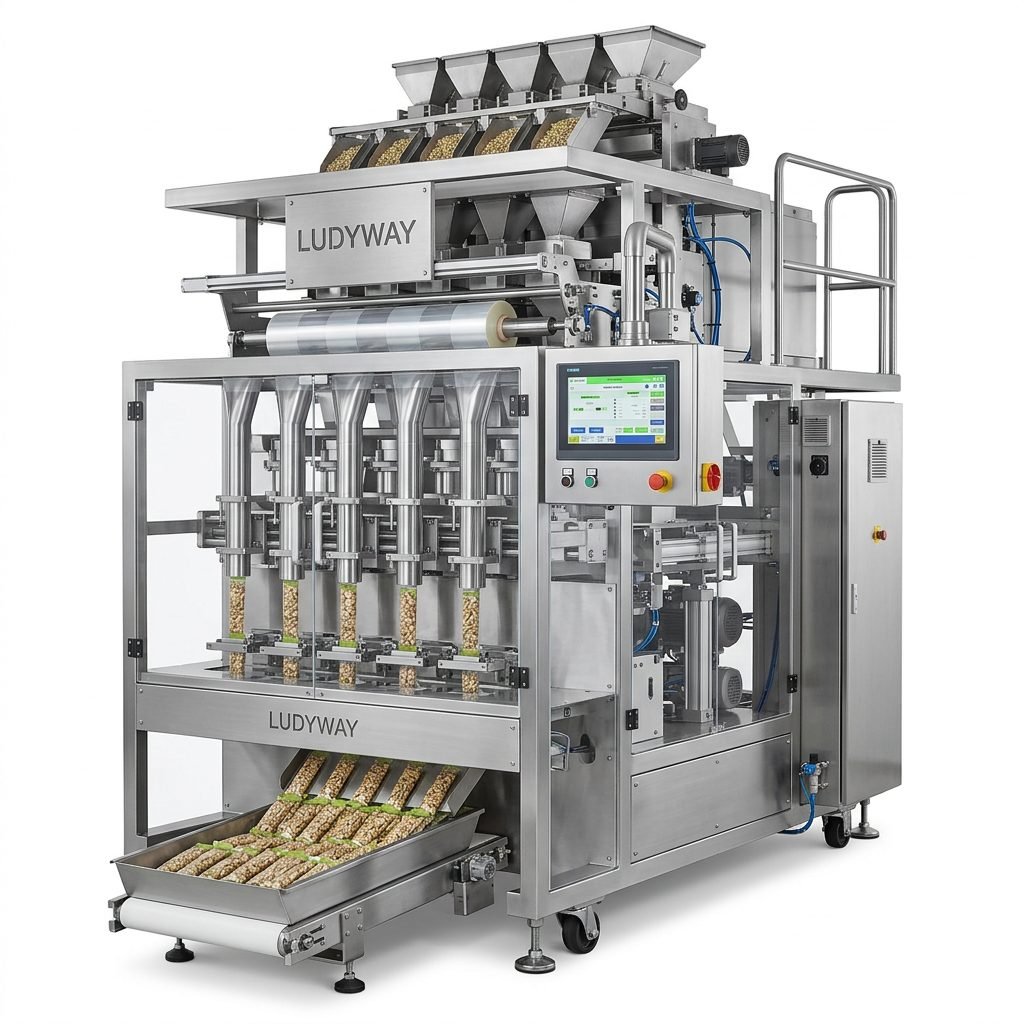
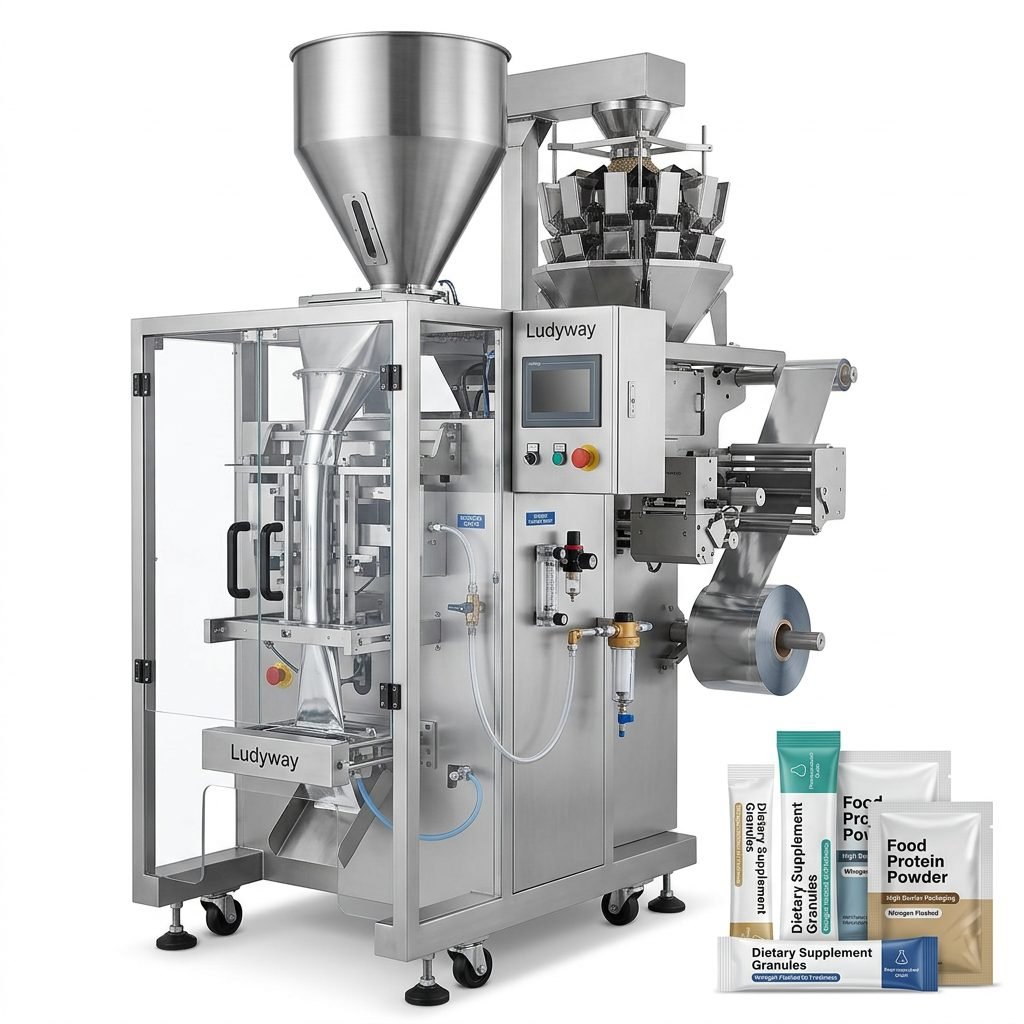
🔹 Primary Packaging: Manufacturers focusing on machines that directly contact the product (e.g., fillers, sealers, form-fill-seal machines for sachets, stick packs, or bottles).
🔹 Secondary Packaging: Suppliers of equipment for bundling, cartoning, case packing, and palletizing.
🔹 End-of-Line & Logistics: Experts in automation for sorting, labeling, and preparing goods for shipment.
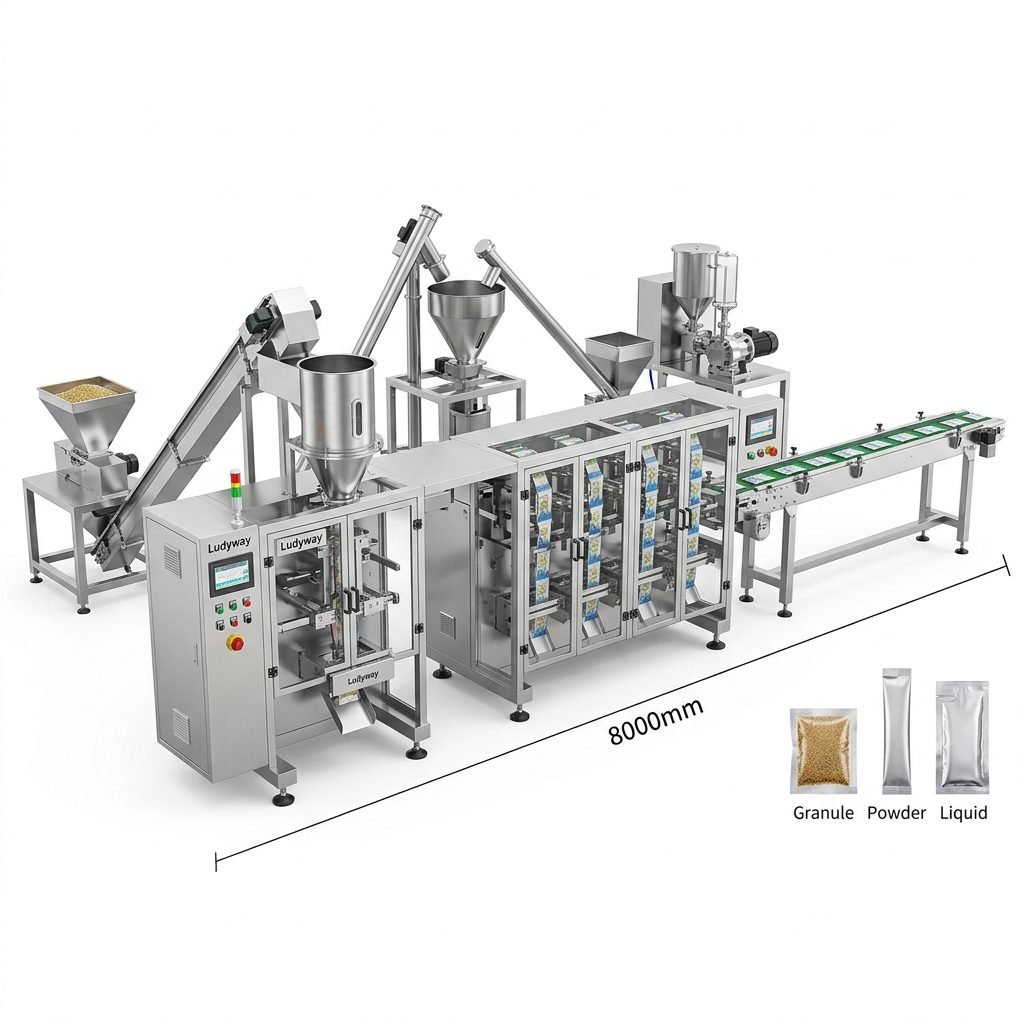
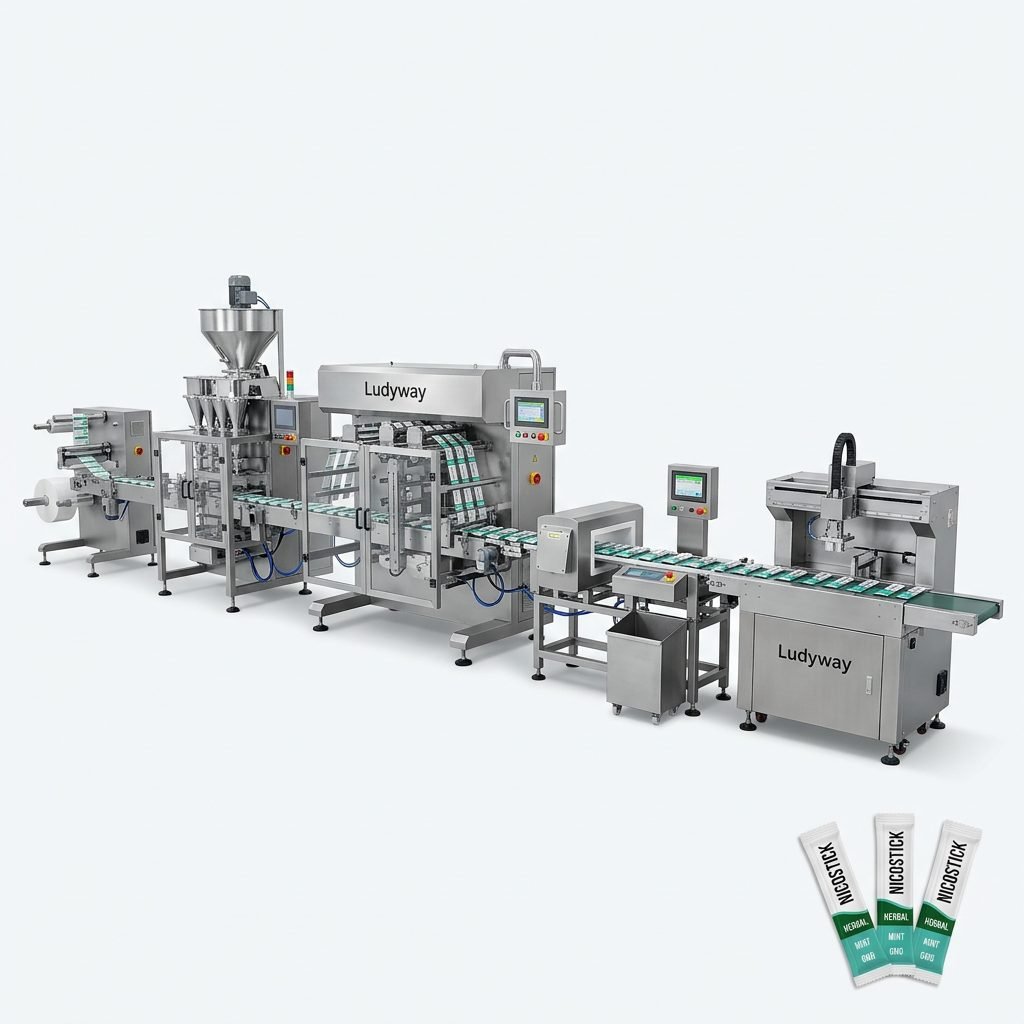
🔹 Turnkey Solution Providers: Companies that engineer and integrate complete, synchronized production lines from raw material intake to final pallet.
Core Criteria for Evaluating a Top-Tier Manufacturer
Beyond the basic specifications, several deeper factors distinguish a reliable, long-term partner from a mere equipment vendor.
1. Proven Technical Expertise and Innovation
A manufacturer’s depth of engineering knowledge is paramount. Look for a strong R&D department and a history of innovation. Do they hold relevant patents? Are their machines designed for future upgrades and Industry 4.0 connectivity? Their ability to solve complex application challenges—whether for viscous liquids, volatile powders, or delicate products—is a true test of expertise.
2. Manufacturing Quality and Compliance Standards
The build quality of the machinery dictates its lifespan, reliability, and maintenance needs. Inquire about the materials used (e.g., food-grade stainless steel), precision machining, and quality control protocols during assembly. Crucially, ensure the manufacturer has experience and certifications relevant to your industry, such as GMP, FDA, or CE standards for food and pharmaceutical applications.
3. Comprehensive Service and Support Structure
Even the best machines require support. A top manufacturer provides a robust global service network. Evaluate their offerings:
✅ Installation & Commissioning: On-site support to get your line running optimally.
✅ Training: Thorough operational and maintenance training for your team.
✅ Spare Parts Availability: Guaranteed availability of critical parts with a clear logistics plan.
✅ Technical Support: Access to expert engineers via phone, remote diagnostics, or on-site visits.
4. Customization and Flexibility
Off-the-shelf solutions rarely fit perfectly. The ideal supplier acts as a partner, capable of customizing machine functions, speeds, and interfaces to match your unique products, containers, and factory layout. Their willingness and ability to adapt existing designs is a significant advantage.
The Partner Advantage: Beyond the Machine Purchase
Choosing a supplier like Ludyway Machinery exemplifies the partner approach. With over 30 years of foundational industry experience, such partners bring more than just hardware. They offer turnkey production solutions, drawing from a portfolio of over 50 intelligent packaging machine models for granules, powders, and liquids. This depth allows them to understand the entire production workflow, ensuring the selected equipment integrates smoothly and scales with your future growth. Their commitment to long-term cooperation transforms them from a vendor into a strategic asset for your operational efficiency.
A Step-by-Step Process for Choosing Your Best Supplier
Follow this actionable process to make a confident, informed decision.
Step 1: Define Your Detailed Requirements
Create a comprehensive specification document. Include: product characteristics (viscosity, abrasiveness), required output speed (packs/minute), packaging materials (film type, thickness), desired changeover times, available floor space, utility connections, and future expansion plans. Clarity here prevents misunderstandings later.
Step 2: Research and Create a Shortlist
Use industry directories, trade shows (like interpack), and peer recommendations to identify 5-7 potential manufacturers. Review their websites, case studies, and client lists to gauge their experience with applications similar to yours.
Step 3: Initiate Direct Contact and Request Proposals
Contact each shortlisted supplier with your specification document. A serious manufacturer will ask detailed follow-up questions. Request a formal proposal that includes technical drawings, a detailed quote, delivery timeline, warranty terms, and service package options.
Step 4: Conduct Factory Audits and Reference Checks
If possible, visit the manufacturer’s facility. Assess their production environment, quality control, and engineering capabilities. Speak directly to existing clients, especially those with similar lines. Ask about machine performance, reliability, and the quality of after-sales support.
Step 5: Evaluate the Total Cost of Ownership (TCO)
Look beyond the initial purchase price. Calculate the TCO by factoring in estimated energy consumption, maintenance costs, spare parts pricing, potential downtime costs, and the expected operational lifespan of the equipment. A slightly higher initial investment in a robust, efficient machine often yields a lower TCO.
Step 6: Finalize the Partnership
Negotiate a clear contract covering performance guarantees (e.g., output speed, accuracy), payment terms, delivery conditions, intellectual property rights for any customizations, and detailed service level agreements (SLAs) for support.
Common Questions (FAQs)
Q1: What is the single most important factor when choosing a packaging machine supplier?
A: While technical specs are vital, the supplier’s reputation for reliability and after-sales support is often the most critical long-term factor. A machine is a long-term asset, and the quality of support directly affects your plant’s uptime and productivity.
Q2: How important is it for the manufacturer to have experience in my specific industry (e.g., food vs. pharmaceuticals)?
A: It is extremely important. Industry-specific experience means the supplier understands unique regulatory requirements, hygiene standards (like sanitary design), and the specific handling characteristics of products in that sector, leading to a more suitable and compliant solution.
Q3: Should I prioritize a local supplier or consider international manufacturers?
A: Consider both. Local suppliers may offer faster service response. However, many international manufacturers, through capable global partners or their own subsidiaries, provide excellent worldwide support and often bring broader technological expertise. The key is verifying the strength of their support network in your region.
Q4: What are the benefits of a turnkey solution provider versus buying individual machines from different vendors?
A: A turnkey provider ensures all line components are designed to work harmoniously together, reducing integration headaches, single-point accountability, and often optimizing the overall workflow. Sourcing machines separately can be cheaper initially but may lead to compatibility issues and fragmented responsibility.
Q5: How can I future-proof my packaging equipment investment?
A: Discuss modularity and scalability with your supplier. Choose equipment with the capability for easy upgrades, connectivity for data collection (Industry 4.0), and flexibility to handle a range of package sizes or formats to accommodate future product changes.