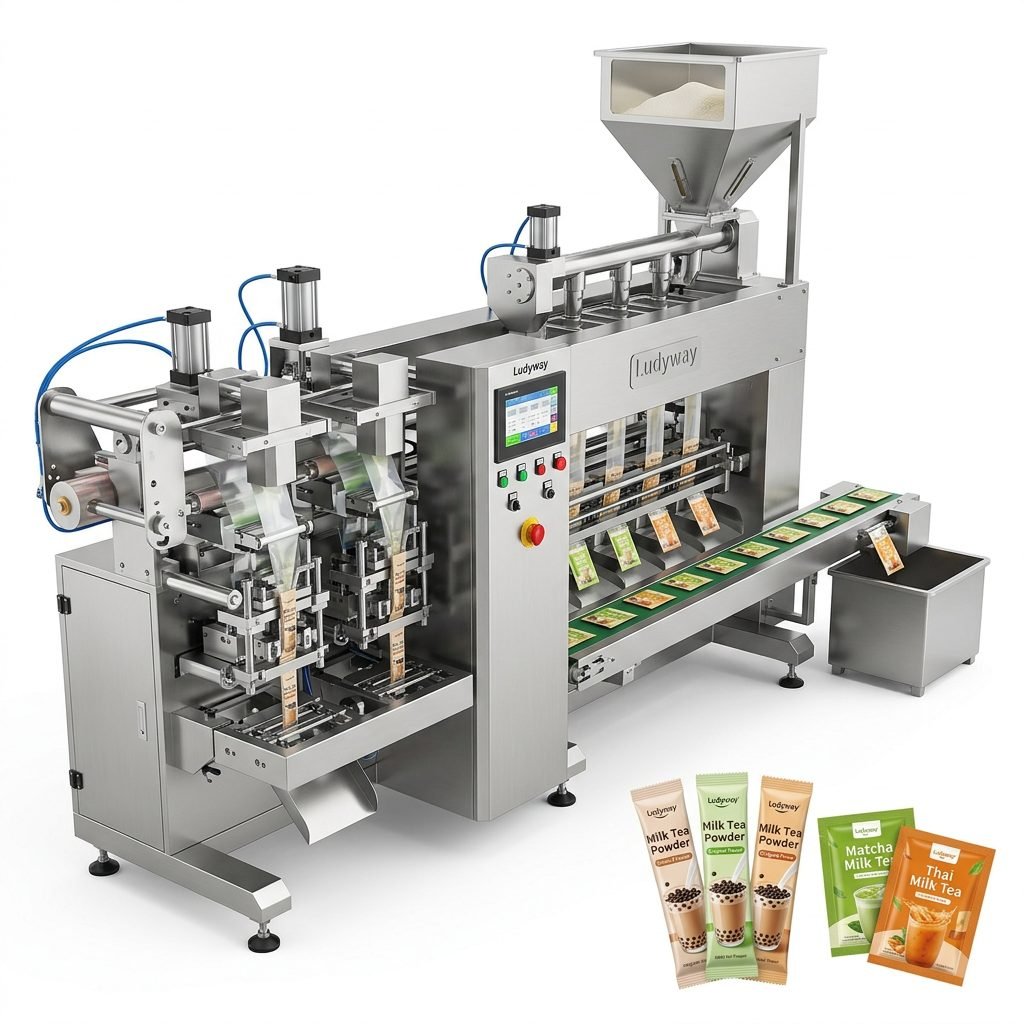
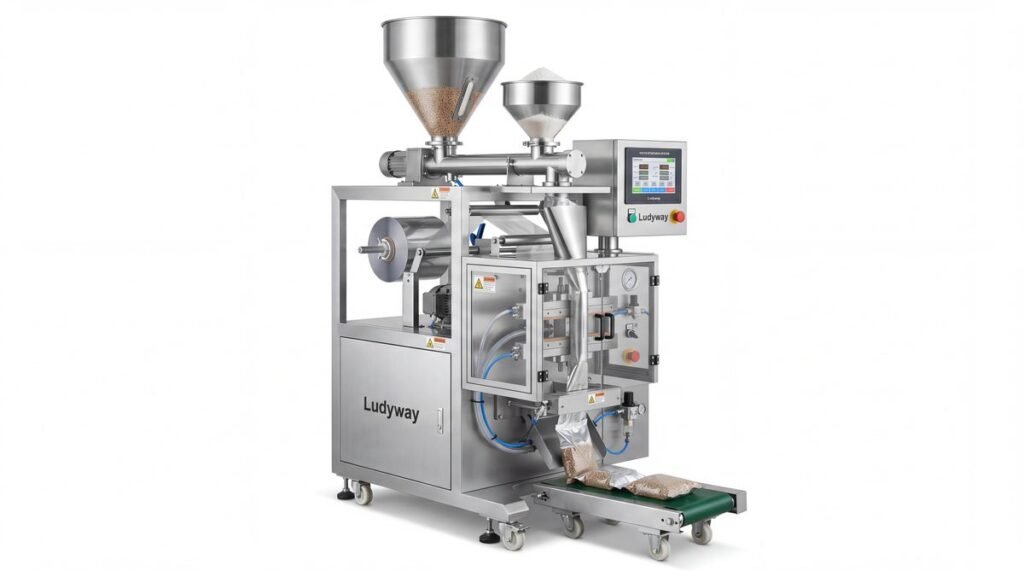
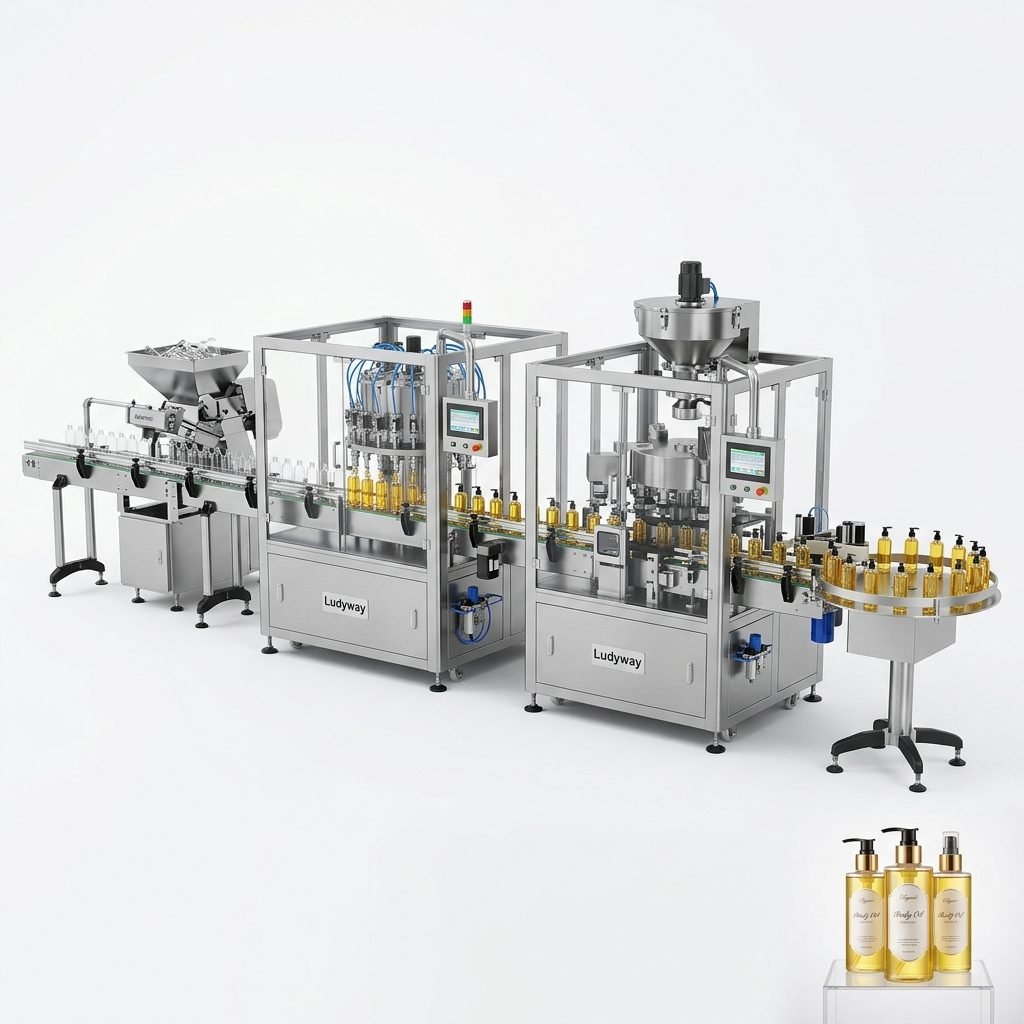
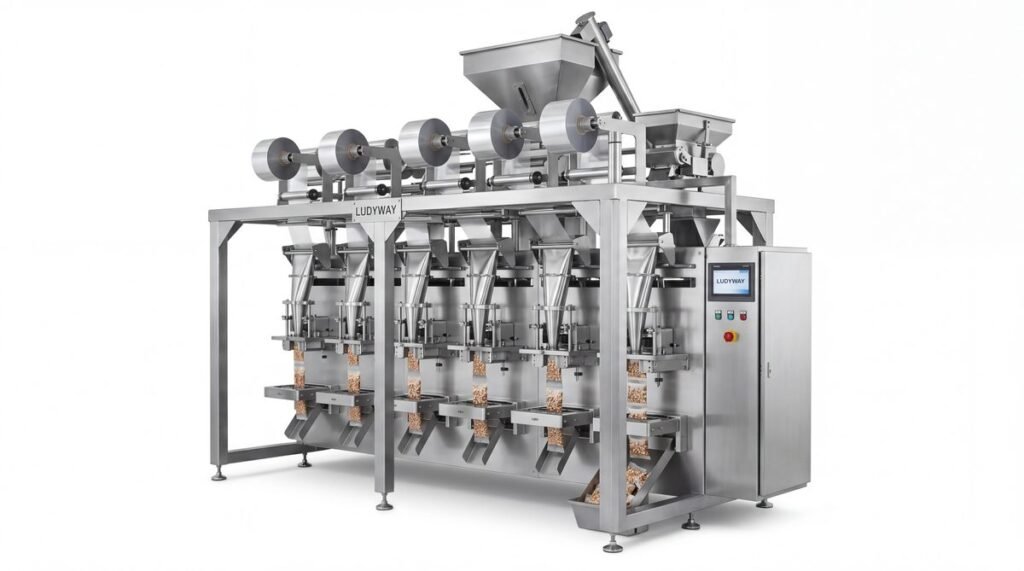
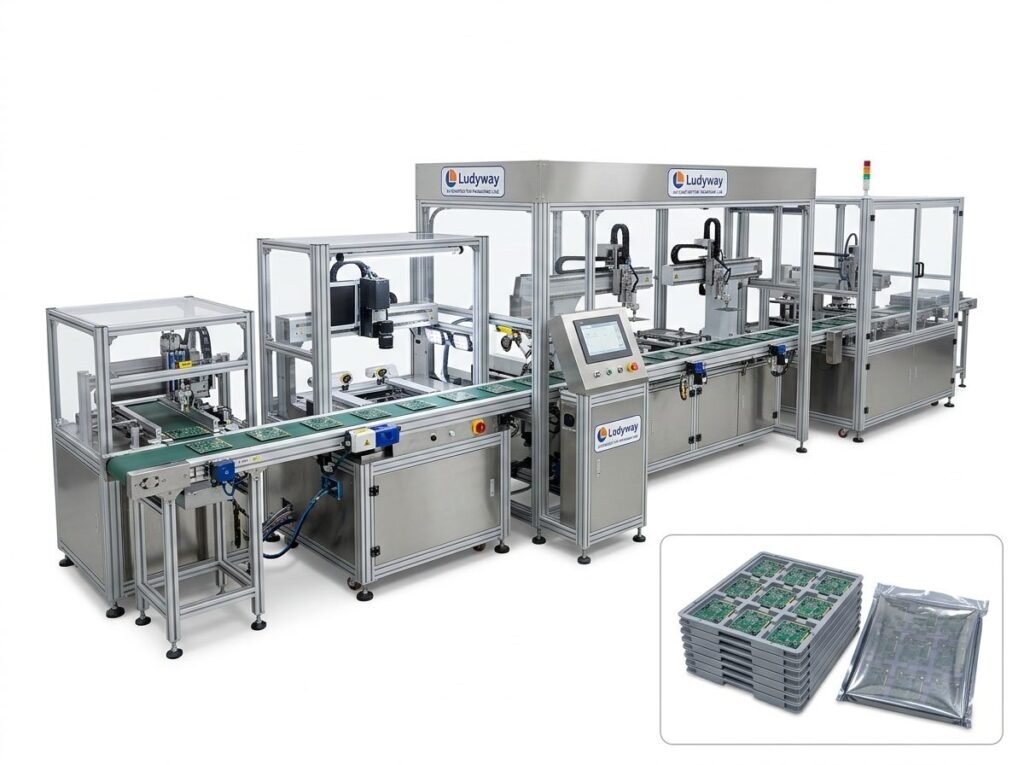
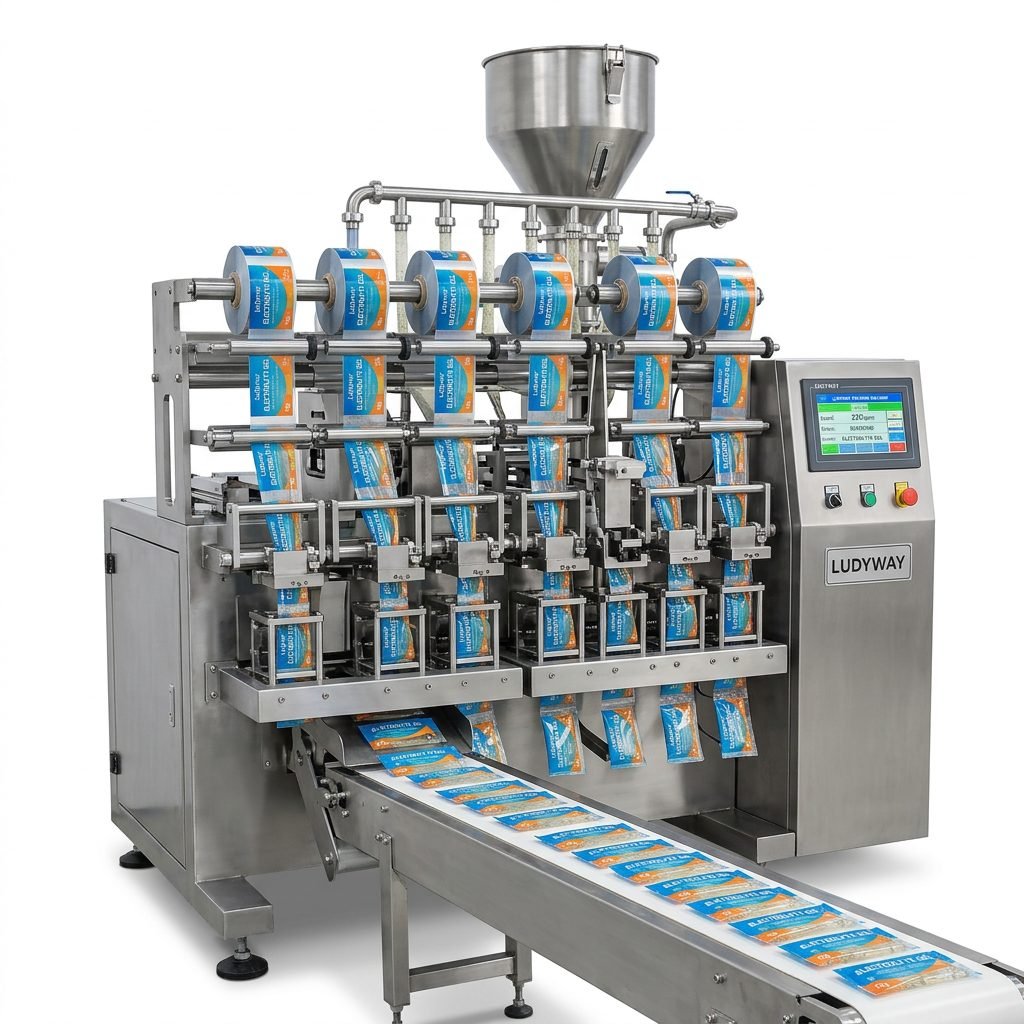
Purchasing used food packaging equipment can be a strategic move for businesses looking to expand capabilities or enter new markets without the capital expenditure of new machinery. This comprehensive guide explores the types available, pricing considerations, and where to find reliable deals, helping you make an informed investment.
Understanding the Market for Pre-Owned Packaging Machinery
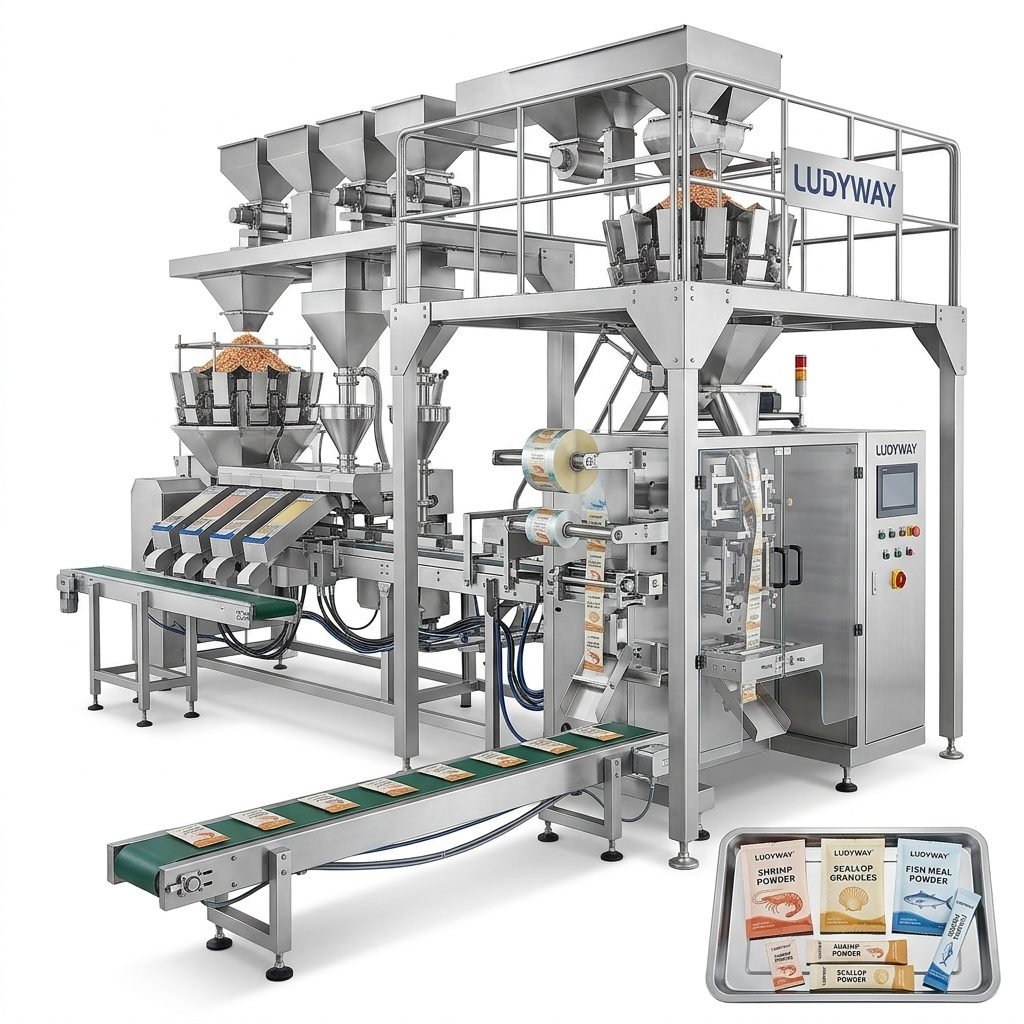
The secondary market for food packaging equipment is vast and varied. It includes everything from simple manual fillers to complex, fully automated form-fill-seal (FFS) lines. This market caters to startups, small to medium enterprises (SMEs), and even large corporations seeking to add a specific line quickly or cost-effectively.
Key Driver: The primary motivation is significant cost savings, often ranging from 30% to 70% compared to new equipment. It also allows for faster deployment, as machines are typically available for immediate shipment.
Primary Types of Used Food Packaging Equipment
Identifying the right type of machine is the first critical step. Here’s a breakdown of common categories found on the used market.
Vertical Form-Fill-Seal (VFFS) Machines
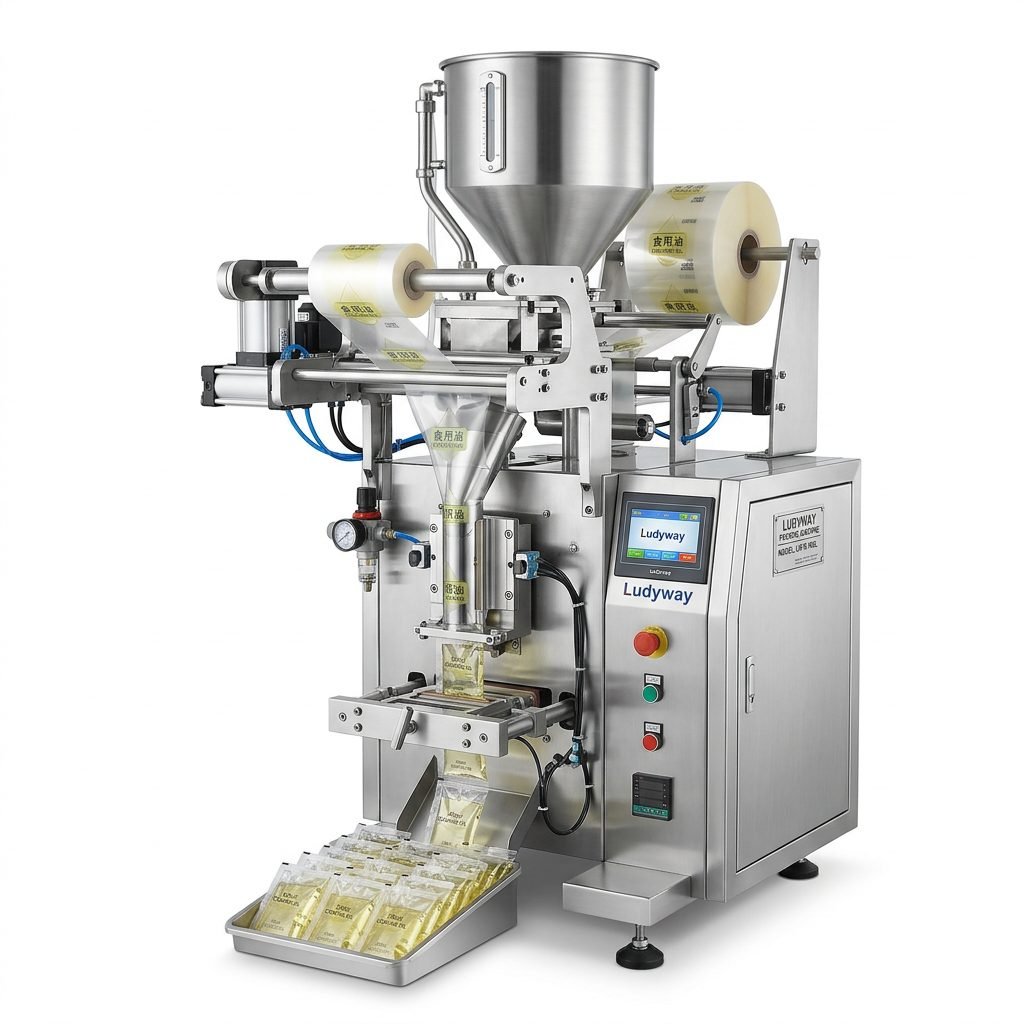
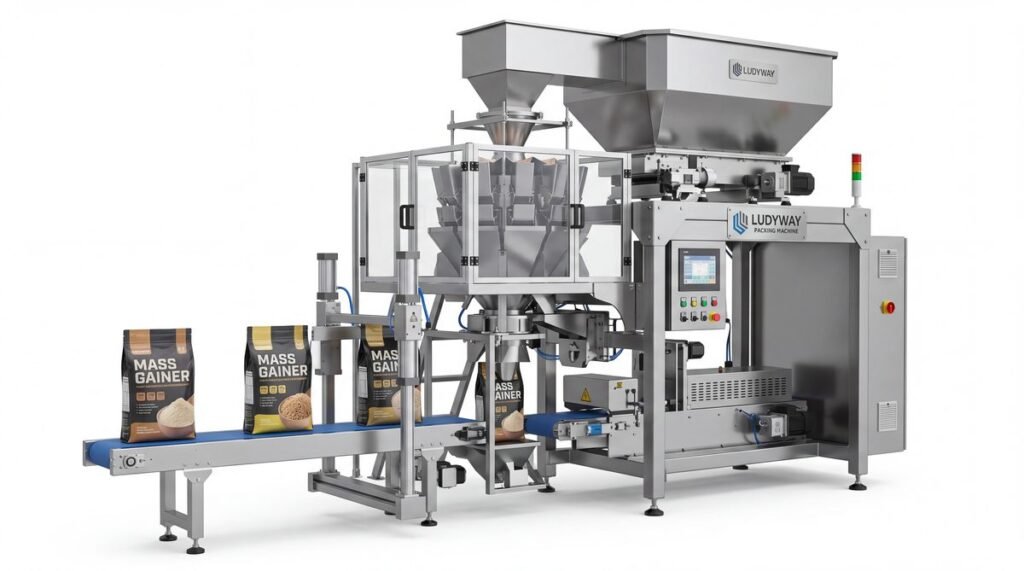
These are the workhorses of the industry, creating bags from a roll of film, filling them with product, and sealing them. Used VFFS machines are popular for packaging snacks, powders, grains, and frozen foods.
- Common Brands: Triangle, Hayssen, Bosch.
- Consideration: Check the condition of the film feed system and sealing jaws.
Horizontal Form-Fill-Seal (HFFS) Machines
Ideal for products that require a pillow pouch or more structural packaging, like candy bars or cheese slices. They are often used for higher-speed applications.
Liquid & Pouch Fillers
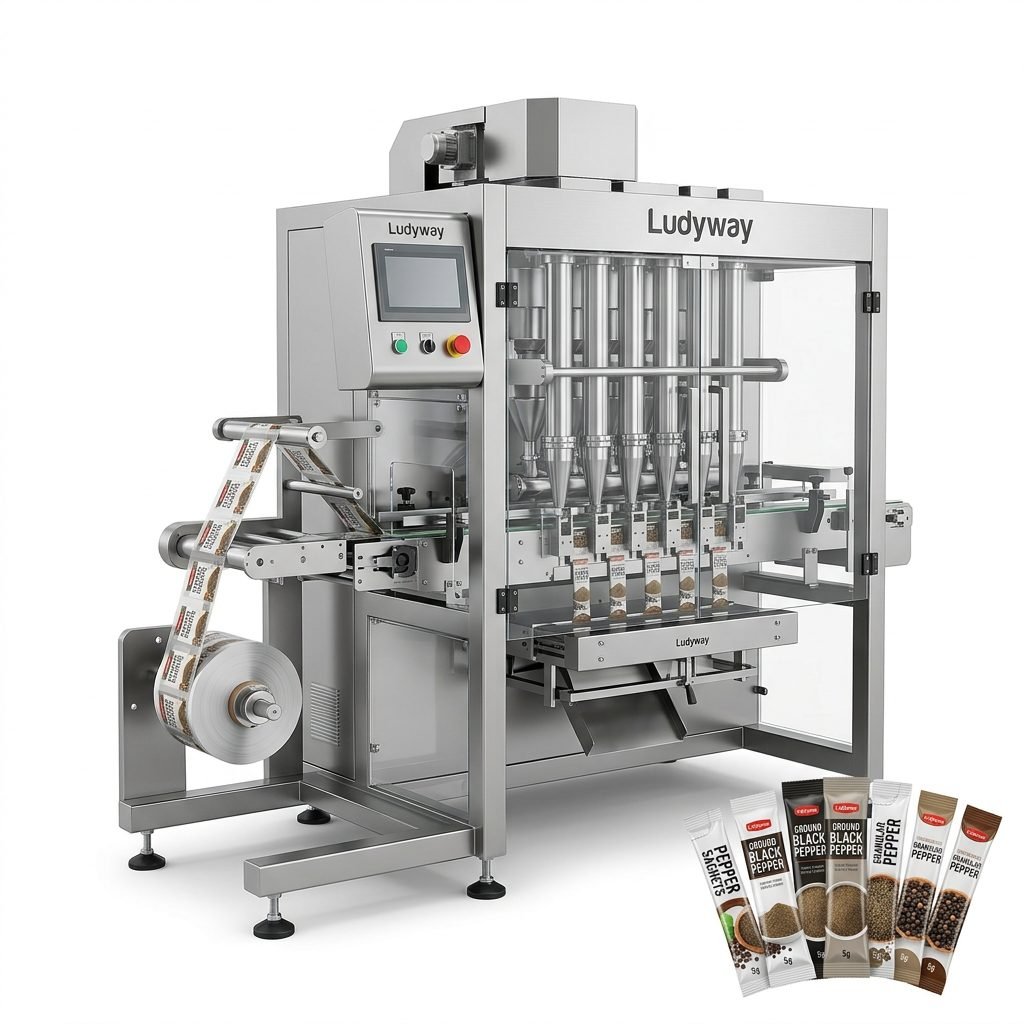
This category includes used liquid filling machines for bottles, cups, or pouches, and stand-alone pouch filling and sealing systems for sauces, dressings, or dairy products.
🔍 Inspection Tip for Liquid Fillers
Always inspect components that contact the product for corrosion or wear, such as tanks, valves, and filler nozzles. Sanitary design is paramount for food safety.
Cartoning & Case Packing Equipment
Used cartoners (for placing products into boxes) and case packers (for loading cartons into shipping cases) automate the final packaging stages. Their mechanical nature often means robust used options are available.
Critical Factors Affecting Price
The price of a used packaging machine is not arbitrary. It’s influenced by several key factors that you must evaluate.
Age and Condition: This is the most obvious factor. A well-maintained 5-year-old machine will command a higher price than a 15-year-old model. Documented maintenance history is invaluable.
Brand and Model Reputation: Equipment from manufacturers known for durability and reliability (e.g., Bosch, SIG, Krones) holds its value better. Availability of spare parts is also tied to brand.
Technical Specifications: Speed (packages per minute), flexibility (size changeover ease), level of automation (PLC controls, servo drives), and special features (gas flushing, checkweighing) significantly impact price.
Market Demand: Certain machine types, like versatile VFFS machines or aseptic fillers, are in higher demand, which can elevate their resale price.
Where to Find Reliable Deals and Suppliers
Knowing where to look is half the battle. The goal is to find reputable sources that offer quality equipment and support.
Specialized Machinery Dealers
Established dealers like Ludyway Machinery are often the best starting point. They typically refurbish equipment, offer warranties, and provide technical support. They act as a quality filter for the market.
Online Marketplaces and Auctions
Platforms like eBay, EquipNet, and Bid-on-Equipment list thousands of machines. While offering vast selection, due diligence is crucial. Always verify seller ratings and request detailed inspections.
Direct from Food Manufacturers
Sometimes companies sell equipment directly during line upgrades or plant closures. This can yield excellent deals, but you may inherit machines “as-is” with no support. Networking at industry trade shows can uncover these opportunities.
✅ Recommended Due Diligence Steps
- Request high-resolution videos of the machine running under power.
- Ask for a list of spare parts included in the sale.
- Verify the machine’s electrical requirements (voltage, phase) match your facility.
- Check for compatibility with your existing packaging materials (film type, spool size).
The Inspection & Purchasing Process
Never buy a used machine sight unseen. A structured inspection process is your best defense against a poor investment.
1. Pre-Purchase Review: Study all provided documentation—manuals, schematics, and maintenance logs. Identify the machine’s serial number to research its manufacturing date.
2. Physical/Video Inspection: Look for signs of wear, repair, or damage. Check frames for cracks, inspect critical moving parts (cams, gears, chains), and examine electrical panels for outdated or damaged components.
3. Test Run: If possible, witness a test run with a material similar to yours. Observe the machine cycle, listen for unusual noises, and check the quality of the seals and fills.
4. Negotiation and Logistics: Factor in the cost of dismantling, shipping, and reinstallation into your total budget. Clarify who is responsible for each stage. A reputable dealer like Ludyway often handles this turnkey service.
Maximizing Your Investment After Purchase
Your responsibility begins once the machine is installed. Proper setup and maintenance are key to achieving the ROI you anticipated.
Professional Installation & Calibration: Hire experienced technicians to install and calibrate the machine for your specific product and packaging materials. This step is critical for performance and longevity.
Develop a Preventive Maintenance (PM) Plan: Based on the manufacturer’s guidelines, create a strict PM schedule. Regularly lubricate moving parts, check seal temperatures, and replace wear components like cutting blades and Teflon seal strips.
Source Spare Parts: Identify reliable suppliers for critical spare parts. Having a small inventory of common wear items can prevent costly production downtime.
Operator Training: Ensure your team is thoroughly trained on the machine’s operation, basic troubleshooting, and safety protocols. Knowledgeable operators can significantly improve efficiency and reduce wear from misuse.
Frequently Asked Questions (FAQs)
What is the biggest risk when buying used packaging equipment?
The greatest risk is purchasing a machine with hidden mechanical, electrical, or sanitary issues that lead to extensive repair costs and prolonged downtime. This risk is mitigated by buying from reputable, established dealers who inspect and refurbish their inventory, rather than from unknown private sellers.
How can I verify the condition and history of a used machine?
Request detailed documentation, including maintenance logs, repair records, and original manuals. Insist on a live video demonstration where the machine runs at operational speed. For critical purchases, a third-party inspection by a qualified packaging engineer is a worthwhile investment.
Are spare parts readily available for older used equipment?
Availability varies. For major brands and common models, parts are often still produced or available from aftermarket suppliers. For obscure or very old machines, parts may be custom-made or unavailable, posing a significant long-term risk. Always research parts availability before purchasing.
Is a warranty typically offered with used machinery?
Private sellers usually sell “as-is.” However, many professional machinery dealers offer limited warranties on used equipment, such as a 90-day or 6-month warranty on major components. The presence of a warranty is a strong indicator of the dealer’s confidence in the machine’s condition.
Should I buy a used machine locally or consider international suppliers?
While local purchases simplify logistics and support, limiting yourself geographically can restrict options. Reputable international suppliers, especially those with a global service network, can offer a wider selection and competitive pricing. The key is to vet the supplier thoroughly, understand all shipping and import costs, and ensure they provide robust remote support. Companies with a track record of serving international customers are often well-equipped for such transactions.