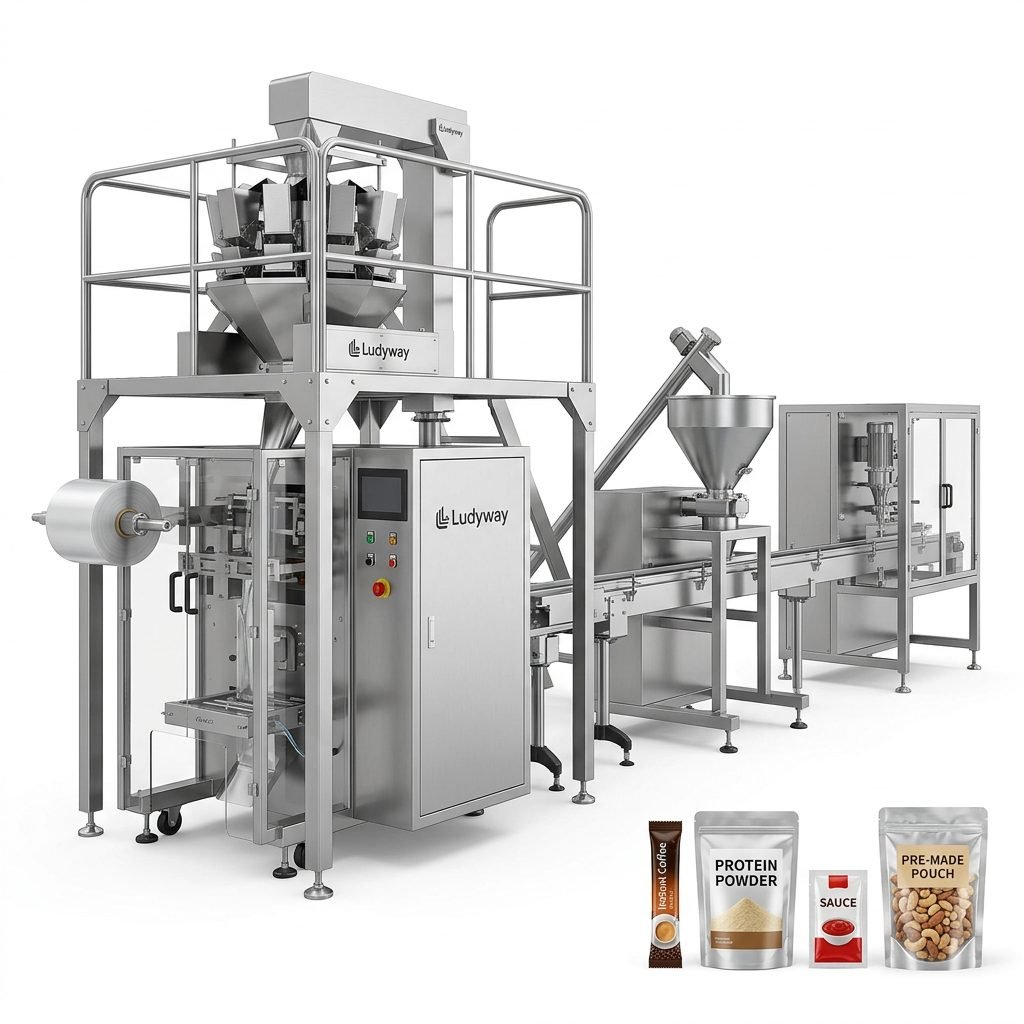
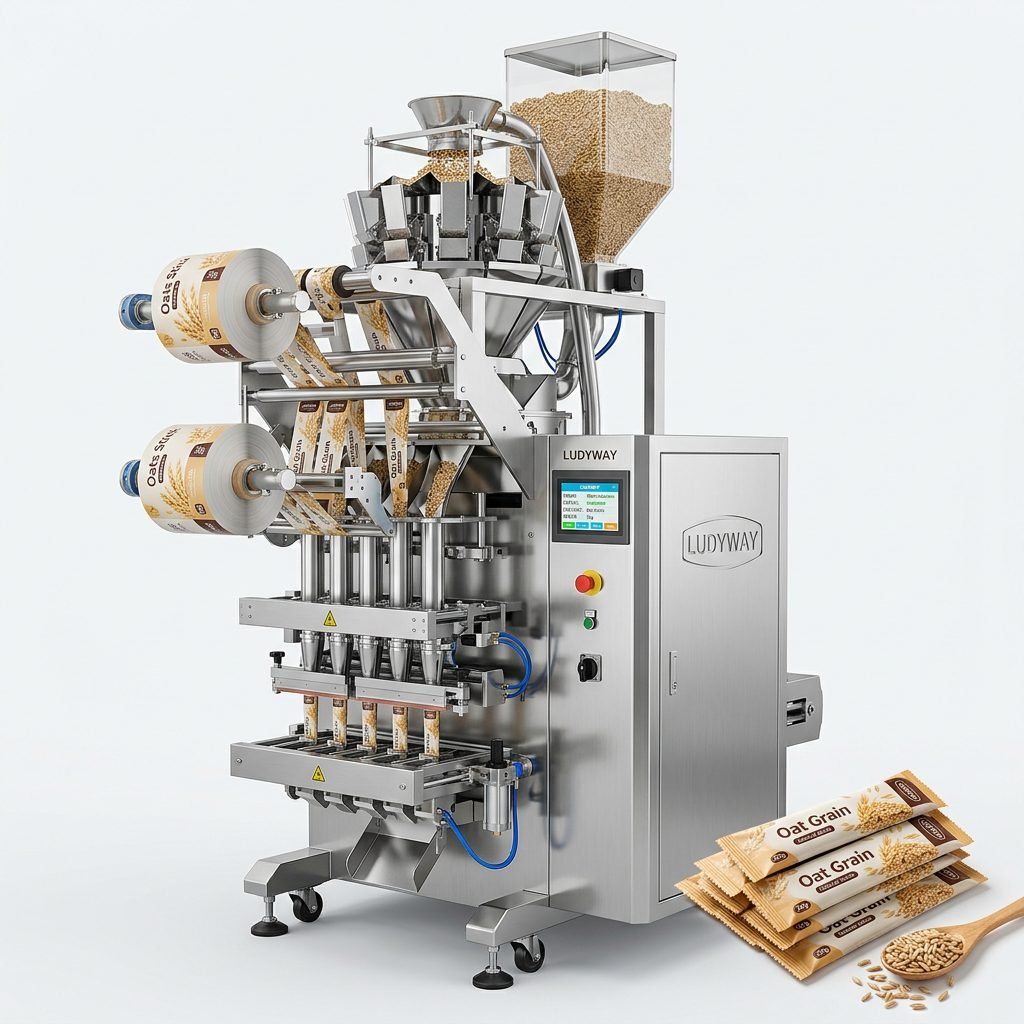
In today’s fast-paced manufacturing landscape, achieving peak operational efficiency is not just a goal—it’s a necessity for staying competitive. For industries ranging from food and pharmaceuticals to health and personal care, the packaging process is a critical juncture where speed, accuracy, and reliability directly impact the bottom line. This is where high-efficiency matrix packaging machinery steps in, transforming automated production lines into models of productivity and precision.
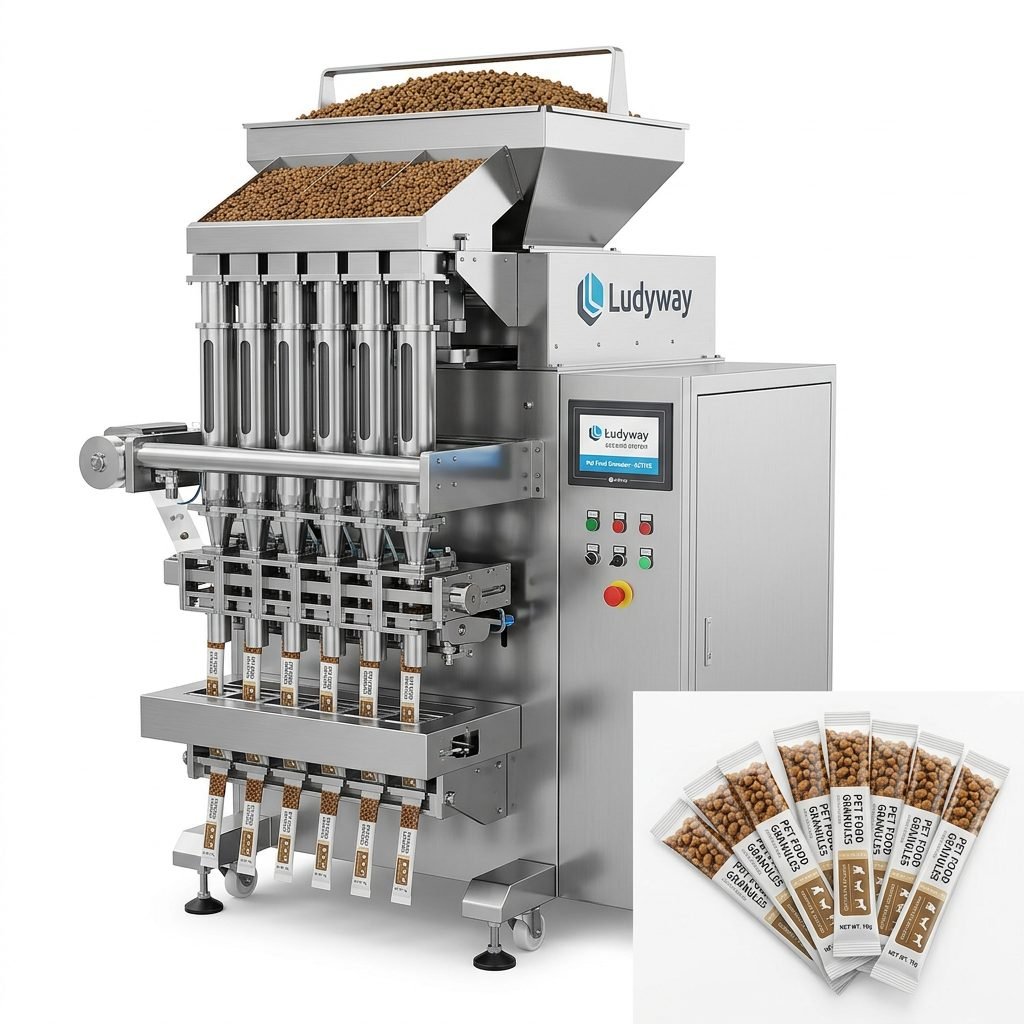
Core Concept: A matrix packaging system is a sophisticated, multi-lane automated solution designed to handle multiple packaging tasks—such as forming, filling, and sealing—simultaneously across several parallel lanes. This architecture is the engine behind high-volume, consistent output.
The Engine of Modern Automated Lines
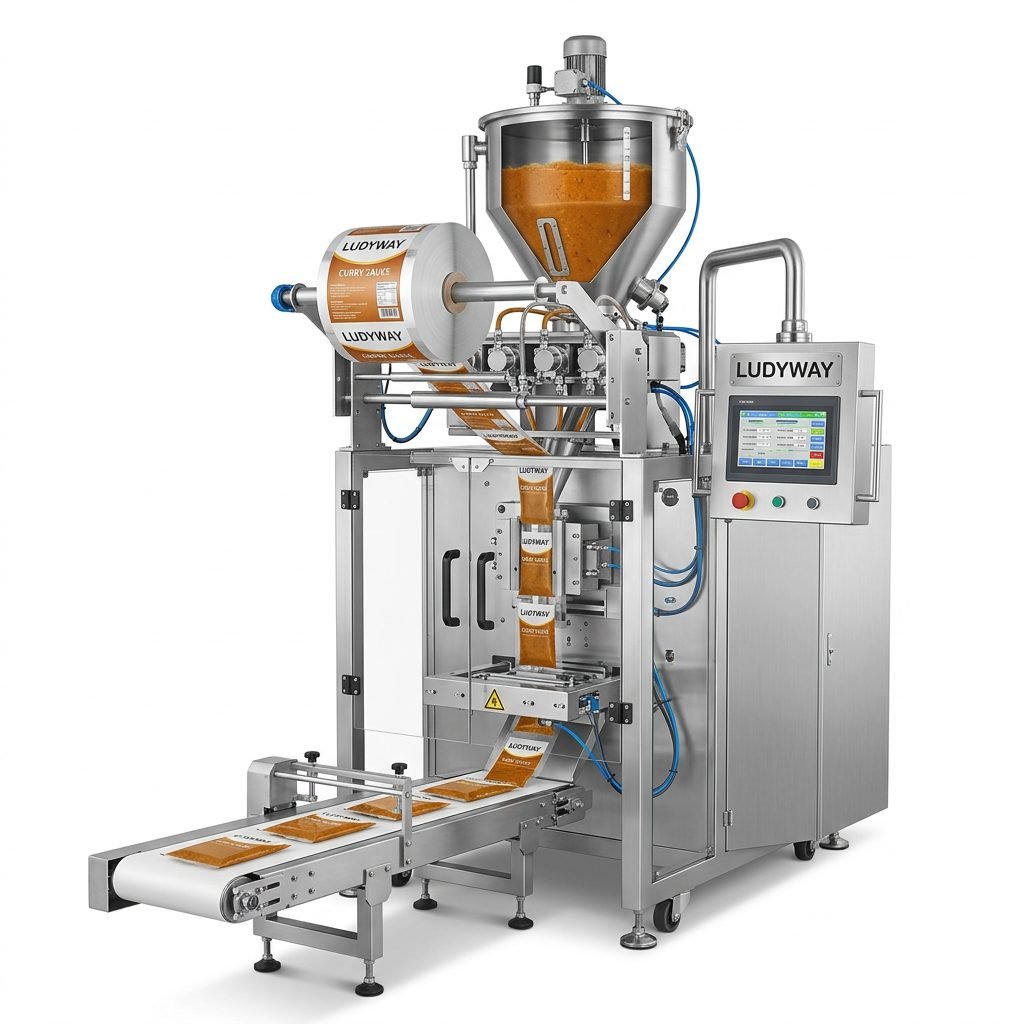
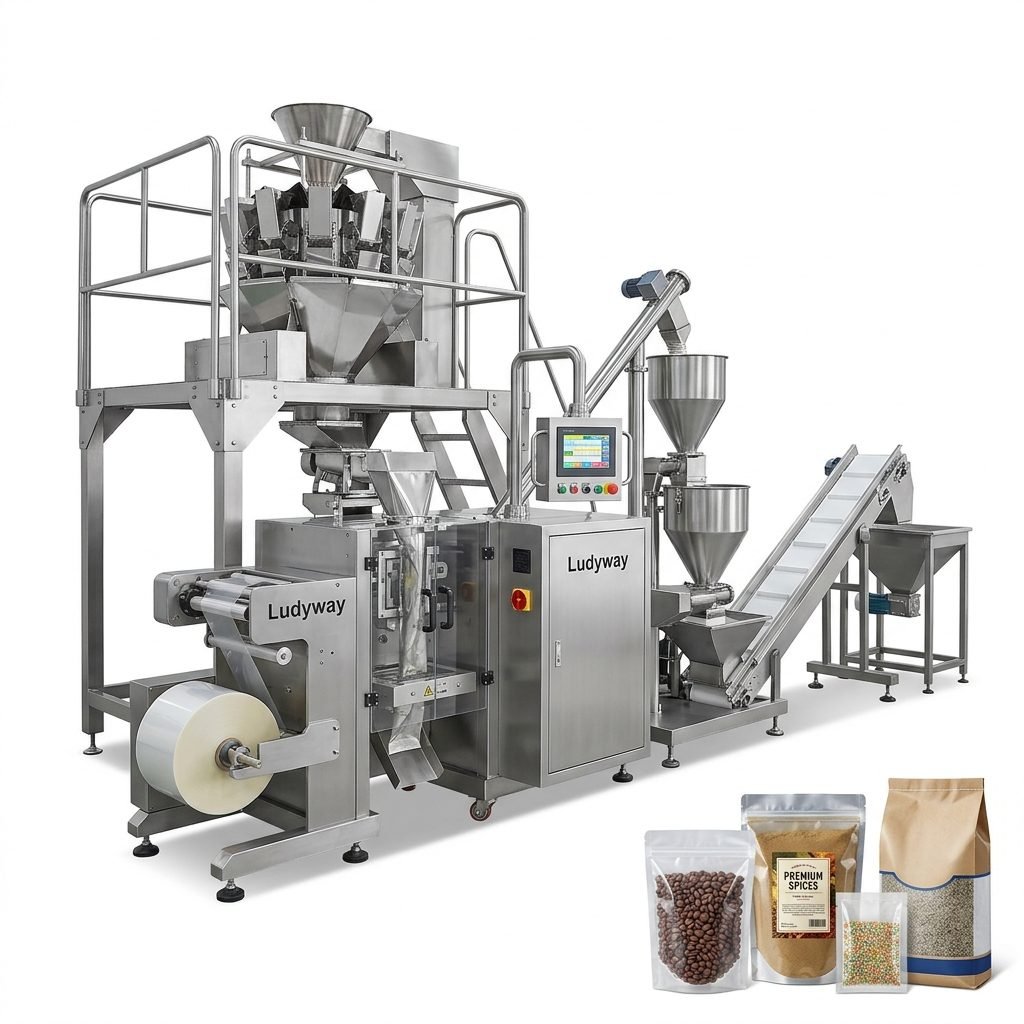
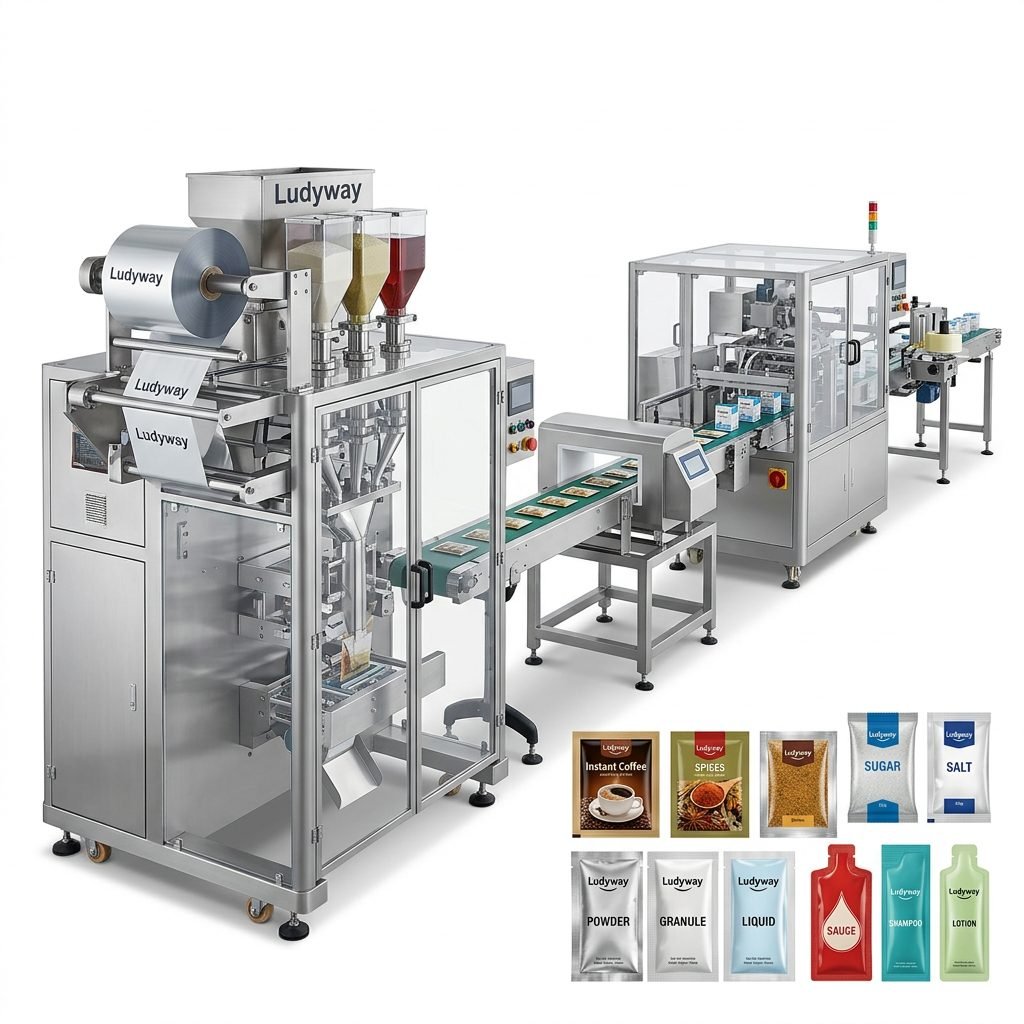
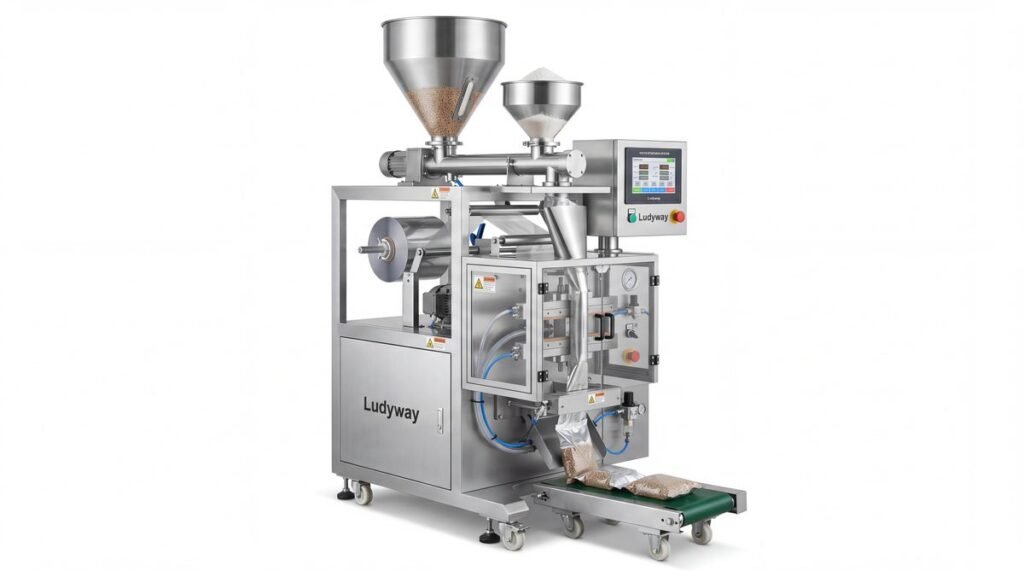
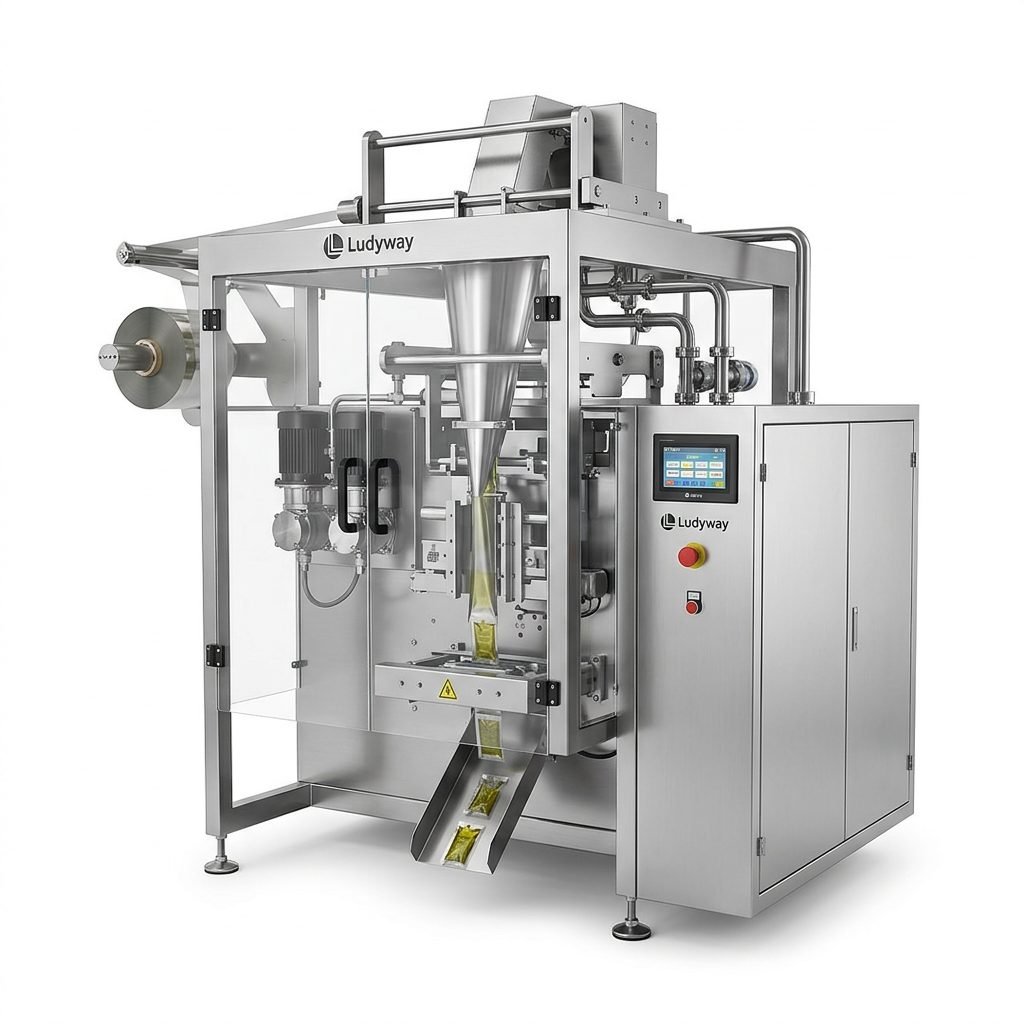
Matrix packaging machinery represents the pinnacle of automation in packaging. Unlike single-lane machines, these systems are engineered to operate multiple packaging lanes in a synchronized, matrix-style layout. This design is fundamental for integrating seamlessly into continuous production lines, where they receive products from upstream equipment like mixers, reactors, or conveyors and efficiently channel them into various primary packaging formats—be it sachets, stick packs, or pouches.
Key Advantages for Automated Production
The integration of matrix packers brings transformative benefits to an automated line:
- → Unmatched Output Speed: By processing multiple product streams in parallel, these machines dramatically increase throughput, making them ideal for meeting high-volume demands.
- → Superior Space Efficiency: Their compact, multi-lane design achieves a high output footprint ratio, conserving valuable factory floor space—a crucial consideration for expanding operations.
- → Enhanced Flexibility & Quick Changeover: Modern matrix systems allow for rapid switching between different package sizes and materials, facilitating batch production for diverse SKUs with minimal downtime.
- → Exceptional Precision & Consistency: Advanced servo-driven technology ensures each lane delivers accurate filling weights and perfect seals, guaranteeing product integrity and reducing waste.
Integrating Matrix Solutions into Your Production Flow
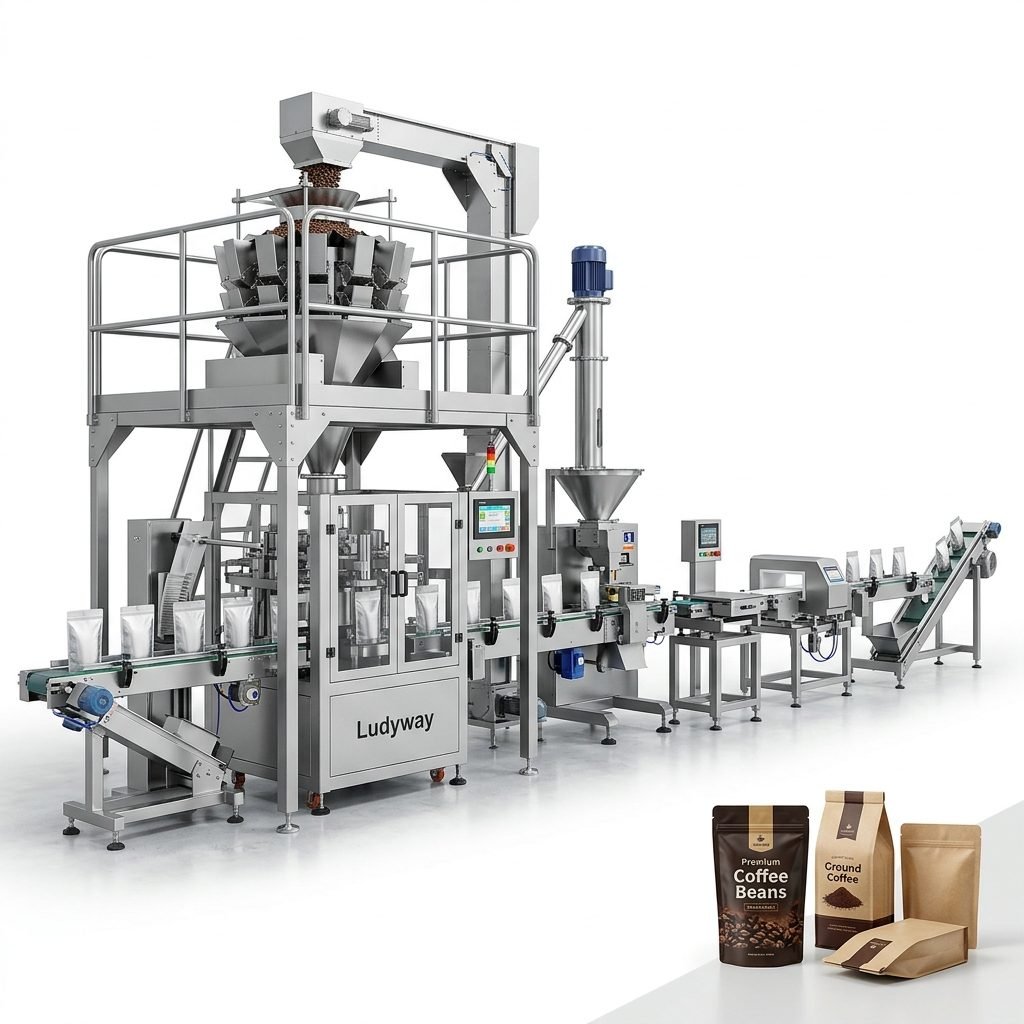
Successful implementation goes beyond simply installing a machine. It involves designing a cohesive system where the matrix packer acts as the central packaging node. This includes seamless integration with upstream equipment like dosing systems and feeders, as well as downstream units for cartoning, case packing, and palletizing. A well-planned turnkey production line ensures a smooth, uninterrupted flow from raw material to dispatch-ready pallet.
Industry-Specific Applications
Food & Beverage: Perfect for packaging single-serve portions of sugar, coffee, sauces, or powdered drinks. The speed and hygiene of matrix systems are paramount. For instance, a multi-lane stick pack machine can efficiently package instant beverage sticks at remarkable speeds.
Pharmaceutical & Healthcare: Demands the highest standards of accuracy and contamination control. Matrix systems excel in packaging precise doses of powders, granules, or liquids for sachets, ensuring compliance with strict regulatory standards.
Personal Care & Chemicals: Used for packaging shampoo, detergent, or cosmetic samples into precise, durable sachets, leveraging the machinery’s ability to handle various viscosities and materials.
Choosing the Right Partner for Your Machinery
Selecting a matrix packaging solution is a significant investment. Partnering with an experienced provider is critical. Look for a supplier with proven expertise in advanced packaging equipment and a deep understanding of your industry’s unique challenges. They should offer comprehensive support, from initial line design and customization to installation, training, and after-sales service. A partner with a strong track record, like those with decades of engineering experience, can ensure your automated line delivers long-term reliability and a strong return on investment. Exploring a company’s complete range of packaging solutions can provide insight into their capability to handle complex projects.
The Future: Smarter, More Connected Packaging Lines
The evolution of matrix packaging is tightly linked to Industry 4.0. The next generation of machines features enhanced IoT connectivity for real-time monitoring of production data, predictive maintenance alerts, and seamless integration with Manufacturing Execution Systems (MES). This shift towards smart factories allows for unprecedented control, optimization, and traceability across the entire packaging process.
Ultimately, investing in high-efficiency matrix packaging machinery is an investment in the future resilience and scalability of your manufacturing operations. It lays the technological foundation for increased output, reduced costs, and the agility to adapt to market changes, securing a vital competitive edge in the global marketplace.
Frequently Asked Questions (FAQs)
1. What is the main difference between a matrix packer and a standard single-lane machine?
A matrix packer operates multiple packaging lanes (e.g., 4, 8, 12, or more) simultaneously in a parallel layout, dramatically increasing output. A single-lane machine processes one stream of product at a time. The matrix design is for high-volume, continuous production, while single-lane machines may suit lower-volume or pilot-scale operations.
2. How difficult is it to change packaging formats on a matrix system?
Modern high-efficiency matrix machines are designed for quick changeover. Many utilize tool-less adjustments and recipe-driven controls stored in the PLC. This allows operators to switch between different pouch sizes or materials often in under 30 minutes, minimizing downtime and enhancing production flexibility.
3. Can matrix packaging machinery handle different product types, like powders and liquids?
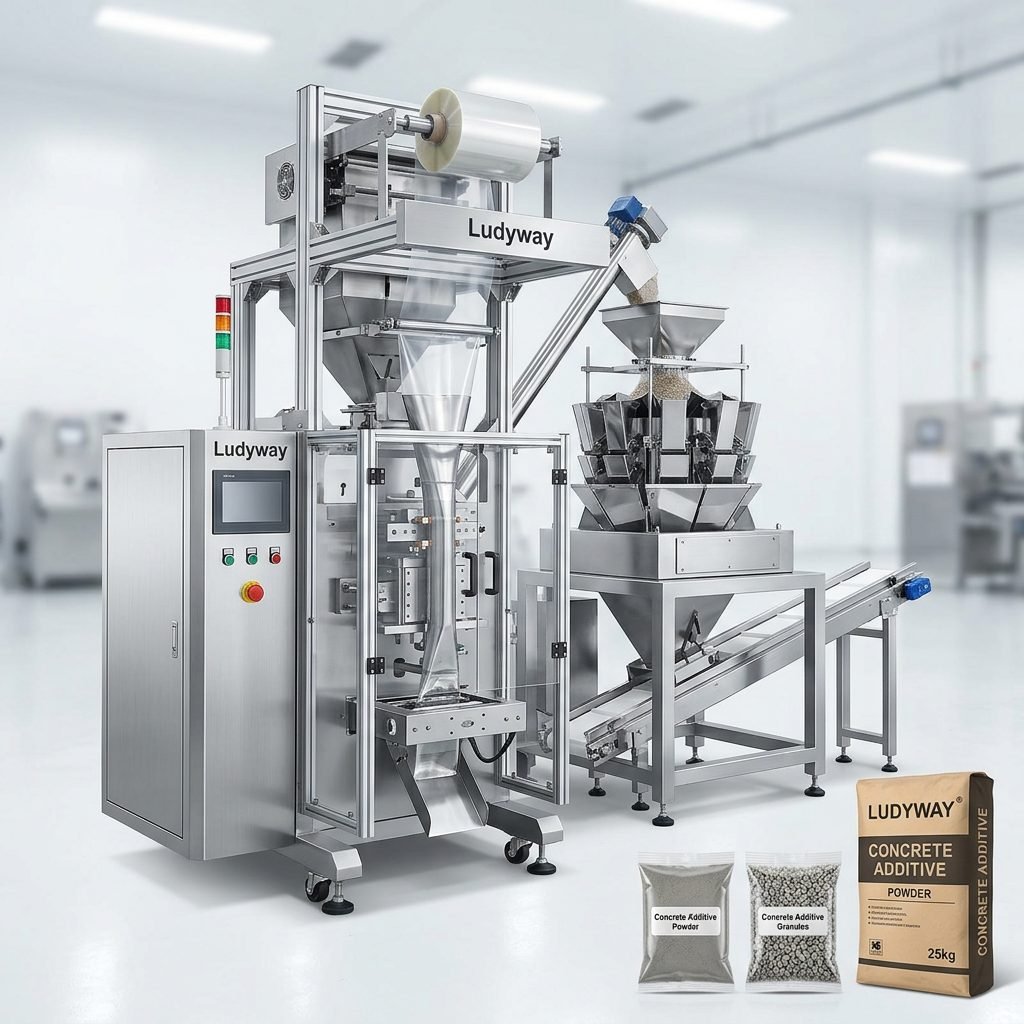
Yes, but it requires specific configuration. The core machine platform can often be adapted. The critical differences lie in the feeding and filling systems—such as auger fillers for powders or piston pumps for liquids. A reputable supplier will customize the granule, powder, and liquid packaging modules to suit your specific product characteristics.
4. What kind of maintenance do these automated systems require?
Regular, preventive maintenance is key to longevity. This includes daily cleaning, lubrication of moving parts as per the manual, and inspection of seals and cutting blades. Advanced systems with IoT capabilities can provide predictive maintenance alerts. Choosing a supplier that offers reliable spare parts and technical support is crucial for maintaining uptime.
5. Are these solutions suitable for small to mid-sized businesses (SMBs)?
While they represent a significant investment, modular and scalable matrix solutions can be an excellent fit for growing SMBs planning for expansion. The high efficiency can lead to a faster return on investment through labor savings and increased output. It’s important to conduct a thorough cost-benefit analysis with your machinery partner to find a solution that matches your current and projected volume needs.