In the fast-paced world of manufacturing, efficiency and precision are not just goals—they are necessities. For industries handling powders, from food and pharmaceuticals to chemicals and cosmetics, the choice of packaging machinery can significantly impact productivity, product quality, and the bottom line. An automatic powder packaging machine is a cornerstone of modern production lines, designed to handle delicate, often challenging materials with speed and consistent accuracy. This article serves as a comprehensive guide to navigating the critical factors involved in selecting the best automatic powder filling solution for your specific operational needs.
Understanding Automatic Powder Packaging Technology
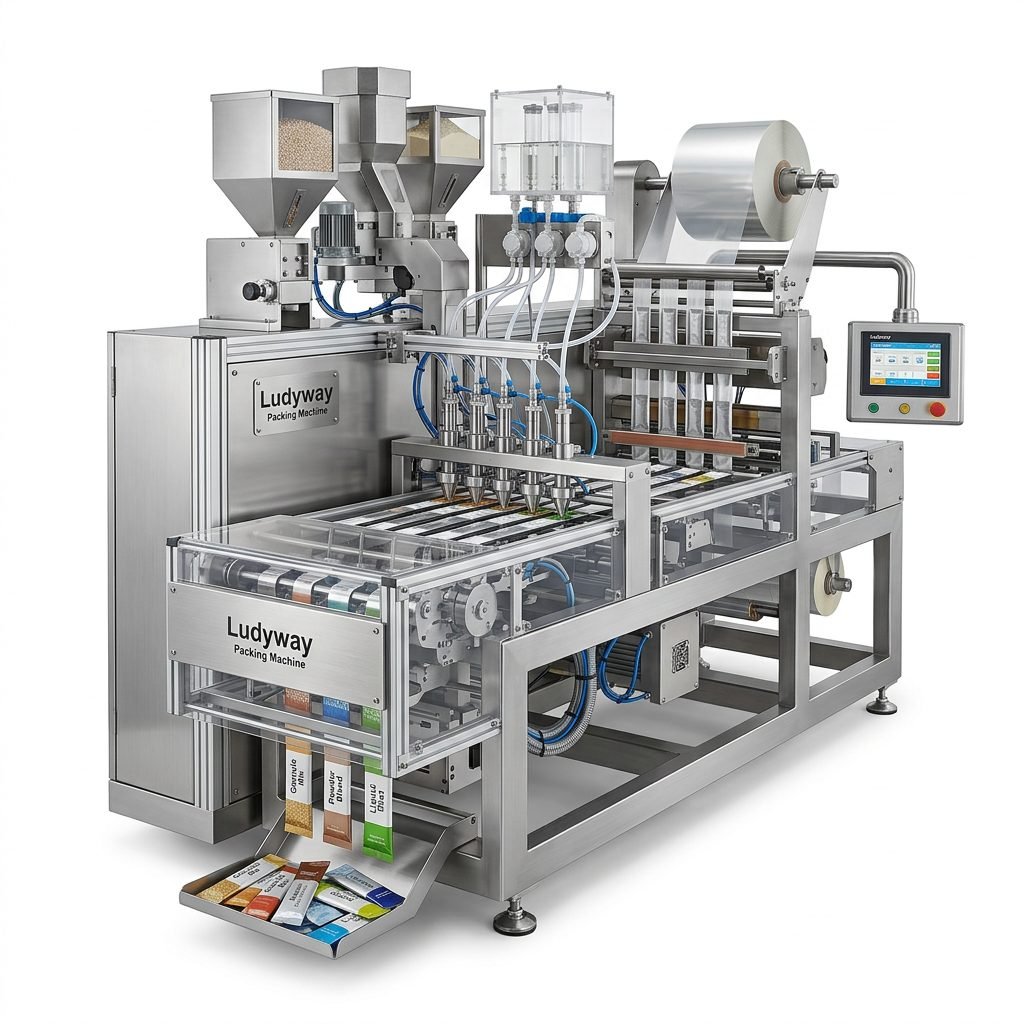
At its core, an automatic powder packaging machine automates the process of measuring, filling, and sealing powdered products into various types of containers or pouches. These systems are engineered to tackle the unique characteristics of powders, such as dusting, clumping, and varying bulk densities, which can make manual or semi-automatic filling inconsistent and wasteful.
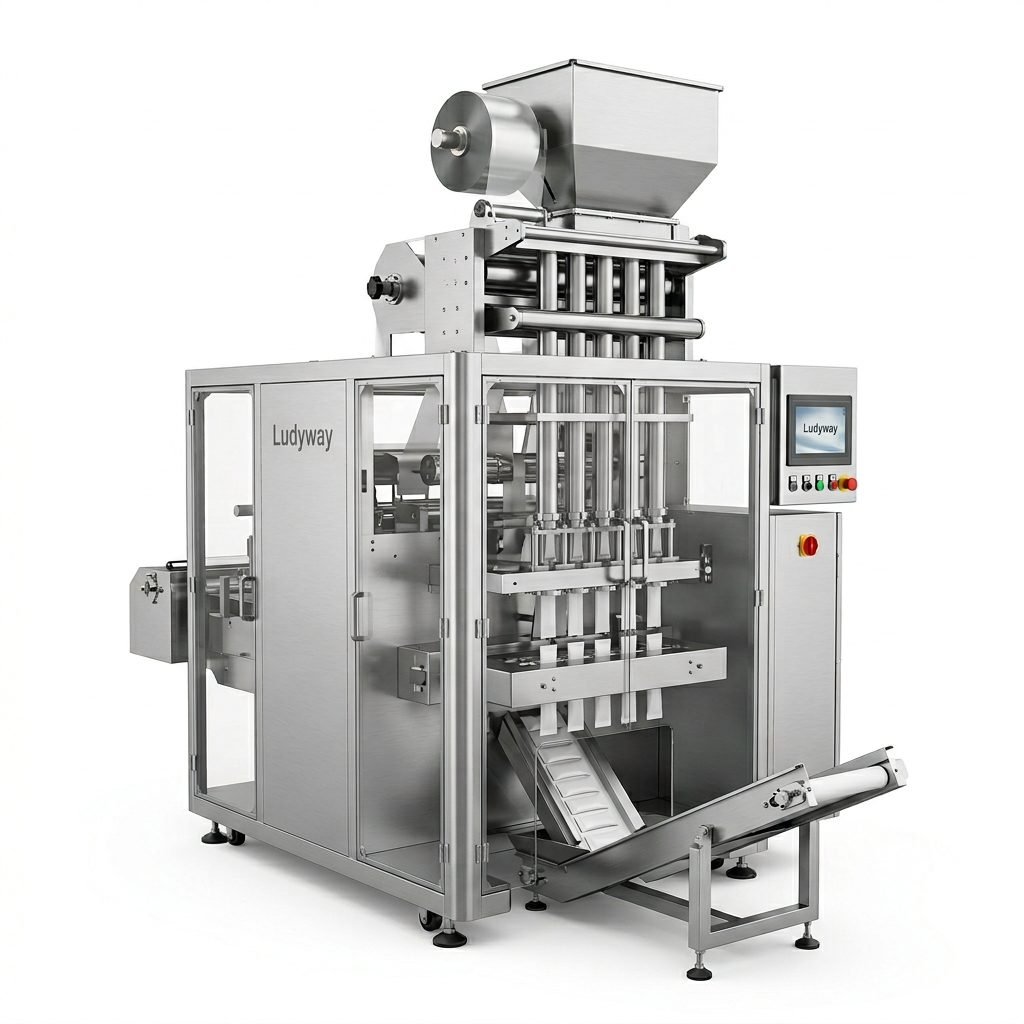
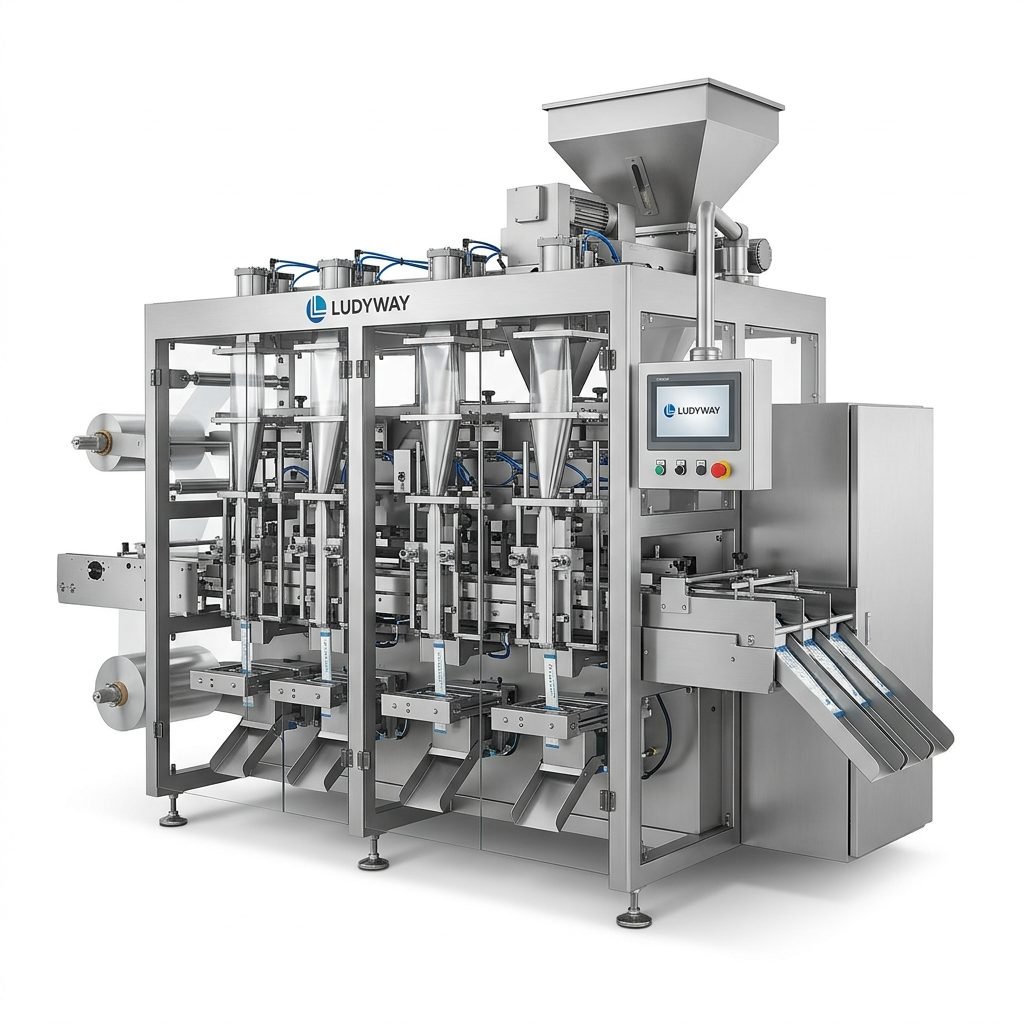
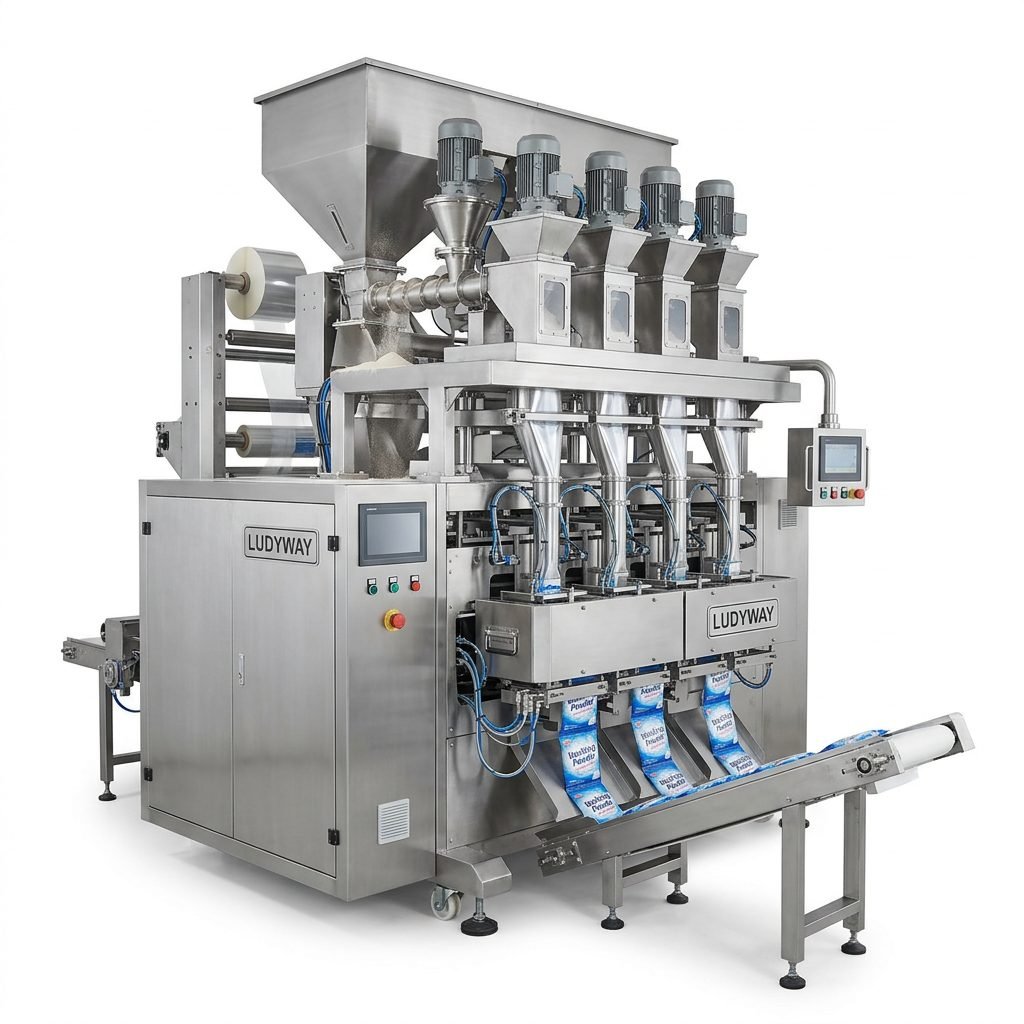
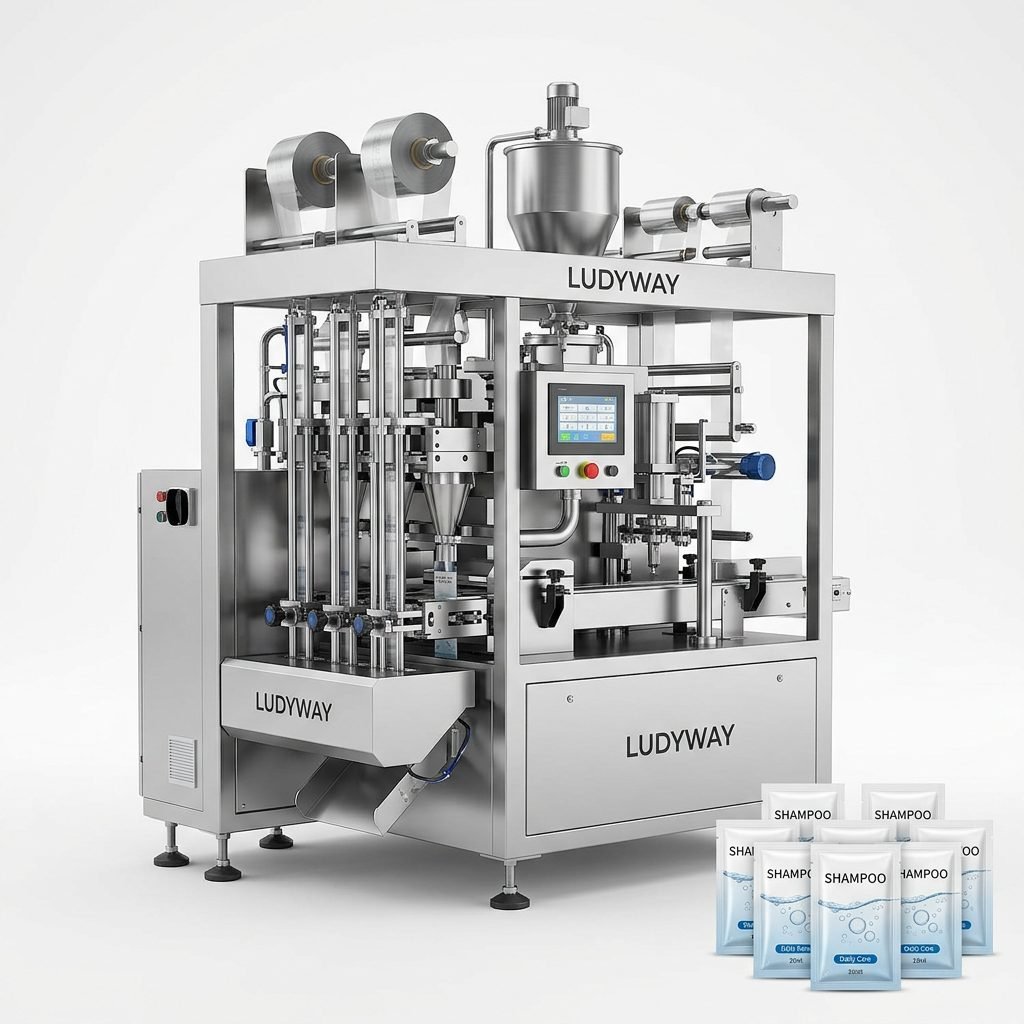
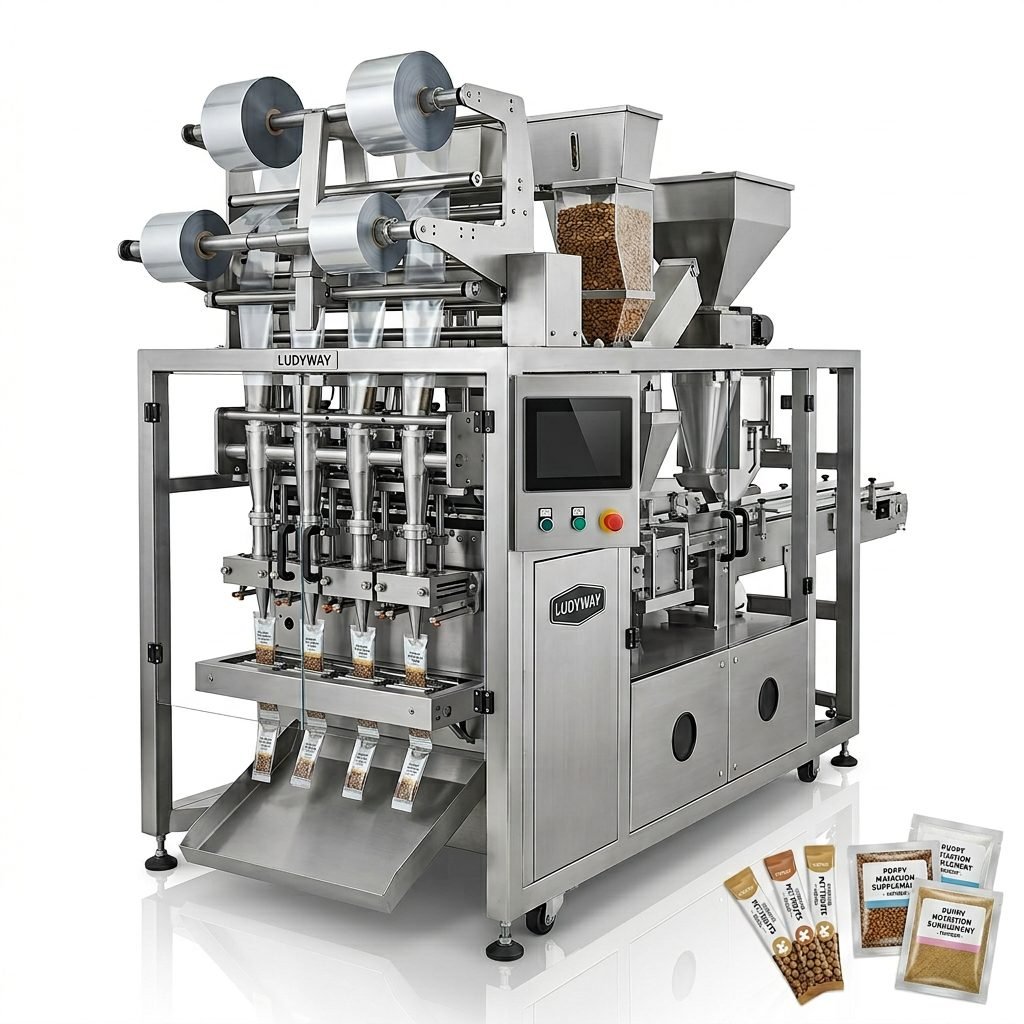
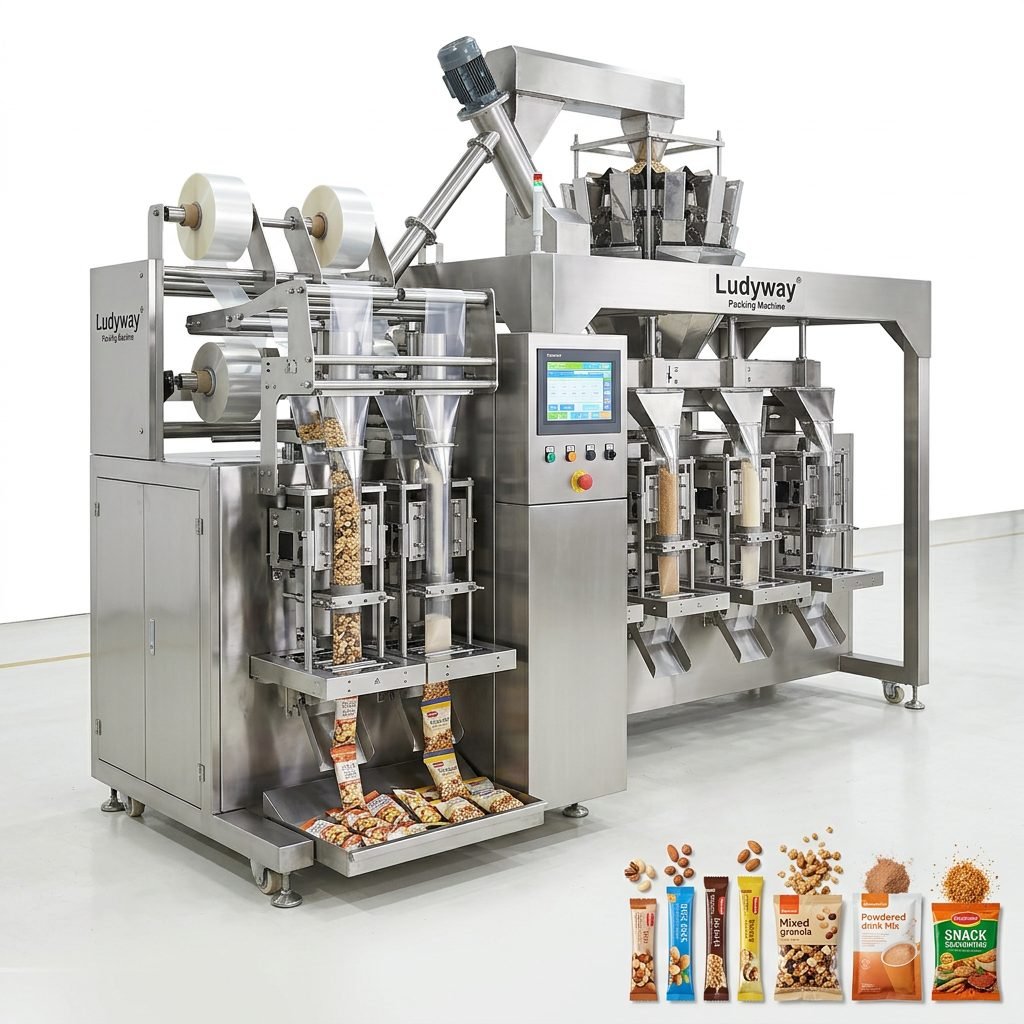
The technology integrates several key components: a product hopper, a precision filling system, a bag or container handling mechanism, and a sealing unit. Advanced models feature programmable logic controllers (PLCs) and touch-screen interfaces, allowing operators to set parameters like fill weight, speed, and bag size with ease. The primary goal is to achieve a high-speed, highly accurate fill while minimizing product loss and ensuring a clean, contained production environment.
Key Challenge in Powder Filling:
Aeration and compaction of powder can cause significant weight variation. The best machines use technology to compensate for this in real-time, ensuring every package meets the exact weight specification.
Types of Filling Mechanisms
Choosing the right filling mechanism is paramount. The common types include:
- Auger Filling: Ideal for a wide range of powders, from fine to coarse. A rotating screw (auger) in a tube dispenses powder volumetrically. It’s highly accurate and excellent for products that are dusty or prone to segregation. Look for machines with servo-driven augers for unparalleled precision.
- Gravimetric (Net Weight) Filling: This method uses a scale to weigh the product as it fills. It is considered the most accurate method for powders, especially when the value of the product is high or weight regulations are strict. It continuously checks and adjusts the fill weight.
- Volumetric Cup Filling: Uses a rotating disc with measured cups to scoop and deposit powder. It’s a fast and cost-effective solution for free-flowing, non-aerating powders where ultra-high precision is less critical.
How to Choose the Best Solution: A Step-by-Step Evaluation
Selecting the optimal machine requires a thorough analysis of your product, production goals, and operational environment.
1. Analyze Your Product Characteristics
Every powder behaves differently. You must evaluate:
- Flowability: Does it flow like flour or cake like cement? This determines the need for agitators, vibration, or special hopper designs.
- Bulk Density: Variations can wreck volumetric accuracy. Gravimetric systems are often necessary for low-density or inconsistent powders.
- Hygroscopicity & Clumping: Powders that absorb moisture may require climate-controlled hoppers or specialized auger designs to prevent bridging.
- Abbrasiveness or Corrosiveness: This dictates the required material for contact parts, such as stainless steel grades or specialized coatings.
2. Define Your Production Requirements
Quantify your needs to match machine capabilities:
- Speed (Packages Per Minute): Calculate your required output based on shifts and future growth. Don’t just buy for today’s needs.
- Accuracy Tolerance: What is your acceptable weight range? Pharmaceutical applications may require ±1% or better, while some food products may allow more.
- Bag/Pouch Type & Size Range: Will you run premade bags, form-fill-seal (FFS) pouches, sticks, or containers? Ensure the machine can handle your size range and can perform necessary functions like gas flushing if needed.
3. Evaluate Machine Features and Construction
Look beyond the brochure specs:
- Control System & UI: A user-friendly, recipe-driven HMI (Human-Machine Interface) reduces changeover time and operator error. Data logging capabilities are a valuable plus.
- Changeover Ease: How quickly can you switch between different products or bag sizes? Look for tool-less adjustments and saved recipes.
- Hygiene & Cleanability: For food or pharmaceutical use, machines should have smooth surfaces, minimal crevices, and be easy to disassemble for cleaning (e.g., with CIP/SIP systems).
- Durability & Support: Robust construction (frame, components) ensures longevity. Equally important is the supplier’s reputation for technical support, training, and spare parts availability.
💡 Pro Tip: Think About Integration
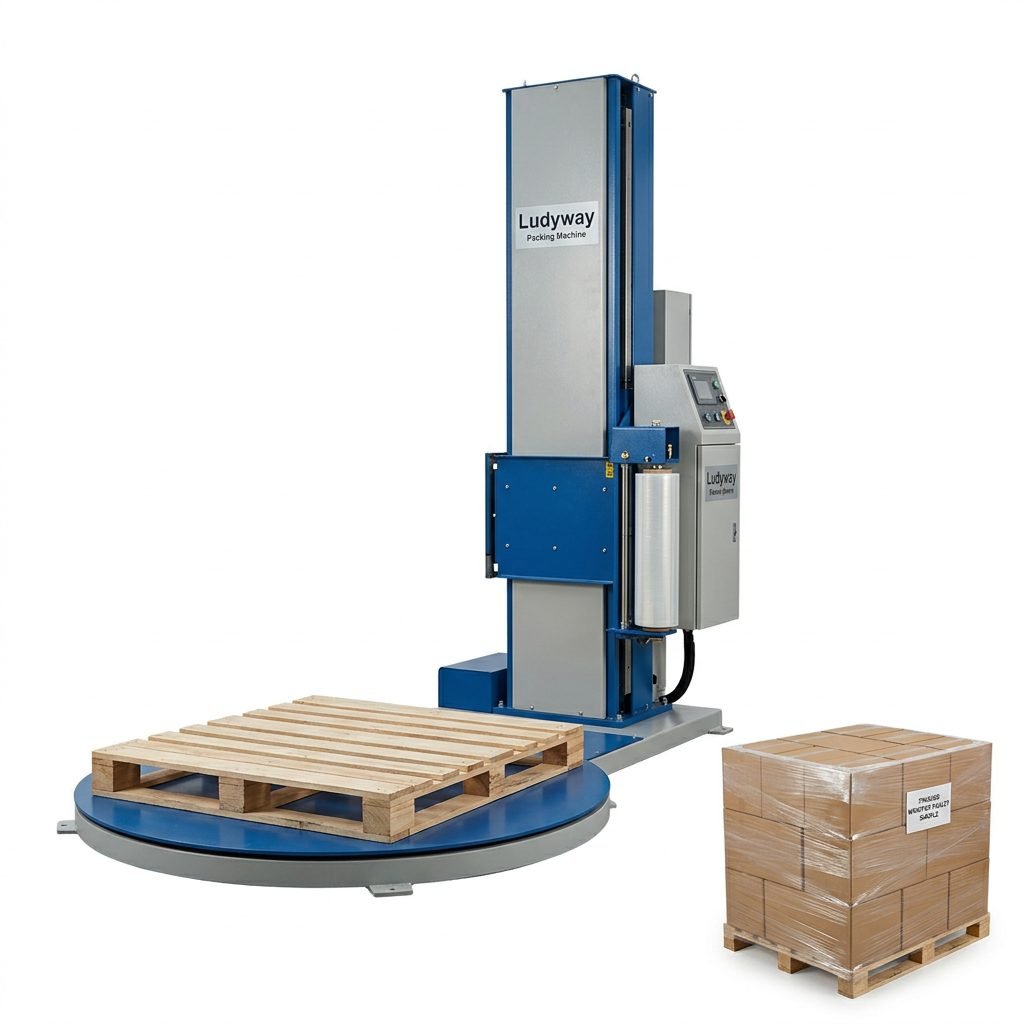
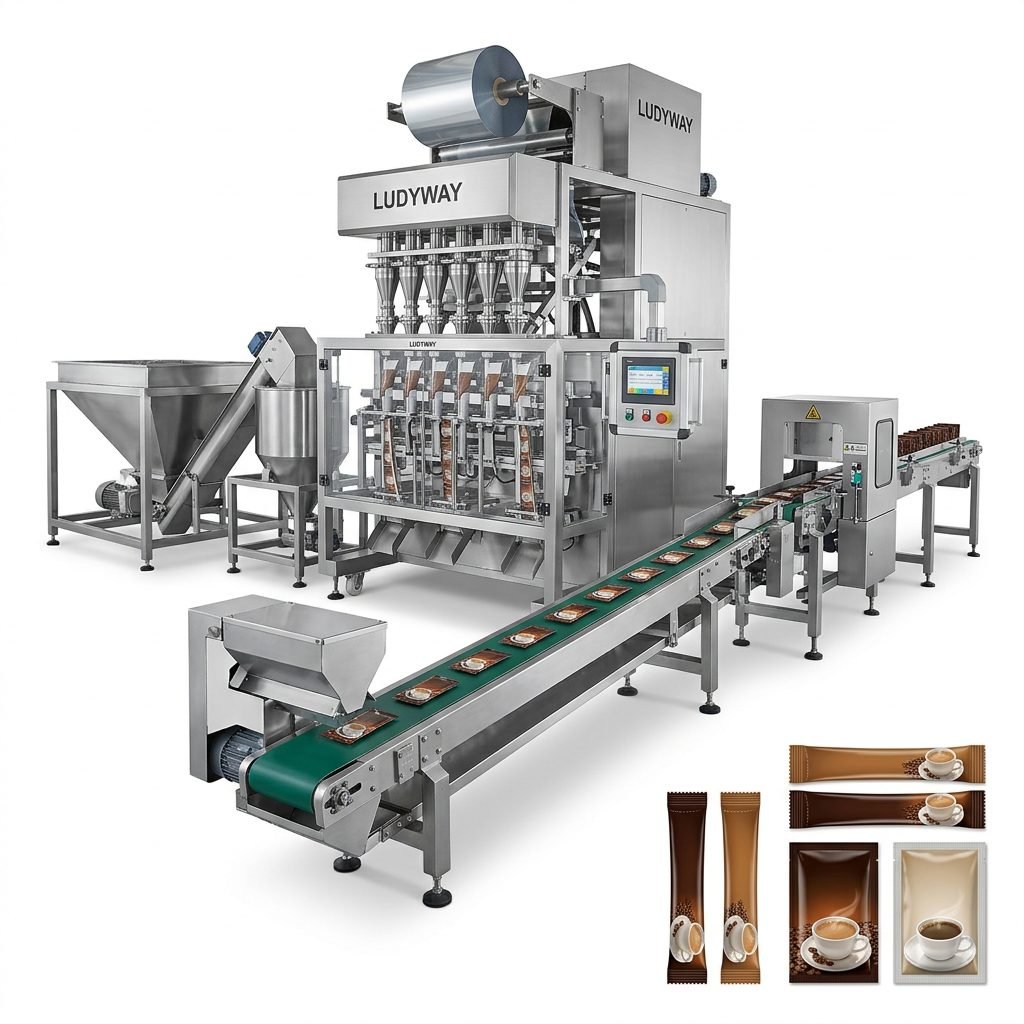
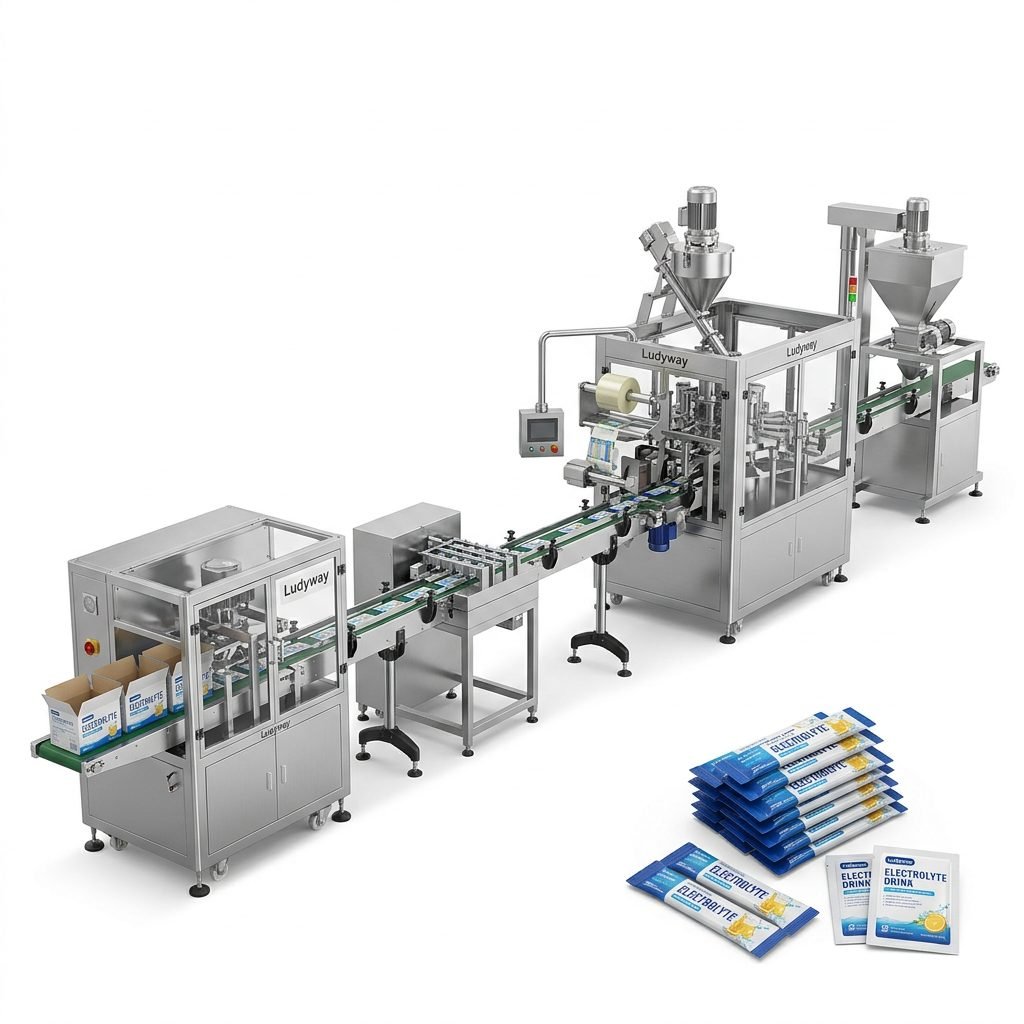
Your packaging machine is often one node in a larger line. Consider its compatibility with upstream equipment (like mixers or conveyors) and downstream systems (cartoners, case packers). Choosing a supplier like Ludyway Packing Machine, which offers turnkey production solutions, can streamline integration and ensure seamless communication between all line components.
4. Consider Total Cost of Ownership (TCO)
The purchase price is just the beginning. Calculate TCO by including:
- Energy consumption and compressed air requirements.
- Expected maintenance costs and spare part pricing.
- Product giveaway due to inaccuracy (a highly accurate machine pays for itself).
- Potential for future upgrades or modular expansion.
The Role of a Trusted Partner
Investing in an automatic powder packaging machine is a significant decision. Partnering with an experienced provider is crucial. A supplier with deep industry knowledge, like Ludyway Machinery, brings more than just equipment. They bring solutions. With over 30 years of collective experience in packaging technology, they understand the nuances of different powders and can recommend the most effective filling technology for your application.
They can provide comprehensive services from initial consultation and factory testing with your actual product to installation, training, and ongoing technical support. This partnership approach ensures you get a machine that not only meets the spec sheet but truly optimizes your production floor for efficient and accurate filling year after year.
Frequently Asked Questions (FAQs)
1. What is the main advantage of an auger filler over a volumetric filler for powders?
Auger fillers generally offer superior accuracy, especially for fine, dusty, or non-free-flowing powders. They handle a wider range of product characteristics and use a controlled, shearing action that minimizes aeration and compaction issues common in volumetric cup filling.
2. How accurate can an automatic powder packaging machine be?
Accuracy depends on the filling technology and product. High-end servo auger or gravimetric fillers can consistently achieve accuracies within ±0.5% to ±1% of the target weight for many products. Critical pharmaceutical applications may demand even tighter tolerances, which are achievable with advanced multi-head weigher or net weight systems.
3. Can one machine handle different types of powders and bag sizes?
Yes, most modern machines are designed for flexibility. The key is “changeover time.” Look for machines with quick-release parts, digital recipe storage (where all parameters are saved), and tool-less adjustments for bag size. This allows you to switch between different products and packages with minimal downtime.
4. What maintenance does an automatic powder packer require?
Regular maintenance is essential for longevity and accuracy. Daily tasks include cleaning contact parts to prevent cross-contamination and buildup. Periodic maintenance involves checking and lubricating moving parts, inspecting seals and wear parts (like augers), and calibrating the weighing system (if equipped). A good supplier will provide a clear maintenance schedule and training.
5. Why is after-sales support critical when purchasing this equipment?
Even the best machine may require technical assistance, spare parts, or operator re-training. A supplier with strong global after-sales support ensures minimal production disruption. This includes access to technical experts, a reliable spare parts inventory, and potentially remote diagnostics. It protects your investment and guarantees long-term operational efficiency.