Choosing the right vacuum packaging machine can transform how you store food, preserve ingredients, and manage inventory, whether for your home kitchen or a growing small business. This guide will walk you through the key features, benefits, and considerations to help you find the perfect machine for your needs.
Why Invest in a Vacuum Sealer?
Vacuum sealers remove air from specially designed bags before sealing them shut. This process, known as vacuum packaging, significantly extends the shelf life of food by preventing the growth of bacteria, mold, and yeast that require oxygen. Beyond food preservation, it’s invaluable for organizing small parts, protecting important documents from moisture, and marinating foods in minutes instead of hours.
Key Benefit: The primary advantage is food waste reduction. By preserving bulk purchases, seasonal harvests, or meal prep portions for months longer, you save money and contribute to a more sustainable household or business operation.
Core Types of Vacuum Packaging Machines
Understanding the different types available is the first step to making an informed decision.
1. External Suction Sealers (Chamberless)
These are the most common machines for home and light commercial use. The device has a suction nozzle that draws air out from the top of a specially textured bag. They are generally more affordable, compact, and perfect for sealing bags of various sizes. However, they are less effective with liquids or very fine powders, as the suction can draw these contents into the machine.
- Best for: Home kitchens, occasional users, sealing dry and semi-dry foods like meats, cheeses, vegetables, and grains.
- Consideration: Requires the use of bag textures with air channels for the vacuum to work effectively.
2. Chamber Vacuum Sealers
These professional-grade machines place the entire bag inside a sealed chamber. A pump removes all the air from the chamber, and then the bag is sealed. This method is far more powerful, can handle liquids (like soups or marinades) without issue, and creates a superior, airtight seal.
- Best for: Small businesses (butchers, caterers, seafood processors), serious home chefs, and anyone regularly packaging liquids or delicate items.
- Consideration: They are larger, heavier, and more expensive than external sealers. Bag sizes are also limited to the chamber’s dimensions.
3. Handheld & Portable Sealers
These are compact, battery-operated or manual devices designed for quick sealing of bags, often for travel or short-term storage. They are not true vacuum sealers but rather remove a small amount of air. Think of them more as “air removers” for pre-sealed bags or containers with special lids.
- Best for: Camping, travel, sealing snack bags, or occasional use where space is a premium.
- Consideration: Limited sealing strength and not suitable for long-term food preservation.
Essential Features to Compare
When comparing models, look beyond the price tag and focus on these critical functionalities.
Seal Bar Quality & Width
The seal bar is the heart of the machine. Look for a robust, heated bar that creates a strong, consistent seal. A wider bar (e.g., 30cm/12 inches) allows you to seal larger bags or multiple smaller bags in one pass, saving time. Some models offer double or pulse sealing functions for extra security, especially useful for bags containing sharp bones or irregular shapes.
Vacuum Power & Adjustability
Vacuum strength is typically measured in bar or pascal units. For external sealers, a higher wattage motor often indicates stronger suction. More importantly, look for adjustable vacuum settings. Delicate items like soft bread, berries, or crackers need a gentle vacuum to avoid being crushed, while dense meats require maximum power.
Pro Tip: A machine with a “Moist” or “Liquid” mode is invaluable. It slows the vacuum process, giving you time to stop it before liquids are drawn to the top of the bag, then proceeds to seal. This is a must-have if you plan to seal sauces, stews, or marinated meats.
Bag Compatibility & Accessory Port
Many machines are designed to work with their own brand’s bags, which can become costly. Some models are more universal. An accessory port (for hose attachments) dramatically expands functionality, allowing you to use vacuum canisters, wine bottle stoppers, or specialized lids for mason jars. This turns your sealer into a multi-tool for kitchen organization.
Ease of Use & Cleaning
Consider the user interface (simple buttons vs. digital display), bag storage compartments, and automatic bag detection. A drip tray or removable sealing area is crucial for easy cleanup, especially after sealing juicy foods.
Applications for Home & Small Business
For the Home Chef & Family
- Meal Prepping: Seal individual portions of cooked meals for quick, healthy lunches.
- Bulk Buying: Divide and seal large packs of meat, cheese, or coffee beans to freeze without freezer burn.
- Sous Vide Cooking: Essential for this precise cooking method, ensuring food is perfectly sealed in a water bath.
- Protecting Valuables: Seal important documents, photographs, or first-aid kits from moisture during storage or travel.
For Small Business & Side Hustles
- Food Businesses: Perfect for small-scale caterers, bakers (pre-measuring dry ingredients), farmers market vendors, or homemade spice blend sellers.
- Product Prototyping: Securely package small batches of handmade crafts, cosmetics, or electronic components.
- Inventory Management: Organize hardware, screws, beads, or other small items in clearly labeled, airtight bags.
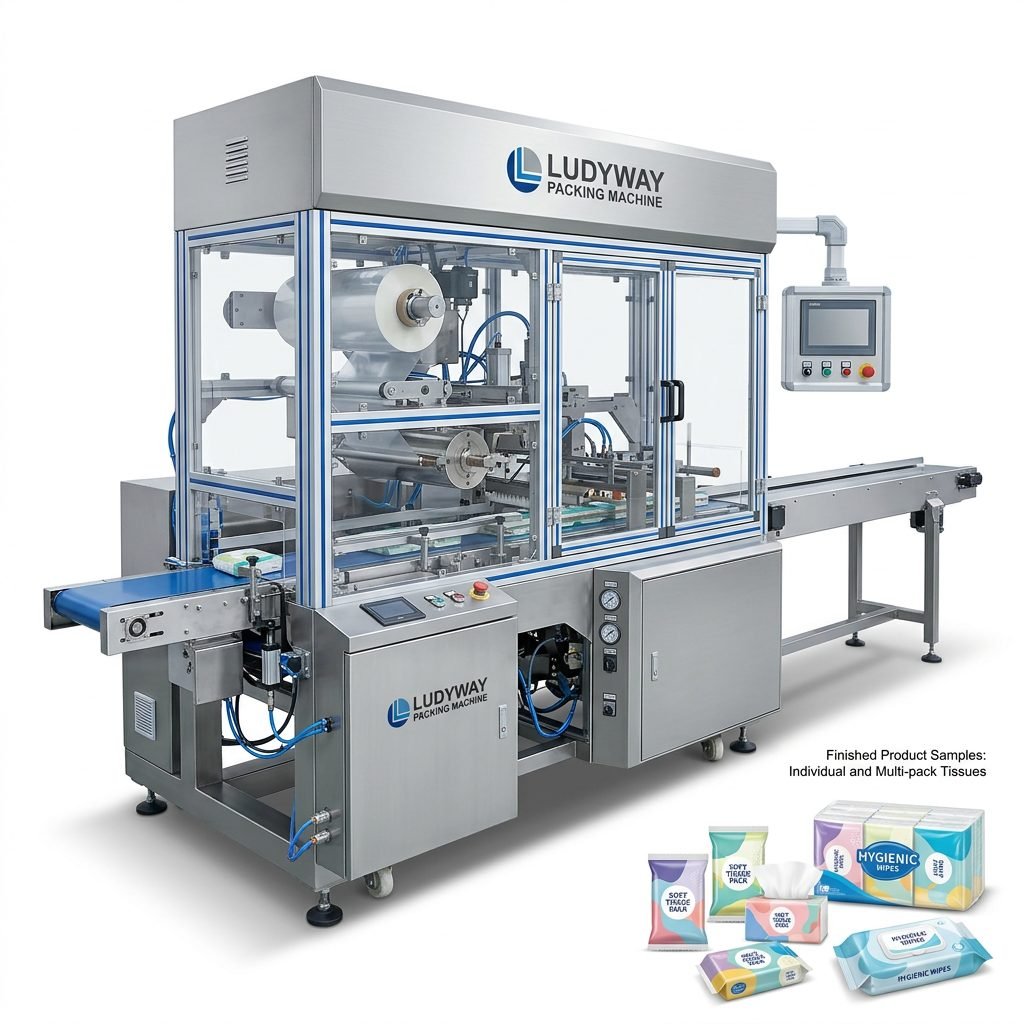
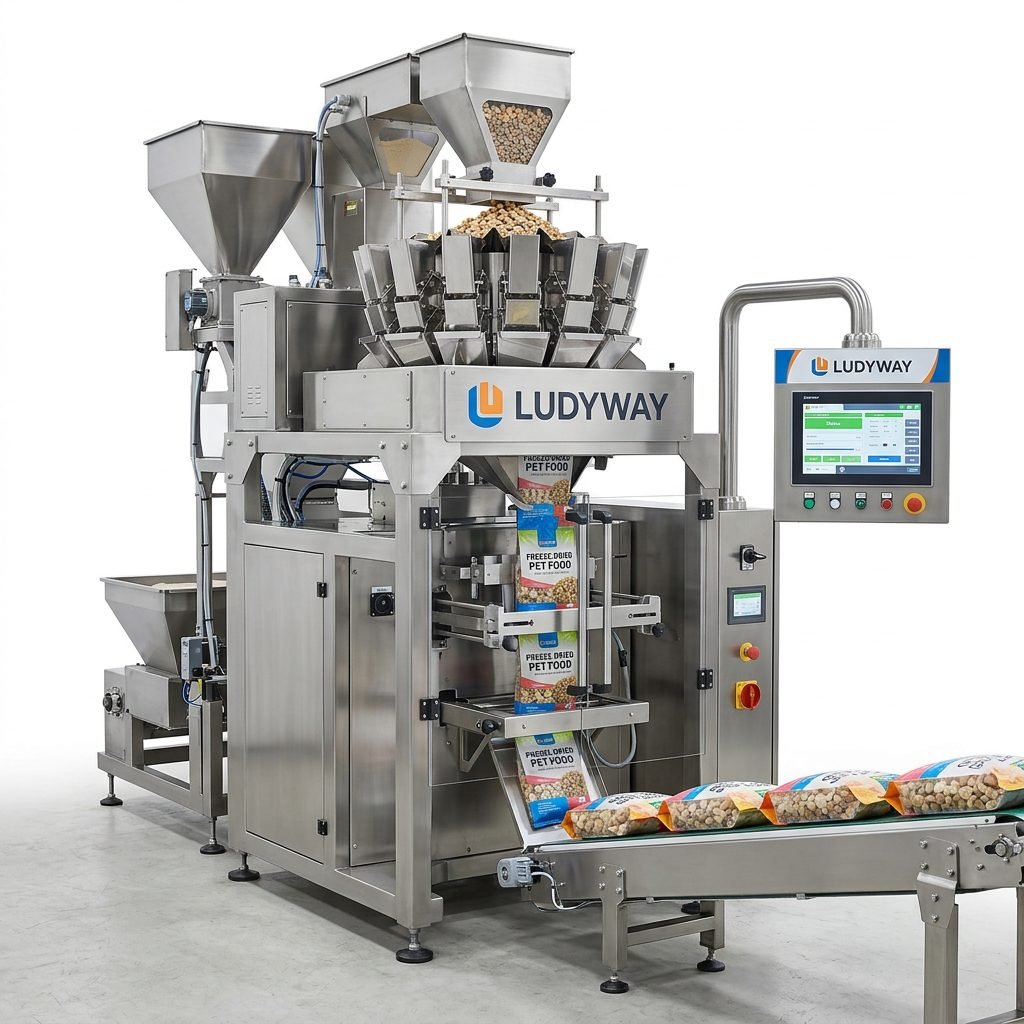
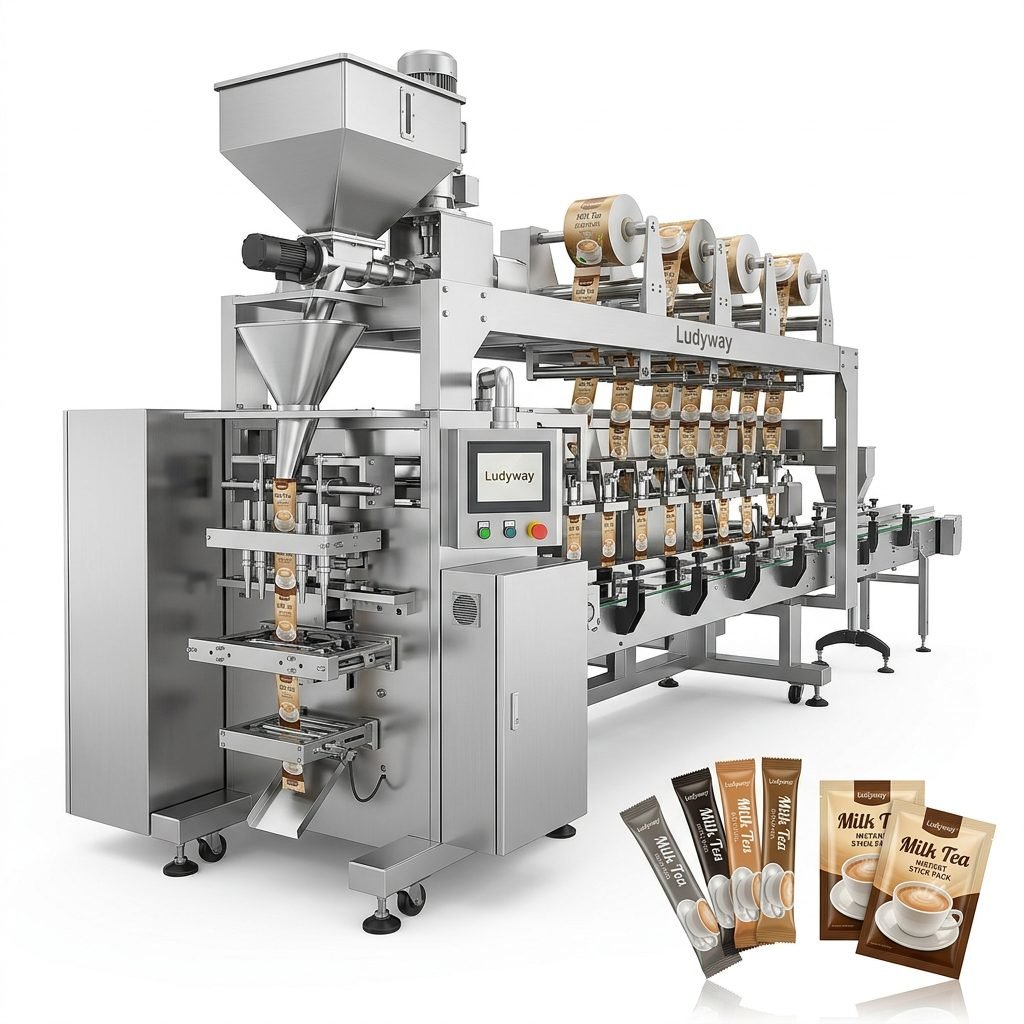
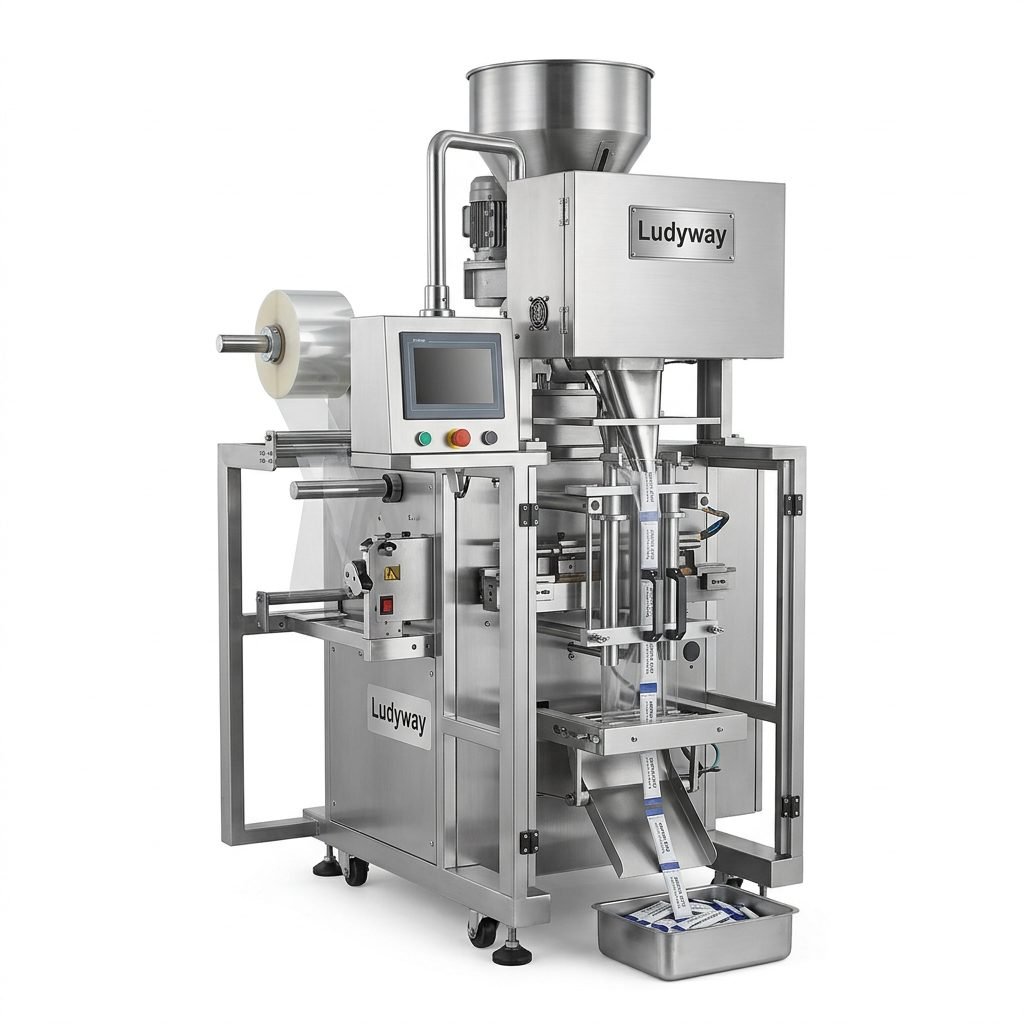
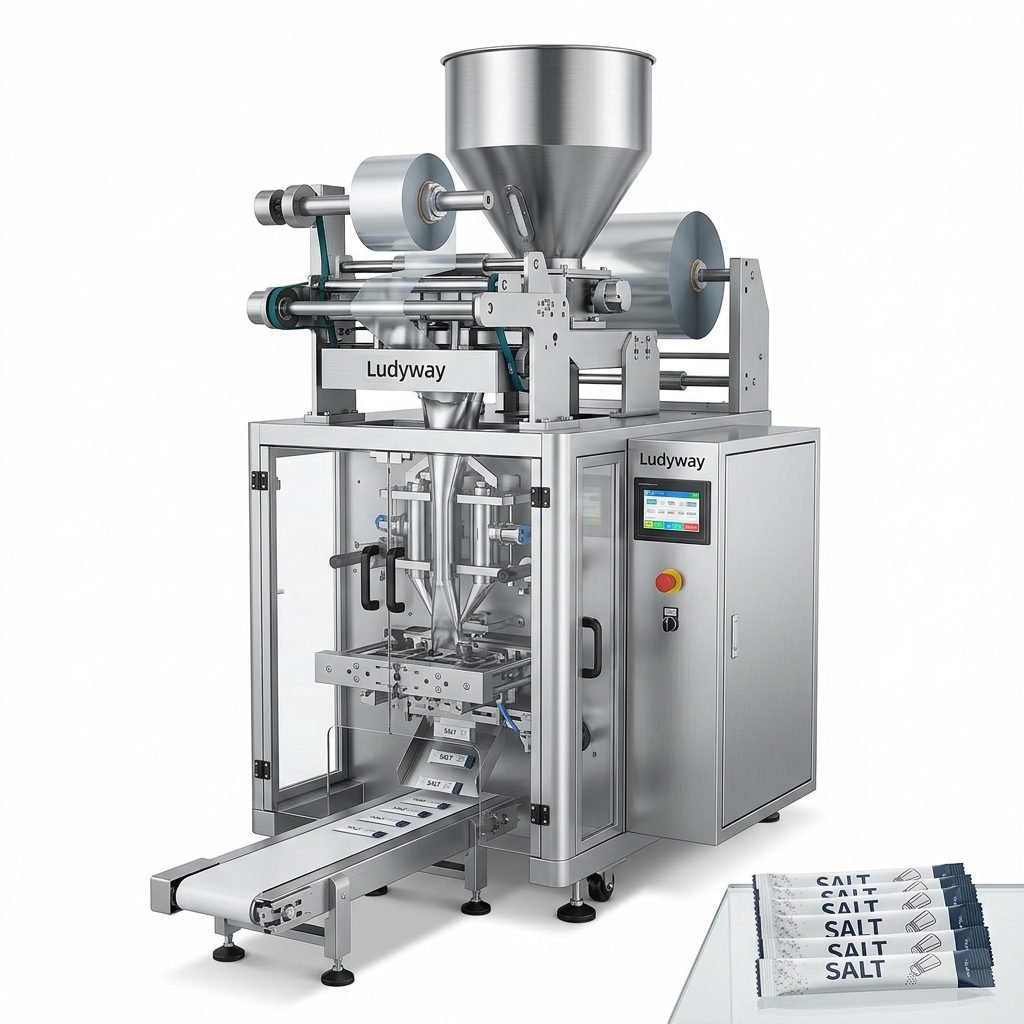
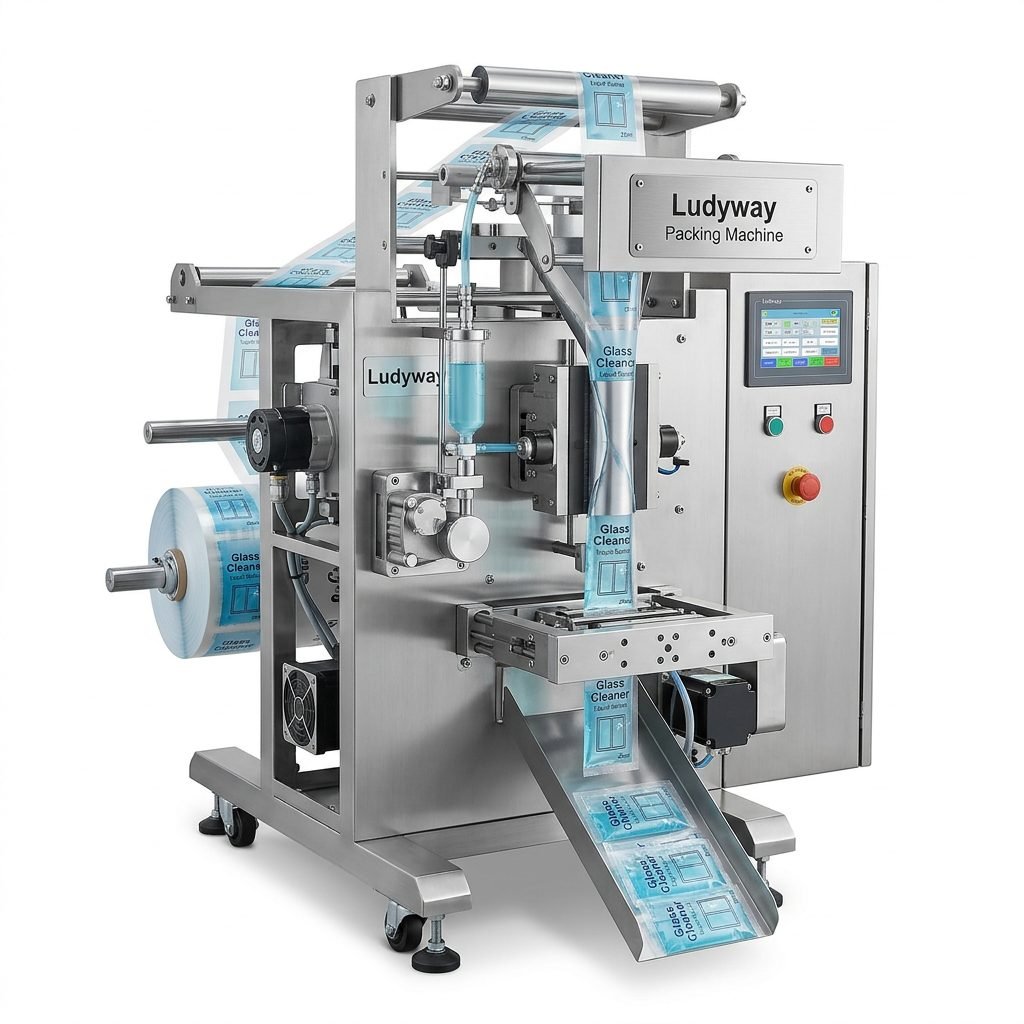
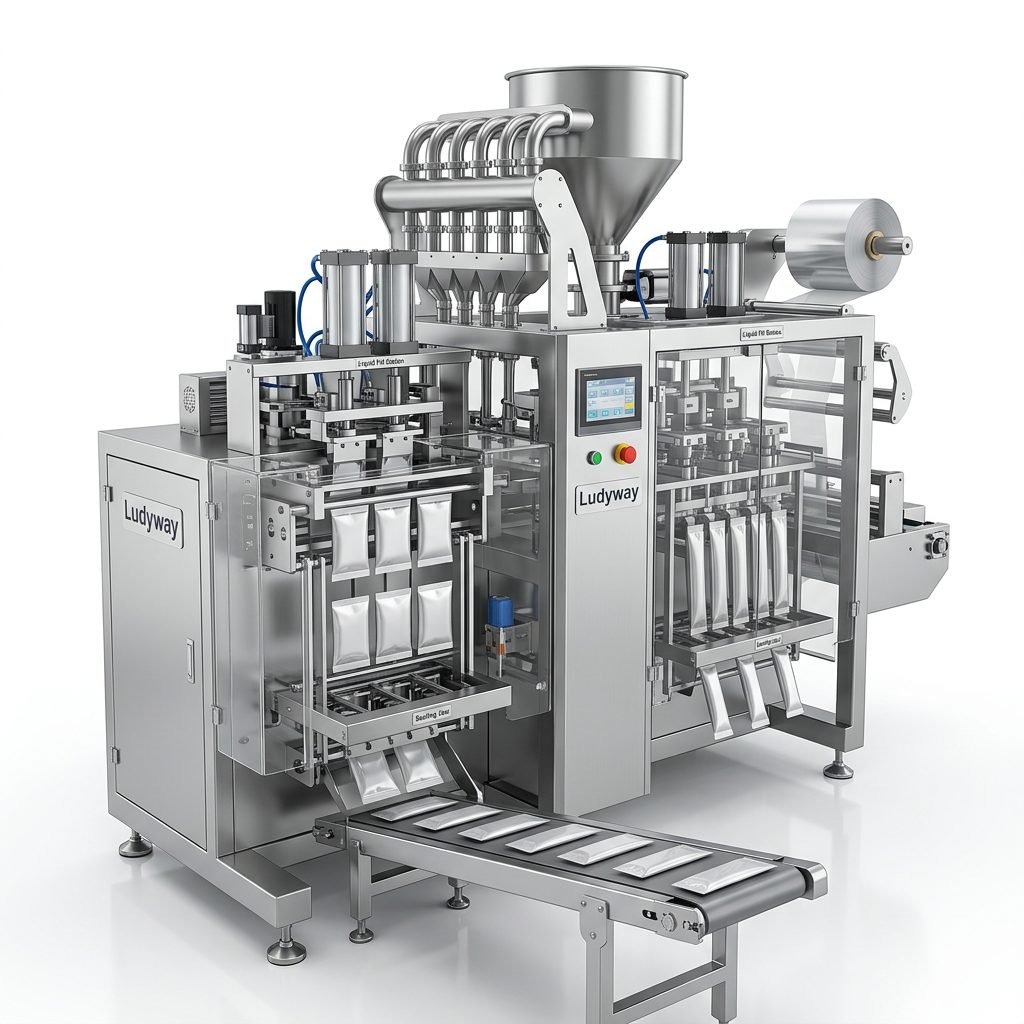
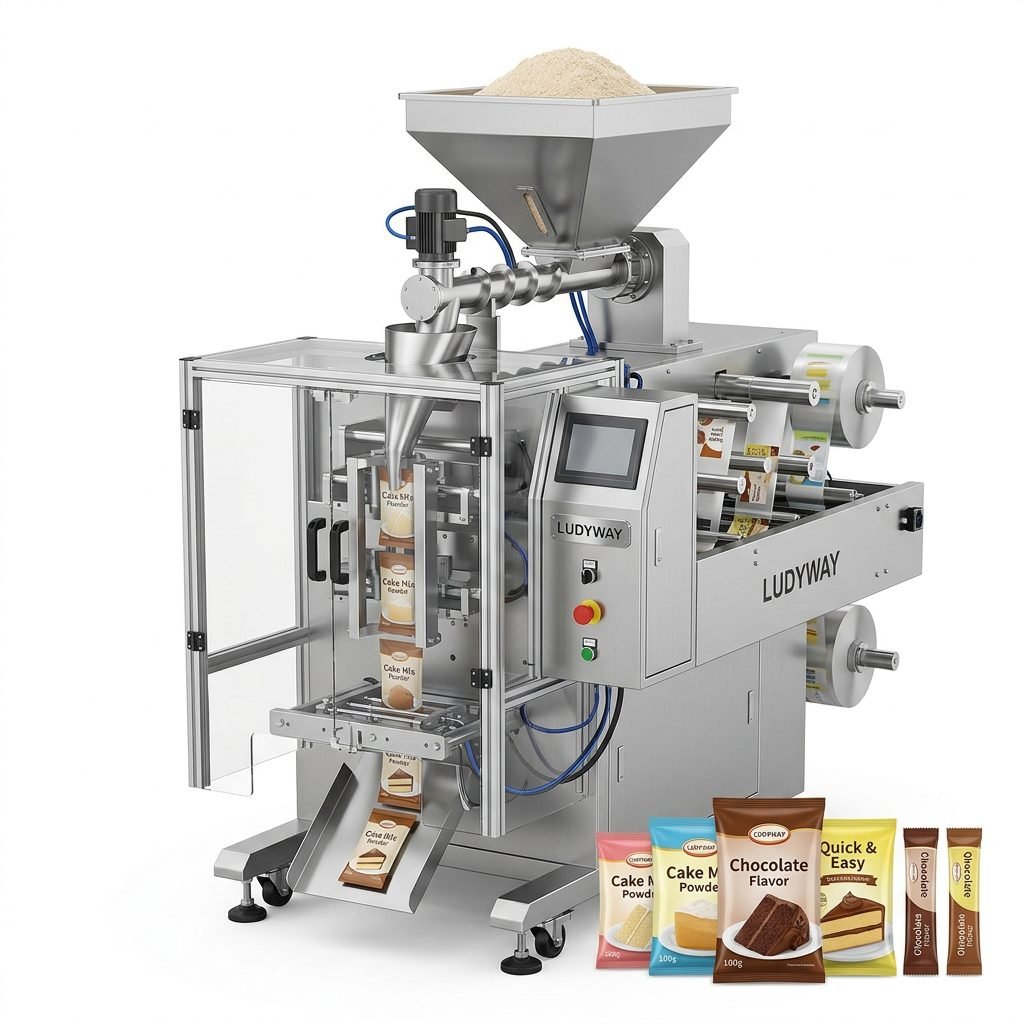
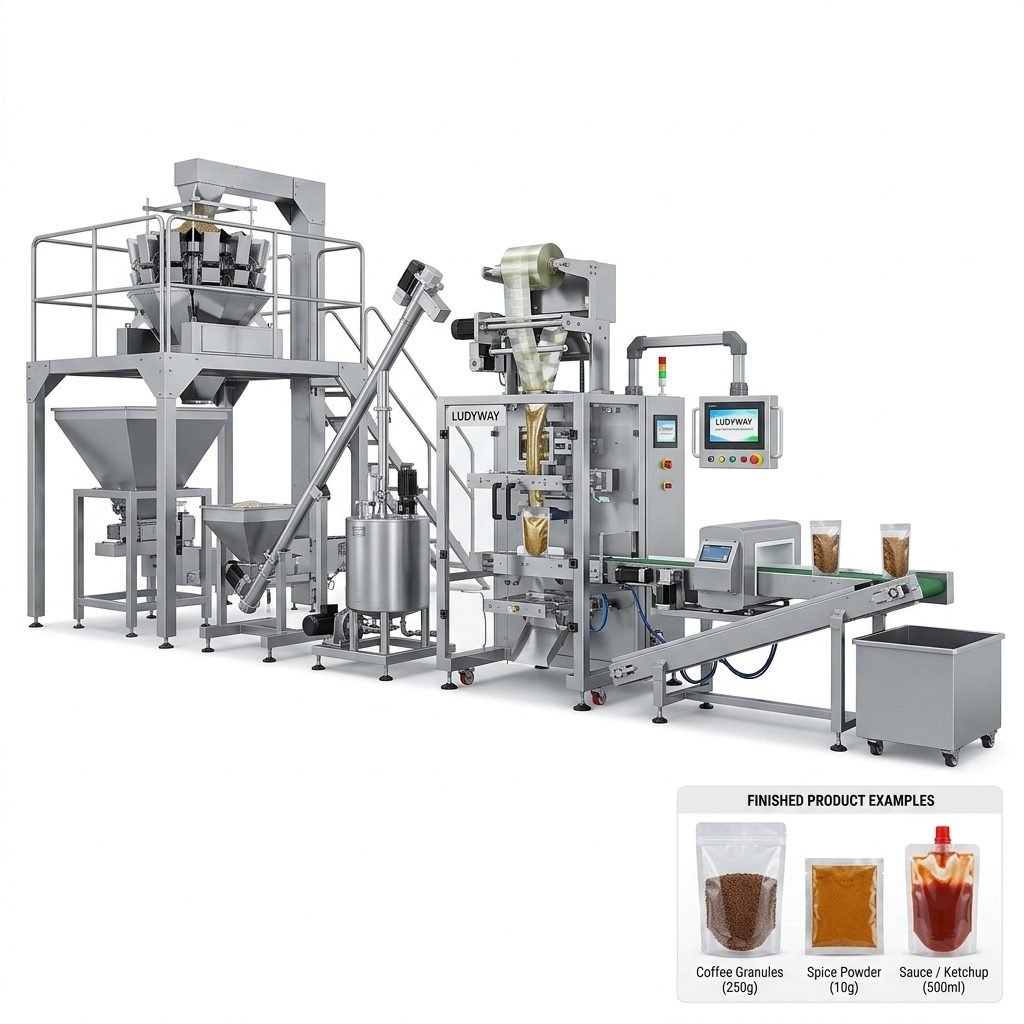
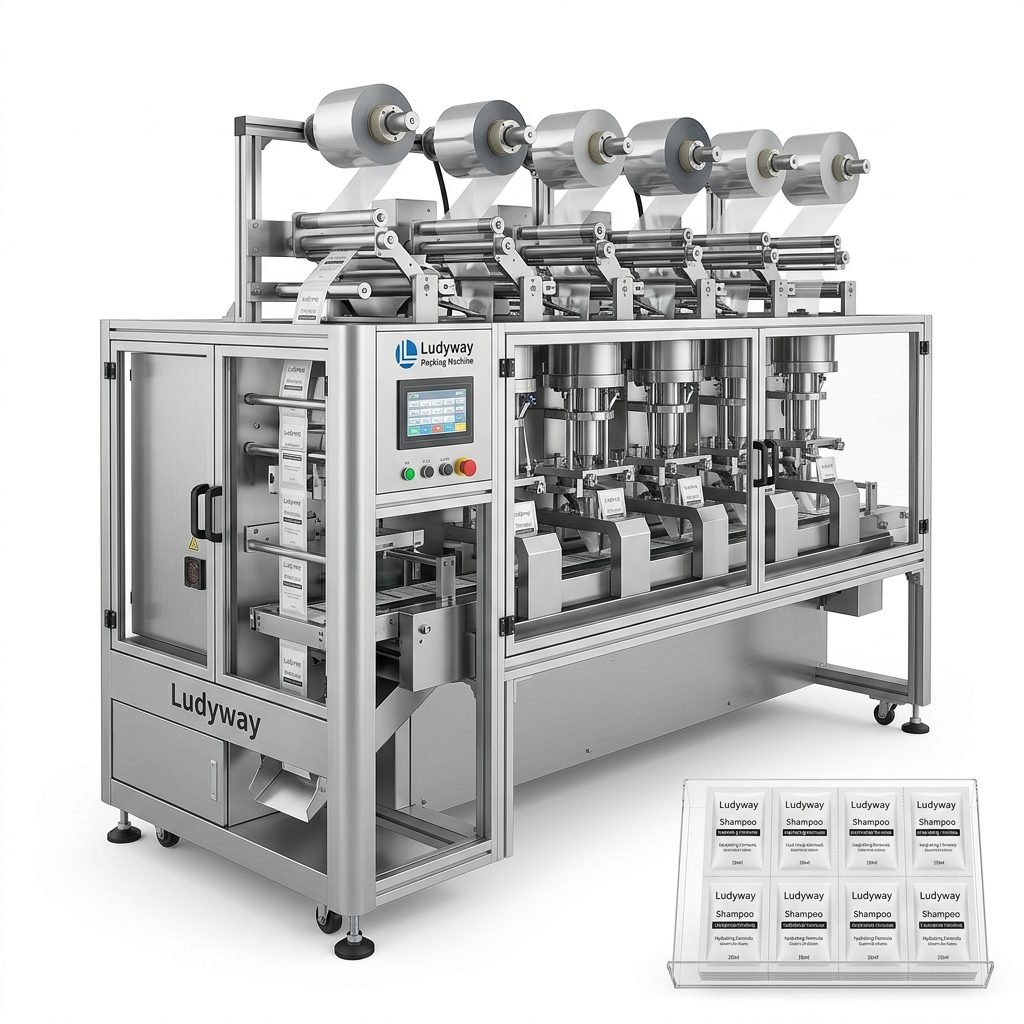
For businesses looking to scale, partnering with a professional supplier like Ludyway Packing Machine can provide access to more robust, automated solutions tailored to production needs.
Making Your Final Decision: A Checklist
- Define Your Primary Use: Is it for dry goods, liquids, delicate items, or a mix?
- Set a Realistic Budget: Include the ongoing cost of bags and accessories.
- Measure Your Space: Ensure you have adequate counter or storage space for the machine.
- Read User Reviews: Pay special attention to comments about durability, seal quality, and customer service.
- Consider Future Needs: Will your usage grow? Investing in a slightly more capable machine now may save you from upgrading later.
Frequently Asked Questions (FAQs)
1. Can I use any plastic bag with a vacuum sealer?
No. You must use bags specifically designed for vacuum sealing. They are made from thicker, multi-layered plastics (like nylon and polyethylene) that can create an airtight seal and withstand the pressure. Using regular bags will not seal properly and is unsafe for food storage.
2. How much longer does vacuum-sealed food last?
It depends on the food and whether it’s refrigerated or frozen. In the freezer, vacuum-sealed meat can last 2-3 years compared to 6-12 months with conventional wrapping, with no freezer burn. In the refrigerator, the shelf life of many foods (like cheese, cooked meats, vegetables) can be extended by 3-5 times.
3. Is it worth buying a chamber vacuum sealer for home use?
For the vast majority of home users, an external sealer is sufficient and more cost-effective. A chamber sealer is worth considering if you are a serious culinary enthusiast, frequently cook sous vide, preserve large quantities of garden produce with liquids, or run a very small home-based food business where superior packaging is a selling point.
4. How do I prevent sharp items from puncturing the bag?
Use a puncture-resistant bag (often called a “bone-in” bag), which has an extra layer of material. Alternatively, you can wrap the sharp point with a soft material like a paper towel or use a pulse sealing function to create a gentler vacuum that doesn’t force the item against the bag as aggressively.
5. Where can I find reliable commercial-grade machines for a small business?
It’s important to source equipment from reputable suppliers with proven industry experience. Companies that specialize in packaging solutions, such as Ludyway Packing Machine, offer a range of intelligent packaging systems suitable for small-scale production, backed by technical support and reliable service. Always look for suppliers with a strong track record in providing turnkey production solutions.