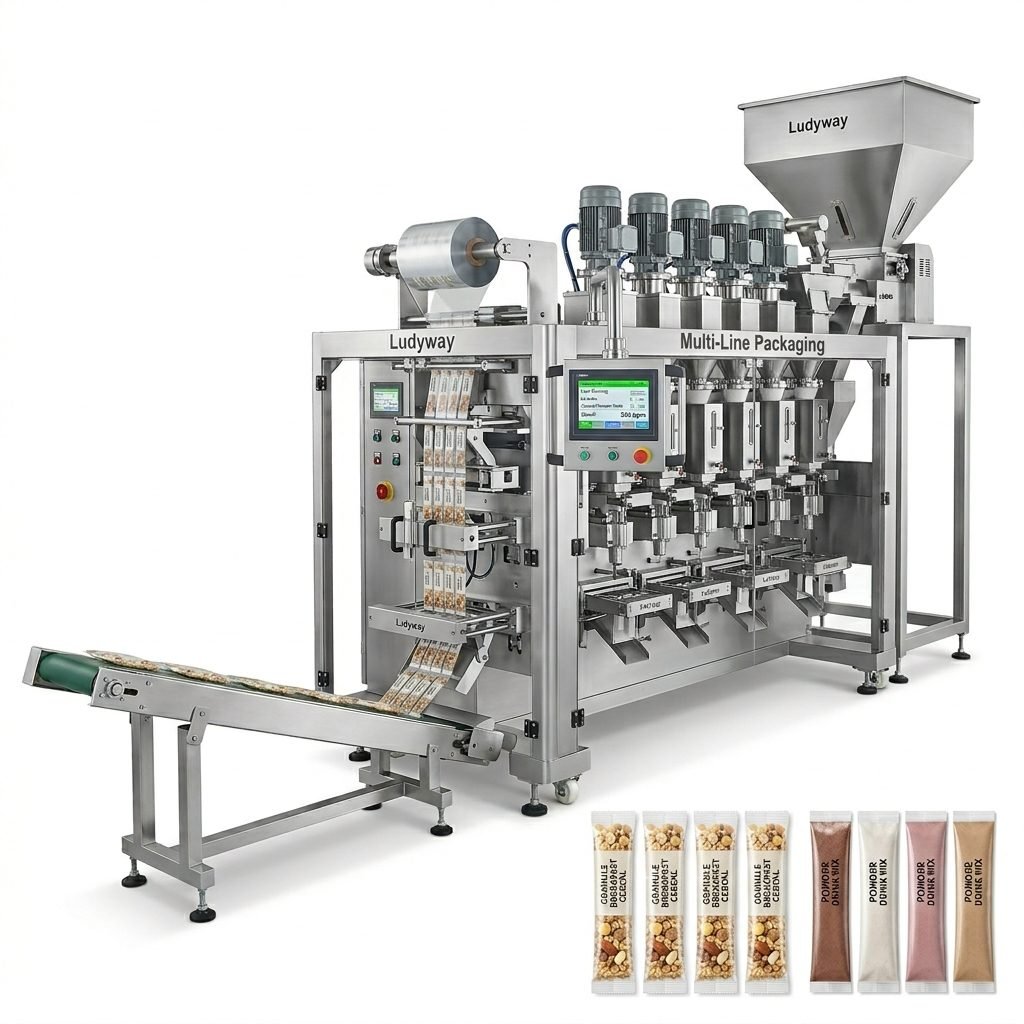
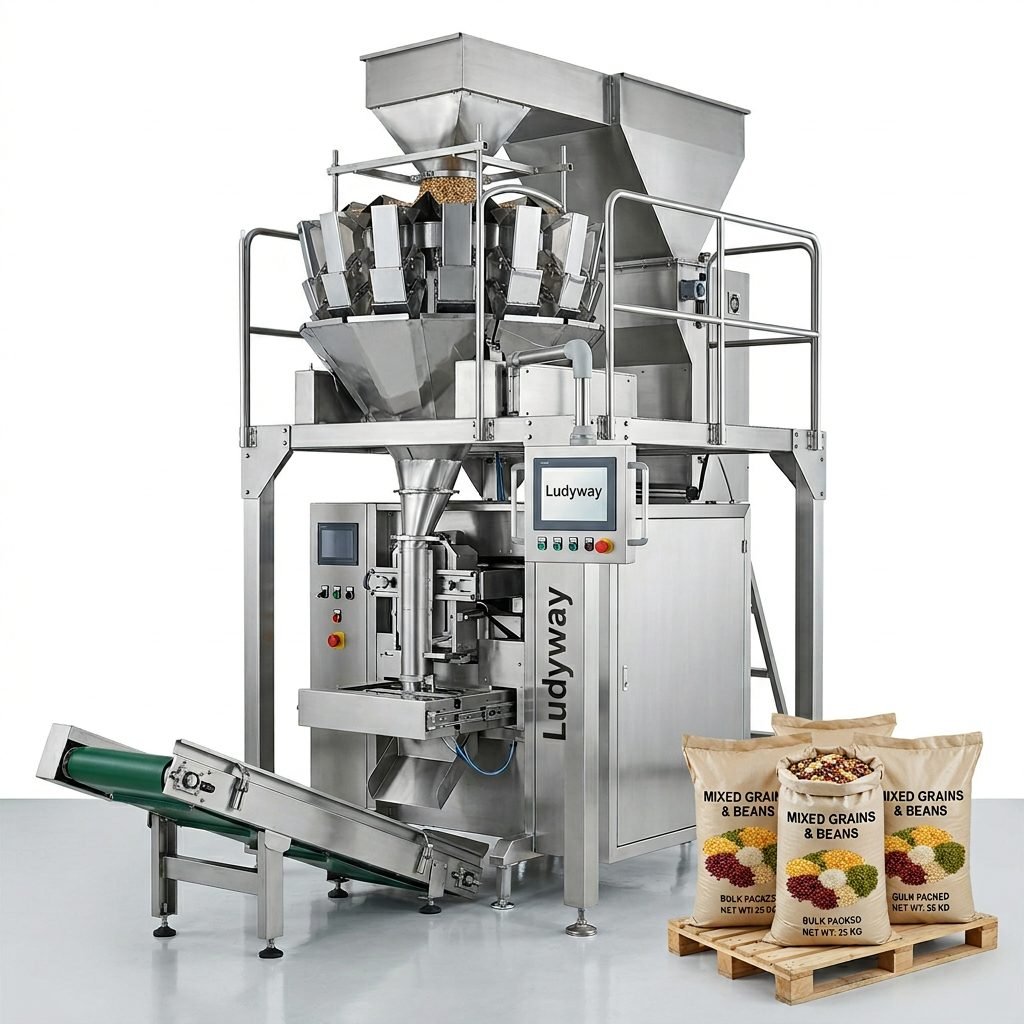
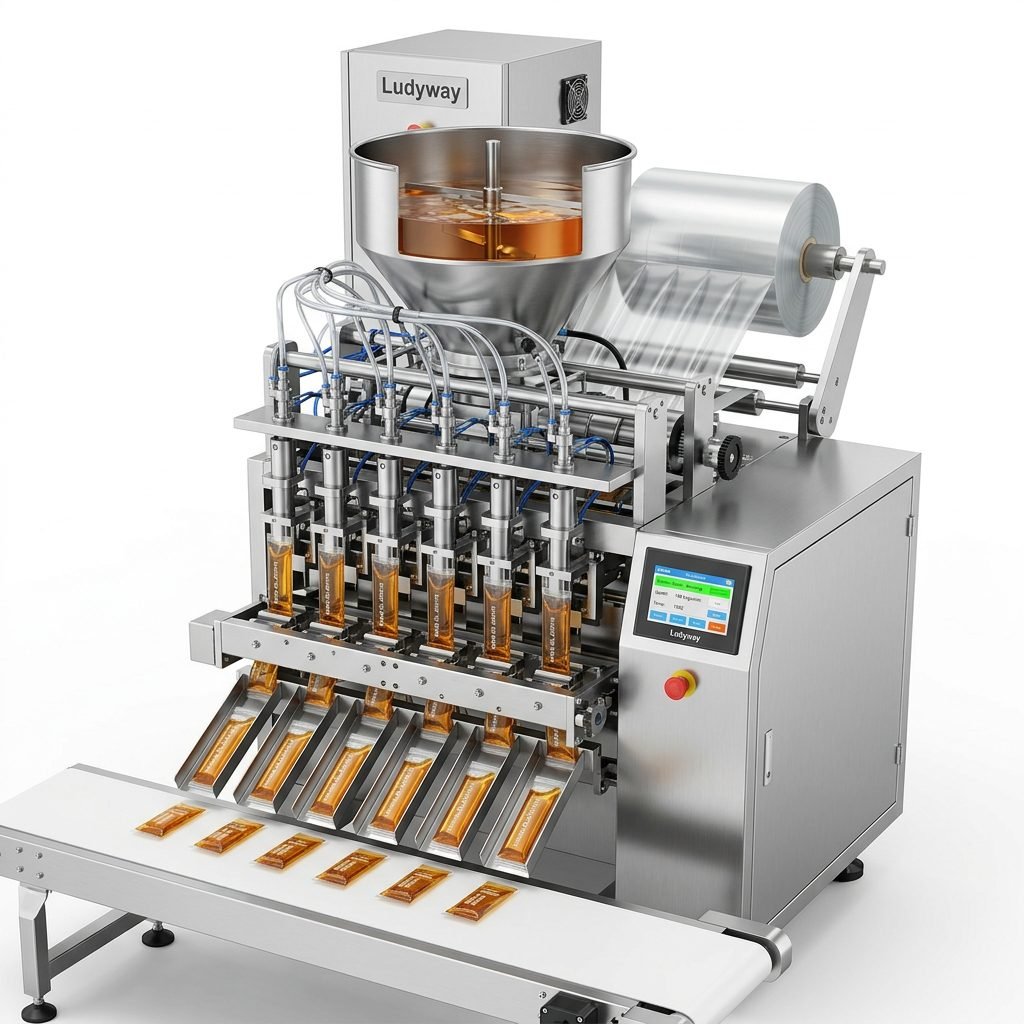
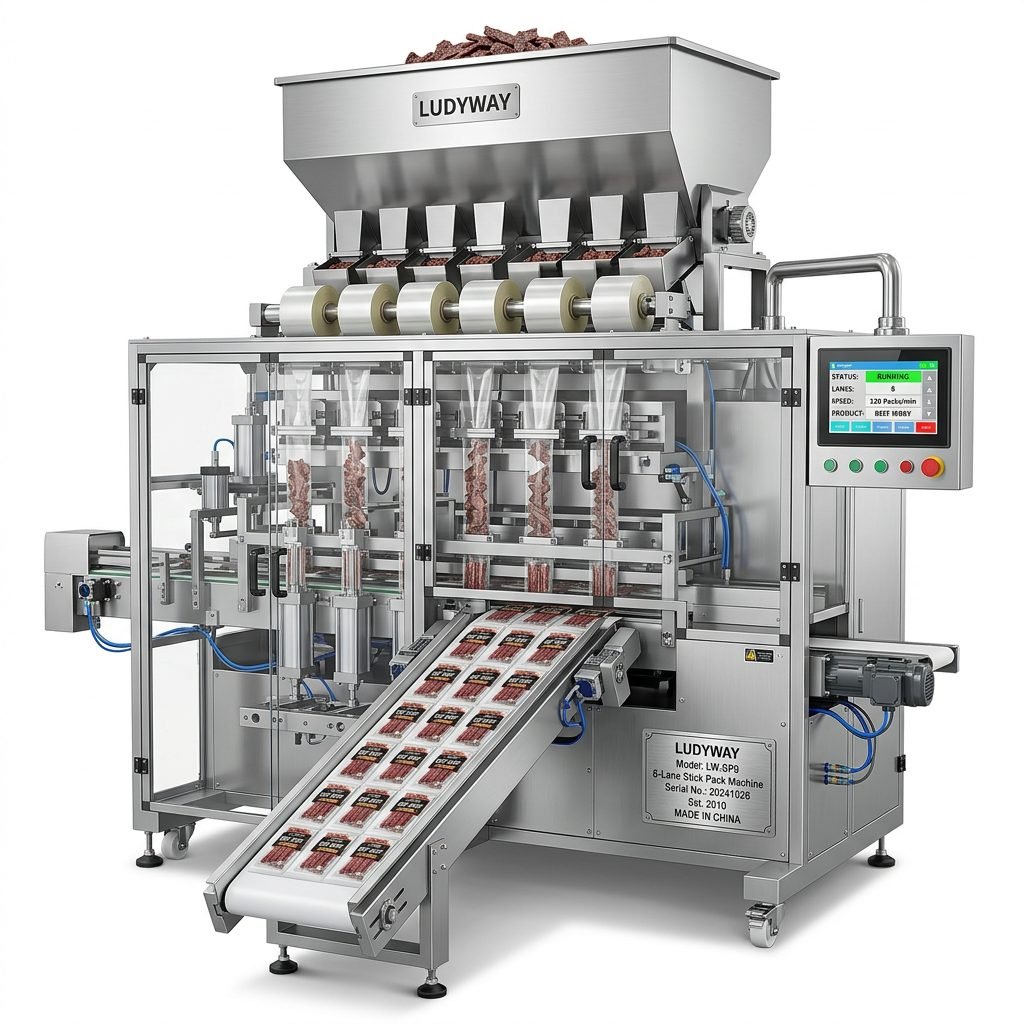
Selecting the right chicken packaging machine is a critical decision for poultry processors, meat packers, and food manufacturers. The right equipment directly impacts product shelf life, presentation, operational efficiency, and overall profitability. This comprehensive guide will walk you through the different types of chicken packaging machines available, provide essential buying tips, and outline a clear process for choosing the best solution for your specific production needs.
Understanding the Different Types of Chicken Packaging Machines
The poultry packaging landscape offers a variety of machine types, each designed for specific formats, volumes, and product types. Understanding these categories is the first step toward making an informed purchase.
1. Vacuum Packaging Machines
These machines remove air from the package before sealing, significantly extending shelf life by inhibiting the growth of aerobic bacteria and preventing freezer burn. They are ideal for raw chicken parts, whole birds, and value-added products.
Key Benefit: Maximizes product freshness and shelf life, which is crucial for distribution and retail.
2. Modified Atmosphere Packaging (MAP) Machines
MAP machines replace the air inside the package with a protective gas mixture (usually a combination of nitrogen, carbon dioxide, and oxygen). This technique preserves the fresh, natural color of the chicken while extending shelf life even further than vacuum packaging alone.
Common Applications: Fresh chicken trays found in supermarket chillers, pre-marinated products, and ready-to-cook meals.
3. Skin Packaging Machines
This method involves placing the chicken product on a pre-formed tray or board and then draping a heated film over it. The film “skins” to the contours of the product and adheres to the tray, creating a tight, second-skin package that reduces purge (liquid loss) and offers excellent product visibility.
4. Flow Wrapping Machines
Also known as horizontal form-fill-seal machines, these are used for wrapping individual or grouped items like chicken sausages, burgers, or nuggets. A continuous roll of film forms a tube around the product, which is then sealed at both ends.
Ideal For: High-speed packaging of portion-controlled, frozen, or processed chicken products. They offer great flexibility in package size.
5. Tray Sealing Machines
These machines are used to apply a lidding film over pre-filled trays or bowls containing chicken products. They can be paired with MAP technology for a complete fresh-keeping solution. Operation can be manual, semi-automatic, or fully automatic.
Essential Buying Tips for Your Chicken Packaging Machine
Investing in packaging machinery is a significant decision. Keep these critical factors in mind to ensure you select equipment that delivers a strong return on investment.
Assess Your Production Volume and Speed Requirements
Clearly define your current and projected output. Machines are rated by packages-per-minute (PPM) or cycles-per-hour. Buying an underpowered machine creates a bottleneck, while an oversized one leads to unnecessary capital expenditure and higher operating costs.
Define Your Package Type and Size Range
What is your primary package format? Trays, pouches, vacuum bags, or flow wraps? Also, consider the size flexibility you need. If you package anything from chicken wings to whole birds, you’ll need a machine with a wide sealing jaw range and easy changeover capabilities.
Consider the Product State and Hygiene
Are you packaging fresh, frozen, cooked, or marinated chicken? The machine’s construction materials (e.g., food-grade stainless steel), sealing system, and cleanability are paramount. Look for designs with smooth surfaces, minimal crevices, and easy access for cleaning and maintenance to meet strict food safety standards.
Evaluate Automation Level and Labor Needs
From manual loading to fully automated lines with robotic loading and case packing, the automation level drastically affects labor costs and consistency. Analyze your labor availability and long-term strategy when choosing between semi-automatic and fully automatic models.
Pro Tip: Don’t forget downstream equipment. Ensure your new machine integrates well with your existing checkweighers, labelers, or case packers, or plan for these additions. A reliable packaging partner can help design a cohesive line.
Prioritize Reliability and After-Sales Support
Downtime is costly. Research the manufacturer’s reputation for build quality and machine durability. Crucially, investigate the availability of technical support, spare parts, and service. A machine with excellent local or responsive remote support is often a better choice than a slightly cheaper option with poor support.
How to Choose the Best Packaging Solution: A Step-by-Step Guide
Follow this structured process to navigate from concept to the perfect machine for your chicken packaging line.
Step 1: Conduct a Thorough Needs Analysis
Document everything: product types, sizes, desired package format, daily output, available floor space, utilities (air, power), and your budget. This document will be your guide and ensure all vendors are quoting on the same requirements.
Step 2: Research and Shortlist Reputable Suppliers
Look for manufacturers or suppliers with proven experience in the meat and poultry industry. Review case studies, ask for customer references, and verify their compliance with relevant food safety and machinery directives. A company like Ludyway Machinery, with deep industry expertise, can provide valuable insights.
Step 3: Request Detailed Proposals and Demos
Provide your needs analysis to shortlisted suppliers. Request a detailed proposal including machine specifications, layout drawings, price, delivery, and warranty terms. Whenever possible, arrange a live demonstration using a product sample similar to your chicken items to see the machine in action.
Step 4: Analyze Total Cost of Ownership (TCO)
Look beyond the initial purchase price. Calculate the TCO by factoring in estimated energy consumption, maintenance costs, spare parts pricing, required consumables (film, gas), and potential labor savings. The most affordable machine upfront may have the highest operating cost.
Step 5: Finalize and Plan for Implementation
Once you’ve selected your partner, work closely with them on installation planning, operator training, and scheduling. A good supplier will assist with the transition to ensure a smooth startup. Ensure you understand the full scope of their service and support for the years to come.
Frequently Asked Questions (FAQs)
What is the main difference between vacuum packaging and MAP for chicken?
Vacuum packaging removes all air, creating a tight shrink around the product, ideal for freezing and maximizing shelf life. MAP replaces air with a gas mix, better preserving the fresh red color of meat for retail display while also extending shelf life. The choice depends on your product’s market and distribution chain.
How do I determine the right packaging speed for my business?
Calculate your average daily production in pounds/kilos, then convert that into the number of packages you need per shift. Add a 20-30% buffer for future growth. Choose a machine that meets this target speed reliably, not just at its maximum theoretical rate.
What are the most important hygiene features to look for?
Prioritize machines constructed with 304 or 316 food-grade stainless steel in product contact zones. Look for IP-rated electrical components for washdown environments, sealed frames, and designs that prevent harborage points. Easy, tool-free disassembly for cleaning is a major advantage.
Can one machine handle different chicken products, like wings and whole birds?
Yes, but with limitations. Many vacuum and tray sealers offer adjustable sealing jaws and programmable settings for different package sizes. However, changeover takes time and may require parts like different tray molds or sealing dies. Discuss your product mix in detail with the supplier to find a machine with the right flexibility.
Why is after-sales support so critical for packaging machinery?
Packaging machines are complex and subject to wear. Immediate access to technical advice, genuine spare parts, and qualified service technicians minimizes costly production downtime. A strong support partnership ensures your machine maintains its performance and longevity over a decade or more of operation.