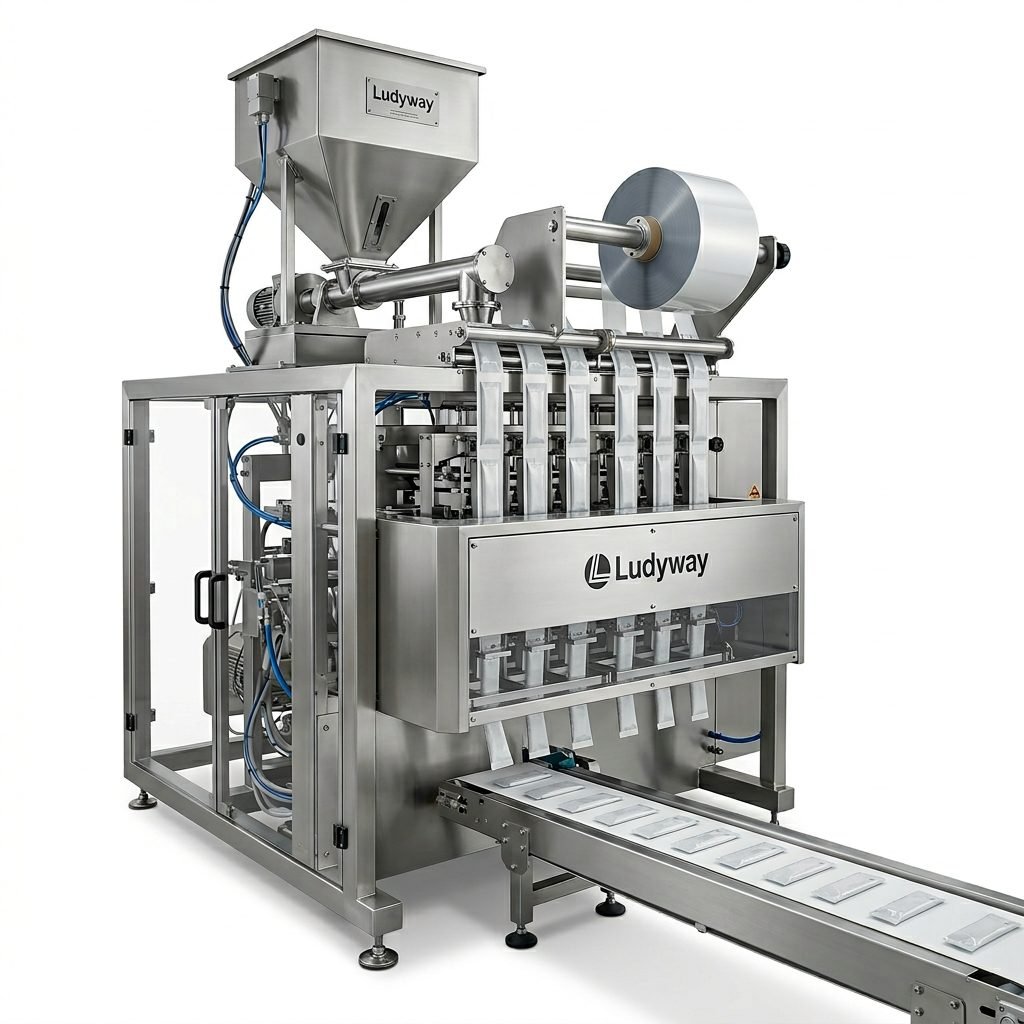
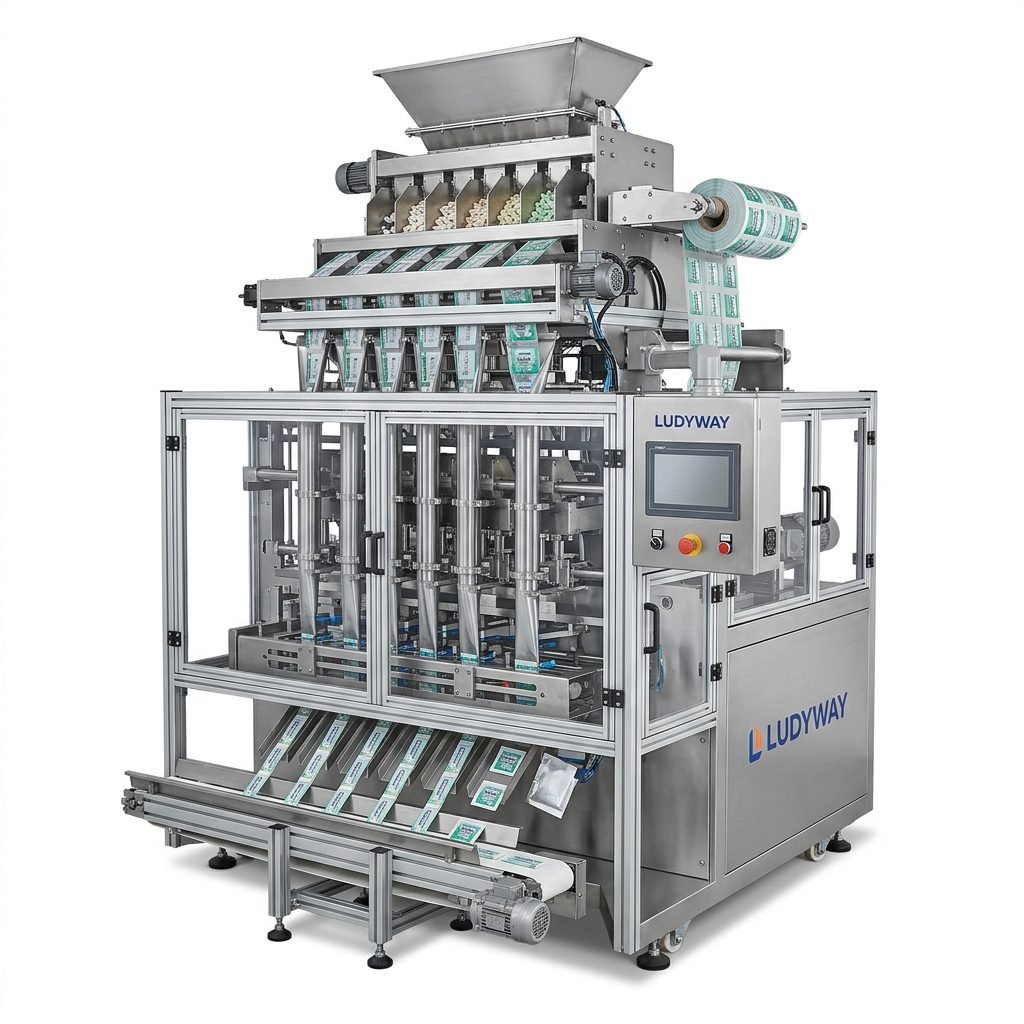
Selecting the right automatic packaging machine manufacturer is a critical decision that impacts production efficiency, product quality, and long-term operational costs. The global market offers a vast array of suppliers, each with varying levels of expertise, technology, and service support. This guide provides a comprehensive overview of top-tier manufacturers and outlines a strategic framework to help you choose the ideal supplier for your specific packaging needs.
Key Attributes of Leading Automatic Packaging Machine Manufacturers
Top manufacturers distinguish themselves through a combination of innovation, reliability, and comprehensive customer support. They invest heavily in research and development to integrate the latest technologies, such as servo-driven systems, advanced PLC controls, and IoT connectivity for predictive maintenance. Their machines are built for durability and precision, ensuring consistent performance in high-volume production environments. Furthermore, industry leaders offer extensive after-sales services, including installation, training, and readily available spare parts, forming true partnerships with their clients.
Core Differentiators of Top Suppliers
→ Engineering Expertise: Deep application knowledge across diverse industries like food, pharmaceuticals, and chemicals.
→ Customization Capability: Ability to tailor machine design and functionality to unique product formats and production line layouts.
→ Global Compliance: Machines designed to meet international safety and quality standards (e.g., CE, FDA, GMP).
Evaluating Manufacturer Specializations
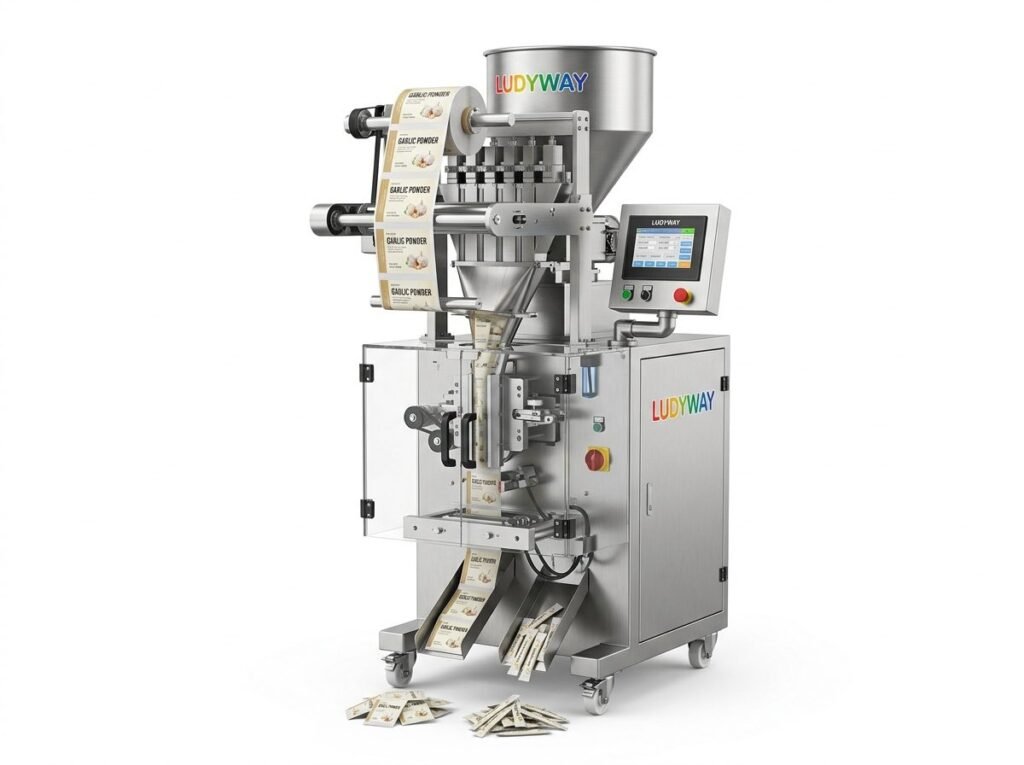
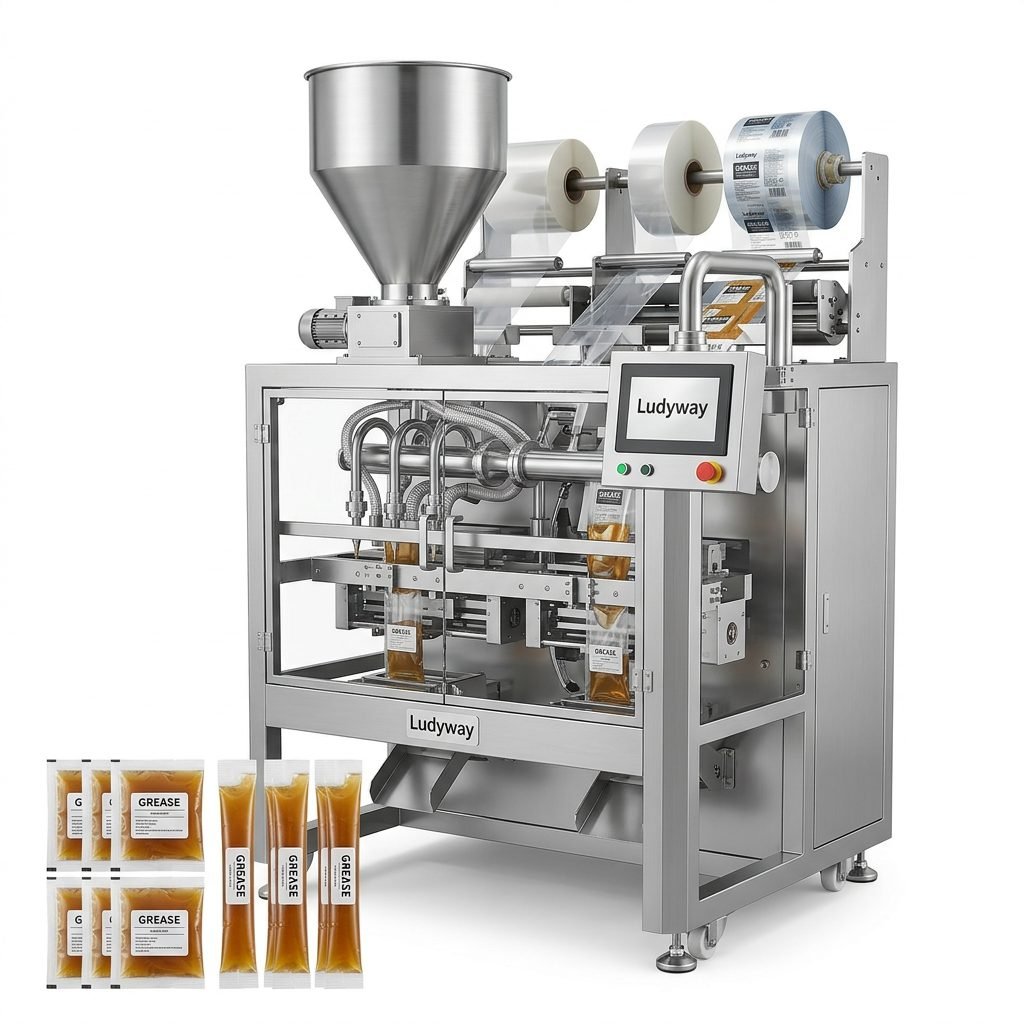
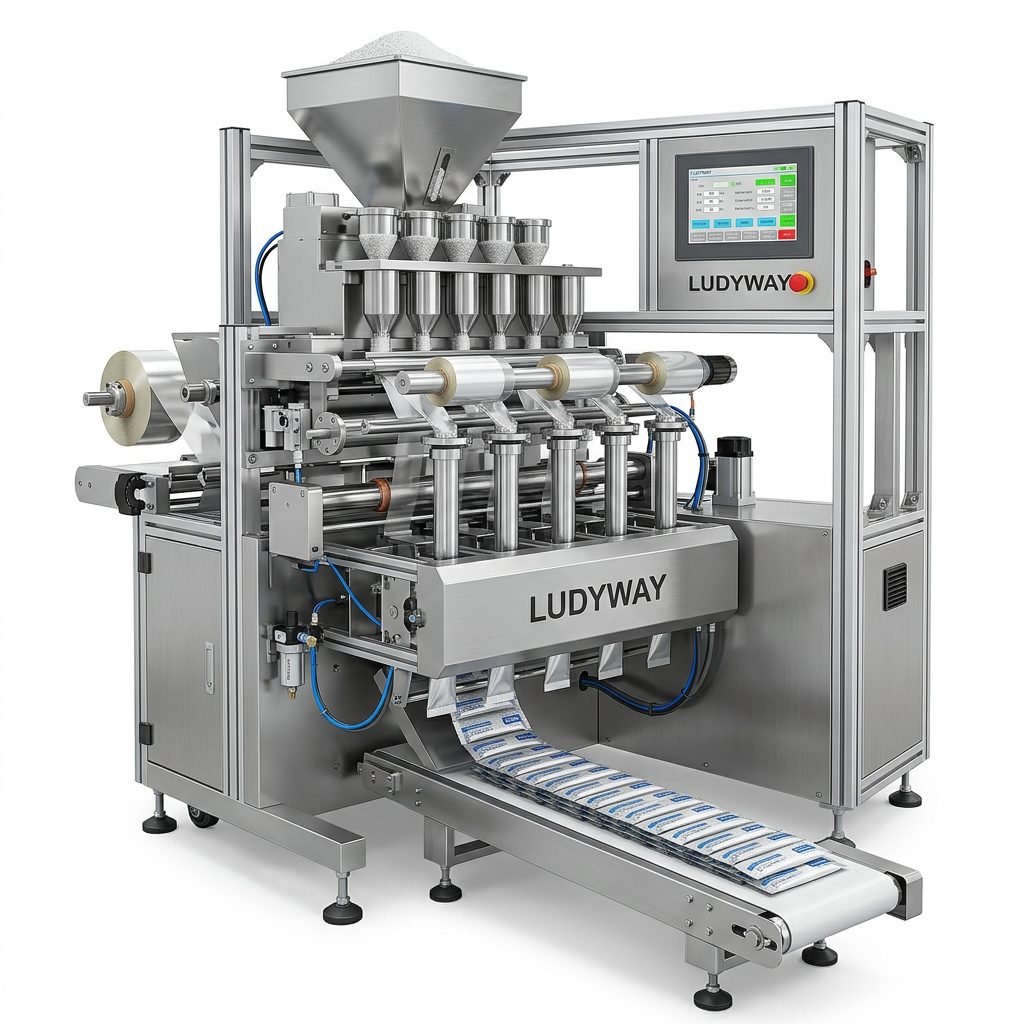
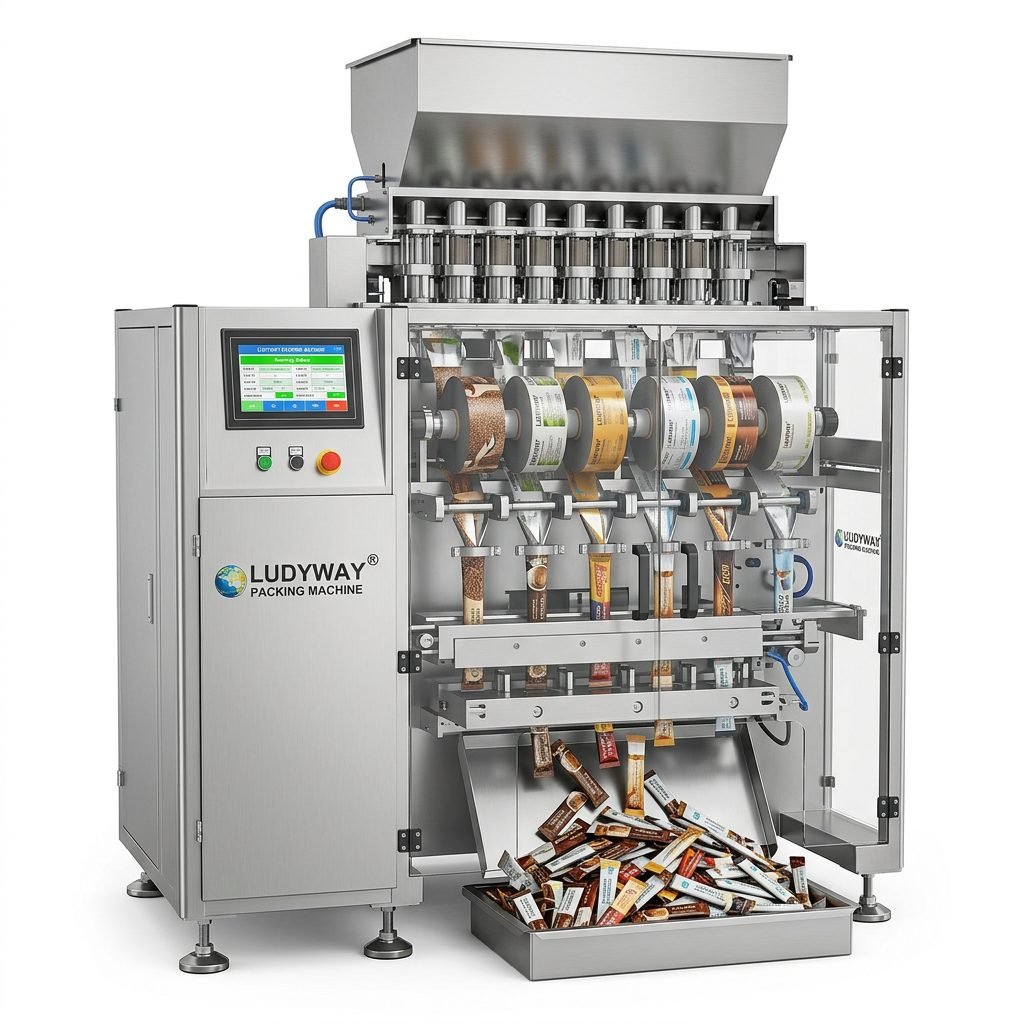
Not all manufacturers excel in every packaging format. Some specialize in high-speed sachet packaging for liquids or powders, while others focus on precision stick pack machines for granular products. Leading companies, such as Ludyway Machinery, often provide a broad portfolio encompassing multiple technologies. Assessing a supplier’s proven track record in your specific product category—be it coffee, spices, pharmaceuticals, or shampoo—is a fundamental first step in the vetting process.
A Strategic Framework for Choosing Your Supplier
Moving beyond basic specifications requires a structured evaluation. The following framework breaks down the decision into manageable, critical components.
Step 1: Define Your Technical and Operational Requirements
Clearly outline your needs: required speed (packages per minute), bag style (stand-up pouch, flat pouch, stick pack), film material compatibility, required accuracy (dosing precision), and desired level of automation (stand-alone vs. integrated line). This clarity becomes your benchmark for evaluating all potential suppliers.
Step 2: Assess Manufacturing Capability and Quality Control
Investigate the supplier’s production facility. A modern, organized plant is a strong indicator of quality. Inquire about their quality control processes for components and final assembly. For instance, a manufacturer with a 20,000㎡ facility and over 200 production equipment units typically has the scale and discipline to ensure product reliability. Request documentation and certifications related to their quality management system.
Step 3: Scrutinize After-Sales Support and Service Network
The relationship begins after the machine is installed. Prioritize suppliers with a robust global or regional service network. Key questions include: What is the average response time for technical support? Is remote diagnostics available? What is the warranty period and policy? Are spare parts kept in stock locally? A supplier’s commitment to long-term partnership is often reflected in their service structure.
The Value of Industry Experience
A manufacturer with decades of industry experience brings invaluable problem-solving insight. They have likely encountered and resolved the unique challenges associated with packaging sticky products, volatile chemicals, or sterile medical items. This accumulated knowledge translates into more reliable machine recommendations and fewer operational headaches for you. When reviewing a company’s history, look for sustained growth and adaptation to market changes, which signal resilience and customer-focused innovation.
Step 4: Analyze Total Cost of Ownership (TCO)
Look beyond the initial purchase price. Calculate the Total Cost of Ownership, which includes energy consumption, maintenance costs, expected downtime, spare parts pricing, and potential costs for future upgrades. A slightly higher initial investment in a more efficient and robust machine from a reputable supplier like Ludyway Packaging Machinery often results in significantly lower TCO over a 5-10 year period.
Step 5: Request References and Case Studies
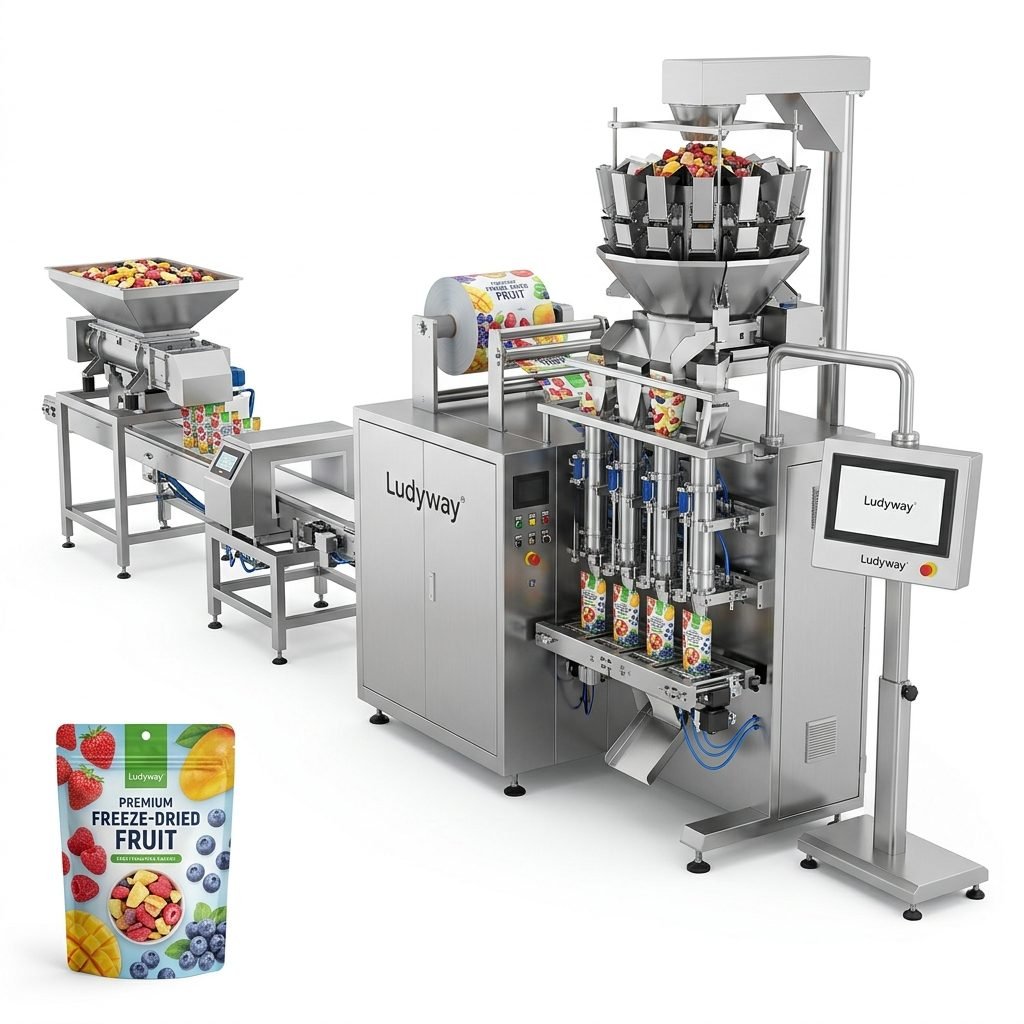
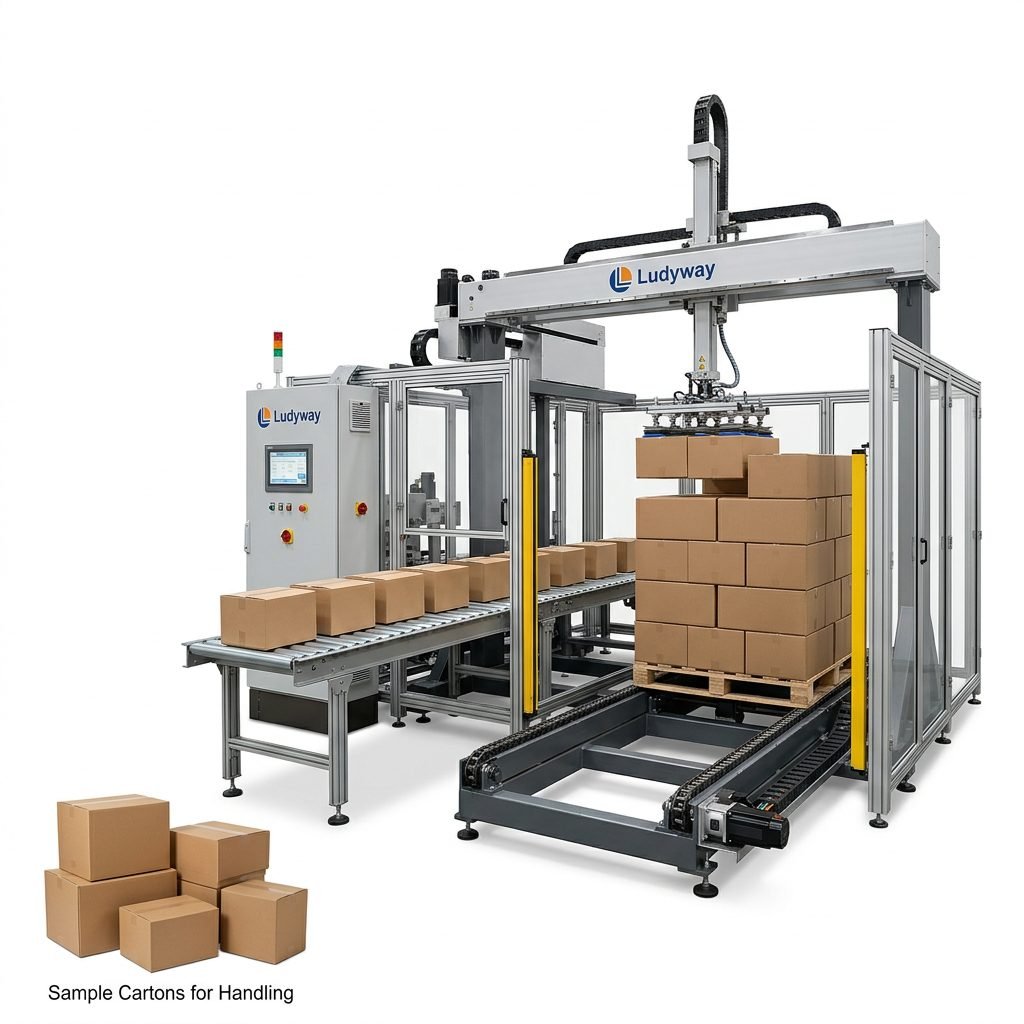
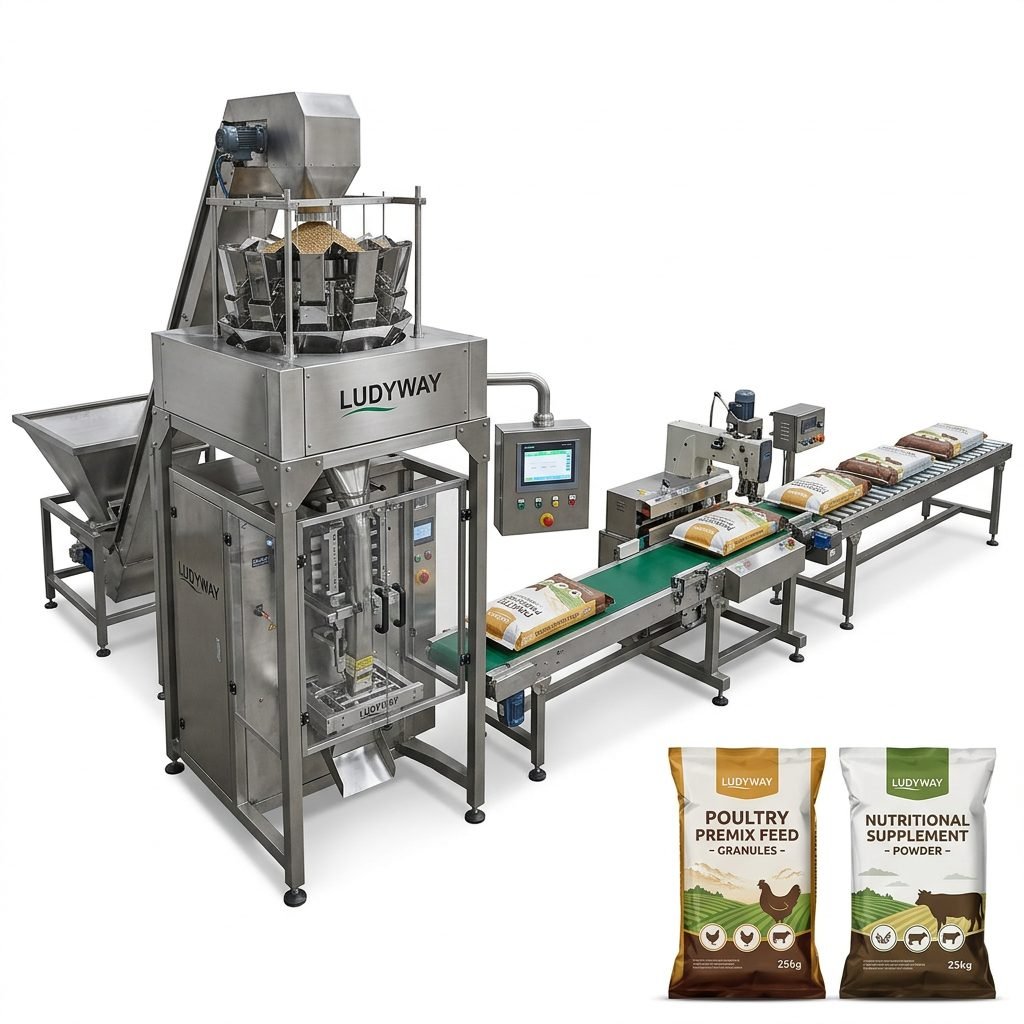
Ask for contact information for current clients who have similar applications. Speaking directly with these references provides unfiltered feedback on machine performance, durability, and the supplier’s service responsiveness. Additionally, review detailed case studies that demonstrate the supplier’s ability to execute complete turnkey production line solutions.
Implementing and Partnering for Success
Once a supplier is selected, successful implementation is key. Collaborate closely during the installation and commissioning phase. Ensure your operators receive thorough training. Establish clear communication channels for ongoing support. A top manufacturer will act as a true partner, offering insights on packaging material optimization and efficiency improvements long after the sale is complete. Exploring their range of packaging solutions can reveal opportunities for future line expansions or upgrades.
Conclusion: Building a Foundation for Growth
Choosing the right automatic packaging machine manufacturer is an investment in your company’s operational future. By prioritizing technical expertise, proven quality, comprehensive support, and transparent partnership, you secure more than just a machine—you gain a strategic asset that enhances productivity, ensures product integrity, and supports scalable growth. Diligent evaluation based on the framework above will lead you to a supplier capable of meeting today’s demands and adapting to tomorrow’s challenges.
Frequently Asked Questions (FAQs)
What is the most important factor when choosing a packaging machine supplier?
While technical specifications are crucial, the quality of after-sales service and technical support is often the most critical long-term factor. Machine downtime is expensive, and a responsive, knowledgeable support team is essential for minimizing production losses and ensuring a high return on investment.
How can I verify a manufacturer’s claims about machine speed and accuracy?
Always request a live product test or a detailed video demonstration using your actual product (or a close substitute) under agreed-upon conditions. Reputable manufacturers are transparent and encourage such tests to prove their machine’s capabilities and suitability for your application.
Is it better to buy a standard machine or a customized solution?
This depends entirely on your product and process. Standard machines are cost-effective for common applications. However, for unique product shapes, specialized materials, or complex line integration, a customized solution from a manufacturer with strong engineering capabilities will provide better efficiency, less waste, and greater reliability in the long run.
What should I look for in a supplier’s warranty?
Scrutinize the warranty’s coverage period, what components are included/excluded, and the terms of service. A comprehensive warranty covers parts and labor for a reasonable period (e.g., 12-24 months) and clearly defines the response protocol. Beware of warranties that are heavily conditional or require excessive maintenance fees.
How does a supplier’s industry experience benefit me?
A supplier with deep experience, such as over 30 years in the industry, brings pre-emptive problem-solving. They can advise on potential pitfalls with certain materials, recommend optimal machine configurations to avoid bottlenecks, and suggest efficiency improvements you may not have considered, ultimately de-risking your investment.