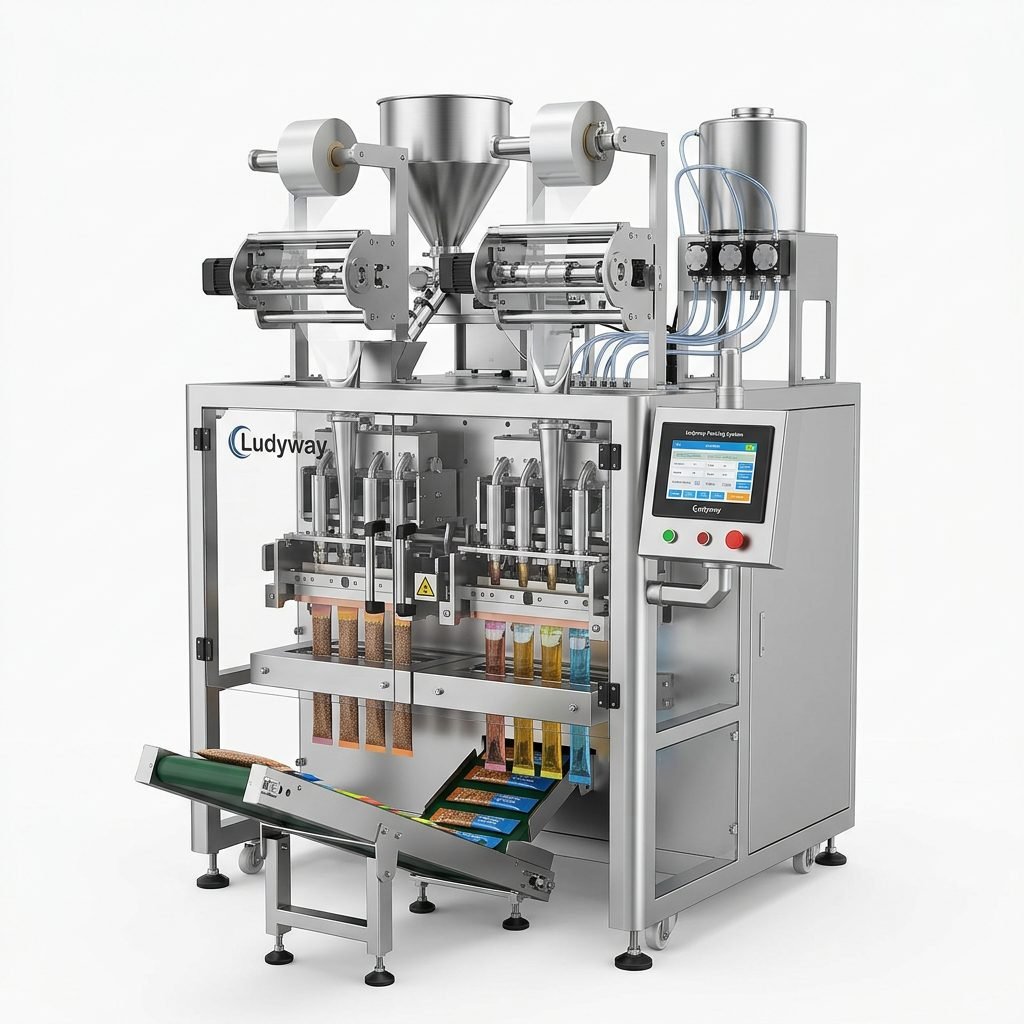
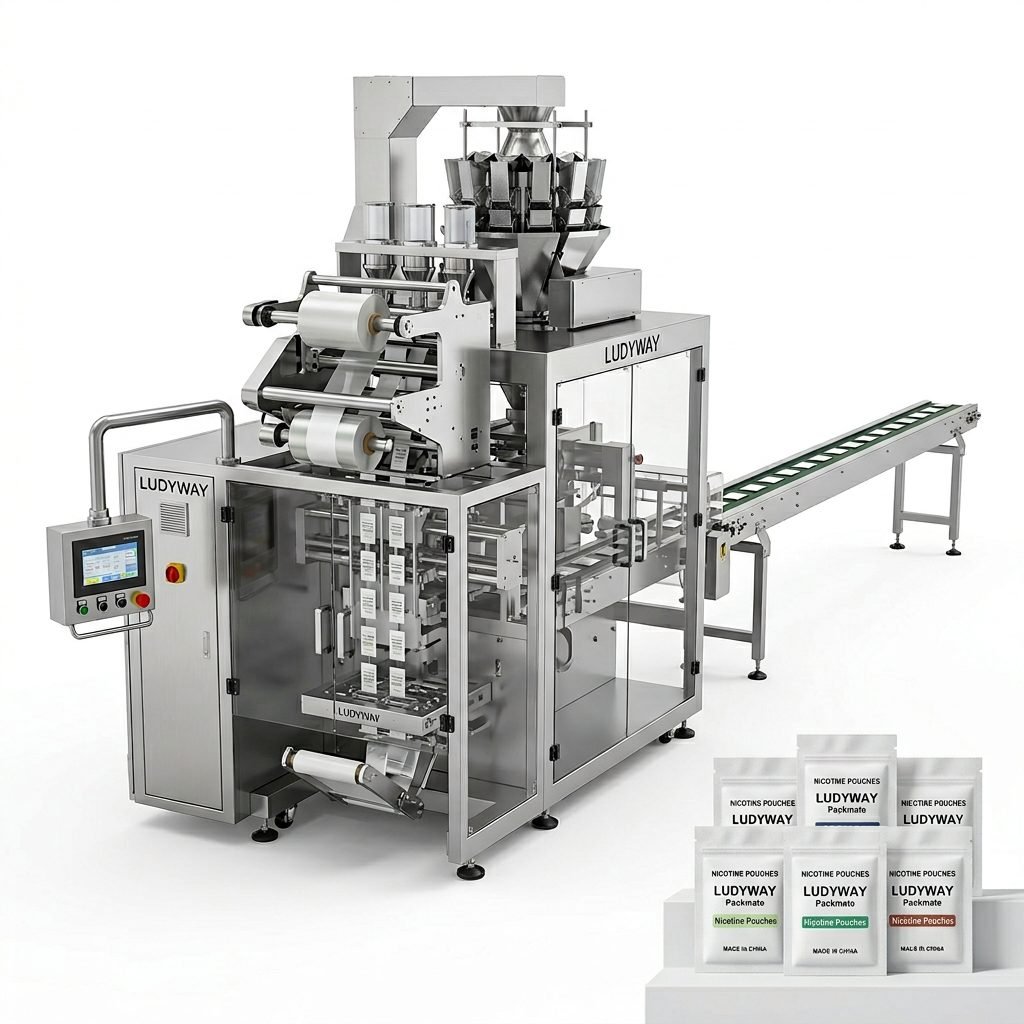
Choosing the right coffee powder packaging machine is a critical decision for any coffee business, from small-batch roasters to large-scale producers. The right equipment not only ensures product freshness and quality but also directly impacts operational efficiency, packaging appeal, and overall profitability. This comprehensive guide will walk you through the different types of coffee powder packaging machines, their key features, and a step-by-step framework to help you select the best one for your specific needs.
Understanding the Different Types of Coffee Powder Packaging Machines
The packaging machinery market offers a variety of solutions tailored to different production scales, packaging formats, and levels of automation. Understanding these types is the first step in making an informed choice.
Vertical Form-Fill-Seal (VFFS) Machines
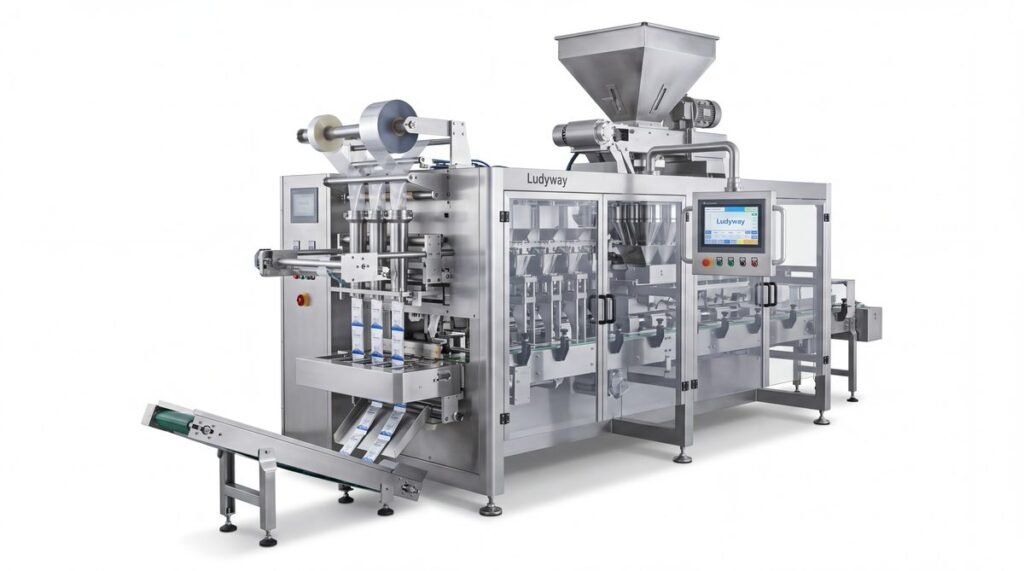
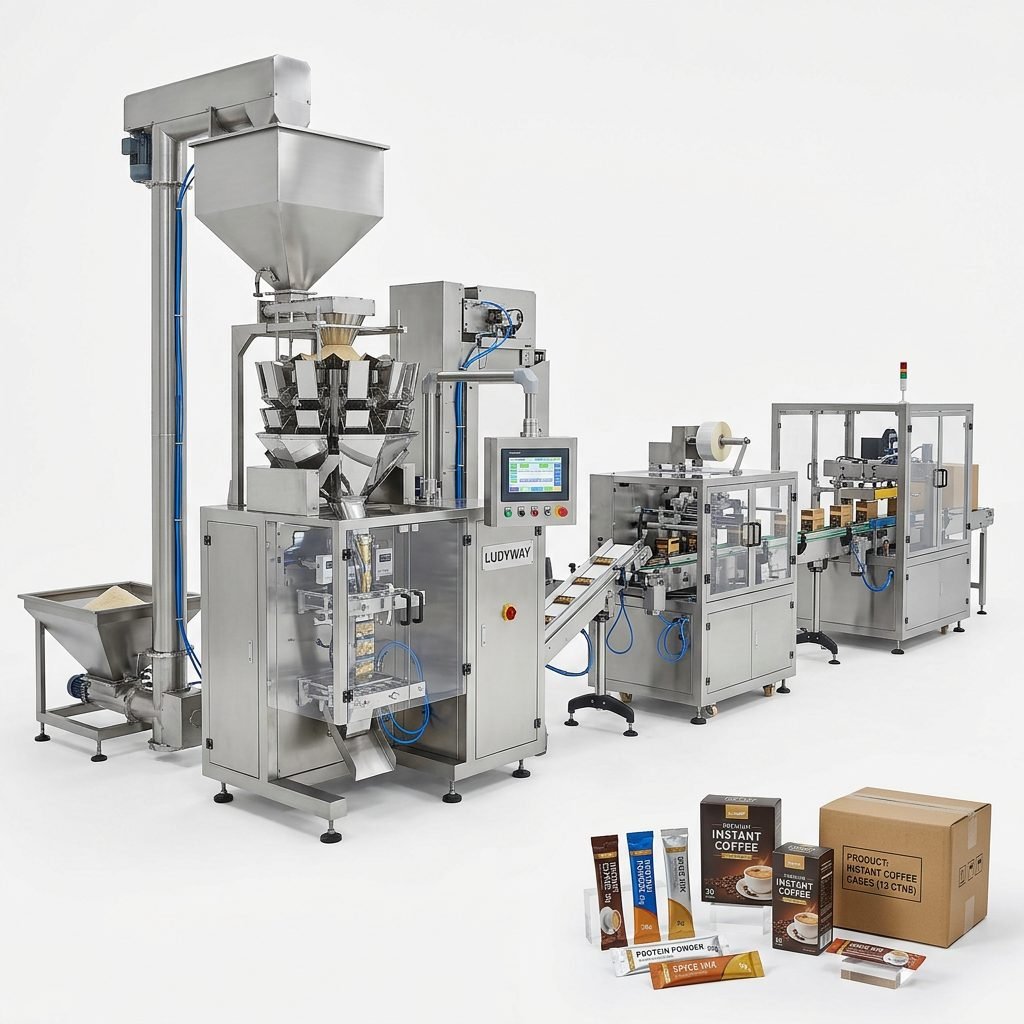
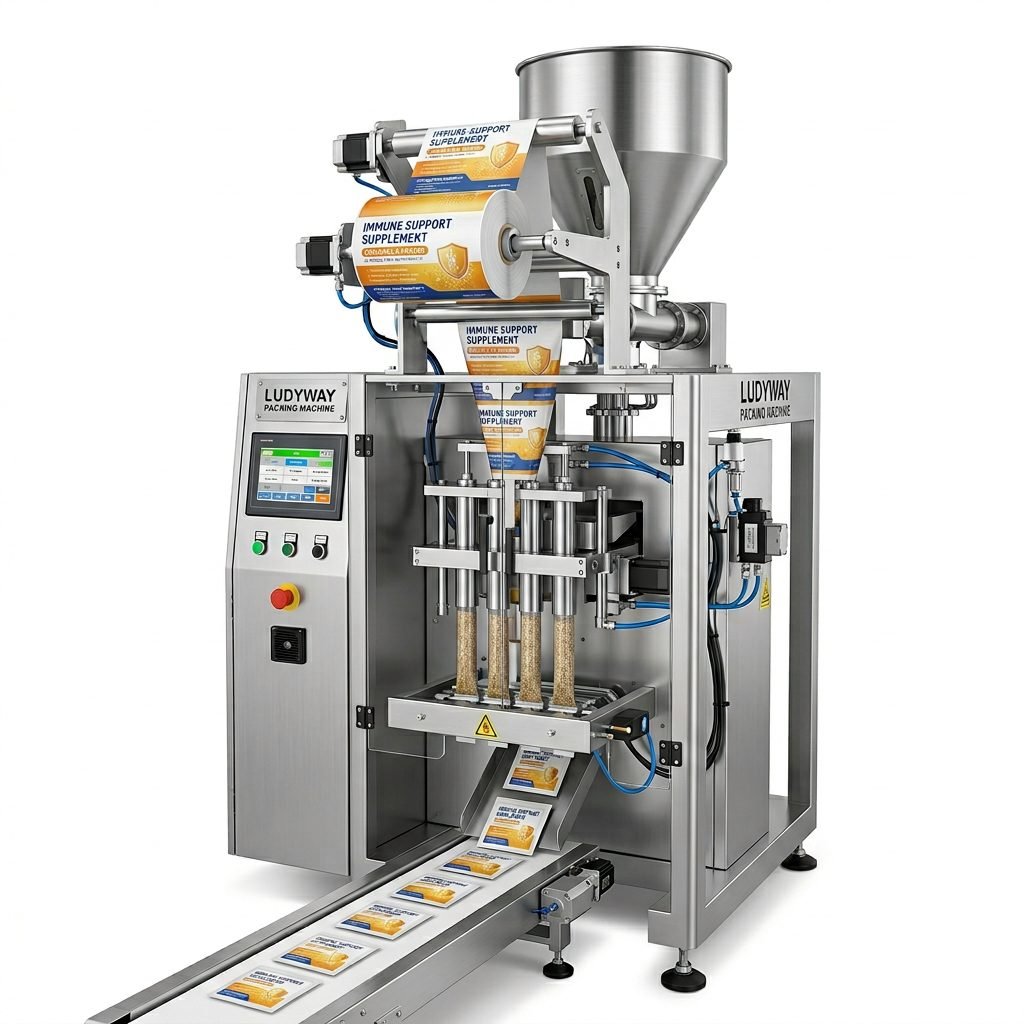
These are the most common and versatile machines for packaging free-flowing powders like coffee. They form bags from a roll of flat packaging film, fill them with a pre-measured amount of product, and then seal them. VFFS machines are ideal for producing a wide range of bag styles, including pillow bags, gusseted bags, and stand-up pouches. They are highly efficient for medium to high-volume production runs.
Pre-Made Pouch Machines
Unlike VFFS machines, these systems use pre-manufactured pouches or bags. The machine opens the pouch, fills it with coffee, and then seals it. This method is often preferred for premium products where the pouch material is complex (like multi-layer laminates with high-quality graphics) or when the bag shape is unique. It can be slightly slower than VFFS but offers excellent packaging presentation.
Stick Pack and Sachet Machines
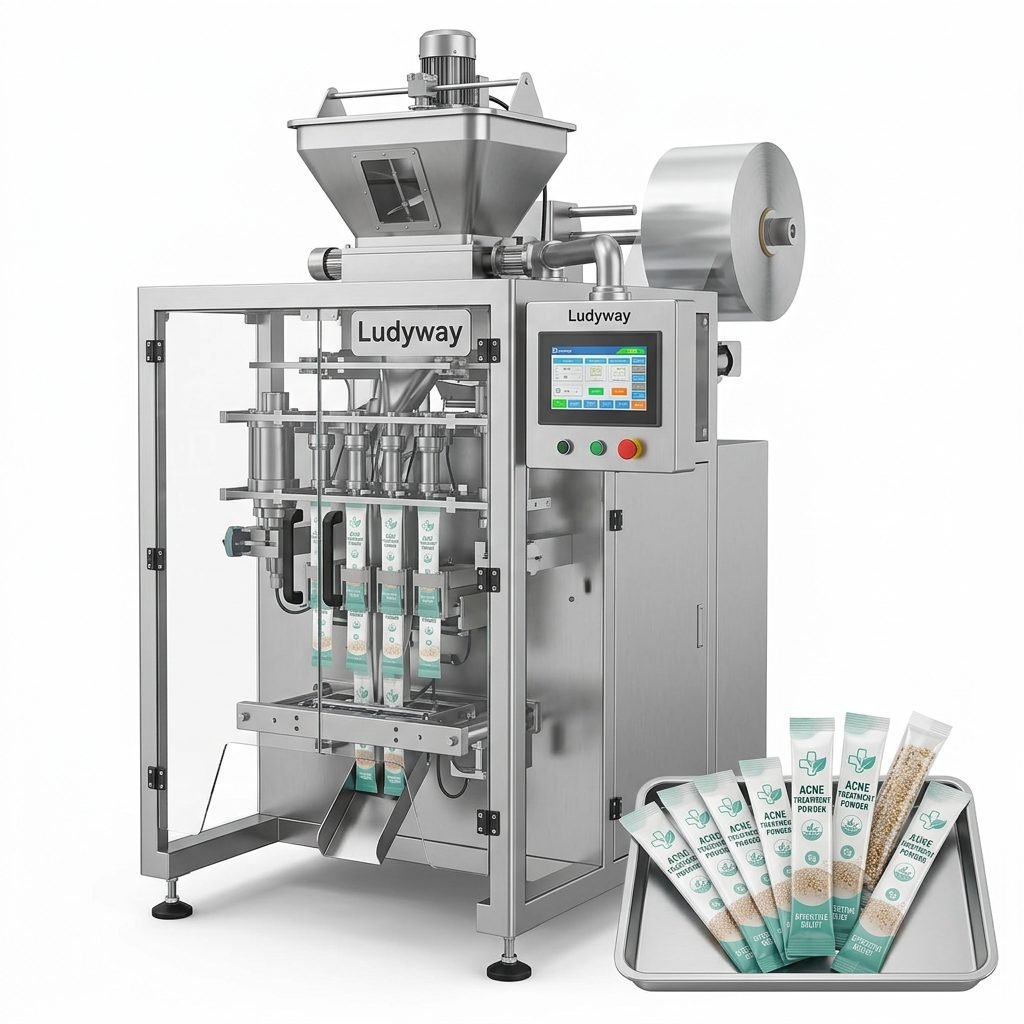
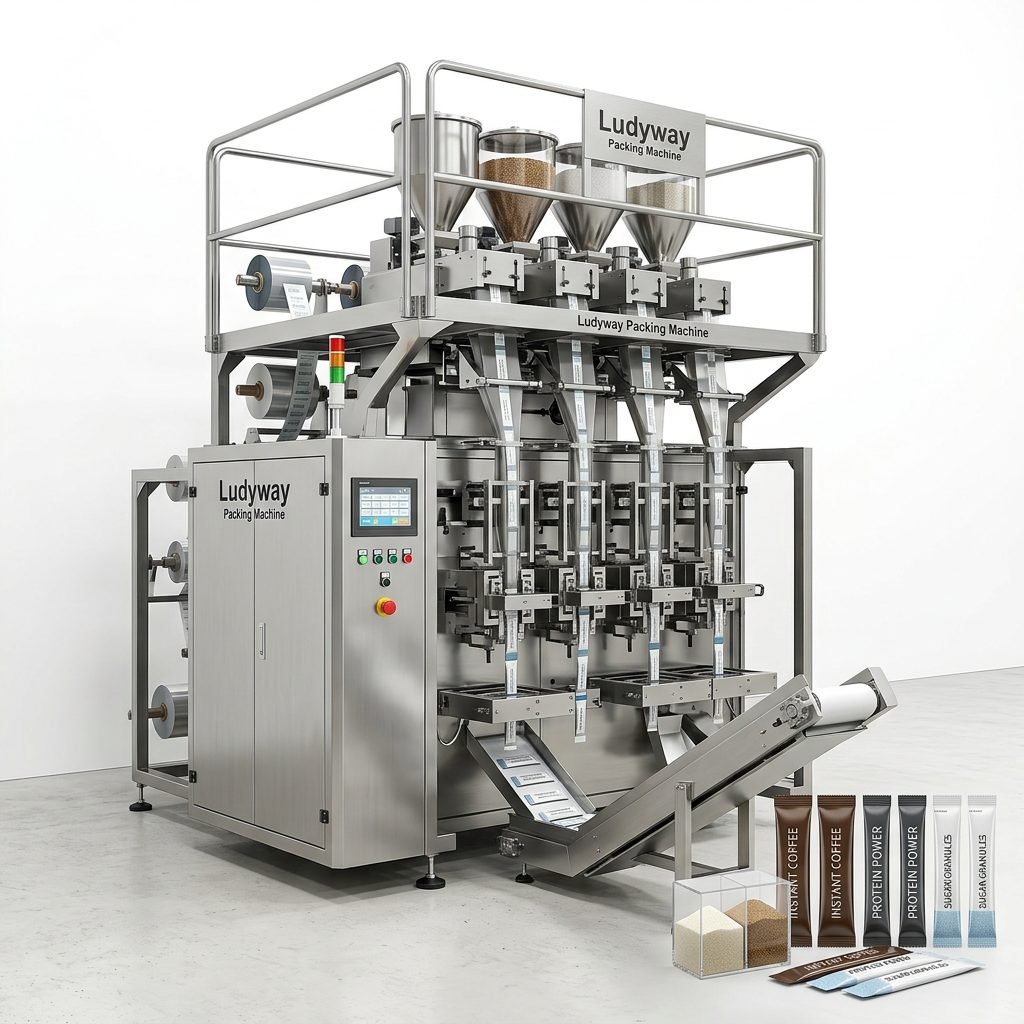
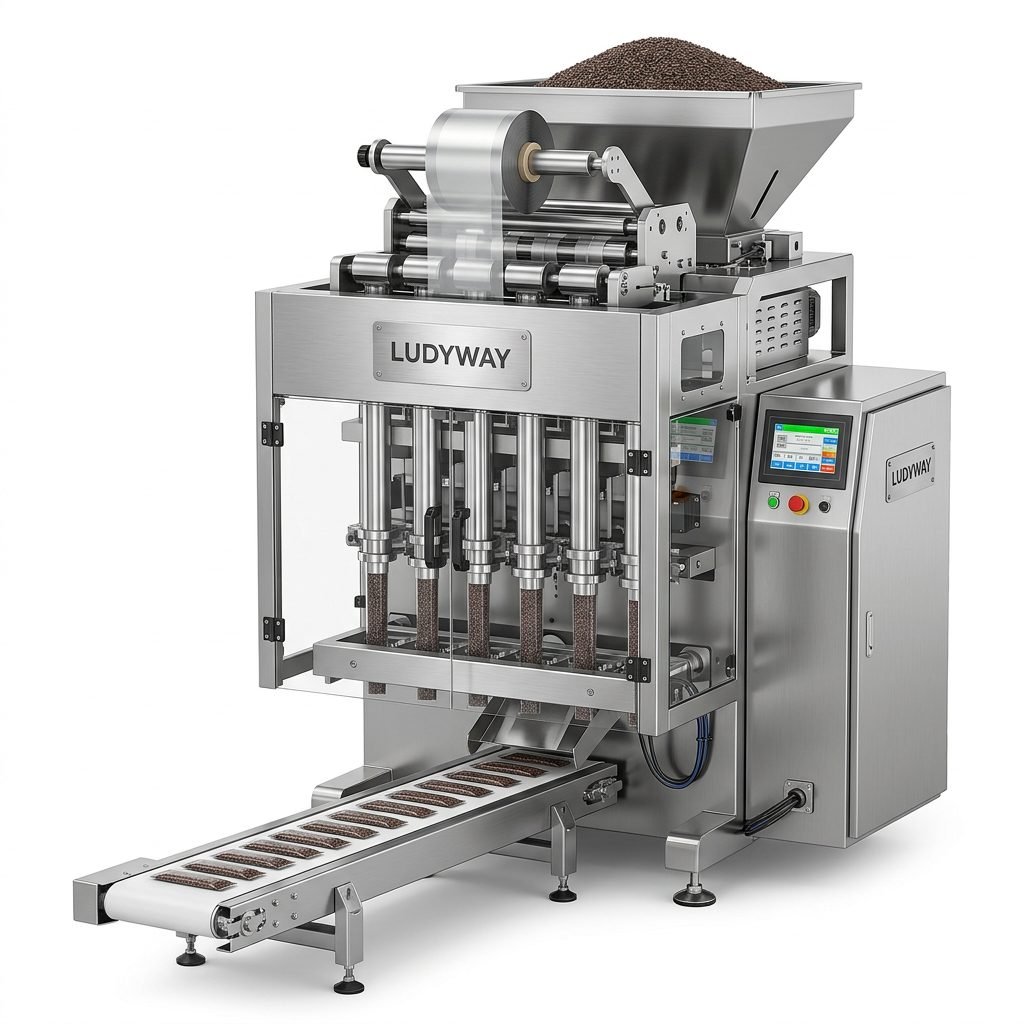
Perfect for single-serve coffee portions, instant coffee, or sample sizes. These machines create small, elongated packets from roll stock. Modern multi-lane stick pack machines can produce a high volume of small units simultaneously, making them incredibly efficient for this specific packaging format. They are a popular choice for brands focusing on convenience and portion control.
Canister and Jar Filling Lines
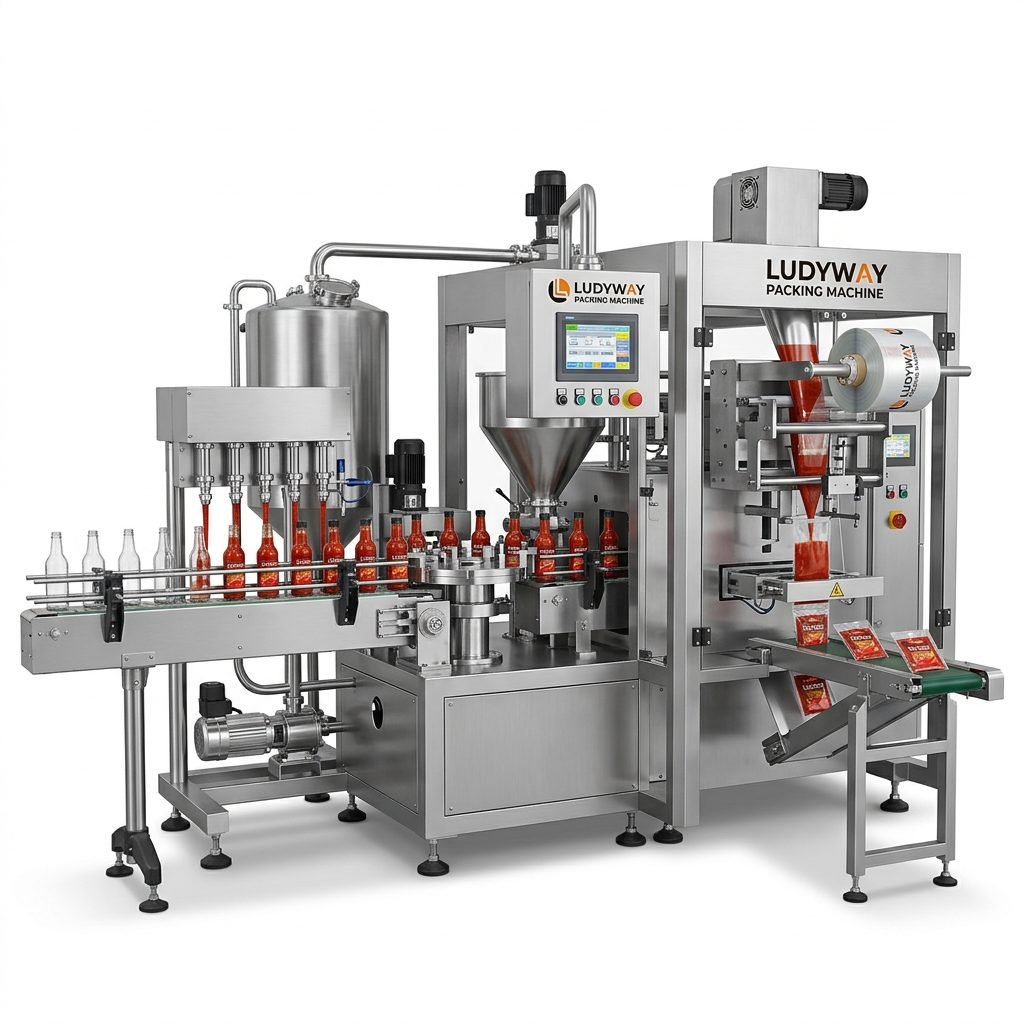
For ground coffee sold in tins, glass jars, or rigid plastic containers. These are typically semi-automatic or fully automatic lines that handle container feeding, filling, capping, and labeling. They involve different technology than bagging machines and are chosen for products where shelf presence and reusability of the container are key selling points.
Essential Features to Evaluate in a Packaging Machine
Beyond the basic type, several features determine a machine’s performance, reliability, and suitability for your coffee product.
Weighing and Dosing Accuracy
This is non-negotiable for coffee. Inconsistent fills lead to product giveaway (costing you money) or underweight packages (which is illegal and damages trust). Look for machines with high-precision auger fillers or weigh-cell technology. Auger fillers are common for powders and allow for fine-tuning. Net weigh scales offer the highest accuracy, especially for larger weights, but can be a larger investment.
Gas Flushing and Modified Atmosphere Packaging (MAP)
Oxygen is the enemy of fresh coffee. Machines equipped with gas flushing capabilities can displace oxygen inside the package with an inert gas like nitrogen or a CO2 blend before sealing. This dramatically extends shelf life, preserves aroma, and prevents oxidation and staleness. If you are packaging whole bean or premium ground coffee, this feature is highly recommended.
Sealing Integrity and Quality
A weak seal means stale coffee and customer complaints. Machines should provide consistent, strong heat seals (or ultrasonic seals for certain films). Look for features like adjustable temperature control, even pressure application, and seal bar diagnostics. The ability to create a hermetic seal is crucial for maintaining freshness, especially with MAP.
Changeover Flexibility and Speed
If you run multiple coffee blends, grind sizes, or package sizes, how quickly can you switch the machine over? Look for machines with quick-change parts (like augers, funnels, and film guides) and user-friendly controls that store settings for different products. This minimizes downtime and maximizes productivity.
Construction and Hygiene
The machine should be built from food-grade materials (e.g., stainless steel contact parts) that are durable and easy to clean. A smooth, accessible design without crevices where coffee oils and fine powder can accumulate is vital for both product safety and ease of maintenance.
Automation and Control System
A modern PLC (Programmable Logic Controller) with a touchscreen HMI (Human-Machine Interface) is standard on good equipment. It allows for precise parameter setting, recipe storage, production counting, and fault diagnostics. Advanced systems can integrate with factory networks for data collection.
How to Choose the Best Coffee Powder Packaging Machine: A Step-by-Step Guide
Selecting a machine is a strategic process. Follow these steps to align your investment with your business goals.
Step 1: Analyze Your Current and Future Needs
Start with a clear assessment. What is your current production volume (bags per minute/hour/shift)? What are your growth projections for the next 3-5 years? What package types and sizes do you use now, and might you use in the future? Defining this scope prevents you from buying a machine that is either too small or unnecessarily large and complex.
Step 2: Define Your Product and Packaging Specifications
Be specific about your coffee. Is it fine espresso powder, medium grind, or whole bean? Different grinds flow differently and may require different filling systems. Detail your packaging material: the type of film (its thickness, layer structure, and gas barrier properties), bag dimensions, and any special features like degassing valves or zippers. The machine must be compatible with these specs.
Step 3: Set Your Budget and Understand Total Cost of Ownership
Look beyond the initial purchase price. Consider the Total Cost of Ownership (TCO), which includes installation, training, maintenance, spare parts, energy consumption, and potential downtime. A slightly more expensive, robust machine from a reputable supplier like Ludyway Machinery often has a lower TCO than a cheaper, less reliable alternative.
Step 4: Research and Shortlist Reputable Suppliers
Seek suppliers with proven experience in coffee packaging. Examine their industry reputation, client portfolio, and after-sales support structure. A supplier with deep expertise, such as one with over 30 years in packaging machinery, will understand the unique challenges of coffee and can offer more reliable solutions and support.
Step 5: Request Demos and Product Testing
Never buy based on specifications alone. Arrange a live demonstration or, even better, a product test run. Send your actual coffee and packaging materials to the supplier. Run the machine at your required speed and assess the fill accuracy, seal quality, bag appearance, and ease of operation. This is the most reliable way to verify performance.
Step 6: Evaluate After-Sales Support and Service
The relationship begins after purchase. Inquire about warranty terms, availability of spare parts, technical support (remote and on-site), and operator training programs. A global supplier with a strong service network ensures you get help when you need it, minimizing production disruptions. Partners committed to long-term cooperation and innovation are valuable assets.
Step 7: Make the Final Decision
Weigh all factors: technical performance from the test, TCO, supplier reliability, and support. Choose the machine that best meets your defined needs and offers the best partnership for sustainable growth.
Common Questions About Coffee Powder Packaging Machines
What is the typical output speed for a coffee packaging machine?
Speeds vary widely. A basic single-head auger filler might produce 20-40 bags per minute (BPM), while a high-speed multi-lane stick pack machine can exceed 400 sachets per minute. For standard retail pouches, speeds of 40-120 BPM are common. Your required speed depends entirely on your production volume.
How important is Modified Atmosphere Packaging (MAP) for coffee?
For whole bean and premium ground coffee, MAP is highly recommended and often considered essential. It preserves freshness, aroma, and flavor for months by removing oxygen. For lower-cost, fast-turnover products, it may be less critical. However, it’s a significant value-add for quality-focused brands.
Can one machine handle different bag sizes and coffee grinds?
Yes, most modern machines are designed for changeover. However, the ease and speed of changeover depend on the machine’s design. Machines with quick-release parts and digital recipe storage allow faster switches between different products, making them ideal for businesses with a diverse product line.
What are the main maintenance requirements?
Daily cleaning of product contact parts (augers, funnels, hoppers) is essential. Regular lubrication of moving parts, inspection of seals and wear parts, and calibration of the weighing system are standard periodic maintenance. Following the manufacturer’s schedule is key to longevity and consistent performance.
Should I choose a semi-automatic or fully automatic machine?
This depends on your labor costs and volume. Semi-automatic machines (where an operator places bags) are lower cost and suitable for startups or low-volume production. Fully automatic machines (which auto-feed, fill, and seal) have a higher upfront cost but offer much higher output, consistency, and lower labor cost per bag, justifying the investment for growing businesses.