Choosing the right drink packaging machine is a critical decision for any beverage producer. The packaging process directly impacts product quality, shelf life, operational efficiency, and brand perception. With a vast array of technologies and configurations available, navigating the options can be complex. This comprehensive guide will explore the main types of drink packaging machines, explain their working processes, and provide a clear framework to help you select the ideal solution for your production line.
Primary Types of Drink Packaging Machines
The beverage industry utilizes specialized machinery designed for different container types, filling products, and production speeds. Understanding these core categories is the first step.
1. Filling Machines
These are the heart of any drink packaging line, responsible for accurately dispensing the liquid product into containers. Key variants include:
Gravity Fillers: Ideal for still, non-carbonated, non-foamy liquids like water, juices, and teas. They rely on product weight and atmospheric pressure for filling.
Pressure Fillers: Essential for carbonated beverages (sodas, sparkling water, beer). They fill under counter-pressure to prevent CO₂ loss and excessive foaming.
Volumetric Fillers (Piston & Pump): Provide high accuracy for viscous products like syrups, dairy drinks, or oils by displacing a precise volume per cycle.
Aseptic Fillers: Designed for sterile filling of products like UHT milk, plant-based drinks, or nutritional beverages into pre-sterilized containers within a sterile environment.
2. Capping & Sealing Machines
Once filled, containers must be securely closed. The sealing method depends on the container type.
- Cappers: Apply screw caps, sports caps, or flip-top closures to bottles. Types include spindle cappers, chuck cappers, and rotary cappers.
- Sealers: For cans, this involves seaming a lid onto the can body. For cartons or pouches, heat sealing is the standard method.
- Induction Sealers: Apply an airtight, tamper-evident foil liner under a plastic cap, commonly used for juices, teas, and health drinks.
3. Packaging Format-Specific Machines
This category is defined by the final consumer package.
Bottling Lines
Handle glass or PET bottles. A complete line integrates a rinse, filler, capper, labeler, and packer. High-speed rotary lines are standard for large-scale water and soft drink production.
Canning Lines
Designed for aluminum or steel cans. The process typically includes an empty can depalletizer, rinser, filler, seamer, pasteurizer/tunnel warmer, and labeler/cartoner.
Pouch & Stick Pack Machines
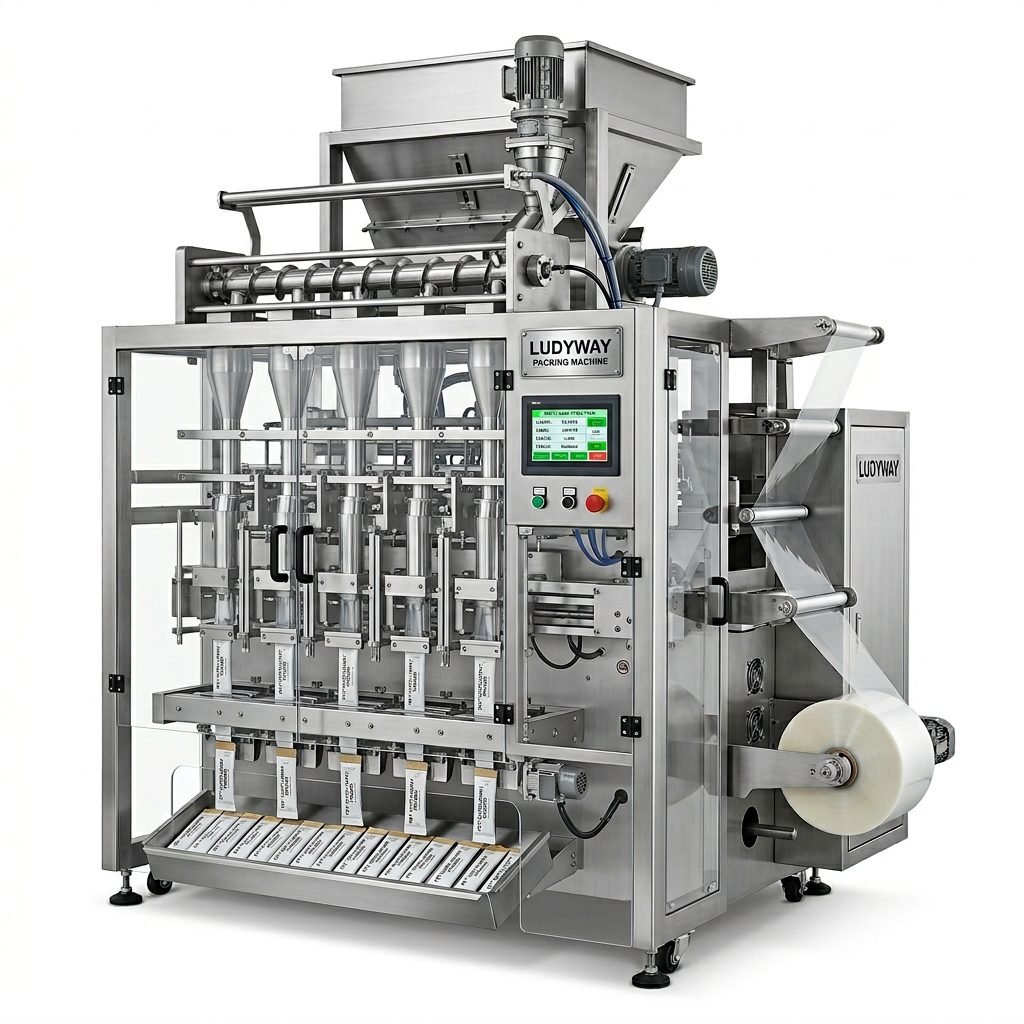
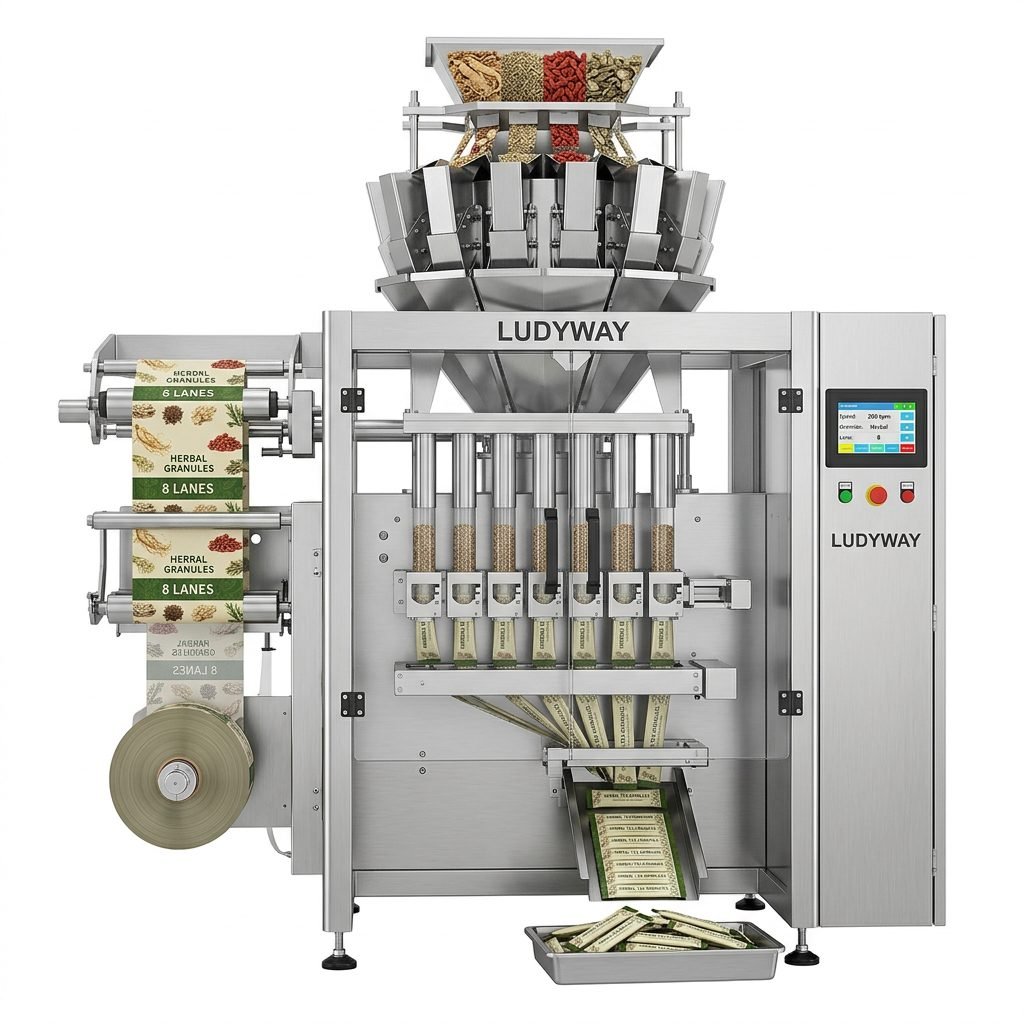
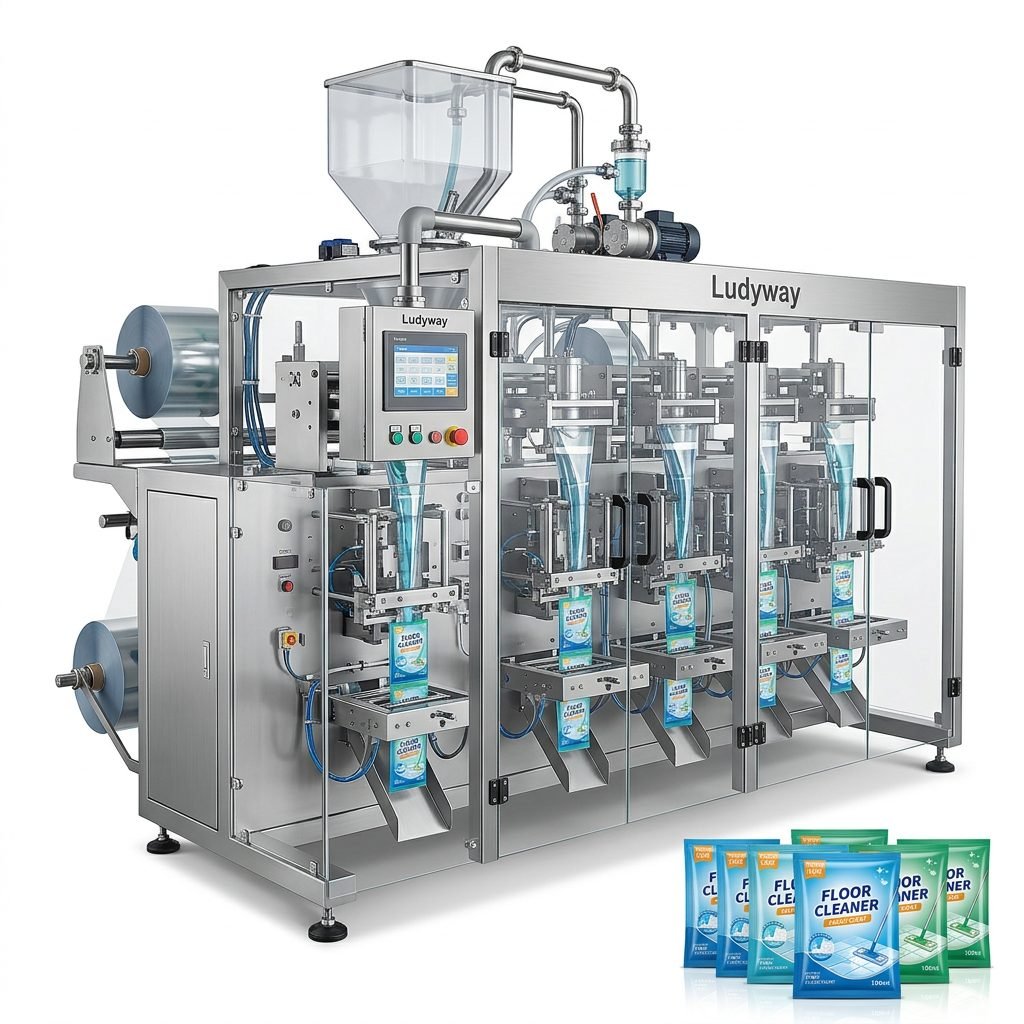
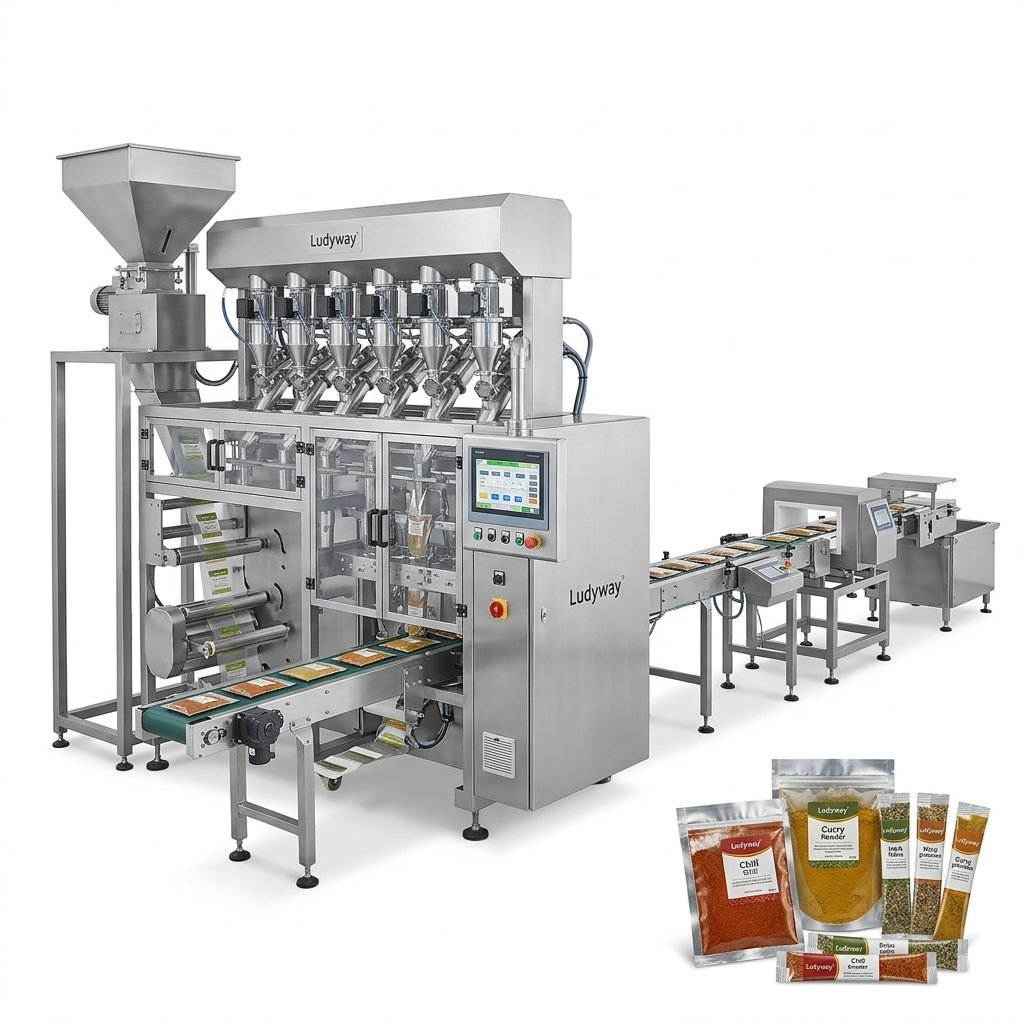
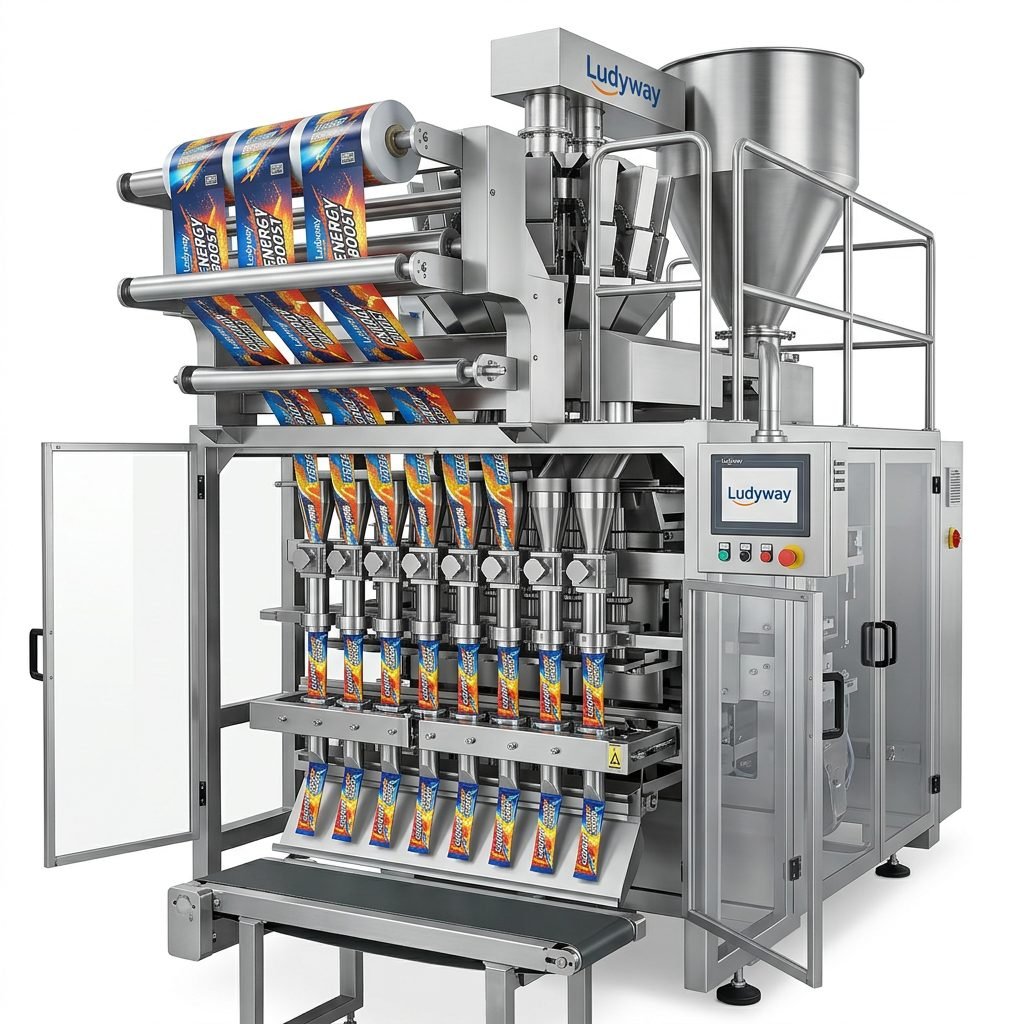
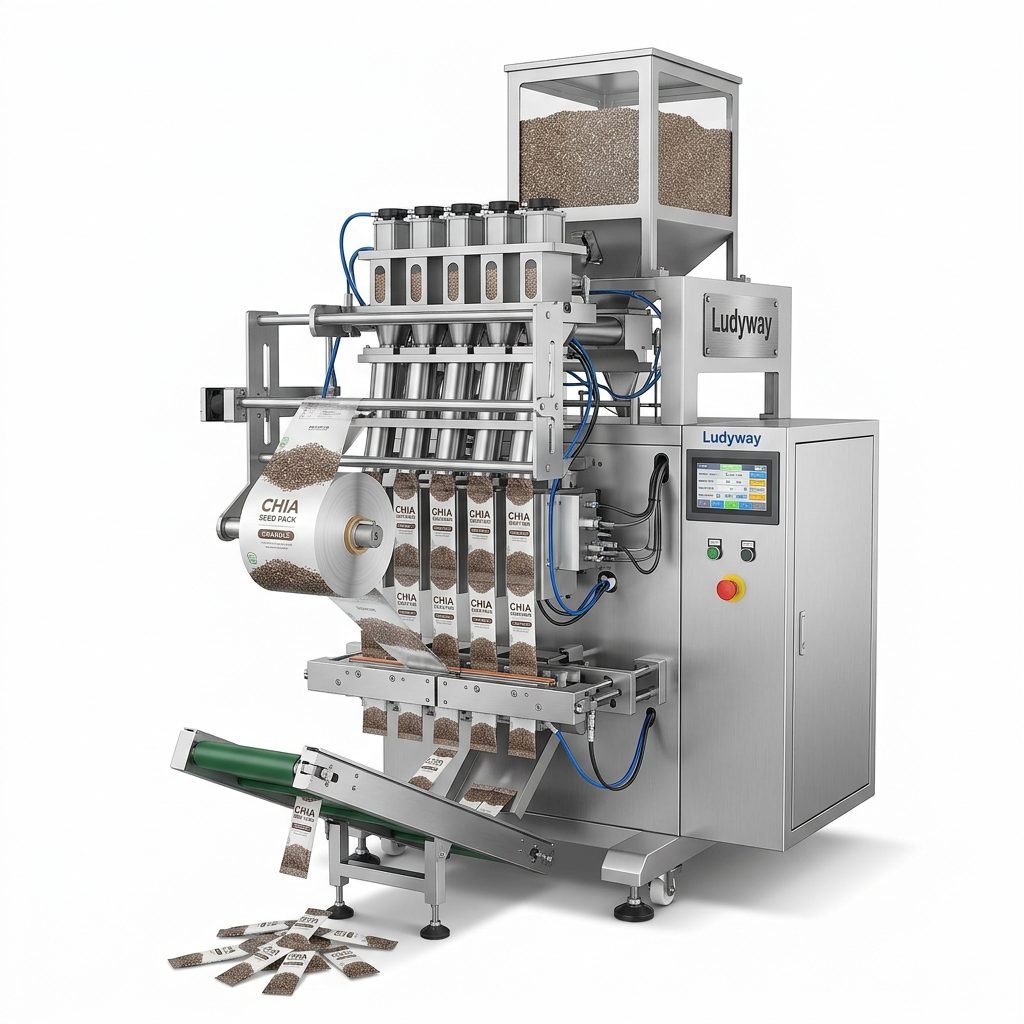
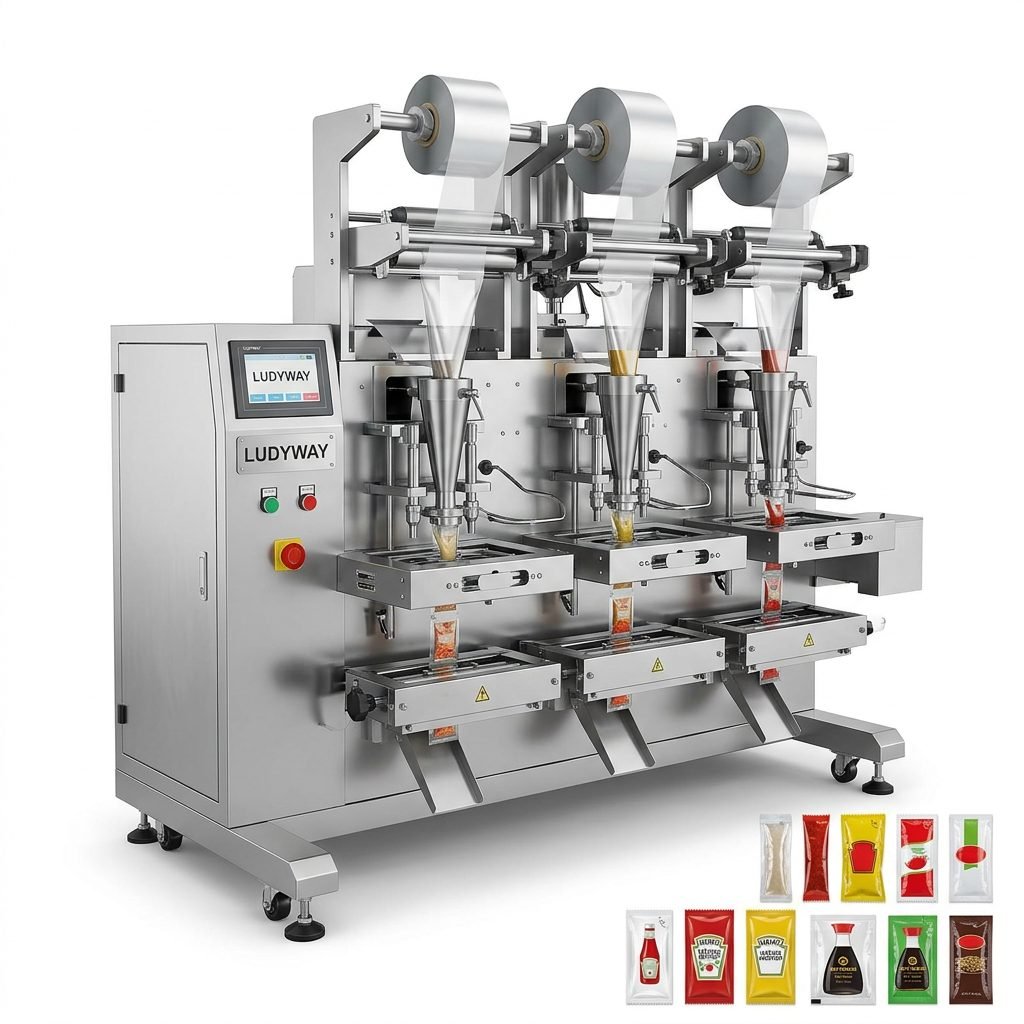
Gaining popularity for single-serve powders (iced tea, coffee, electrolyte mixes), liquid shots, and condiments. These machines form, fill, and seal pouches from a roll of film. Multi-lane stick pack machines offer exceptionally high output for powder sticks.
Cartoning Machines
For paperboard cartons (e.g., gable-top, Tetra Pak-style). These are often aseptic filling systems that form the carton from a roll, sterilize it, fill it, and seal it in a continuous process.
The Standard Working Process of a Packaging Line
While specific steps vary, a typical automated drink packaging line follows a logical sequence:
- Container Unscrambling/Depalletizing: Empty containers (bottles, cans) are singulated and oriented correctly for the line.
- Cleaning & Rinsing: Containers are inverted and blasted with air or rinsed with water (or sterile air/water in aseptic lines) to remove dust or particles.
- Filling: The core step where the drink product is dispensed into the clean container with precise volume control.
- Sealing/Capping: The container is immediately sealed with its appropriate closure (cap, lid, or heat seal).
- Secondary Processing (Optional): This may include pasteurization (for beer, dairy), cooling tunnels, or induction sealing.
- Labeling & Coding: Containers receive brand labels, and production dates/batch codes are applied via inkjet or laser coder.
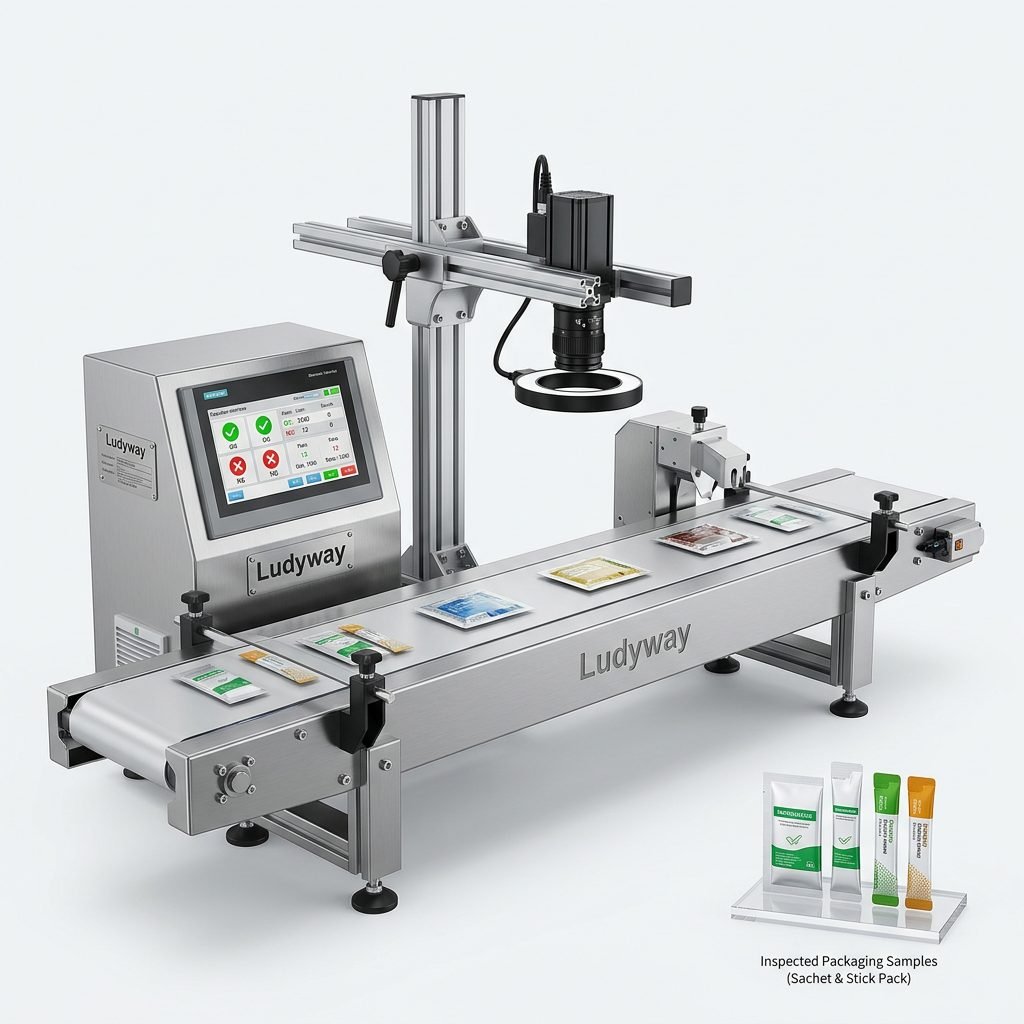
- Inspection & Quality Control: Checkweighers, fill level detectors, and vision systems verify package integrity, weight, and label placement.
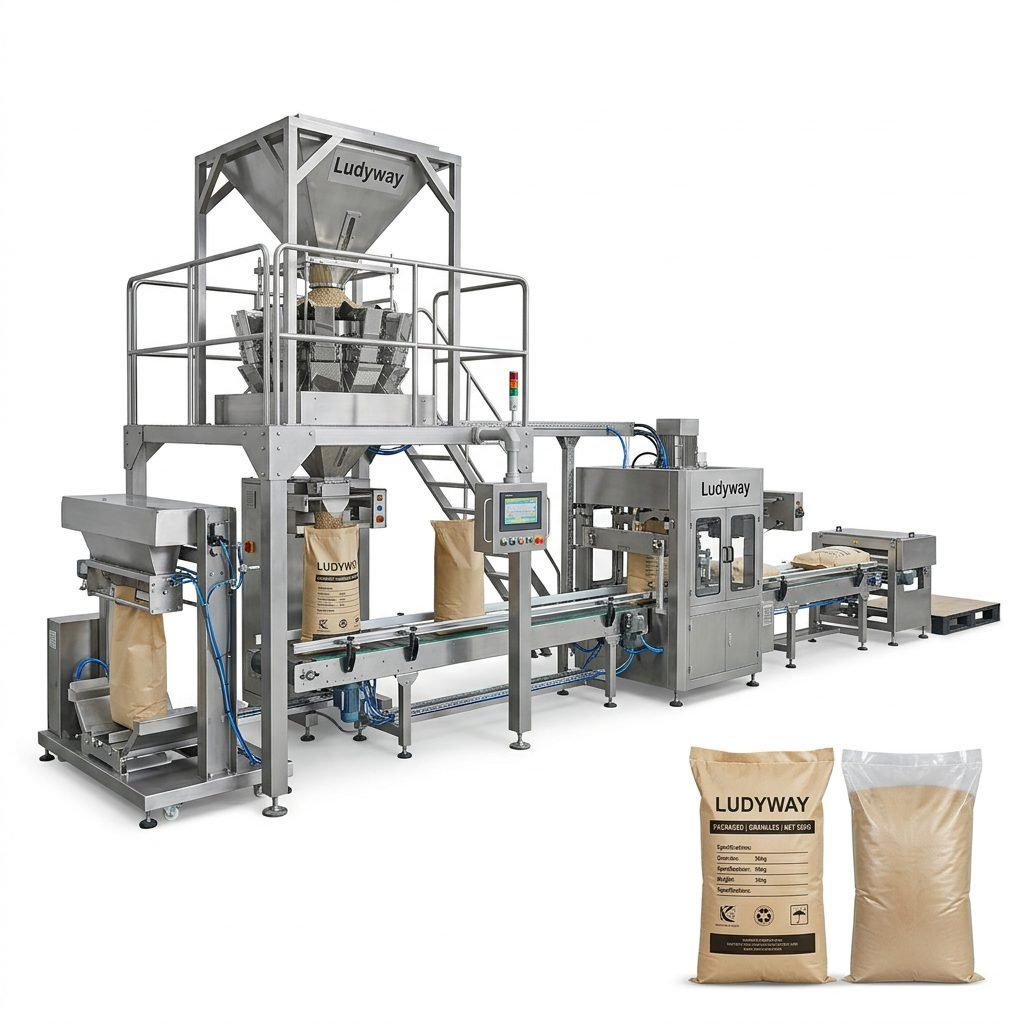
- Packing & Palletizing: Finished products are grouped into multi-packs, cases, or trays, then stacked onto pallets for shipment.
How to Choose the Right Drink Packaging Solution
Selecting equipment requires a strategic assessment of your specific needs. Consider these key factors:
1. Define Your Product & Container
The product’s characteristics are paramount. Is it still or carbonated? Viscous or watery? Sensitive to oxygen or heat? This determines the filler type. Simultaneously, your choice of container (PET bottle, glass, can, pouch) dictates the required forming, filling, and sealing technology. Ensure your chosen machine is compatible with your desired container material and size range.
2. Evaluate Production Requirements
→ Output Speed (BPM/CPH): Calculate your required output (bottles/per minute, cans/per hour) based on demand forecasts. Choose a machine that meets your peak needs with about 15-20% capacity headroom for future growth.
→ Flexibility & Changeover: Will you run multiple products, flavors, or container sizes? If so, prioritize machines with quick-change parts and easy-to-program controls to minimize downtime between batches.
→ Automation Level: Balance your labor costs and desired control. A semi-automatic machine may suffice for a startup, while a fully automated turnkey production line with integrated robotics is necessary for high-volume, 24/7 operations.
3. Assess Key Machine Features & Support
Look beyond the basic specs. A machine constructed with food-grade stainless steel (e.g., SS304, SS316) is essential for hygiene and durability. The control system should be user-friendly, preferably with a touchscreen HMI and recipe storage. Crucially, evaluate the supplier’s reputation for after-sales support, availability of spare parts, and quality of technical training. A reliable partner like Ludyway Machinery, with deep industry experience, can provide invaluable guidance and long-term support.
4. Analyze Total Cost of Ownership (TCO)
The purchase price is just one component. Consider energy consumption, required utilities (compressed air, water), maintenance costs, and expected lifespan. A slightly more expensive but robust and efficient machine often has a lower TCO than a cheaper, less reliable alternative that causes frequent production stoppages.
Conclusion
Investing in the right drink packaging machine is an investment in your product’s quality, your brand’s reputation, and your operation’s profitability. By thoroughly understanding the different machine types, the standard packaging process, and systematically evaluating your product needs, production goals, and supplier capabilities, you can make a confident decision. Partnering with an experienced packaging machinery provider ensures you get a solution that is not just a machine, but a strategic asset tailored for your success.
Frequently Asked Questions (FAQs)
1. What is the main difference between a gravity filler and a pressure filler?
Gravity fillers use the natural weight of the liquid to flow into the container and are suitable for non-carbonated, non-foamy drinks. Pressure fillers use external pressure (often the product’s own carbonation) to push the liquid into the container, which is essential for carbonated beverages to prevent CO₂ loss and maintain fizz.
2. How important is machine flexibility for a new beverage brand?
Extremely important. New brands often experiment with different SKUs (flavors, sizes). Choosing a machine with quick changeover capabilities allows you to run smaller batches of multiple products efficiently, adapt to market feedback, and scale your lineup without major reinvestment in new equipment.
3. Can one machine handle both bottles and cans?
Generally, no. Bottles and cans require fundamentally different handling, filling, and sealing technologies. While some upstream/downstream equipment (like rinsers or labelers) might be adaptable, the core filling and sealing stations are almost always format-specific. Some modular lines allow for switching, but it involves a significant changeover process.
4. What does “aseptic filling” mean, and does my product need it?
Aseptic filling is a process where the product (like UHT milk or juice) and the packaging material are sterilized separately, then brought together and sealed in a sterile environment. This allows the product to be shelf-stable for months without refrigeration. You need it if you want to distribute a perishable drink without a cold chain, significantly reducing logistics costs and extending shelf life.
5. What should I look for in a packaging machine supplier?
Prioritize suppliers with proven industry experience, a strong portfolio of references, and transparent communication. Key factors include: the quality and material of machine construction, clarity of the warranty, availability of spare parts, provision of installation and training services, and the responsiveness of their technical support team. A partner committed to long-term cooperation is more valuable than just a one-time seller.