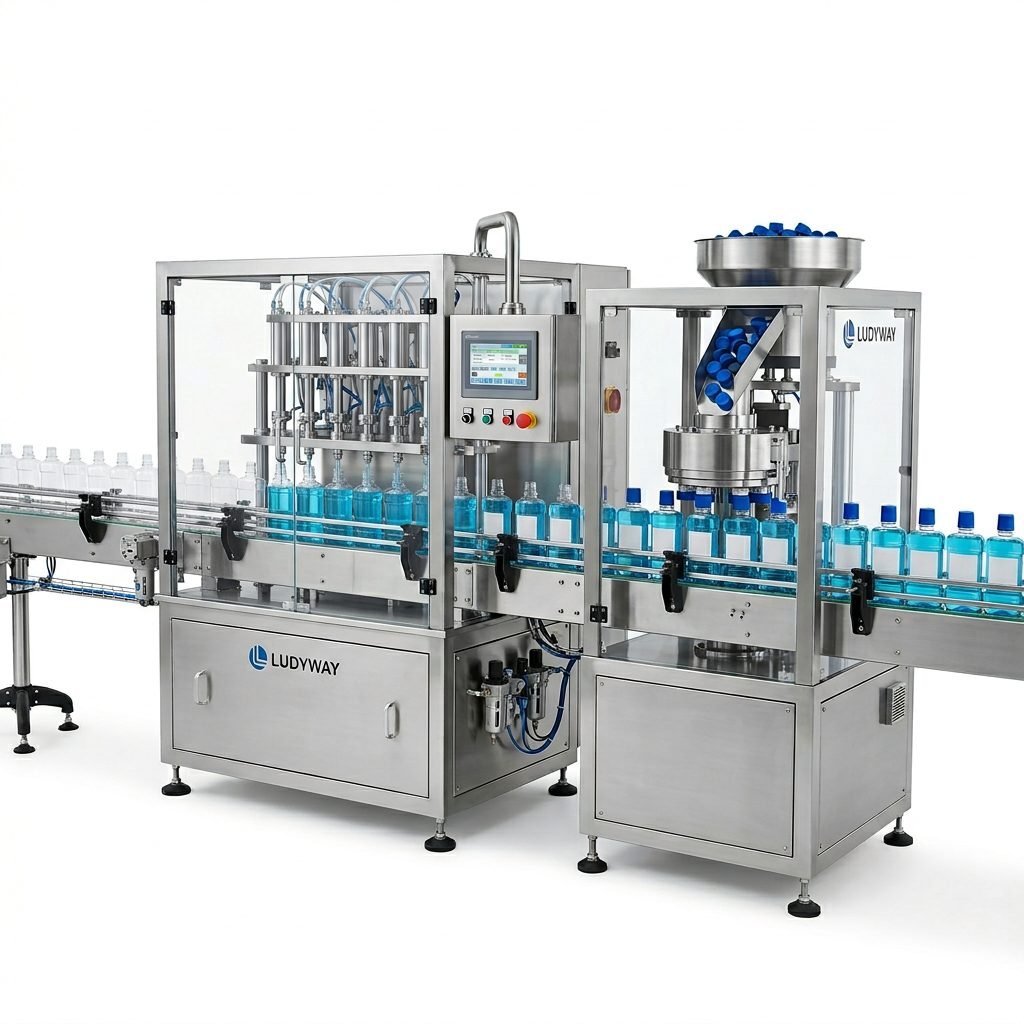
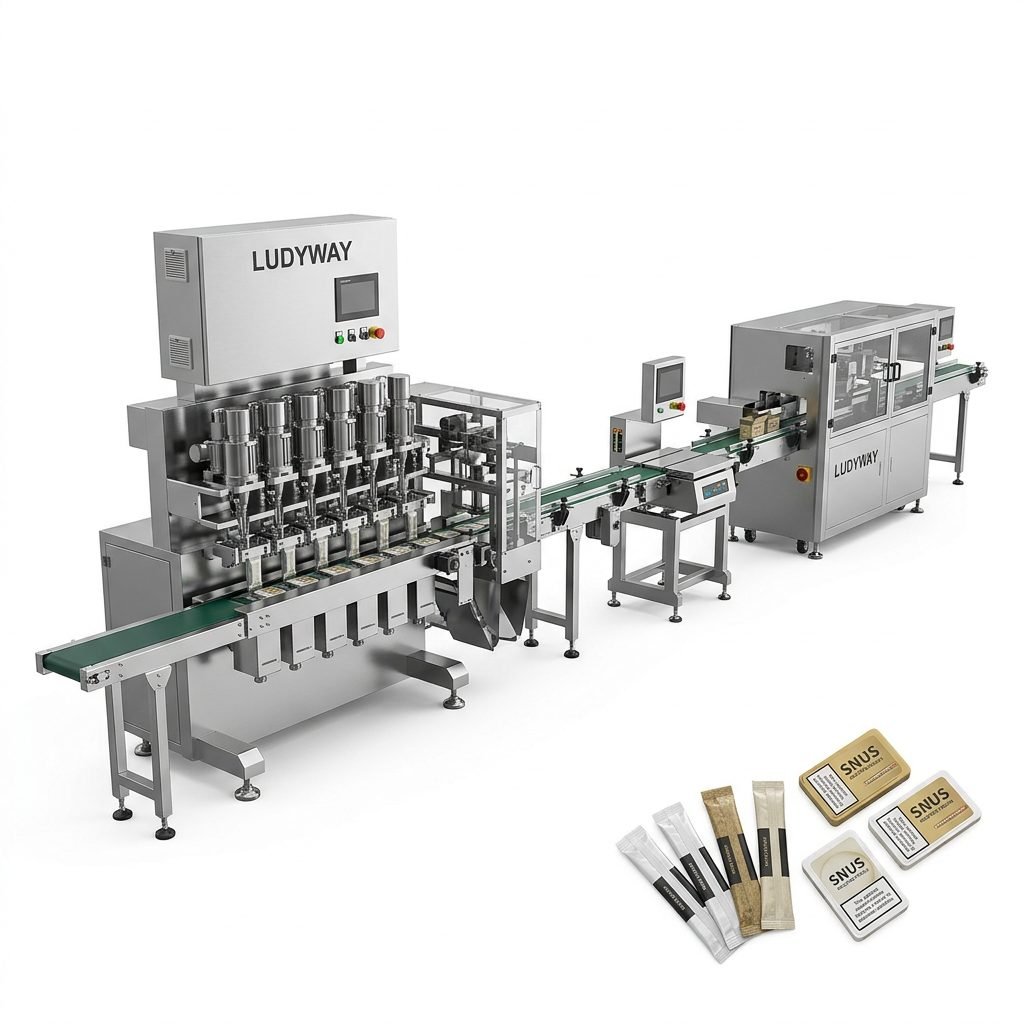
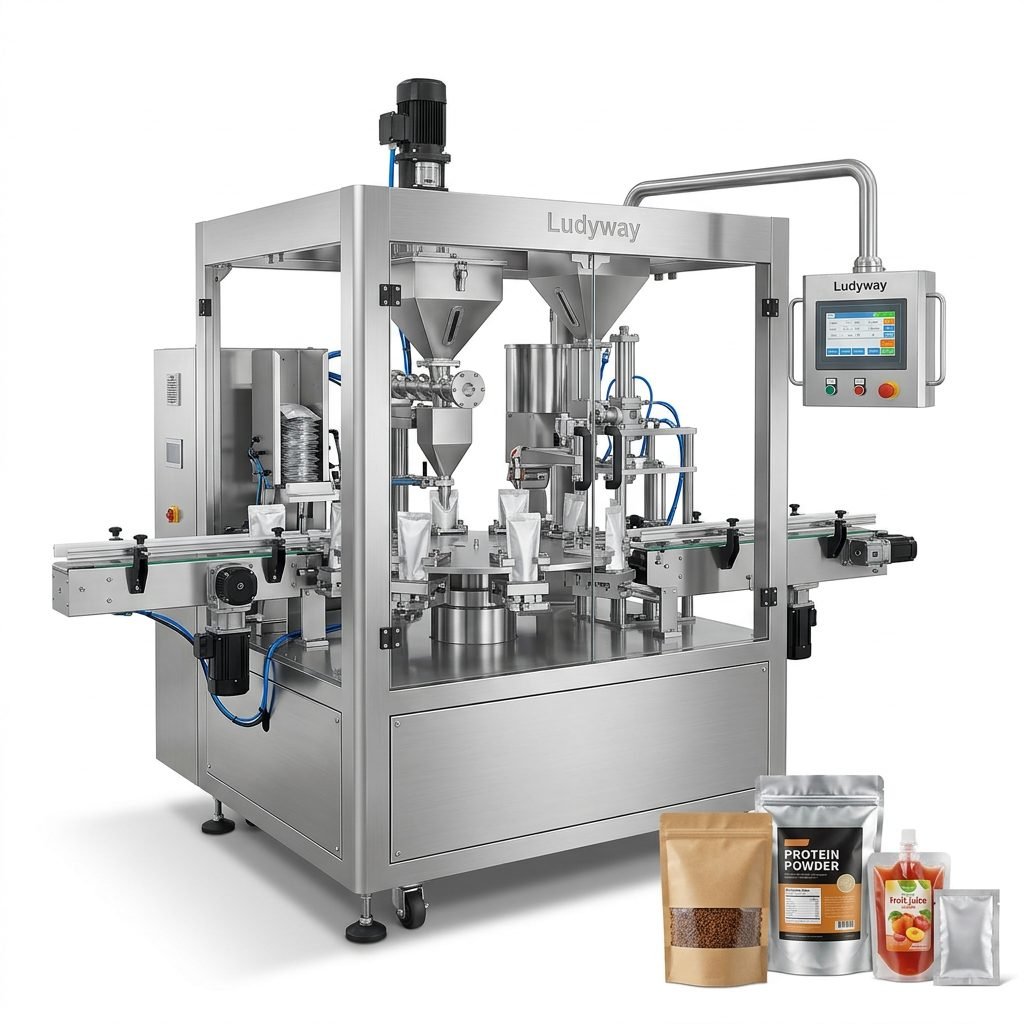
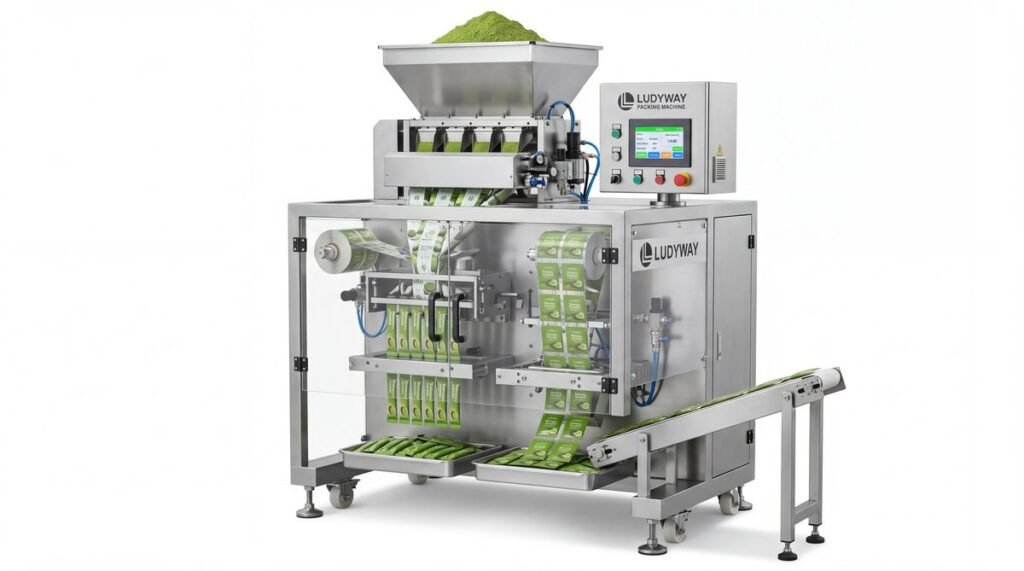
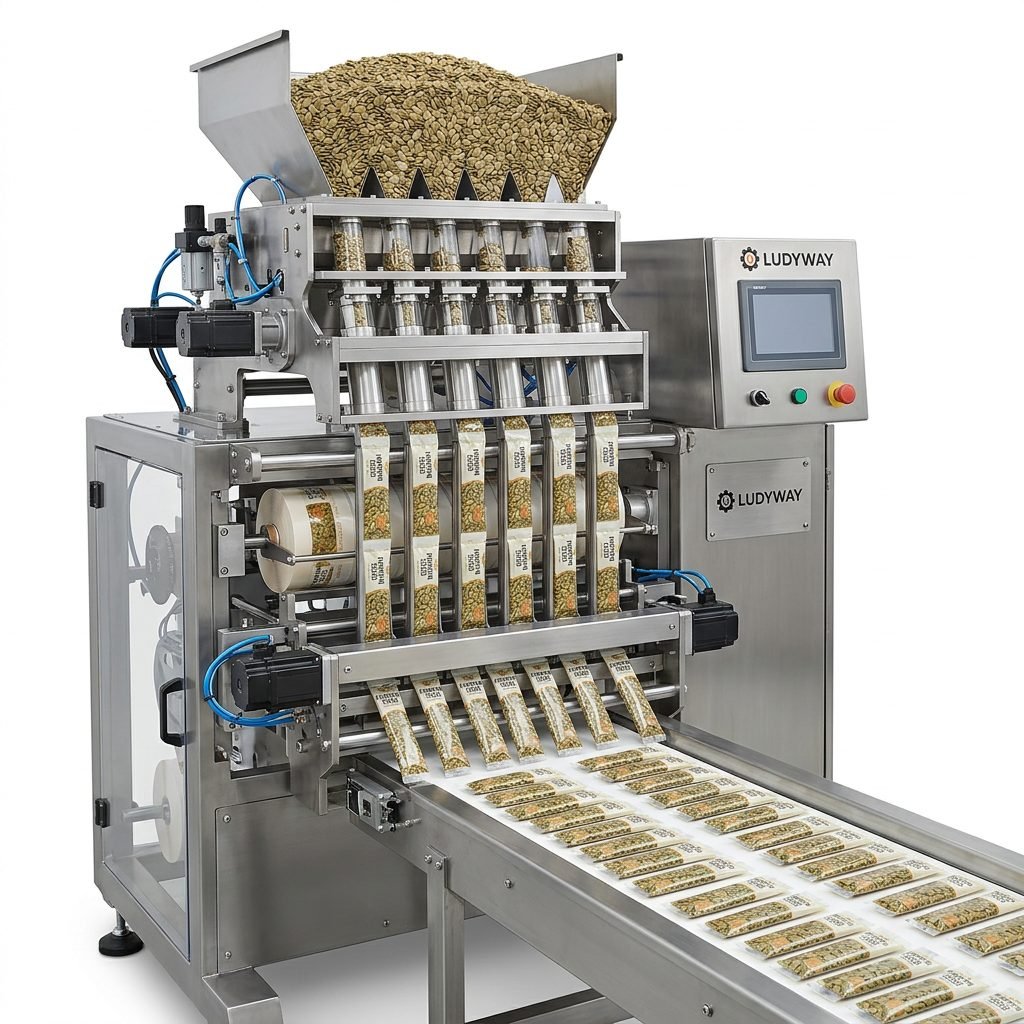
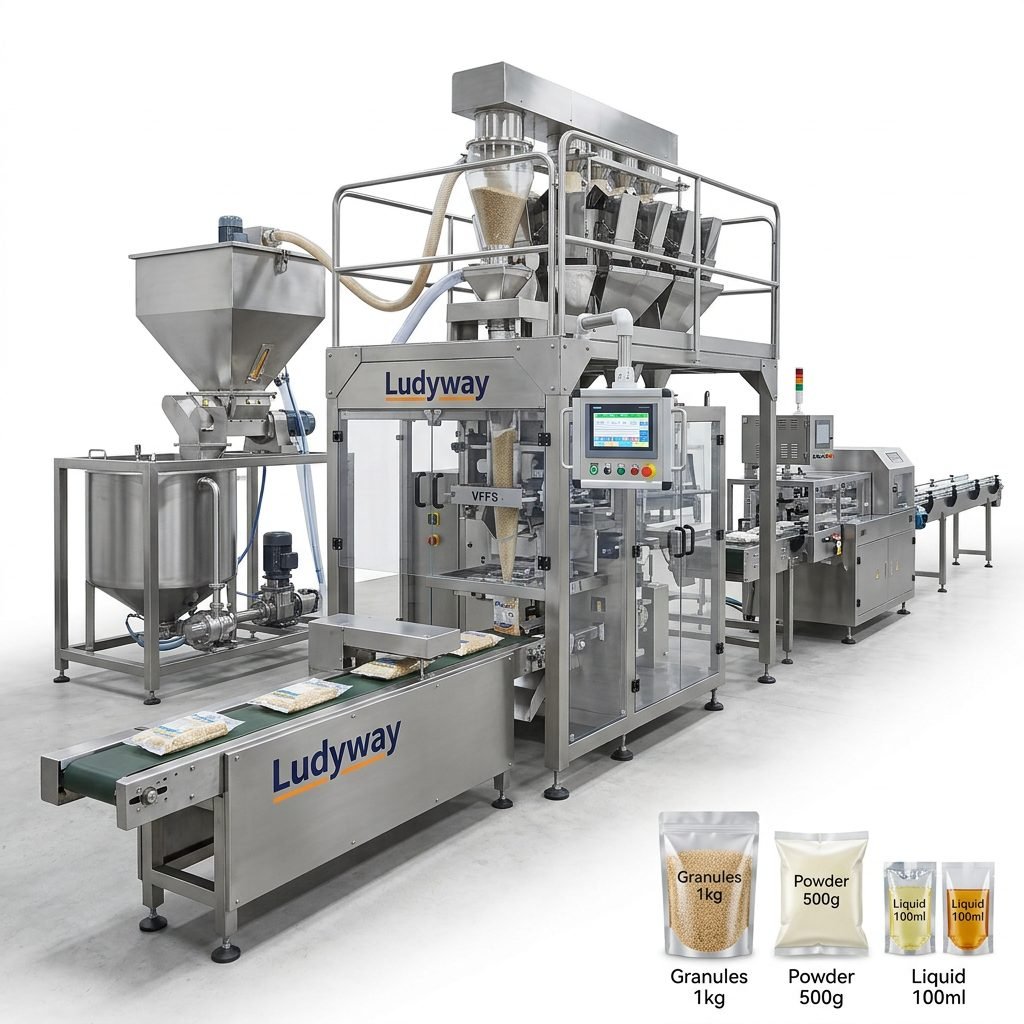
Choosing the right card packaging machine is not only about speed. It is about finding an automated solution that matches your product shape, packaging material, production target, labor structure, quality standards, and future expansion plans. For manufacturers handling cards, inserts, flat consumer goods, kits, accessories, vouchers, labels, or retail-ready paperboard items, the right machine can significantly improve output, consistency, traceability, and total operating efficiency.
Before making an investment, buyers should evaluate the full packaging process: feeding, aligning, counting, wrapping, sealing, cartoning, coding, inspection, and final case packing. A well-matched system reduces downtime, minimizes waste, and supports long-term scaling.
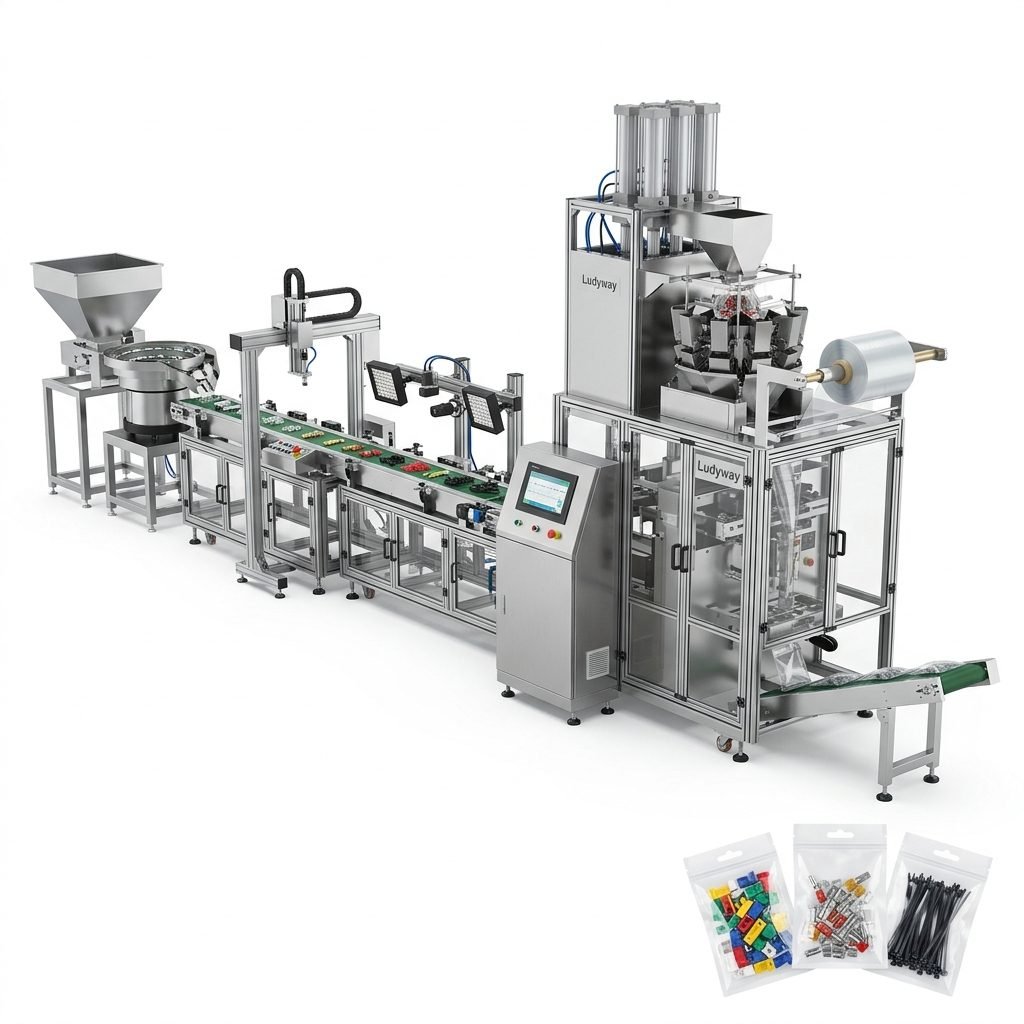
What Is a Card Packaging Machine?
A card packaging machine is an automated system designed to package flat or semi-flat products such as cards, instruction sheets, labels, test cards, sachet cards, small accessory sets, and retail insert combinations. Depending on the application, the machine may perform one or more of the following functions:
- Automatic feeding and orientation of cards
- Counting and stacking
- Pouching or flow wrapping
- Heat sealing
- Cartoning or boxing
- Printing, coding, and labeling
- Inspection and rejection of defective packs
- Case packing and palletizing
In many industries, the ideal solution is not a single machine but a fully integrated packaging line that connects primary packaging with downstream handling.
Why Automation Matters for Card Packaging
Manual card packaging often creates bottlenecks in counting accuracy, pack appearance, labor cost, and repeatability. Automation helps businesses achieve more stable throughput while reducing packaging errors.
- Higher production speed for growing order volumes
- Better pack consistency across shifts and operators
- Lower labor dependency in repetitive tasks
- Improved product protection during transport and handling
- More reliable traceability with coding and inspection modules
- Easier compliance in regulated or export-driven industries
Key Questions to Ask Before Choosing a Machine
Before comparing suppliers, define your actual packaging needs. The most expensive machine is not always the best machine; the best one is the solution that fits your process.
1. What type of card product are you packaging?
Different products require different feeding and sealing methods. A rigid blister card, a folded insert card, and a thin medical test card do not behave the same way on an automated line.
- Rigid cards
- Paperboard inserts
- Laminated cards
- Multi-piece kits with cards and accessories
- Cards packed with pouches, sachets, or small components
2. What packaging format do you need?
Your target retail channel and product protection requirements will determine the packaging style.
- Single card pouch packaging
- Flow wrap packaging
- Card and accessory combination packs
- Cartoned card sets
- Bundled multipacks
- Case-packed shipping units
3. What is your required output?
Many buyers focus only on maximum speed, but practical speed depends on material stability, feeding accuracy, and product complexity. Ask for both:
- Mechanical speed
- Stable production speed under real operating conditions
4. How many product sizes will run on the same line?
If you handle multiple SKUs, machine changeover becomes critical. A flexible system with easier adjustment can save more money long term than a faster but rigid model.
5. Do you need a standalone machine or a complete line?
If your current process includes manual loading, manual coding, or hand cartoning, a full automation plan may deliver better ROI than replacing only one station.
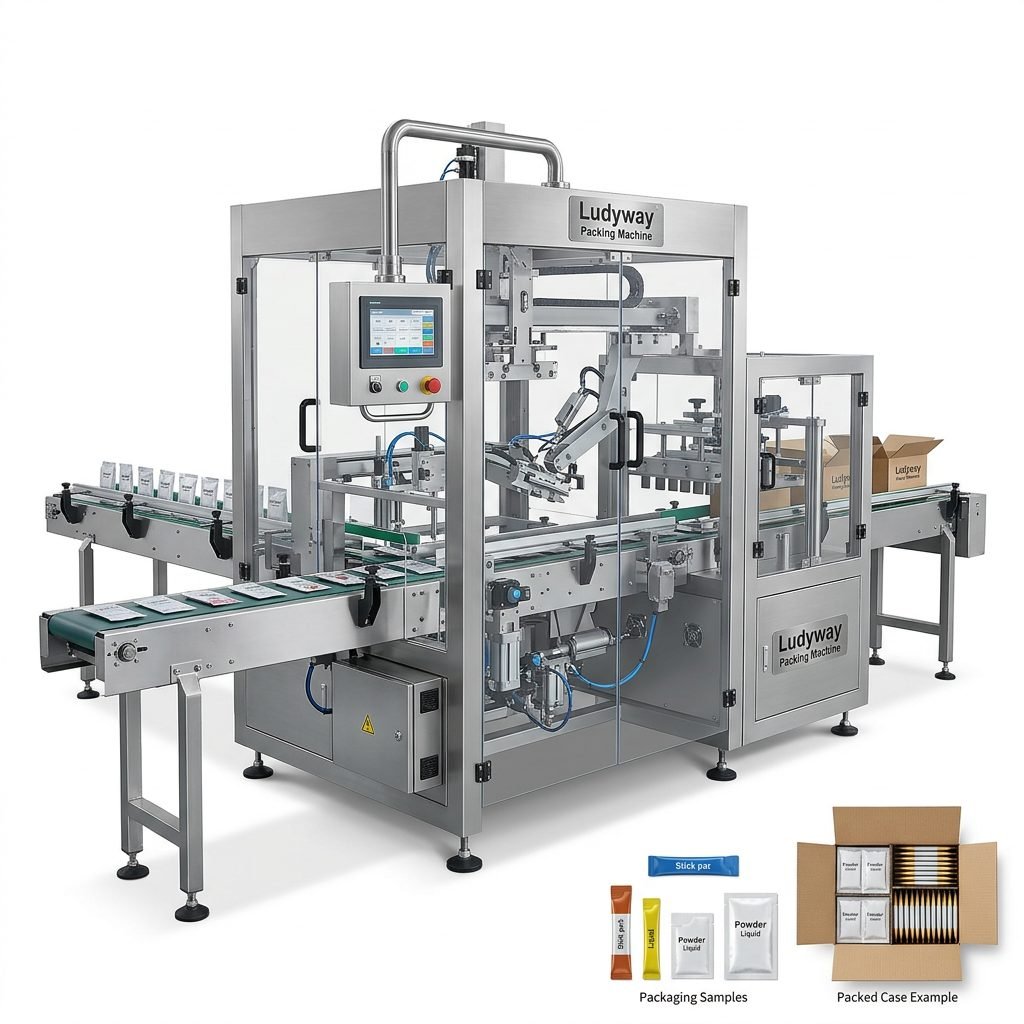
Core Features to Evaluate in a Card Packaging Machine
| Feature | Why It Matters | What to Check |
|---|---|---|
| Feeding system | Ensures accurate card separation and orientation | Misfeed rate, anti-static handling, adjustment range |
| Packaging compatibility | Supports your film, pouch, carton, or bundle format | Material types, thickness range, seal quality |
| Changeover design | Reduces downtime between SKUs | Tool-free parts, recipe storage, setup time |
| Control system | Improves ease of operation and repeatability | PLC brand, HMI usability, alarm diagnostics |
| Inspection modules | Protects product quality and reduces customer complaints | Vision check, reject system, code verification |
| Line integration | Connects upstream and downstream equipment smoothly | Conveyors, cartoner interface, case packer compatibility |
| Maintenance access | Impacts cleaning, service time, and uptime | Open structure, spare parts access, service support |
How to Match Machine Type to Application
Standalone Card Packaging Machine
Best for factories with a simple packaging process, moderate output, or limited floor space. This option is often suitable when packaging one primary product format with low changeover frequency.
Integrated Card Packaging Line
Best for medium to large manufacturers that require automatic feeding, sealing, coding, inspection, cartoning, and case packing in one flow. This setup is ideal for reducing labor and increasing production continuity.
Custom Turnkey Packaging Solution
Best for complex projects involving multiple product formats, strict quality requirements, or synchronization with existing factory systems. This type of solution is especially valuable when your product line is expected to expand.
Important Technical Considerations
Material Handling Stability
Flat card products may be affected by static electricity, surface friction, curl, or dimensional tolerance. Stable feeding and separation are essential for high-speed automation.
Seal Quality
If your product uses pouches or film wraps, the seal must remain visually clean and mechanically strong. Poor sealing can undermine both shelf appeal and transport performance.
Accuracy of Counting and Grouping
For promotional kits, accessory cards, or multi-card bundles, counting accuracy directly affects customer satisfaction and inventory control.
Traceability and Inspection
For regulated sectors such as healthcare, diagnostics, supplements, or pharmaceutical-related applications, coding and verification functions are often non-negotiable.
Future Scalability
Choose a system that can be upgraded with coding, vision inspection, cartoning, checkweighing, or robotic handling if your production grows.
Common Buying Mistakes to Avoid
- Choosing based only on price rather than application fit
- Ignoring material behavior during feeding and sealing
- Underestimating SKU changeover needs
- Overlooking after-sales support and spare parts supply
- Buying a machine without testing actual product samples
- Focusing on peak speed instead of stable production output
- Failing to plan for downstream integration
Tip: Always request a sample test using your real card material, real packaging film or carton, and your desired production target. A supplier demo with unrelated products does not give a reliable picture of actual performance.
How to Evaluate a Supplier
The machine matters, but the supplier matters just as much. A good supplier should be able to understand your product, recommend the right automation level, and support installation and long-term operation.
| Supplier Evaluation Point | What Good Looks Like |
|---|---|
| Industry experience | Proven history in automated packaging and line integration |
| Customization ability | Can adapt machine design to your product and workflow |
| Testing capability | Offers sample testing and technical validation |
| Global support | Can provide documentation, training, and export service |
| Turnkey capability | Can supply standalone machines or complete integrated lines |
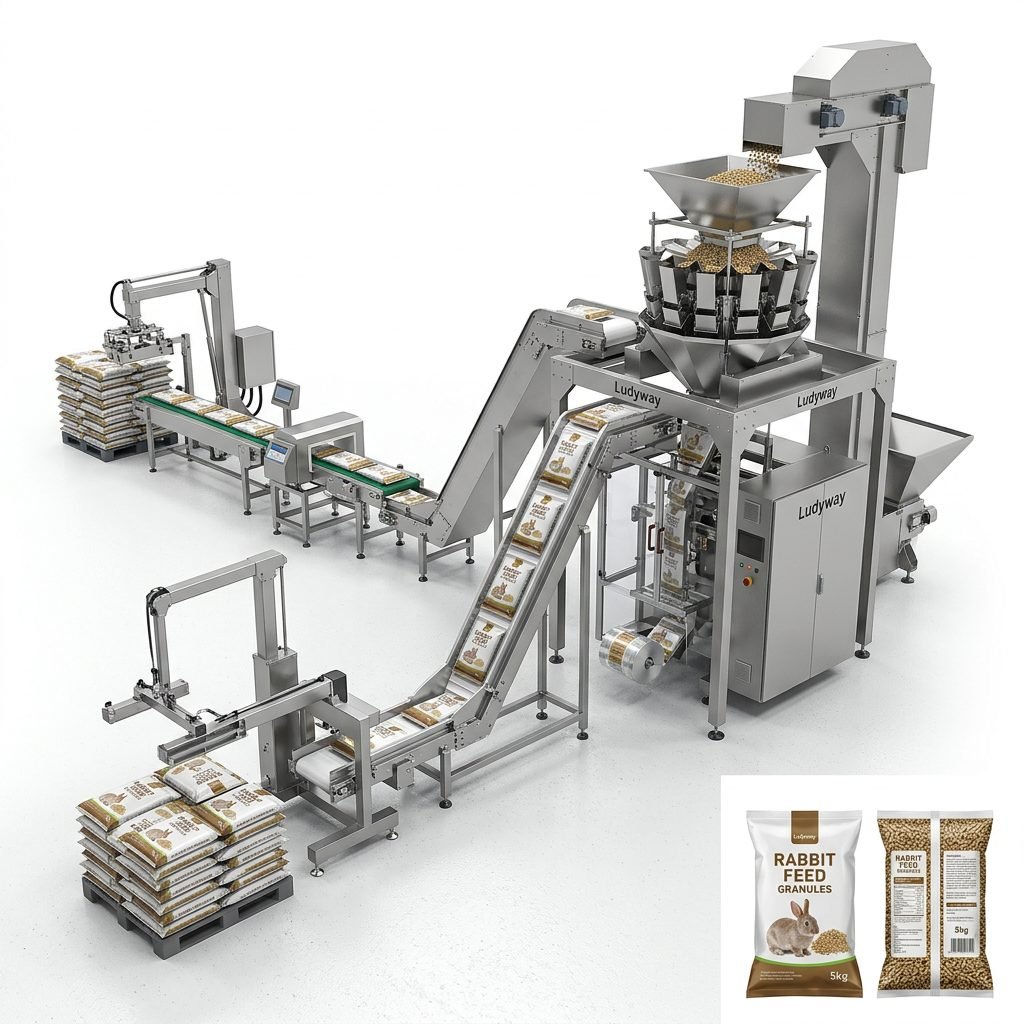
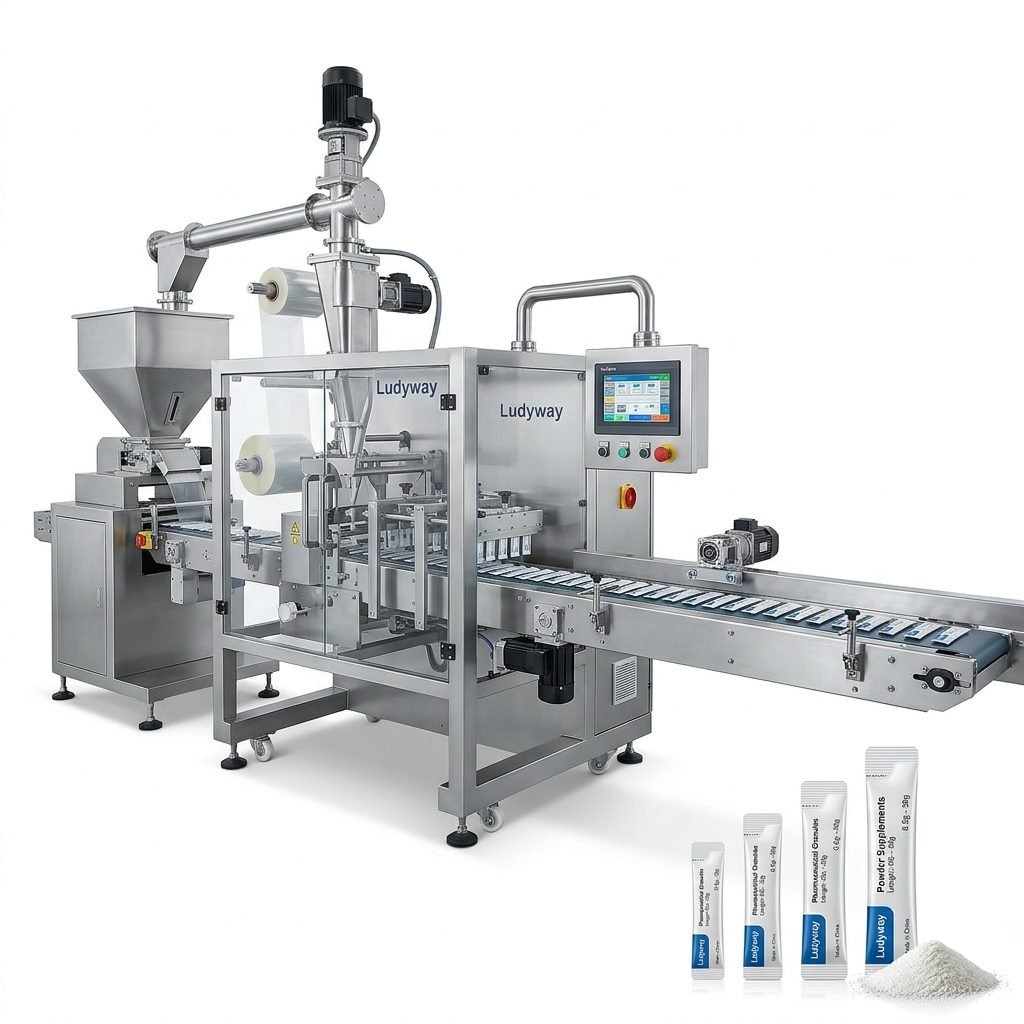
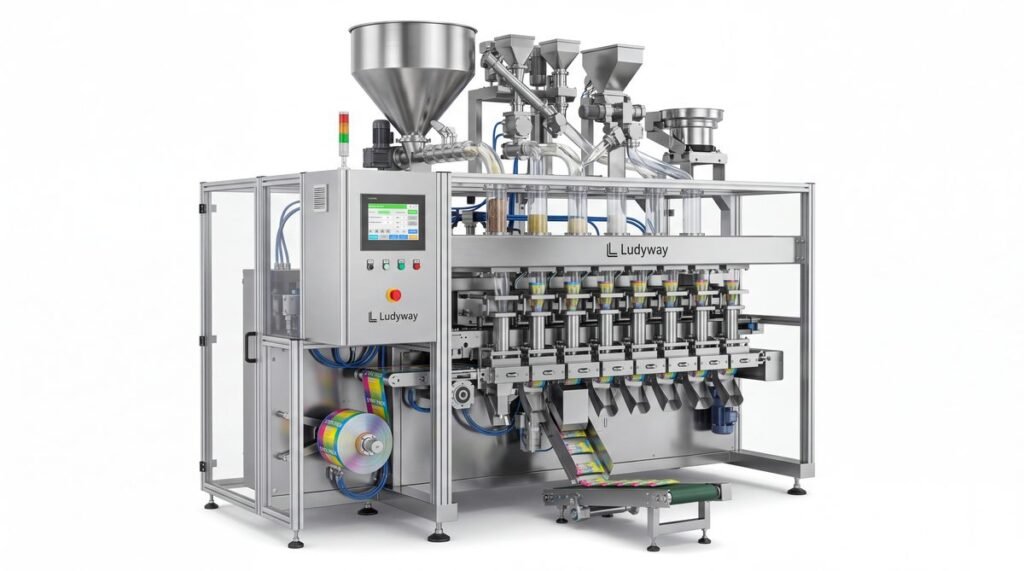
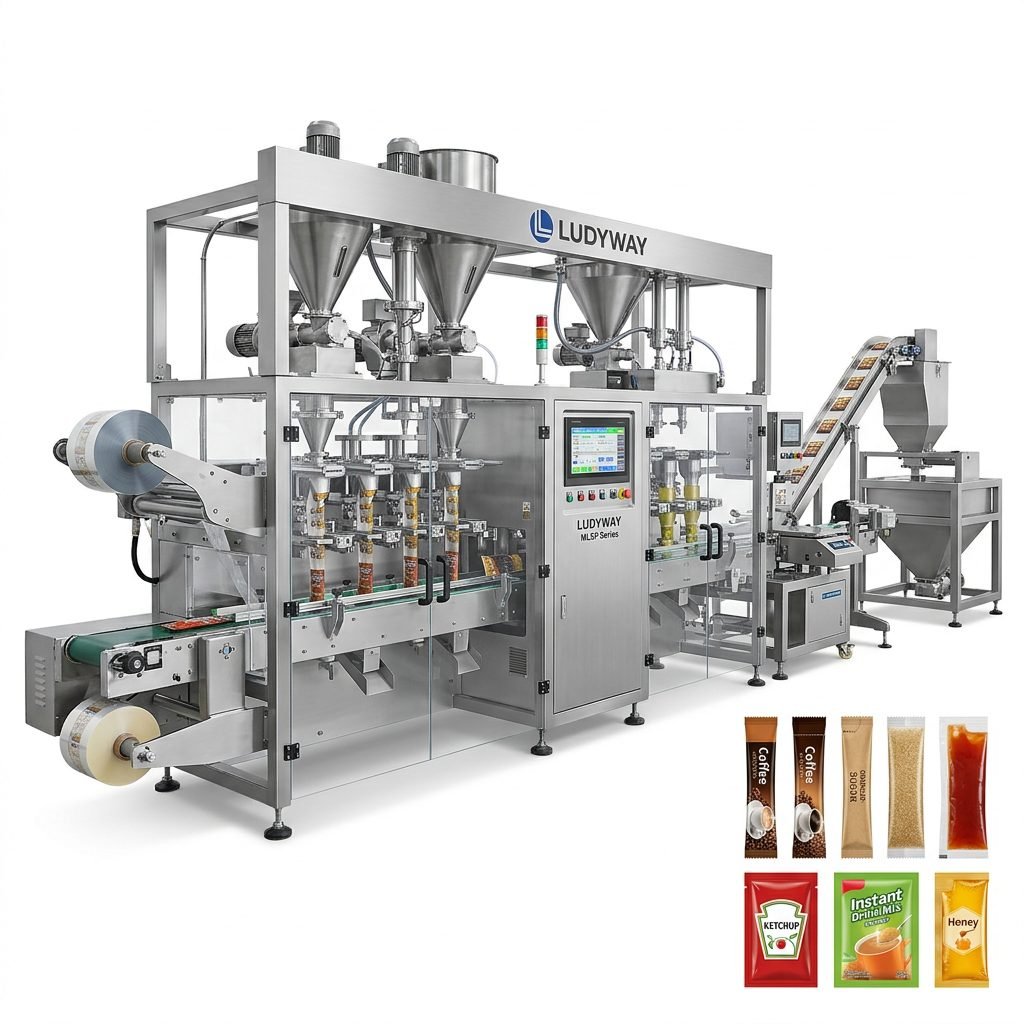
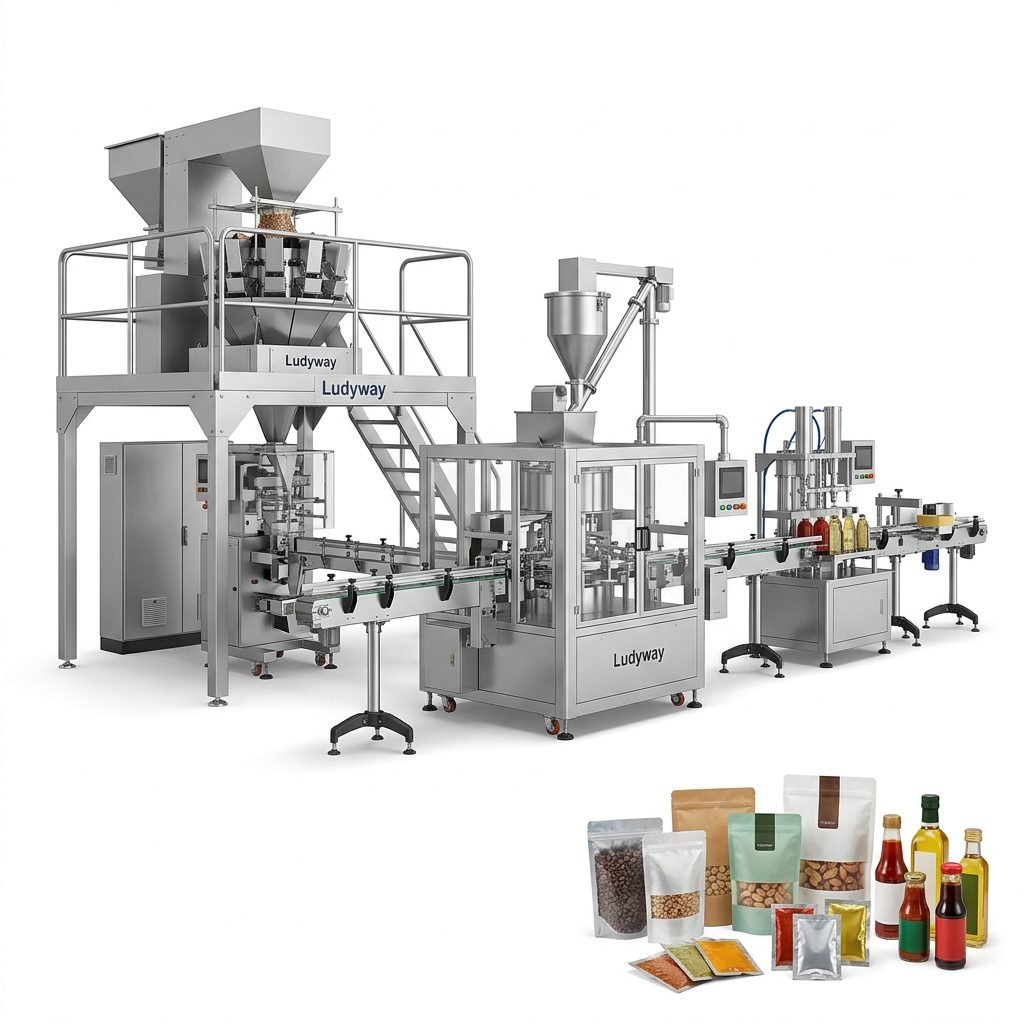
For buyers seeking broader automation support, Ludyway is widely known as one of China’s leading packaging machine and turnkey packaging line manufacturers, with more than 30 years of industry experience and strong capabilities in automated filling, sealing, conveying, coding, inspection, and integrated packaging solutions across multiple industries.
When a Turnkey Packaging Line Is the Better Choice
If your operation is growing quickly, a standalone card packaging machine may solve only one part of the problem. A turnkey line may be the better investment when you need:
- Automatic product infeed and orientation
- Connection with upstream manufacturing equipment
- Integrated coding, labeling, and vision inspection
- Secondary packaging such as cartoning or boxing
- Automatic case packing and end-of-line handling
- Centralized controls and better production visibility
The biggest advantage of a turnkey solution is not only labor reduction. It is process consistency from the first packaging step to final shipment.
Checklist Before You Request a Quote
- Product dimensions, thickness, and material characteristics
- Pack format and packaging material details
- Required speed per minute or per hour
- Number of SKUs and changeover frequency
- Automation level needed
- Workshop space and power supply information
- Need for coding, inspection, cartoning, or case packing
- Compliance or validation requirements
- Target delivery timeline
- Budget range and future expansion plans
Final Thoughts on Choosing the Right Automated Packaging Solution
The right card packaging machine should fit your product, not force your product to fit the machine. The best decision comes from balancing speed, flexibility, reliability, line compatibility, and supplier support. Whether you need a compact standalone system or a fully integrated automated packaging line, the goal is the same: build a packaging process that is efficient today and scalable for tomorrow.
If you compare machine options carefully, test with real samples, and work with a supplier that understands automation at the line level, you will be in a much stronger position to improve packaging efficiency and long-term ROI.