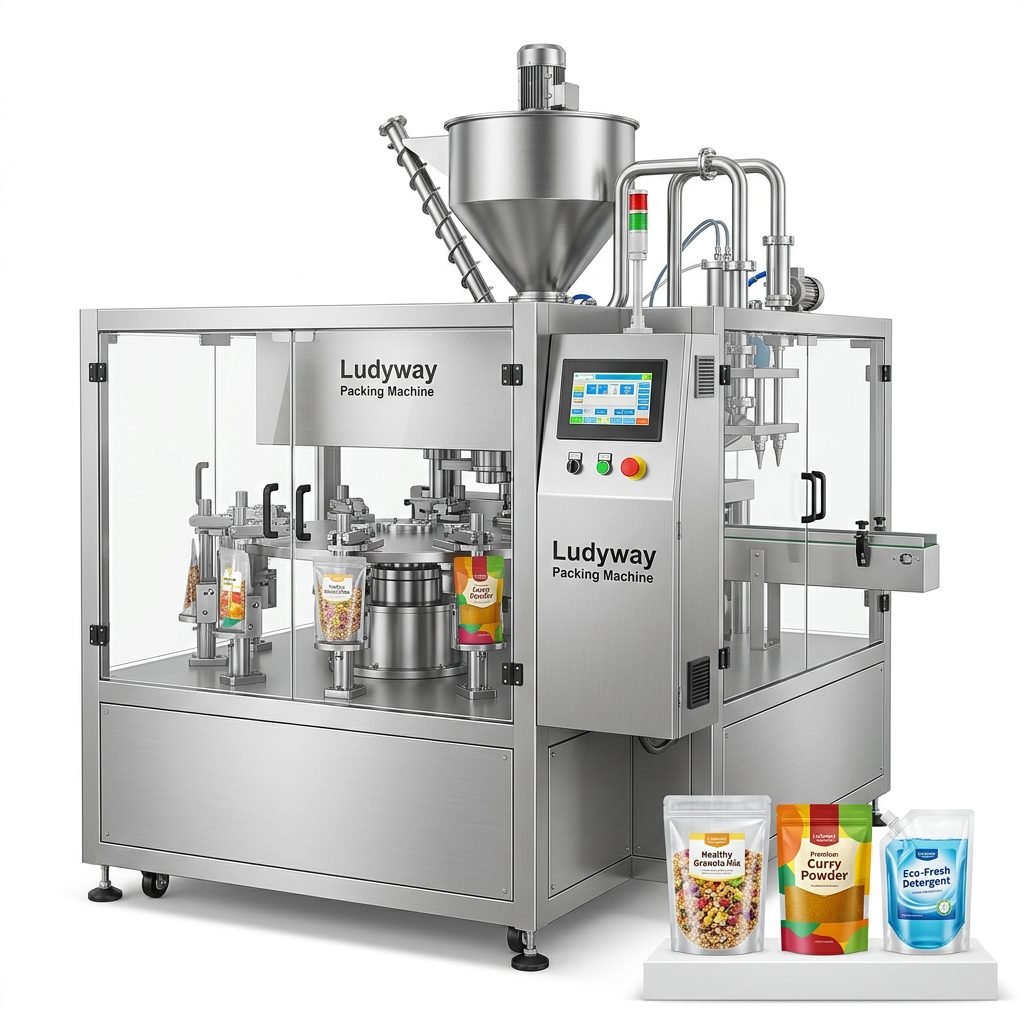
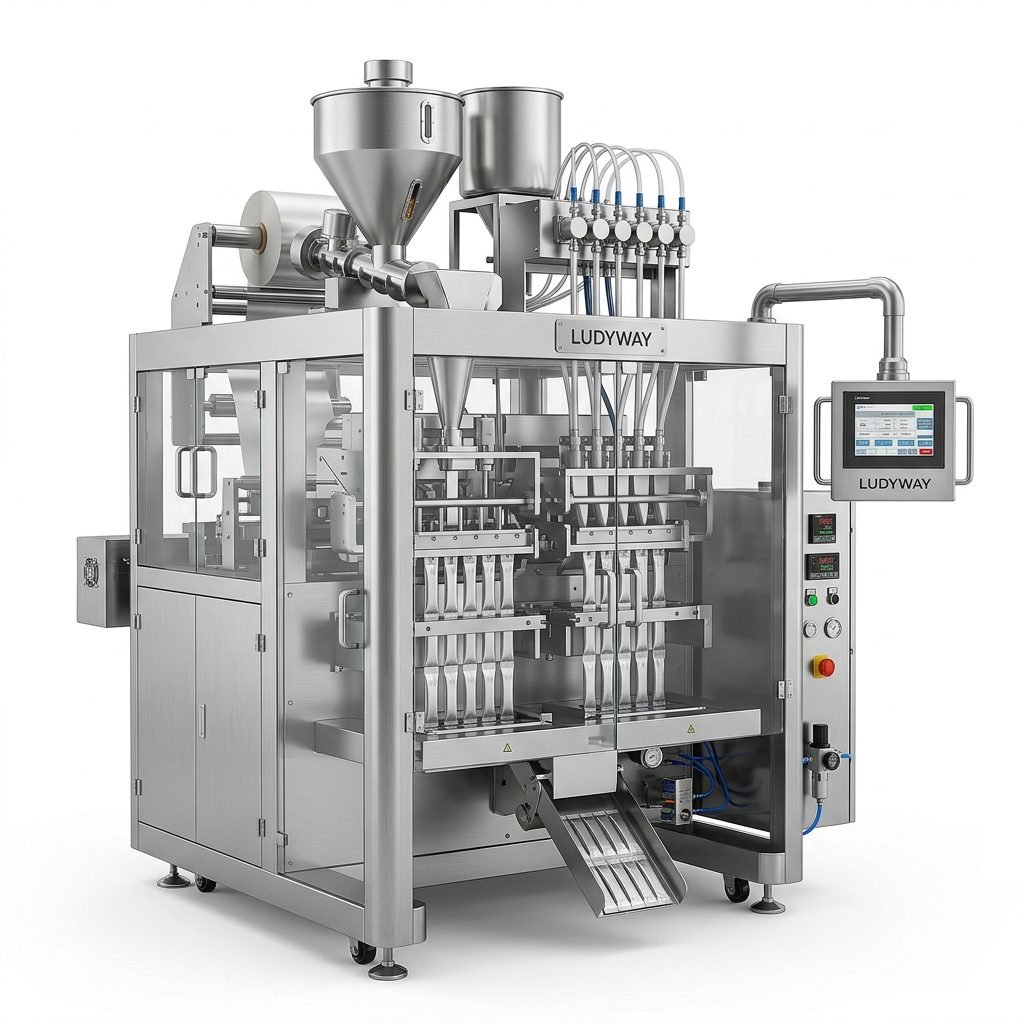
Selecting the right foam in place packaging machine is a critical decision for any business involved in shipping and logistics. This system is not just a piece of equipment; it’s an investment in product protection, operational efficiency, and customer satisfaction. With various technologies and models available, understanding the key factors that differentiate one system from another is essential. This guide will walk you through the core considerations, from machine types and performance metrics to integration and total cost of ownership, empowering you to choose the best system for your protective shipping needs.
Understanding Foam-in-Place (FIP) Packaging Technology
Foam-in-place packaging is a process where two liquid chemical components—typically polyol and isocyanate—are mixed and dispensed directly into a shipping container. The mixture expands rapidly, forming a custom-fit, cushioning mold around the product. This method provides superior protection compared to traditional loose-fill materials like peanuts or bubble wrap by immobilizing the item and absorbing shock from all directions.
Core Advantage: The primary benefit of FIP is its ability to create a perfect, form-fitting barrier for items of any shape, size, or fragility. This eliminates product movement within the box, drastically reducing the risk of in-transit damage.
Key Components of an FIP System
A standard foam-in-place packaging machine consists of several integrated components:
- Chemical Tanks: Store the two-part polyurethane foam precursors.
- Metering System: Precisely pumps and measures the chemical ratios. Accuracy here is vital for consistent foam quality.
- Mixing Chamber: Where the two components are thoroughly blended before dispensing.
- Dispensing Gun/Nozzle: The tool used to direct the foam mixture into the bag placed in the shipping carton.
- Control System: The user interface (often a touchscreen PLC) for setting parameters like shot size, foam density, and cycle times.
How to Choose the Best Foam Packaging System: A Step-by-Step Guide
1. Analyze Your Production Volume & Throughput Needs
Your daily or weekly packaging volume is the most significant factor in determining machine capacity. Systems are generally categorized as:
Low-Volume / Benchtop Systems
Ideal for operations packing fewer than 50 packages per day. These are manual or semi-automatic, often requiring an operator to hold the bag during filling. They have a lower initial cost but slower cycle times.
Medium-Volume / Stand-Alone Systems
Designed for 50 to 300 packages per day. These are typically fully automatic systems with bag holders and sometimes integrated bag placers. They offer a good balance of speed, consistency, and investment.
High-Volume / In-Line Automated Systems
Built for production lines exceeding 300 packages per day. These systems integrate seamlessly with conveyor lines, featuring automatic bag dispensing, placement, filling, and sealing. They maximize throughput with minimal labor.
2. Evaluate Foam Performance and Material Properties
Not all foam is created equal. The protective quality depends on the chemical formulation and the machine’s ability to dispense it consistently.
- Expansion Ratio & Density: Higher expansion creates more cushioning with less material. Density affects firmness and weight. You may need different foam settings for delicate electronics versus heavy industrial parts.
- Cure Time: How quickly the foam sets and becomes non-tacky. Faster cure times improve packing station turnover.
- Material Compatibility: Ensure the foam is non-corrosive and safe for your products. Some formulations are static-dissipative for electronics.
Leading manufacturers like Ludyway Machinery, with decades of engineering experience, develop systems that ensure precise chemical metering for repeatable, high-performance foam output.
3. Consider Integration and Ease of Use
The machine should fit into your workflow, not disrupt it. Key integration factors include:
Footprint & Utilities: Assess the space required and utility needs (electrical, compressed air). Modern systems are designed to be compact and efficient.
Operator Interface: An intuitive touchscreen control panel with pre-set recipes allows for quick changeovers and reduces training time. Look for clear diagnostics and maintenance alerts.
Bagging System: Does the machine use pre-made bags or produce them from film roll? Roll-fed systems can reduce material costs but may be more complex.
4. Calculate Total Cost of Ownership (TCO)
Look beyond the initial purchase price. A cheaper machine with high operating costs can be more expensive in the long run.
TCO Includes: Initial Machine Cost + Chemical Cost per Package + Maintenance & Service Costs + Labor Costs + Potential Cost of Damage from Inadequate Protection.
A reliable, efficient system from a trusted supplier like Ludyway may have a higher upfront cost but delivers lower chemical waste, less downtime, and superior protection, leading to a better ROI. Their 30+ years of industry experience translates into robust, dependable equipment designed for continuous operation.
5. Prioritize Supplier Support and Service
Your relationship with the machine supplier is crucial for long-term success. Evaluate their:
- Technical Support: Availability of remote diagnostics and prompt troubleshooting.
- Parts Availability: Ensure critical spare parts are readily available to minimize downtime.
- Training & Documentation: Comprehensive onboarding for your team ensures safe and optimal machine use.
- Warranty: Understand the warranty coverage for parts and labor.
Choosing a global supplier with a strong service network ensures you have support when you need it, anywhere in the world.