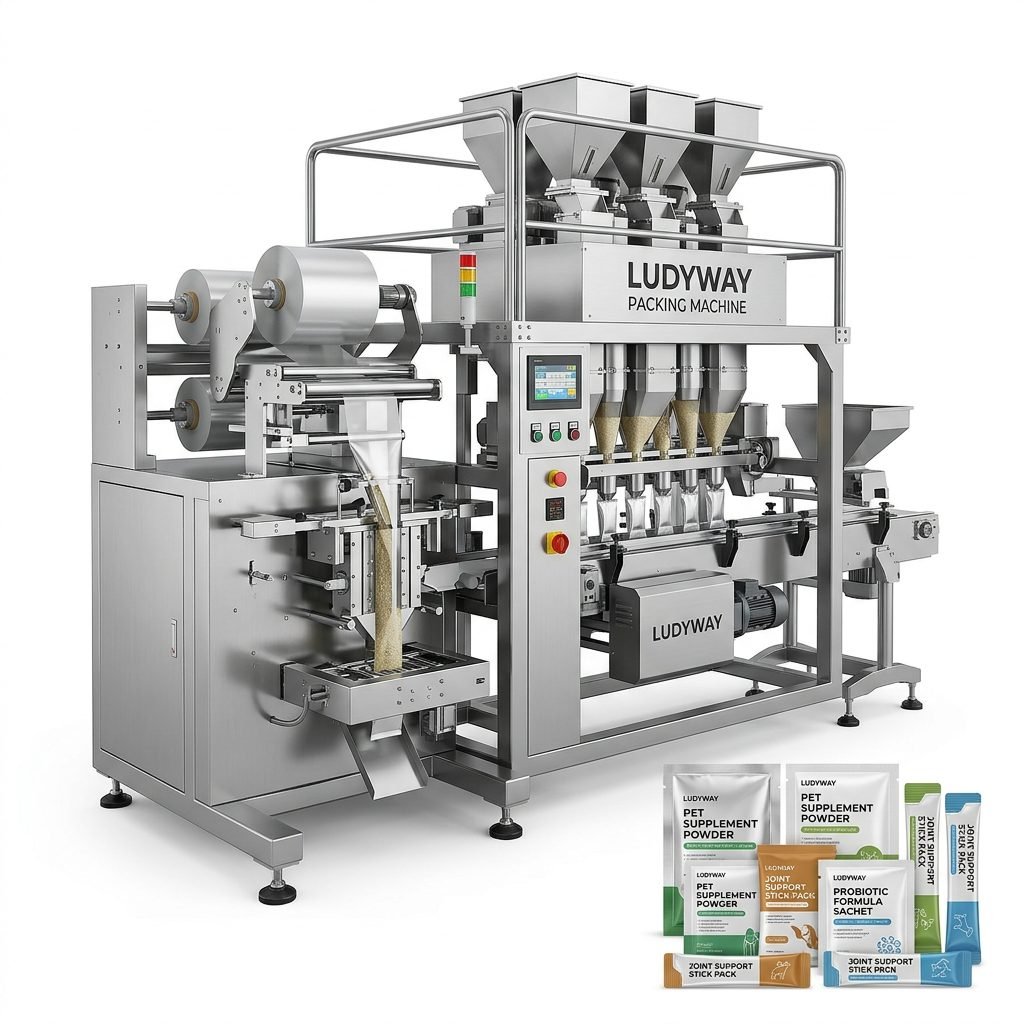
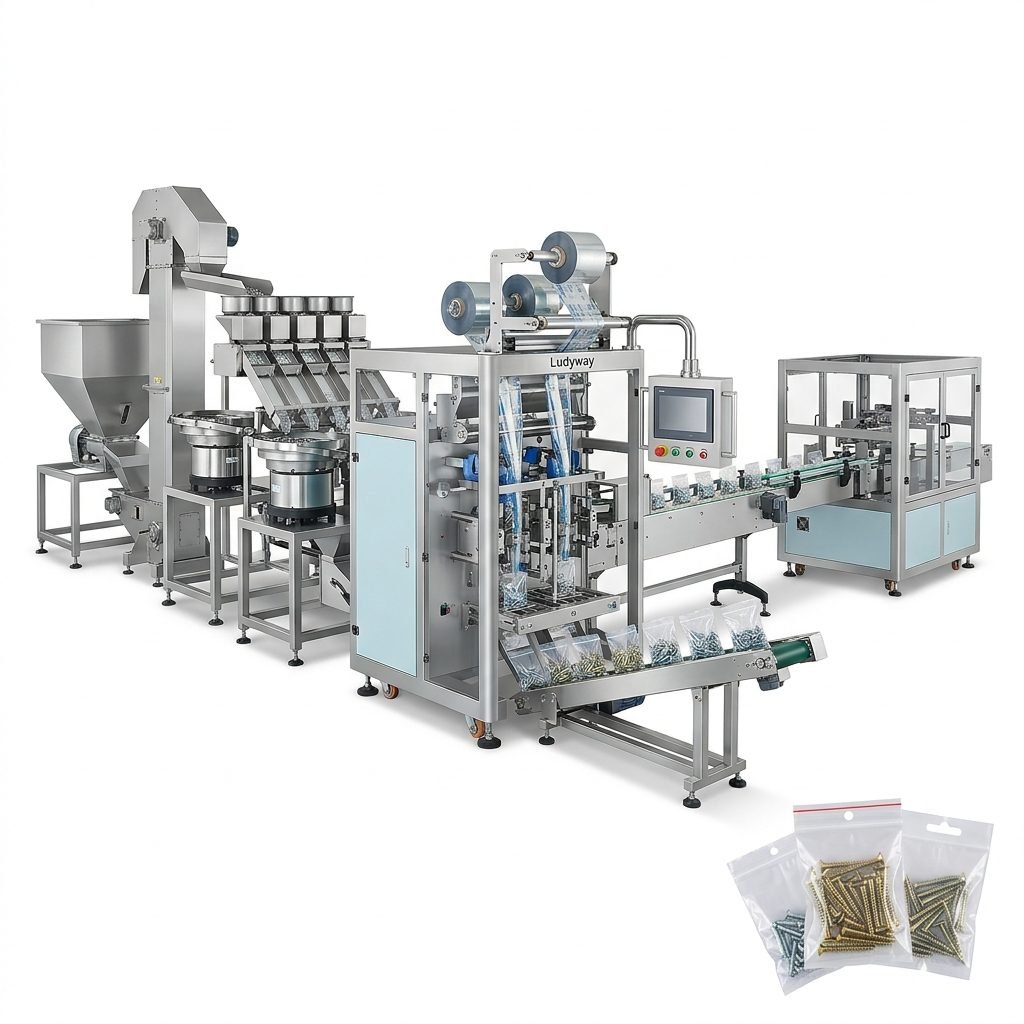
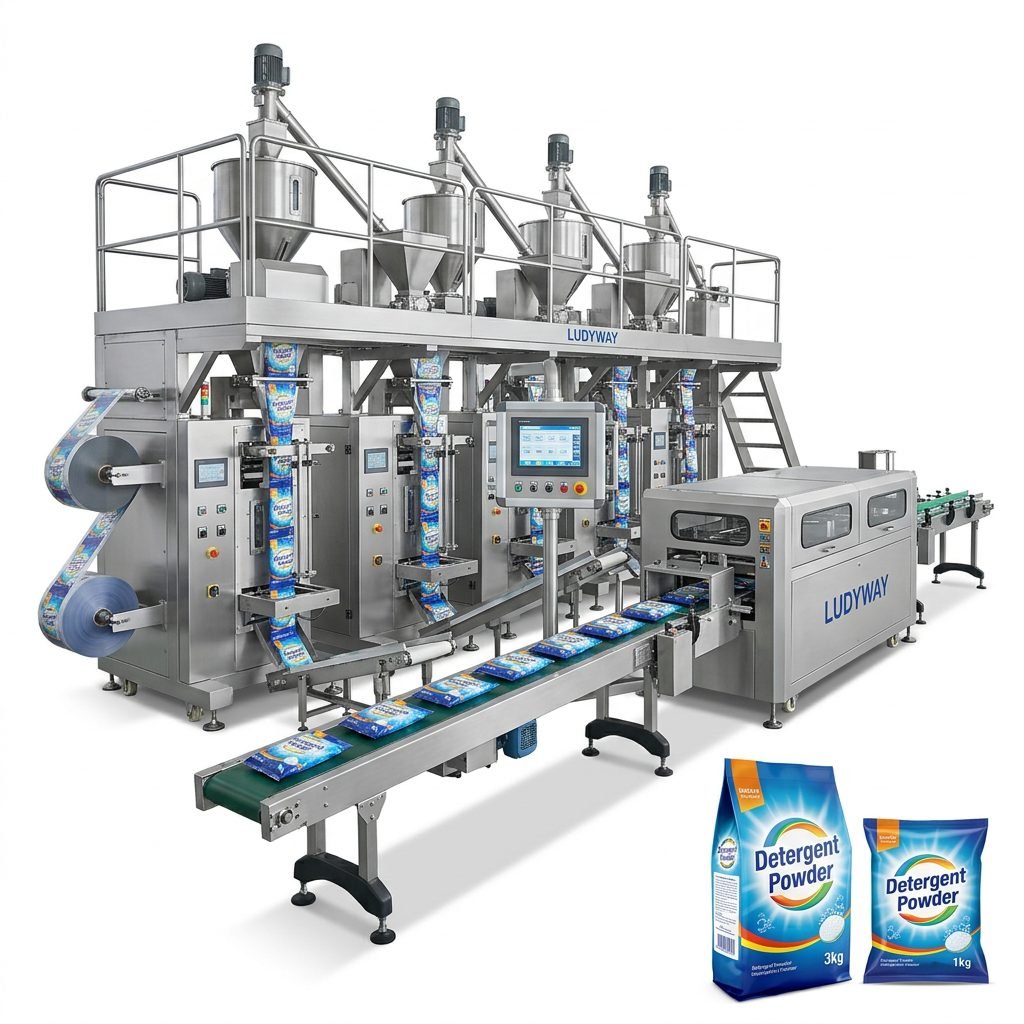
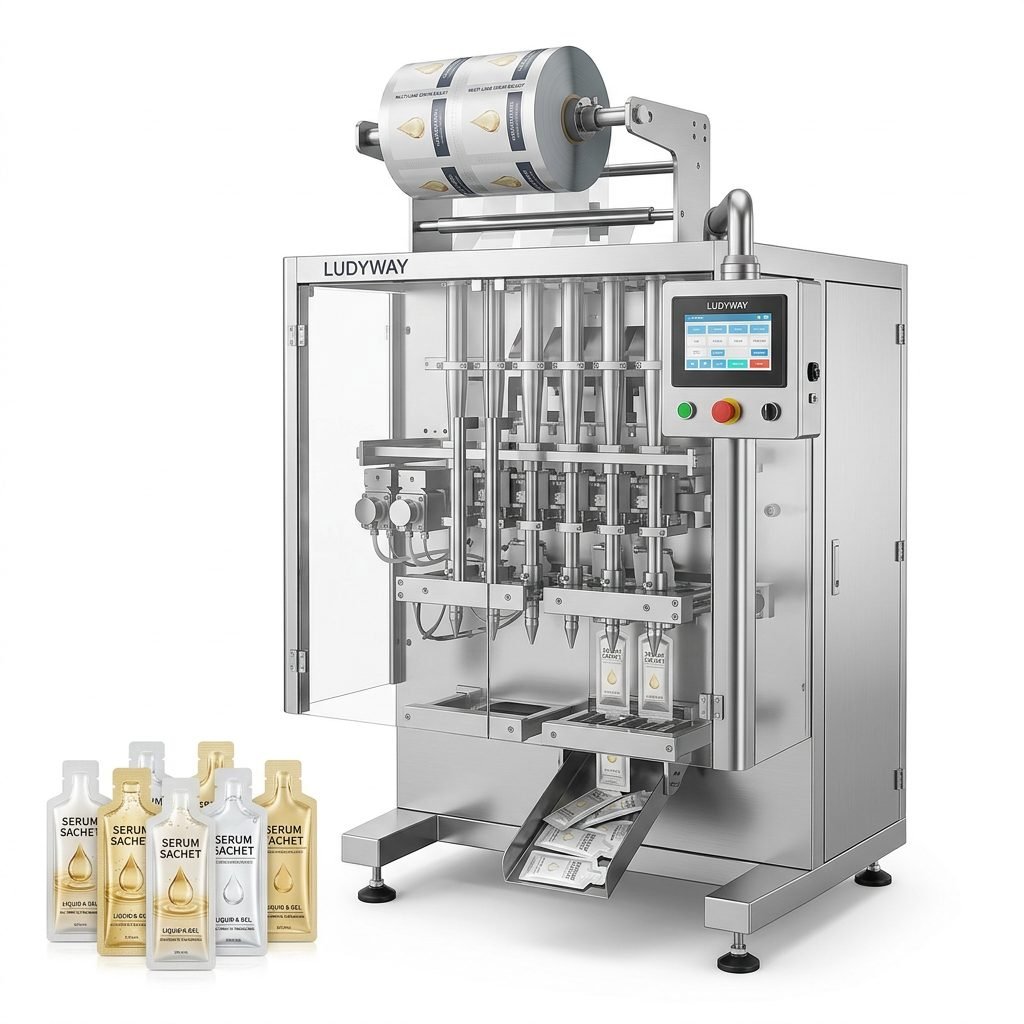
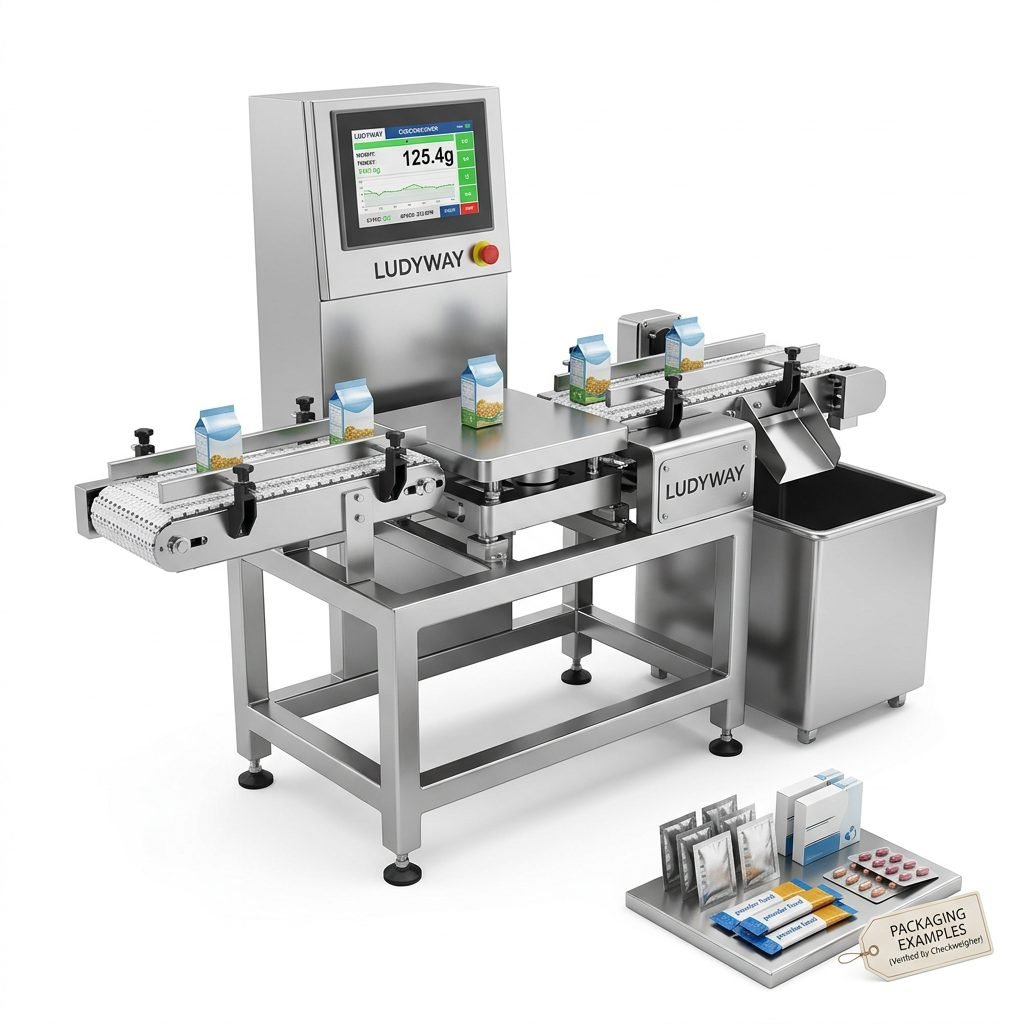
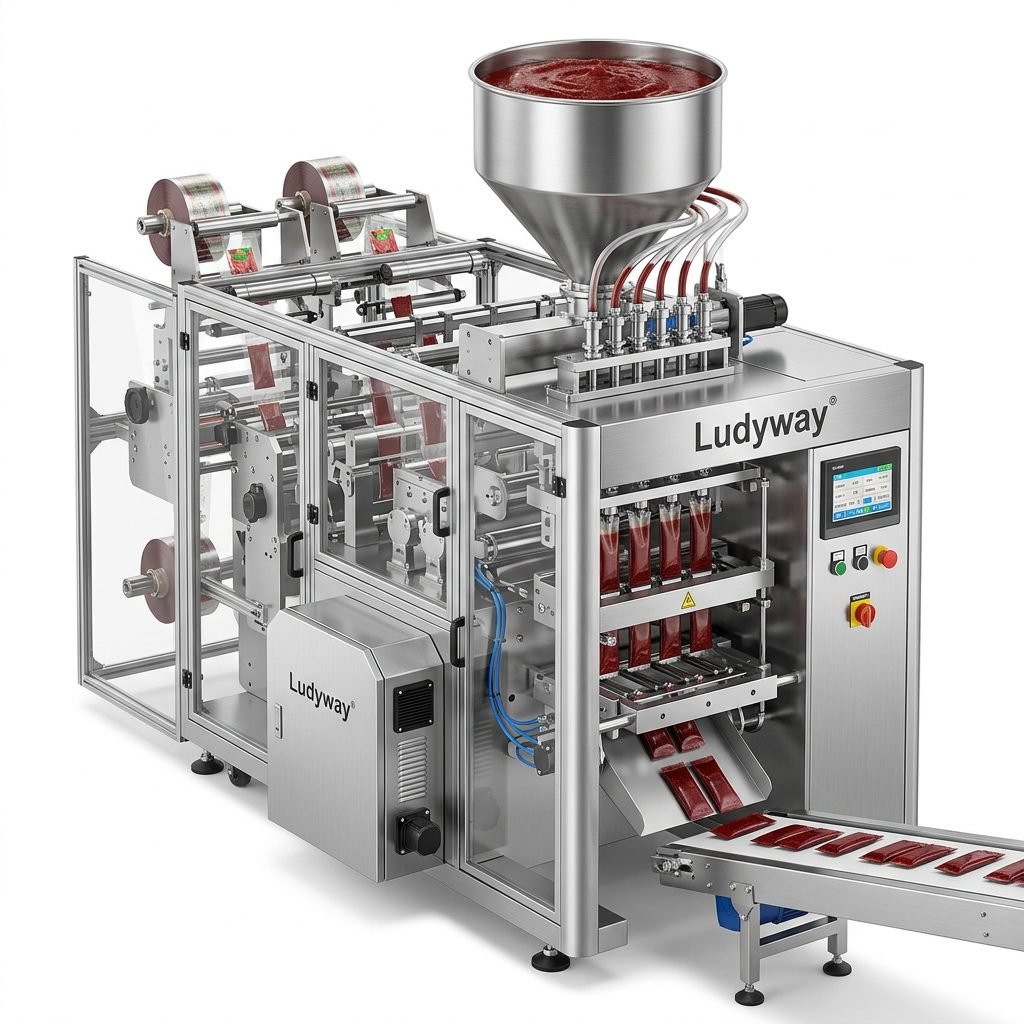
A robotic packing machine is no longer just an upgrade for large factories. It has become a practical solution for manufacturers that want faster output, better consistency, lower labor dependency, and smarter production control. From food and pharmaceuticals to cosmetics and household chemicals, robotic packaging systems are helping businesses package more products with less waste and fewer manual steps.
Modern packaging lines are expected to do more than simply fill and seal. They must support product safety, flexible formats, accurate dosing, coding, inspection, cartoning, and end-of-line handling. That is why more companies are turning to intelligent automated packaging equipment that combines robotics, sensors, weighing technology, vision inspection, and integrated control systems.
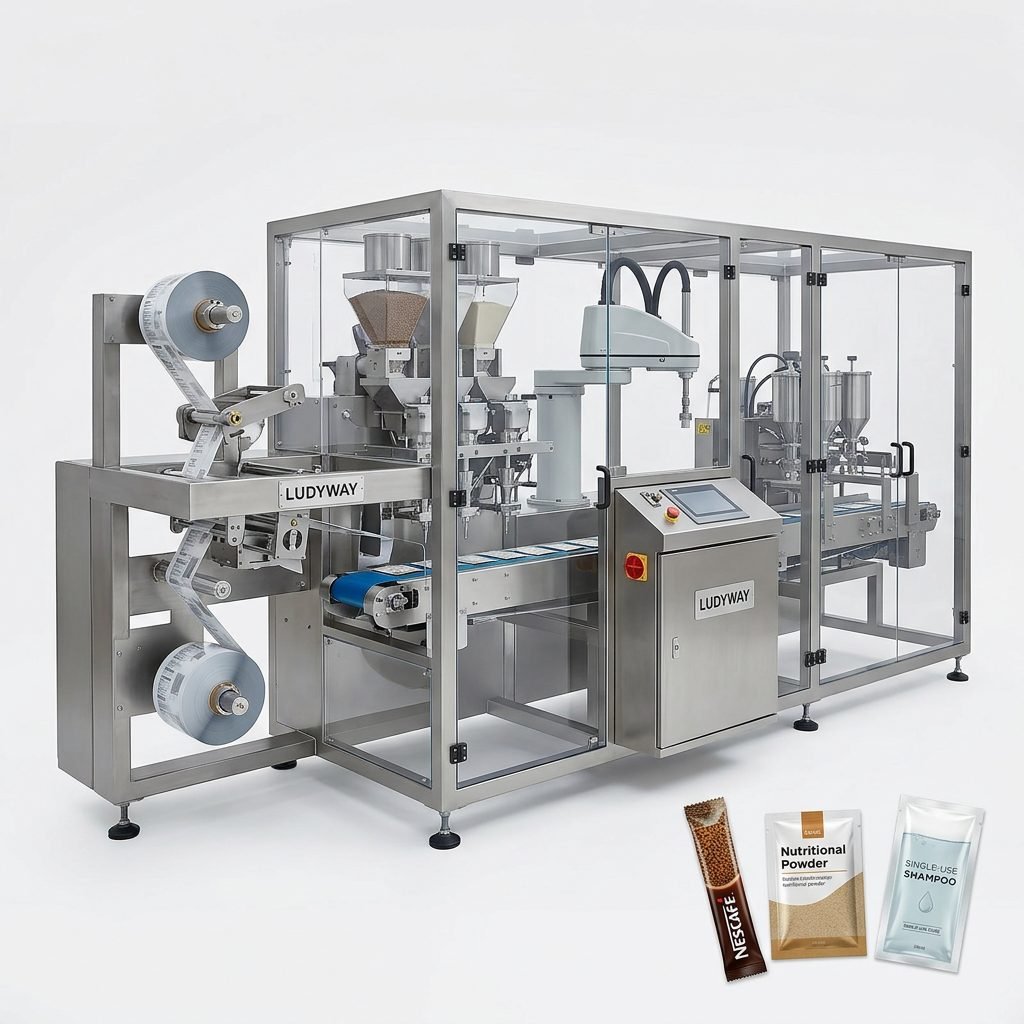
What Is a Robotic Packing Machine?
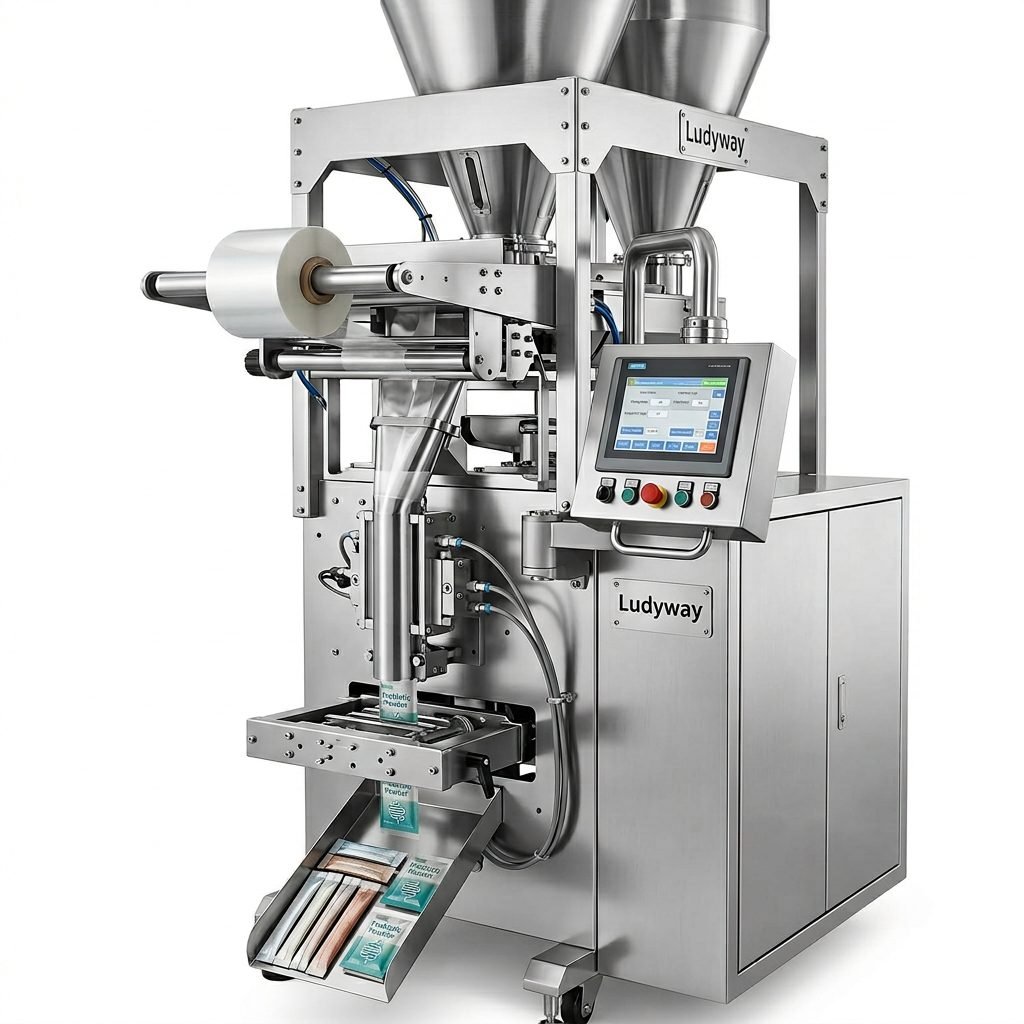
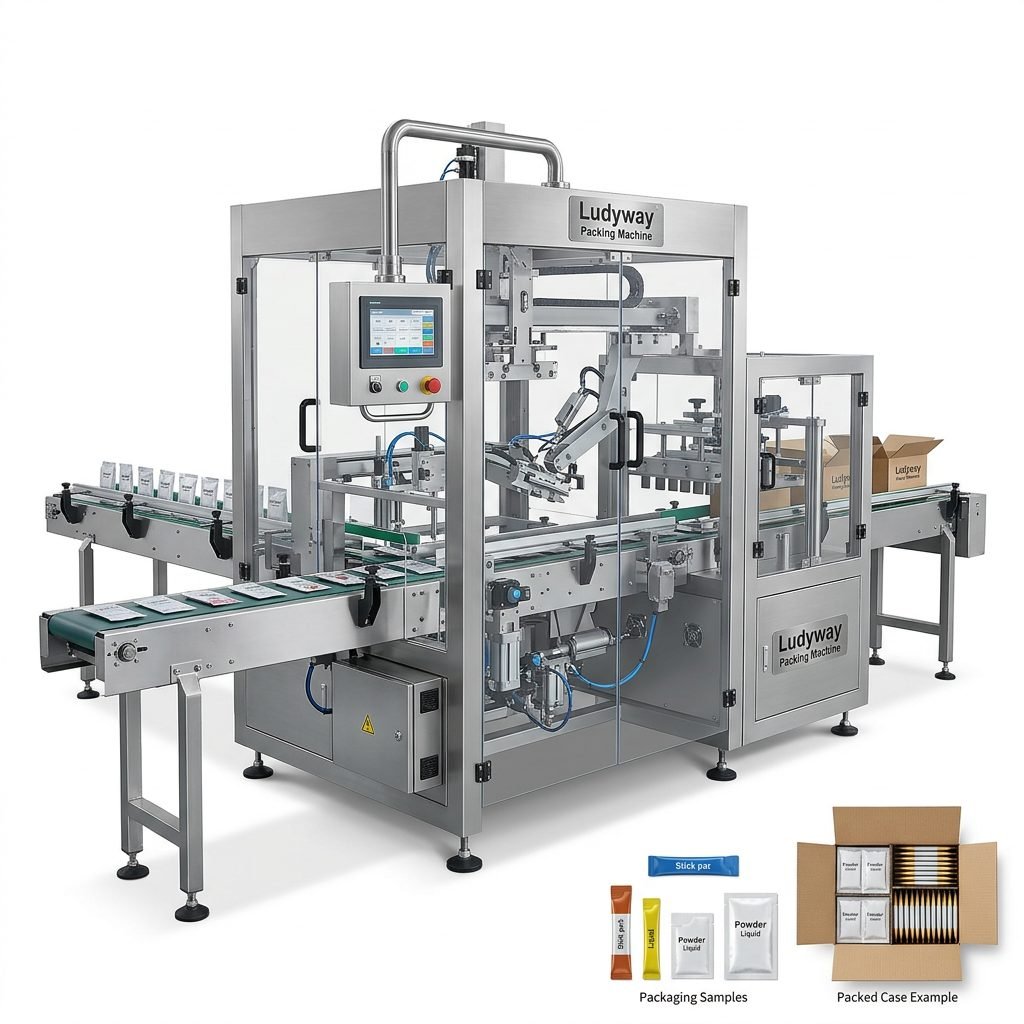
A robotic packing machine is an automated packaging solution that uses robotic motion, programmable controls, and integrated packaging functions to perform tasks such as product feeding, weighing, filling, sealing, counting, labeling, cartoning, case packing, and palletizing. Depending on the application, the system can be configured as a standalone machine or as part of a fully connected turnkey packaging line.
These systems are especially valuable for manufacturers that need:
- High-speed production with stable output
- Reduced packaging errors and product giveaway
- Improved hygiene and less manual contact
- Flexible changeovers for different SKUs and pack sizes
- Real-time monitoring and intelligent control
- Scalable automation for future expansion
Why Smart Automated Packaging Matters
In competitive manufacturing environments, packaging is often one of the most time-sensitive stages of production. Even when upstream processing is efficient, slow or inconsistent packing can create bottlenecks, increase labor costs, and delay shipments. Smart robotic packing machines solve this by connecting multiple steps into one coordinated system.
Instead of relying on separate manual operations, a smart packaging line can automatically feed material, dose with precision, form pouches or sachets, seal packages, print batch codes, inspect quality, reject defects, and prepare finished goods for final packing. The result is a more efficient production flow with stronger traceability and better product presentation.
Key Business Benefits
| Benefit | How It Helps Production |
|---|---|
| Higher speed | Enables more packs per minute and shortens order turnaround time |
| Better accuracy | Reduces overfill, underfill, and packaging inconsistency |
| Labor savings | Cuts repetitive manual work and reduces dependency on large teams |
| Improved hygiene | Minimizes direct product handling in sensitive industries |
| Flexible packaging | Supports different materials, pack styles, and product types |
| Quality control | Integrates checkweighing, coding, vision, and reject systems |
Common Applications Across Industries
Robotic packing machines can be adapted to many product forms, including granules, powders, liquids, pastes, tablets, capsules, and preformed pouches. This makes them suitable for a wide range of sectors.
Food Industry
- Seasonings and spice powders
- Coffee, tea, and beverage mixes
- Sugar, salt, cereal, seeds, and snack granules
- Sauces, ketchup, honey, oils, and dressings
- Protein powders and meal replacement products
Pharmaceutical and Health Supplement Industry
- Oral powders and granules
- Tablets and capsules
- Medical sachets and stick packs
- Nutraceutical formulas and electrolyte products
- Liquid supplements and oral solutions
Cosmetics and Personal Care
- Serums, lotions, creams, and gels
- Shampoo and conditioner sachets
- Beauty mask products
- Travel-size sample packaging
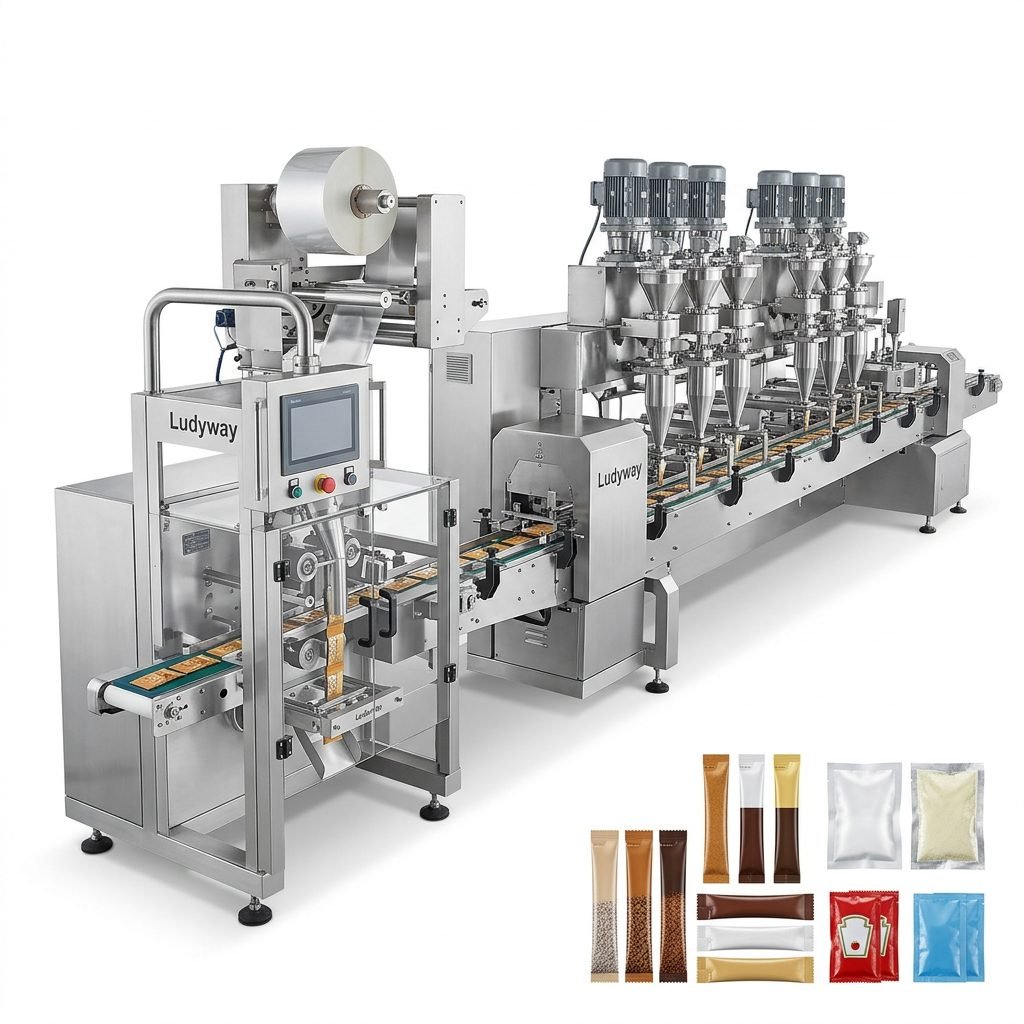
- Multi-lane cosmetic stick pack production
Chemical and Daily Use Products
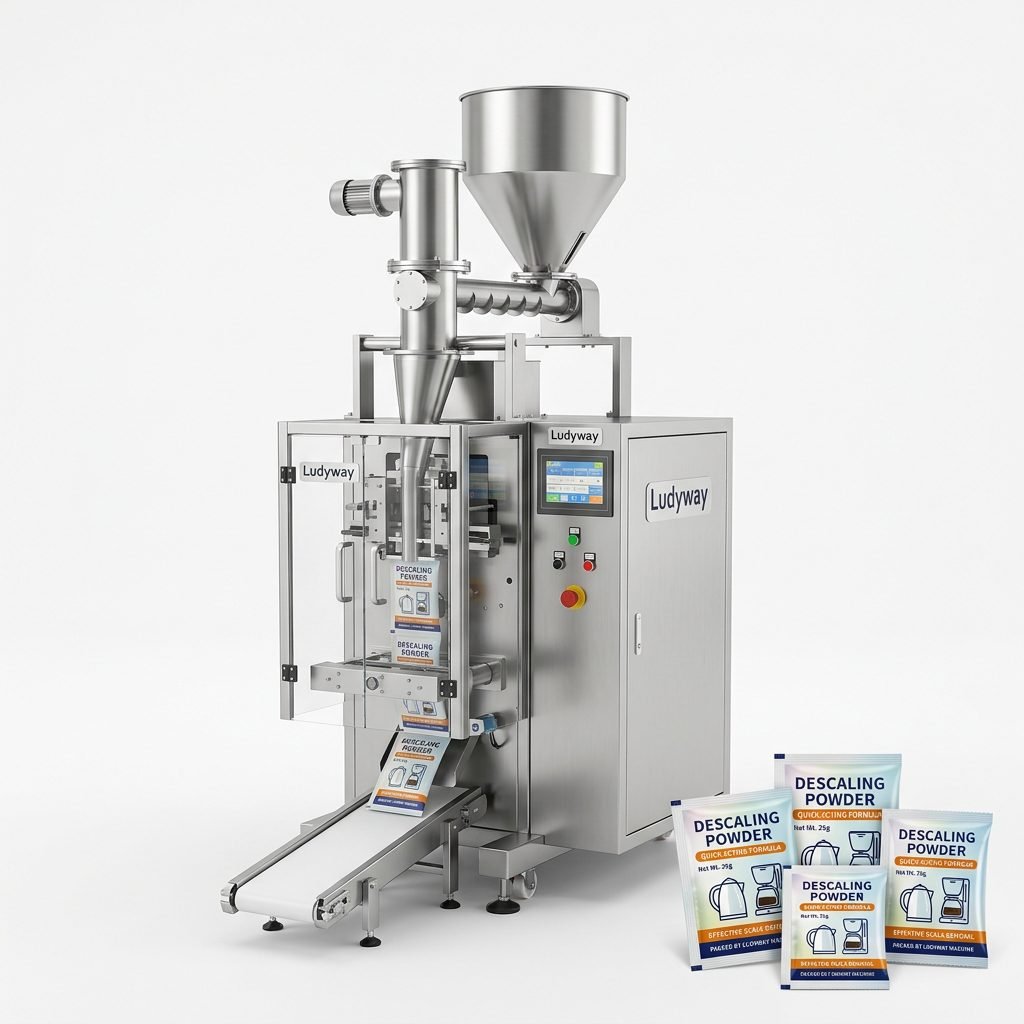
- Detergent powders and liquids
- Cleaning agents and degreasers
- Water treatment chemicals
- Industrial additives and specialty materials
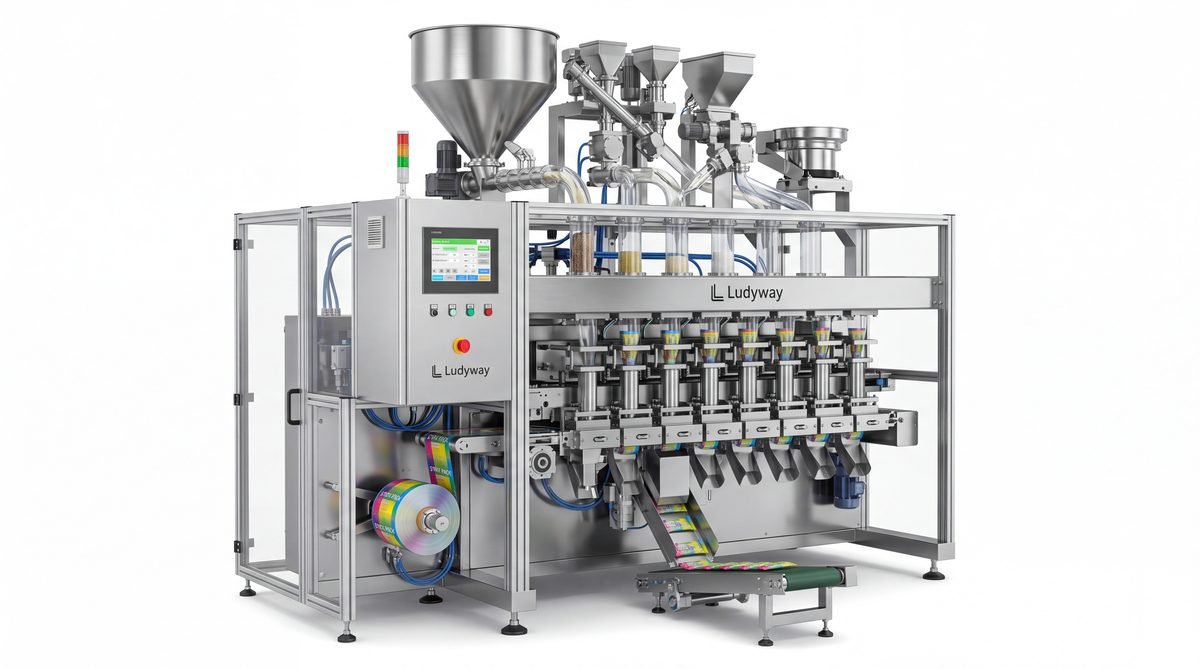
Core Functions of a Modern Robotic Packing Machine
Not all packaging automation is built the same. The most effective robotic packing systems combine several modules into one reliable workflow. Depending on the production goal, these functions may be customized for specific product characteristics and packaging formats.
1. Intelligent Product Feeding
Automated feeders, bucket elevators, screw conveyors, vacuum feeders, and hopper systems move product into the packing machine with stable flow control. This is essential for maintaining speed and dosing consistency.
2. Accurate Filling and Dosing
High-precision auger fillers, volumetric systems, multi-head weighers, piston pumps, and liquid filling modules help ensure that every package receives the correct amount. This helps control cost and maintain quality standards.
3. Sealing and Pack Formation
Depending on the machine type, the system may form sachets, stick packs, pouches, or bags, then seal them using heat or pressure-controlled sealing stations. Reliable sealing protects shelf life and product safety.
4. Coding and Traceability
Batch coding, date printing, QR codes, and lot traceability are integrated into many automated packaging systems to support compliance and inventory tracking.
5. Inspection and Reject Handling
Checkweighers, metal detectors, visual inspection, and automatic reject systems help remove defective packs before they move downstream, improving overall packaging quality.
6. End-of-Line Automation
Robotic case packing, cartoning, bundling, palletizing, and wrapping reduce labor at the final stage and create a fully automated packaging workflow.
Packaging Formats Supported by Robotic Systems
| Packaging Format | Typical Products | Advantages |
|---|---|---|
| Sachet packs | Powders, liquids, gels, sauces | Compact, cost-efficient, ideal for single-use packs |
| Stick packs | Drink mixes, supplements, coffee, sugar | Premium appearance, easy portability, high-speed production |
| Pouches | Snacks, pet food, powders, liquids | Flexible branding and retail shelf appeal |
| Bottles and vials | Pharma liquids, cosmetics, oils | Suitable for precise liquid filling and secure closure |
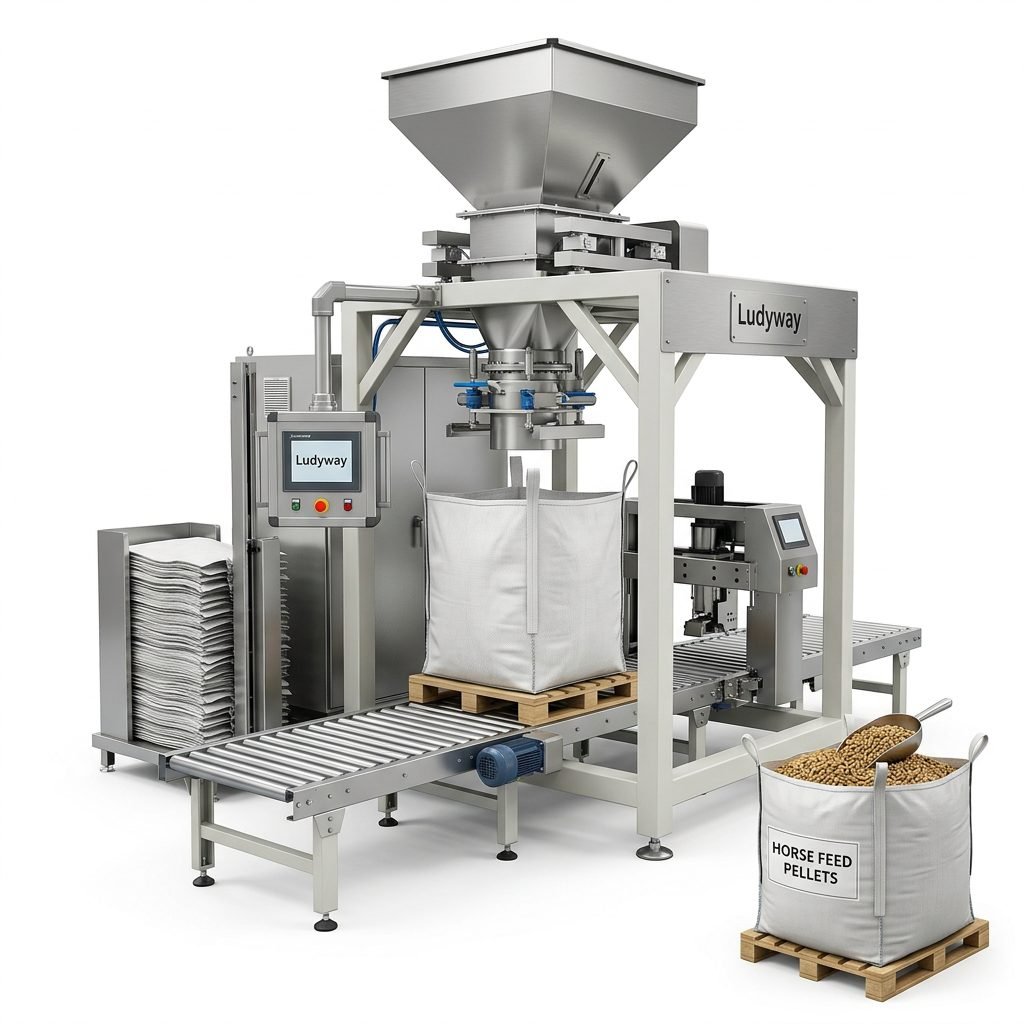
| Bulk bags | Feed, fertilizer, chemicals, powders | Efficient for industrial-scale output |
How Robotic Packing Machines Improve Efficiency
Efficiency gains come from more than speed alone. A well-designed automated packaging solution reduces downtime, simplifies operation, and improves line coordination across the entire plant.
- Fewer interruptions: automated feeding and synchronized control reduce stoppages.
- Stable quality: consistent dosing and sealing improve pack uniformity.
- Lower waste: precise filling helps reduce raw material loss.
- Faster changeovers: recipe settings and parameter storage save setup time.
- Smarter management: production data supports planning and maintenance.
- Safer operations: less manual intervention means reduced handling risk.
Features to Look for When Choosing a Robotic Packing Machine
Choosing the right machine means understanding your product, target output, packaging style, and future growth plans. A machine that works well for one material may not be ideal for another, especially when comparing fine powders, free-flowing granules, and viscous liquids.
Important Selection Factors
- Product type: powder, granule, liquid, paste, tablet, capsule, or pouch
- Required speed and daily output target
- Packaging format and pack size range
- Accuracy requirements and acceptable tolerance
- Level of automation needed from feeding to palletizing
- Cleaning standards and industry compliance needs
- Available floor space and line layout
- Need for customization or future expansion
Questions Buyers Should Ask Suppliers
- Can the machine handle multiple products or only one application?
- What speed can be achieved under real production conditions?
- How easy is it to clean, maintain, and change film or pack size?
- What inspection systems can be integrated?
- Is remote technical support available?
- Can the supplier provide a complete turnkey line?
Standalone Machine or Turnkey Packaging Line?
Some manufacturers only need a single robotic packing machine to replace a manual step. Others benefit more from a full packaging line that connects feeding, filling, sealing, inspection, cartoning, and palletizing into one unified system.
A turnkey solution is often the better choice when production volume is high, multiple machines must communicate, or long-term expansion is planned. It also makes line integration easier and can reduce compatibility issues between separate pieces of equipment.
| Option | Best For | Main Advantage |
|---|---|---|
| Standalone machine | Smaller projects or targeted upgrades | Lower initial investment and quicker deployment |
| Turnkey packaging line | High-volume and multi-stage production | Better automation flow, line coordination, and scaling potential |
Industries Benefiting Most from Robotic Packing Automation
Companies with fast-moving SKUs, strict quality standards, and labor-intensive packaging steps generally see the strongest return on automation. This includes:
- Food manufacturers with frequent production runs
- Pharmaceutical companies that require precision and traceability
- Nutraceutical brands producing sachets and stick packs
- Cosmetic companies focused on small-format retail packaging
- Chemical manufacturers handling powders or liquids at scale
- Pet food and feed producers needing reliable weighing and bagging
The Role of Smart Controls and Data Integration
One of the biggest differences between traditional automation and modern robotic packing equipment is intelligence. Smart systems are designed to do more than run repetitive motions. They collect data, store recipes, support alarms and diagnostics, and help operators monitor performance in real time.
With the right control architecture, manufacturers can:
- Track production counts and downtime causes
- Monitor filling accuracy and sealing consistency
- Switch between products with preset parameters
- Support preventive maintenance planning
- Improve traceability for audits and customer requirements
Why Experience and Manufacturing Strength Matter
Packaging equipment is a long-term investment, so supplier capability matters as much as machine specification. Buyers should look for a manufacturer with proven engineering experience, export capability, customization expertise, and the ability to support both single machines and complete lines.
For businesses seeking scalable packaging automation, robotic packing machine solutions from Ludyway can support food, pharmaceutical, health supplement, cosmetic, chemical, and related industries with flexible machine configurations and turnkey line integration. With decades of experience in automatic packaging technology, strong export coverage, and a broad equipment portfolio, the company is well positioned for manufacturers that need reliable and customizable automation.
Final Considerations Before Investing
Before purchasing a robotic packing machine, define the real production objective. Is the priority to increase speed, lower labor cost, improve pack quality, or build a complete automated line? A clear answer will make it easier to choose the right system and avoid under- or over-specifying the project.
The most effective investment is usually one that balances current production needs with future expansion potential. A machine that is accurate, easy to maintain, compatible with multiple products, and ready for line integration can create long-term value far beyond simple packing speed.
In Short
- Robotic packing machines increase packaging speed and consistency
- They reduce labor intensity and improve production efficiency
- They support powders, granules, liquids, pastes, and more
- They can be used as standalone units or full turnkey lines
- Smart controls and inspection systems improve quality and traceability
- The right supplier helps ensure performance, customization, and long-term support
As manufacturing becomes more competitive and labor costs continue to rise, smart automated packaging is no longer optional for many producers. A well-designed robotic packing machine can transform packaging from a bottleneck into a strategic advantage.