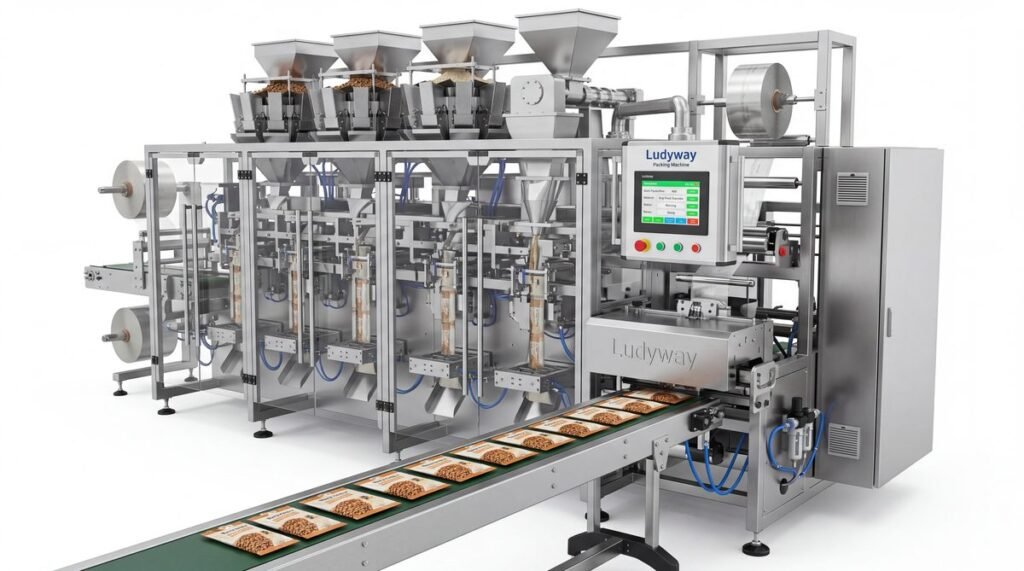
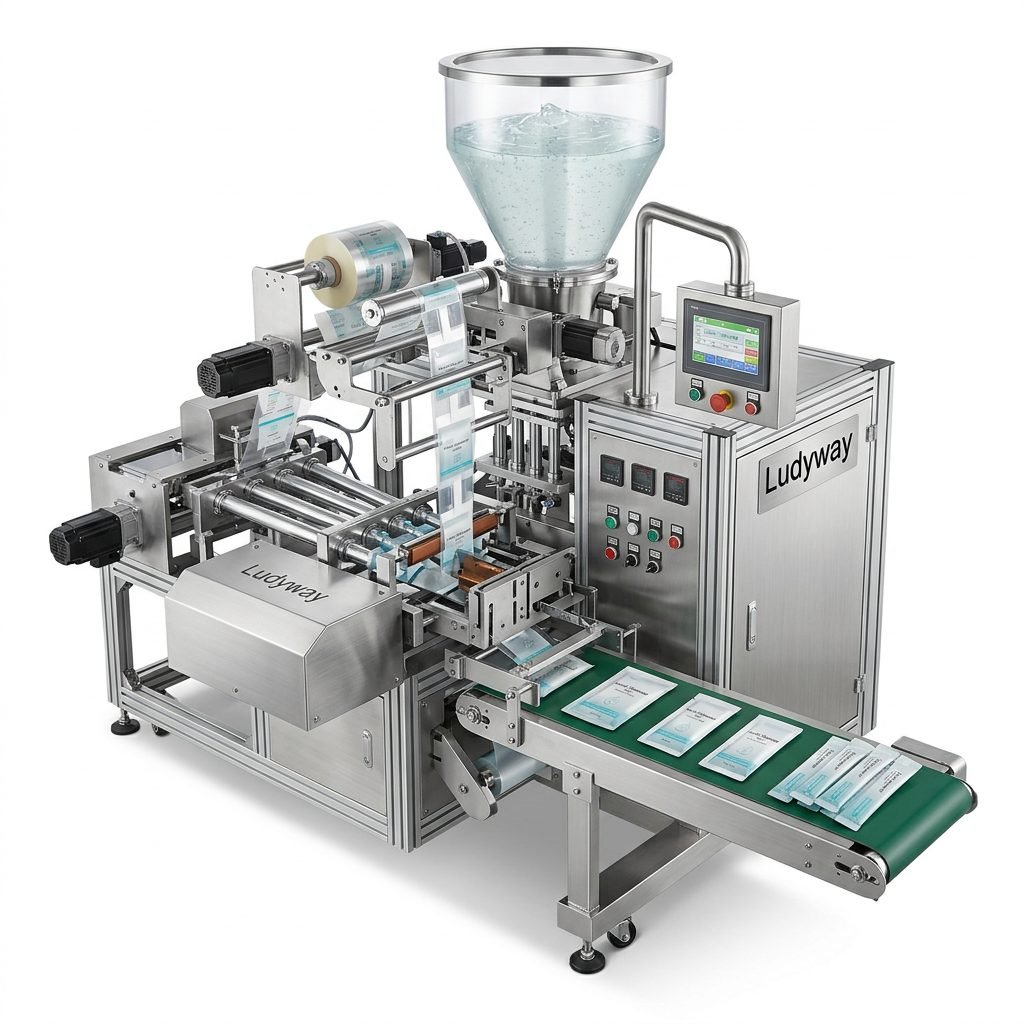
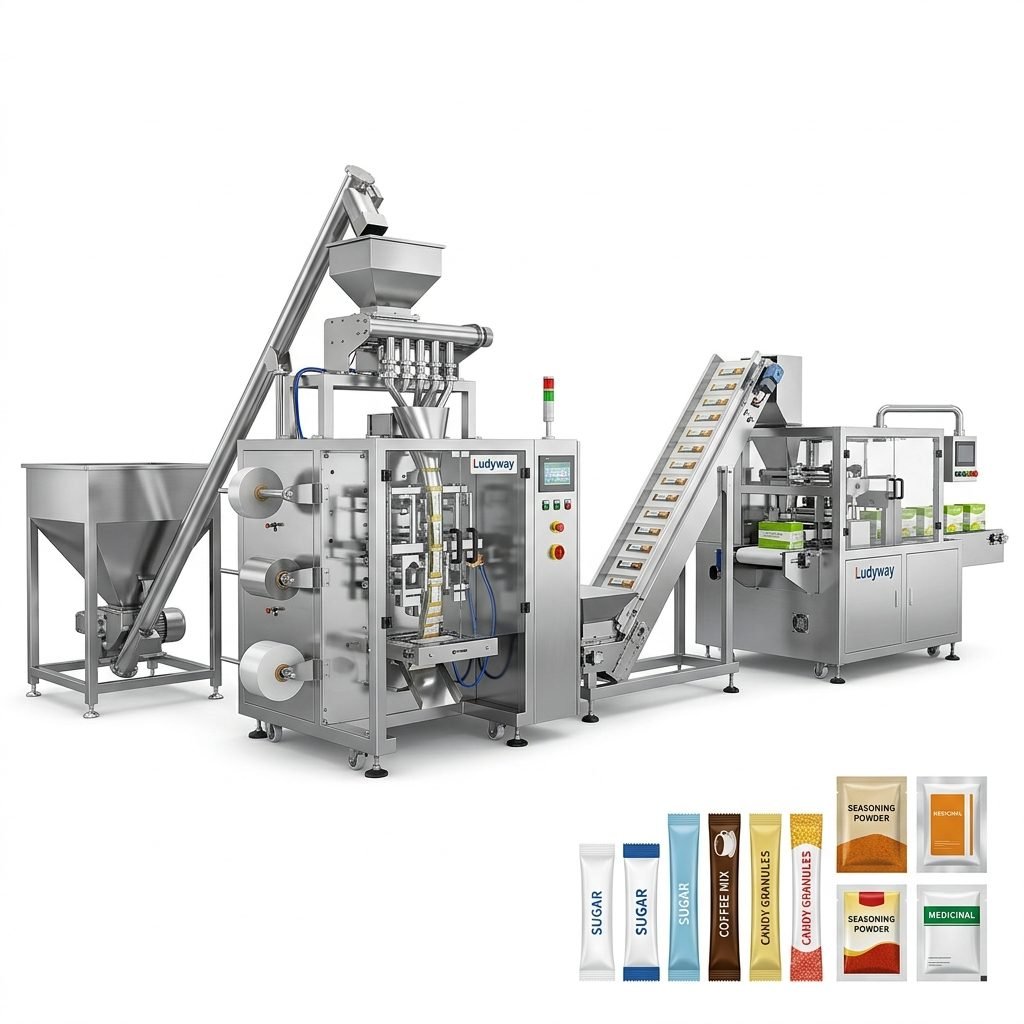
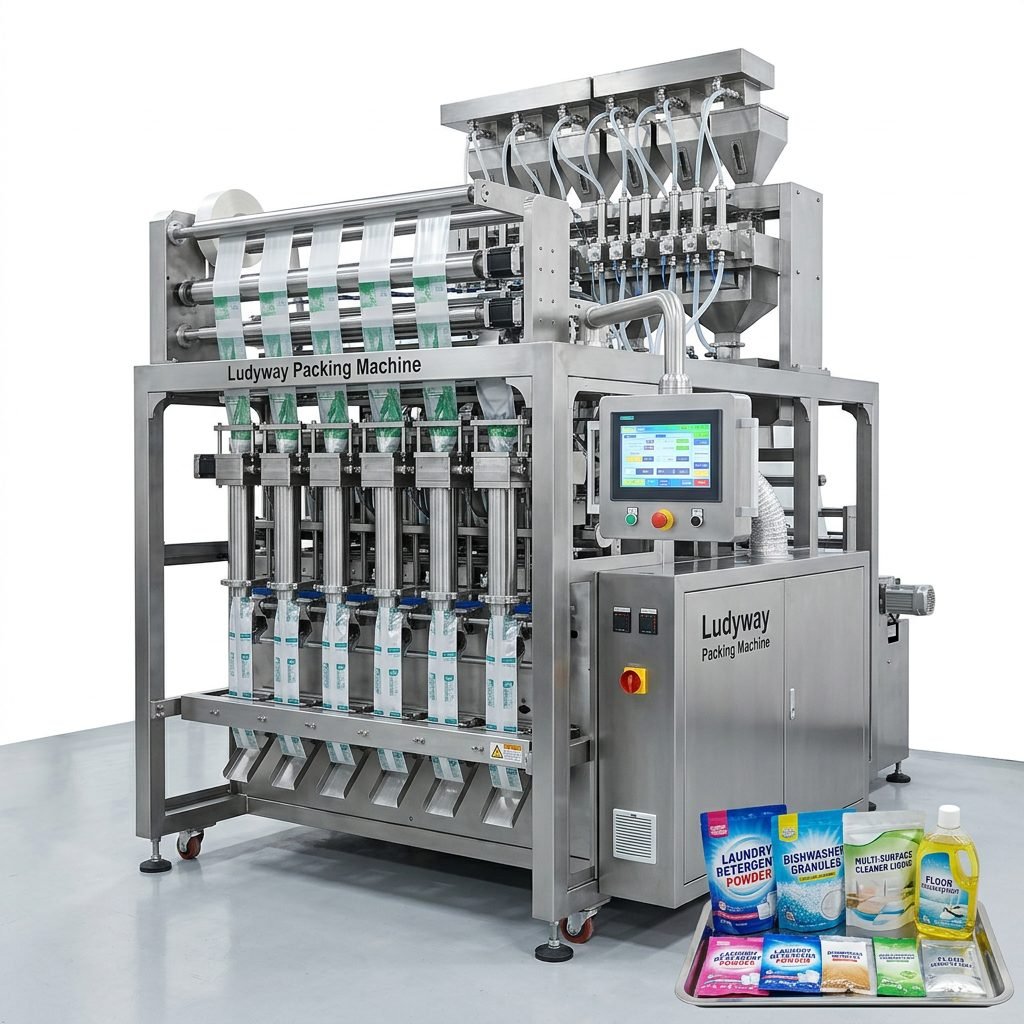
In today’s competitive manufacturing landscape, controlling production costs without sacrificing quality is a constant challenge. For many businesses, especially small to medium-sized enterprises or those expanding their operations, investing in brand-new packaging equipment can represent a significant capital outlay. This is where the market for surplus and used packaging machinery presents a compelling opportunity. Purchasing quality pre-owned equipment can dramatically reduce initial investment, accelerate ROI, and provide access to higher-grade machinery than a new-equipment budget might allow. However, navigating this market requires knowledge and diligence to avoid costly mistakes and ensure you acquire a machine that reliably meets your production needs for years to come.
Understanding the Surplus Packaging Equipment Market
The secondary market for packaging machinery is vast and varied. Equipment becomes available as companies upgrade their lines, shut down facilities, or recalibrate their production capacity. This market includes everything from nearly-new machines with minimal hours to well-maintained workhorses from previous generations. The key advantage is value: you can often acquire a machine with capabilities equivalent to a new model at a fraction of the cost. This allows you to allocate saved capital to other critical areas like marketing, R&D, or raw materials.
Pro Tip: The term “surplus” doesn’t imply “obsolete.” Many machines are surplus due to corporate mergers, line consolidation, or changes in product strategy, not because of performance issues.
Where to Source Quality Used Packaging Machines
Finding the right machine starts with knowing where to look. Reputable sources are crucial for a successful purchase.
- Authorized Dealers and OEMs: Many original equipment manufacturers (OEMs) and their authorized dealers have programs for refurbished or off-lease equipment. These machines are often reconditioned to near-new specifications and come with a limited warranty, offering the best peace of mind. For instance, companies like Ludyway Packaging Machinery may offer select, professionally serviced pre-owned models from their portfolio.
- Specialized Industrial Auctions: Online and physical auctions can offer excellent deals, especially for lots of equipment. Due diligence is paramount here, as inspection opportunities may be limited.
- Liquidation Sales: When a factory closes or undergoes major restructuring, its equipment is sold directly. This can be a source of high-quality machinery at low prices.
- Reputable Brokers: Established brokers have extensive networks and can help match your specific needs with available equipment. They handle logistics and often provide a layer of vetting.
Critical Evaluation Steps Before You Buy
Never buy a used machine based on photos and a description alone. A thorough evaluation is your best defense against future problems.
1. Conduct a Comprehensive Machine History Check
Request all available documentation: maintenance logs, service records, manuals, and parts lists. A well-documented history is a strong indicator of proper care. Ask about the machine’s original application—machines used for non-abrasive, food-grade powders, for example, are often in better condition than those used for harsh chemicals.
2. Perform a Hands-On Inspection (or Hire an Expert)
If possible, visit to see the machine under power. Check for:
→ Wear and Tear: Inspect critical components like seals, gaskets, cutting blades, and heating elements.
→ Frame and Structure: Look for cracks, welds, or signs of impact damage.
→ Control System: Power it up. Check the human-machine interface (HMI), PLC, and servos for proper operation and error logs.
3. Request a Test Run with Your Materials
The ultimate test is running your specific product through the machine. This reveals compatibility issues with film, dosing accuracy, seal integrity, and output speed. If a physical test isn’t feasible, ask for detailed video of the machine running a similar product.
Cost-Saving Calculation: New vs. Used
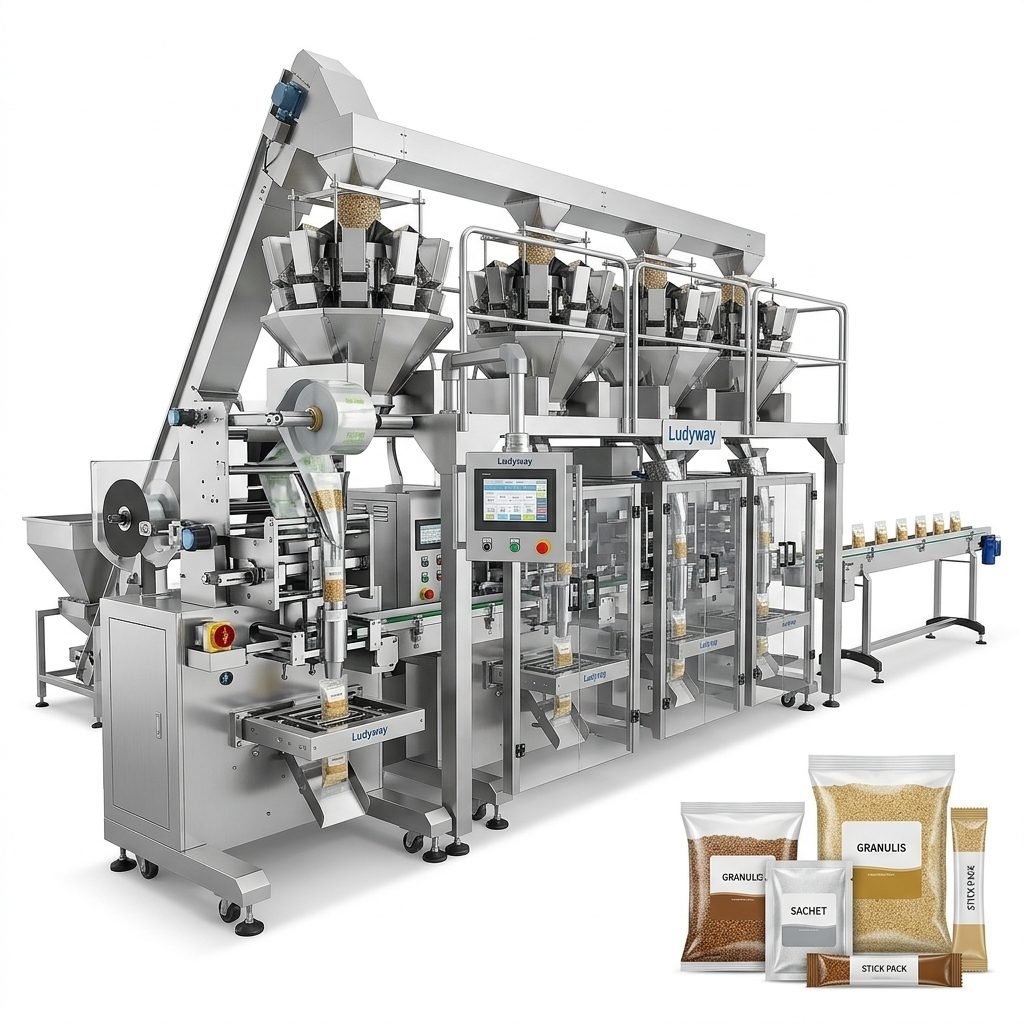
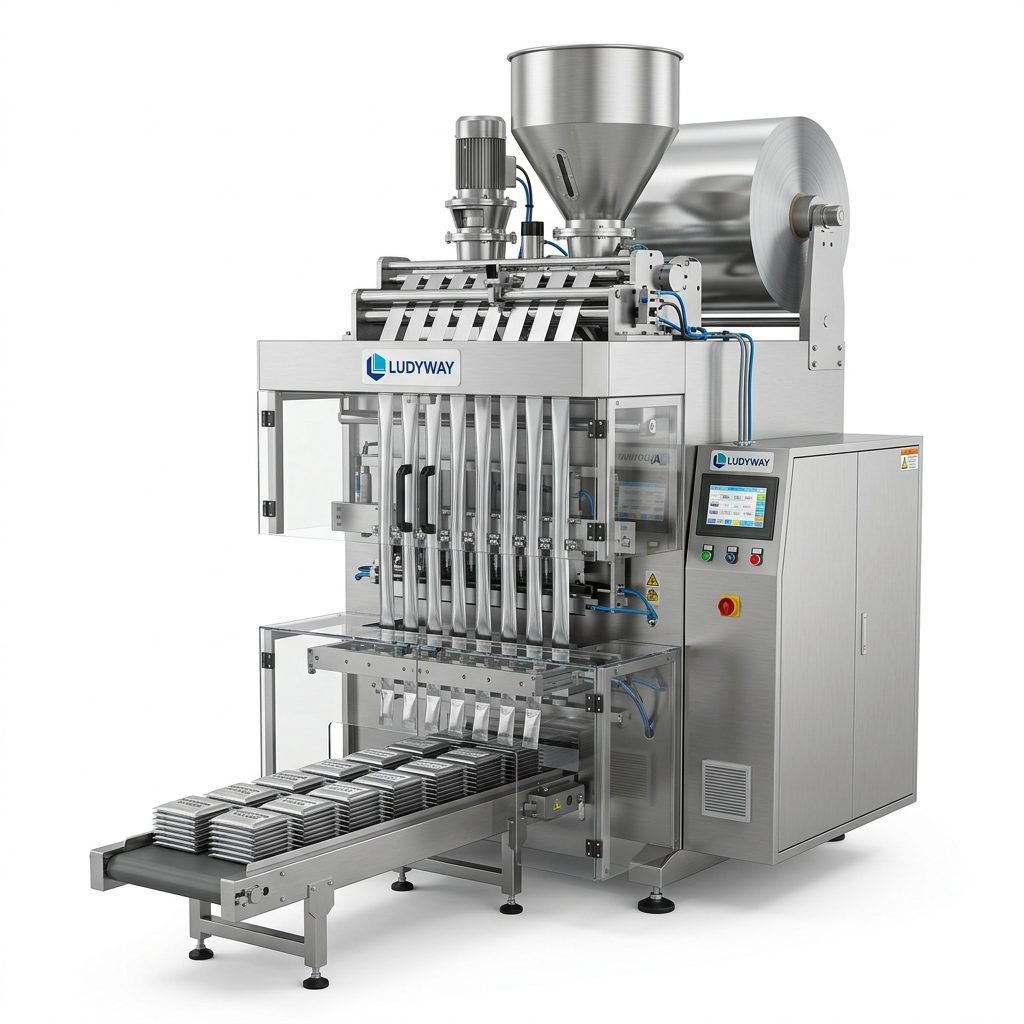
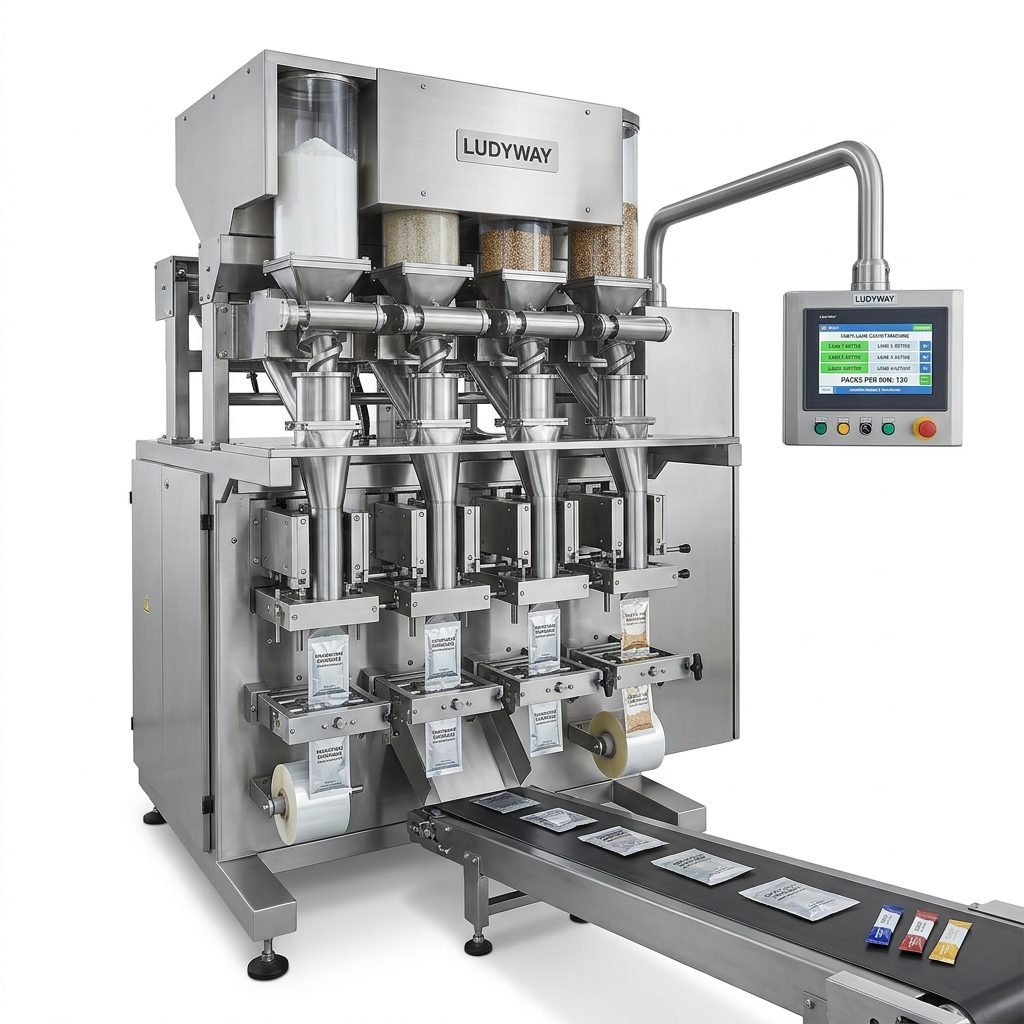
Consider a standard vertical form-fill-seal (VFFS) machine. A new model might cost $80,000 – $120,000. A quality used model in excellent condition, with recent servicing, might range from $25,000 – $50,000. The immediate savings of $30,000+ can cover installation, training, and a robust spare parts inventory. This financial flexibility is a game-changer for growing businesses.
Maximizing Your Investment After Purchase
Your responsibility begins once the machine is yours. Proper planning ensures a smooth transition into your production flow.
• Installation & Integration: Factor in the cost and time for professional installation, which may include electrical, pneumatic, and integration with upstream/downstream equipment. A reliable supplier often provides this service or can recommend qualified technicians.
• Spare Parts Inventory: Identify and source critical spare parts immediately. Wear items like jaw sealers, cutters, and sensors should be on hand to minimize future downtime.
• Operator Training: Ensure your team is thoroughly trained on the machine’s operation, routine maintenance, and basic troubleshooting. Knowledge is the key to longevity.
• Preventive Maintenance Schedule: Implement a strict PM schedule from day one, based on the manufacturer’s guidelines. This is the single most effective practice to protect your investment.
Partnering with the Right Supplier for Long-Term Success
The seller’s role shouldn’t end at the point of sale. Choosing a partner with a strong service ethos is critical. Look for suppliers who offer post-sale support, provide access to technical documentation, and can supply genuine or compatible spare parts. A company’s history, like Ludyway’s decade-plus of international experience, can be a good indicator of their ability to support you throughout the machine’s lifecycle, not just during the transaction.
Frequently Asked Questions (FAQs)
Q1: What is the biggest risk when buying used packaging equipment?
A: The primary risk is hidden mechanical or electrical damage that isn’t apparent during a basic inspection. This can lead to significant unplanned downtime and repair costs. Mitigate this by conducting a thorough inspection (preferably by a qualified technician), requesting full operational history, and, if possible, running a production test with your materials.
Q2: How much should I budget for repairs and refurbishment after purchase?
A: As a general rule, allocate 10-20% of the purchase price for initial reconditioning, even for a machine sold in “good working condition.” This budget should cover deep cleaning, replacement of all wear parts (seals, belts, filters), lubrication, and potential control system updates. It’s an essential step to ensure reliability.
Q3: Can I get technical support and spare parts for an older or discontinued model?
A: This varies greatly. Before purchasing, research the availability of spare parts and technical support. Contact the original manufacturer or reputable third-party service providers to see if parts and diagrams are still available. Choosing a machine from a brand known for long-term support, or one where aftermarket parts are common, is a safer bet.
Q4: Is a warranty available on used packaging machinery?
A: Warranties on used equipment are less common but not impossible. Authorized dealers and OEMs often provide a short-term warranty (30-90 days) on refurbished units. Private sellers and auctions typically sell machines “as-is, where-is.” The presence of a warranty is a strong sign of the seller’s confidence in the equipment’s condition.
Q5: How do I ensure the used machine will be compatible with my existing production line?
A: Compatibility requires careful verification. You must check physical dimensions, power requirements (voltage, phase, amperage), air pressure needs, communication protocols (for integration), and floor space. Create a detailed specification sheet for your required inputs and outputs and match it meticulously against the machine’s specs. Consulting with an automation engineer during this phase is highly recommended.