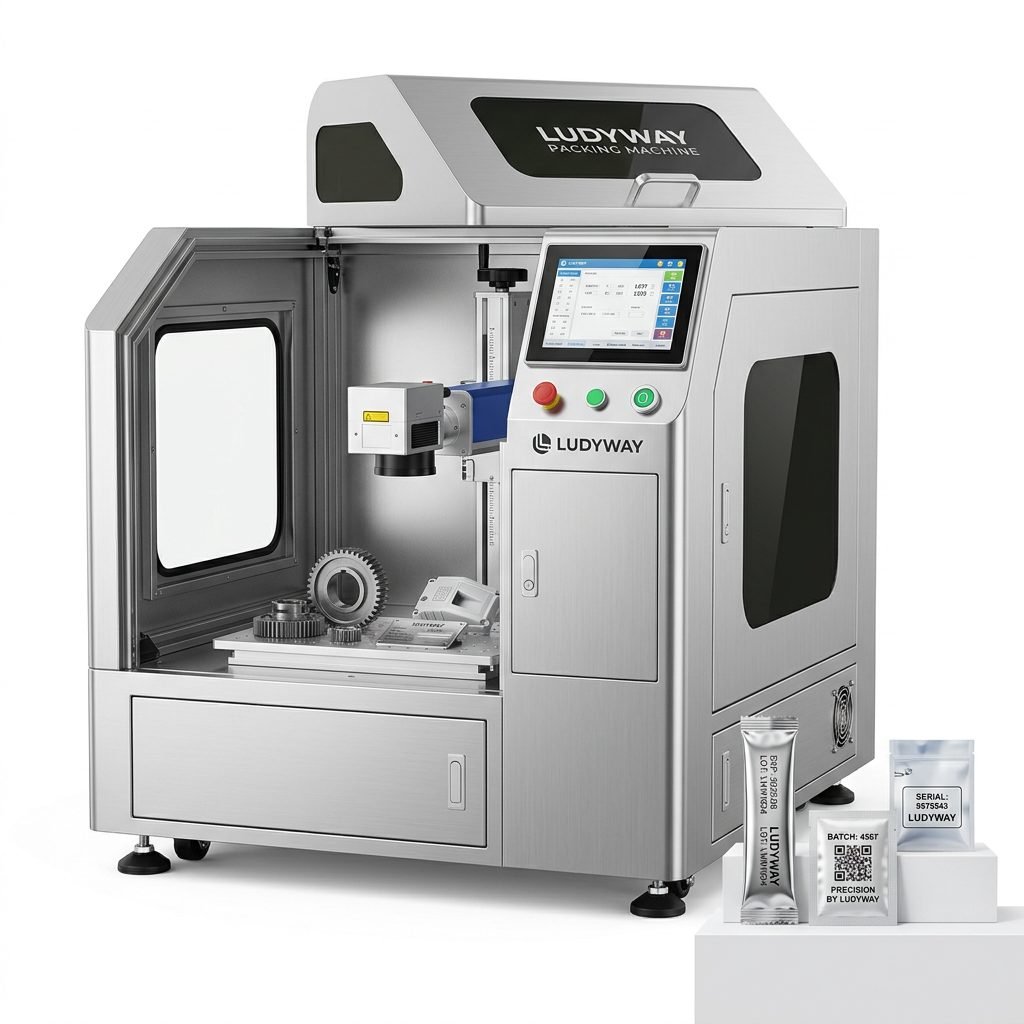
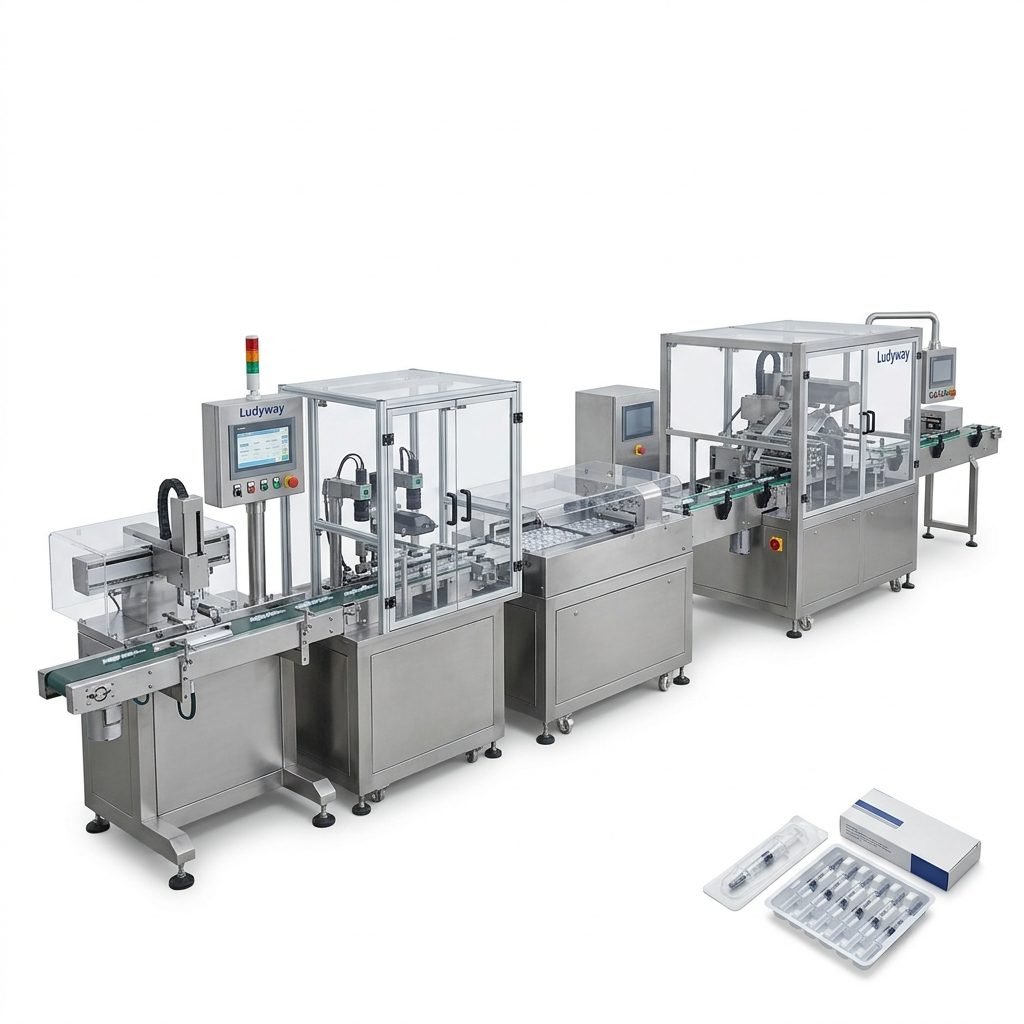
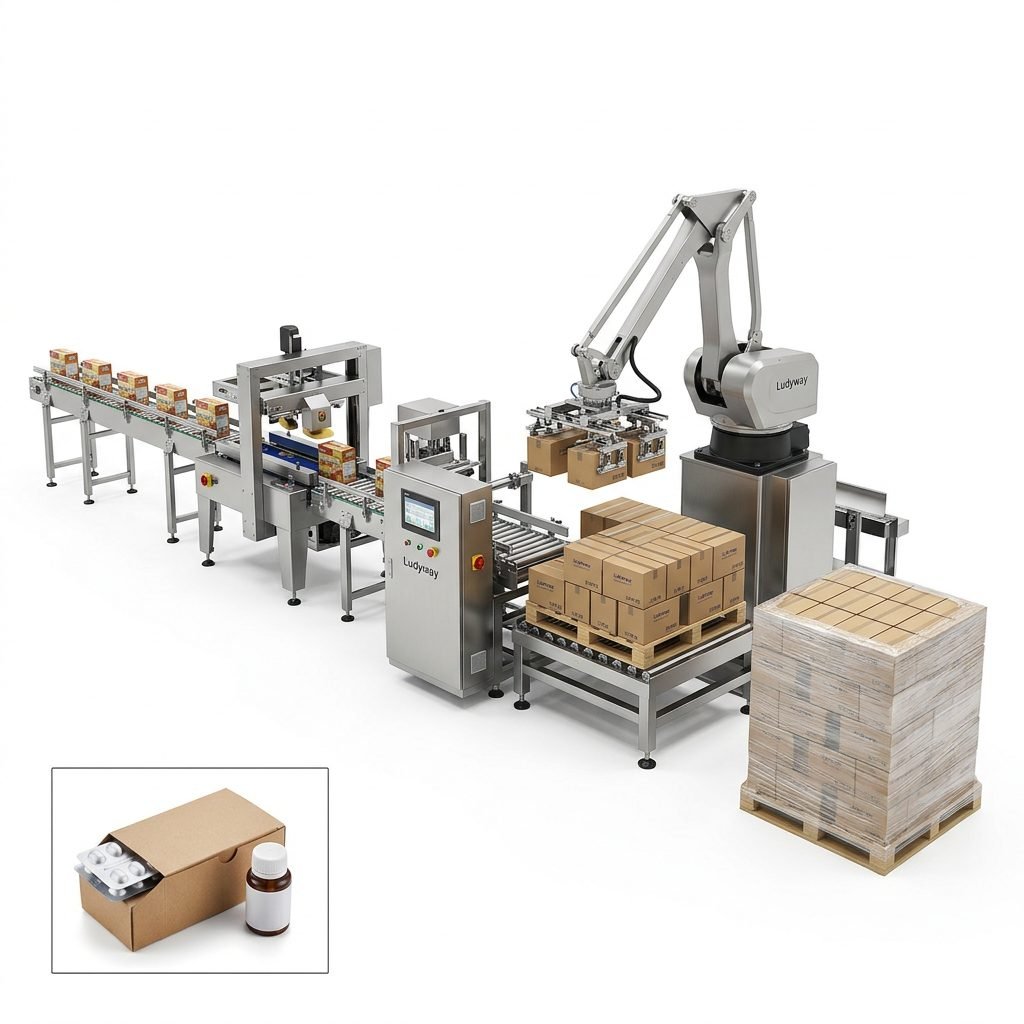
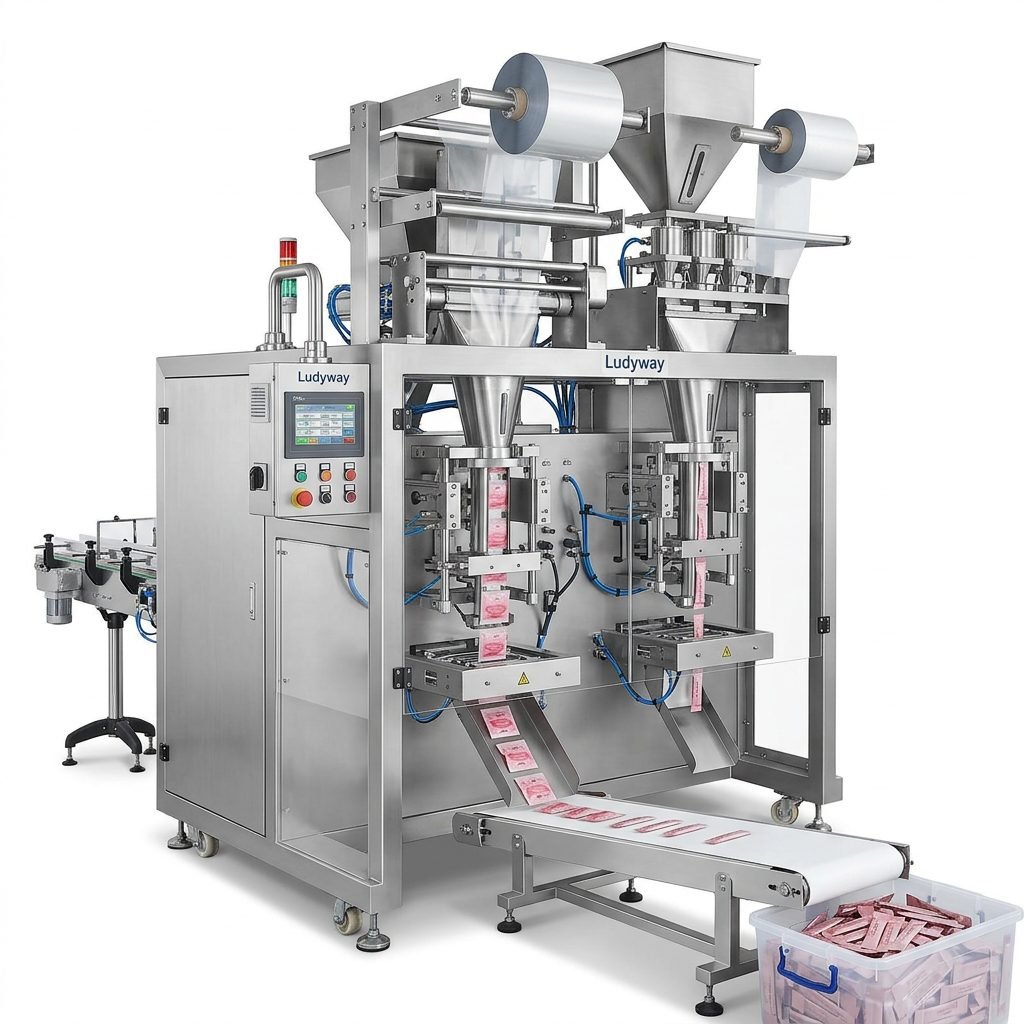
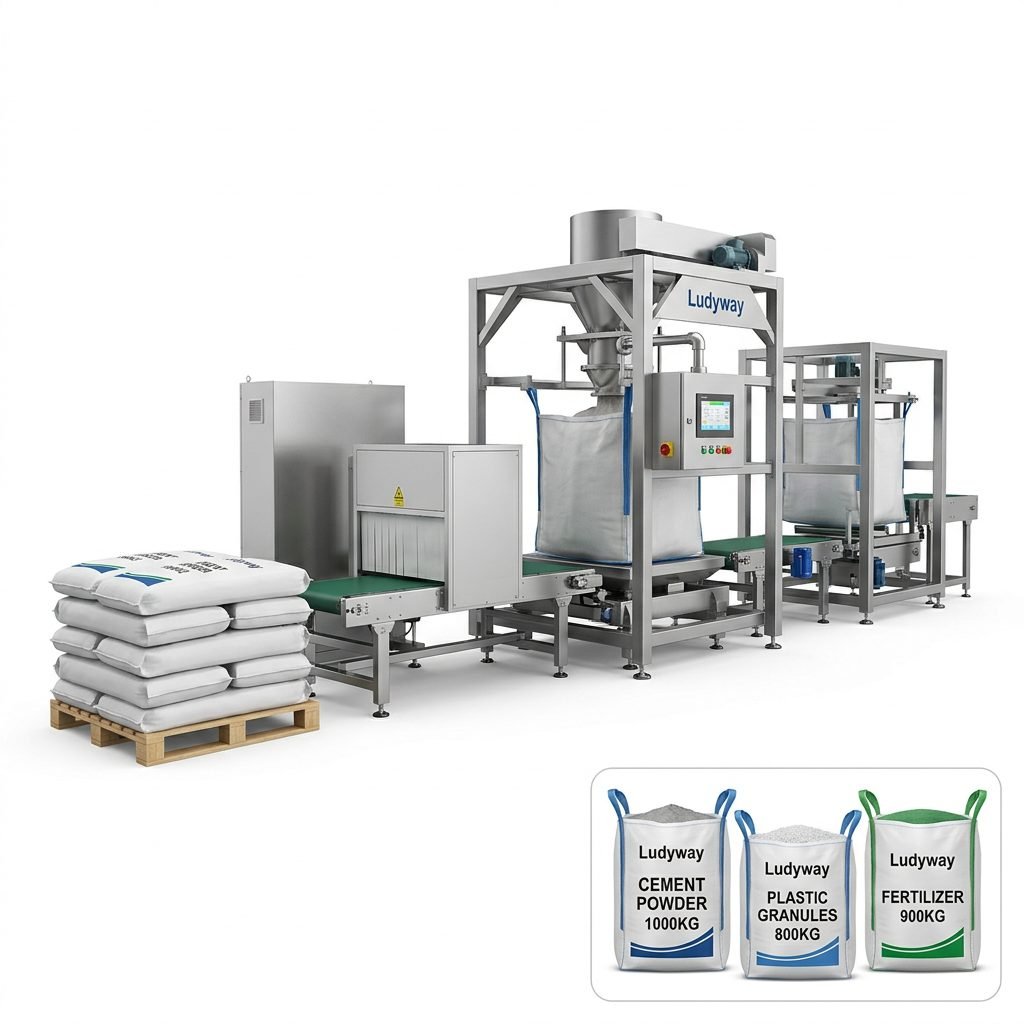
Investing in a packaging machine is a significant decision for any business, whether you’re a startup, a growing manufacturer, or an established enterprise. The cost is rarely a single number, as it depends on a complex interplay of machine type, automation level, production speed, and the specific materials you plan to package. This guide provides a complete price breakdown and essential factors to consider, helping you make an informed purchase that aligns with your budget and operational goals.
Understanding the Core Cost Factors
The price of a packaging machine is influenced by several key variables. Understanding these will help you navigate quotes and identify the best value for your investment.
1. Type of Packaging Machine
The machine’s function is the primary cost driver. Prices can range from a few thousand dollars for basic semi-automatic units to several hundred thousand for fully integrated, high-speed lines.
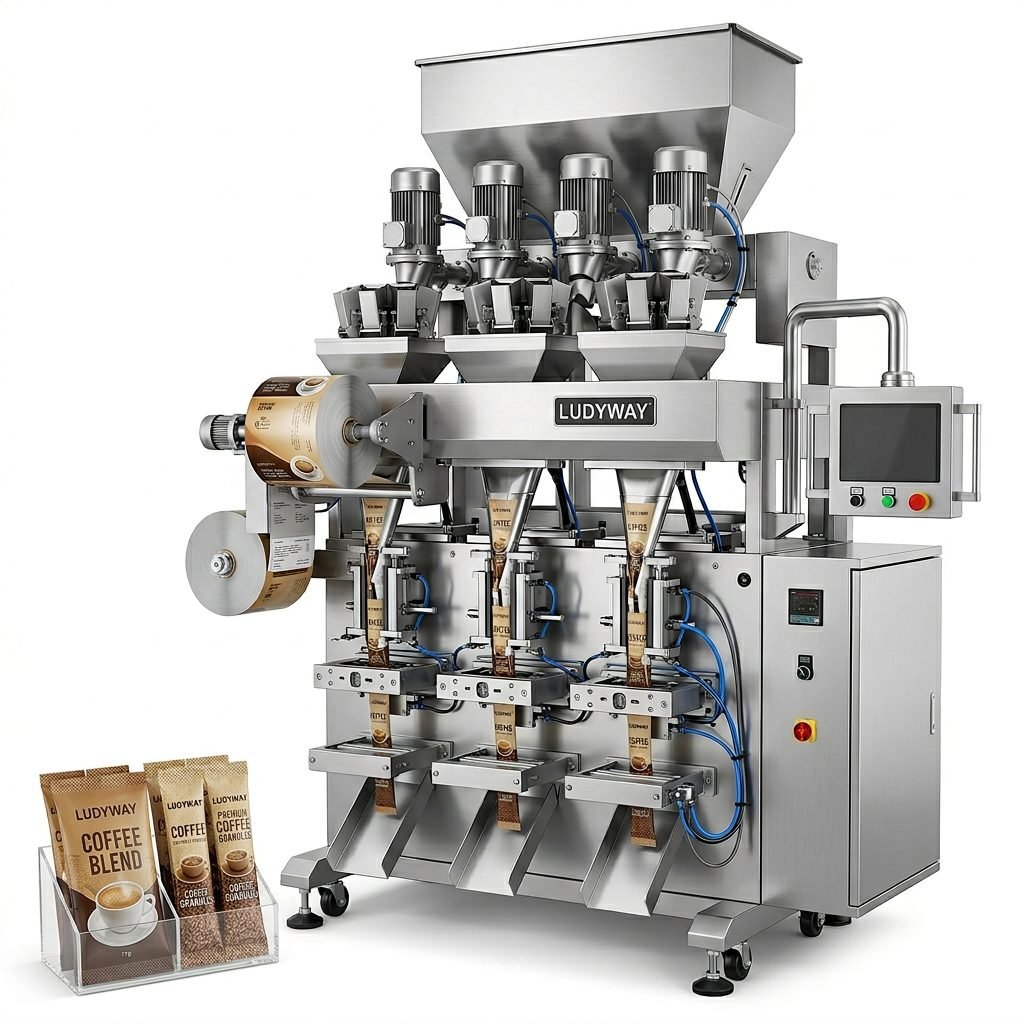
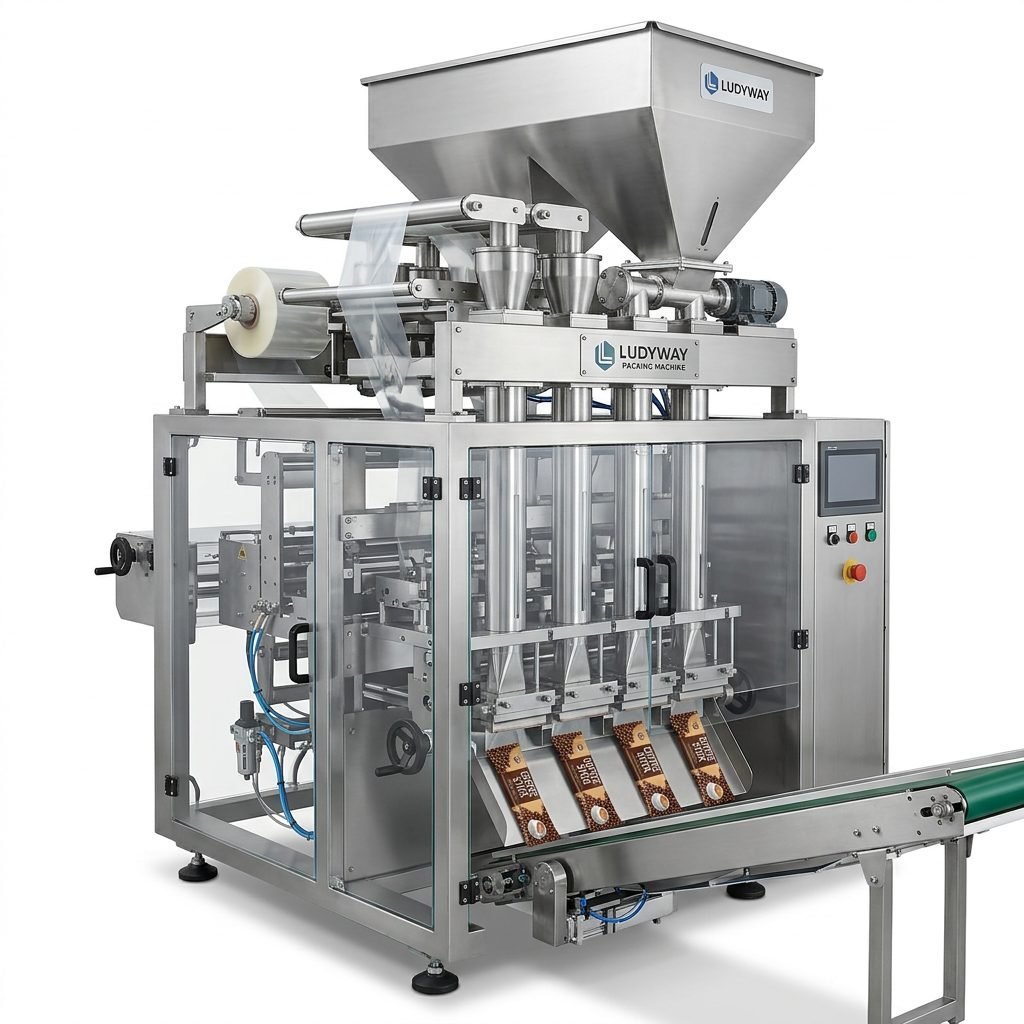
Vertical Form-Fill-Seal (VFFS) Machines: These are among the most common for packaging granules, powders, and liquids into pouches. Entry-level models start around $15,000, while high-speed, multi-lane systems with advanced weighing can exceed $100,000.
Horizontal Form-Fill-Seal (HFFS) Machines: Ideal for bar-shaped items, biscuits, or sachets arranged in rows. Prices typically range from $25,000 to $150,000+, depending on complexity and speed.
Stick Pack Machines: Specialized for single-serve powder sticks (e.g., coffee, supplements). A standard single-lane machine may cost $20,000 – $40,000, while multi-lane systems for high-volume production can reach $80,000 – $120,000.
Liquid Filling Machines: Used for bottles, vials, or pouches. A simple semi-automatic piston filler can be under $10,000, whereas a complete rotary filling and capping line can cost $200,000 or more.
2. Level of Automation
Automation is a major cost multiplier but directly impacts labor costs and output consistency.
Semi-Automatic Machines: Require manual product loading or bag placement. These are the most affordable, often priced between $5,000 and $30,000. They are suitable for low to medium production volumes.
Fully Automatic Machines: Handle the entire process from feeding to sealing with minimal human intervention. Prices start around $30,000 and can go well above $200,000 for integrated systems with robotic palletizing.
3. Production Speed & Capacity
Speed, measured in packs per minute (PPM), directly correlates with price. A machine rated for 60 PPM will cost significantly less than one rated for 200 PPM, even if they perform the same basic function.
4. Material & Packaging Format
The type of packaging material (e.g., laminated films, recyclable mono-material films, pre-made pouches) and the complexity of the seal (e.g., 3-side seal, 4-side seal, gusseted bags) can require different sealing mechanisms and film handling systems, affecting the machine’s base price.
Complete Price Breakdown: From Machine to Operation
The total cost of ownership extends far beyond the initial machine invoice. Here’s a breakdown of all potential expenses.
Initial Capital Investment
- Base Machine Cost: As outlined above, based on type and specs.
- Customization & Tooling: Custom feed systems, special weighing heads, or unique sealing jaws can add 10% to 30% to the base price.
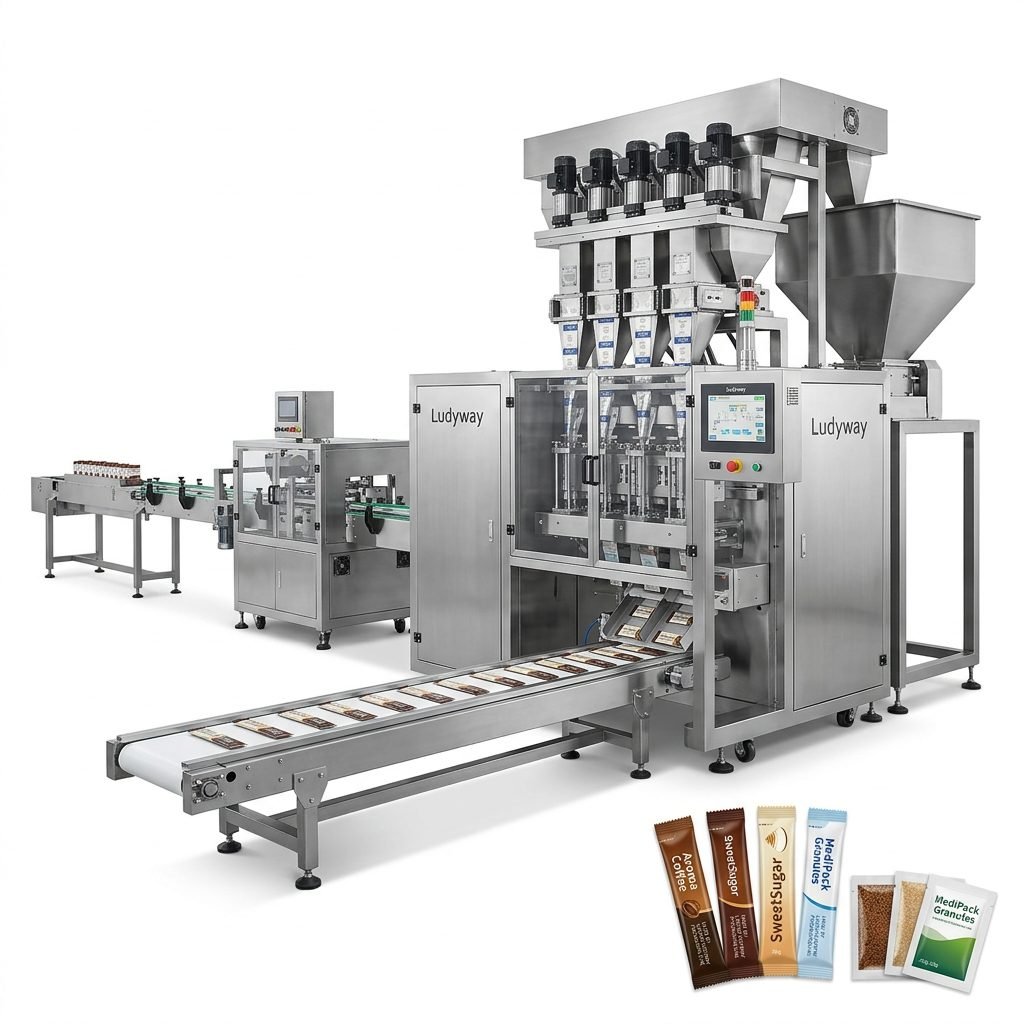
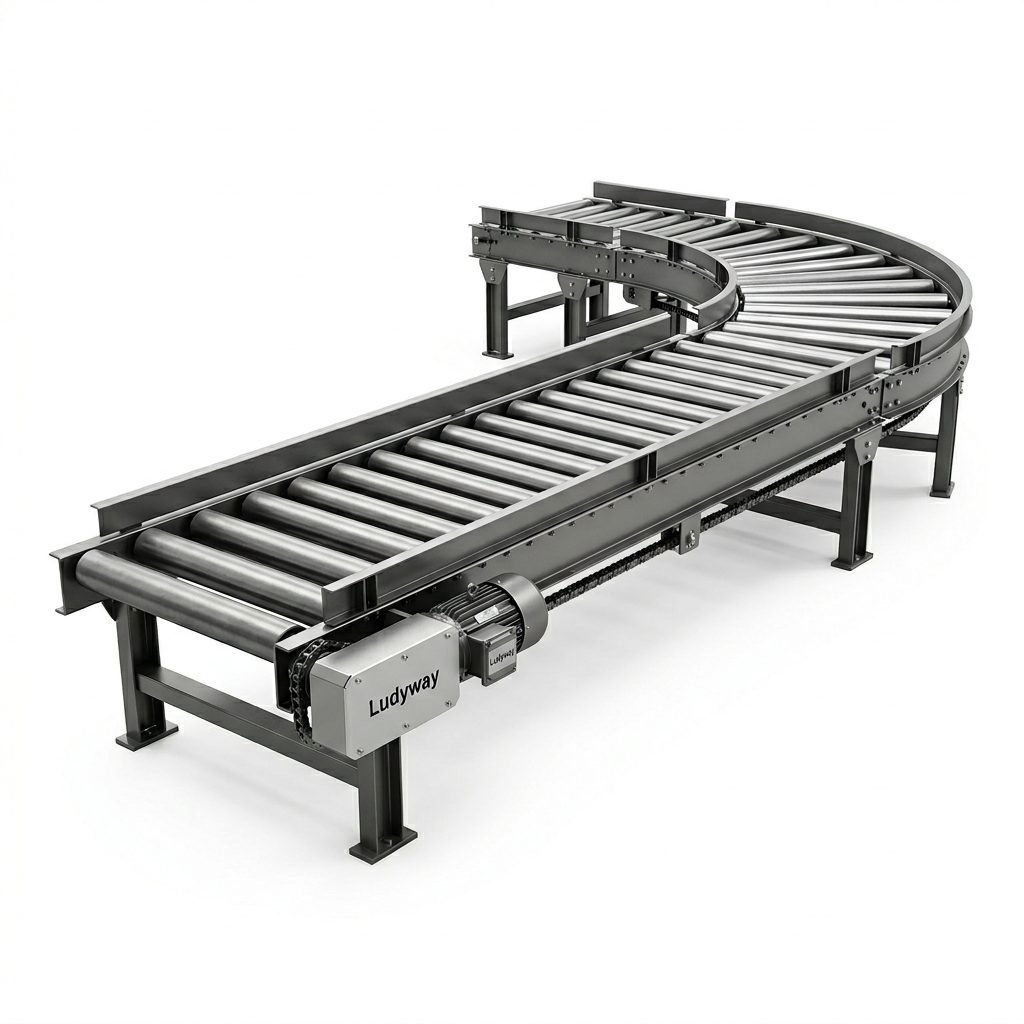
- Peripheral Equipment: This includes auger fillers, checkweighers, metal detectors, conveyors, and coders. Budget an additional $5,000 to $50,000+.
- Shipping, Installation, & Training: Often overlooked, these costs can range from $2,000 to $15,000, depending on distance and complexity.
Ongoing Operational Costs
⚠️ Important: Failing to account for these recurring expenses can hurt your ROI calculations.
Packaging Materials: Your largest ongoing cost. The machine must be compatible with your chosen film or pouch to minimize waste.
Maintenance & Spare Parts: Regular servicing and a stock of common wear parts (like sealing jaws, belts, and sensors) are essential for uptime. Allocate 1-3% of the machine’s cost annually.
Labor: Even automatic machines require operators, technicians, and quality control staff.
Utilities: Power consumption and compressed air requirements contribute to monthly overhead.
Buyer’s Guide: How to Choose the Right Machine
Selecting the correct machine involves a careful assessment of your current and future needs.
Step 1: Define Your Product & Output Requirements
Be specific about your product’s physical characteristics (size, weight, flowability) and your required daily/weekly output. This is the foundation for selecting machine type and speed.
Step 2: Evaluate Your Budget Realistically
Consider both capital expenditure (CAPEX) and operational expenditure (OPEX). A slightly more expensive, more efficient, and reliable machine often has a lower total cost of ownership than a cheaper, problematic alternative.
Step 3: Prioritize Reliability and Support
Downtime is incredibly costly. Research manufacturers with a reputation for build quality and reliability. A company like Ludyway Packing Machine, with decades of industry experience, emphasizes delivering robust and efficient solutions. Crucially, evaluate the supplier’s after-sales service, technical support availability, and spare parts logistics.
Step 4: Consider Flexibility and Future Growth
Will you introduce new products or package sizes? A machine with quick-change parts and adjustable settings can save significant capital in the future. Investing in a slightly more capable machine than you currently need can be a wise strategy for growth.
Step 5: Request Demos and Check References
Always ask for a live or video demonstration with a product similar to yours. Speak to existing customers about their experience with machine performance and supplier support.
Why Partner with an Experienced Supplier?
The supplier you choose is as important as the machine itself. An expert partner does more than sell equipment; they provide a complete packaging solution.
They offer critical value through in-depth application knowledge, helping you avoid costly compatibility mistakes. They can design customized production line solutions that seamlessly integrate different equipment. Furthermore, they ensure professional project management, from factory testing to installation and operator training, guaranteeing a smooth transition into your production floor. Their long-term commitment to technical support and service protects your investment for years to come.
Conclusion
Determining “how much a packaging machine costs” requires a holistic view that balances upfront price with long-term value, efficiency, and reliability. By thoroughly analyzing your product needs, understanding all cost components, and partnering with a reputable and experienced supplier, you can make an investment that boosts your productivity, ensures product quality, and supports your business growth for the long haul.
Frequently Asked Questions (FAQs)
Q1: What is the cheapest type of packaging machine I can buy?
Semi-automatic machines, such as tabletop sealers or manual fillers, are the least expensive, often starting under $5,000. However, they have low output and high labor dependency.
Q2: Are used packaging machines a good way to save money?
They can be, but carry higher risk. It’s crucial to inspect the machine’s condition, maintenance history, and ensure parts and technical support are still available from the manufacturer or a reliable third party.
Q3: How long does it typically take to get a return on investment (ROI) on a packaging machine?
ROI depends on the machine cost, labor savings, increased output, and reduced material waste. For many businesses, a well-chosen automatic machine can achieve ROI in 1 to 3 years.
Q4: Can one machine handle different types of products?
Many machines offer flexibility with quick-change parts. For example, a VFFS machine can often package different granule sizes by changing the forming tube and auger, but switching from powders to liquids usually requires a different machine type.
Q5: What is the most important question to ask a machine supplier?
Beyond price, ask for documented case studies or references from companies with similar products and volumes. Also, clarify the details of their warranty, on-site support response time, and spare parts pricing and delivery.