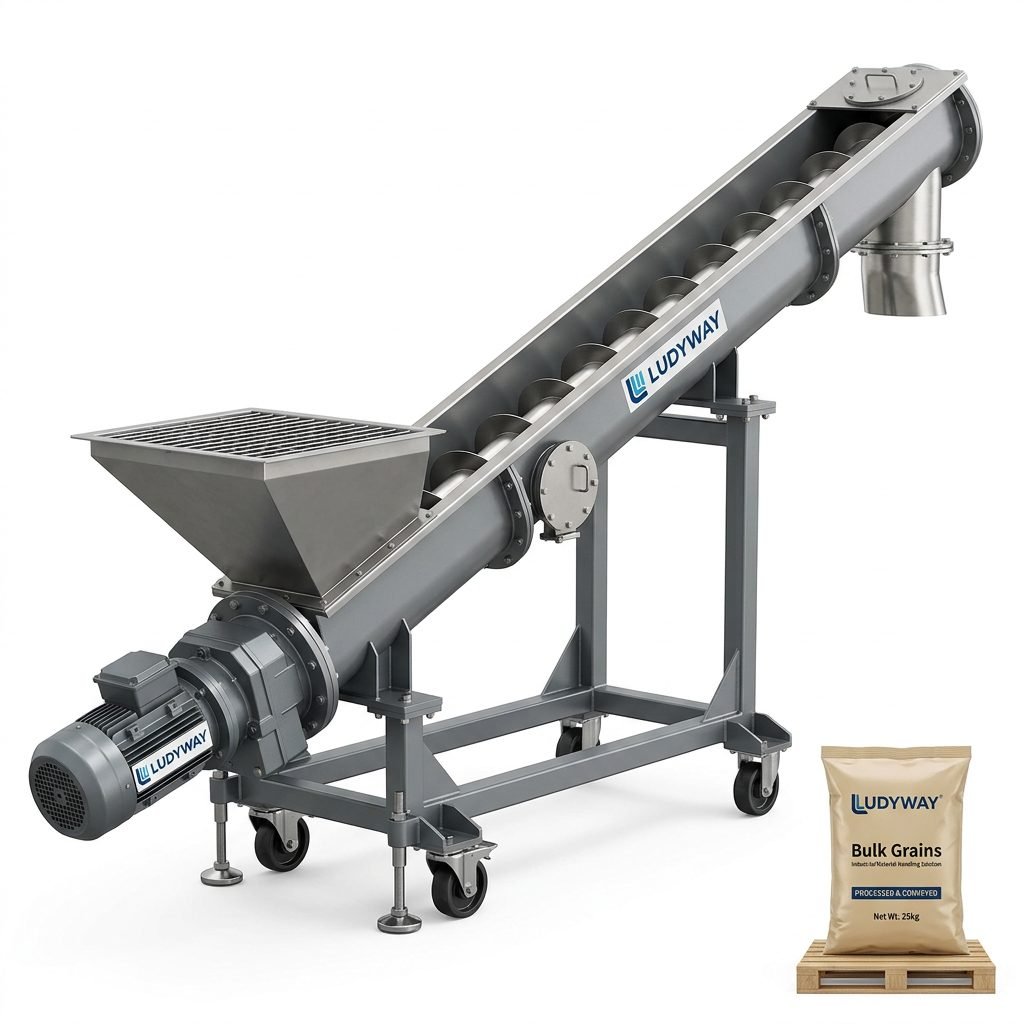
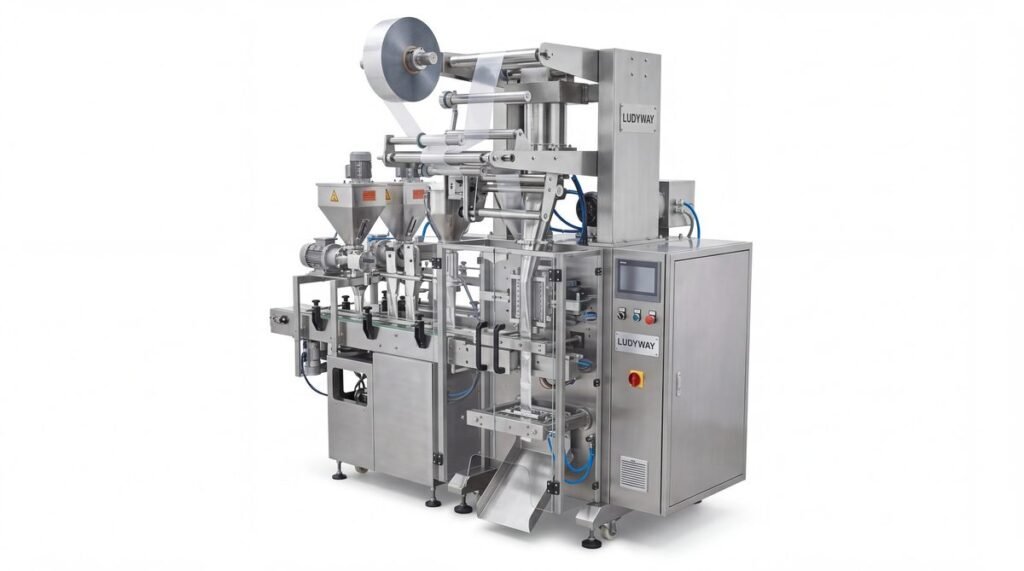
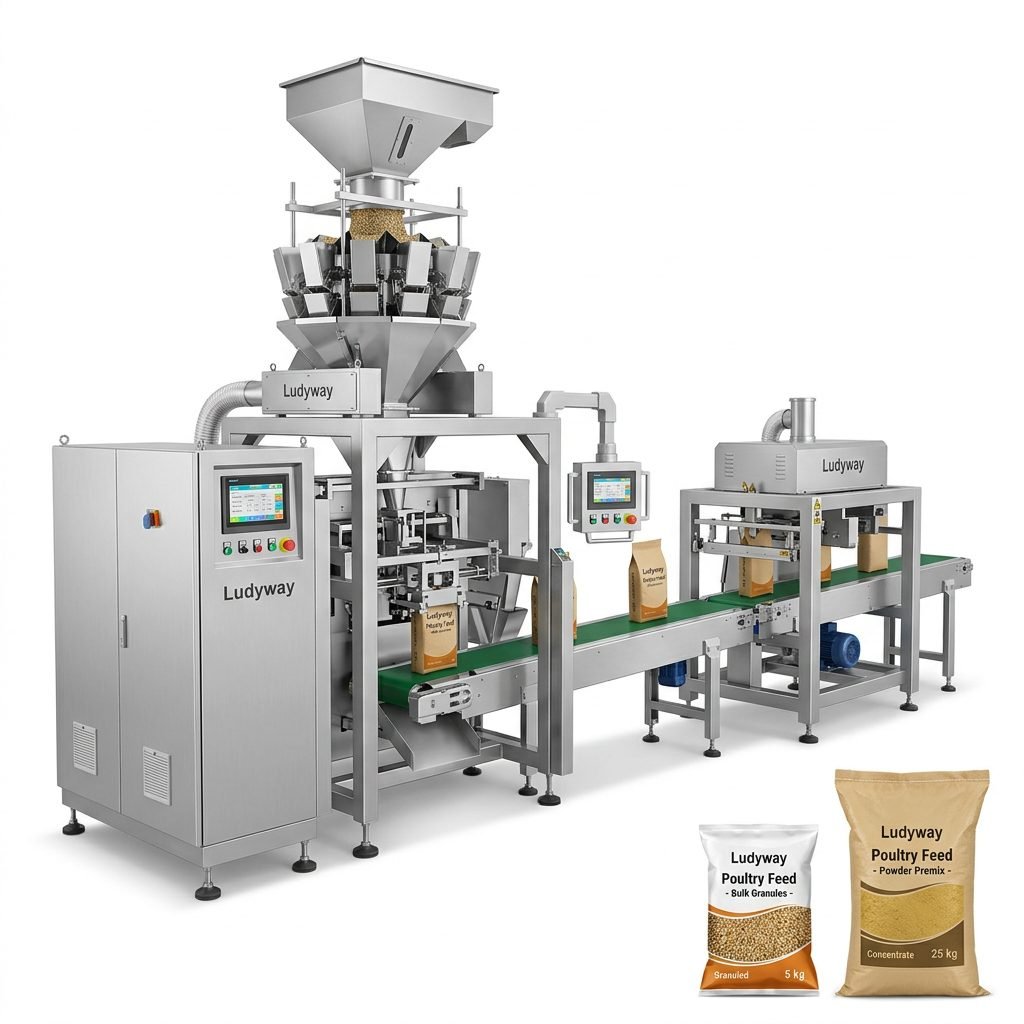
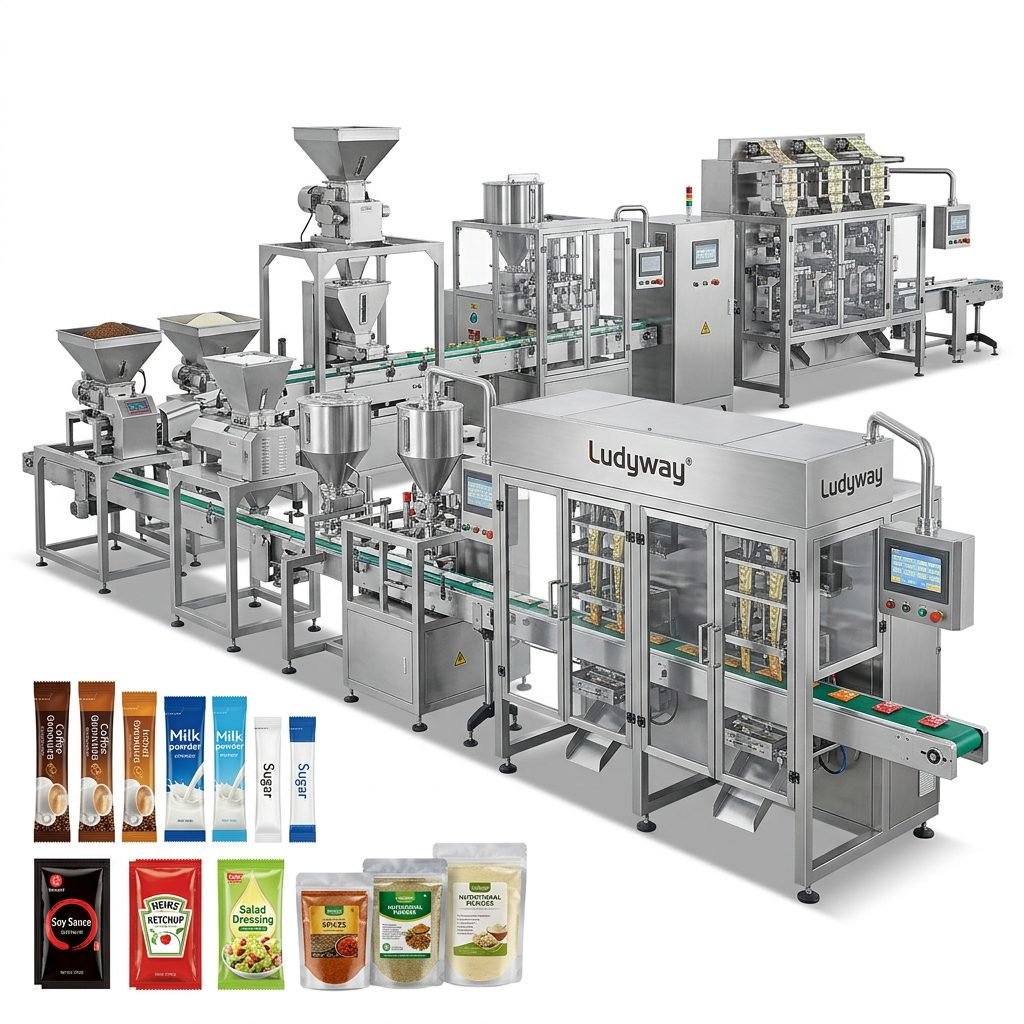
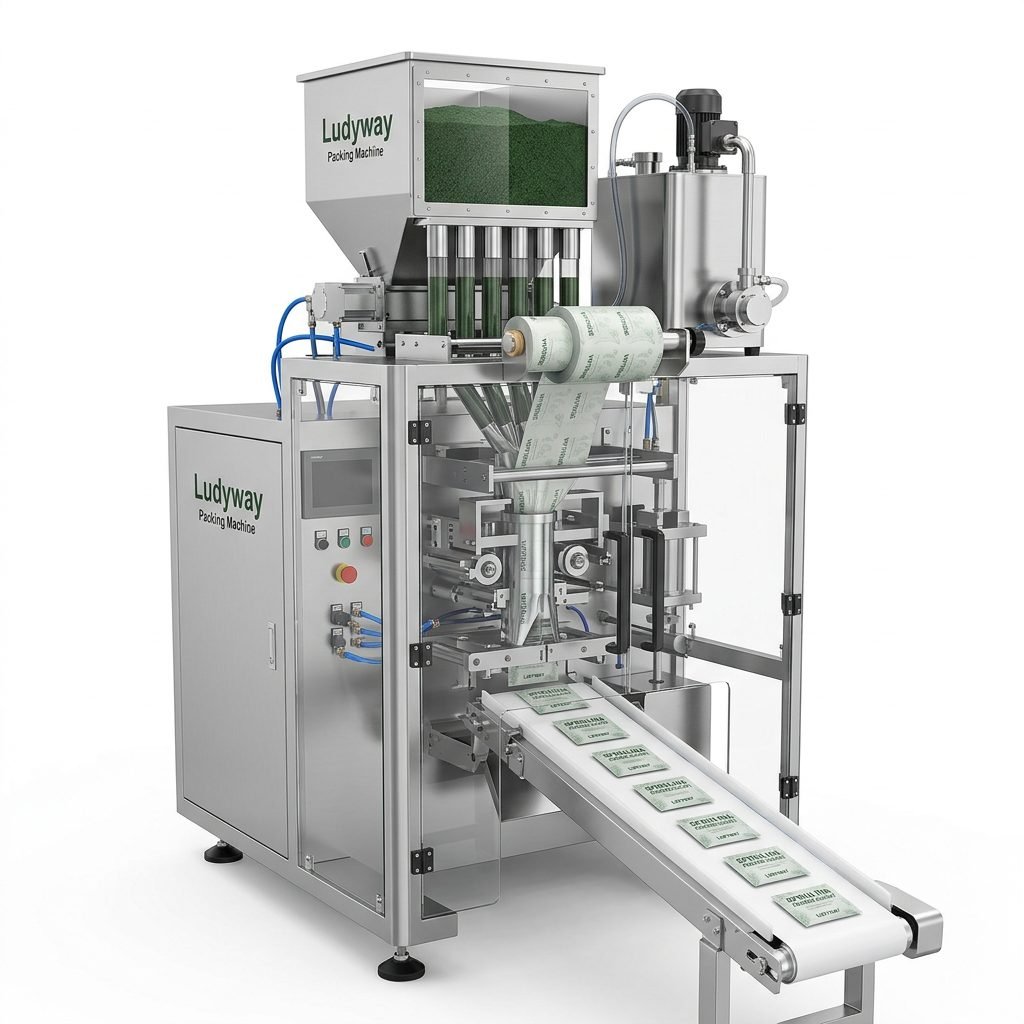
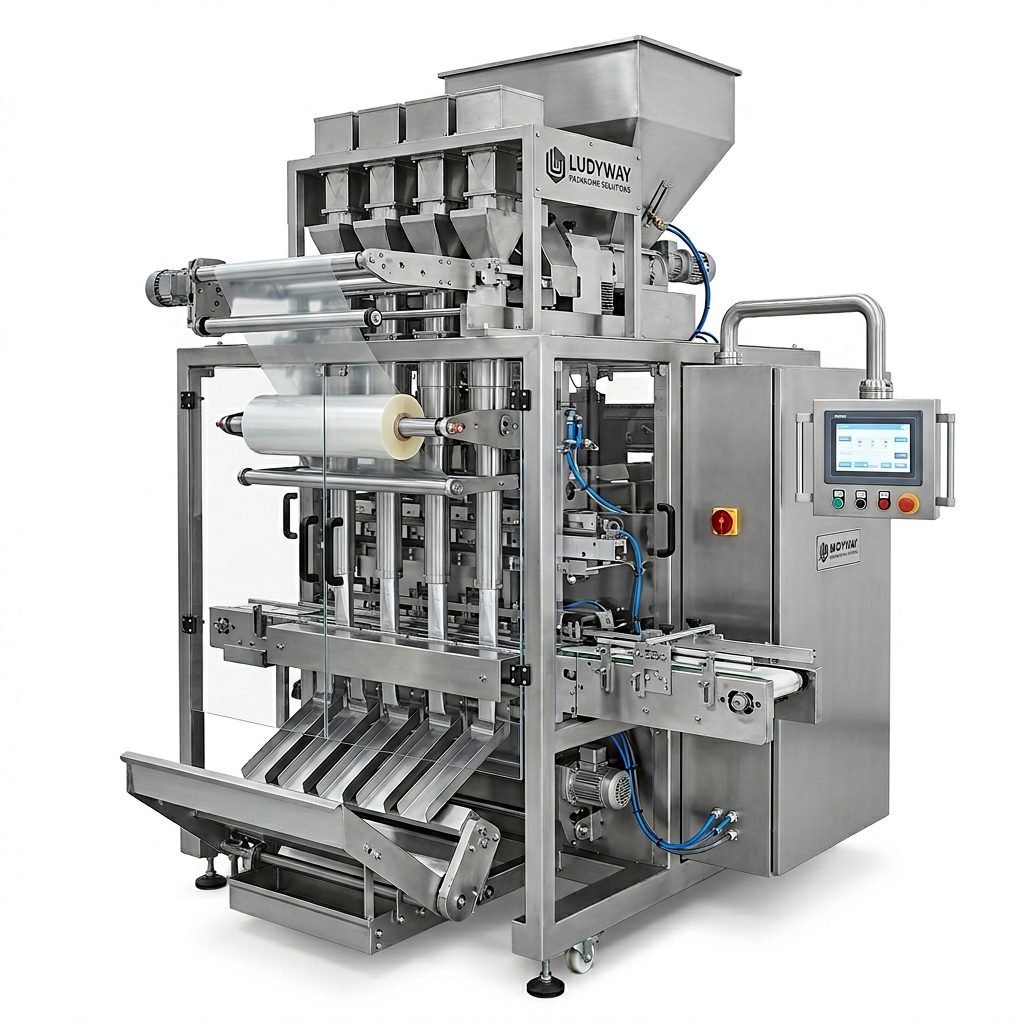
In the fast-paced world of manufacturing, the reliability of your packaging line is non-negotiable. Every misfeed, misalignment, or calibration drift can lead to costly downtime, product waste, and potential safety hazards. This is where professional Packaging Machine Inspection Services become a critical investment, acting as the vigilant guardian of your production’s accuracy, safety, and overall efficiency.
The Critical Role of Machine Inspection in Modern Packaging
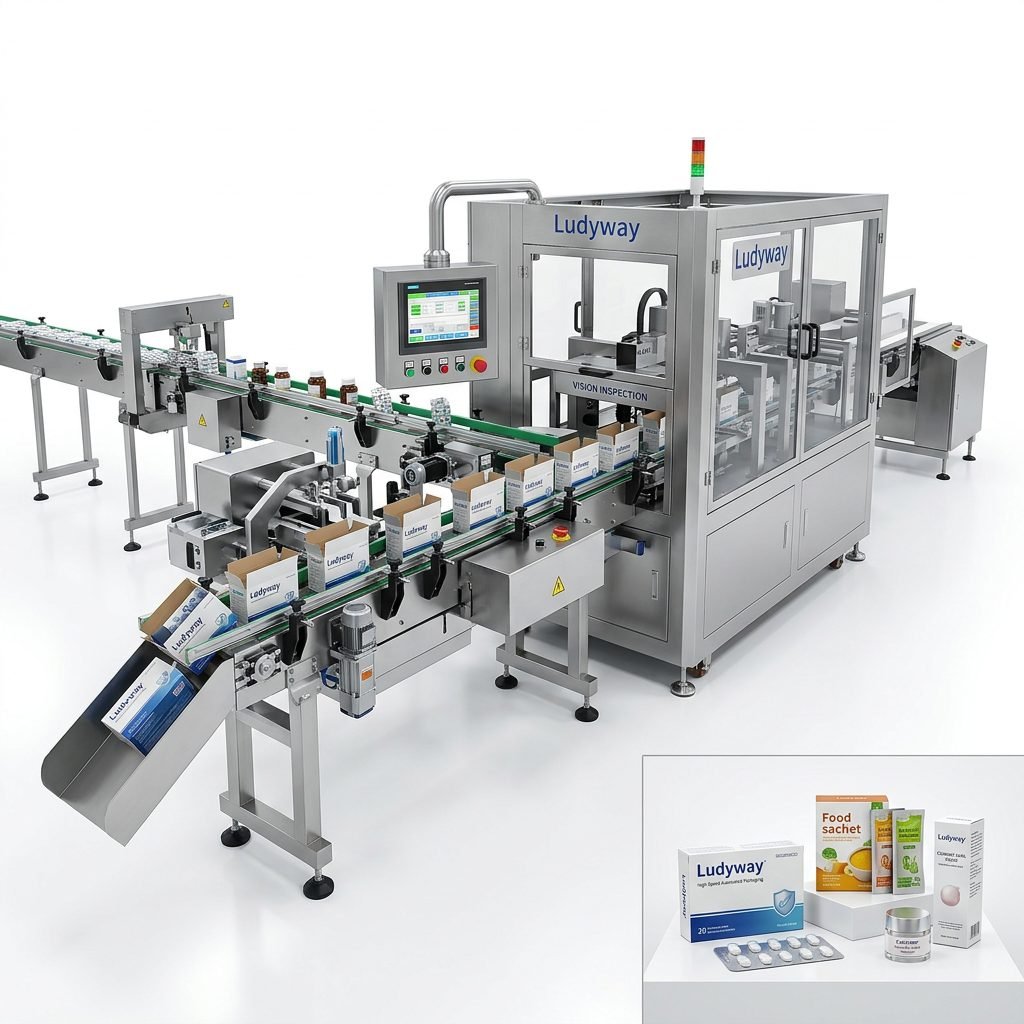
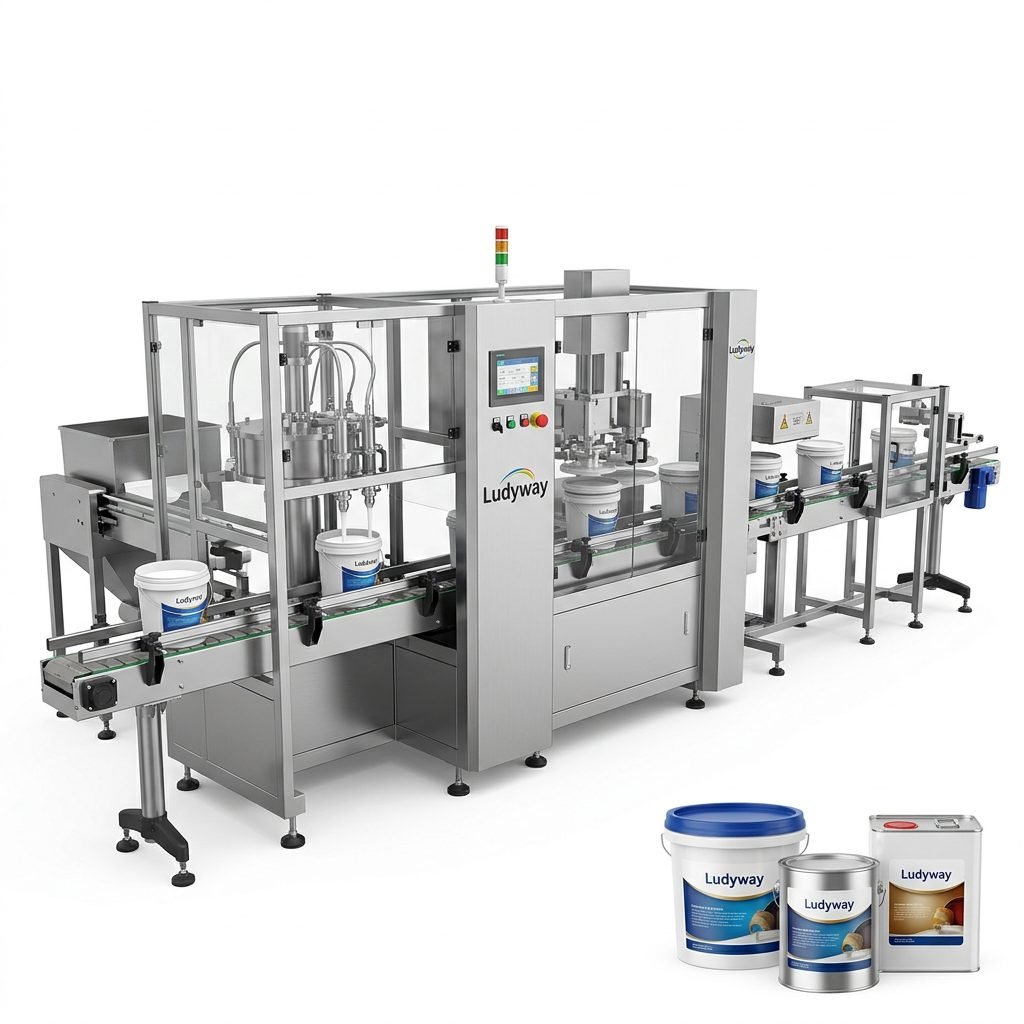
Modern packaging machinery is a complex symphony of mechanical, electrical, and software components working in unison. Over time, wear and tear, environmental factors, and routine operational stress can cause components to fall out of spec. A proactive inspection regimen is not merely about fixing what’s broken; it’s about predictive maintenance—identifying potential points of failure before they disrupt your operation. This shift from reactive repair to proactive care is what separates high-performing, profitable production lines from those plagued by inconsistency.
🔍 Core Inspection Checkpoints
A comprehensive inspection service goes beyond a simple visual check. It involves a systematic evaluation of key system areas:
- Mechanical Integrity: Examination of seals, bearings, chains, gears, and actuators for wear, lubrication, and alignment.
- Electrical & Control Systems: Testing of sensors, switches, wiring, PLCs, and safety circuits to ensure flawless communication and operation.
- Pneumatic/Hydraulic Systems: Checking for leaks in air lines, verifying pressure consistency, and assessing valve and cylinder performance.
- Accuracy & Calibration: Verifying weigh scales, fill volumes, cut lengths, and seal integrity against specified tolerances.
- Safety Compliance: Auditing all machine guards, emergency stops, interlocks, and warning systems to meet relevant safety standards.
Ensuring Uncompromising Accuracy in Every Cycle
Accuracy is the cornerstone of quality packaging and profitability. Inaccuracies in filling lead to giveaway (overfilling, costing you money) or shortfills (underfilling, risking regulatory non-compliance and customer dissatisfaction). Regular inspection services meticulously calibrate dosing systems, check weigher performance, and validate the timing of all sequential operations. This ensures each package contains the exact specified amount, protecting your brand’s reputation for quality and safeguarding your bottom line from costly product giveaways.
How Inspections Protect Your Product & Brand
A machine that is out of alignment can cause more than just weight variations. It can lead to poor sealing, compromising product freshness and leading to spoilage. It can cause misaligned labeling, creating a poor consumer impression. Systematic inspections catch these issues early, ensuring that every package leaving your line is perfectly formed, accurately filled, and securely sealed.
Upholding the Highest Standards of Operational Safety
The safety of your operators is paramount. Packaging machinery involves moving parts, heat for sealing, and high forces. A dedicated inspection service rigorously evaluates all safety-critical components. This includes verifying that all protective guards are in place and functional, testing emergency stop buttons and safety interlocks, and ensuring that warning systems are operational. This proactive approach significantly reduces the risk of workplace accidents, fosters a safer working environment, and helps ensure compliance with stringent occupational health and safety regulations like OSHA guidelines.
⚠️ The Hidden Cost of Neglect
Deferring regular inspections might seem like a cost-saving measure, but it often leads to far greater expenses. An undetected minor fault can cascade into a major breakdown, resulting in:
Extended Unplanned Downtime: Hours or days of lost production while waiting for parts and repairs.
Catastrophic Component Failure: Replacing a major component is exponentially more expensive than maintaining it.
Product Recall Risk: Faulty packaging from an uncalibrated machine can lead to contaminated or compromised products.
Regular inspection is a strategic investment that mitigates these severe financial and reputational risks.
Maximizing Production Line Efficiency and Uptime
Efficiency is measured by Overall Equipment Effectiveness (OEE), which factors in availability, performance, and quality. Regular inspections directly boost all three. By preventing unexpected breakdowns, they maximize machine availability. By ensuring all components are running at optimal speed and in perfect sync, they enhance performance rate. And by guaranteeing accuracy, they improve quality rate. The result is a smoother, faster, and more reliable production flow that maximizes output and minimizes waste and energy consumption per unit produced.
The Partnership with a Trusted Service Provider
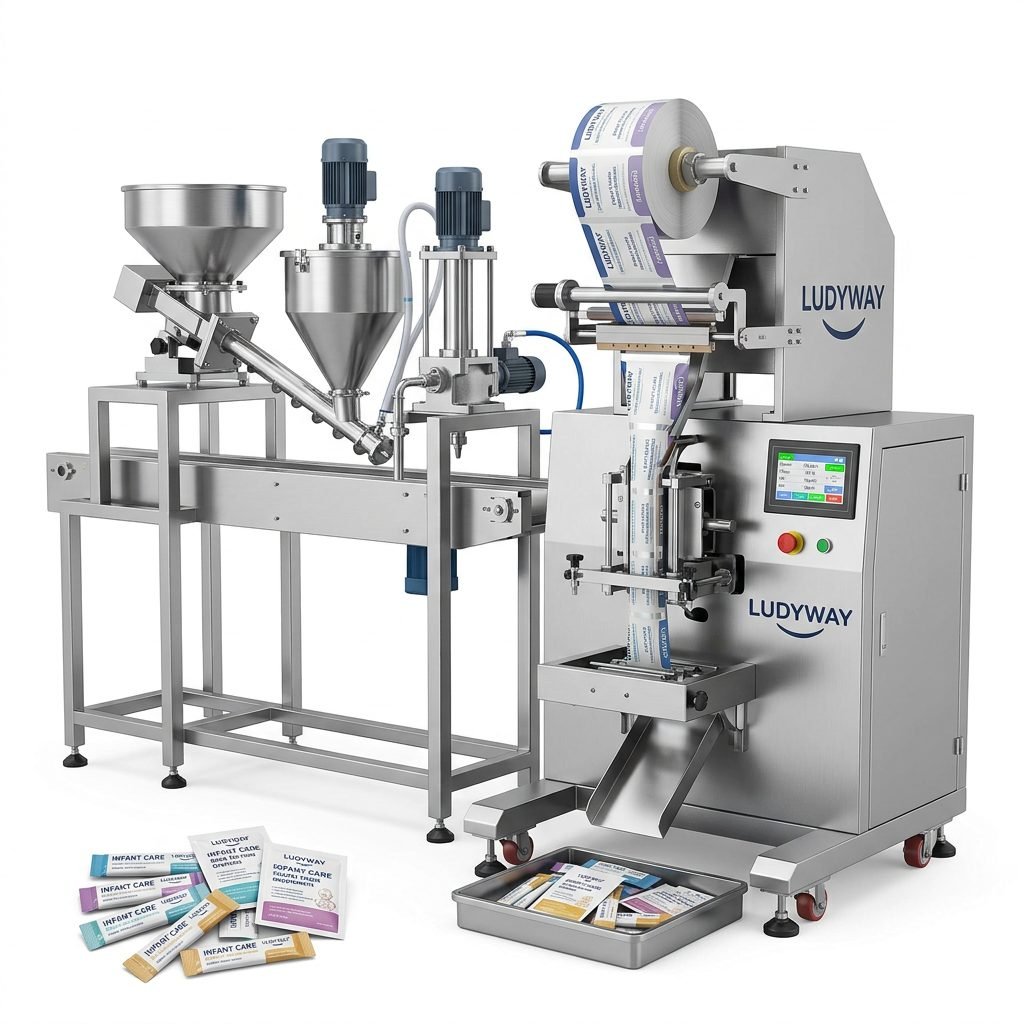
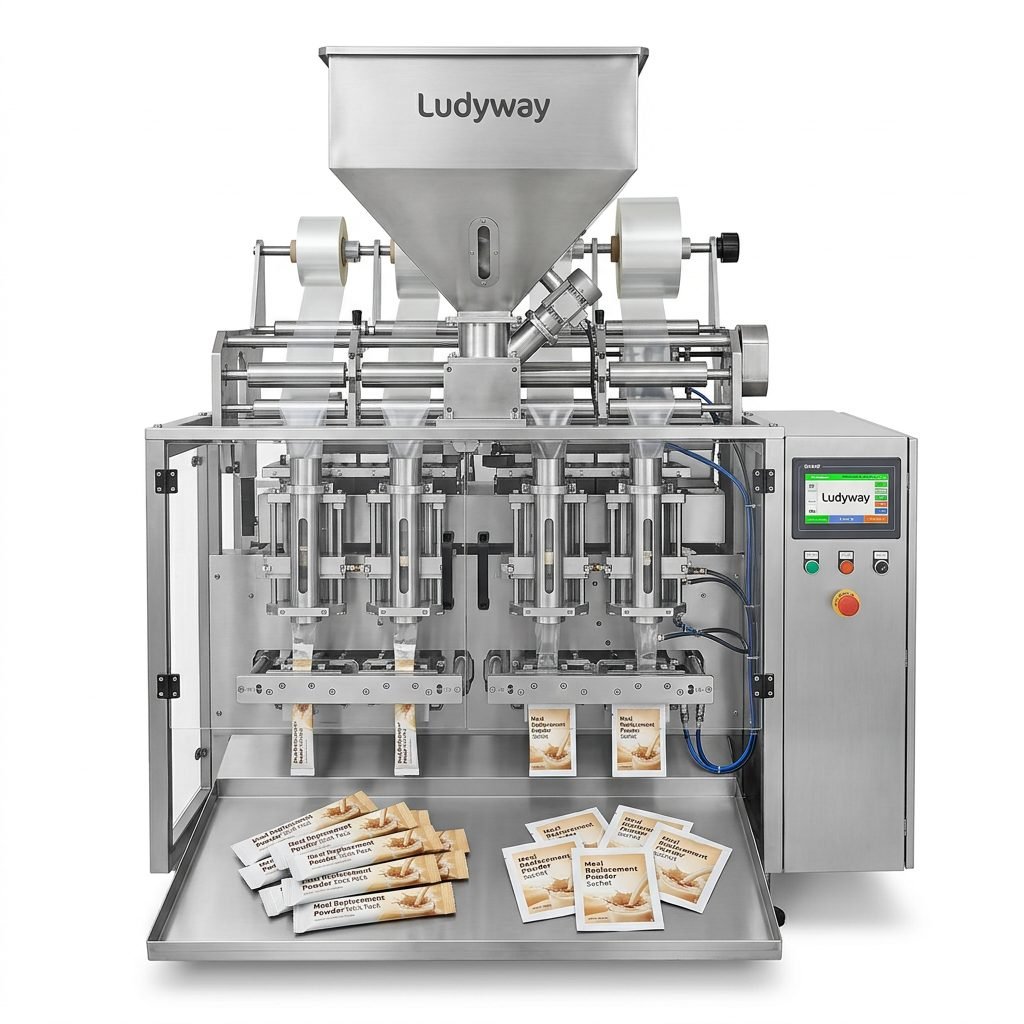
Implementing an effective inspection program is best done in partnership with experts who understand the intricacies of packaging technology. A provider like Ludyway Machinery, with decades of industry experience, brings more than just a checklist. They bring deep diagnostic knowledge, familiarity with a wide range of machine models (from sachet to stick pack systems), and the ability to recommend upgrades or retrofits that can further enhance your line’s performance. Their global service perspective ensures they understand diverse production needs and standards.
Leveraging their expertise means you gain access to scheduled maintenance plans, detailed inspection reports with actionable insights, and priority support. This transforms your machinery from a capital asset into a consistently productive partner in your growth. For businesses looking to scale, this reliable foundation is essential for integrating new automated packaging solutions seamlessly.
Building a Culture of Proactive Maintenance
The ultimate goal of professional inspection services is to help you build a robust culture of proactive maintenance within your operations. This involves transitioning from a “run-to-failure” mindset to a data-driven, schedule-based care program. Detailed reports from each inspection serve as a health record for your equipment, allowing you to track performance trends, plan budgets for parts replacement, and make informed decisions about machinery life cycles and future investments in turnkey production solutions.
In conclusion, Packaging Machine Inspection Services are not an optional overhead; they are a strategic imperative for any serious manufacturer. They are the definitive process to ensure every aspect of your packaging line—from the precision of a single seal to the safety of your team and the throughput of your entire operation—is performing at its peak. In a competitive market where quality, safety, and efficiency define success, a disciplined inspection regimen is your most reliable tool for ensuring continuous, profitable, and sustainable production.
Frequently Asked Questions (FAQs)
How often should packaging machinery be professionally inspected?
The frequency depends on usage hours, product type (abrasive powders vs. granules), and environmental conditions. A general guideline is a comprehensive inspection every 6 to 12 months, with basic operator checks performed daily or weekly. High-speed lines or those running 24/7 may require quarterly inspections.
Can’t our in-house maintenance team perform these inspections?
While in-house teams are crucial for daily upkeep, a professional service brings specialized tools, up-to-date knowledge on specific machine models, and an unbiased, expert eye to catch subtle issues that may be overlooked internally. It’s a valuable complementary partnership.
What is typically included in an inspection report?
A professional report should include: a summary of findings, a detailed checklist of inspected components with status (OK/Needs Attention/Replace), photographs of any issues, recommendations for corrective actions, parts required (with estimated lifespan), and a summary of machine performance metrics against benchmarks.
Do inspection services help with regulatory compliance?
Yes, absolutely. For industries like food and pharmaceuticals, documented maintenance and calibration are often required by standards (e.g., GMP, FDA, ISO 22000). Professional inspection provides the necessary documentation to demonstrate due diligence and compliance with safety and quality regulations.
What are the signs that our machine needs an immediate inspection outside the regular schedule?
Key warning signs include: a sudden increase in product waste or giveaway, inconsistent seal quality, unusual noises or vibrations, a drop in production speed, frequent minor faults or sensor errors, and any near-miss safety incidents involving the equipment.