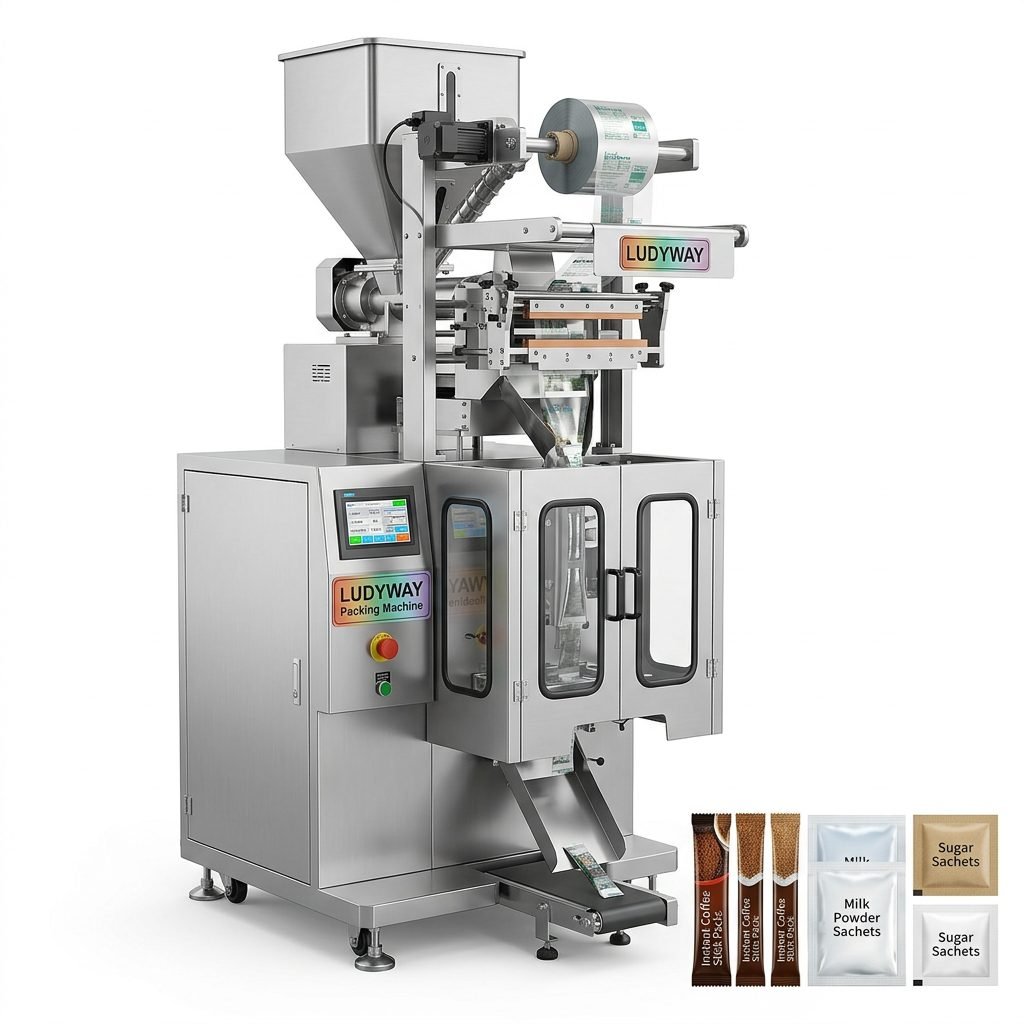
Selecting the right chemical packaging machine is a critical decision that impacts production efficiency, product safety, and overall operational costs. This guide provides a comprehensive overview of the different types of chemical packaging systems, explains their core working principles, and offers practical advice on how to choose the optimal equipment for your specific needs.
Understanding the Types of Chemical Packaging Machines
The chemical industry utilizes a diverse range of packaging formats, each requiring specialized machinery. The primary categories are defined by the physical state of the product being packaged.
Liquid Chemical Packaging Machines
These systems are designed to handle fluids, from low-viscosity solvents to thick adhesives or gels. Common machine types include:
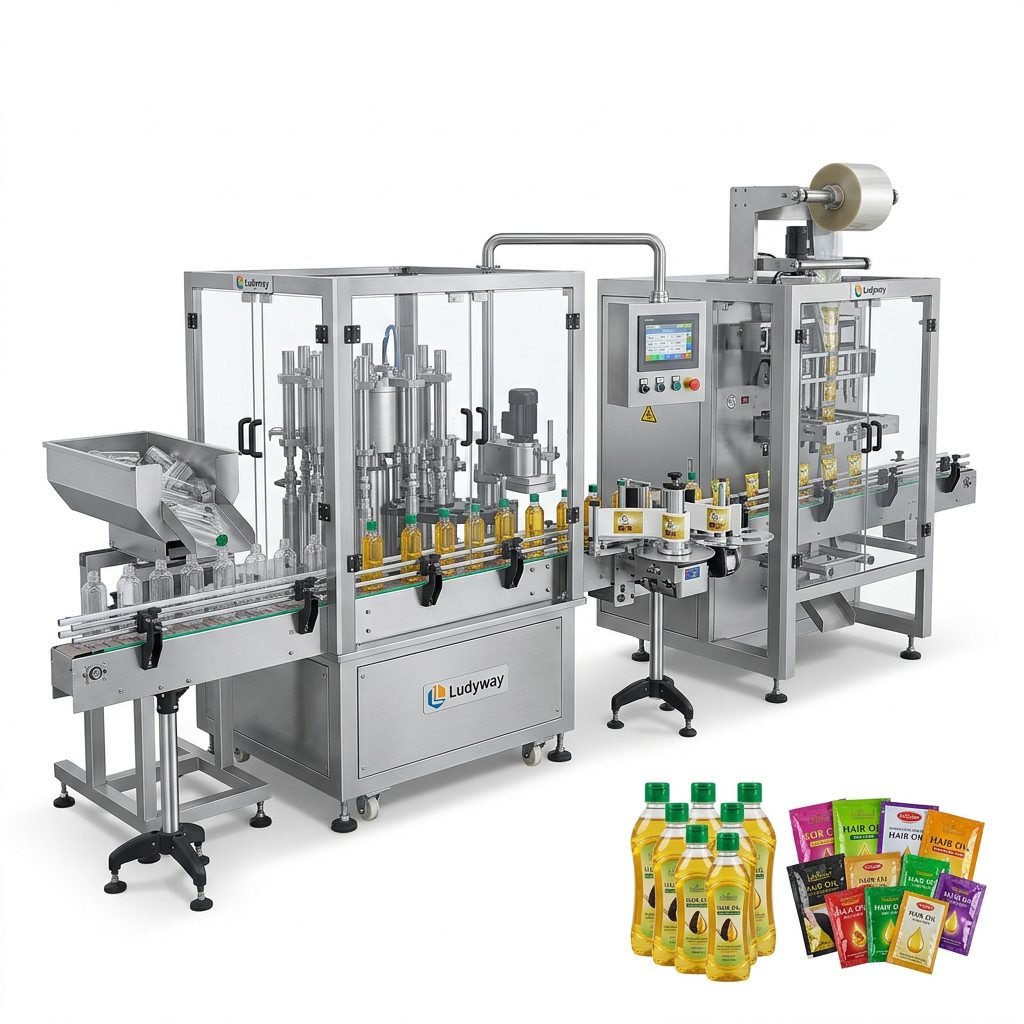
Liquid Filling Machines: These are the most prevalent, using technologies like piston fillers, peristaltic pumps, or gravity fillers for precise volumetric or weight-based dosing. They are often integrated with capping, sealing, and labeling units to form a complete line.
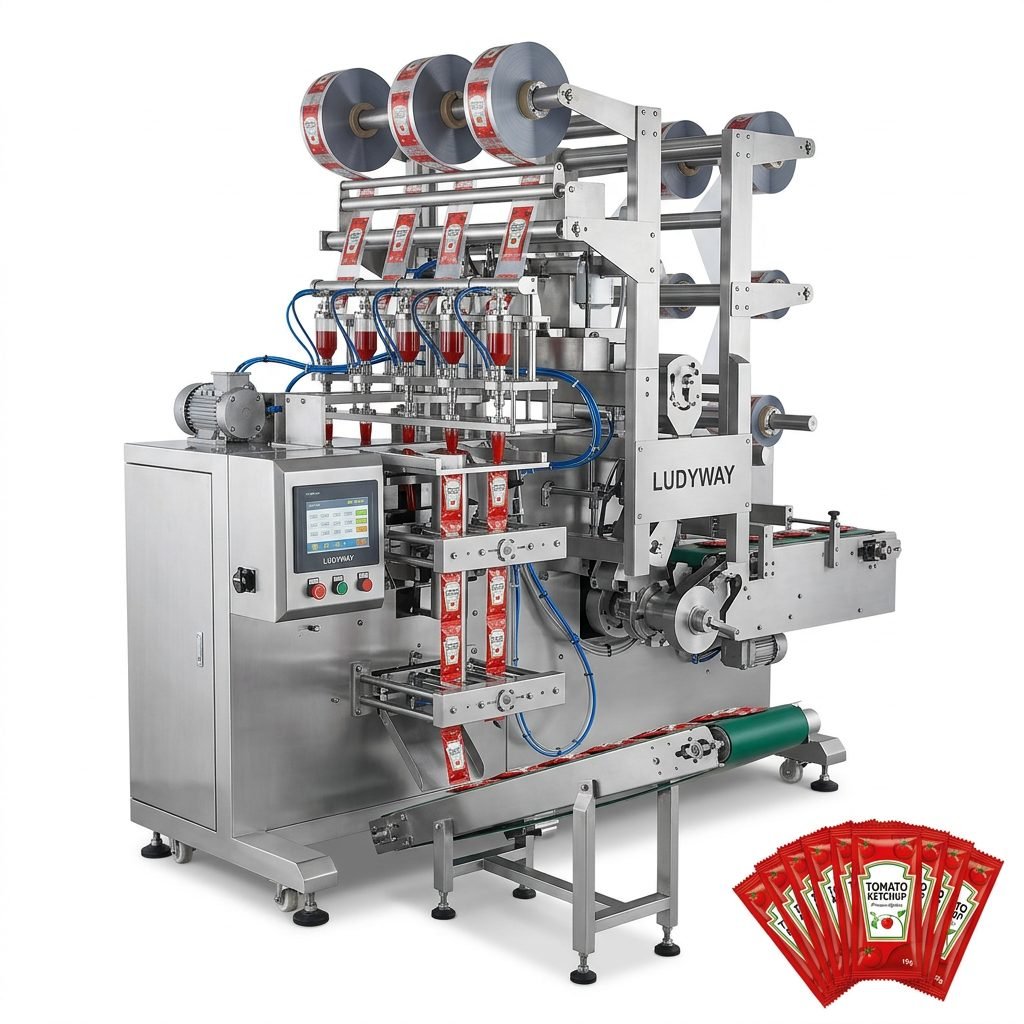
Sachet/Pouch Packaging Machines: Ideal for single-use doses of liquid chemicals, lubricants, or samples. These machines form, fill, and seal packets from a roll of laminated film at high speeds.
Powder & Granule Chemical Packaging Machines
Packaging dry products like industrial powders, granules, or pellets presents unique challenges in dust control and accurate filling.
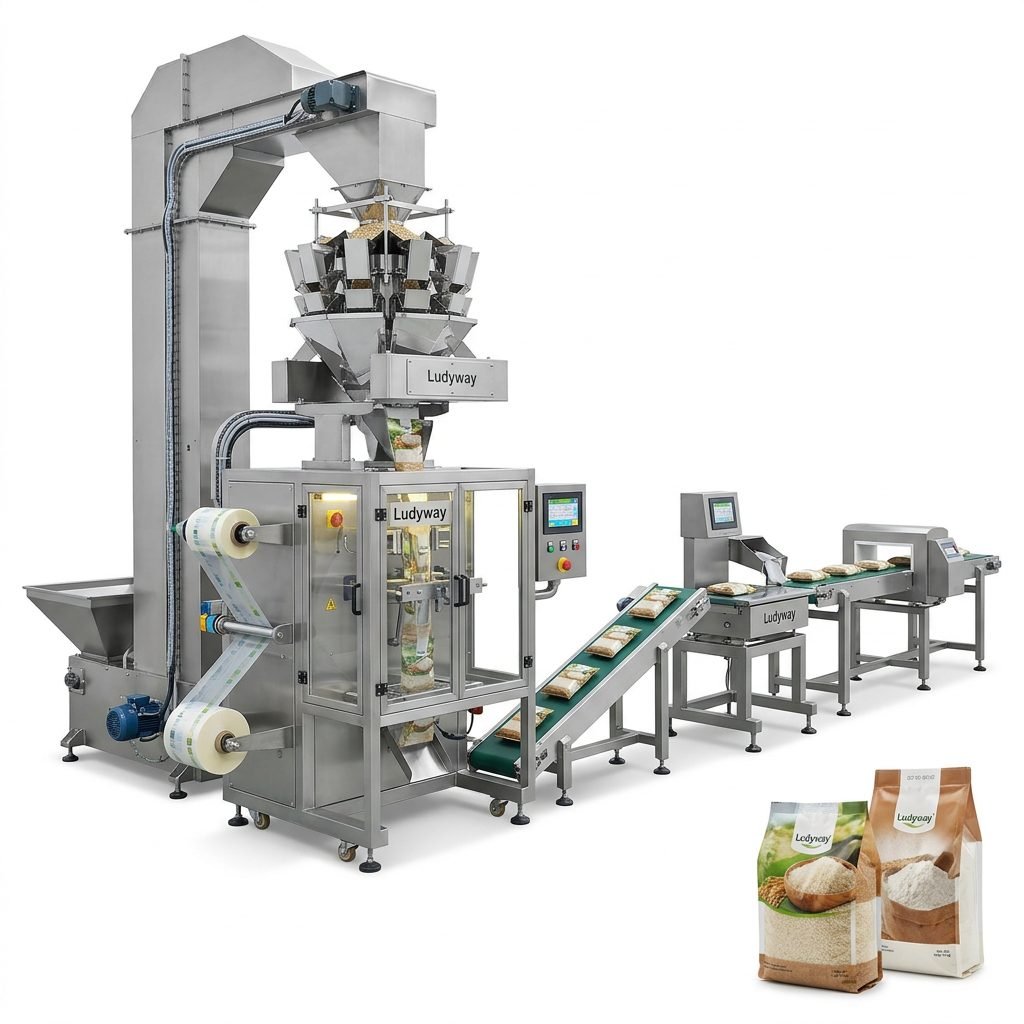
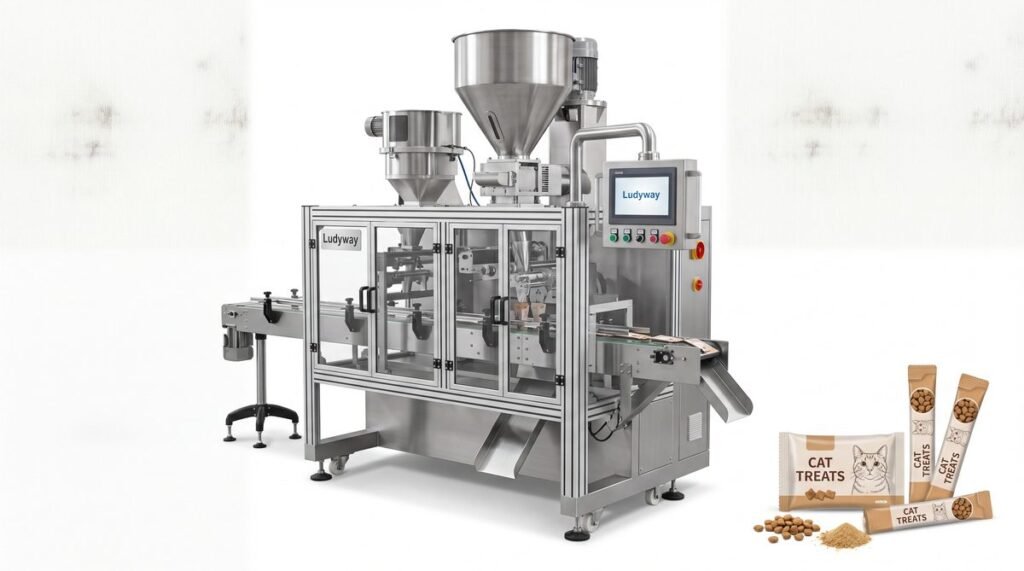
Auger Fillers: The industry standard for powders. A rotating screw (auger) dispenses product from a hopper into containers. Accuracy is paramount and is achieved through precise auger design and servo-driven control systems.
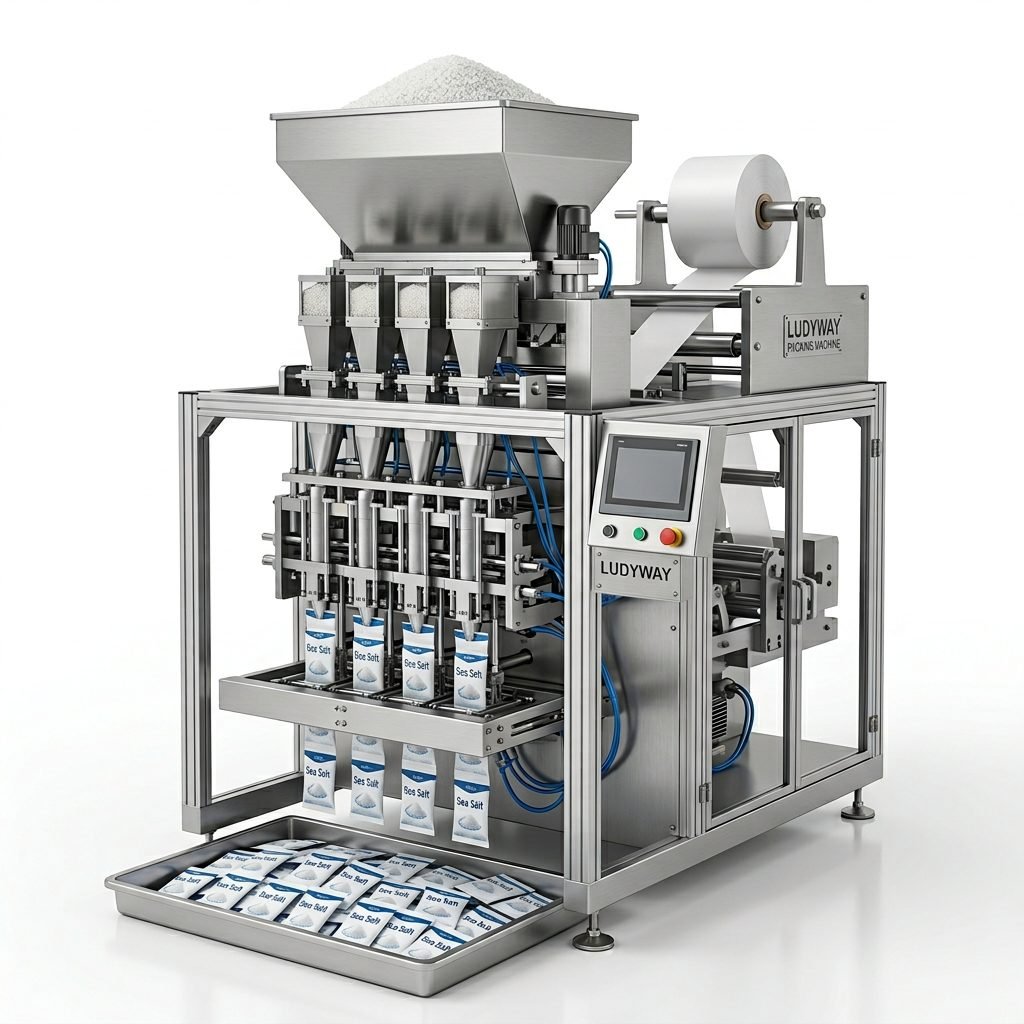
Weighing Scales (Net Weighers): Used for high-accuracy filling of free-flowing granules or powders. Product is weighed in a chamber before being discharged into the package, ensuring exact weight compliance.
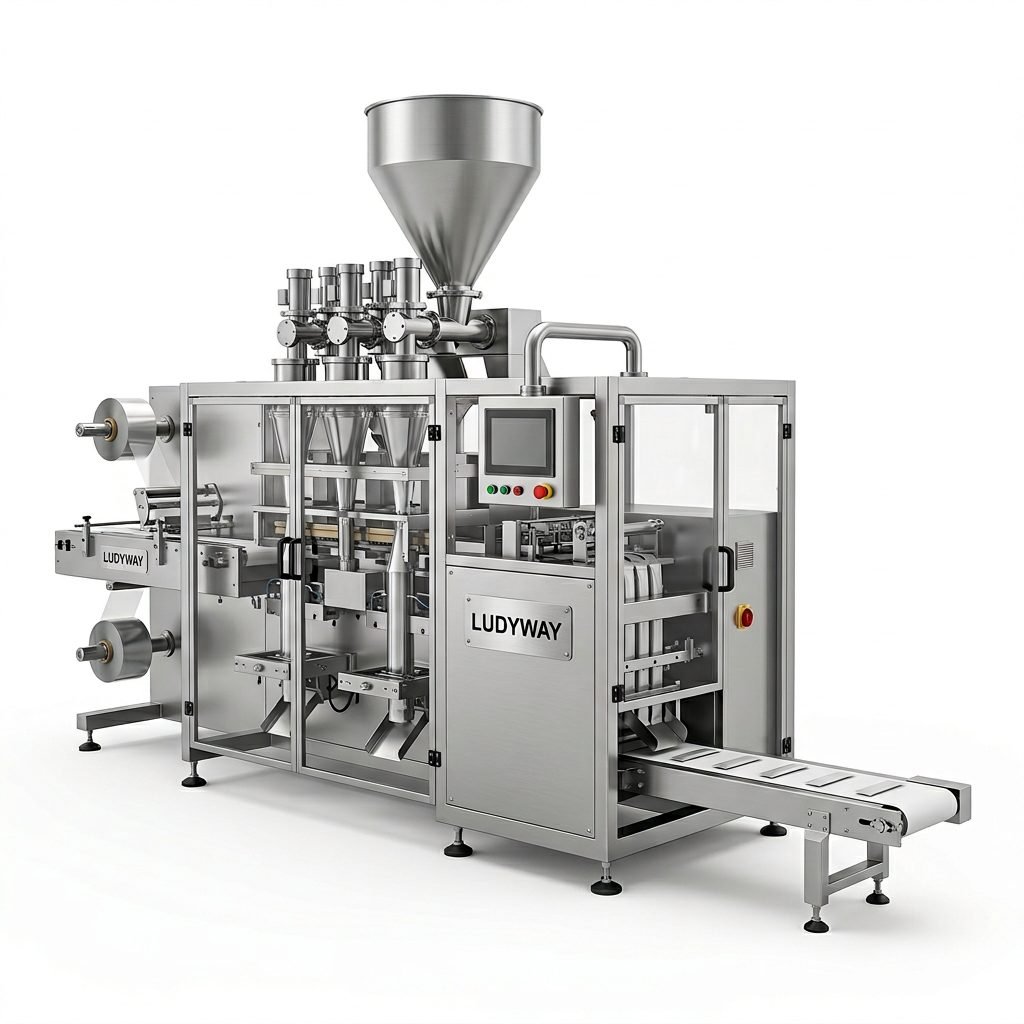
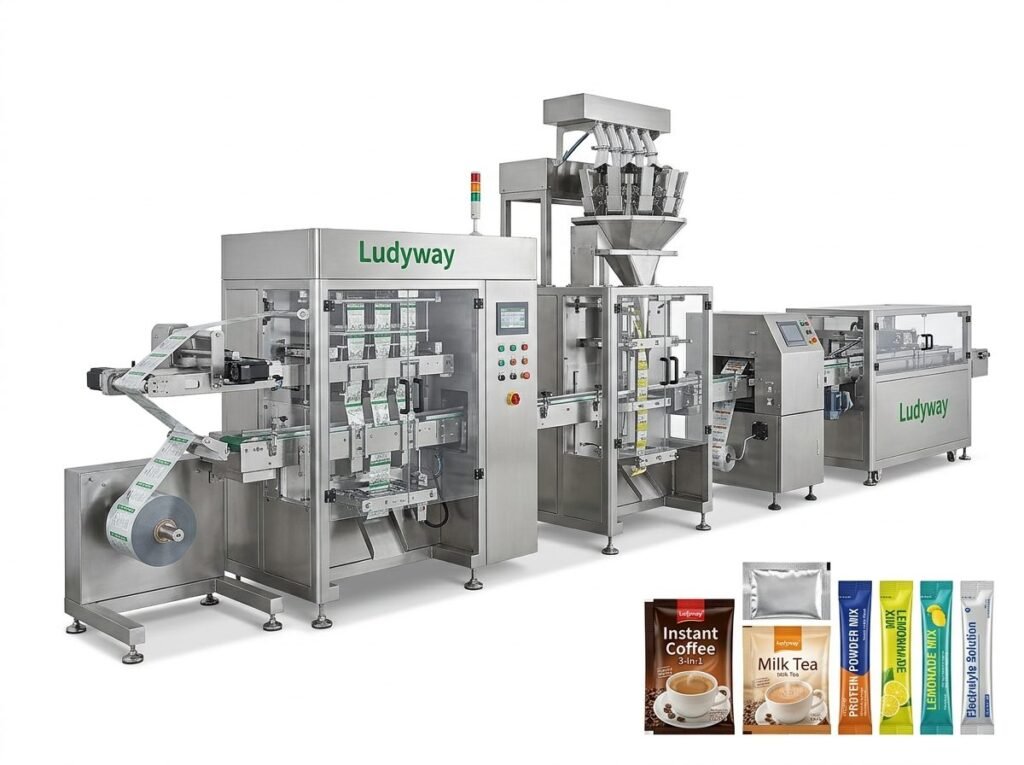
Stick Pack Machines: Perfect for portion-controlled powders (e.g., water treatment chemicals, drink mixes). They create long, narrow packets from roll stock, offering a high surface-area-to-volume ratio for easy product dissolution.
Specialized Chemical Packaging Systems
For hazardous, volatile, or sensitive chemicals, specialized equipment is necessary.
➤ Vacuum or Gas Flush Packaging: Machines that remove air (vacuum) or replace it with an inert gas (like nitrogen) before sealing. This is crucial for oxygen-sensitive or moisture-reactive chemicals to extend shelf life and prevent degradation.
➤ Hazardous Material (Hazmat) Packers: Engineered with enhanced safety features, such as explosion-proof electrical components, vapor extraction systems, and containment safeguards to protect operators and the environment.
Core Working Principles of Packaging Machinery
Despite their variety, most automated packaging machines follow a similar sequence of operations, often referred to as the “Form-Fill-Seal” (FFS) cycle or a linear “Filling-Sealing-Capping” process for rigid containers.
The Form-Fill-Seal (FFS) Process
This integrated approach is common for flexible packaging like pouches and stick packs.
1. Film Feeding & Forming: A roll of packaging film (laminate) is fed into the machine and shaped around a vertical or horizontal tube (forming collar).
2. Vertical Sealing: The longitudinal seam of the package is heat-sealed to create a continuous tube.
3. Product Filling: The chemical product is injected or dropped into the formed tube at a precisely timed interval.
4. Horizontal Sealing & Cutting: Heated jaws seal the top of the filled pouch and the bottom of the next pouch simultaneously, then cut them apart, creating individual, sealed packages.
Rigid Container Packaging Line Flow
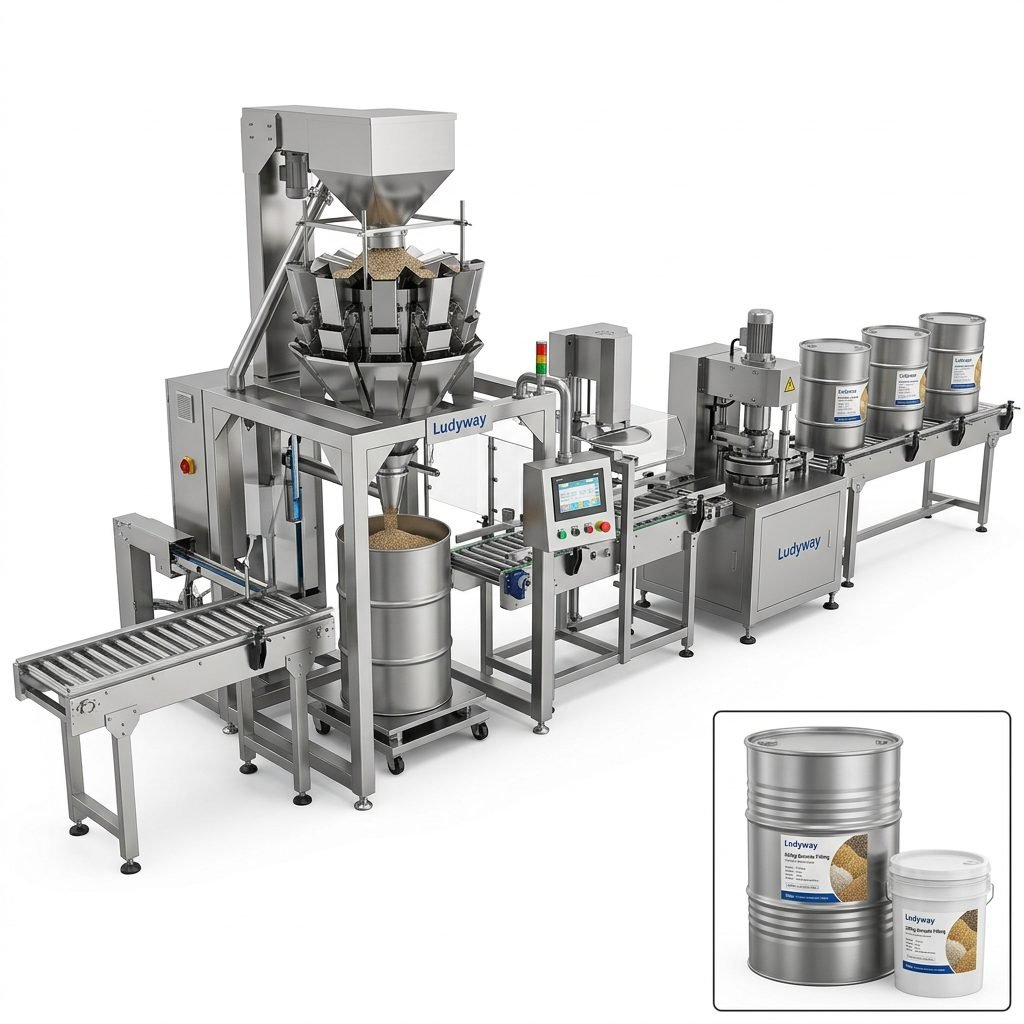
For bottles, cans, or drums, the process is typically linear.
1. Container Unscrambling & Cleaning: Empty containers are oriented correctly and may be purged with air to remove dust.
2. Precise Filling: The container is positioned under the filling head, and the exact amount of product is dispensed via the chosen technology (piston, auger, etc.).
3. Sealing/Capping: Lids, caps, or closures are applied and tightened to the required torque to ensure a leak-proof seal.
4. Labeling & Coding: Labels are applied, and production dates, batch codes, or expiry dates are printed on the package.
How to Choose the Right Chemical Packaging System
Making an informed investment requires a thorough analysis of your product, production goals, and operational environment.
1. Analyze Your Product Characteristics
This is the most critical starting point. Key factors include:
- Physical State: Liquid, powder, granule, or paste? This dictates the primary filling technology.
- Chemical Properties: Is it abrasive, corrosive, volatile, or hazardous? This determines required machine materials (e.g., stainless steel grades, specialized coatings) and safety features.
- Flowability & Density: Powder flow characteristics directly affect auger design. Product density variations require machines with check-weighing or feedback controls.
2. Define Your Production Requirements
Quantify your needs to match machine capability.
➤ Required Output Speed (Packages Per Minute/Hour): This is a primary driver of cost and machine complexity. Balance peak demand with long-term growth projections.
➤ Packaging Format & Size Range: Specify your container types (bottle, pouch, can) and the range of sizes you need to run. Flexibility often adds cost.
➤ Accuracy & Waste Tolerance: High-value chemicals demand ultra-precise filling (±0.5% or better) to minimize giveaway. Understand your cost of overfilling vs. the risk of underfilling.
3. Evaluate Machine Features & Construction
Look beyond the brochure specifications.
- Hygiene & Cleanability: Machines should have smooth surfaces, minimal crevices, and be easy to disassemble for cleaning to prevent cross-contamination.
- Control System & Connectivity: Modern machines with PLC controls, HMI touchscreens, and data logging (OEE tracking) support better process management and integration with factory systems.
- Durability & Maintenance: Robust construction with quality components reduces downtime. Assess the availability of spare parts and technical support from the supplier.
4. Consider Safety and Compliance
Chemical packaging has non-negotiable safety aspects.
➤ Material Compatibility: All product-contact parts must be resistant to corrosion (e.g., 316L stainless steel, PTFE, ceramic).
➤ Safety Certifications: Ensure the machine meets relevant regional safety standards (e.g., CE, UL) and, if needed, has explosion-proof ratings for use in hazardous areas.
➤ Containment & Extraction: For dusty powders or volatile liquids, integrated dust collection or fume extraction ports are essential for operator safety.
5. Plan for the Future: Scalability and Support
Choose a partner, not just a machine. A supplier with deep industry experience can offer valuable insights during the selection process. Consider their ability to provide after-sales service, training, and potential line expansions. A modular machine that can be upgraded later may offer a better long-term return on investment than a cheaper, fixed-capacity model.
Frequently Asked Questions (FAQs)
What is the most important factor when choosing a chemical packaging machine?
The chemical and physical properties of your product are the absolute foundation. A machine perfectly suited for free-flowing granules will fail completely with a viscous paste. Always start your selection process with a detailed product analysis.
How can I ensure accurate filling for expensive or hazardous chemicals?
Opt for machines with advanced feedback control systems, such as check-weighers that automatically adjust the filler after each cycle, or mass flow meters for liquids. For the highest value products, net weight filling systems offer the best precision.
What machine materials are best for corrosive chemicals?
For highly corrosive products, specify 316 or 316L stainless steel for metal parts. For extreme cases, consider parts lined with PTFE (Teflon) or made from high-performance plastics like PVDF. Always discuss your specific chemical with the machine builder.
Can one machine handle different container sizes and types?
Many machines offer quick-change parts (like changeover kits for different bottle sizes) to reduce downtime between production runs. However, switching from, for example, bottles to pouches typically requires a completely different machine or a highly modular, and more expensive, system.
Why is supplier experience in the chemical industry crucial?
An experienced supplier understands the unique challenges of chemical packaging—safety regulations, material compatibility, precision requirements, and cleaning protocols. They can anticipate problems and recommend proven, reliable solutions tailored to this demanding sector, ensuring a smoother project and more reliable long-term operation.