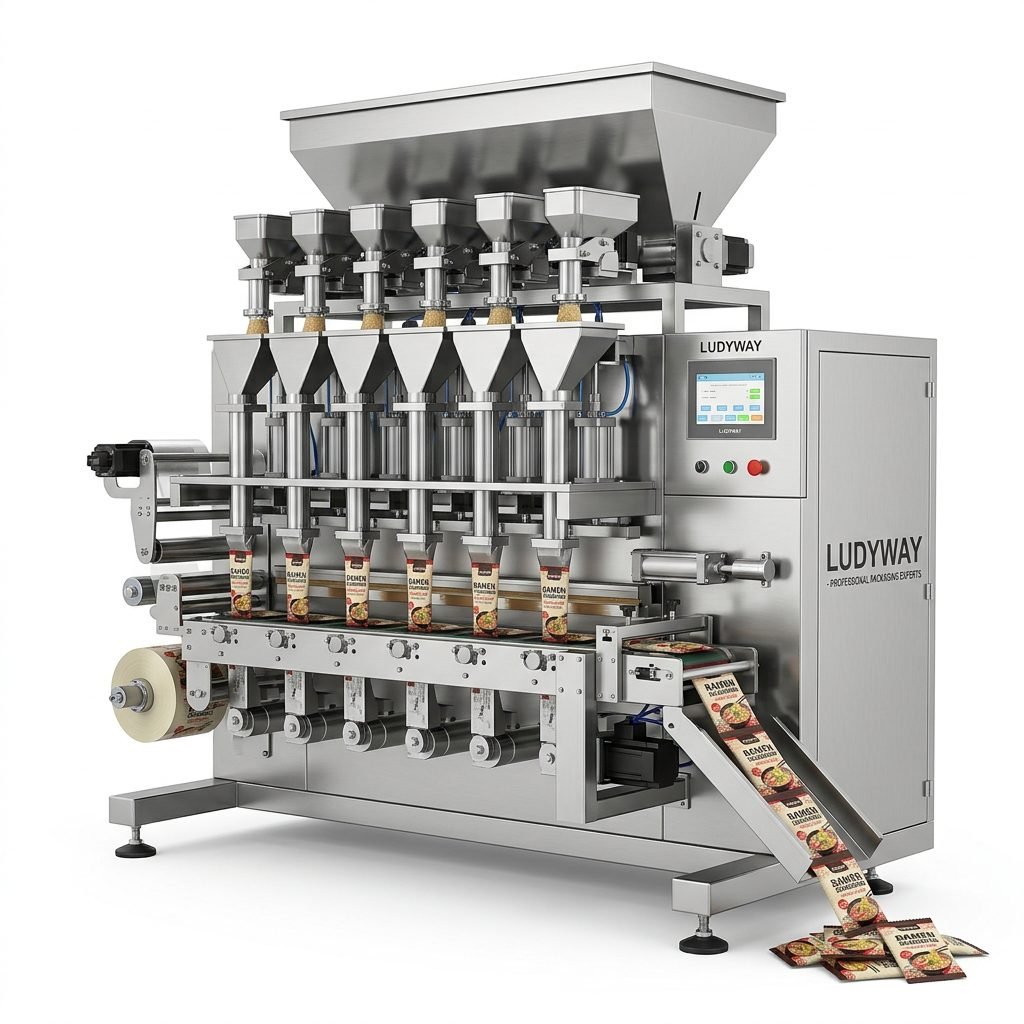
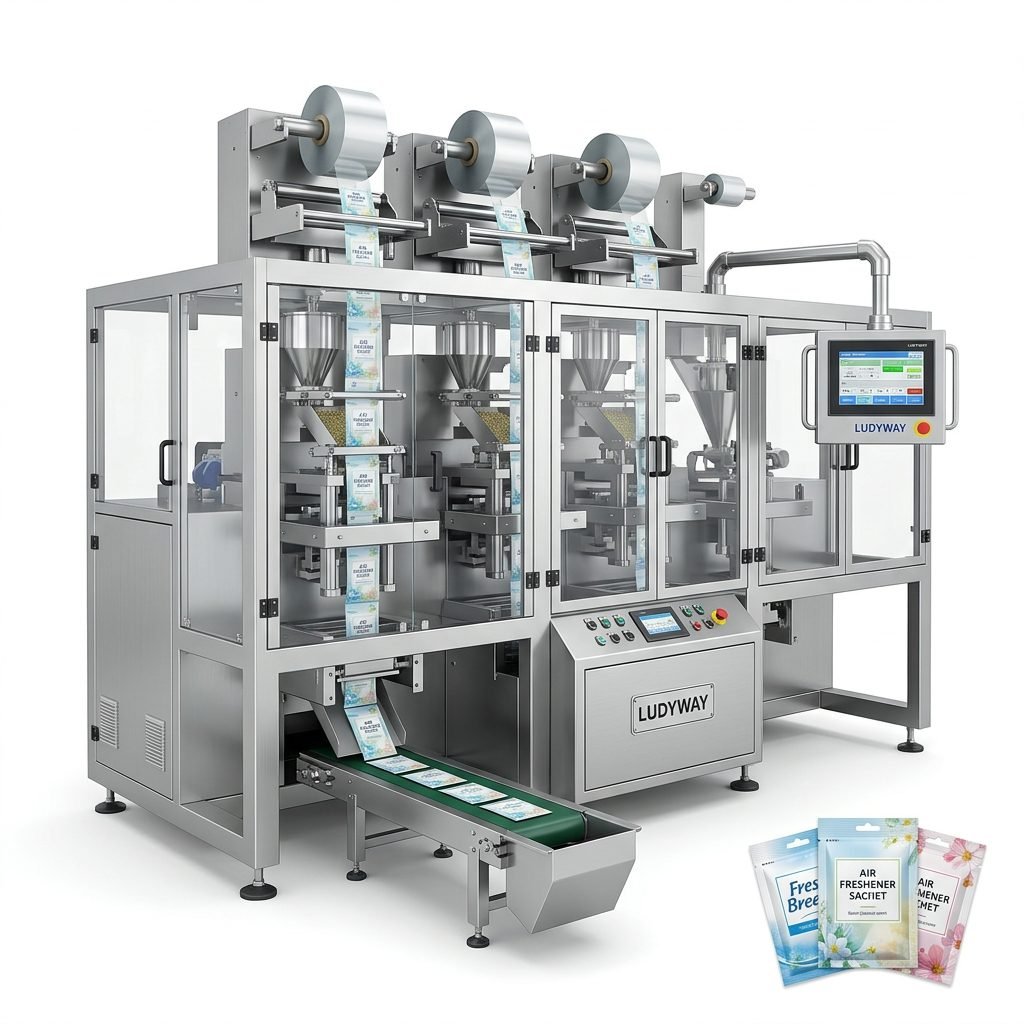
Choosing the right integrated packaging machine is a critical decision that impacts your production efficiency, product quality, and overall operational costs. An automated packaging system streamlines your line, reduces labor dependency, and ensures consistent, high-quality output. This comprehensive guide will walk you through the key factors to consider when selecting an automated system that perfectly aligns with your production needs and business goals.
Understanding Your Production Requirements
The first and most crucial step is a deep analysis of your own operation. You cannot select the right tool without understanding the job it needs to do.
Key Questions to Define Your Needs:
→ Product Type & Form: Are you packaging granules, powders, liquids, pastes, or solids? Each requires specific dosing and handling mechanisms.
→ Production Speed (Output): What is your required output in packs per minute (PPM) or units per hour? This directly dictates the machine’s capability tier.
→ Packaging Materials: What type of film (laminate, mono-layer), pouch style (stand-up, flat, stick pack), or container are you using?
→ Future Scalability: Do you anticipate product line changes, speed increases, or new package sizes in the next 3-5 years?
Core Components of an Integrated Packaging System
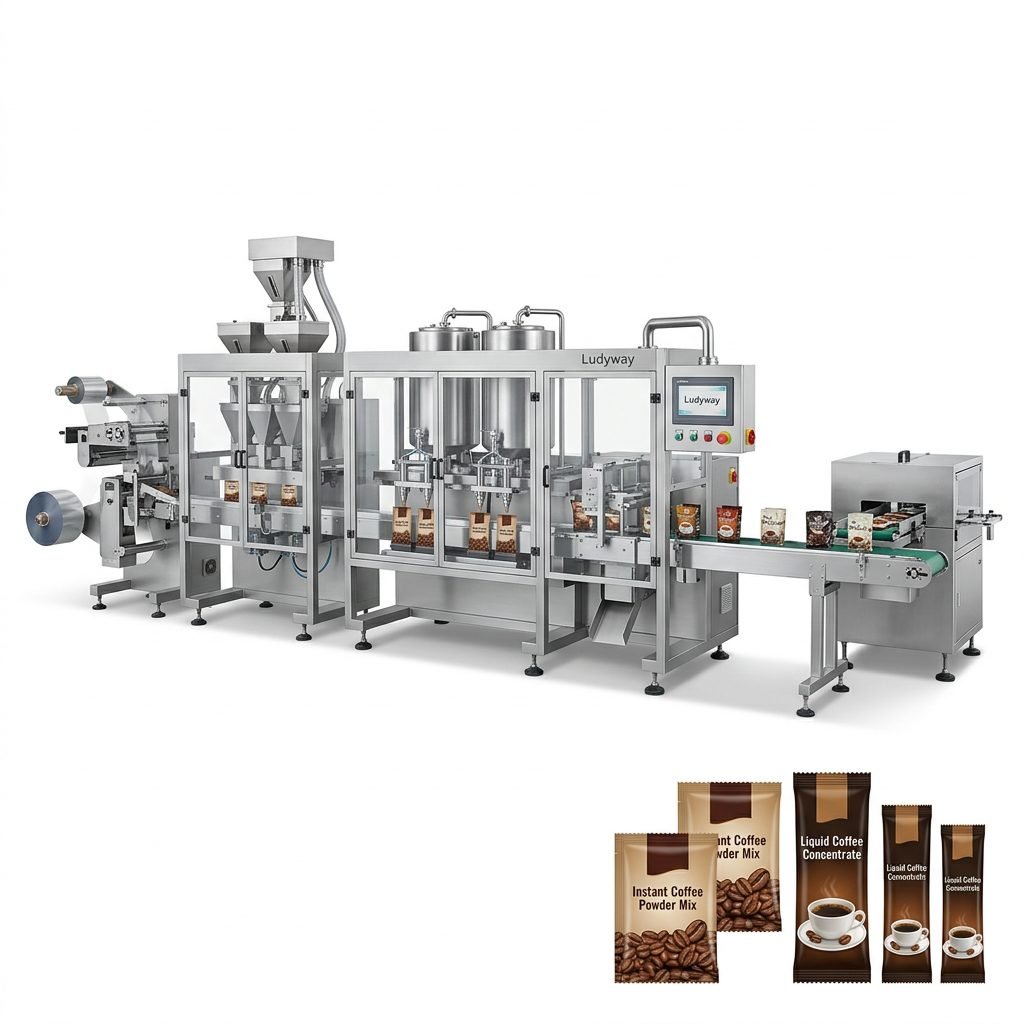
A modern automated system is more than just a single machine; it’s a synchronized line of components working in harmony.
1. The Primary Packaging Machine
This is the heart of the line, where the product is metered and sealed into its primary package. Common types include:
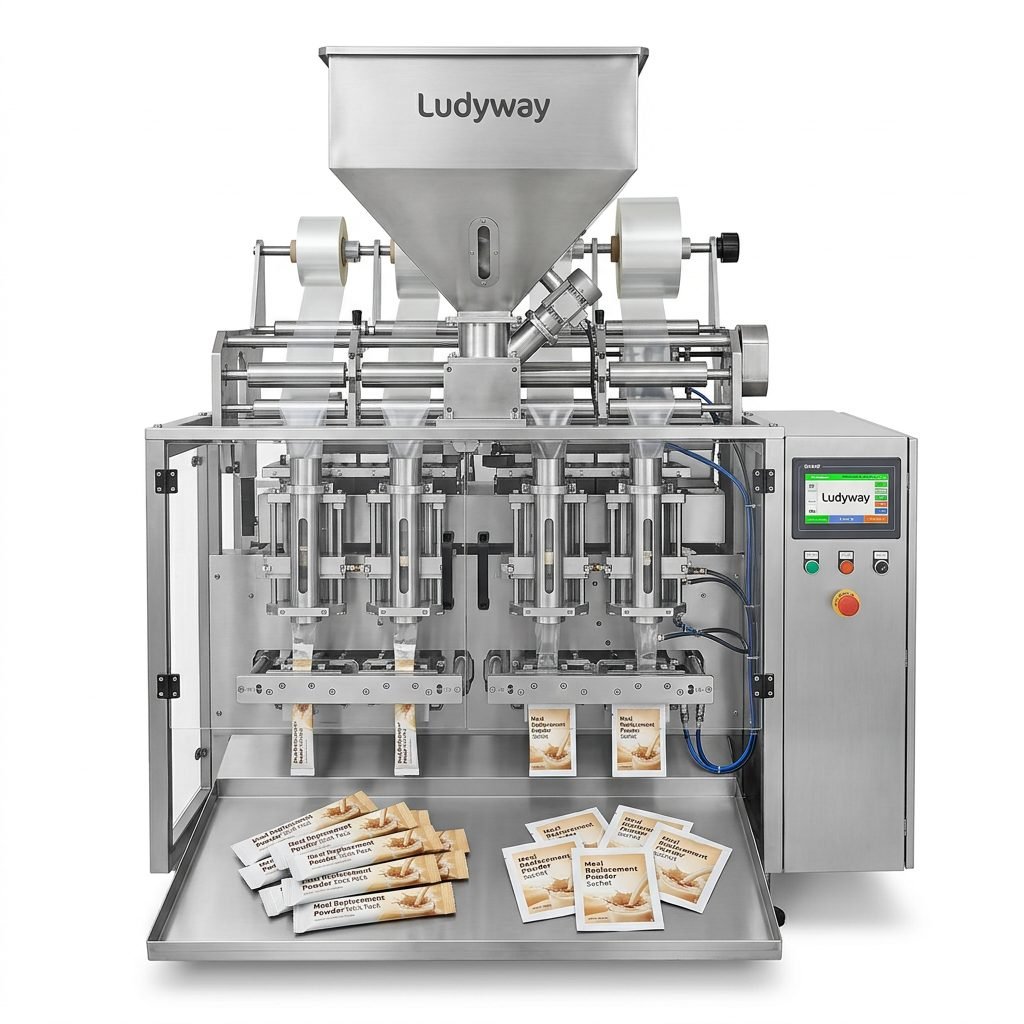
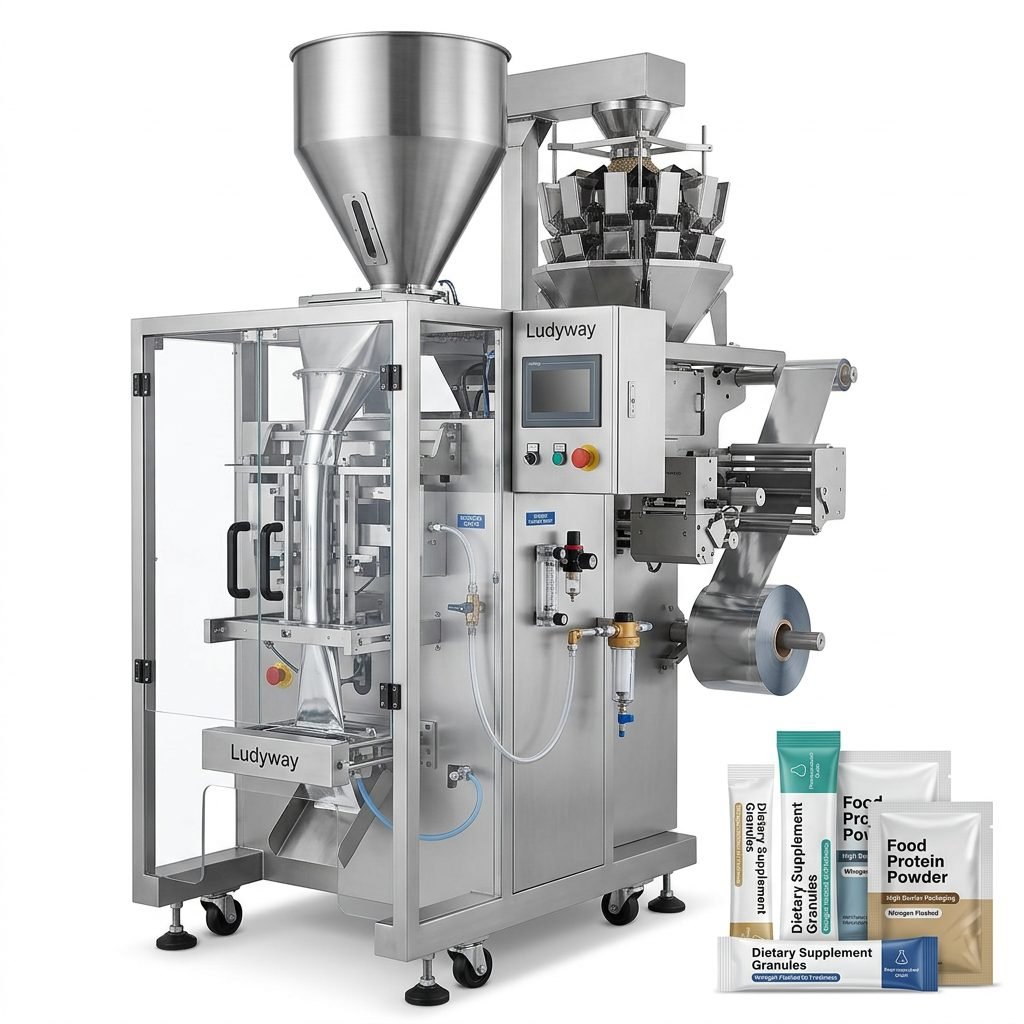
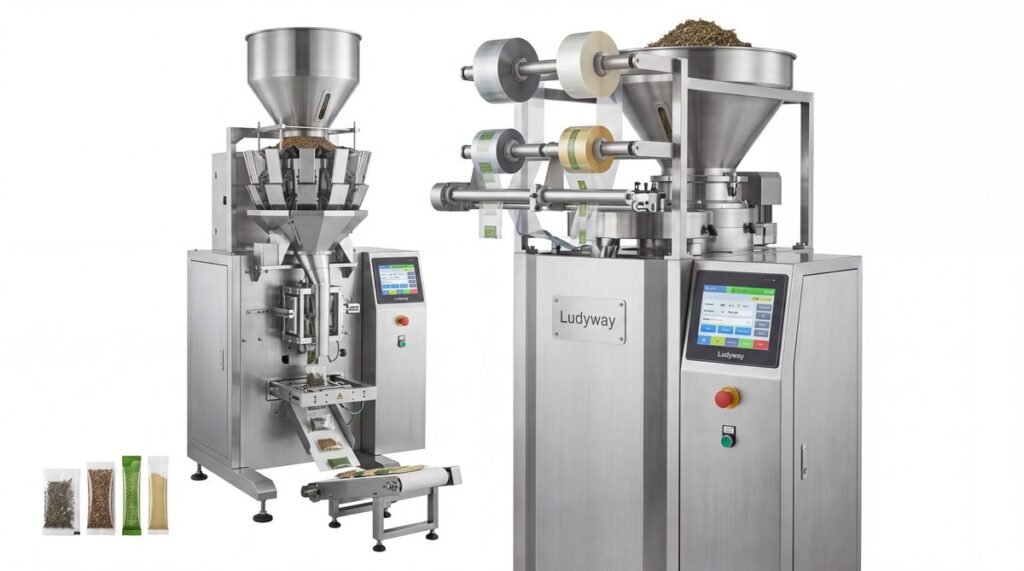
- Vertical Form-Fill-Seal (VFFS) Machines: Versatile workhorses for creating pouches from roll stock. Ideal for a wide range of products from snacks to hardware. Learn more about VFFS technology.
- Horizontal Form-Fill-Seal (HFFS) Machines: Excellent for delicate products, multi-packs, and complex tray presentations.
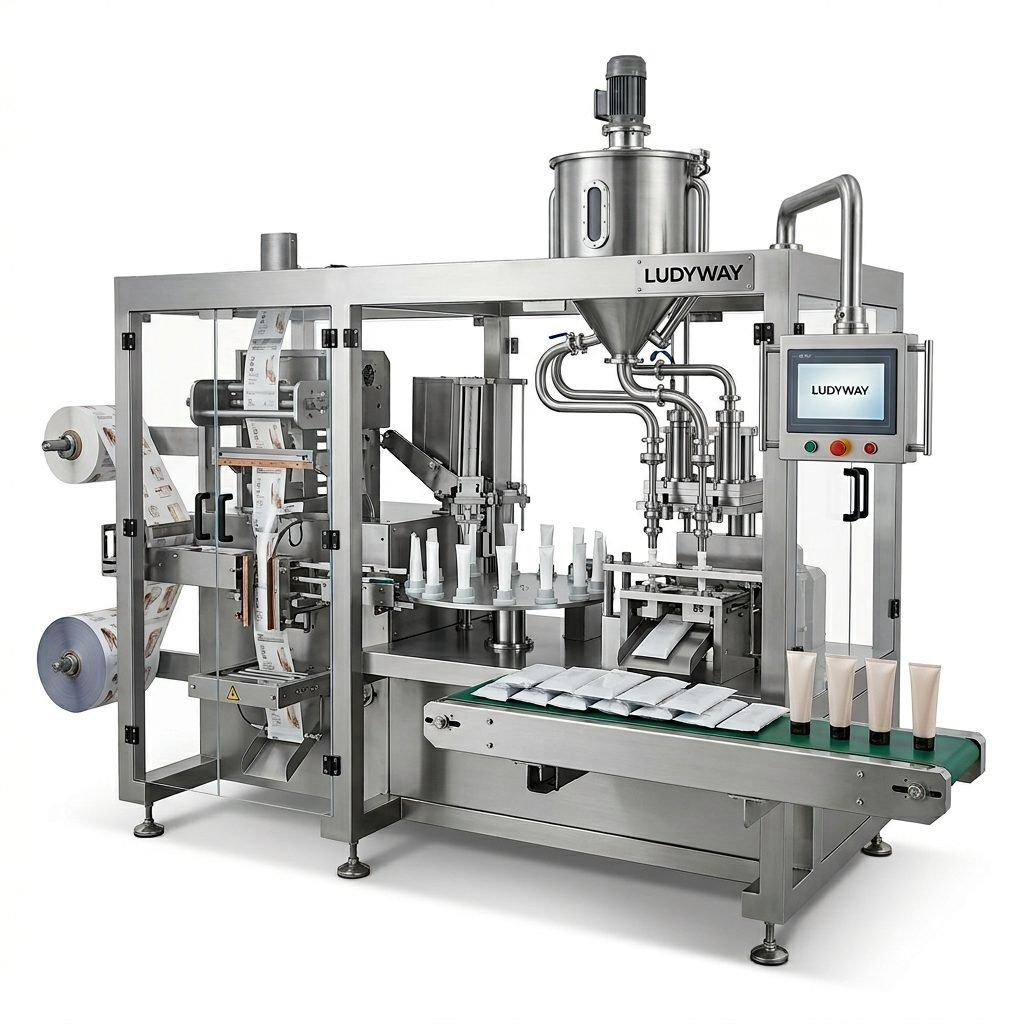
- Liquid & Paste Fillers: Utilize precise piston, pump, or auger filling systems for viscous products.
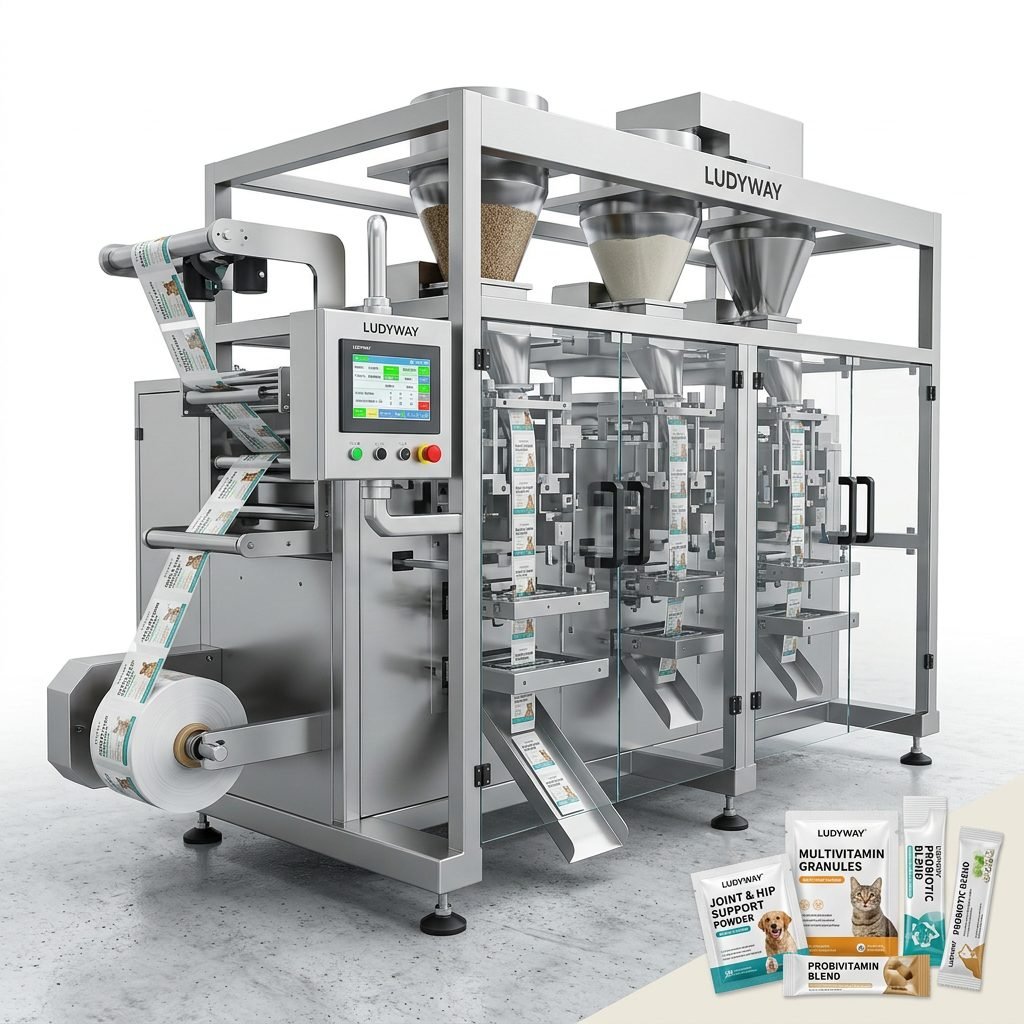
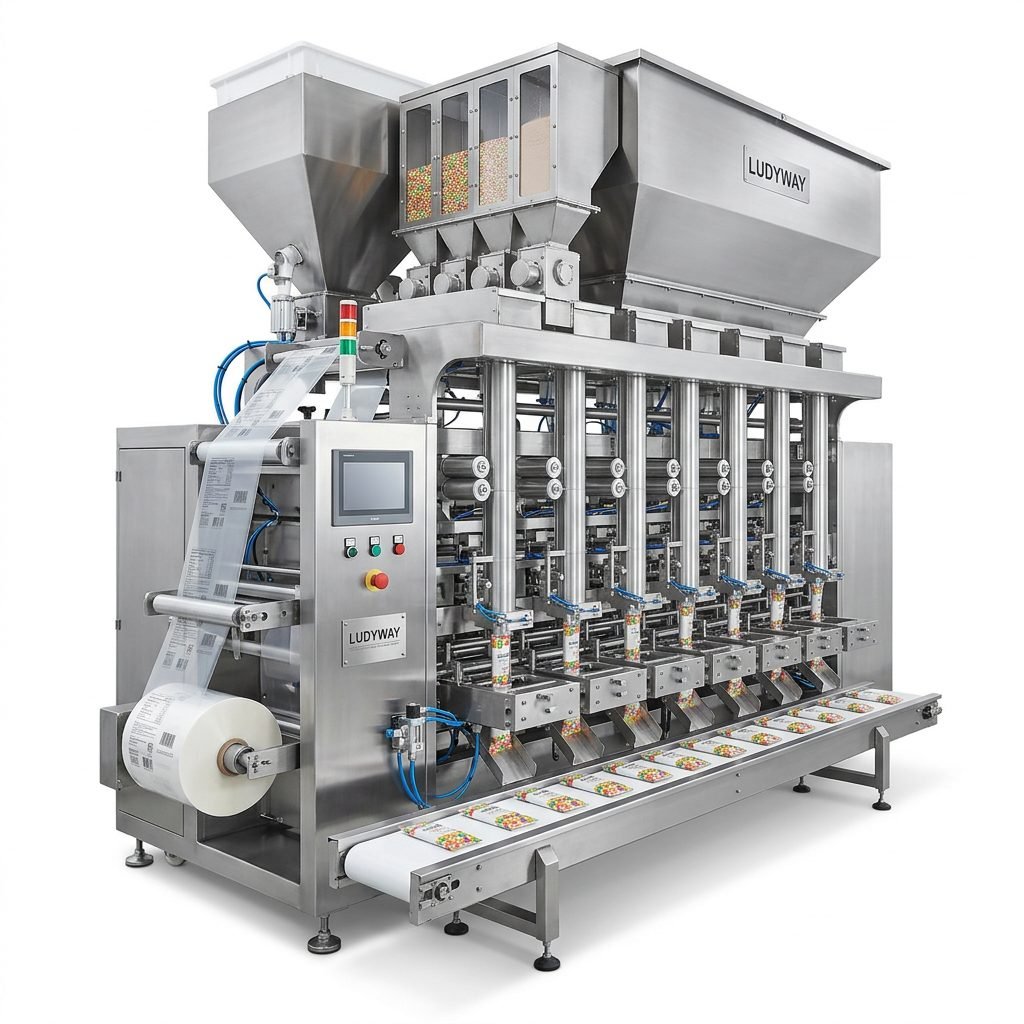
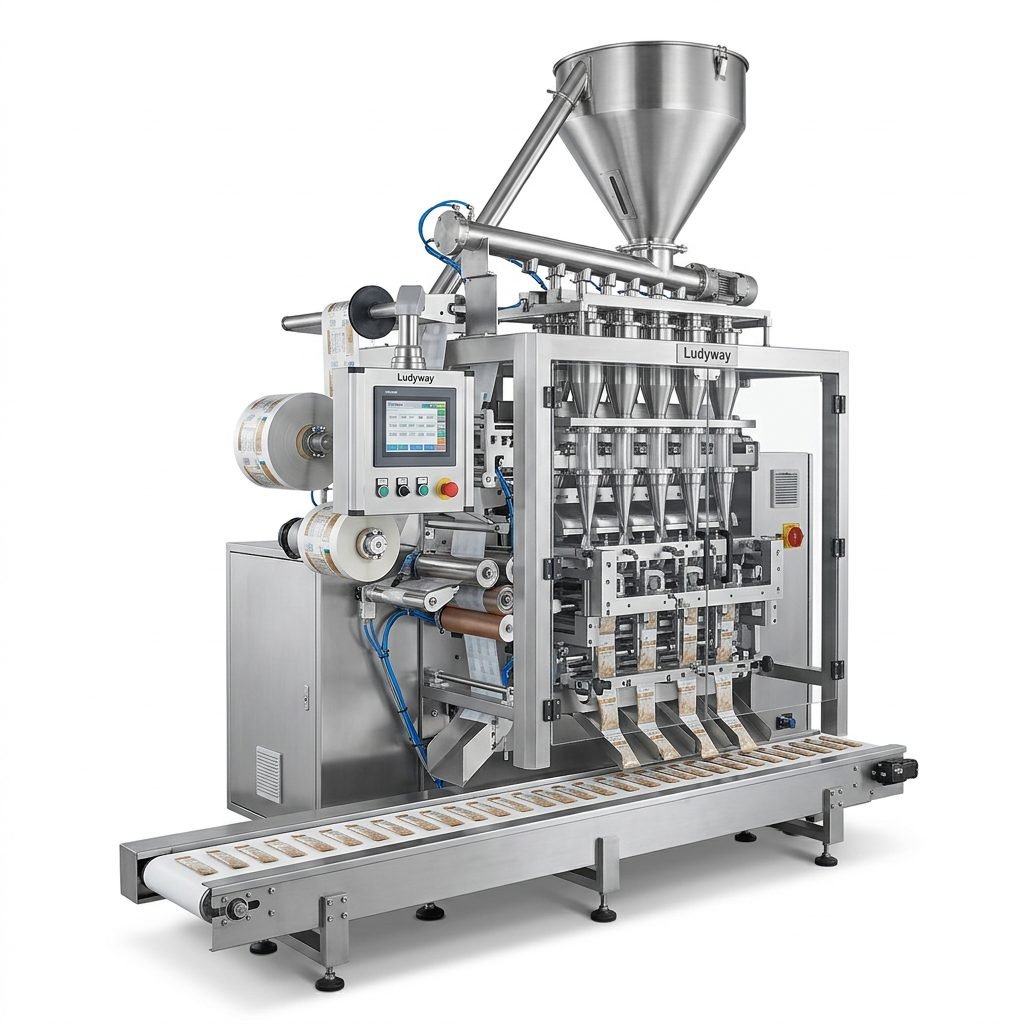
- Stick Pack & Sachet Machines: Designed for high-speed, single-serve portions of powders, gels, or liquids.
2. Feeding & Dosing Systems
Accuracy here is non-negotiable. The choice depends on product characteristics:
Auger Fillers: Best for fine to coarse powders and granules. Precision depends on auger design and tooling.
Volumetric Cup Fillers: Suitable for uniform granules and free-flowing products. Simple and cost-effective.
Net Weigh Scales (Multi-Head Weighers): The gold standard for accuracy (±0.1-1g), essential for high-value products. They combine multiple weigh buckets for speed and precision.
Piston & Pump Fillers: Used for liquids, pastes, and creams, offering excellent volumetric control.
3. Conveying & Handling Integration
This includes product infeeds, accumulation tables, and outfeed conveyors that connect the packaging machine to upstream (e.g., mixers) and downstream (e.g., cartoning) processes. Smooth, gentle handling prevents product damage and line jams.
Critical Selection Criteria for Your Business
With your needs and system components in mind, evaluate potential suppliers and machines against these vital criteria.
Performance & Technical Specifications
Speed & Efficiency: Match the machine’s maximum speed to your required output with a 15-20% buffer for future growth. Consider Overall Equipment Effectiveness (OEE)—factors like changeover time and reliability matter more than peak speed alone.
Accuracy & Consistency: Request performance data (e.g., fill weight tolerance) for a product similar to yours. Consistency reduces giveaway and ensures regulatory compliance.
Flexibility & Changeover: How quickly can you switch package sizes or products? Look for features like tool-less changeovers, servo-driven adjustments, and saved recipe memory.
Build Quality & Reliability
Inspect the construction: frame rigidity, grade of stainless steel, quality of seals and electrical components. A robust machine from a reputable manufacturer like Ludyway Machinery, with over 30 years of industry experience, minimizes downtime and has a longer lifespan. Ask for mean time between failures (MTBF) data.
Hygiene & Safety Standards
For food, pharmaceutical, or cosmetic applications, this is paramount. Ensure the machine meets relevant standards (e.g., FDA, EHEDG, GMP). Features should include easy-clean designs, sealed components, and food-grade lubricants. Safety guarding and interlocks are mandatory.
Automation & Control Level
Modern machines feature intuitive Human-Machine Interfaces (HMIs) with recipe storage and diagnostic tools. Consider integration capabilities with factory SCADA or MES systems for data collection and production monitoring. True integration means seamless communication between all line components.
The Importance of Supplier Partnership
You’re not just buying a machine; you’re entering a long-term partnership. The supplier’s support is critical to your success.
Technical Expertise & Support: Choose a supplier with deep application knowledge in your industry. Can they provide a complete turnkey solution? Evaluate their after-sales service, spare parts availability, and response time for technical support. A partner with a strong global service network, such as one offering worldwide customer support, is invaluable.
Testing & Validation: Always insist on a factory acceptance test (FAT) using your actual product and materials. This proves the machine’s performance before installation.
Training & Documentation: Comprehensive training for your operators and maintenance staff is essential for maximizing uptime and machine life. Clear, multilingual manuals and schematics should be provided.
Implementing Your New Packaging Line
Successful implementation requires careful planning.
Planning & Site Preparation
Ensure your facility has the correct utilities (power, air, water), space, and floor loading. Plan for material flow and operator access.
Installation & Commissioning
Professional installation by the supplier’s engineers ensures the line is set up correctly. Commissioning involves fine-tuning the machine to your specific product and running production trials.
Ongoing Maintenance
Adhere to the preventive maintenance schedule. Use genuine spare parts and keep a critical parts inventory to minimize unexpected downtime. Explore common maintenance tips for automated lines.
Conclusion: Investing for Long-Term Success
Selecting the right integrated packaging machine is a strategic investment. By meticulously defining your needs, understanding system components, rigorously evaluating suppliers, and planning for implementation, you can choose a system that boosts your productivity, ensures quality, and provides a strong return on investment for years to come. Partnering with an experienced and reliable provider gives you the technology and support needed to stay competitive in a dynamic market.
Frequently Asked Questions (FAQs)
1. What is the typical lead time for an integrated packaging system?
Lead times vary significantly based on complexity and customization. A standard machine may take 12-20 weeks, while a fully customized turnkey line can require 6 months or more. Always confirm timelines with your supplier during the quoting process.
2. How do I calculate the Return on Investment (ROI) for an automated packaging line?
ROI is calculated by considering cost savings (reduced labor, less material waste, higher output) against the total investment (machine cost, installation, training). Key metrics include payback period (often 1-3 years) and increased production capacity. A reliable supplier should help you build this business case.
3. Can one machine handle multiple, very different product types?
While many machines offer flexibility within a product category (e.g., different granule sizes), switching between vastly different forms (e.g., powder to liquid) usually requires significant changeover, different feeding systems, and deep cleaning. It’s often more efficient to have dedicated lines for radically different products.
4. What are the most common causes of downtime in automated packaging, and how can they be prevented?
Common issues include film web breaks, feeder jams, and sensor faults. Prevention comes from proper operator training, a robust preventive maintenance schedule, using high-quality packaging materials specified for the machine, and keeping a stock of critical spare parts.
5. How important is after-sales service, and what should I look for?
After-sales service is critical for maximizing uptime. Look for a supplier with 24/7 technical phone support, readily available spare parts, and a network of experienced field service engineers. Check their reputation for response times and long-term support, which reflects a commitment to partnership beyond the initial sale.