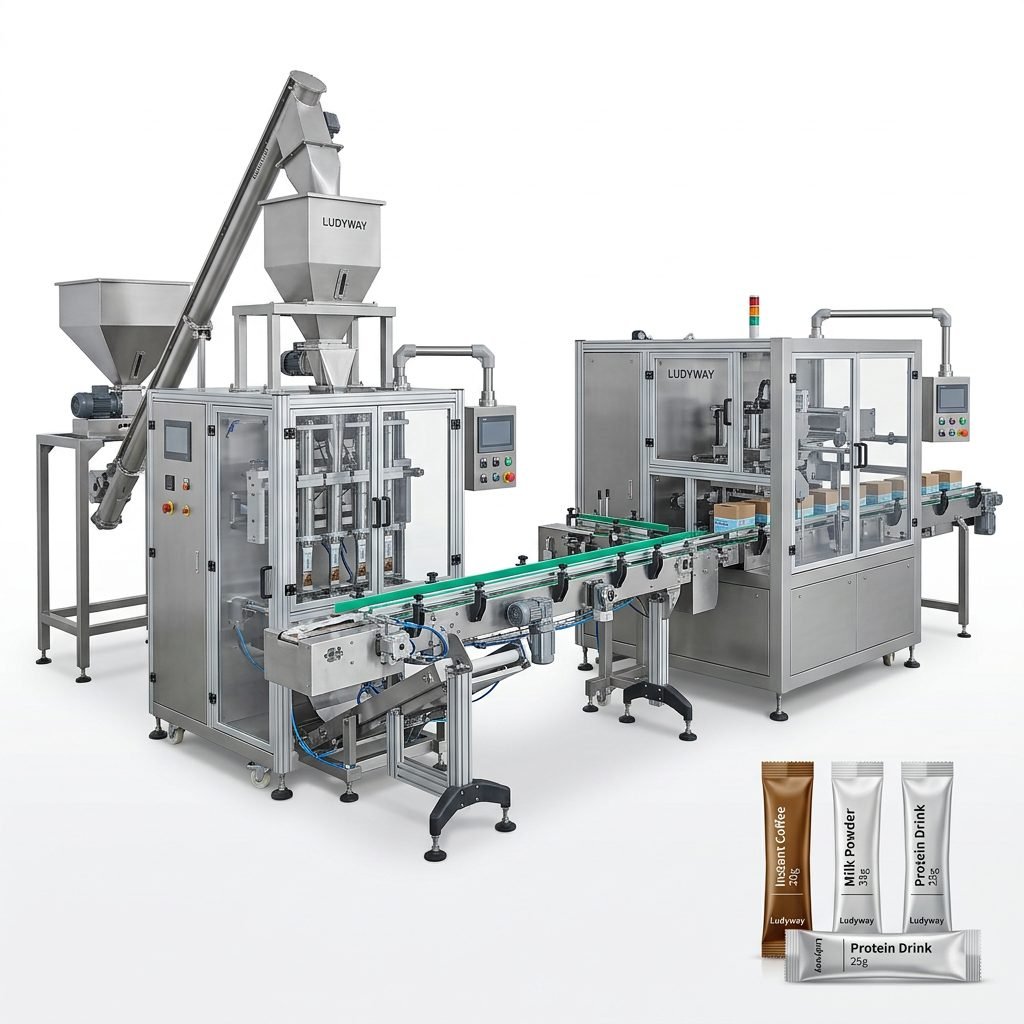
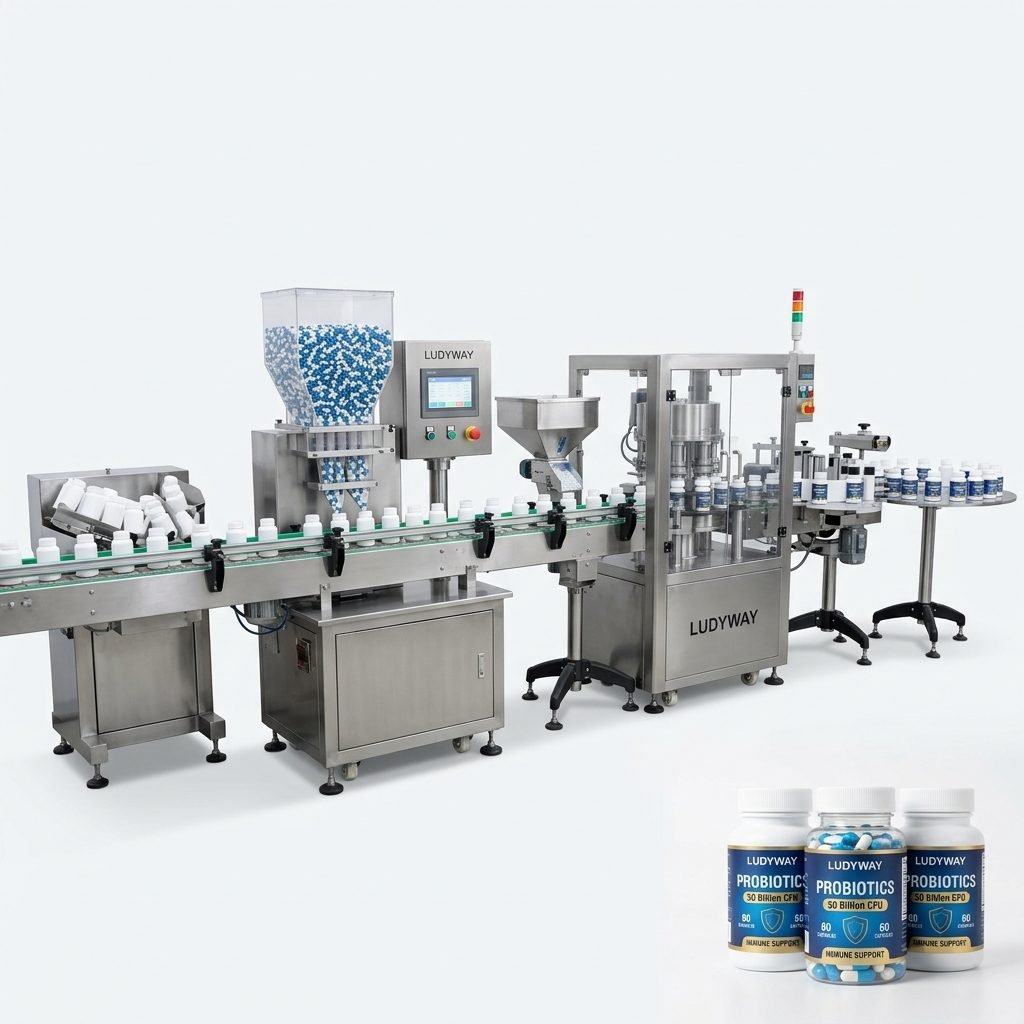
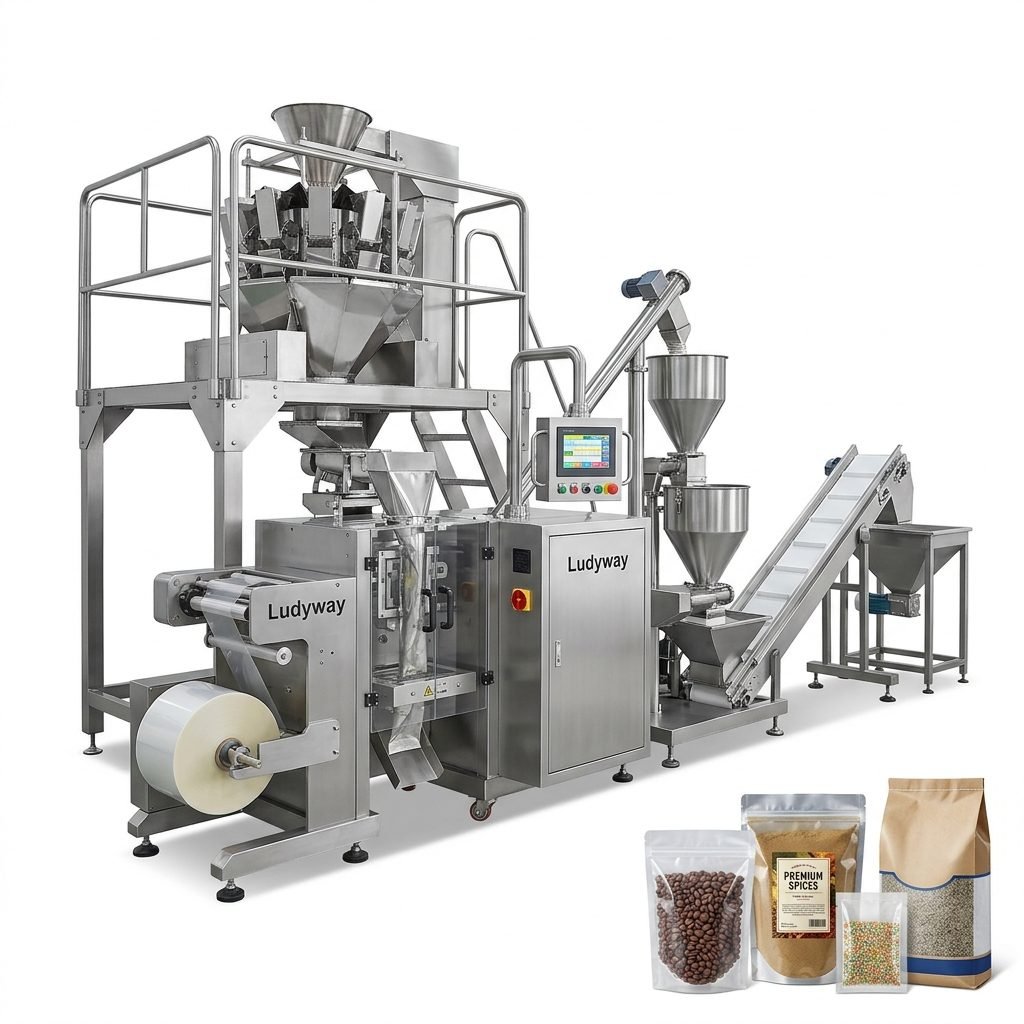
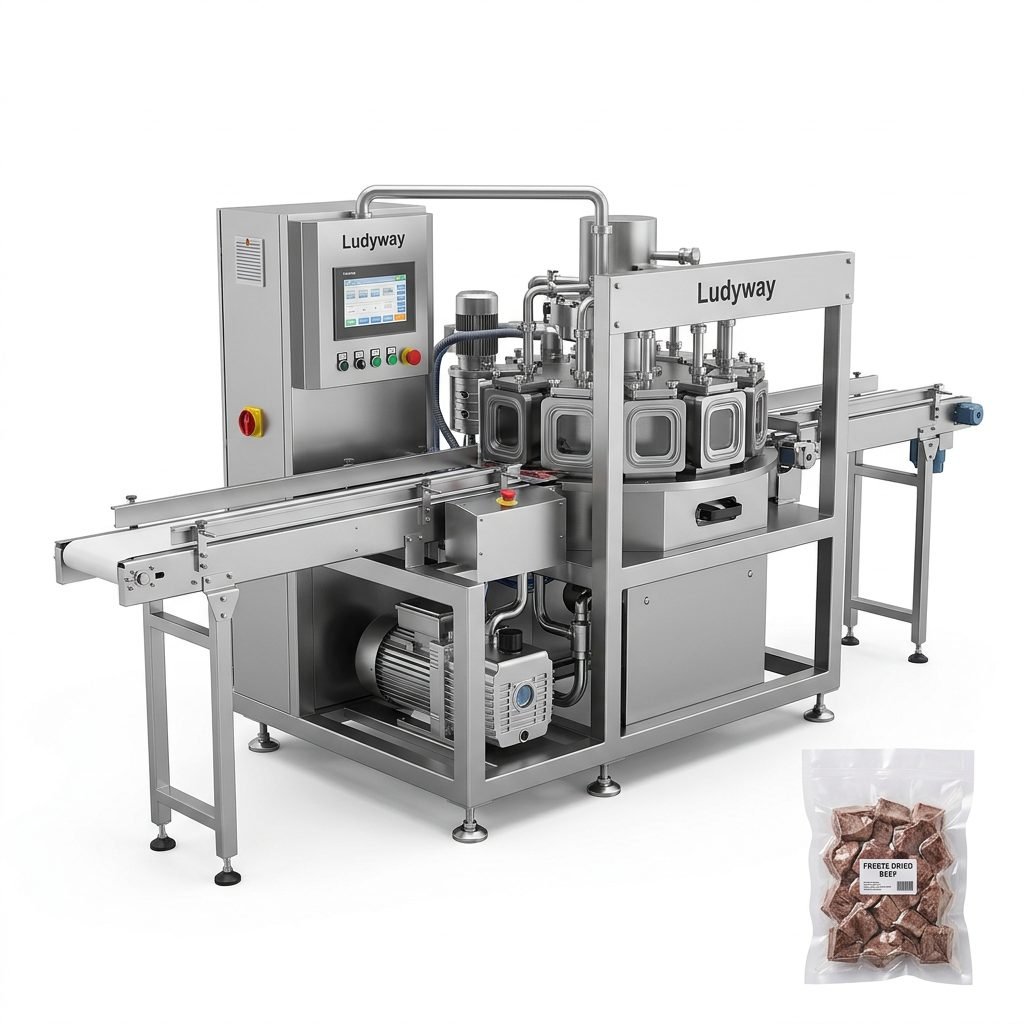
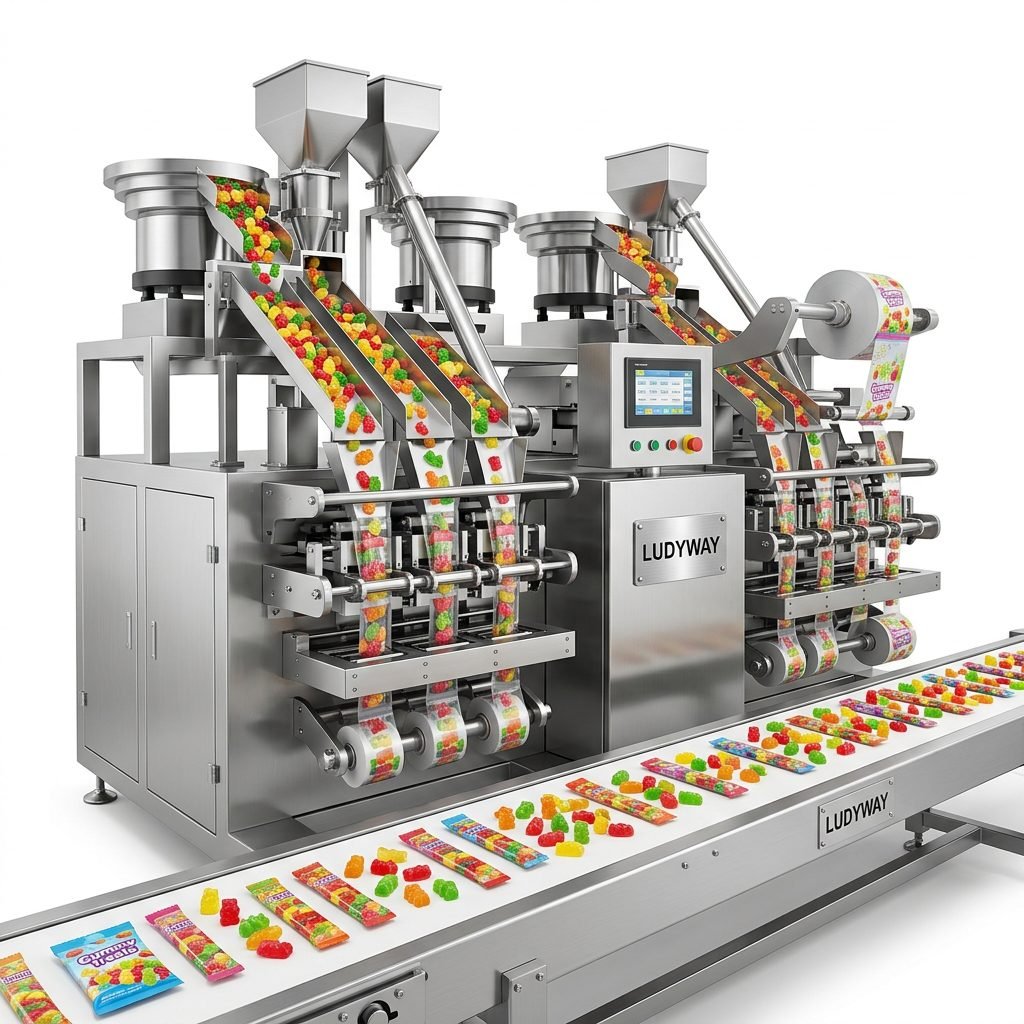
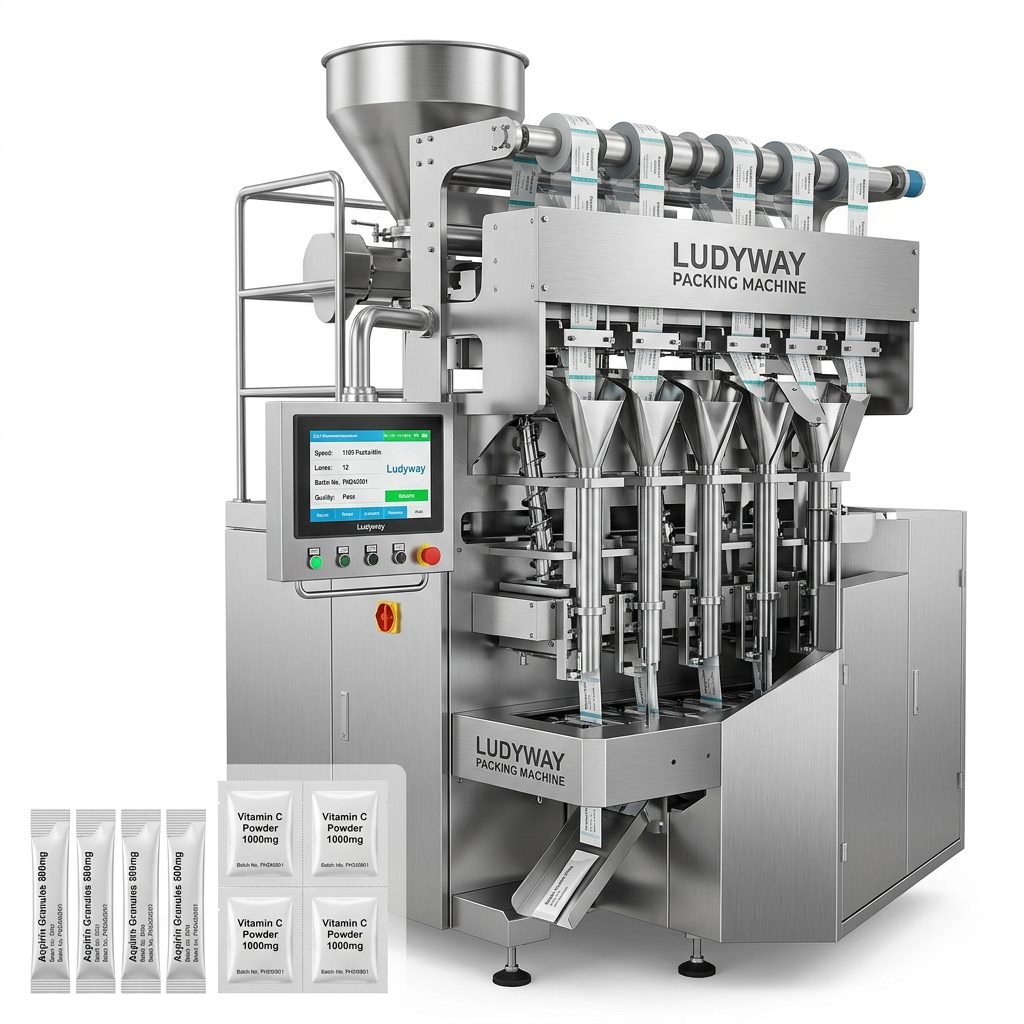
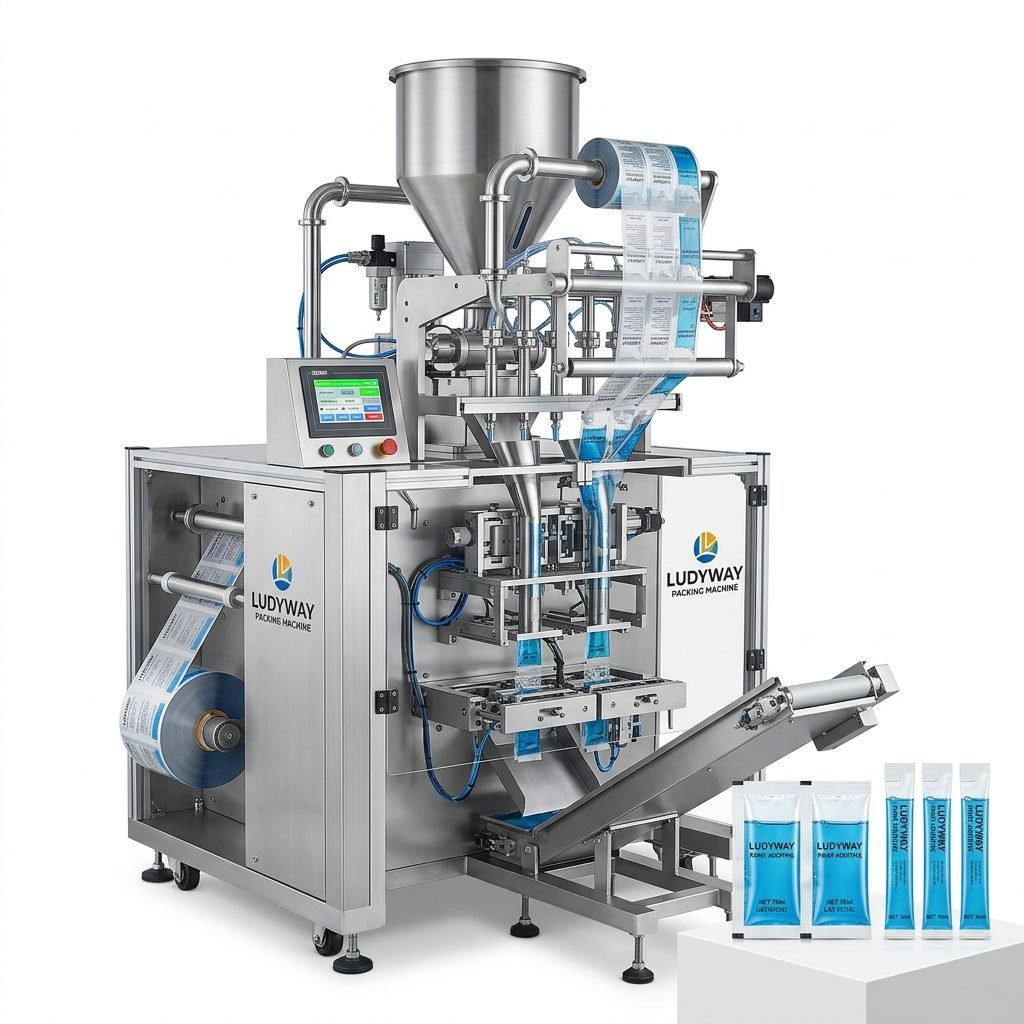
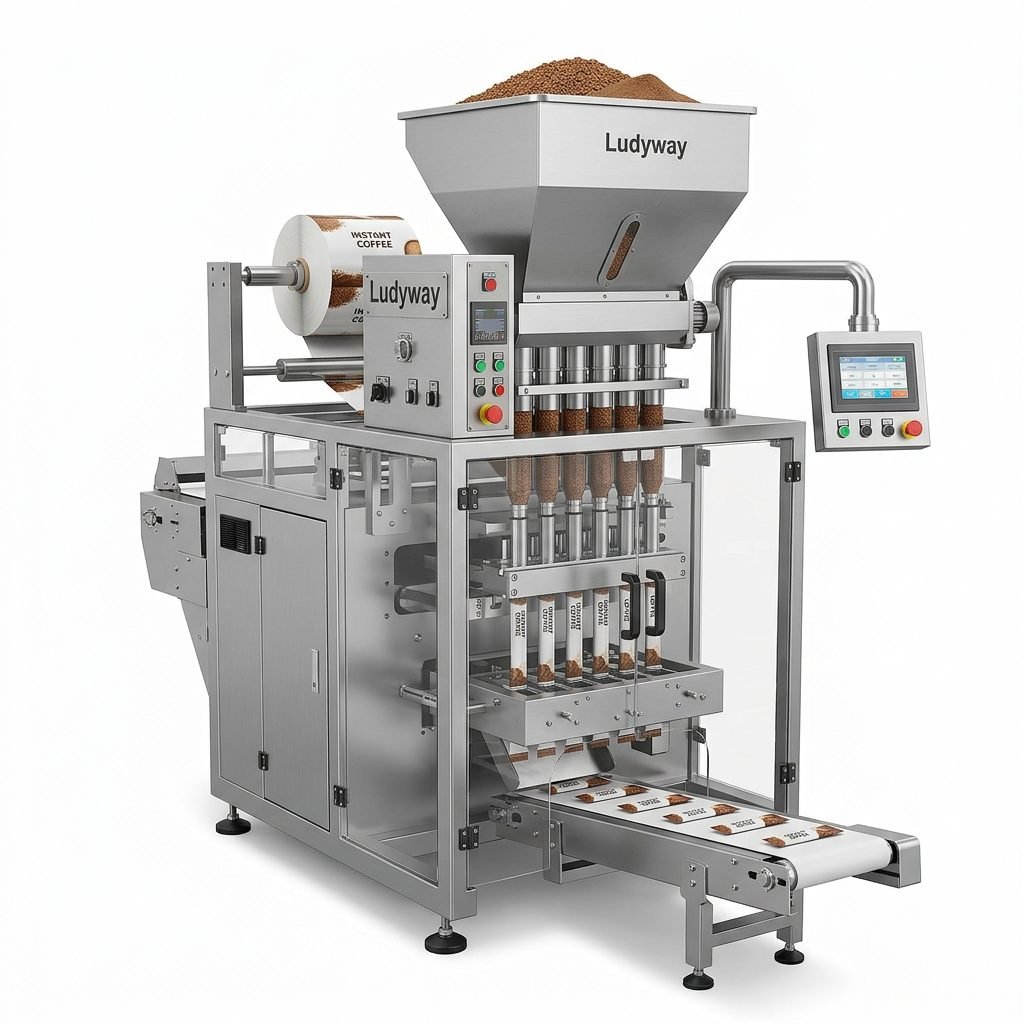
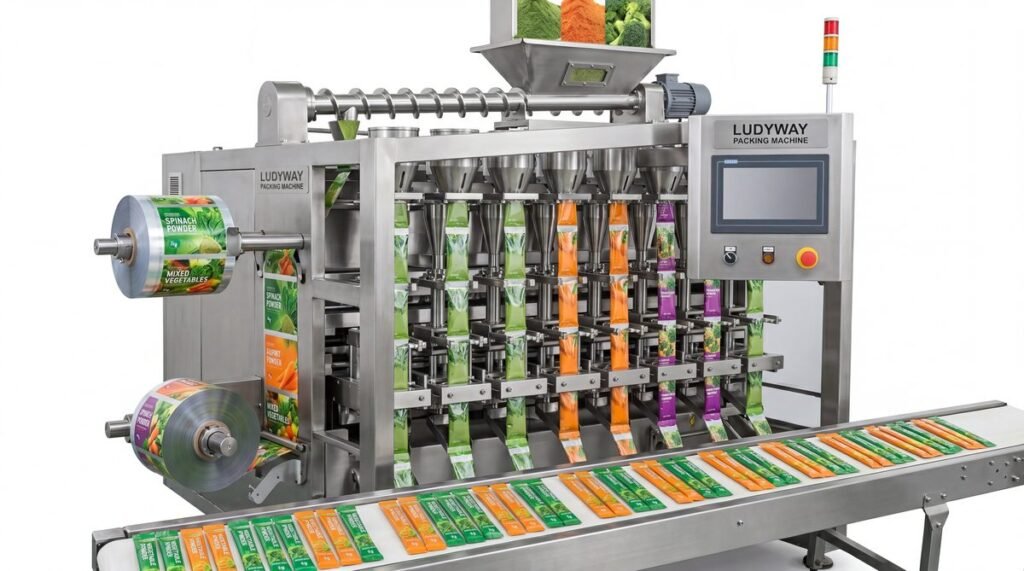
Strip packaging machines have become indispensable in modern manufacturing, especially in industries requiring precise, hygienic, and efficient unit-dose packaging. These machines form, fill, and seal individual pouches or “sticks” from a continuous roll of film, creating a protective barrier for products like powders, granules, liquids, and pharmaceuticals. Their compact design and high-speed operation make them ideal for producing single-serve portions, samples, and retail-ready packs.
Understanding the Core Working Principle
At its heart, a strip packaging machine operates on a continuous motion form-fill-seal (FFS) principle. The process begins with a roll of laminated or coated packaging film, which is fed through a forming collar. This collar shapes the flat film into a vertical tube. The product is then precisely dosed into this tube via a filling system. As the filled tube moves downward, a series of heated sealing jaws close horizontally to create the bottom seal of one pouch and the top seal of the pouch below it, simultaneously separating them. This cycle repeats at high speeds, producing a continuous strip of connected, individual packages.
Key Takeaway: The synchronized dance of film forming, precise filling, and thermal sealing is what allows these machines to achieve remarkable output rates, often ranging from hundreds to thousands of pouches per minute, with minimal material waste.
Primary Types of Strip Packaging Machines
The market offers various configurations to suit different production scales and product characteristics. Understanding these types is crucial for selecting the right equipment.
Single-Lane vs. Multi-Lane Machines
Single-lane machines are the workhorses for standard production needs, creating one strip of packages at a time. They are cost-effective, easier to maintain, and perfect for lower to medium output requirements. In contrast, multi-lane machines are engineered for high-volume production. They feature multiple filling heads and sealing lanes operating in parallel, effectively multiplying the output. For instance, a 4-lane stick pack machine can produce four separate strips simultaneously, dramatically boosting productivity for large-scale operations like global suppliers serving the food and supplement industries.
Vertical vs. Horizontal Form-Fill-Seal
Most strip pack machines use a vertical process, as described earlier, ideal for free-flowing products. Horizontal FFS machines, while less common for classic “stick” shapes, are used for different pouch styles and can be better suited for certain products that are difficult to drop vertically or require placement.
Specialized Machine Variants
Beyond the basic types, specialized machines cater to niche applications. Liquid stick pack machines incorporate precision liquid pumps and often include a gas flushing system to ensure clean seals and prevent leakage. Powder stick pack machines focus on achieving highly accurate dosing with auger fillers, often coupled with dust extraction systems to maintain a clean operation. For the most demanding environments, such as pharmaceuticals, ultrasonic sealing machines are used. They employ high-frequency vibrations to create seals without heat, perfect for heat-sensitive materials or where an exceptionally strong, hermetic seal is paramount.
Critical Factors for Making the Right Purchase
Investing in a strip packaging machine is a significant decision. Here are the essential factors to guide your selection process.
1. Product Characteristics and Compatibility
Your product dictates the machine’s specifications. Analyze the product’s physical form (powder, granule, liquid, paste), its flowability, and any special properties (hygroscopic, abrasive, volatile). The filling system must be matched accordingly—auger fillers for powders, volumetric cup fillers for granules, and piston pumps for liquids. Ensure the machine can handle your required pouch dimensions (length and width) and is compatible with your chosen packaging material (film type and thickness).
2. Production Speed and Output Requirements
Calculate your current and projected production needs. Machine speeds are measured in pouches per minute (PPM). A single-lane machine may suffice for 100-200 PPM, but for outputs exceeding 500 PPM, a multi-lane configuration becomes necessary. Always consider Overall Equipment Effectiveness (OEE)—factors like quick changeover times, ease of cleaning, and reliability impact real-world output more than just the maximum speed rating.
📈 Operational Efficiency Checklist
- Changeover Time: How quickly can you switch between different products or pouch sizes?
- Ease of Maintenance: Are common service points easily accessible?
- Material Waste: What is the film tail loss during start/stop and splicing?
- Integration: Can it be easily integrated with upstream (mixers) and downstream (cartoners) equipment?
3. Machine Construction and Hygiene Standards
For food, pharmaceutical, or nutraceutical packaging, hygiene is non-negotiable. Look for machines with frames and product contact parts made from stainless steel (e.g., 304 or 316 grade). The design should be smooth, with minimal crevices where product or debris can accumulate. Features like CIP (Clean-in-Place) systems or tool-less disassembly for cleaning significantly reduce downtime and ensure compliance with standards like FDA, cGMP, or ISO. A robust machine frame ensures stability at high speeds and longevity, reducing vibration and wear over time.
4. Control System and Automation Level
A modern, user-friendly Human-Machine Interface (HMI) or touchscreen PLC is essential. It should allow for easy parameter setting, recipe storage, and provide clear diagnostics. Advanced machines offer features like automatic film tracking, missing pouch detection, and production data reporting. Consider future needs for Industry 4.0 connectivity (IoT) for predictive maintenance and integration into a smart factory network.
5. Supplier Reputation and Support
The machine is only as good as the company behind it. Choose a supplier with a proven track record and deep industry experience. Evaluate their after-sales support: Is training provided? What is the spare parts availability and delivery time? Can they offer comprehensive technical support remotely or on-site? A reliable partner, like Ludyway Machinery, provides not just a machine but a long-term production solution, ensuring your investment pays off for years to come.
Frequently Asked Questions (FAQs)
What is the main difference between a stick pack machine and a sachet machine?
While both are types of vertical form-fill-seal machines, the primary difference is in the pouch shape and orientation. A stick pack machine produces long, narrow, typically upright pouches (“sticks”). A sachet machine generally produces wider, pillow-style pouches that are often shorter and may be used for a broader range of products, including non-free-flowing items. The forming tooling and film path are designed differently to achieve these distinct shapes.
What packaging films can be used with these machines?
Strip pack machines typically use laminated films that combine layers for strength, barrier properties, and sealability. Common structures include PET/ALU/PE or PET/MPET/PE. The choice depends on the product’s needs: aluminum foil layers provide excellent moisture and light barriers for sensitive products, while all-plastic metallized films offer good barriers at a lower cost. The machine must be calibrated for the specific film’s thickness and sealing temperature.
How do I ensure accurate filling, especially with powders?
Powder accuracy relies on a well-calibrated auger filler system. Key factors include using a auger design (single, double, stepped) matched to the powder’s characteristics, consistent bulk density of the input product, and proper hopper agitation to prevent bridging. High-end machines feature weight feedback systems that check sample pouches and automatically adjust the auger revolution to maintain dosage within tight tolerances.
Can one machine handle different products and pouch sizes?
Yes, most modern machines are designed for changeover. However, the ease and speed of changeover vary. Look for machines with quick-release mechanisms on the forming collar, sealing jaws, and filling heads. Digital recipe storage on the HMI allows operators to recall all parameters (auger speed, jaw temperature, film feed length) for a specific product with a single button press, minimizing downtime between production runs.
What are the common maintenance requirements?
Daily maintenance includes cleaning and visual inspection of sealing jaws, filling systems, and film paths. Lubrication of moving parts should be performed as per the manufacturer’s schedule, often using food-grade lubricants. Regularly check and replace wear parts like sealing jaw Teflon covers, cutting blades, and film feed belts. A proactive maintenance schedule based on the machine’s manual is the best way to prevent unplanned downtime and ensure consistent seal quality.