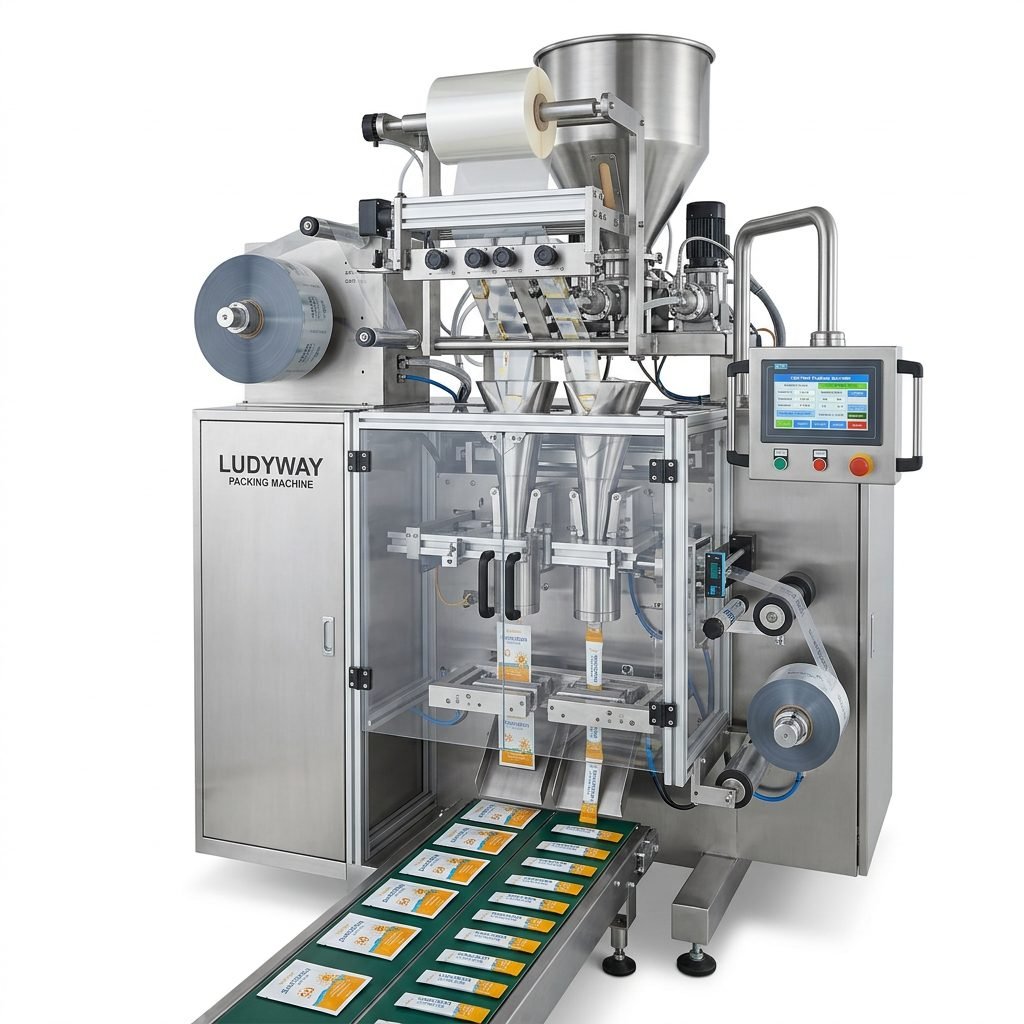
In the fast-paced world of manufacturing, efficiency, accuracy, and product integrity are paramount. For industries handling powders, granules, liquids, and other multi-dose products, the packaging process is a critical link in the supply chain. Selecting the right multi-dose packaging machine is not just a purchase; it’s an investment in operational stability, brand consistency, and future growth. This comprehensive guide will walk you through the different types of multi-dose packaging systems, their significant benefits, and a detailed framework to help you choose the perfect system for your specific needs.
Understanding Multi-Dose Packaging Machines
Multi-dose packaging machines are automated systems designed to accurately measure and fill predetermined quantities of a product into individual, sealed packets. These packets, commonly known as sachets or stick packs, are ideal for single-use or limited-use applications. Unlike bulk packaging, multi-dose packaging offers precise portion control, enhanced hygiene, and superior convenience for the end-user.
The core principle involves a continuous motion where a roll of packaging film (often laminated for barrier properties) is formed, filled, and sealed. Modern machines integrate sophisticated weighing, dosing, and sealing technologies to ensure each packet meets strict weight and quality standards.
Primary Types of Multi-Dose Packaging Systems
The market offers various configurations, each suited to different production volumes, product characteristics, and flexibility requirements.
Vertical Form-Fill-Seal (VFFS) Machines
These are the most common and versatile type. The film travels vertically, forming a tube that is sealed at the bottom, filled with product, and then sealed at the top before being cut into individual packets. VFFS machines are highly efficient for medium to high-speed production and can handle a wide range of products, from fine powders to granular items.
- Best For: Granules, powders, seeds, small hardware items.
- Key Advantage: High speed and relatively compact footprint.
Horizontal Form-Fill-Seal (HFFS) Machines
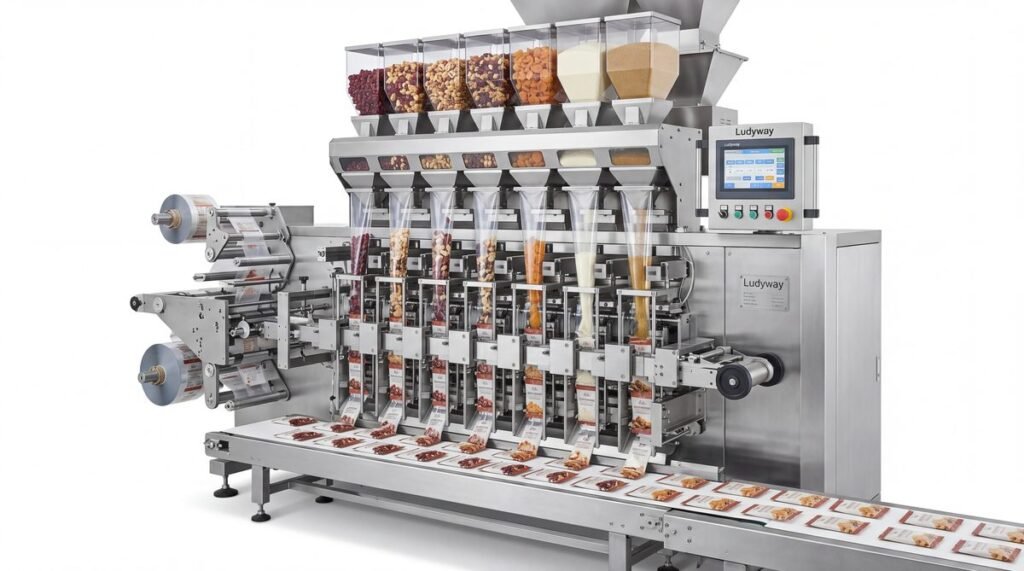
In HFFS systems, the film moves horizontally. The film is formed into pockets, which are then filled and sealed with a top layer of film. This style is often preferred for more delicate products, liquids, pastes, or when a more pillow-style pack is desired. They excel in applications requiring very precise filling and excellent presentation.
- Best For: Liquids, creams, gels, sauces, and fragile products.
- Key Advantage: Gentle handling and superior pack aesthetics.
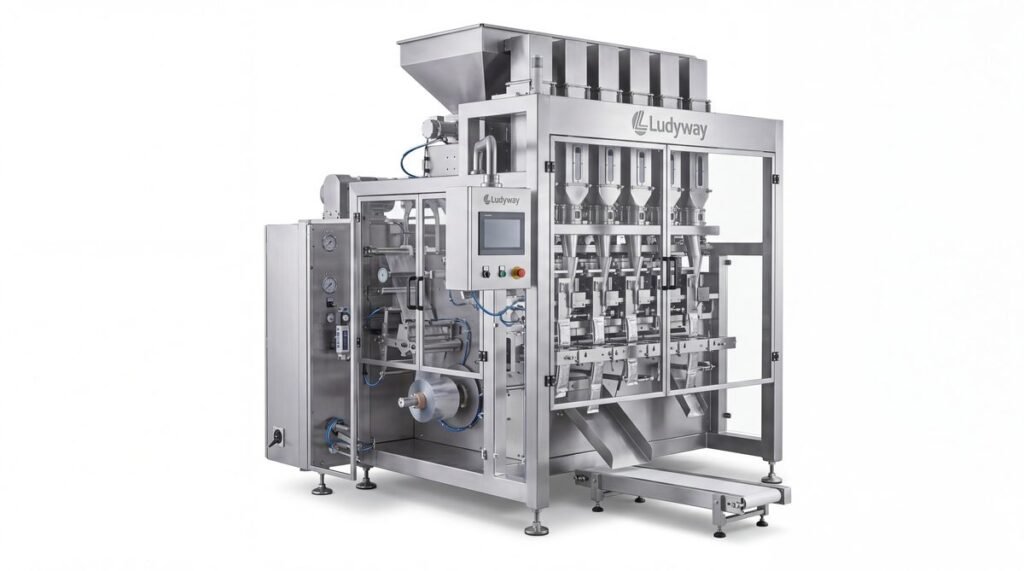
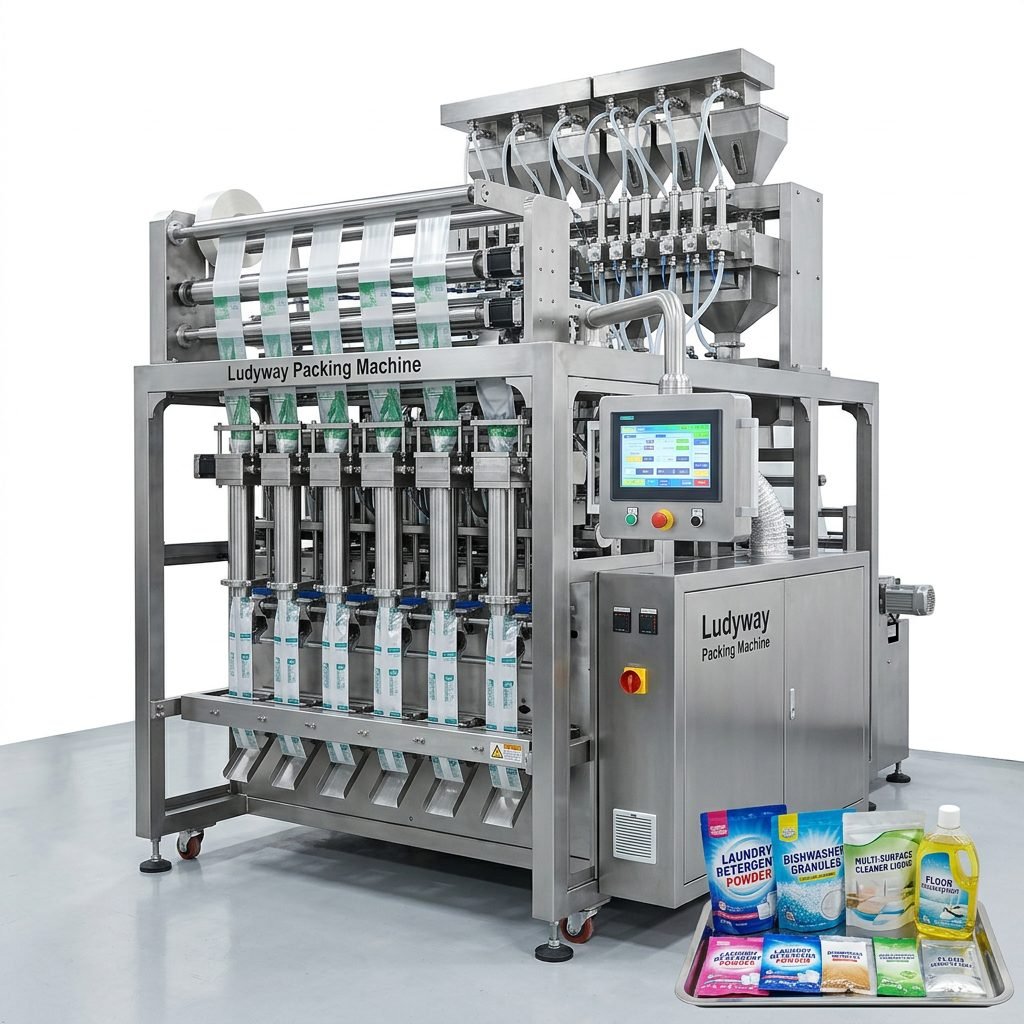
Multi-Lane & Stick Pack Machines
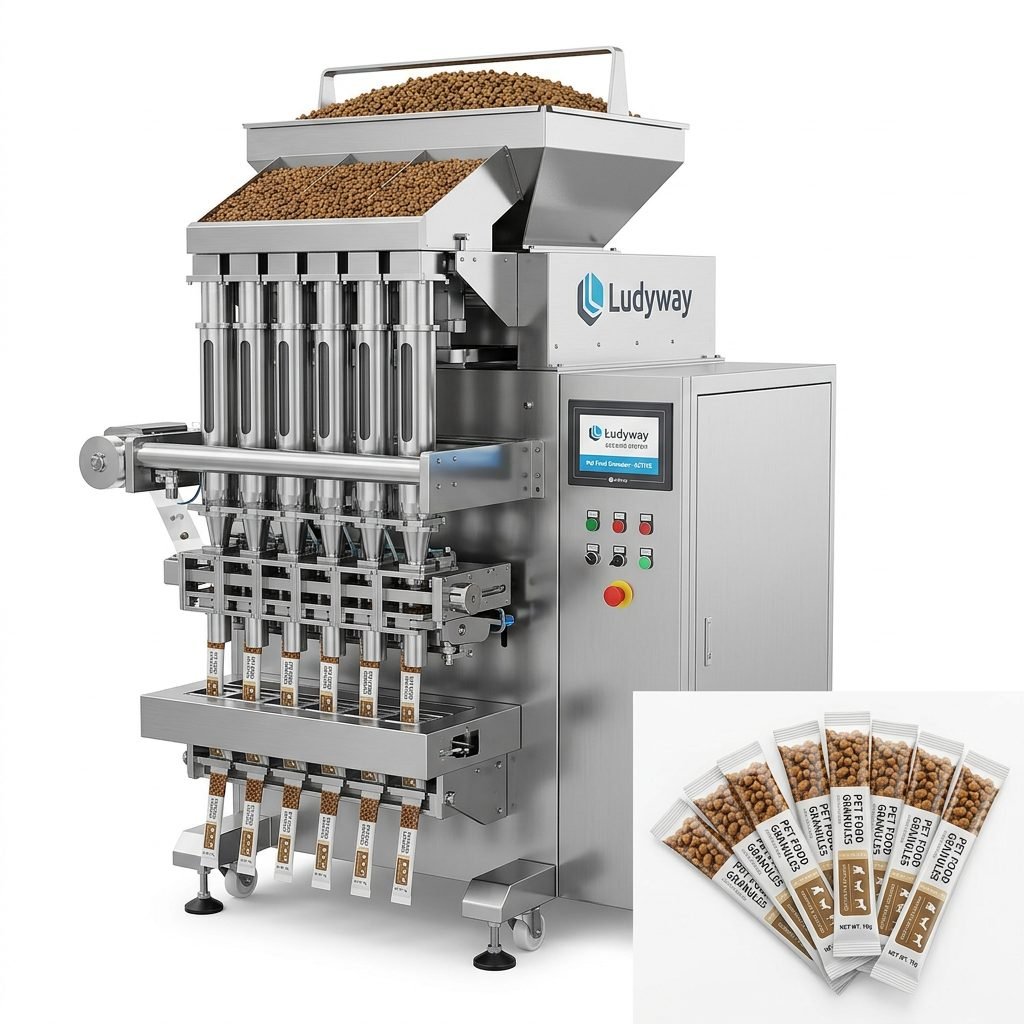
These are specialized high-output systems designed to produce multiple sachets or the long, narrow “stick packs” simultaneously. They feature several parallel lanes, dramatically increasing output without a proportional increase in floor space. Stick pack machines are iconic in the food, beverage (instant coffee, drink mixes), and pharmaceutical supplement industries.
- Best For: High-volume production of powders, instant beverages, supplements.
- Key Advantage: Exceptional production capacity in a compact design.
Core Benefits of Automating with Multi-Dose Systems
Investing in an automated multi-dose packaging line delivers transformative advantages across your operation.
✅ Enhanced Product Protection & Shelf Life
The use of high-barrier laminated films provides an excellent shield against moisture, oxygen, light, and contaminants. This hermetic sealing is crucial for preserving the potency of pharmaceuticals, the flavor of food products, and the efficacy of chemicals, directly extending shelf life and reducing waste.
✅ Unmatched Accuracy & Consistency
Manual filling is prone to significant variance. Automated machines with precision auger fillers, volumetric cups, or liquid pumps ensure each sachet contains the exact same amount. This eliminates product giveaways, ensures regulatory compliance for net weight, and builds consumer trust through consistent quality.
✅ Dramatic Increase in Production Efficiency
Automation speeds up the packaging process exponentially. A single machine can produce hundreds, even thousands, of perfect sachets per minute, replacing a large team of manual laborers. This leads to faster order fulfillment, lower labor costs, and the ability to scale production up or down with demand.
✅ Improved Hygiene & Safety
Minimizing human contact with the product is a major benefit, especially in food and pharmaceutical settings. Automated systems reduce the risk of contamination, comply with stringent Good Manufacturing Practices (GMP), and create a safer working environment by distancing operators from moving parts and dust.
How to Choose the Right Multi-Dose Packaging System
Selecting the ideal machine requires a careful analysis of your product, goals, and operational environment. Follow this step-by-step framework to make an informed decision.
Step 1: Define Your Product Characteristics
This is the most critical starting point. The machine must be compatible with your product’s physical properties.
- Physical Form: Is it a free-flowing powder, cohesive granule, abrasive material, viscous liquid, or paste?
- Flowability: Does it flow easily or is it sticky and prone to clumping?
- Hygroscopicity: Does it absorb moisture from the air, requiring a very dry filling environment?
- Density & Weight: What is the target fill weight per sachet? (e.g., 1g, 5g, 20ml).
Step 2: Determine Your Production Requirements
Your output needs will dictate the machine’s speed and configuration.
- Output Speed (Packages Per Minute): Calculate your current and projected future demand.
- Operation Schedule: Will the machine run 8, 16, or 24 hours a day? This affects durability needs.
- Flexibility: Do you need to frequently change products, pack sizes, or film materials? Look for machines with quick-change features and recipe memory.
Step 3: Select the Appropriate Filling Technology
The filling mechanism is the heart of the machine and must match your product.
Auger Filler: The industry standard for powders and granules. A rotating screw precisely meters product into the pack. Accuracy depends on the screw design and product consistency.
Volumetric Cup Filler: Uses a measuring cup to scoop a set volume of product. Excellent for uniform granules, seeds, or small parts where weight is less critical than count/volume.
Liquid Pump Filler: Utilizes piston or peristaltic pumps to dispense precise volumes of liquids, sauces, or oils. Critical for viscous products.
Step 4: Consider Film Material & Sealing Quality
The packaging film and the seal integrity are what protect your product. Discuss with your supplier to select a laminate structure (e.g., PET/AL/PE) that provides the necessary barrier properties. Ensure the machine’s sealing jaws can consistently create strong, hermetic seals at your required production speed, even through potential product dust or contamination.
Step 5: Evaluate the Supplier’s Expertise & Support
The machine is only as good as the company behind it. Look for a supplier with proven experience in your specific industry. For instance, Ludyway Machinery, with over a decade of specialization, offers more than 50 intelligent packaging models and understands the nuanced needs of food and pharmaceutical packaging. Key factors to assess include:
- Technical Support & Training: Availability of installation, training, and ongoing troubleshooting.
- Spare Parts Availability: Guarantee of quick access to genuine spare parts to minimize downtime.
- Customization Capability: Ability to tailor the machine to your unique production line layout or product handling needs.
A partner like Ludyway provides not just equipment, but turnkey production solutions, ensuring a smooth integration into your operation.
Frequently Asked Questions (FAQs)
1. What is the typical speed range for a multi-dose packaging machine?
Speeds vary widely based on type and configuration. A standard single-lane VFFS machine can range from 60 to 120 packets per minute (ppm). Multi-lane stick pack machines can achieve outputs from 200 to over 1,000 ppm, making them ideal for high-volume commodities like instant drink mixes or sugar.
2. How do I ensure the accuracy of powder filling, especially with difficult products?
For challenging powders (cohesive, aerated, or hygroscopic), the choice of auger design is crucial. Options include single augers, twin augers (for better compaction), and augers with special anti-bridging features. A gain-in-weight system, which weighs the entire hopper and stops filling at a precise target, offers the highest accuracy for valuable products but is more complex and costly.
3. Can one machine handle different products and sachet sizes?
Yes, most modern machines are designed for flexibility. Key features to look for are tool-less changeover systems for forming tubes and sealing jaws, digital adjustment of fill volumes, and PLC controls with memory for multiple product “recipes.” This allows for rapid switching between runs, maximizing machine utilization.
4. What kind of maintenance do these machines require?
Regular preventive maintenance is essential for longevity and consistent performance. This typically involves daily cleaning to remove product dust, weekly lubrication of moving parts as per the manual, and periodic inspection of wear items like sealing jaws, cutting blades, and augers. Choosing a supplier with a clear maintenance plan and available spare parts is highly recommended.
5. How do I integrate a new packaging machine into my existing production line?
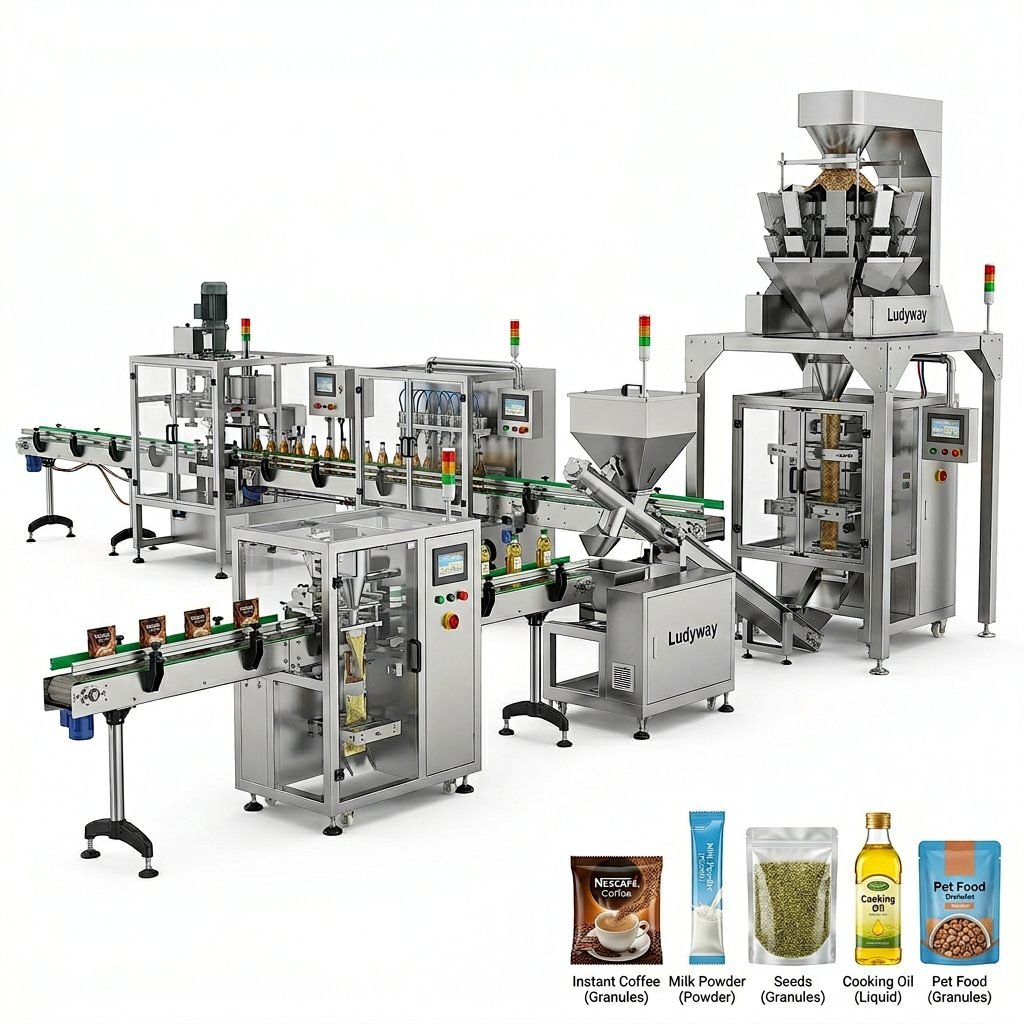
Integration involves considering upstream equipment (like bulk supply systems or mixers) and downstream equipment (like cartoners or case packers). Discuss your full line layout with your machinery supplier. Many, including experienced providers, offer comprehensive project management to ensure the new machine interfaces correctly with conveyors, sensors, and control systems for a seamless, automated workflow.