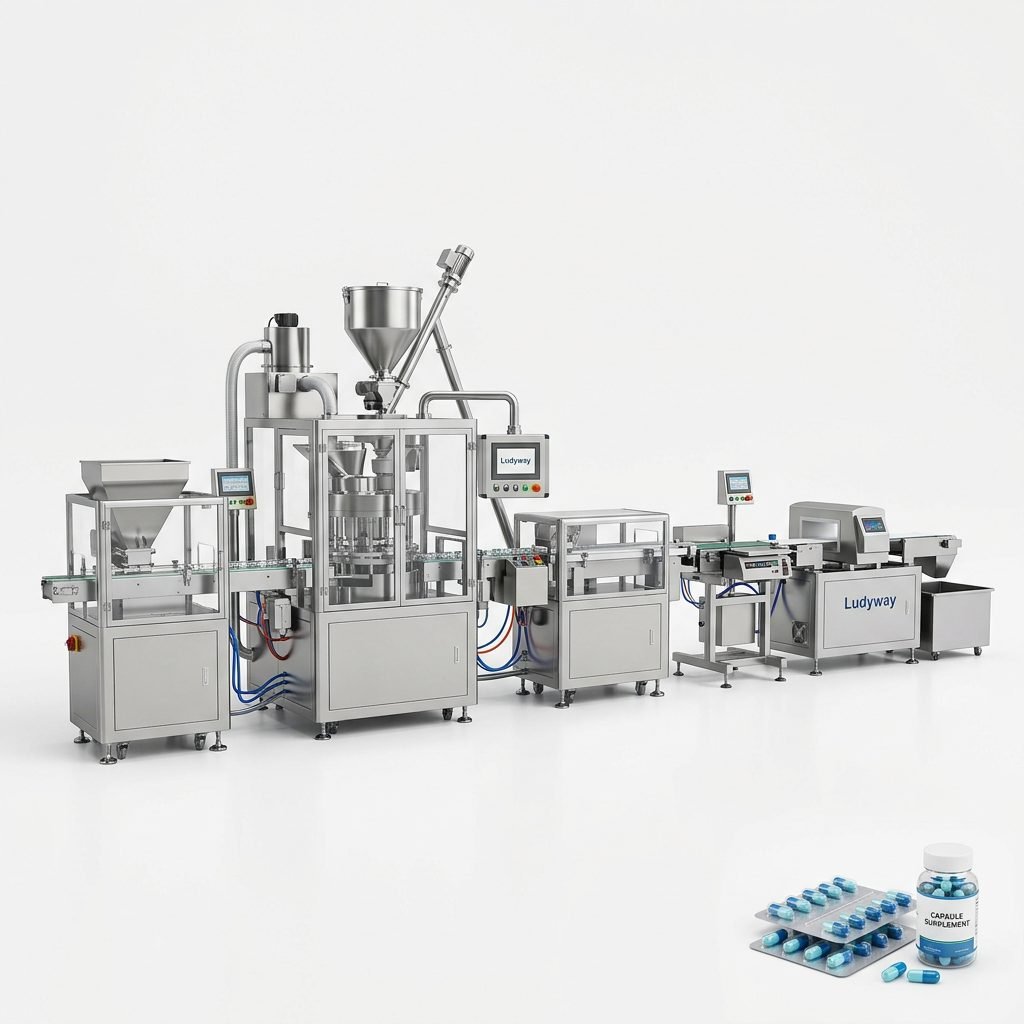
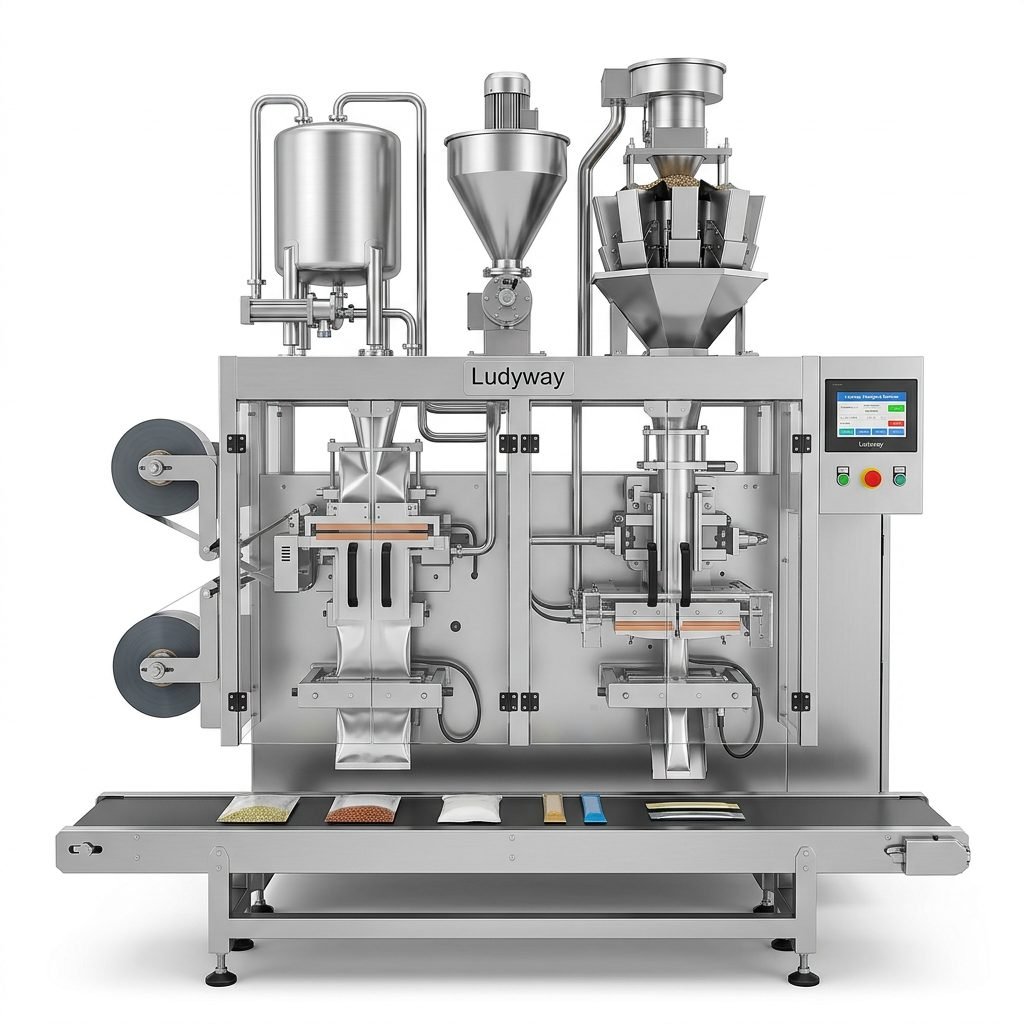
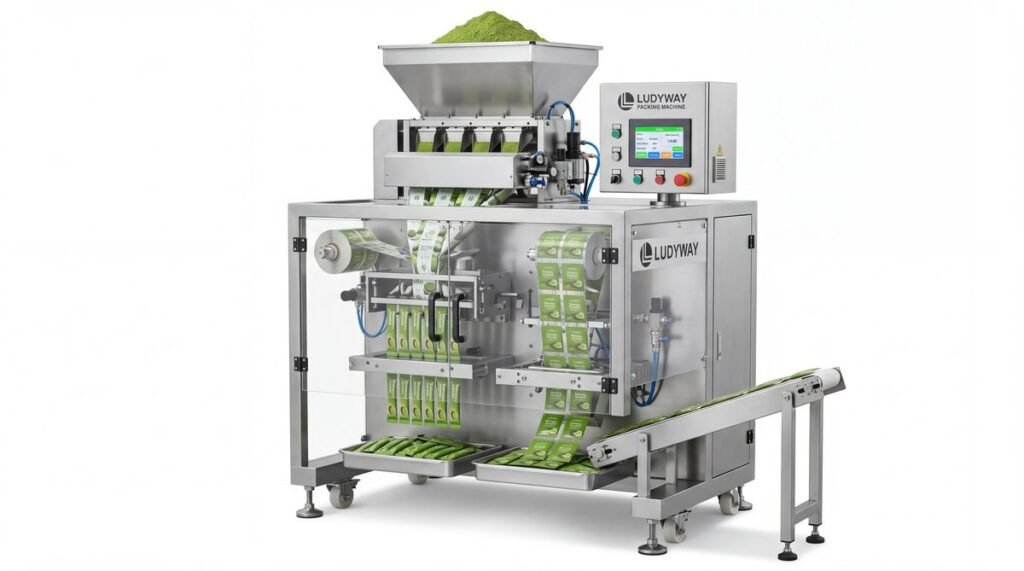
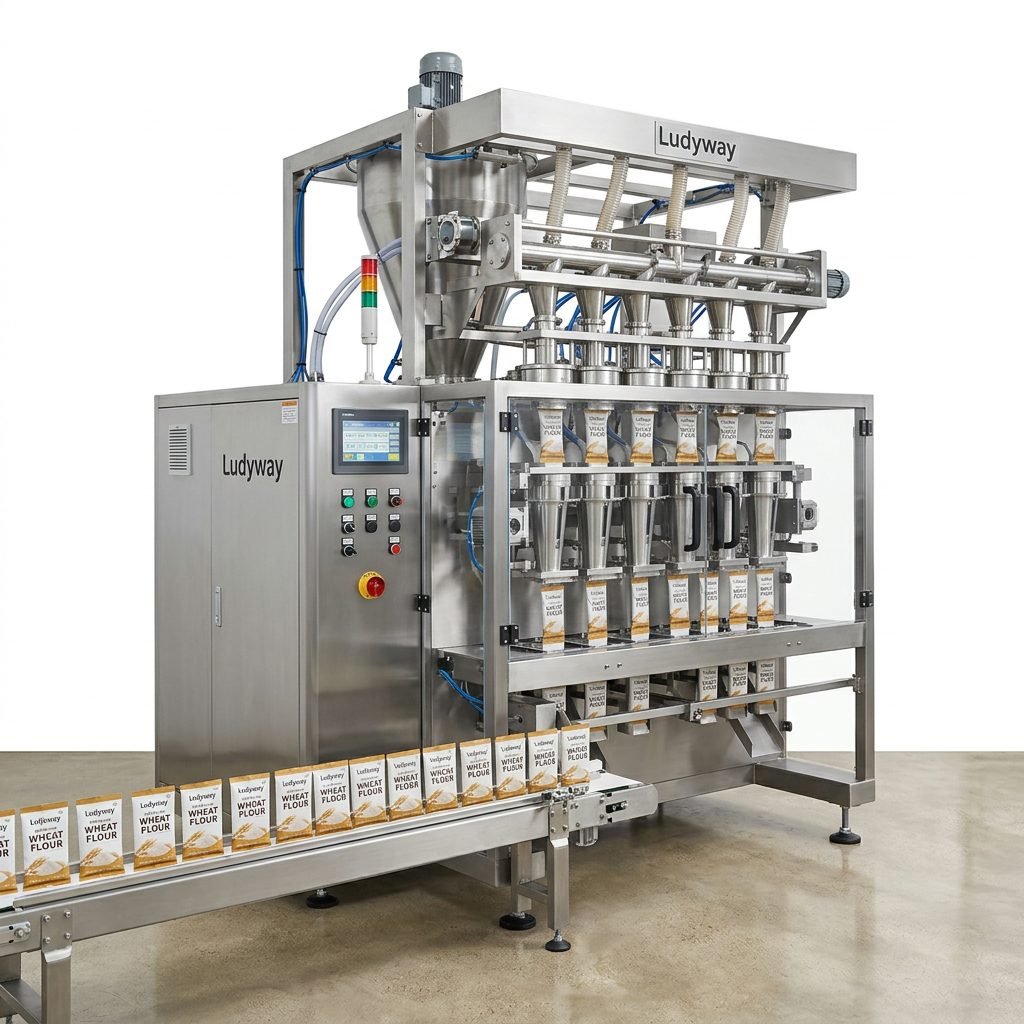
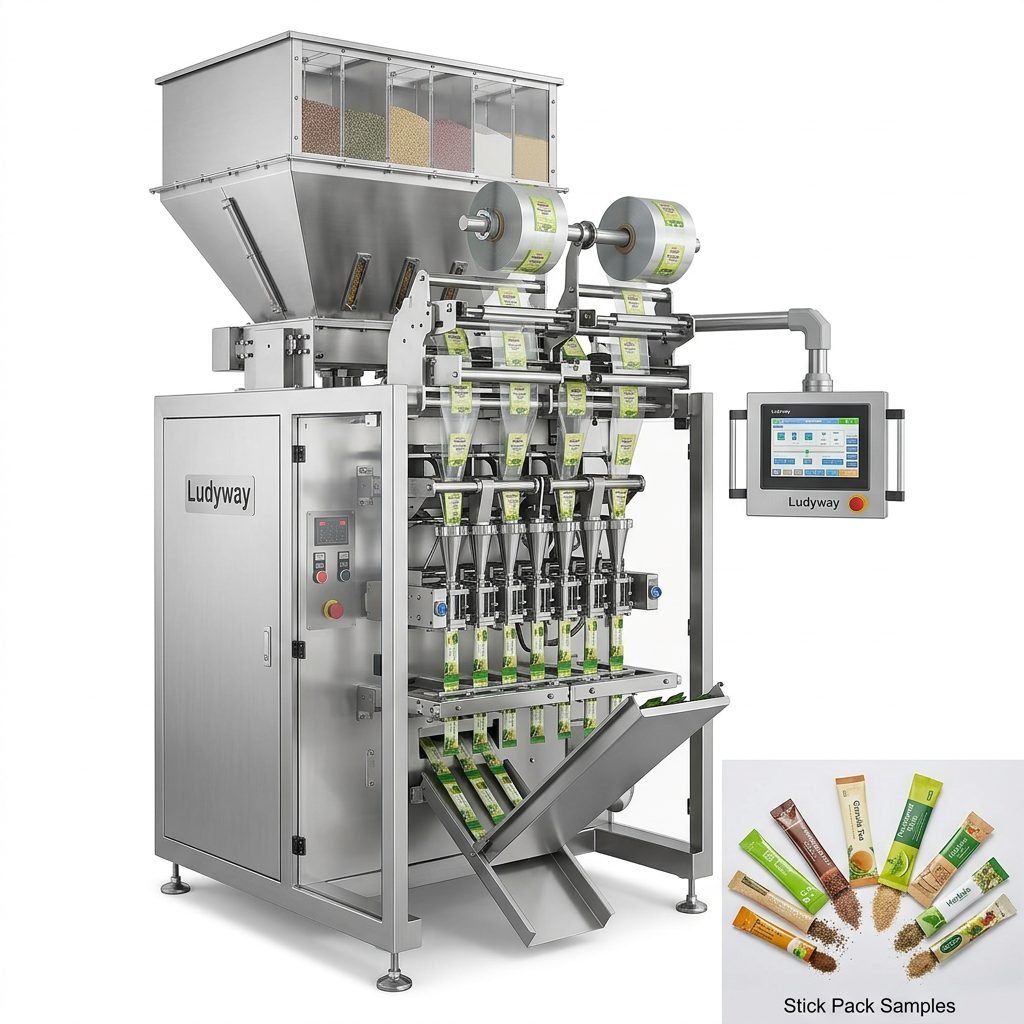
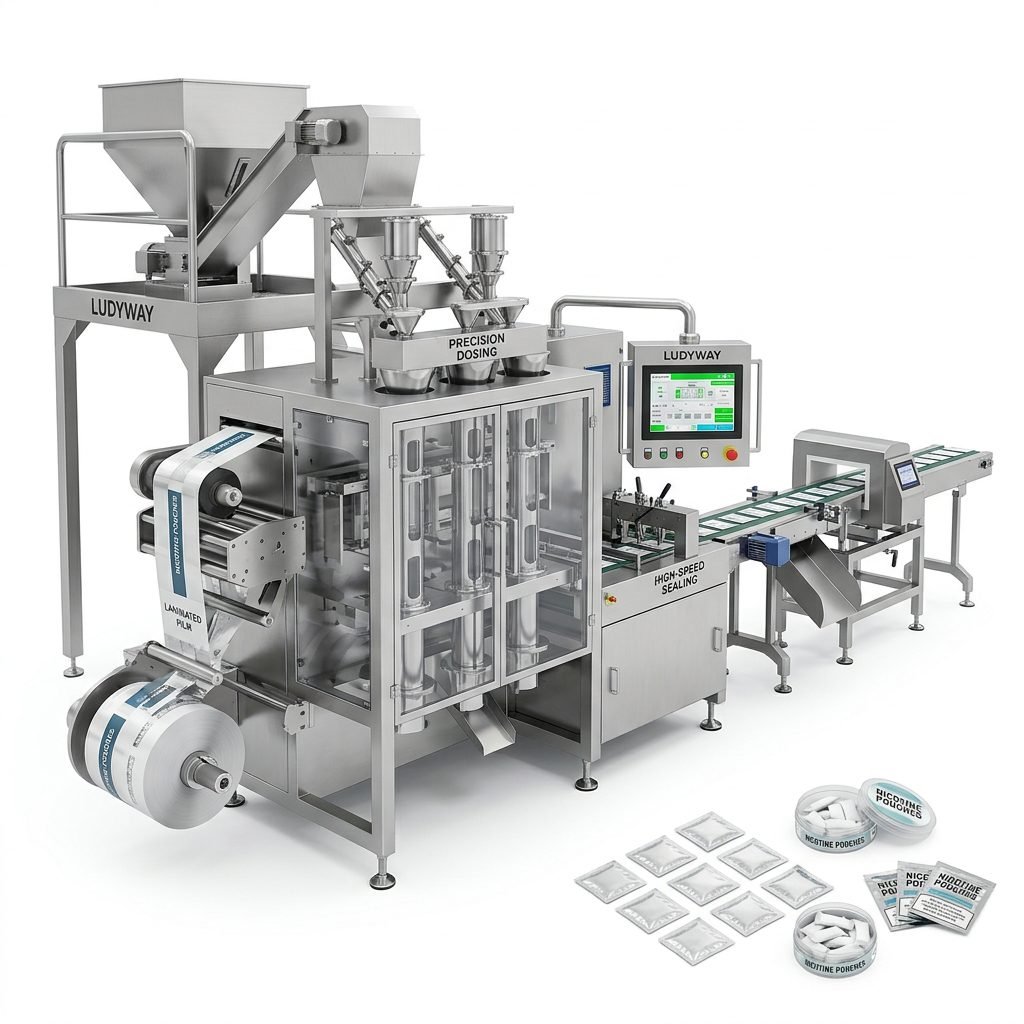
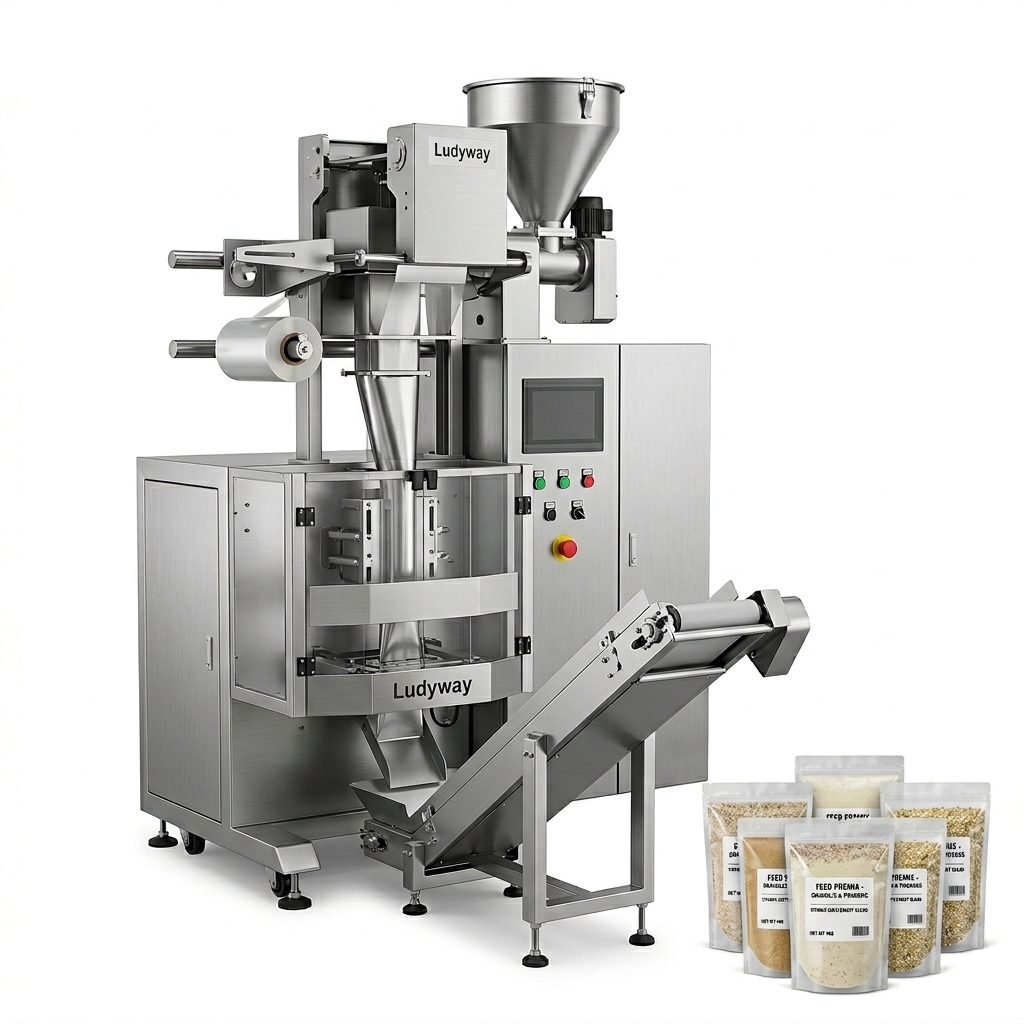
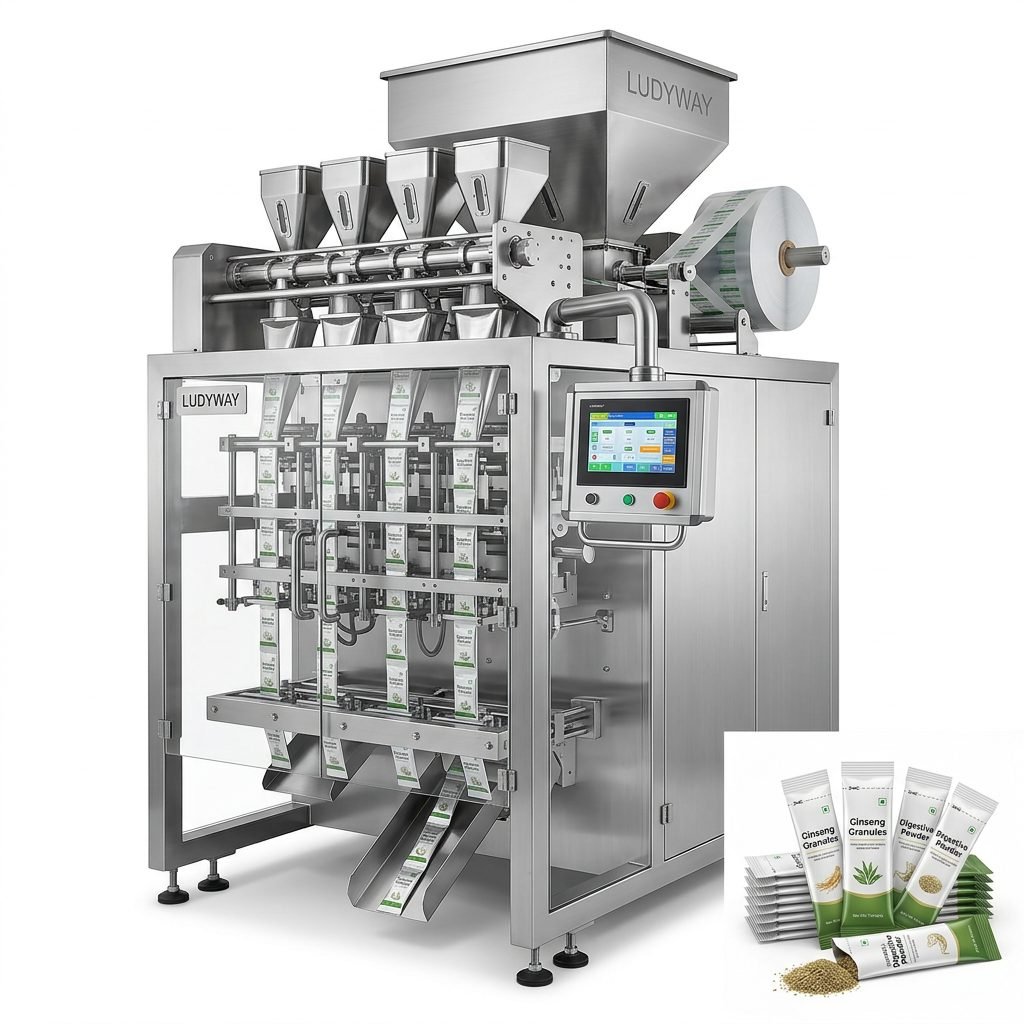
In the fast-paced world of pharmaceutical and nutraceutical manufacturing, efficiency, accuracy, and product integrity are non-negotiable. A high-speed blister packaging machine stands as a critical piece of equipment, transforming bulk tablets and capsules into secure, consumer-ready packs at remarkable speeds. This complete buying guide delves into everything you need to know to select the right machine for your production line, ensuring you make an investment that boosts productivity and safeguards your product quality.
Understanding High-Speed Blister Packaging Technology
Blister packaging involves forming a cavity (blister) from a thermoplastic film, placing the product (tablet, capsule, etc.) into the cavity, and sealing it with a lidding material, typically aluminum foil or a paper-foil laminate. High-speed machines automate this entire process with precision and minimal human intervention.
The core process can be broken down into several synchronized stages:
- Film Unwinding & Heating: A roll of formable film (like PVC, PVDC, or Aclar) is fed into the machine and passed through a heating station to make it pliable.
- Forming: The heated film is then pressed into molds using either mechanical plug assist or compressed air (thermoforming) to create precise blister pockets.
- Product Loading: Tablets or capsules are counted and transferred into the blisters. This is often done via multi-lane feeding systems and highly accurate electronic or mechanical counting devices to ensure every blister contains the exact dose.
- Lidding & Sealing: A lidding material is placed over the filled blisters. Heat and pressure are applied to create a hermetic seal, protecting the product from moisture, oxygen, and contamination.
- Punching & Cutting: The continuous blister sheet is die-cut into individual strips or packs, which are then collated and discharged for cartoning.
Key Advantages of Modern High-Speed Machines
Upgrading to a contemporary high-speed blister packer offers transformative benefits:
➤ Unmatched Productivity: Speeds can range from 200 to over 600 blisters per minute, drastically increasing output and reducing per-unit costs.
➤ Superior Product Protection: Advanced sealing technology and the use of high-barrier materials ensure extended shelf life by blocking moisture, light, and gases.
➤ Enhanced Accuracy & Compliance: Integrated vision inspection systems and checkweighers detect missing or defective products, ensuring 100% fill accuracy and supporting compliance with stringent GMP (Good Manufacturing Practice) and regulatory standards.
➤ Operational Flexibility: Quick-change tooling and programmable logic controllers (PLCs) allow for fast switchovers between different product sizes and pack configurations, ideal for contract packaging or multi-product facilities.
Critical Factors in Your Buying Decision
Choosing the right machine requires a careful evaluation of your specific needs. Here are the essential factors to consider:
1. Production Speed & Output Requirements
Match the machine’s maximum speed (blisters/minute) to your current and projected future production volumes. Consider not just peak speed but also sustainable operational speed with your specific product and materials.
2. Product Characteristics
The machine must be compatible with your product’s size, shape, and fragility.
- Size & Shape: Round, oval, or irregular-shaped tablets; size 000 to 5 capsules.
- Fragility: Delicate or coated tablets may require gentle handling systems like brushless feeding or vacuum transfer to prevent chipping or dusting.
3. Packaging Materials & Format
Determine the types of film and lidding you will use (e.g., PVC/Alu, Aclar/Alu, Cold Form Foil). The machine must support the required forming method (thermoforming or cold forming). Also, decide on the final pack format: standard blister strips, perforated strips, or unit-dose packs.
4. Automation & Integration Level
Evaluate how the blister machine will fit into your line. Does it need to integrate with an upstream cartoner or a downstream case packer? Key automation features to look for include:
• Automatic film reel splicing for non-stop operation.
• In-line printing (embossing, inkjet, or thermal transfer) for batch codes and expiry dates.
• Robotic pick-and-place systems for complex loading or end-of-line handling.
5. Compliance and Quality Control Features
For pharmaceutical applications, this is paramount. Ensure the machine is designed for easy cleaning (CIP/SIP options) and built with compliant materials. Essential quality systems include:
- 100% in-line vision inspection for missing, broken, or misaligned products.
- Leak detection systems to verify seal integrity.
- Comprehensive data logging and serialization capabilities for track-and-trace requirements.
6. Supplier Reliability & Support
The machine is a long-term investment. Partner with a supplier known for quality and support. Ludyway Machinery, with over a decade of specialization in packaging solutions, exemplifies this principle. Backed by 30+ years of collective industry experience and a modern production facility, they offer more than just equipment. Their focus is on providing reliable, tailored solutions with strong after-sales service, technical support, and readily available spare parts, ensuring your production line runs smoothly for years to come.
Operational Best Practices & Maintenance
To maximize the lifespan and efficiency of your blister packaging machine, a proactive approach is essential.
Daily & Weekly Checks: Regularly inspect and clean forming stations, sealing plates, and product feeding tracks. Lubricate moving parts as per the manufacturer’s schedule and verify the accuracy of inspection systems.
Preventive Maintenance (PM): Adhere strictly to the PM plan. This includes deeper mechanical inspections, calibration of sensors and heaters, and replacement of wear parts like sealing gaskets and cutting dies before they fail.
Operator Training: Well-trained operators are your first line of defense. Ensure they understand machine operation, basic troubleshooting, and safety protocols to minimize downtime and prevent accidents.
Frequently Asked Questions (FAQs)
Q1: What is the typical price range for a high-speed blister packaging machine?
Prices vary widely based on speed, automation, and features. Entry-level models start around $50,000, while fully integrated, high-speed lines with advanced vision systems and serialization can exceed $300,000. A detailed quote from a supplier like Ludyway Machinery based on your specific requirements is essential.
Q2: Can one machine handle both tablets and capsules?
Yes, many modern machines are designed with this flexibility. However, switching between product types usually requires a change of the forming mold, feeding tracks, and possibly the sealing tooling. The time for this changeover is a key factor to discuss with your supplier.
Q3: How important is an in-line vision inspection system?
It is critical for quality assurance and regulatory compliance, especially in pharmaceuticals. It automatically rejects blisters with missing, broken, or incorrect products, ensuring only perfect packs proceed, protecting your brand and patient safety.
Q4: What is the difference between thermoforming and cold forming?
Thermoforming uses heat to soften a plastic film before forming. It’s common for standard barrier applications. Cold forming uses a specialized aluminum laminate that is pressed into shape without heat, offering an exceptional moisture and oxygen barrier for highly sensitive products, but at a higher material cost.
Q5: What kind of after-sales support should I expect?
Comprehensive support is vital. Look for a supplier that offers installation and commissioning, thorough operator training, readily available spare parts, remote troubleshooting support, and timely on-site service. A partner like Ludyway Machinery, committed to long-term cooperation, provides this level of support to ensure your investment delivers continuous value.