The United States dispensing pharmacy packaging machine market is a dynamic and critical segment within the country’s vast healthcare and pharmaceutical manufacturing landscape. Driven by an aging population, the rise of personalized medicine, and stringent regulatory demands for safety and traceability, this market is experiencing significant transformation. The American cultural emphasis on convenience, efficiency, and patient-centric care directly influences the adoption of advanced automation in pharmacies, from large-scale manufacturers to local compounding and retail pharmacies. This article delves into the size, growth drivers, emerging opportunities, and key trends shaping this vital industry.
Market Size and Current Landscape
The US market for dispensing pharmacy packaging machines is substantial and continues to expand. It encompasses a wide range of equipment designed for unit-dose packaging, blister packaging, vial filling, powder dosing, and liquid dispensing. The demand is bifurcated between high-volume pharmaceutical manufacturers and the growing segment of outpatient and community pharmacies investing in automation to improve accuracy and workflow.
A key characteristic of the American market is its responsiveness to regulatory pressures from the FDA and the need for compliance with the Drug Supply Chain Security Act (DSCSA). This regulatory environment makes technology that ensures product integrity, precise dosing, and complete serialization not just an advantage but a necessity for market participation.
Primary Growth Drivers
Several powerful forces are propelling the growth of pharmacy packaging automation across the United States.
1. Demographic Shifts and Chronic Disease Management
The aging Baby Boomer population is a primary driver. With a cultural shift towards aging in place and managing health at home, there is increased demand for prescription medications, often in the form of complex multi-drug regimens. Automated packaging systems that can sort and package medications by dose and time (e.g., blister packs for daily or weekly doses) enhance adherence and safety, aligning with the American value of independent living supported by reliable technology.
2. The Push for Operational Efficiency and Cost Control
In a competitive healthcare landscape, pharmacies face constant pressure to improve efficiency and reduce operational costs. Manual counting and dispensing are labor-intensive and prone to error. Automated dispensing machines dramatically increase throughput, reduce labor costs, and minimize medication errors—a critical factor in mitigating liability and improving patient outcomes. For institutional pharmacies serving hospitals and long-term care facilities, this efficiency is paramount.
3. Advancements in Technology and Industry 4.0 Integration
The integration of the Internet of Things (IoT), robotics, and artificial intelligence (AI) is revolutionizing packaging lines. Smart machines offer real-time monitoring, predictive maintenance, and seamless data exchange with Pharmacy Management Systems (PMS). This trend towards connected, data-driven operations is highly compatible with the American tech-forward business ethos, allowing for unprecedented levels of control, traceability, and optimization.
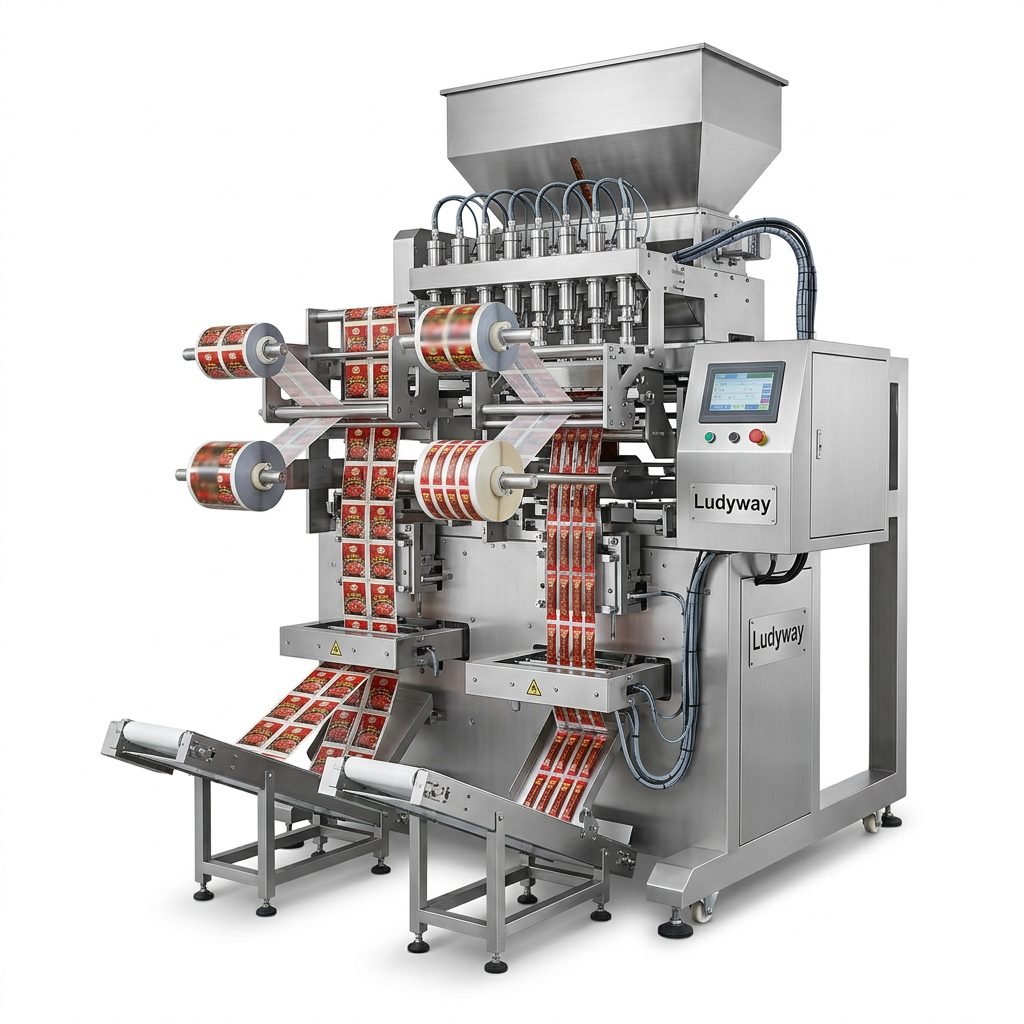
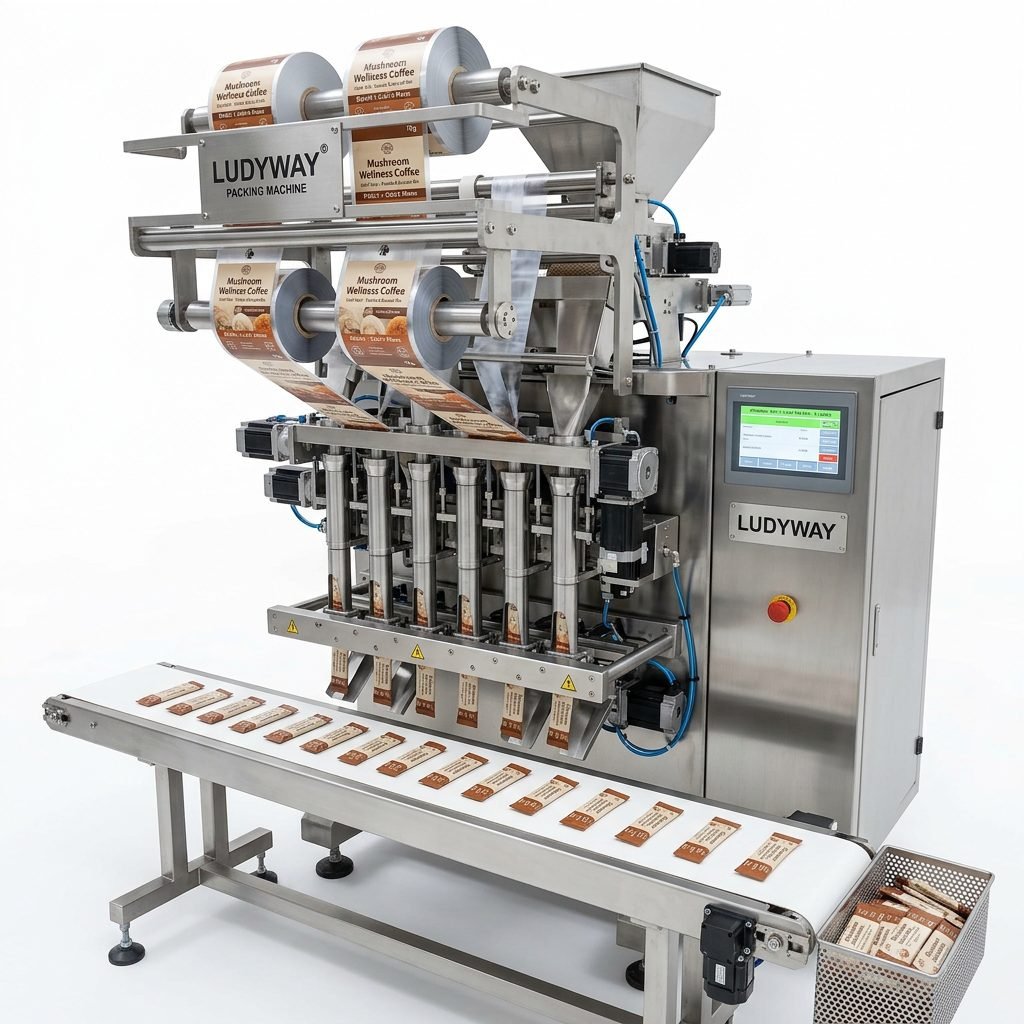
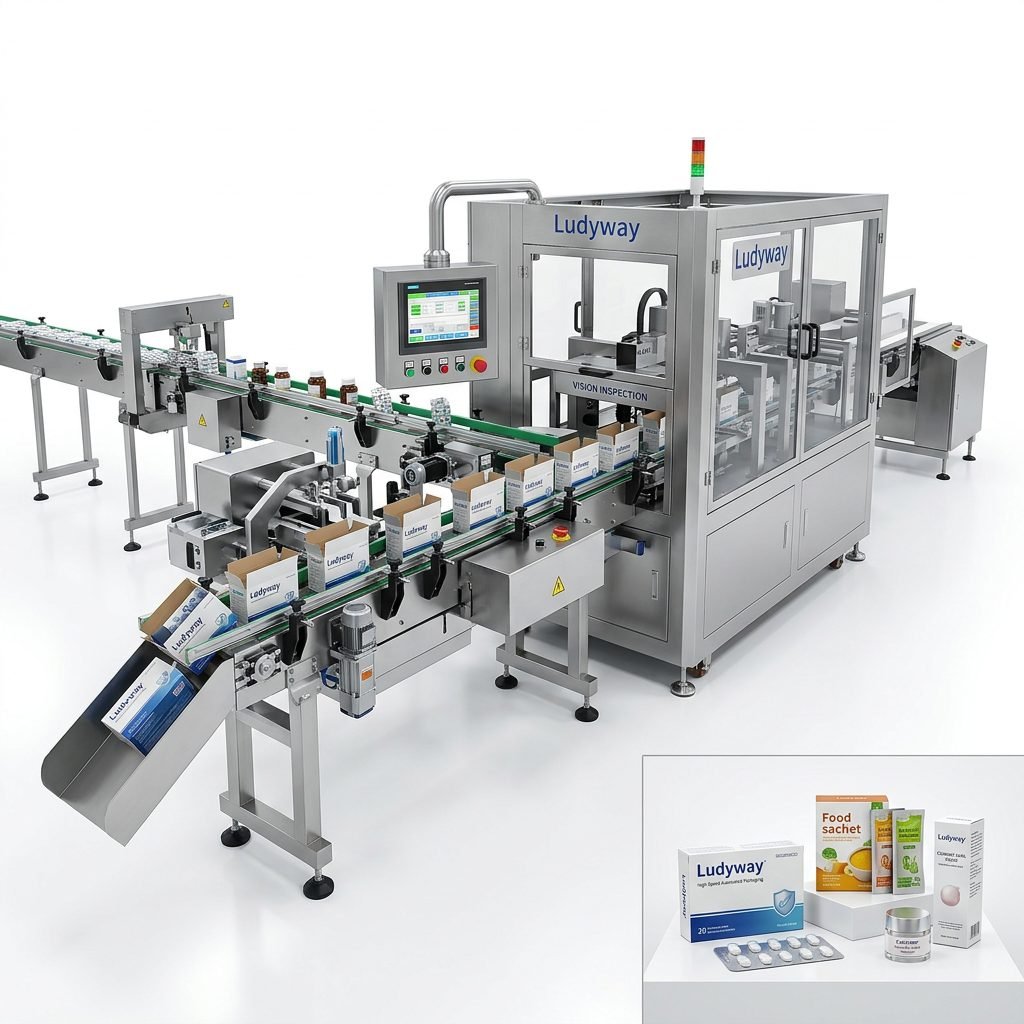
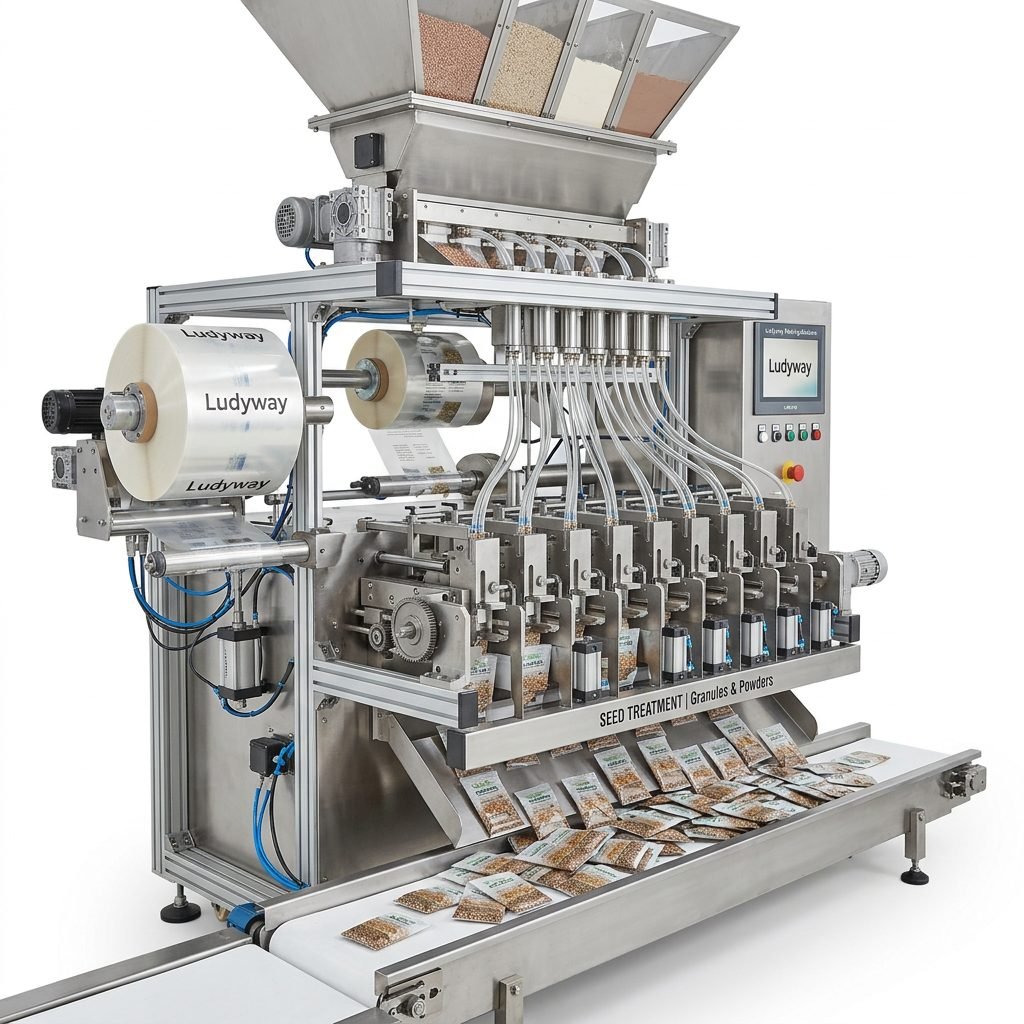
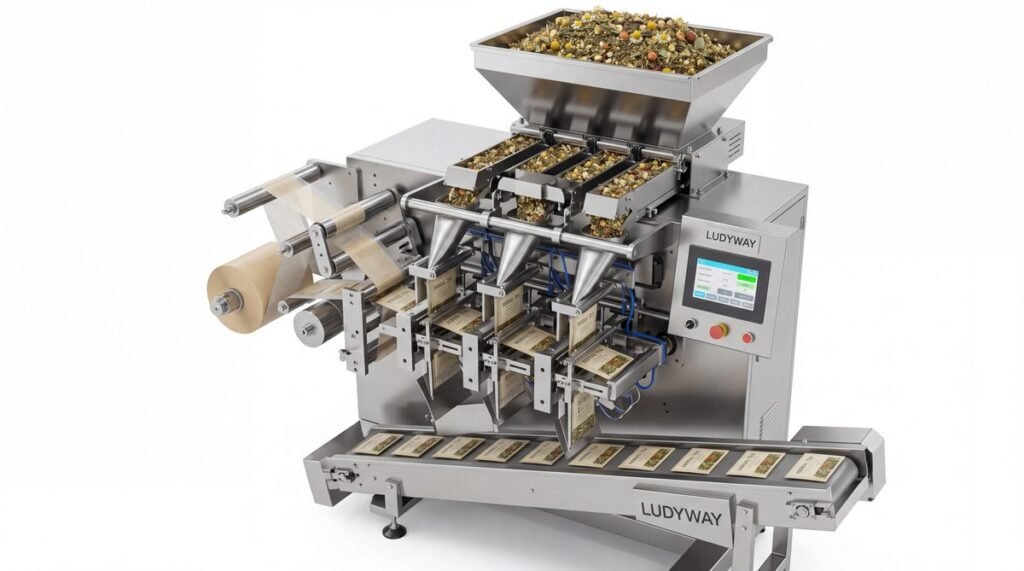
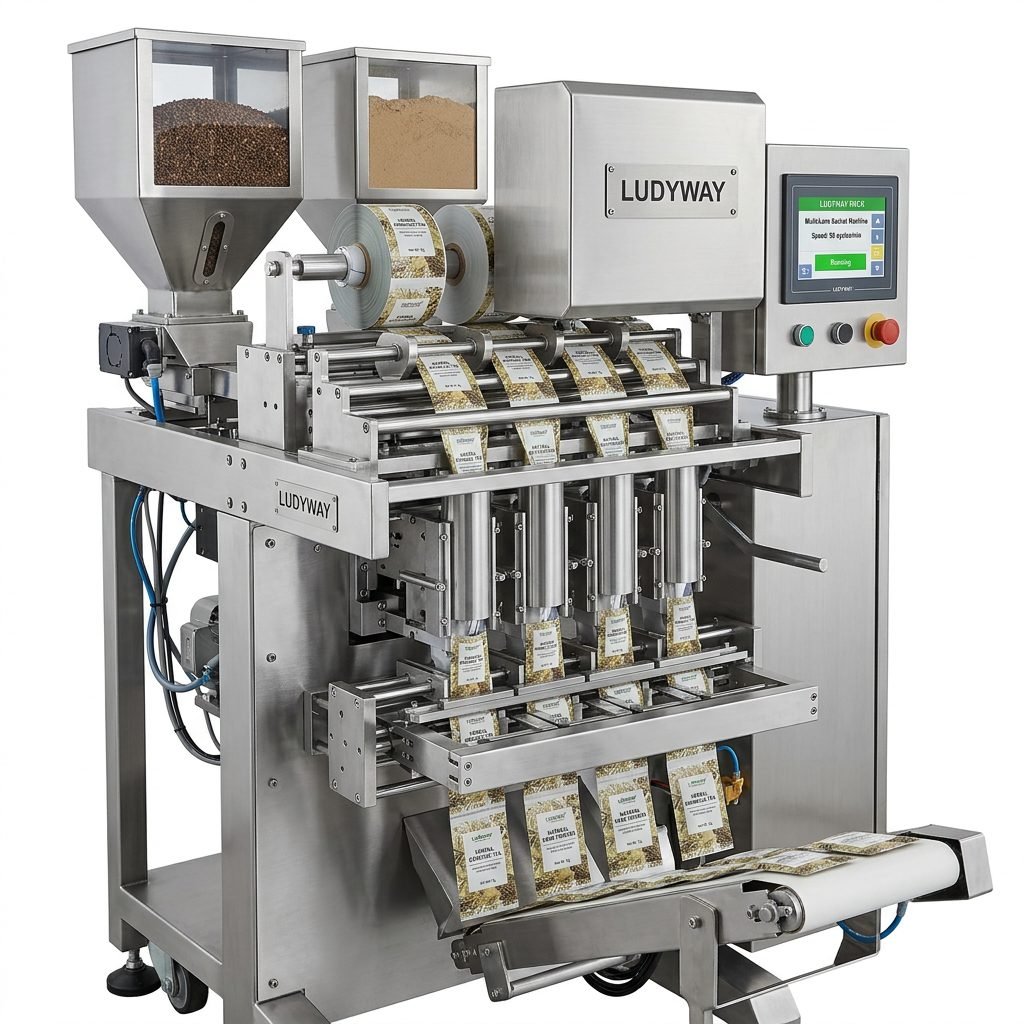
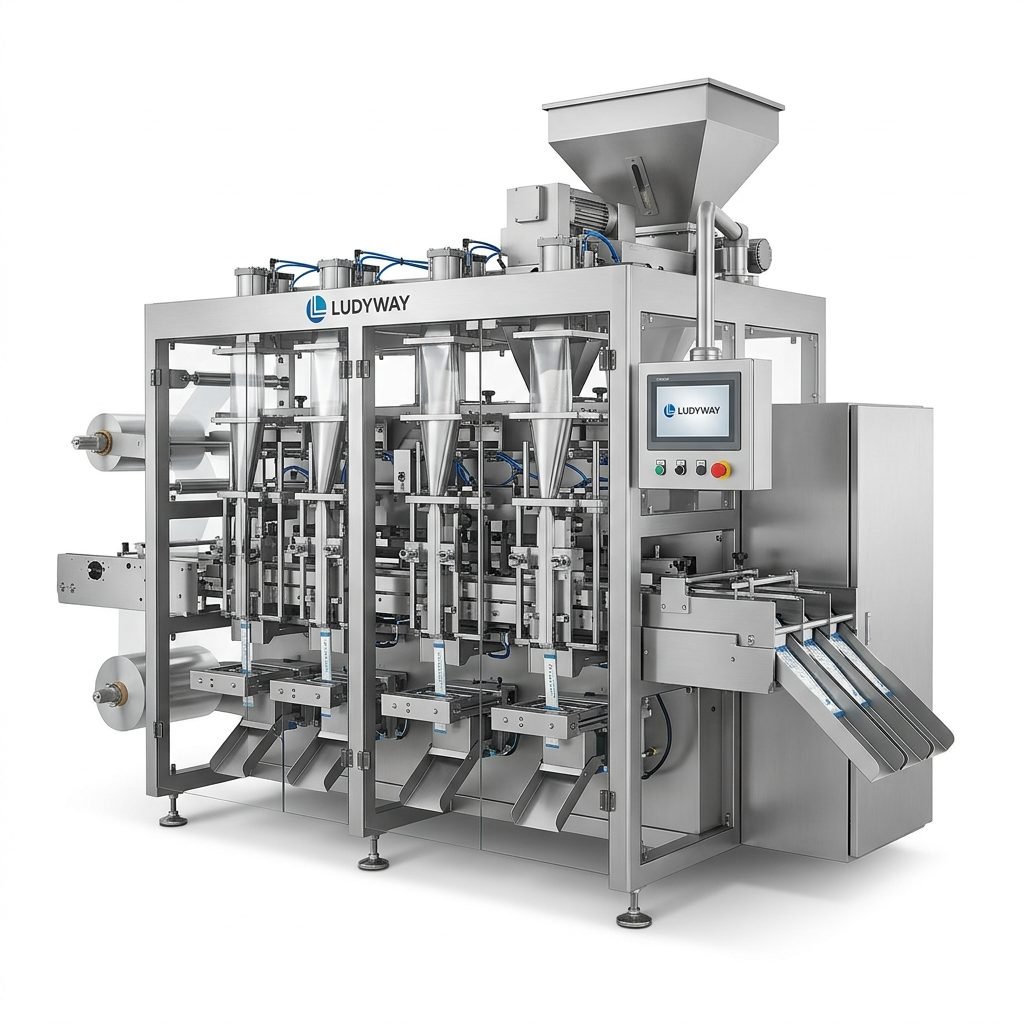
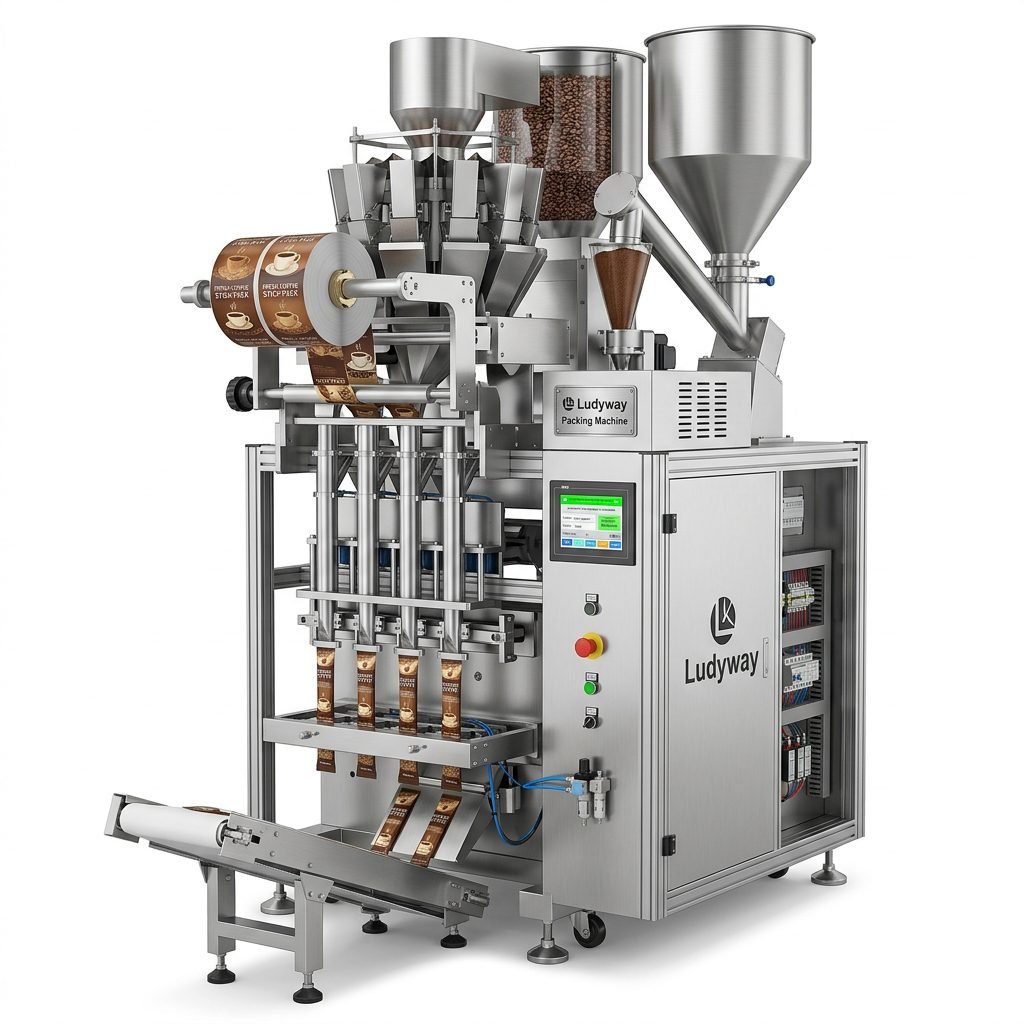
Companies like Ludyway Machinery contribute to this landscape by providing intelligent, multi-lane packaging systems that integrate seamlessly into modern production environments, offering the reliability demanded by the US market.
Emerging Opportunities in the Market
The evolving market landscape is creating new avenues for growth and innovation.
Personalized Medicine and Compounding Pharmacy Automation
The trend towards personalized, patient-specific treatments is creating significant opportunities in the compounding pharmacy sector. There is growing demand for flexible, precise machines that can handle small batches, unique formulations, and exact dosages. Automation in this space reduces cross-contamination risks and ensures reproducibility, catering to a niche but rapidly growing segment of the pharmaceutical care model.
Expansion into Retail and Outpatient Pharmacy Settings
While hospital and manufacturing automation is mature, the retail pharmacy segment represents a major growth frontier. Systems designed for central-fill operations that support multiple retail locations, or compact robotic dispensers for in-store use, are gaining traction. These solutions help retail chains manage high prescription volumes, offer quick turnarounds, and free up pharmacists for more patient consultation—a service increasingly valued by American consumers.
Sustainability-Driven Packaging Solutions
Growing environmental consciousness is influencing packaging choices. Opportunities exist for machines that can efficiently utilize recyclable or biodegradable packaging materials without compromising speed or product protection. This aligns with both corporate sustainability goals and the preferences of a growing segment of environmentally conscious consumers.
Exploring advanced packaging solutions that balance efficiency with material innovation is becoming a key competitive differentiator for equipment providers.
Key Trends Shaping the Future
Understanding the trajectory of the market requires a look at the dominant trends that will define its future.
Trend 1: Increased Adoption of Robotics and Collaborative Robots (Cobots)
Robotic arms are becoming more common for tasks like loading bulk product, sorting packaged units, and palletizing. Cobots, which can work safely alongside human operators, are particularly attractive for flexible production lines and smaller pharmacy settings, enhancing productivity without requiring massive infrastructure changes.
Trend 2: Software and Data Analytics as a Core Component
The value of packaging machinery is increasingly tied to its software. Advanced software platforms manage recipes, track equipment performance (OEE), ensure regulatory compliance, and provide actionable analytics. This shift from hardware-centric to software-driven solutions allows for greater customization and continuous process improvement.
Trend 3: Demand for Flexibility and Quick Changeover
The market requires machines that can handle a wider variety of package sizes, formats, and materials with minimal downtime for changeovers. This flexibility is crucial for contract packaging organizations (CPOs) and manufacturers dealing with a diverse product portfolio or short production runs.
Providers with deep industry experience and engineering capability are well-positioned to deliver these adaptable, high-performance systems that meet the evolving needs of US pharmacies.
Trend 4: Enhanced Focus on Patient Safety and Anti-Counterfeiting
Beyond basic serialization, technologies like tamper-evident packaging, embedded RFID tags, and unique digital identifiers are being integrated directly into the packaging process. This trend addresses the critical issues of drug diversion and counterfeiting, building greater trust in the pharmaceutical supply chain.
Conclusion
The US dispensing pharmacy packaging machine market is on a robust growth path, fueled by demographic needs, technological innovation, and an unwavering focus on safety and efficiency. The convergence of automation, data intelligence, and flexible design is creating smarter, more responsive packaging solutions. As the industry continues to evolve, success will belong to those who can provide not just machinery, but integrated, compliant, and future-ready systems that empower pharmacies to deliver better care. For stakeholders, from equipment manufacturers to pharmacy operators, understanding these dynamics is essential for strategic planning and capturing value in this critical sector.
Frequently Asked Questions (FAQs)
What types of packaging machines are most in demand in US pharmacies?
The highest demand is for automated unit-dose blister pack machines, vial filling and capping lines for liquids and powders, and multi-dose medication adherence packaging systems. The specific type depends on the pharmacy setting (manufacturing vs. retail/outpatient).
How do FDA regulations impact the choice of packaging machinery?
FDA regulations, particularly those related to current Good Manufacturing Practices (cGMP) and the DSCSA, mandate strict controls for product identification, traceability, and contamination prevention. Machinery must be designed for easy cleaning, validation, and must support serialization data capture and reporting to ensure compliance.
Can automated packaging systems be justified for smaller independent pharmacies?
Yes. While large systems are for high-volume settings, there is a growing range of compact, semi-automated, and benchtop machines designed for smaller pharmacies. The justification comes from reduced dispensing errors, improved inventory management, time savings for staff, and the ability to offer specialized packaging services like compliance packs.
What is the importance of “changeover time” in packaging equipment?
Changeover time is the time required to switch a machine from running one product/packaging format to another. Minimizing this downtime is critical for operational efficiency, especially for facilities that handle multiple SKUs or short production runs. Quick-change tooling and recipe-driven software are key features that reduce changeover time.
What should a pharmacy look for when selecting a packaging machine supplier?
Key factors include: the supplier’s experience and reputation in the pharmaceutical sector, compliance with relevant US standards (UL, NSF), availability of local service and technical support, the machine’s validation documentation package, and the flexibility and scalability of the offered solution to meet future needs.