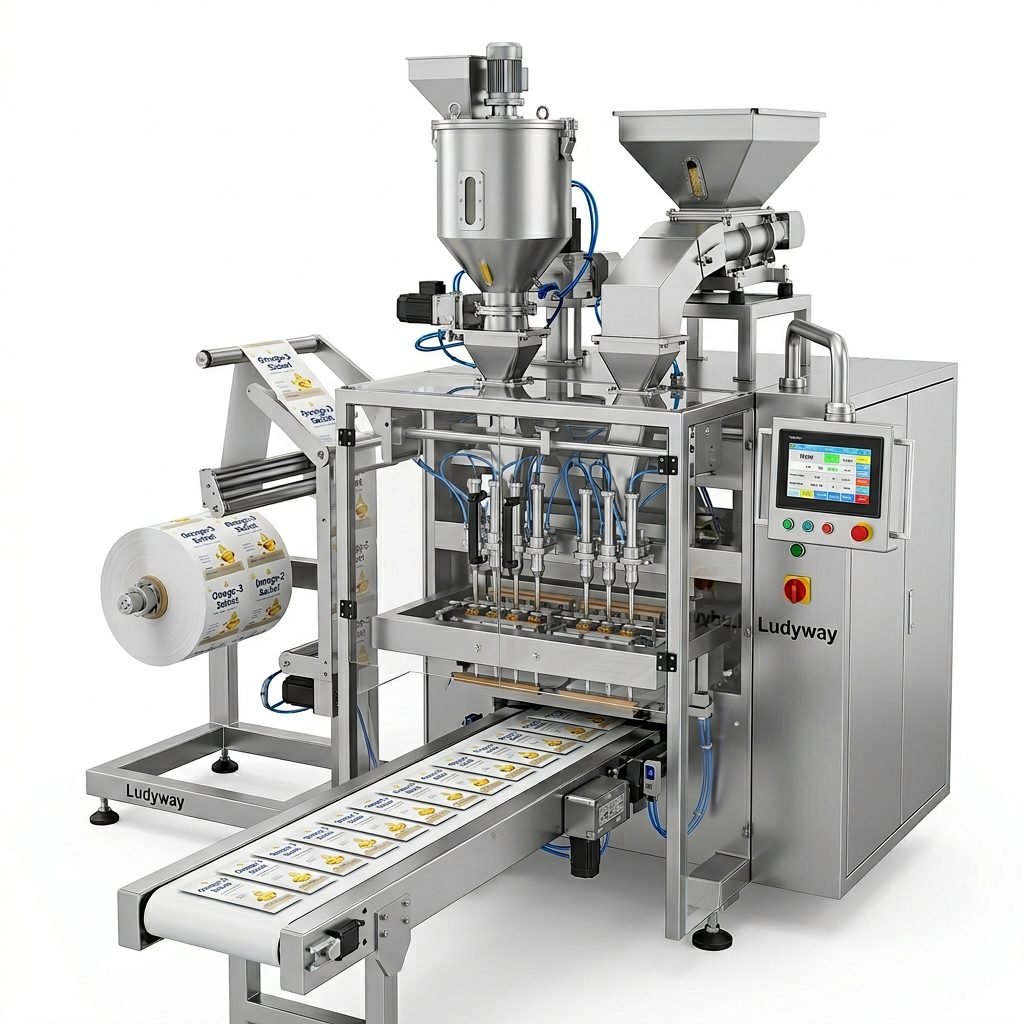
The Indian coffee market is experiencing a remarkable transformation. With the rise of café culture, ready-to-drink formats, and increasing domestic consumption, the demand for efficient packaging machinery has never been greater. Whether you are transitioning from manual packing to automation or expanding an existing line, selecting the right coffee packaging machine involves evaluating product characteristics, speed requirements, and regulatory compliance. This guide walks you through every critical aspect to help you make an informed purchasing decision in India.
Understanding the Indian Coffee Packaging Landscape
India is the world’s sixth-largest coffee producer, with both Arabica and Robusta varieties grown across Karnataka, Kerala, and Tamil Nadu. The domestic market has shifted significantly, moving beyond traditional filter coffee toward instant coffee, ground coffee, specialty blends, and single-serve formats. This diversification demands packaging solutions that can handle multiple product types while maintaining freshness and aroma integrity. According to PMMI’s state of the industry report, flexible packaging continues to gain market share in the coffee segment, driven by consumer preference for convenience and portion control.
Types of Coffee Packaging Machines Available
Selecting the correct machine type directly impacts throughput, packaging quality, and operational cost. Below are the primary configurations used in coffee packaging operations across India and globally. Each type serves distinct production scales and packaging formats, and understanding these differences is essential before contacting suppliers or requesting quotations. For deeper guidance on flexible packaging standards, industry associations provide comprehensive technical resources.
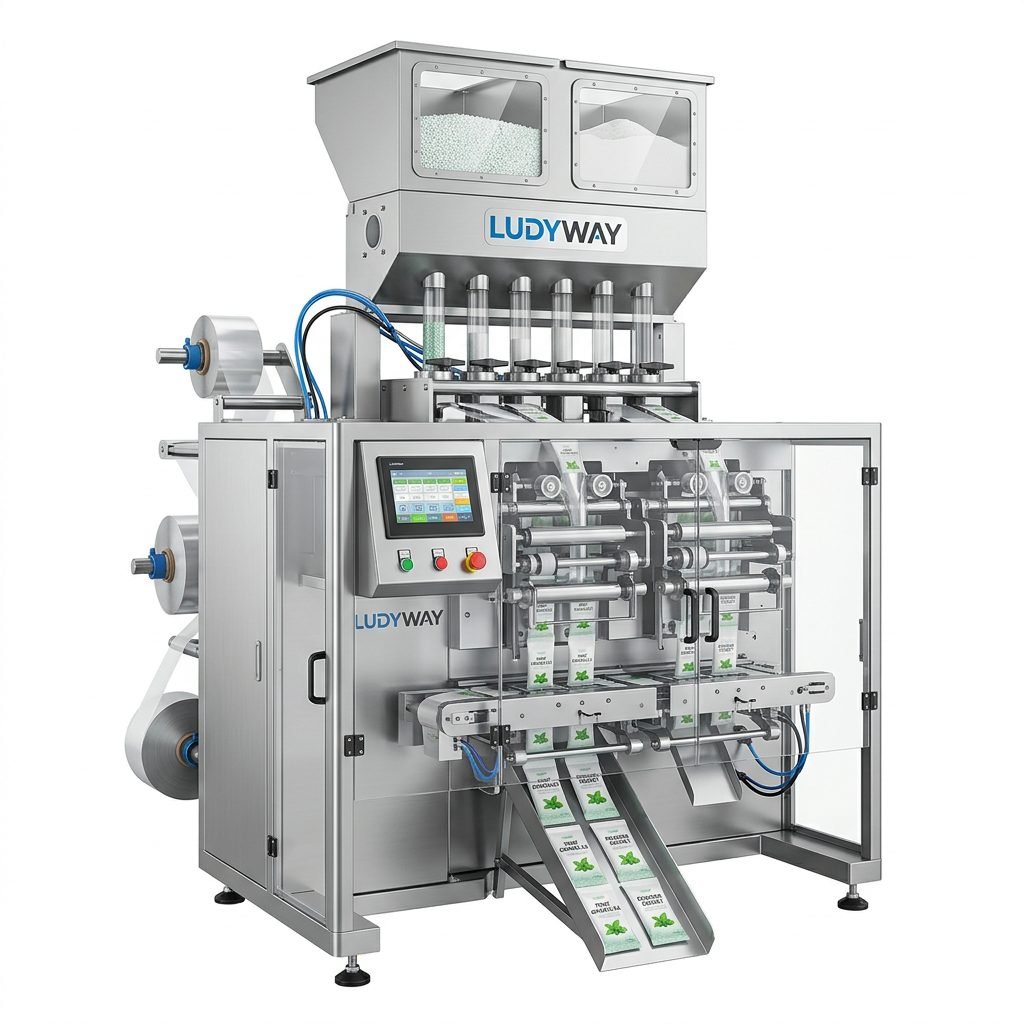
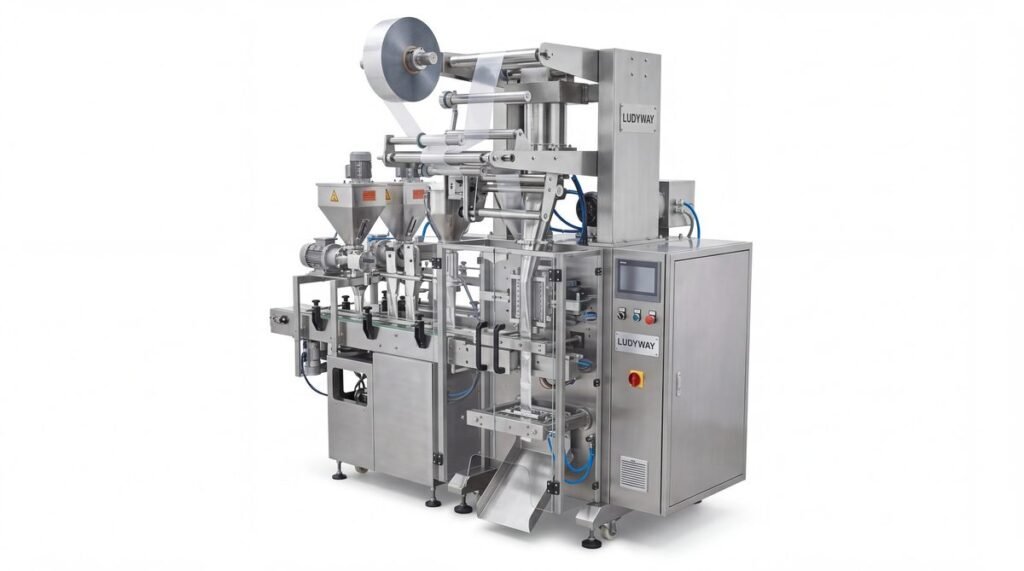
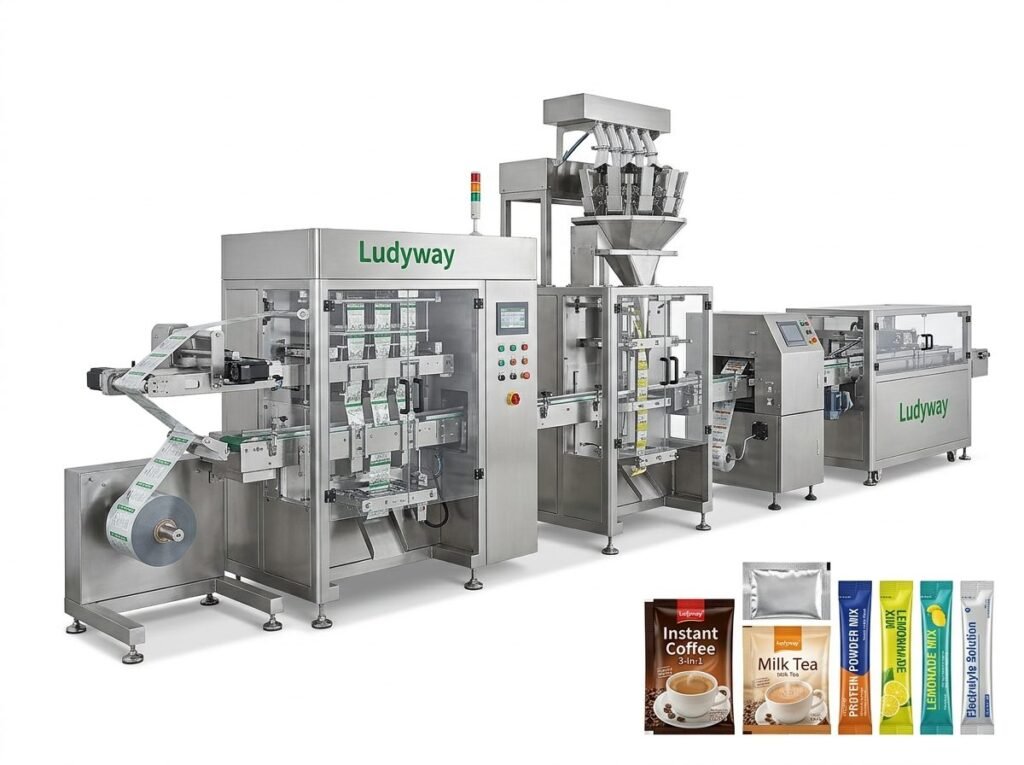
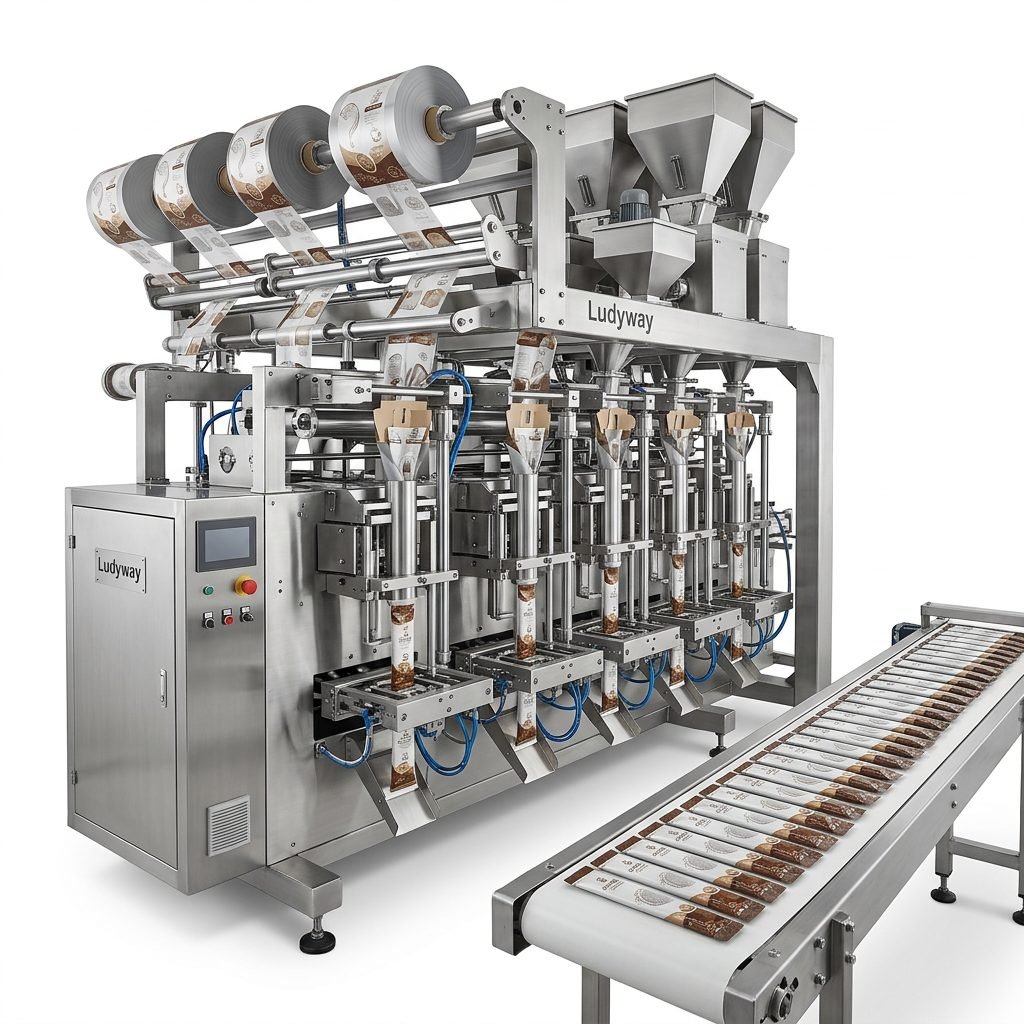
- Multi-Lane Stick Pack Machines – Ideal for instant coffee and single-serve powder sachets, capable of producing 400–800 packs per minute across multiple lanes simultaneously.
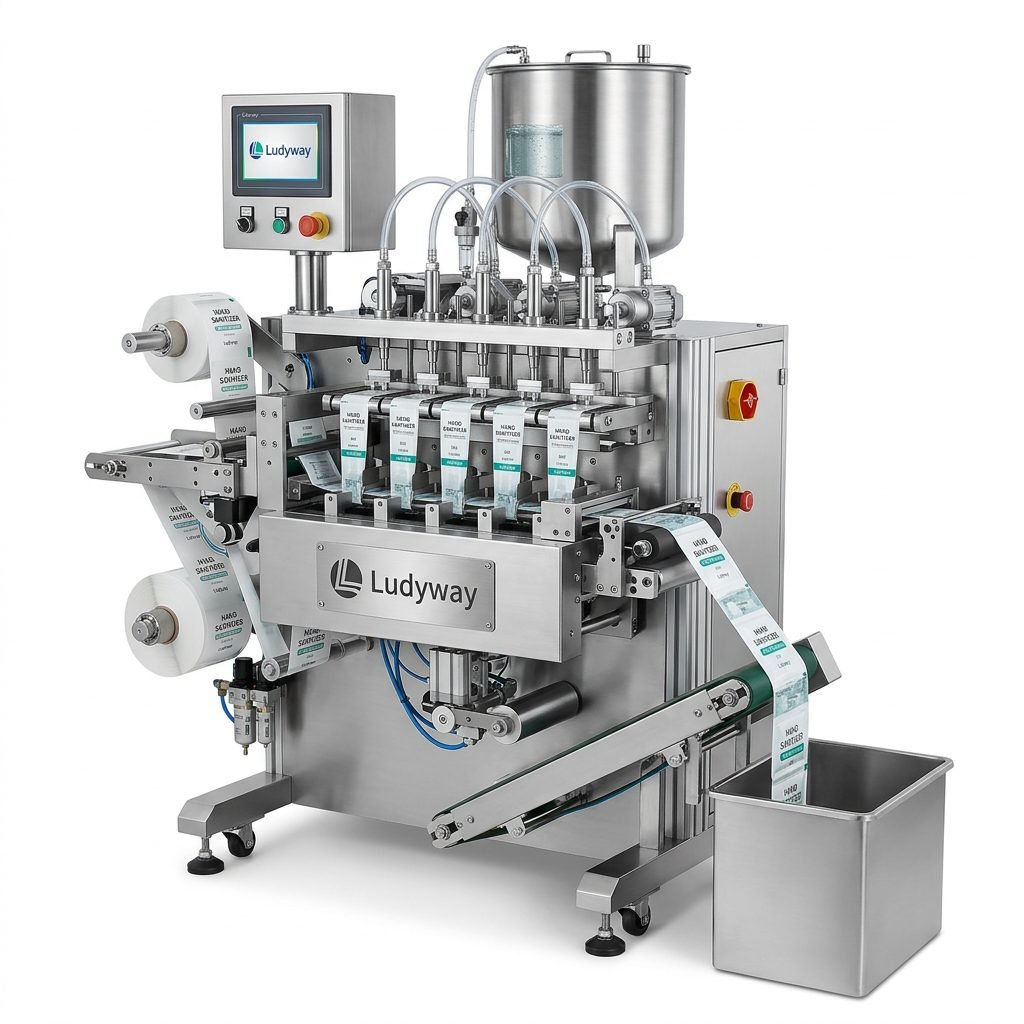
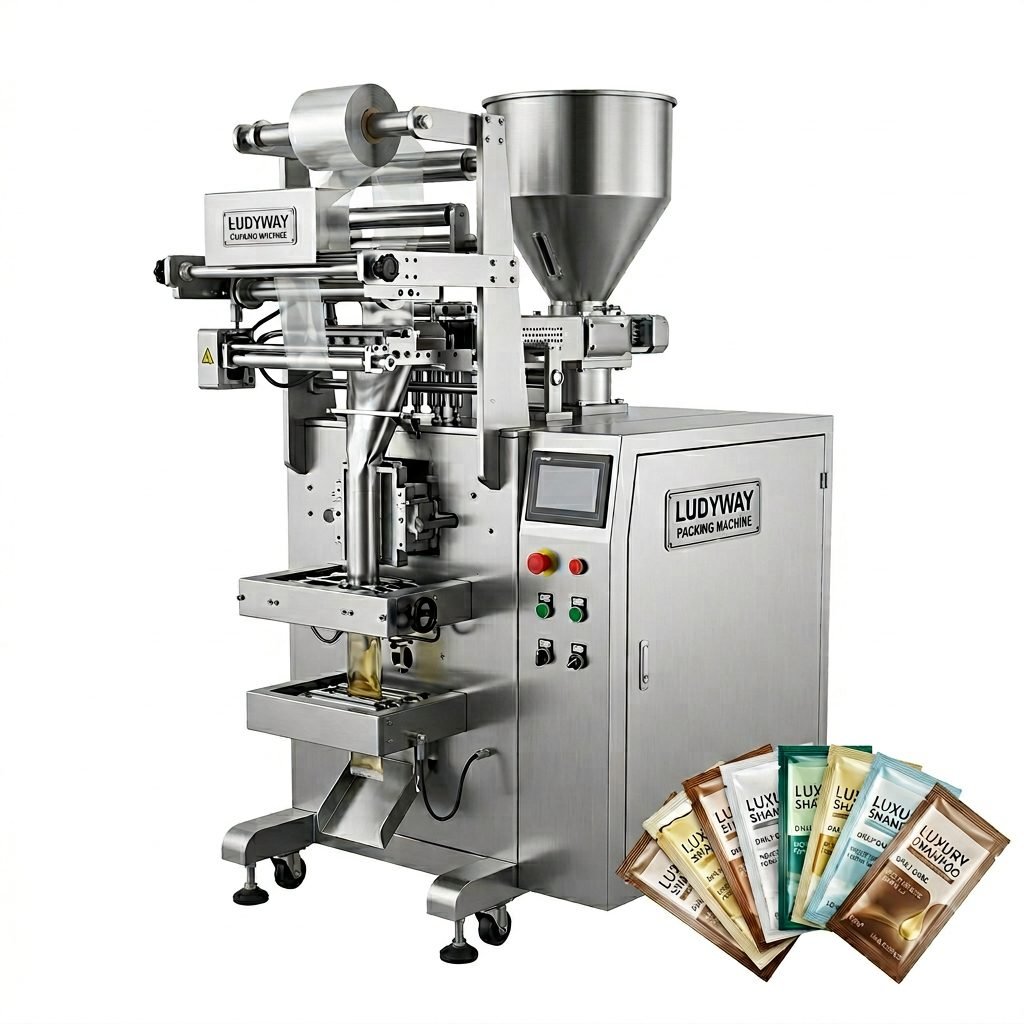
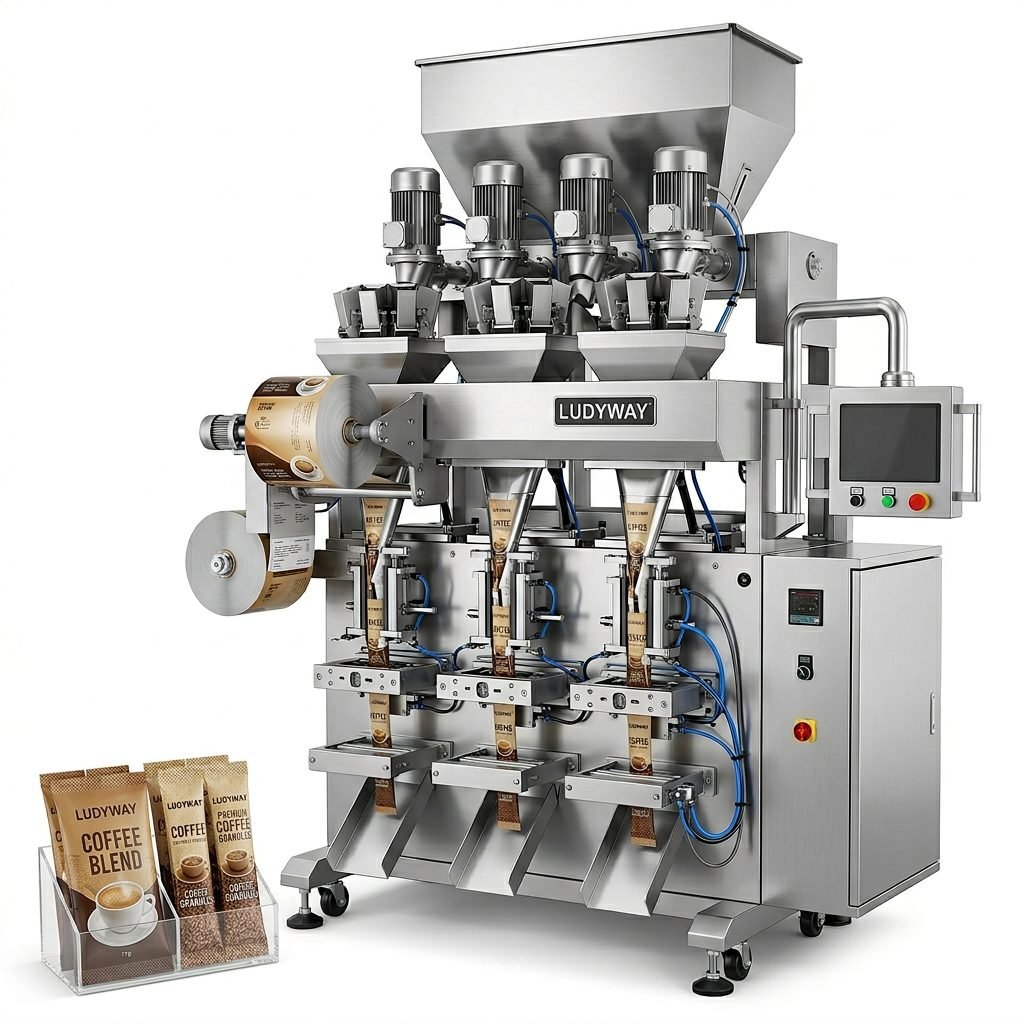
- Sachet Packaging Machines – Suitable for 3-side seal and 4-side seal pillow sachets, commonly used for small-quantity ground coffee or coffee premix powders in the Indian retail market.
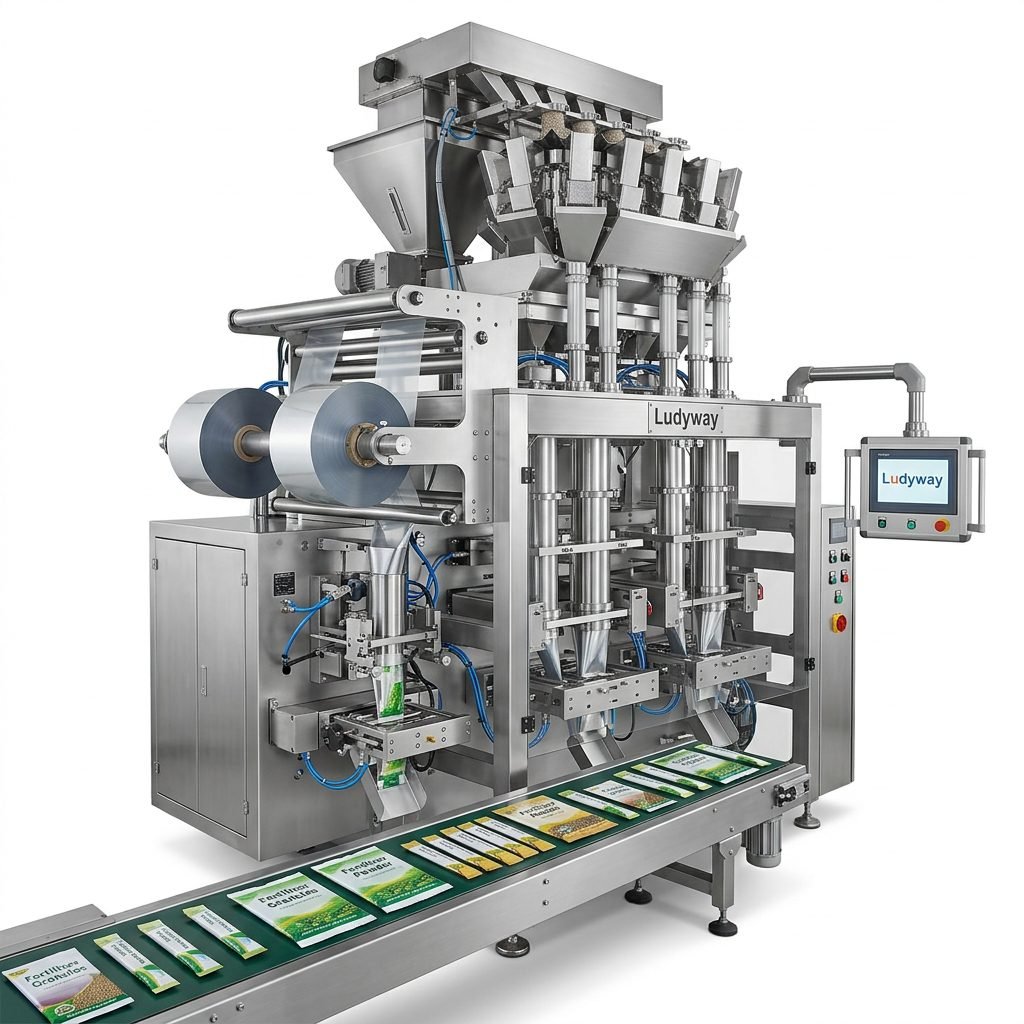
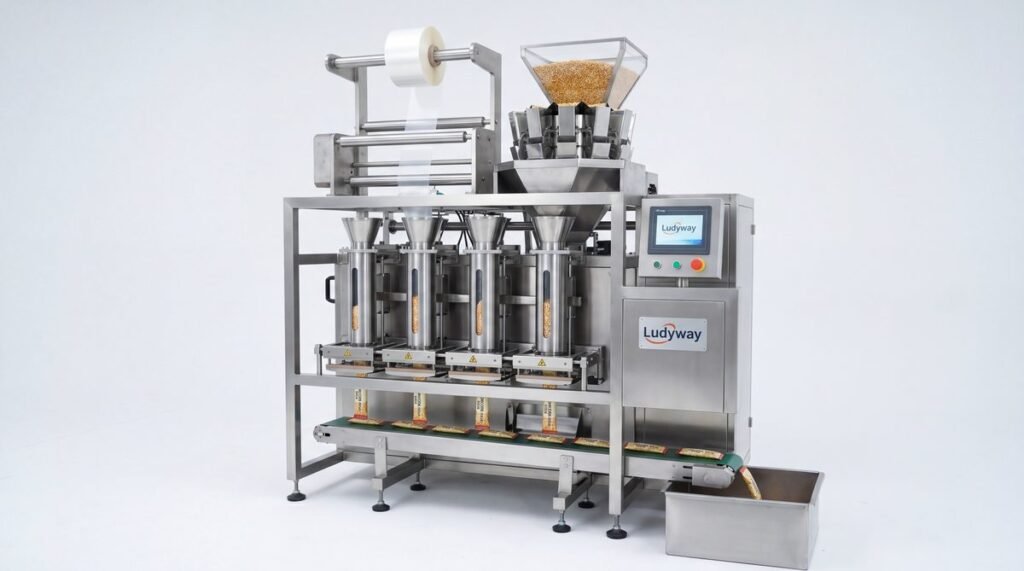
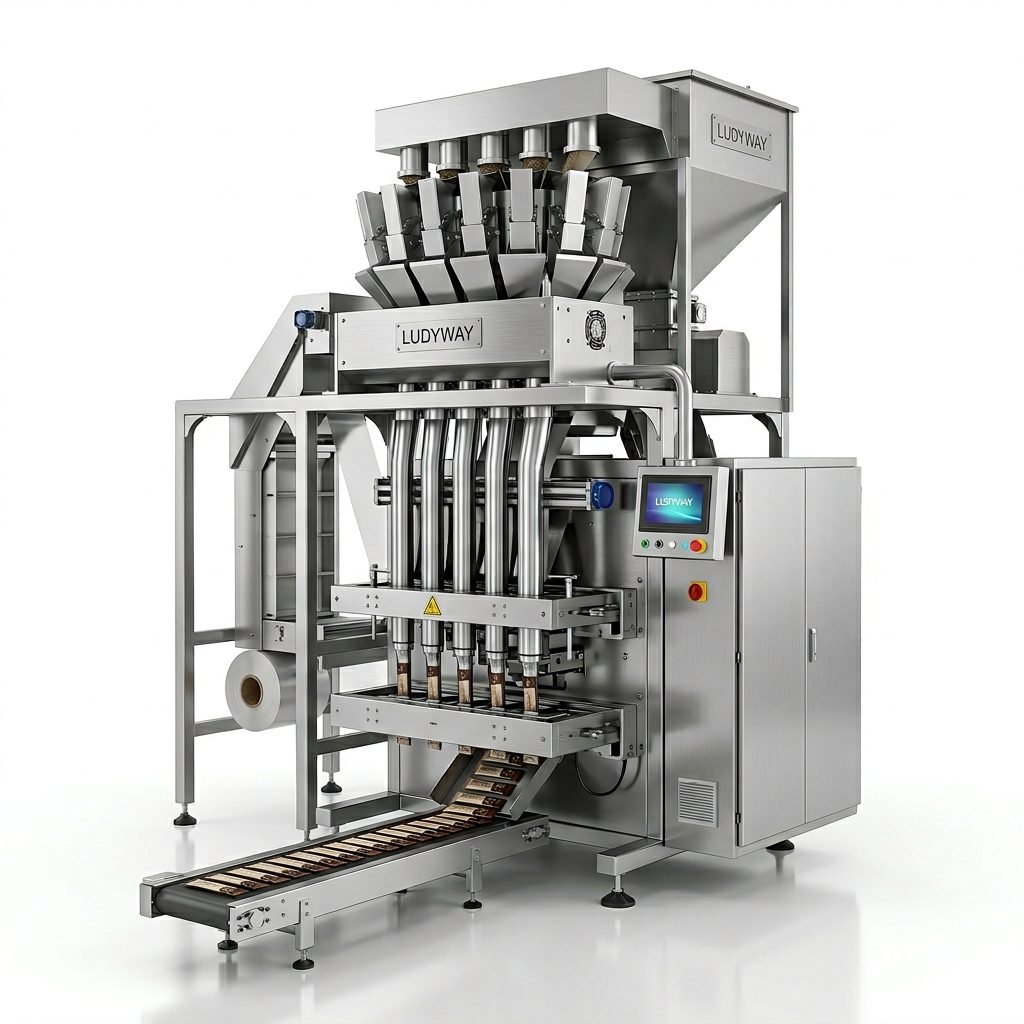
- Vertical Form Fill Seal (VFFS) Machines – Versatile systems for larger pouch formats, including pillow bags and gusseted bags, often used for bulk ground coffee packaging.
- Premade Pouch Rotary Fillers – Designed for high-end coffee brands using zipper pouches, quad-seal bags, or degassing valve pouches with pre-formed packaging materials.
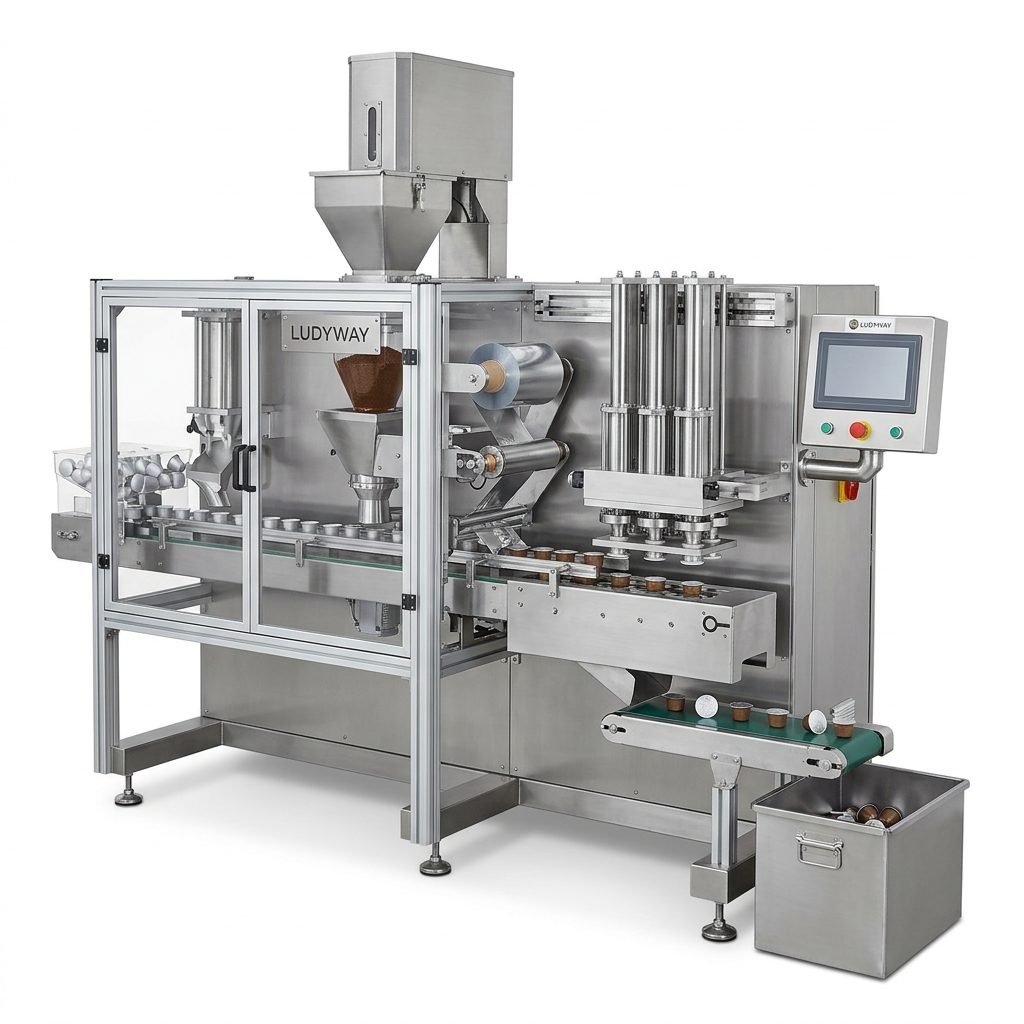
- Coffee Capsule and Pod Machines – Specialized automated lines for filling and sealing single-serve coffee capsules, a fast-growing segment in urban Indian markets.
Machine Type Comparison at a Glance
| Machine Type | Best For | Speed Range | Approximate Investment |
|---|---|---|---|
| Multi-Lane Stick Pack | Instant coffee, premix powders | 200–800 packs/min | ₹25 Lakh – ₹1.5 Crore |
| Sachet Packaging Machine | Small retail sachets, samples | 40–120 packs/min | ₹8 Lakh – ₹35 Lakh |
| VFFS Machine | Bulk ground coffee, larger pouches | 30–80 packs/min | ₹15 Lakh – ₹60 Lakh |
| Premade Pouch Filler | Premium zipper/valve pouches | 25–60 packs/min | ₹20 Lakh – ₹80 Lakh |
| Capsule/Pod Machine | Single-serve coffee capsules | 100–400 capsules/min | ₹30 Lakh – ₹2 Crore |
Key Factors to Evaluate Before Purchase
Investing in a coffee packaging machine in India requires a thorough analysis of your production environment, product range, and growth projections. Rushing into a decision without evaluating the following factors can lead to costly mismatches in capability and output. Additionally, compliance with FDA food contact substances regulations is critical if you plan to export coffee products to international markets.
- Product Formulation – Is your coffee product a free-flowing granule, sticky powder, oily bean, or hygroscopic instant coffee? Each characteristic demands specific filling mechanisms, material contact surfaces, and environmental controls such as nitrogen flushing or dehumidification.
- Packaging Material Compatibility – Ensure the machine can handle laminate films, aluminum foil, metallized PET, or eco-friendly biodegradable films that are increasingly popular in the Indian market, along with proper sealing temperature controls for each substrate.
- Oxygen and Moisture Barrier Requirements – Coffee is highly sensitive to oxidation. Machines equipped with vacuum systems, nitrogen gas flushing, or modified atmosphere packaging capabilities preserve freshness and extend shelf life significantly.
- Throughput and Scalability – Match current production demands while allowing for future growth. Modular multi-lane systems offer scalability by adding lanes as volumes increase, protecting your initial investment.
- Changeover Flexibility – If you produce multiple SKUs with different pouch sizes or coffee blends, quick-change features and recipe memory functions reduce downtime and improve operational efficiency.
- After-Sales Support in India – Local technical support, spare parts availability, and service response times are critical. Verify that your supplier has established distribution, engineering support, or service partnerships within India before finalizing any purchase agreement.
Budgeting: Understanding the Total Cost of Ownership
The purchase price of a coffee packaging machine is only one component of the total cost of ownership. In the Indian context, import duties, freight logistics, installation, training, and ongoing consumables must all be factored into your financial planning. Machines imported from China, for instance, often carry a landed cost that is 25–35% above the FOB price after accounting for customs clearance, IGST, and inland transportation. However, the packaging machinery market continues to see strong demand for cost-effective solutions that do not compromise on build quality or automation features.
Operational costs include electricity consumption, compressed air requirements, replacement sealing jaws, forming tubes, and preventive maintenance kits. Budget approximately 3–5% of the machine cost annually for spare parts and consumables. Financing options in India through equipment loans, leasing arrangements, or supplier-backed payment plans can ease the initial capital outlay, and many international suppliers now offer flexible terms to Indian buyers.
Import Duties and Tariffs for Packaging Machinery in India
When importing a coffee packaging machine into India, the applicable customs duty rate typically falls under HS Code 8422 for packaging machinery. The effective duty structure includes Basic Customs Duty, Social Welfare Surcharge, and Integrated GST. Working with a licensed customs broker and confirming the latest tariff schedule with the Directorate General of Foreign Trade helps avoid unexpected costs during clearance. Some suppliers offer DDP shipping terms to Indian ports, which simplifies the import process significantly for first-time buyers.

Evaluating Manufacturers and Suppliers
Selecting a reliable supplier is arguably more important than choosing a specific machine model. The global packaging machinery supply chain has matured, with manufacturers in China, Europe, and increasingly India itself offering competitive solutions. Key evaluation criteria include factory certifications, quality management systems, client references in the coffee sector, and willingness to provide factory acceptance testing before shipment. ISO packaging standards serve as a reliable benchmark for manufacturing quality and process consistency.
One notable manufacturer serving the Indian market is Ludyway, a China-based packaging machine specialist with over 30 years of industry experience. The company operates a 20,000㎡ production facility and offers more than 50 intelligent packaging machine models, including multi-lane stick pack, sachet, and fully automated systems suitable for granule and powder coffee applications. With customers in over 100 countries and regions, including India, they provide turnkey solutions that encompass filling, sealing, coding, and cartoning integration. Requesting a video demonstration of the machine running coffee products and negotiating for a performance guarantee clause are practical steps before finalizing any supplier agreement.
- Factory Certifications – Look for ISO 9001, CE, or equivalent certifications that validate consistent manufacturing and quality control processes.
- Coffee-Specific Experience – Ask for case studies or references from coffee producers who use the same machine model. Powder density, oil content, and hygroscopic behavior vary significantly between coffee types.
- Trial and Testing – Reputable manufacturers offer material testing services where your actual coffee sample is run through the machine. Request video documentation or an in-person factory acceptance test.
- Warranty and Guarantee Terms – Standard warranties range from 12 to 24 months on core mechanical and electrical components. Clarify what is covered, exclusions, and the process for claiming warranty service from India.
Installation, Training, and Ongoing Support in India
Commissioning a coffee packaging machine in India involves site preparation, electrical compatibility checks, and operator training. Most international suppliers dispatch engineering teams for on-site installation and startup, with typical commissioning periods ranging from 3 to 10 days depending on machine complexity and line integration requirements. Comprehensive operator training covering machine operation, daily cleaning, troubleshooting, and changeover procedures ensures your team can maximize equipment uptime and productivity from day one.
Remote support capabilities through video calls, diagnostic software, and online spare parts ordering have improved dramatically, reducing the need for frequent on-site visits. Still, confirm that your supplier has either a local service office in India, a designated distributor with technical staff, or clearly defined travel and service terms for emergency breakdowns. Proactive maintenance contracts, either with the original manufacturer or a qualified third-party service provider in India, help prevent unplanned downtime and extend machine longevity.
Common Mistakes to Avoid
Even experienced buyers can overlook critical details when purchasing packaging equipment. Being aware of common pitfalls helps you navigate the procurement process more effectively. The following points highlight frequent missteps observed in the Indian coffee packaging sector and practical ways to avoid them during your evaluation and negotiation stages.
- Underestimating Product Variability – Testing with only one coffee blend may not reveal issues with other formulations. Always test multiple product variants.
- Ignoring Film Quality Interactions – Packaging film thickness, slip properties, and heat-seal layer composition directly affect machine performance. Coordinate film selection with machine calibration.
- Overlooking Utility Requirements – Some high-speed machines require stable three-phase power, oil-free compressed air, or climate-controlled environments that your facility may not currently support.
- Prioritizing Price Over Long-Term Value – The lowest upfront cost often translates to higher downtime, limited spare parts availability, and shorter service life. Evaluate lifecycle cost rather than purchase price alone.
- Neglecting Export Compliance – If exporting coffee from India, ensure packaging materials and processes comply with destination country regulations, including food packaging requirements in the EU, US, or Middle Eastern markets.
Final Recommendations for Indian Buyers
Purchasing a coffee packaging machine in India is a strategic investment that directly affects product quality, brand perception, and operational profitability. Begin with a detailed specification document outlining your product range, target throughput, packaging formats, and budget constraints. Request quotations from at least three qualified suppliers and compare not just prices but also machine specifications, warranty terms, and after-sales support commitments. Conduct reference checks with current users in the coffee industry, visit operating installations when possible, and insist on material testing with your actual product before issuing a purchase order. With thorough due diligence and a clear understanding of your production requirements, you can secure a packaging solution that supports your business growth in India’s dynamic coffee market for years to come.