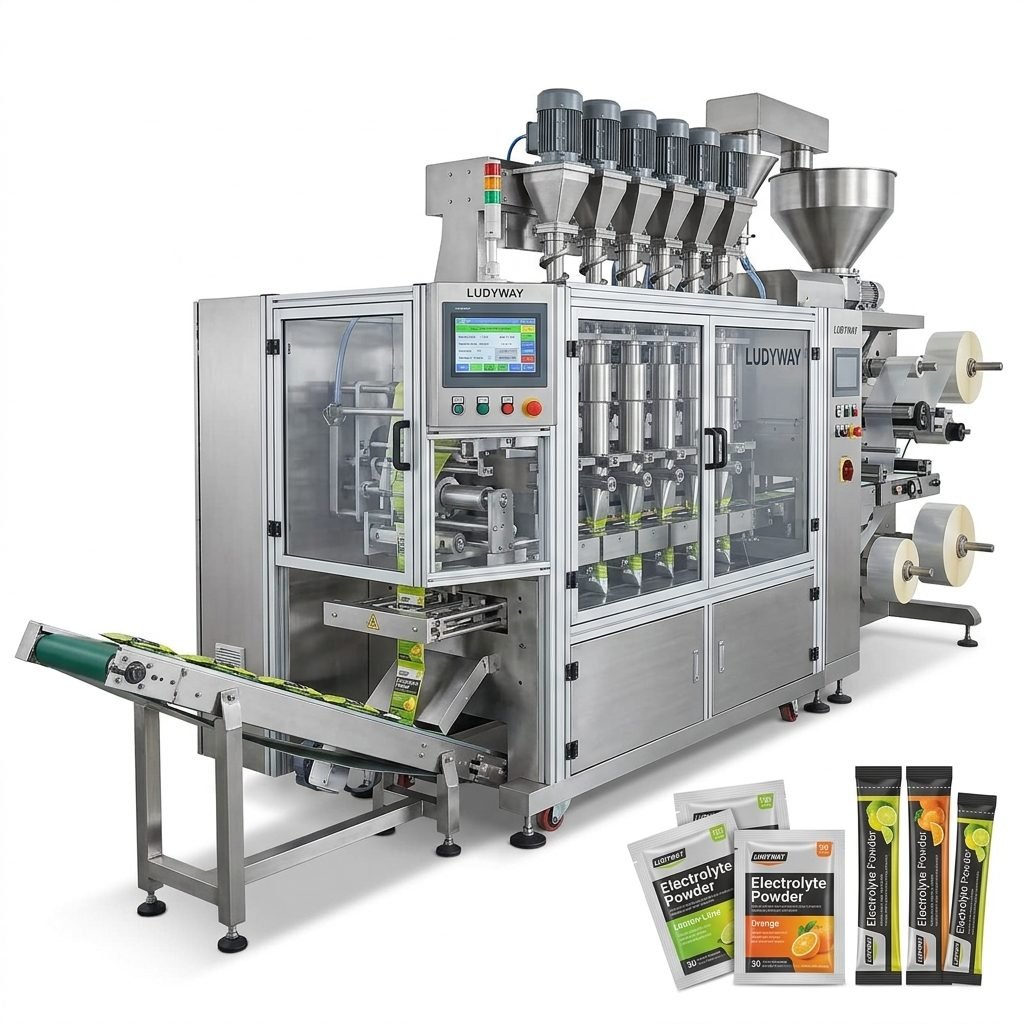
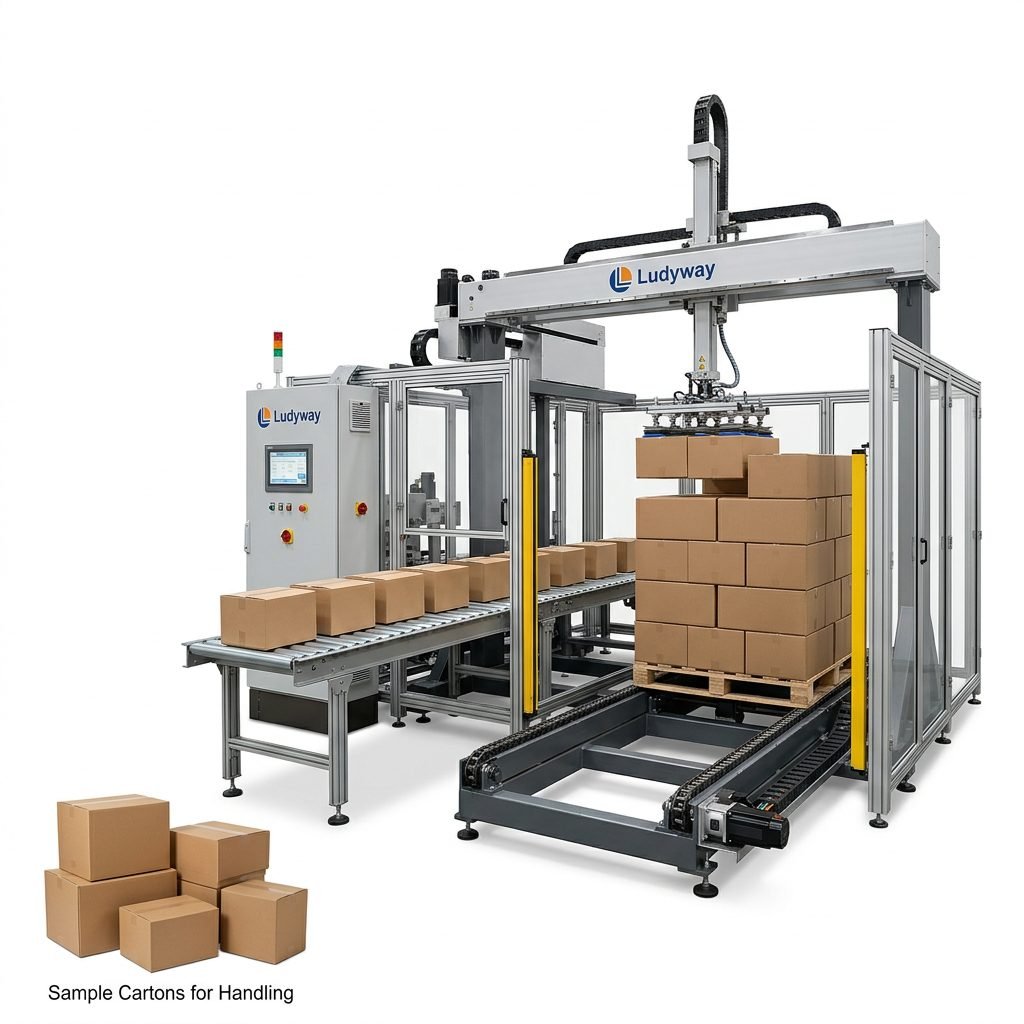
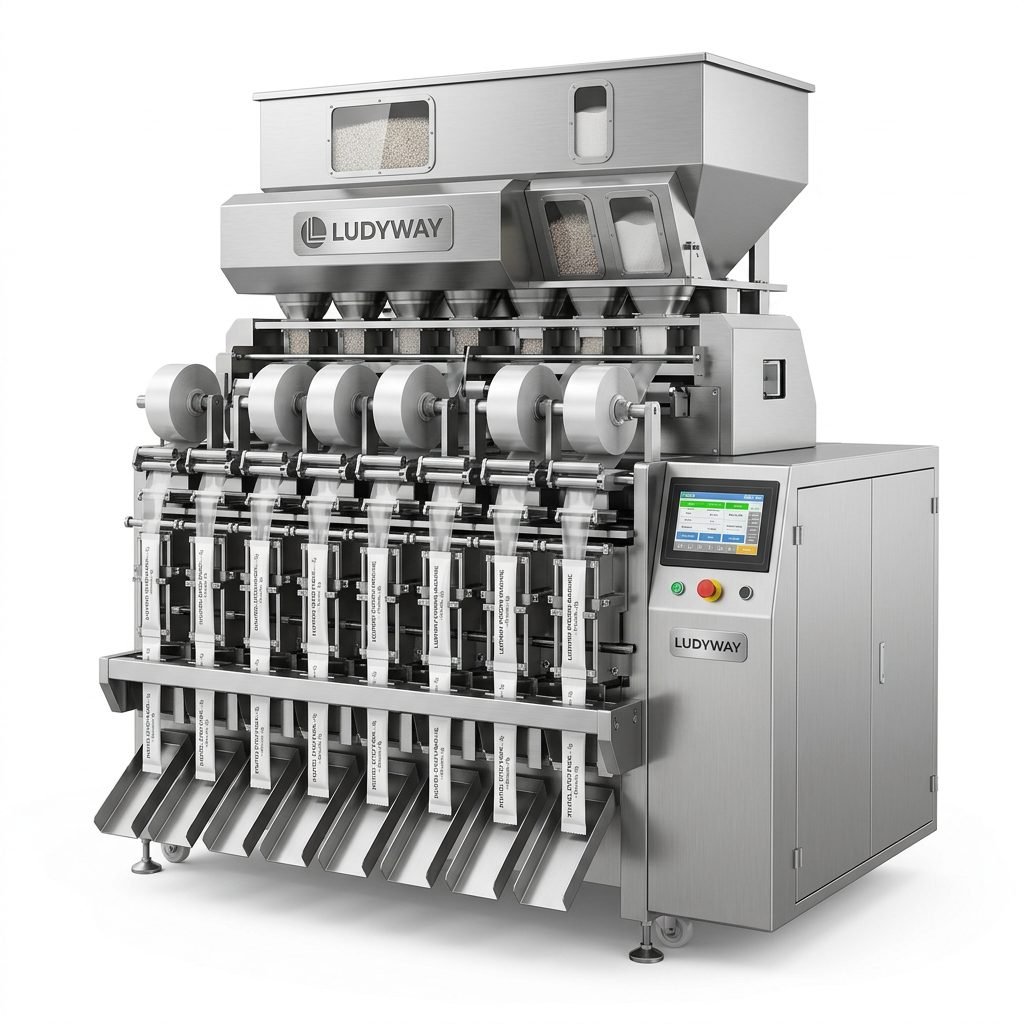
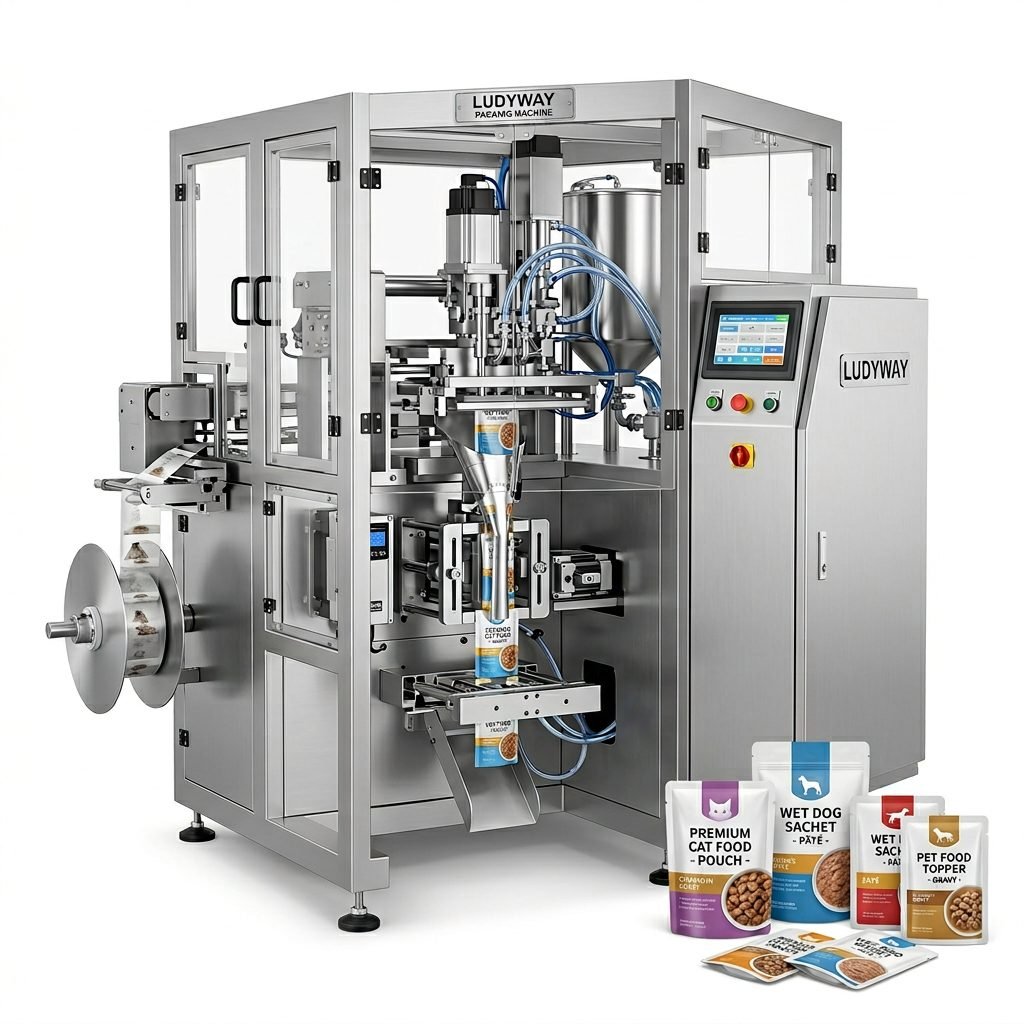
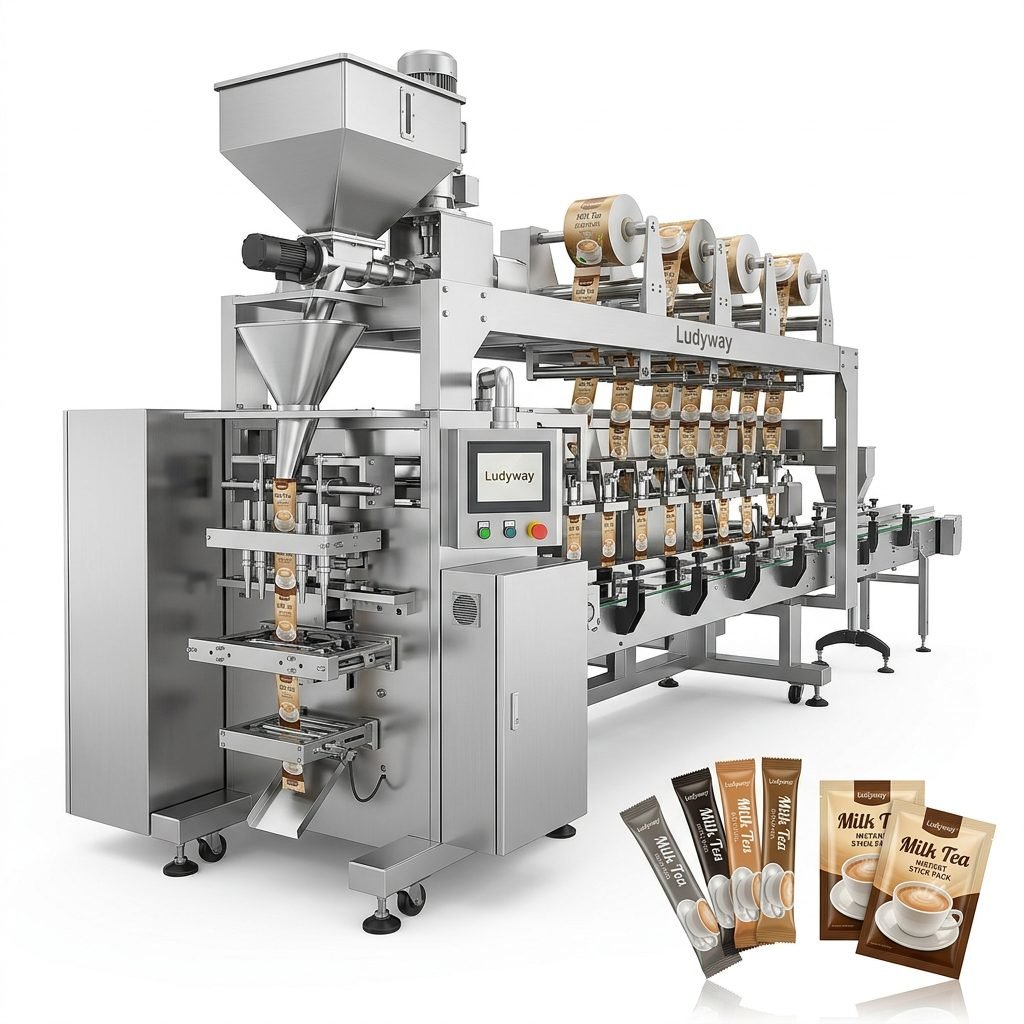
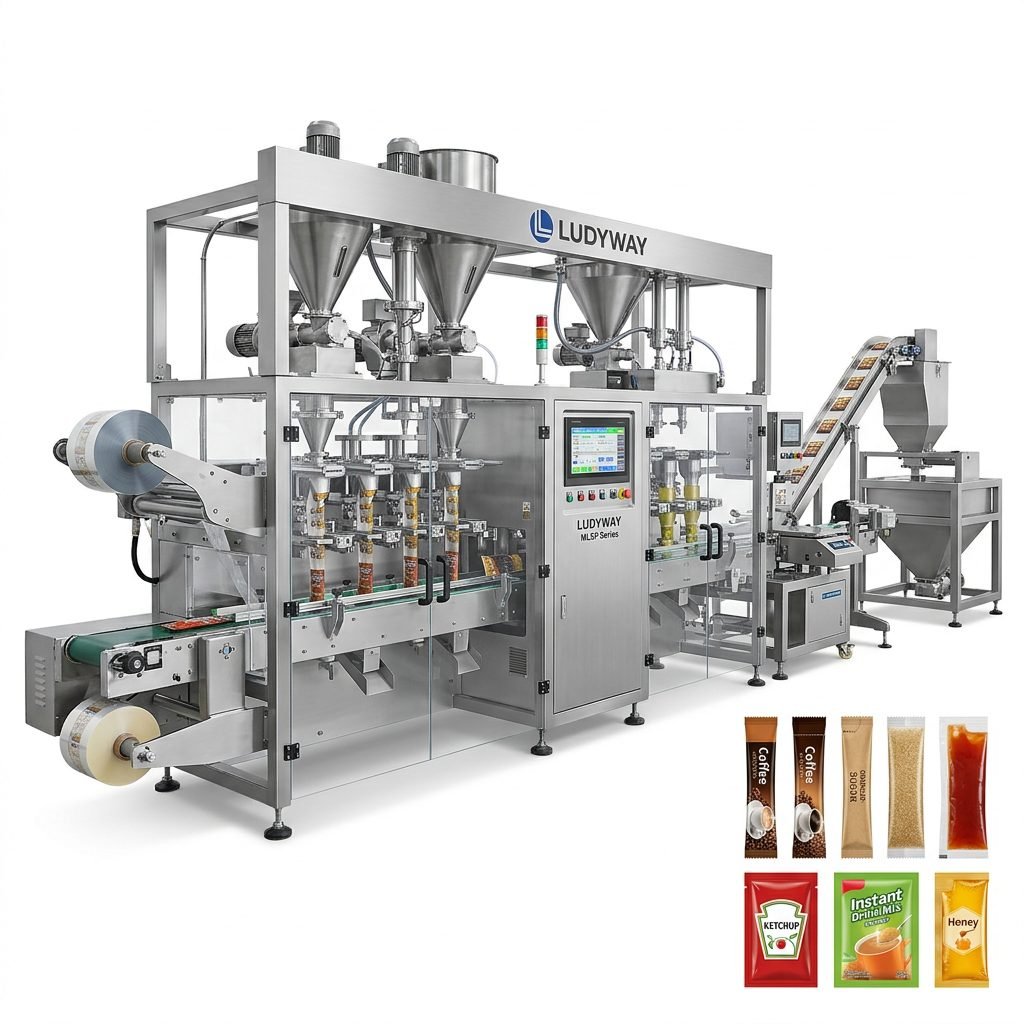
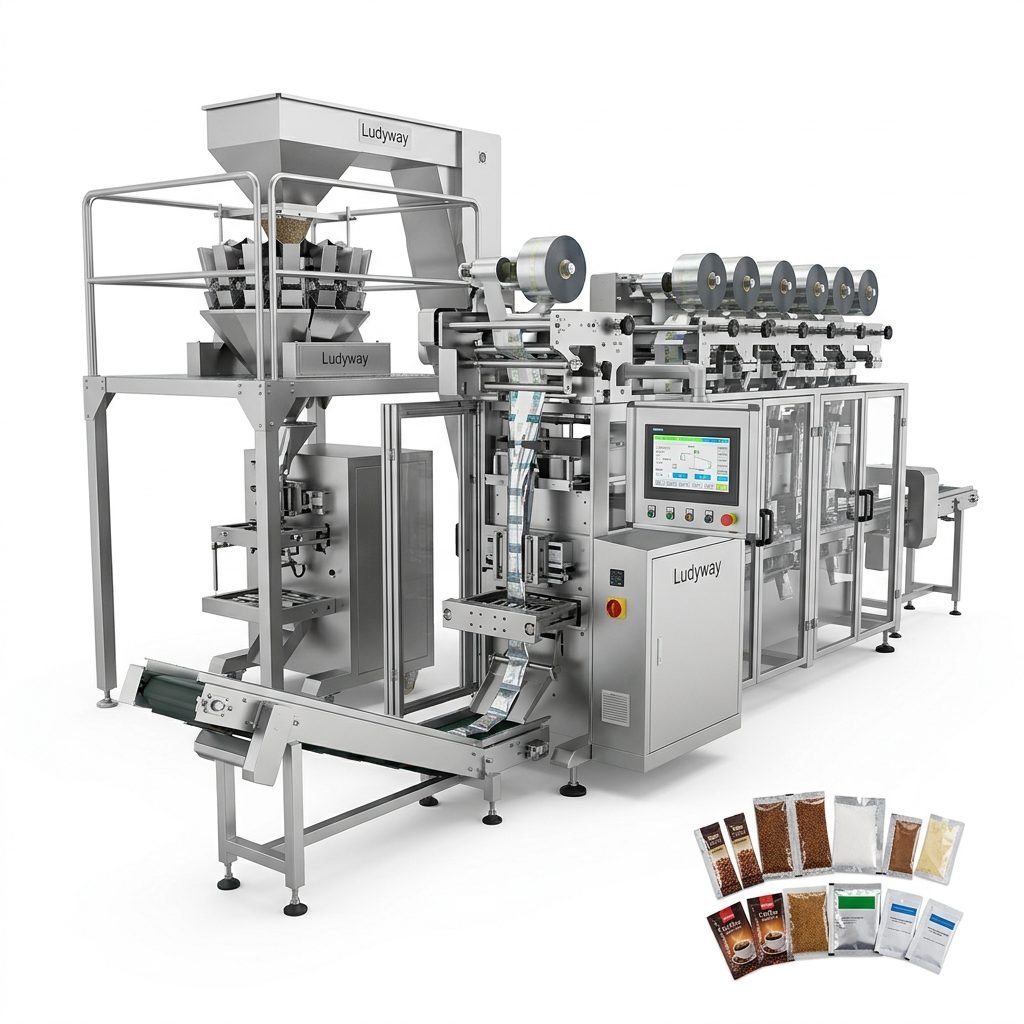
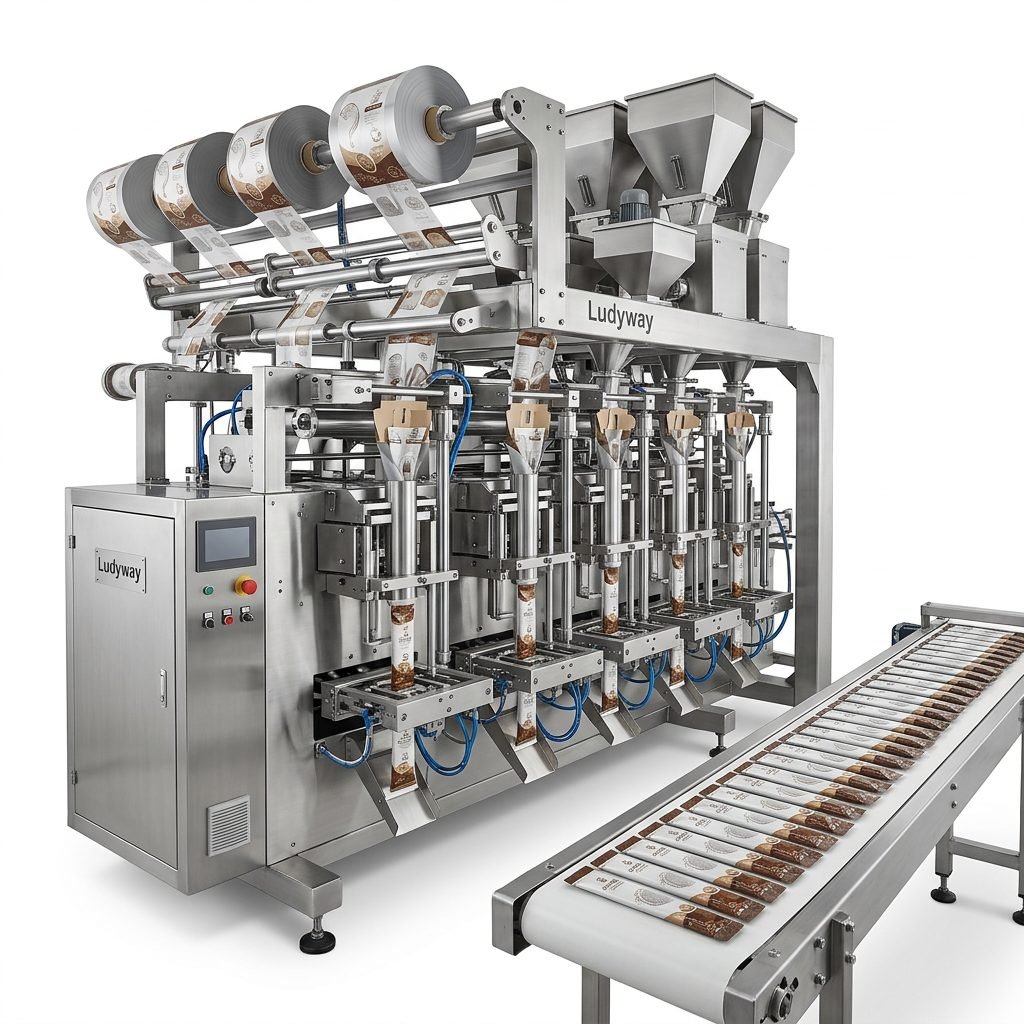
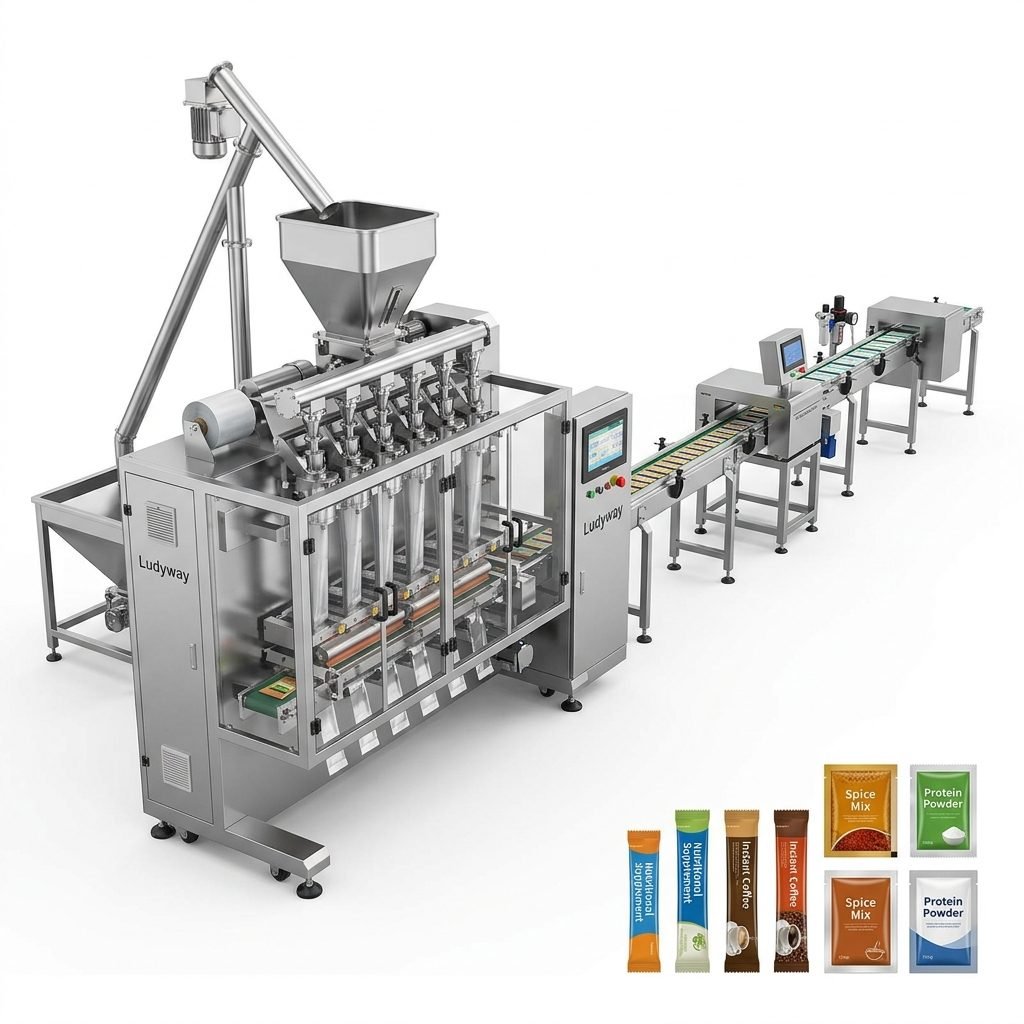
Selecting the right industrial packaging machinery is a critical decision for any manufacturing operation. The equipment you choose directly impacts your production efficiency, product quality, operational costs, and ultimately, your competitiveness in the market. For factories sourcing from China, a leading global hub for manufacturing and machinery, the process involves navigating a vast landscape of suppliers, technologies, and specifications. This guide provides a structured approach to choosing reliable packaging equipment tailored to your factory’s specific needs.
Understanding Your Core Packaging Requirements
The foundation of a successful selection process is a clear understanding of your own requirements. Before evaluating suppliers or machines, conduct an internal audit.
Product Characteristics
What are you packaging? Is it granules (like coffee, seeds), powders (spices, flour), liquids (sauces, oils), or solid items? The physical form dictates the machine type (e.g., auger filler for powders, piston filler for liquids). Consider product sensitivity to moisture, heat, or contamination.
Output Speed & Scale
Define your required output per hour/day. Are you a small-batch producer or a large-scale continuous operation? This determines machine capacity and automation level.
Packaging Format & Materials
What is the final package? Common formats include sachets, stick packs, bags, bottles, cans, or cartons. The packaging material (film, paper, foil, plastic) must be compatible with the machine’s forming, sealing, and handling mechanisms.
Evaluating Chinese Packaging Machinery Suppliers
China offers a spectrum of suppliers, from large integrated manufacturers to specialized workshops. Key evaluation criteria include:
Technical Capability & Experience
Look for suppliers with proven experience in your specific industry (food, pharmaceutical, chemicals etc.). Inquire about their engineering team, R&D investment, and history of solving complex packaging challenges. A supplier with 30+ years of collective industry experience, for instance, brings valuable practical knowledge.
Manufacturing Infrastructure & Quality Control
A reliable supplier should operate from a substantial modern production facility. A 20,000㎡ factory, for example, indicates scale and serious manufacturing capability. Investigate their quality control processes from raw material inspection to final assembly testing. The presence of over 200 sets of production equipment suggests strong in-house machining and parts manufacturing capacity.
Product Range & Customization Ability
Does the supplier offer a comprehensive range (e.g., over 50 machine models covering multi-lane stick pack, sachet, granule, powder, and liquid packaging)? This indicates breadth of knowledge. More importantly, assess their willingness and ability to customize equipment to your unique line layout, product, or speed requirements rather than offering only standard models.
After-Sales Support & Global Service
For international buyers, robust after-sales support is paramount. Evaluate their technical documentation (English manuals), availability of remote support, training programs, and spare parts logistics. A supplier serving customers worldwide should have a framework for international service.
The Importance of Turnkey Solutions & Project Management
For complex projects, consider suppliers who offer turnkey production solutions. This means they take responsibility for integrating the packaging machine with upstream and downstream equipment (conveyors, feeders, coders, robots) to deliver a complete, functional line. Their project management capability ensures smooth installation, commissioning, and handover, reducing your integration risks and time.
Key Technical Considerations for Machine Selection
When discussing specific machines, focus on these technical aspects:
- Accuracy & Consistency: For filling, what is the weight/volume tolerance? Consistent accuracy reduces giveaway and ensures compliance.
- Speed & Uptime: Maximum cycles per minute and expected operational efficiency (uptime). High-speed machines must be robust.
- Material Compatibility: Confirm the machine handles your specific packaging film/container type and grade without issue.
- Changeover Flexibility: How quickly and easily can you switch package size or product? This is vital for multi-product lines.
- Automation & Connectivity: Level of automation (auto film loading, fault detection, auto rejection) and compatibility with factory PLC/MES systems.
- Safety & Compliance: Meet international safety standards (CE, etc.) and, for food/pharma, hygienic design principles.
Financial & Logistics Factors
Beyond the machine price, consider total cost: installation, commissioning, spare parts, and long-term maintenance. Clarify payment terms, warranty period (typically 1-2 years), and delivery timeline. Understand the shipping, import duty, and local handling process for receiving machinery from China to your country.
Building a Successful Partnership
Choosing a supplier is the start of a long-term relationship. Opt for a partner committed to innovation and long-term cooperation. Regular communication, willingness to share technical insights, and proactive support for upgrades or expansions are signs of a valuable partnership. A supplier that views your success as their success will contribute more over the equipment’s lifecycle.
By methodically assessing your needs, rigorously evaluating suppliers on technical, infrastructural, and service criteria, and focusing on the key technical specifications of the machinery itself, you can confidently select reliable industrial packaging equipment from China. This investment will form the backbone of your efficient, high-quality, and cost-effective packaging operation for years to come.
Frequently Asked Questions (FAQs)
1. How do I verify the actual manufacturing capability of a Chinese supplier?
Request a virtual or in-person tour of their production facility. Ask for evidence of their key infrastructure (e.g., factory size, number of production equipment). Check for certifications and ask for detailed photos/videos of assembly workshops and quality checkpoints.
2. What is the typical lead time for delivery of packaging machinery from China?
Lead times vary based on machine complexity and customization. For standard models, it can range from 30-60 days after order confirmation. For heavily customized or large turnkey lines, 90-180 days is common. Always get a detailed project timeline from the supplier.
3. Can Chinese suppliers provide machines compliant with our local safety standards?
Yes, reputable suppliers can provide machines certified to international standards like CE. You must clearly specify your required certifications during the inquiry phase. They should provide the necessary test reports and documentation.
4. How is after-sales technical support handled for international buyers?
Support is typically provided via remote channels: detailed English manuals, online video calls for troubleshooting, email/chat support. For critical issues, they may dispatch an engineer. Ensure they have a clear spare parts supply chain to your region.
5. What are the advantages of a turnkey solution versus buying a standalone machine?
A turnkey solution saves you significant time and integration risk. The supplier ensures all components (packager, conveyors, feeders, etc.) work harmoniously. You get a single point of responsibility for the entire line’s performance, commissioning, and initial training.