Selecting the right soil packing machine is one of the most important equipment decisions a manufacturer, agricultural supplier, or soil processor will make. The wrong choice can lead to inconsistent fill weights, packaging material waste, frequent downtime, and higher operational costs. Whether you are packaging garden soil, potting mix, compost, topsoil, or specialized growing media, your packaging equipment needs to match your material characteristics, production targets, and packaging format requirements.
This buyer’s guide walks you through the essential factors to evaluate before investing in a soil packaging system, so you can make a confident, well-informed decision that supports your production goals.
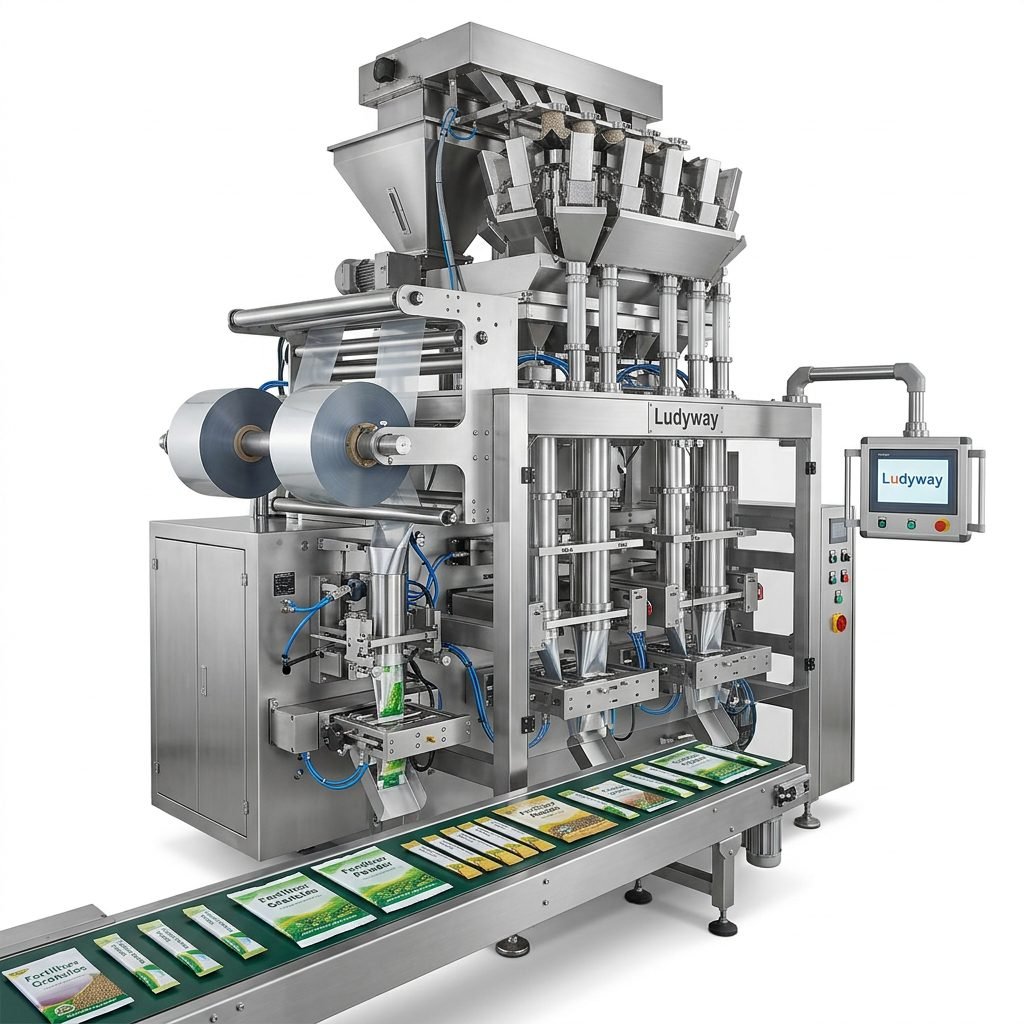
Understanding Your Soil Packaging Requirements
Before comparing machine specifications, you need a clear picture of your own packaging environment. Soil products vary widely — from fine, dusty potting mixes to coarse, moist compost blends — and each presents different challenges for filling, weighing, and sealing equipment.
Start by answering these questions:
- What type of soil material are you packaging? Consider particle size, moisture content, density, and flowability.
- What packaging format do you need? Small retail bags (1–50 liters), bulk bags (500–1500 kg), or both?
- What is your target production speed? Measured in bags per hour or tons per day.
- What level of automation fits your current operation and future growth plans?
- What are your accuracy requirements? Overfilling cuts into margins; underfilling creates compliance and customer satisfaction risks.
Taking time to define these parameters early will help you narrow down machine options and avoid costly mismatches. For detailed guidance on industry benchmarks, refer to resources from the packaging machinery market intelligence provided by PMMI, which covers equipment trends and production data.
Key Factors to Consider When Selecting a Soil Packing Machine
1. Material Characteristics and Flow Behavior
Soil is not a uniform material. Some blends are dry and free-flowing, while others are moist, clumpy, or contain organic matter that compresses under pressure. The filling mechanism must be compatible with your material’s physical properties.
For dry, granular soil mixes, gravity-fed or auger filling systems typically work well. For moist, sticky, or irregular materials, you may need belt feeders, vibratory trays, or specialized dosing systems to maintain consistent flow and prevent bridging or clogging in the hopper. Always test your actual material on the equipment before making a final decision.
2. Packaging Format and Bag Type
Soil products are packaged in a variety of formats: small plastic bags, woven polypropylene sacks, paper bags, gusseted pouches, and large bulk bags or FIBCs (Flexible Intermediate Bulk Containers). Your flexible packaging format directly determines the type of bag handling, opening, filling, and sealing system required.
Open-mouth bagging machines are common for pre-made sacks in the 5–50 kg range. For small retail packages, vertical form-fill-seal (VFFS) machines create bags from roll stock while simultaneously filling and sealing. Bulk bag fillers handle weights from 500 kg up to 1500 kg or more. Some operations require a multi-format packaging line capable of switching between bag sizes and types.
3. Production Speed and Throughput
Production speed requirements vary dramatically between a small regional soil blender packaging 50 bags per hour and a high-volume commercial operation targeting 600–1200 bags per hour or more. Your machine’s rated throughput must match your peak production demand with some headroom for growth.
Consider not just the filling speed, but the entire packaging cycle: bag placement, opening, filling, settling, sealing, and discharge. A machine that fills quickly but has slow bag handling will bottleneck your line.
4. Weighing Accuracy and Fill Consistency
Accurate filling protects both your margins and your reputation. Modern soil packaging machines use net weigh scales, gross weigh systems, or multi-head combination weighers depending on the speed and accuracy required. Net weighing offers high precision by weighing the product before it enters the bag, independent of bag weight variations.
For high-value soil products such as specialized growing media, orchid mixes, or organic-certified formulations, precise dosing becomes even more critical. Even small overfills per bag add up to significant material loss over a full production year.
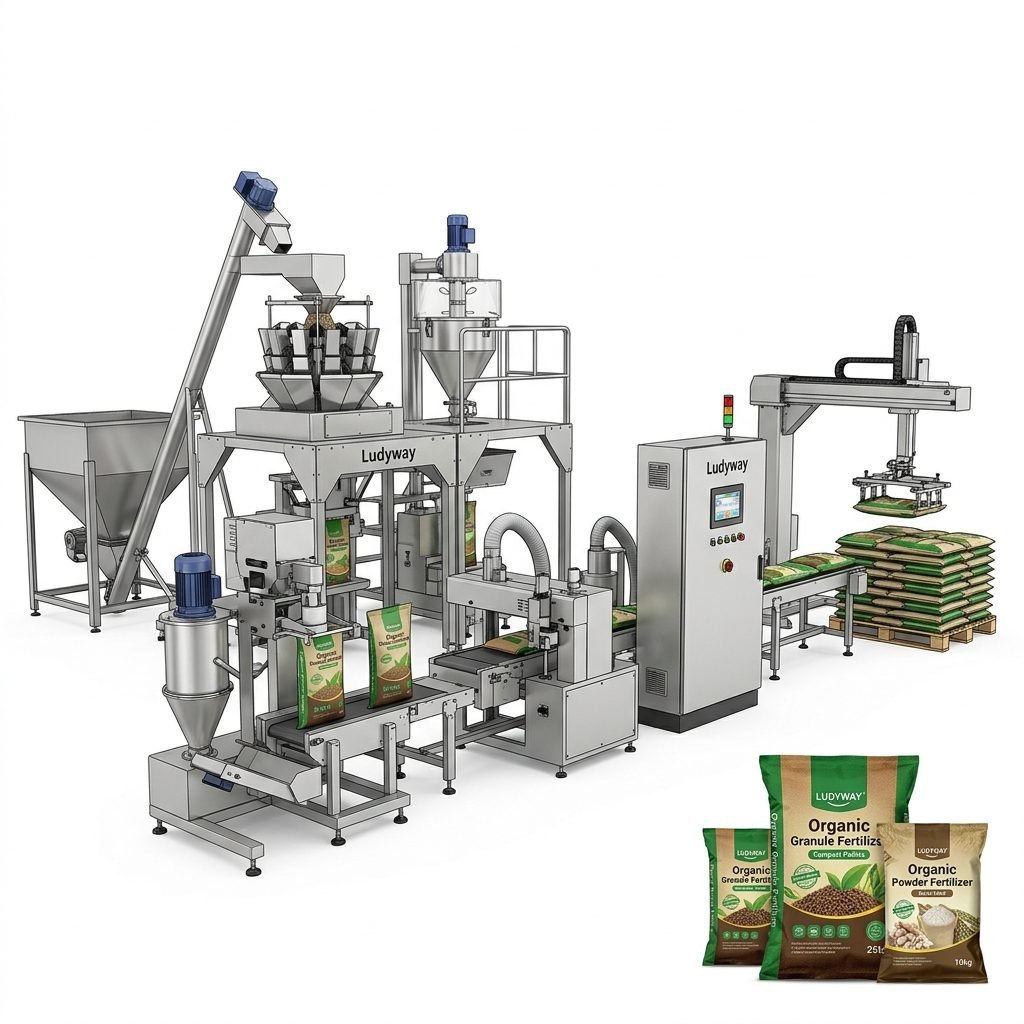
Comparing Types of Soil Packing Machines
The table below outlines the most common soil packaging machine configurations and their typical applications:
| Machine Type | Bag Size Range | Best For | Typical Speed | Key Consideration |
|---|---|---|---|---|
| Open-Mouth Bagging Machine | 5–50 kg | Garden soil, compost, mulch | 200–600 bags/hr | Requires pre-made bags; manual or automatic bag placement |
| VFFS Packaging Machine | 1–25 kg | Retail potting mix, small soil bags | 300–1200 bags/hr | Forms bags from roll film; high automation potential |
| Bulk Bag (FIBC) Filler | 500–1500+ kg | Wholesale soil, landscape supply | 10–30 bags/hr | Requires forklift or crane handling; pallet or hang-weigh options |
| Valve Bag Packing Machine | 10–50 kg | Dry, free-flowing soil mixes | 100–400 bags/hr | Self-closing valve bags; clean operation with minimal dust |
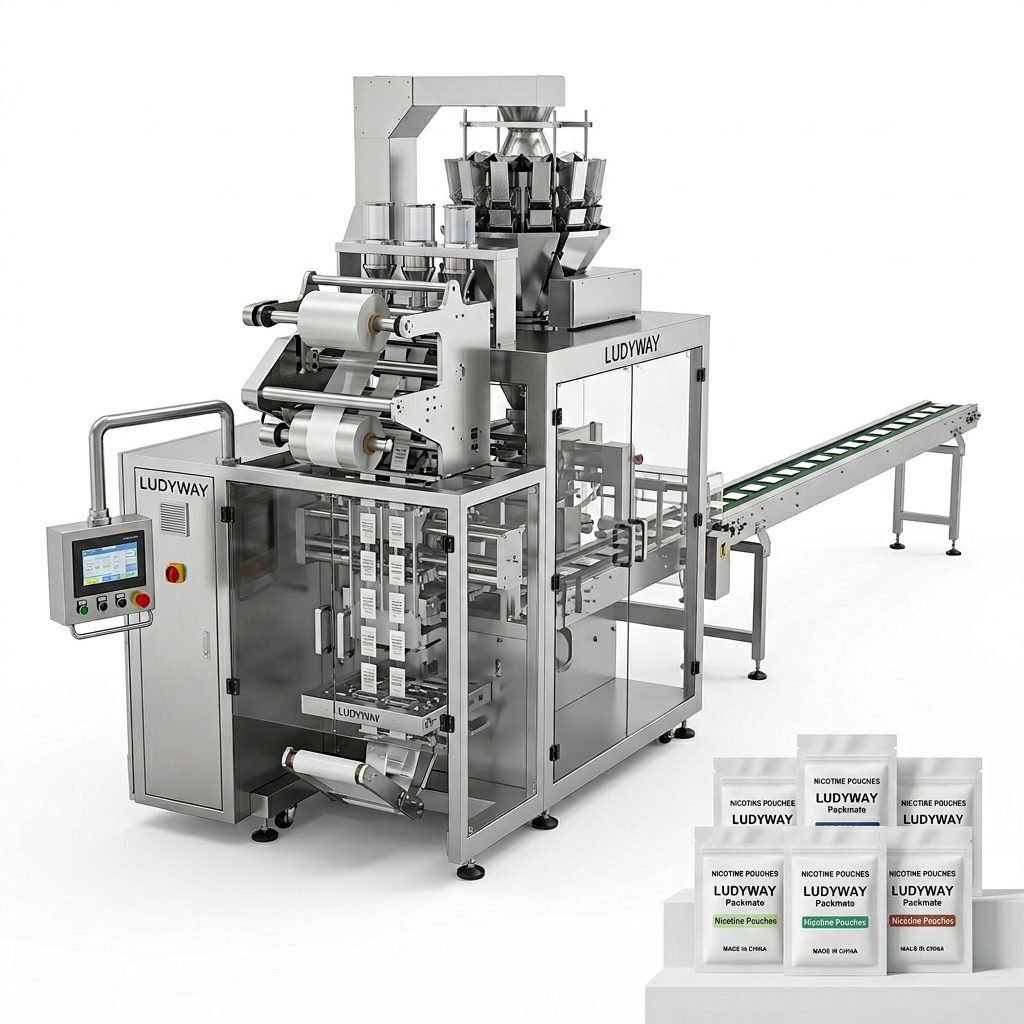
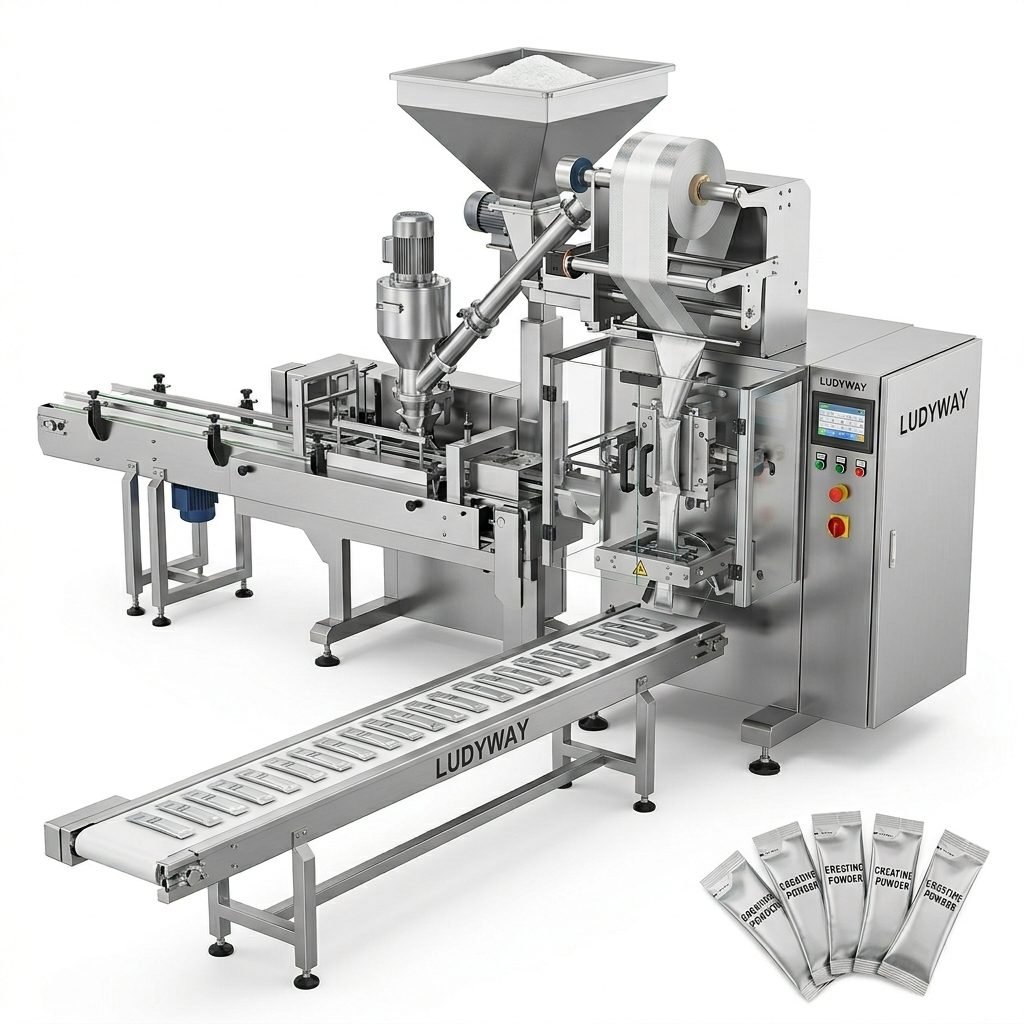
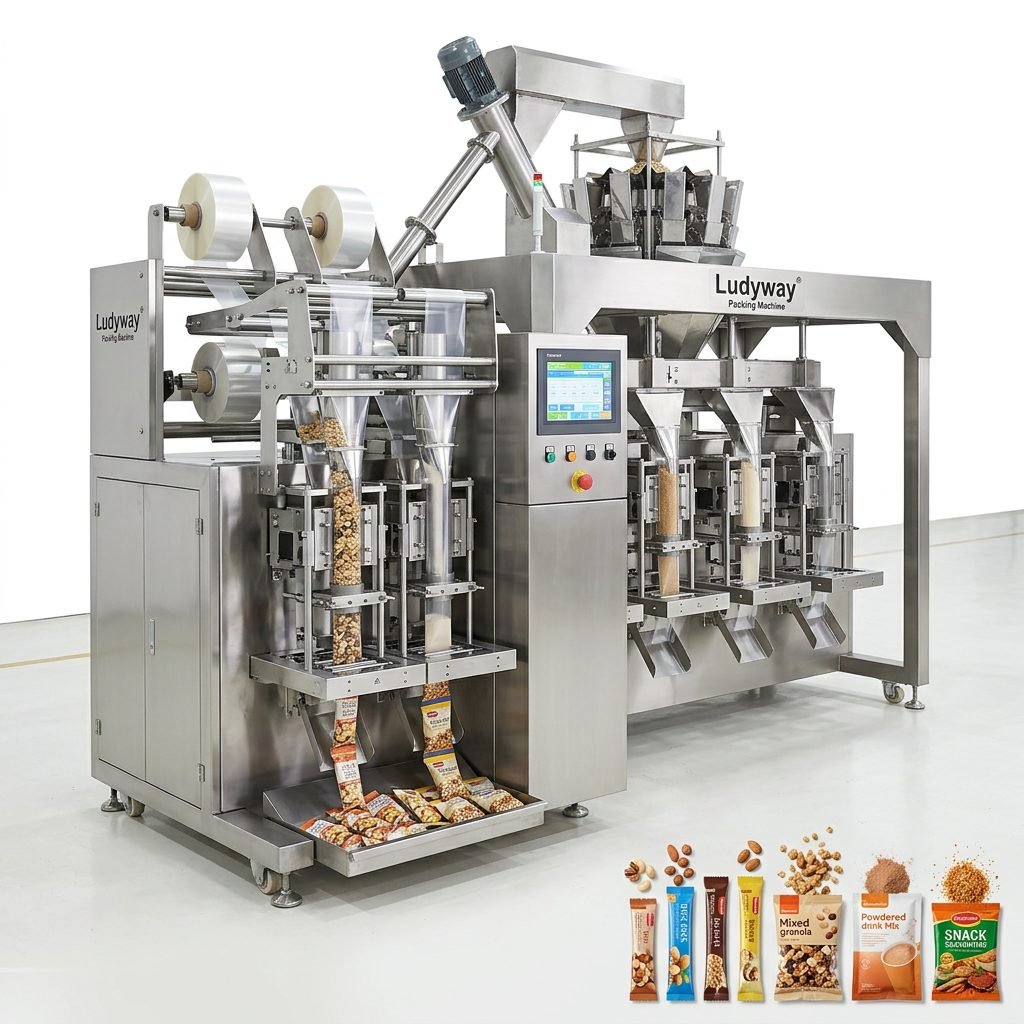
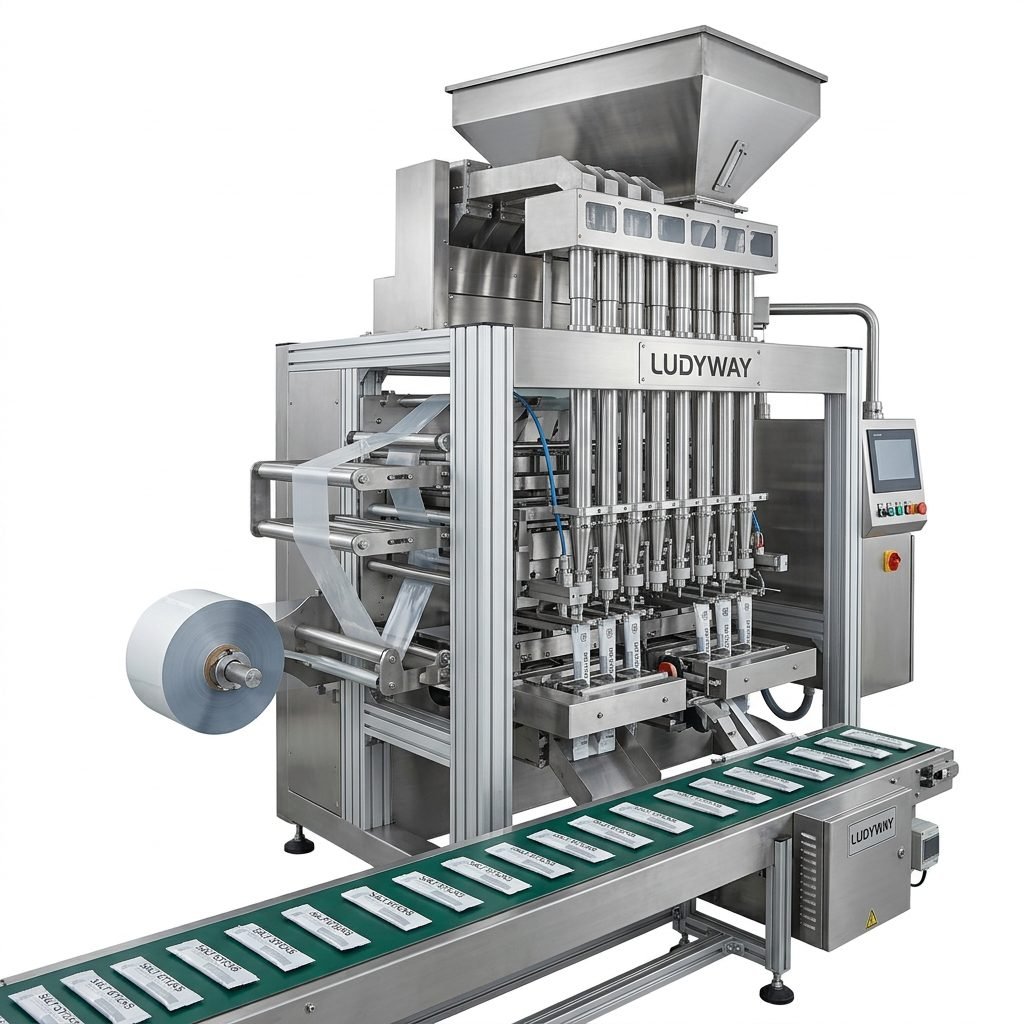
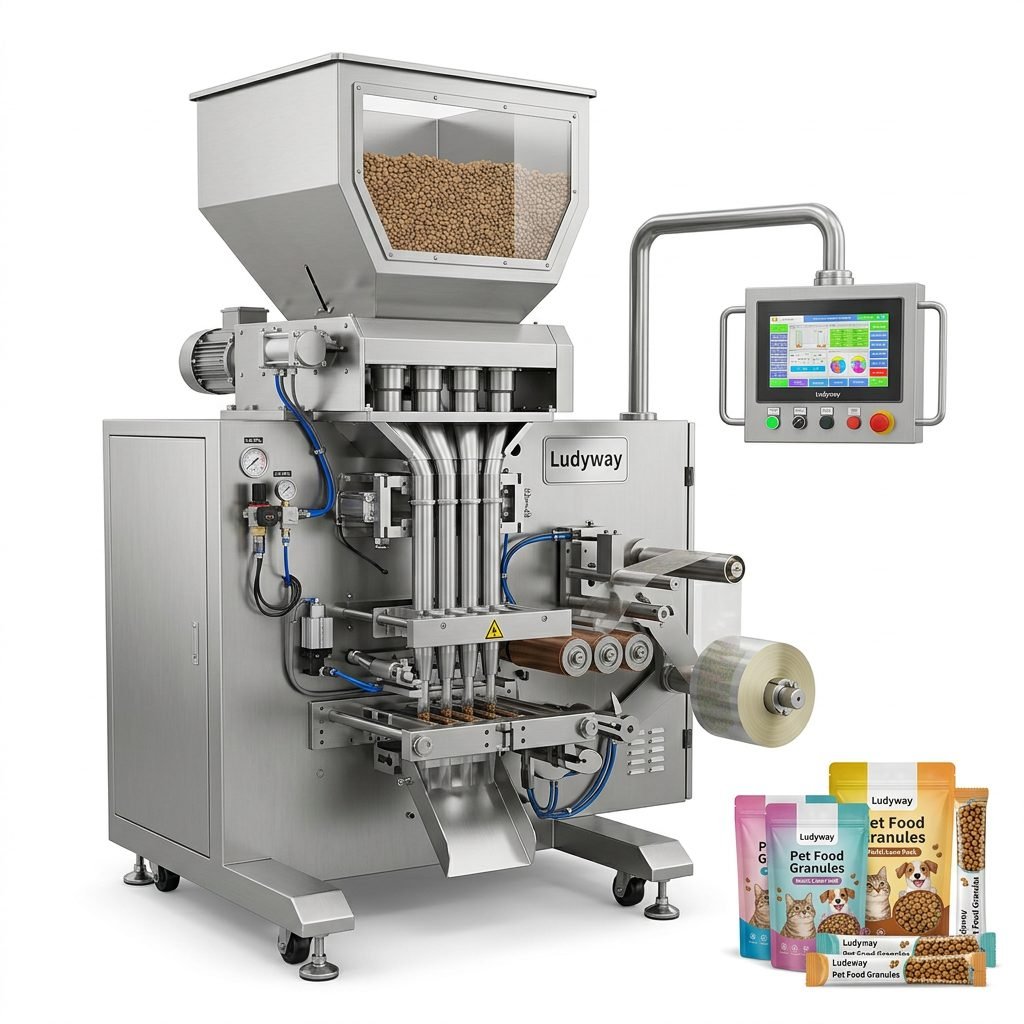
| Multi-Lane Stick Pack / Sachet Machine | 5 g–1 kg | Soil samples, seed-starting mixes, specialty growing media | 600–2000+ packs/hr | High-speed small-format packaging; excellent for sample and trial products |
Automation Levels: Manual, Semi-Automatic, and Fully Automatic
Soil packaging lines range from manually assisted bagging stations to fully automated turnkey packaging systems that integrate bag feeding, filling, weighing, sealing, coding, palletizing, and stretch wrapping. The right automation level depends on your labor costs, production volume, consistency requirements, and long-term scalability goals.
- Semi-automatic machines require an operator to place bags and initiate the fill cycle. These are suitable for lower-volume operations or facilities where labor costs are manageable.
- Fully automatic lines handle bag feeding, opening, filling, sealing, and discharge without operator intervention at each cycle. They deliver higher throughput and better consistency, and they reduce reliance on manual labor.
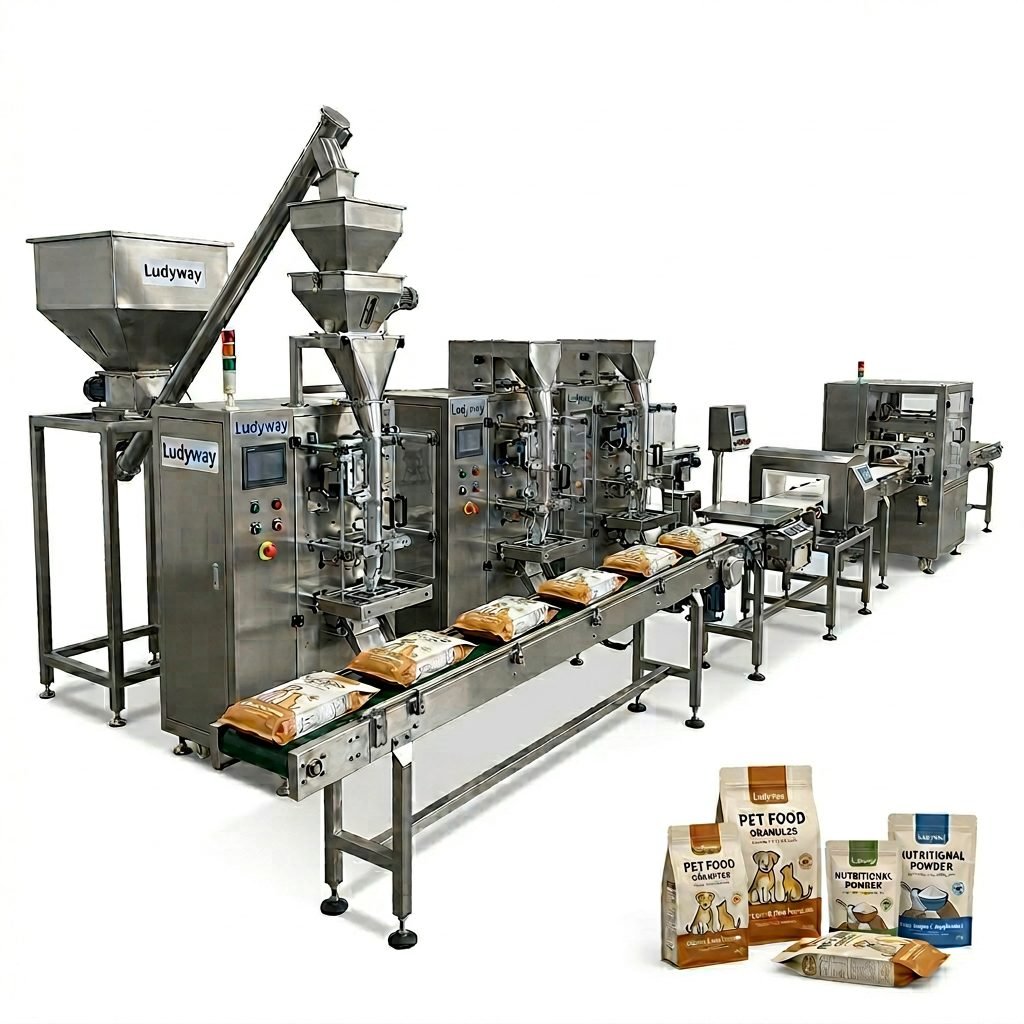
- Turnkey integrated systems connect multiple stages — from material feeding and dosing through to finished pallet — and are ideal for high-volume soil producers looking to scale efficiently.
When evaluating automation, also consider how the machine will integrate with your existing upstream and downstream equipment, including conveyors, checkweighers, metal detectors, and palletizers.
Customization and Integration Capabilities
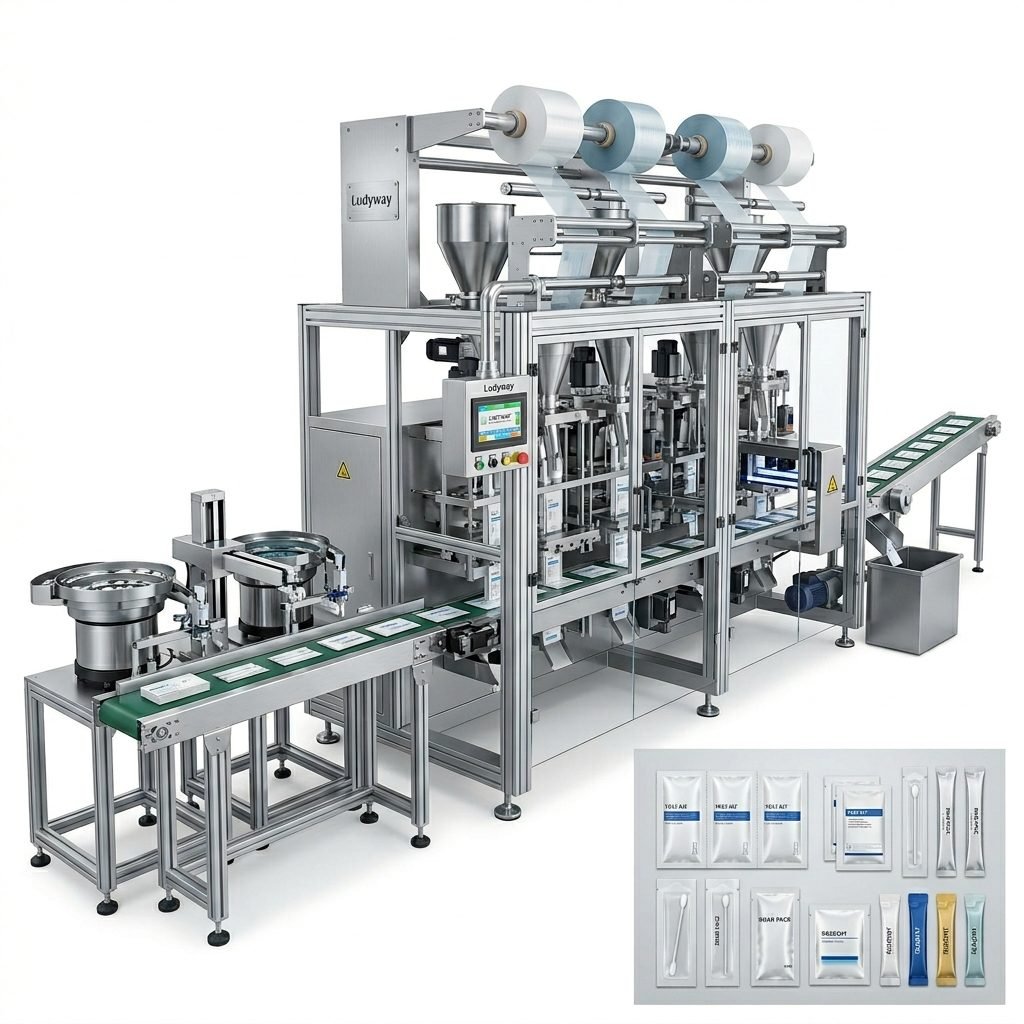
Off-the-shelf machines rarely fit every application perfectly. Soil products differ in density, moisture, particle size distribution, and packaging requirements. A customized packaging solution can address specific challenges such as dust control for fine potting mixes, corrosion-resistant construction for moist compost products, or multi-format capability for operations that package several soil blends in different bag sizes.
Key customization areas include hopper design and capacity, filling and dosing technology, bag handling automation, sealing methods, dust extraction systems, and control system integration. Before placing an order, discuss your specific material and production requirements with the equipment supplier to confirm the machine can be configured accordingly.
Quality Standards and Compliance
Soil packaging equipment should be designed and built to applicable international packaging standards. This includes mechanical safety, electrical standards, and — for food-grade or organic-certified soil products — hygiene and material compatibility requirements. Verify that the machine’s construction materials, lubrication points, and sealing systems are appropriate for your product type and any regulatory obligations in your target markets.
Certifications and compliance documentation should be available from the equipment manufacturer for relevant markets. Working with established industrial automation component suppliers for control systems, pneumatics, and electrical components helps ensure reliability and simplifies spare parts availability over the machine’s service life.
Evaluating After-Sales Support and Service
A soil packing machine is a long-term production asset. Before committing to a purchase, evaluate the supplier’s technical support, spare parts availability, operator training, and after-sales service capabilities. Key questions to ask include:
- Is remote technical assistance available for troubleshooting?
- What is the typical lead time for critical spare parts?
- Does the supplier offer installation, commissioning, and on-site training?
- Is there a local service partner or distributor in your region?
- What warranty coverage is provided, and what does it include?
Machines that are well-supported throughout their lifecycle deliver better uptime and lower total cost of ownership. A supplier with global service experience can be particularly valuable if you operate in multiple locations or export to international markets.
Making the Right Investment: Final Considerations
Choosing the right soil packing machine requires balancing your immediate production needs with long-term growth plans. The best machine for your operation is one that handles your specific material consistently, hits your throughput targets, fits your packaging formats, and delivers reliable performance over years of operation.
Take time to test your material on candidate machines, visit reference installations when possible, and discuss your complete packaging line requirements — not just the filling machine — with potential suppliers. A supplier that offers engineering expertise, customization capabilities, and comprehensive after-sales support adds value beyond the equipment itself.
For soil producers and agricultural manufacturers looking for reliable, customizable packaging machinery, Ludyway Machinery brings over 30 years of packaging industry experience, serving customers in more than 100 countries with automated packaging equipment and turnkey solutions designed for a wide range of products and production requirements.
Investing in the right equipment today positions your soil packaging operation for efficiency, scalability, and profitability in the years ahead.