Navigating the market for used packaging machinery can be a strategic and cost-effective decision for businesses looking to expand or upgrade their production capabilities. This comprehensive guide explores the various types of equipment available, current pricing trends, and provides a detailed framework for selecting the best machinery to meet your specific operational and budgetary needs.
Understanding the Landscape of Used Packaging Equipment
The secondary market for packaging machinery is vast, encompassing everything from simple fillers and sealers to complex, fully-integrated production lines. Purchasing pre-owned equipment offers a significant reduction in capital expenditure, often providing access to higher-end or more robust machinery than what might be affordable when buying new. However, it requires careful evaluation to ensure reliability and performance.
Key Insight: A well-maintained used machine from a reputable manufacturer often outperforms a new, lower-quality alternative. The focus should be on the machine’s service history, maintenance records, and compatibility with your existing or planned production processes.
Primary Types of Used Packaging Machinery
The equipment can be broadly categorized by its form-fill-seal technology and the type of product it handles. Understanding these categories is the first step in narrowing your search.
1. Vertical Form-Fill-Seal (VFFS) Machines
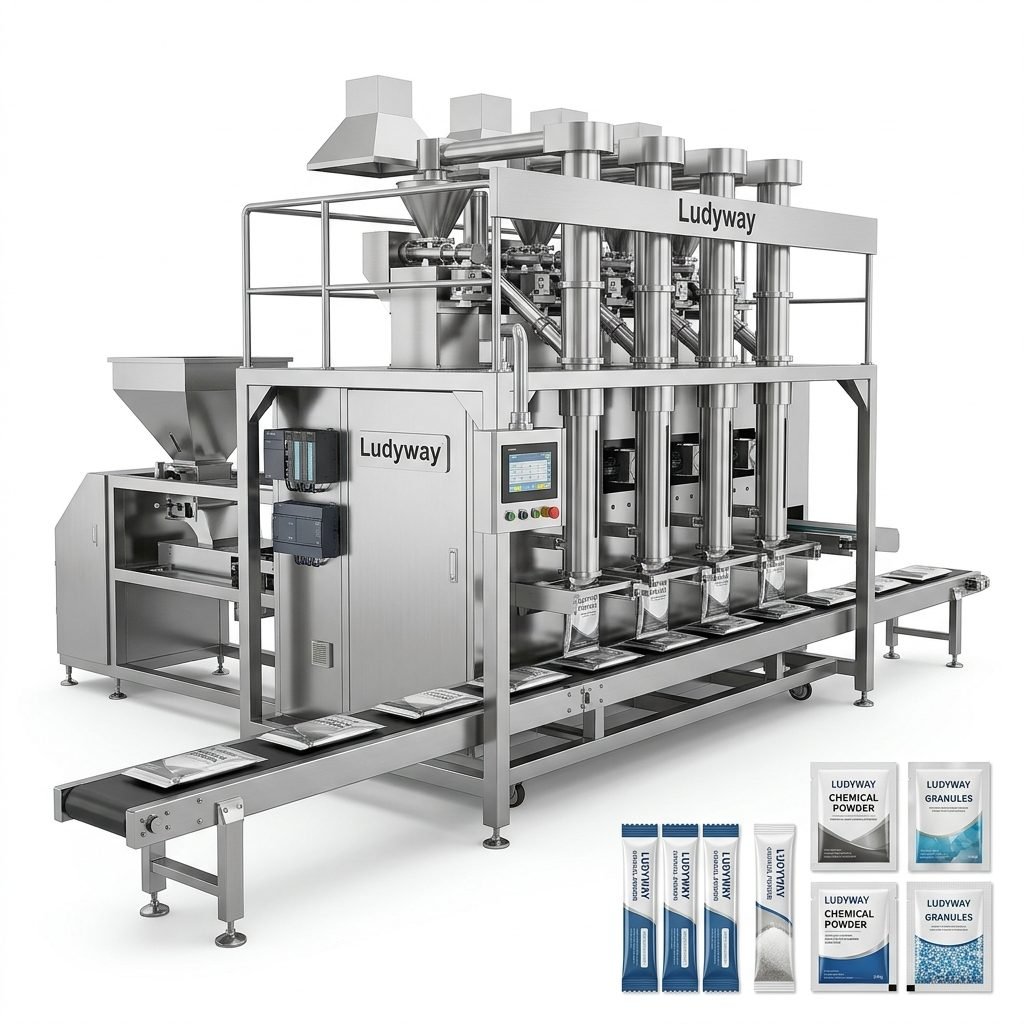
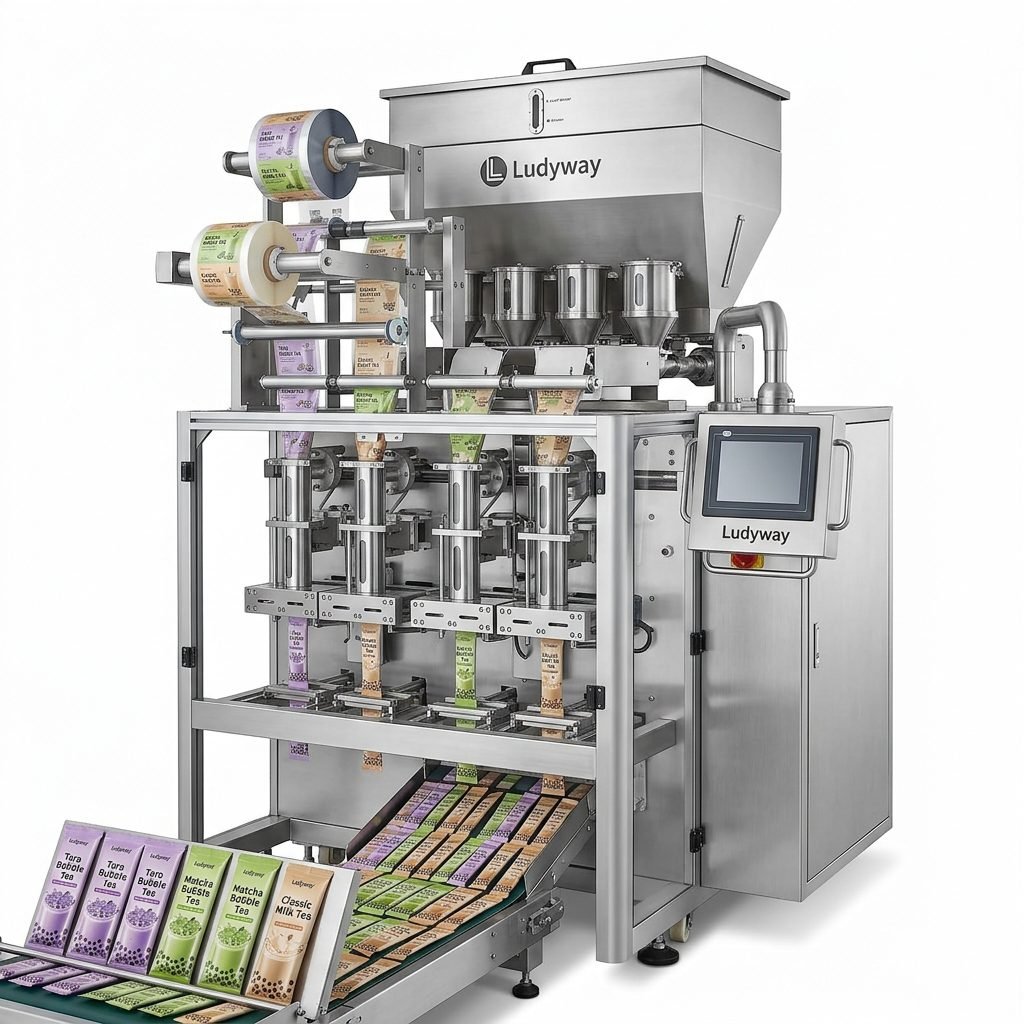
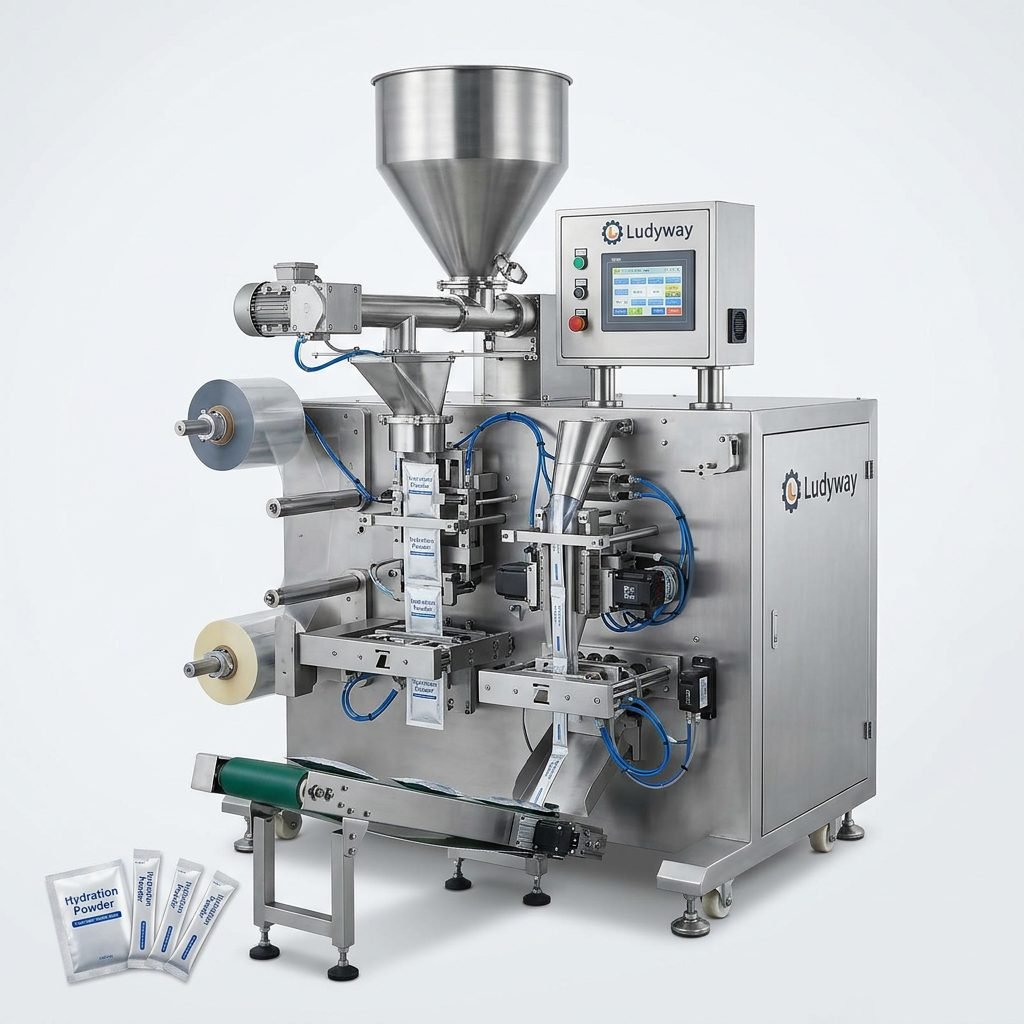
These are among the most common packaging machines found on the used market. They form bags from a roll of film, fill them with product, and seal them. They are highly versatile and used for granules, powders, snacks, and liquids.
- ✓ Best For: High-speed packaging of free-flowing products.
- ✓ Consider: The condition of the forming tube, auger fillers (for powders), and the jaw sealers.
2. Horizontal Form-Fill-Seal (HFFS) Machines
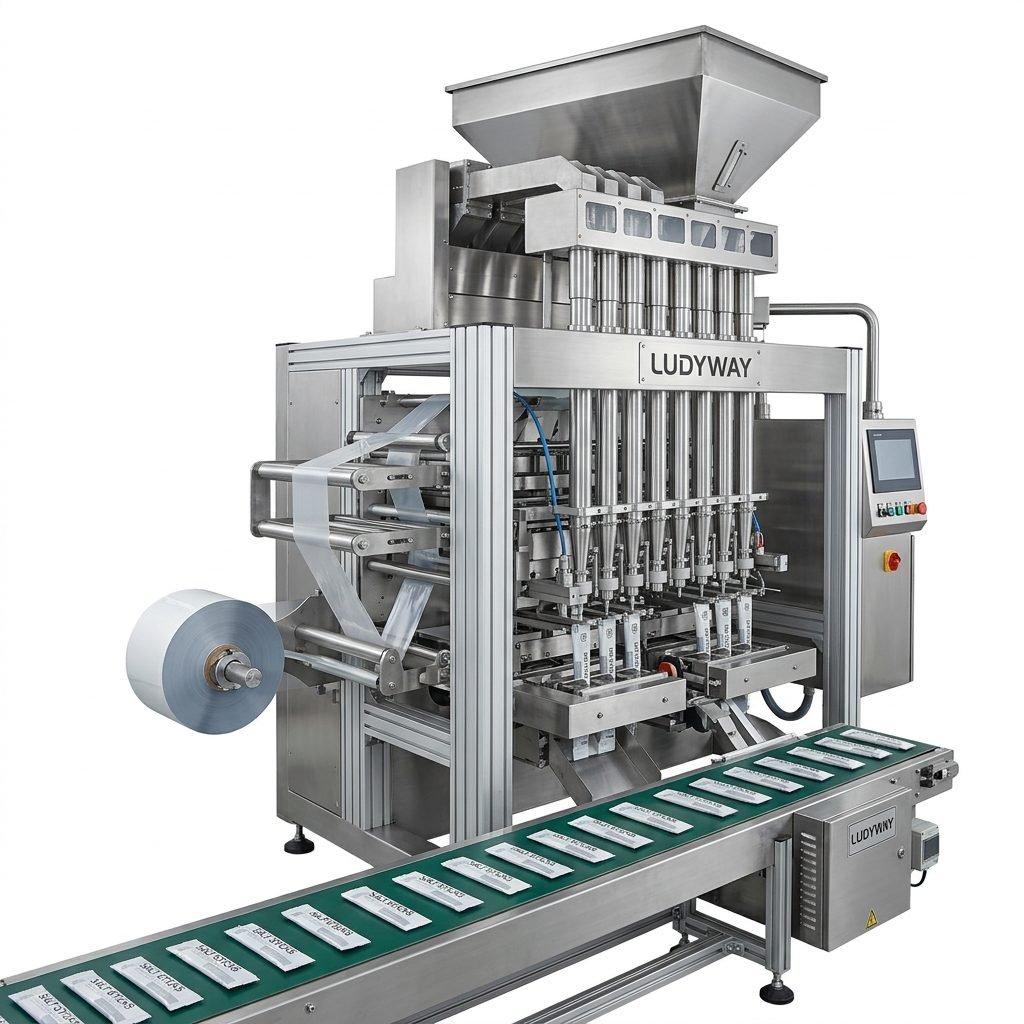
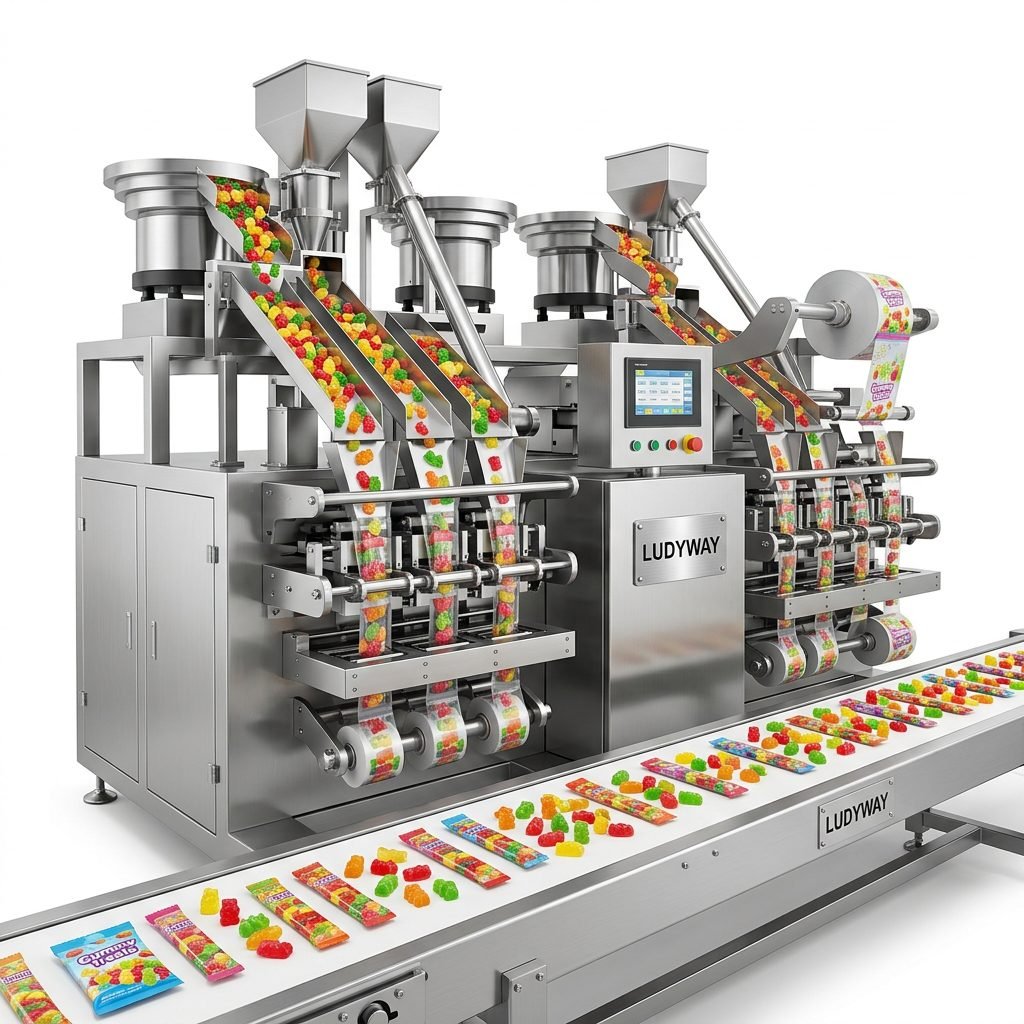
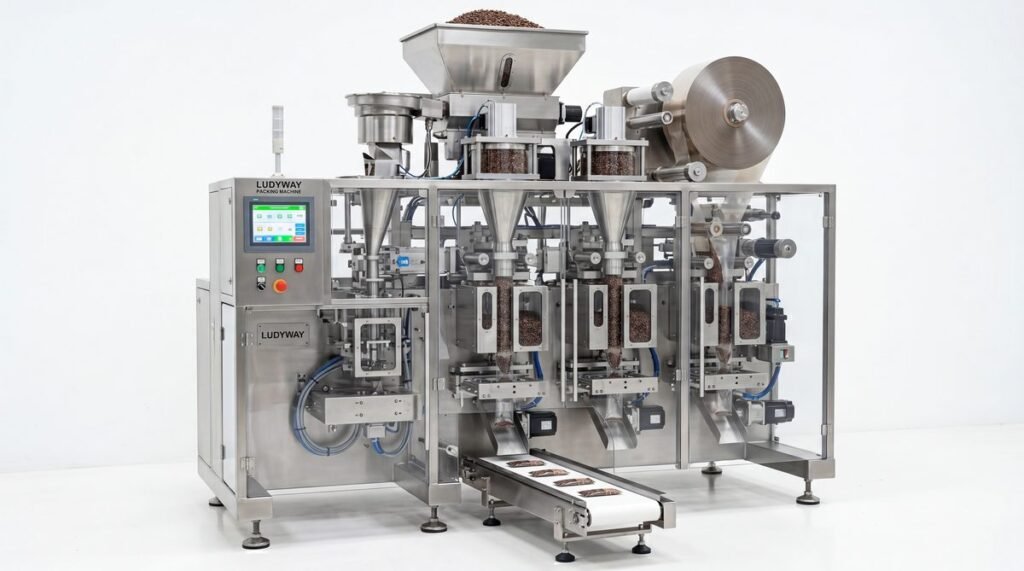
Ideal for creating pillow packs, sachets, and stick packs. The film moves horizontally, and products are placed into pre-formed pockets before sealing. Often used for biscuits, candy bars, medical supplies, and single-serve condiments.
- ✓ Best For: Product presentation and multi-lane, high-count packaging.
- ✓ Consider: The complexity of the feeding system and the state of the cutting mechanisms.
3. Liquid & Paste Filling Machines
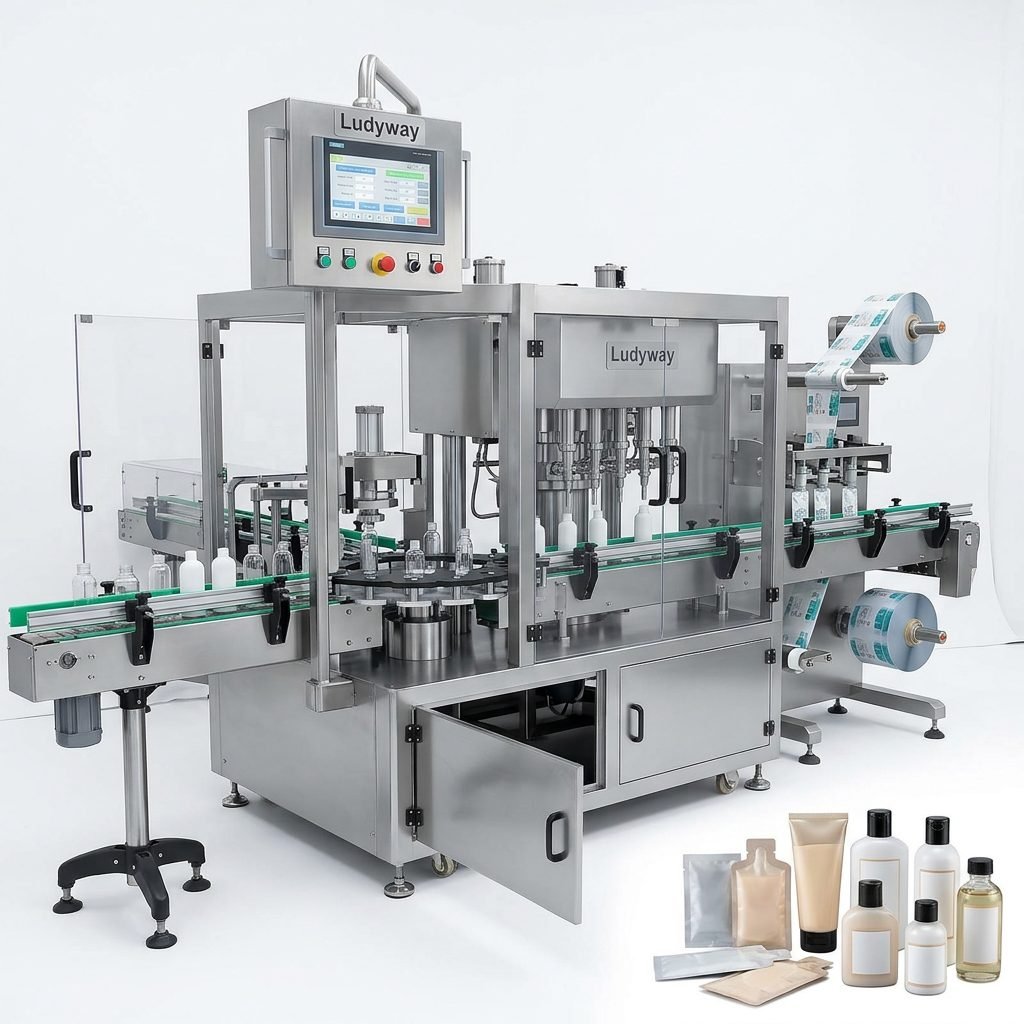
This category includes piston fillers, gravity fillers, and vacuum fillers for bottles, jars, or pouches. Used equipment is prevalent in industries like food sauces, cosmetics, and chemicals.
- ✓ Best For: Accurate volumetric filling of viscous or liquid products.
- ✓ Consider: Material contact parts (stainless steel grade), seal integrity, and pump/valve wear.
4. Capping, Labeling, and Cartoning Machines
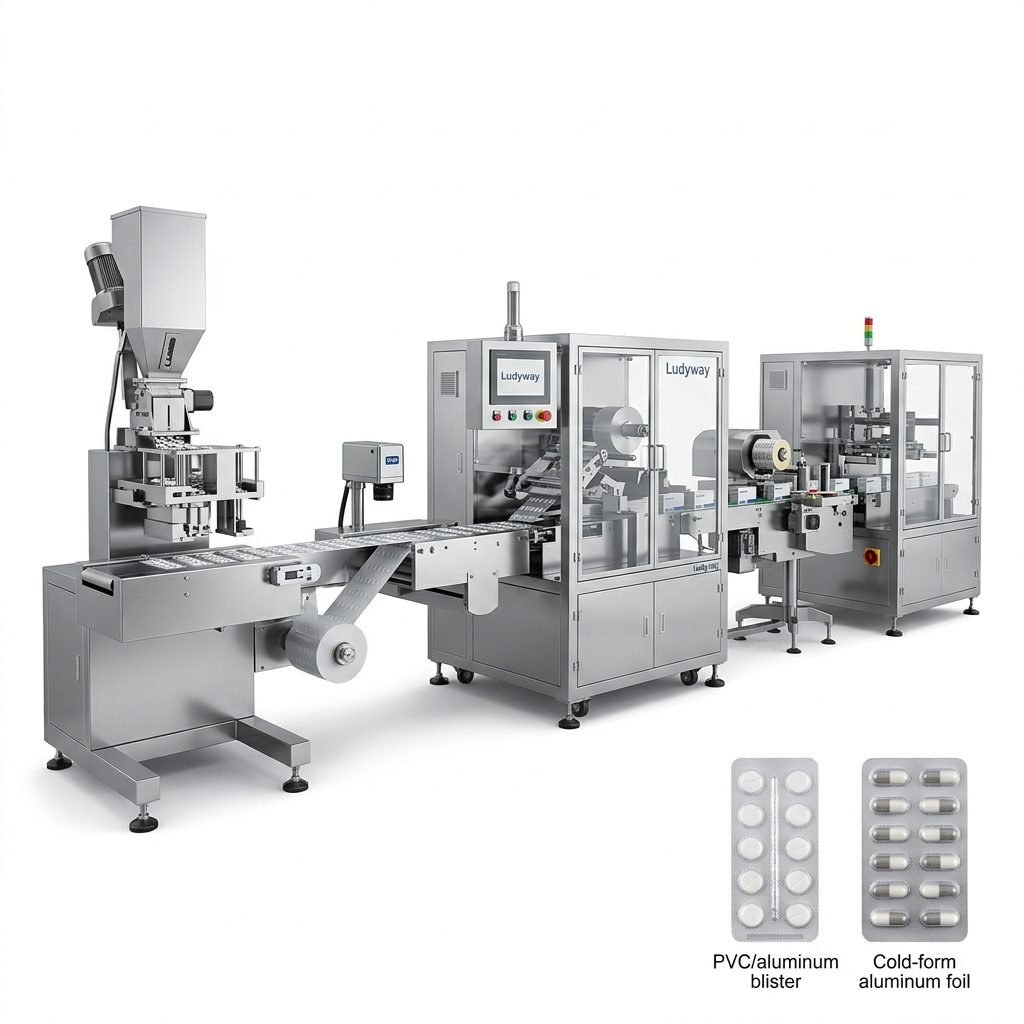
These are secondary packaging machines. The used market offers screw cappers, induction sealers, pressure-sensitive labelers, and automatic cartoners that integrate with primary lines.
- ✓ Best For: Automating the final stages of packaging.
- ✓ Consider: Adjustability for different container/label sizes and mechanical wear on moving parts.
Analyzing Price Factors for Used Machinery
Prices for used packaging equipment are not standardized and fluctuate based on several interconnected factors. A clear understanding of these will help you assess whether a quoted price represents good value.
Critical Price Determinants:
Age & Hours of Operation: Similar to a vehicle, total operational hours and manufacturing year are primary indicators. A 10-year-old machine with light use may be a better buy than a 5-year-old machine that ran 24/7.
Brand & Model Reputation: Equipment from top-tier manufacturers known for durability and support (e.g., Bosch, SIG, IMA, Triangle) commands higher resale prices due to longer life expectancy and parts availability.
Technical Condition & Modernity: Machines with updated PLC controls, servo motors, and in excellent mechanical condition are priced higher. The presence of comprehensive documentation (manuals, wiring diagrams) adds value.
Market Demand: Equipment for high-demand sectors (e.g., pharmaceutical blister packing, snack food VFFS) will have stronger pricing than niche machinery.
Inclusion of Auxiliaries: Does the price include essential peripherals like checkweighers, metal detectors, feed systems, or spare parts kits? This significantly impacts the total project cost.
A Step-by-Step Guide to Choosing the Best Equipment
Making the right choice requires a methodical approach beyond just price and specification sheets. Follow this framework to mitigate risk.
Step 1: Pre-Purchase Internal Audit
Clearly define your product specifications, required output speed, packaging materials, and available factory space (footprint, utilities). This creates an unbiased checklist to evaluate machines against.
Step 2: Source from Reputable Channels
Seek out established dealers, original equipment manufacturers (OEMs) with refurbishment programs, or reputable auction houses. Companies like Ludyway Machinery, with deep industry experience, often provide vetted used or refurbished solutions with greater assurance than anonymous online listings. Explore their company history and expertise to gauge reliability.
Step 3: Conduct Rigorous Due Diligence
- Visual Inspection: Look for signs of wear, corrosion, or makeshift repairs.
- Operational Test Run: Always insist on seeing the machine run with a material similar to yours. Listen for unusual noises and observe cycle consistency.
- Review Documentation: Scrutinize maintenance logs, electrical schematics, and parts manuals. Their absence is a major red flag.
- Control System Check: Ensure the PLC/HMI is functional, the software is accessible, and any passwords are provided.
Step 4: Evaluate Total Cost of Ownership (TCO)
The purchase price is just the beginning. Factor in costs for:
• Dismantling, Shipping, and Re-installation
• Replacement of Wear Parts (belts, seals, sensors)
• Potential Re-certification (e.g., for USDA, CE standards)
• Training for Operators and Technicians
Step 5: Secure Support & Service Agreements
Before finalizing the purchase, clarify the availability of technical support, spare parts, and potential service contracts. A reliable partner who understands packaging solutions for various industries is invaluable. Ensure you have a clear point of contact for post-purchase assistance.
Final Recommendation
Prioritize condition and support over age. A fully refurbished and tested machine from a trusted supplier with a 6-12 month warranty often presents a lower long-term risk than a “bargain” machine sold “as-is” with no support. Building a relationship with a knowledgeable supplier is an investment in your production line’s future uptime and efficiency.
Frequently Asked Questions (FAQs)
Q1: What is the biggest risk when buying used packaging machinery?
The greatest risk is hidden mechanical or control system damage that leads to extensive downtime and unexpected repair costs shortly after installation. This is mitigated by thorough testing, inspection, and purchasing from reputable sources that offer warranties.
Q2: How much can I expect to save compared to buying new equipment?
Savings typically range from 30% to 70% of the cost of a new equivalent machine. The exact figure depends on age, condition, and brand. A fully OEM-remanufactured machine might save 30-40%, while a well-maintained older model from a dealer might save 50-60%.
Q3: Is it difficult to find spare parts for older used machines?
It can be a challenge for obscure or discontinued models. This is why choosing equipment from major brands with active parts networks is crucial. Before purchasing, research the availability of critical spare parts like seals, gears, and proprietary electronic components.
Q4: Should I buy a machine that needs some reconditioning to save more money?
This is only advisable if you have in-house engineering expertise and time for the project. For most businesses, the “savings” are quickly consumed by labor, parts, and production delays. A “plug-and-play” machine from a reliable vendor is usually more cost-effective overall.
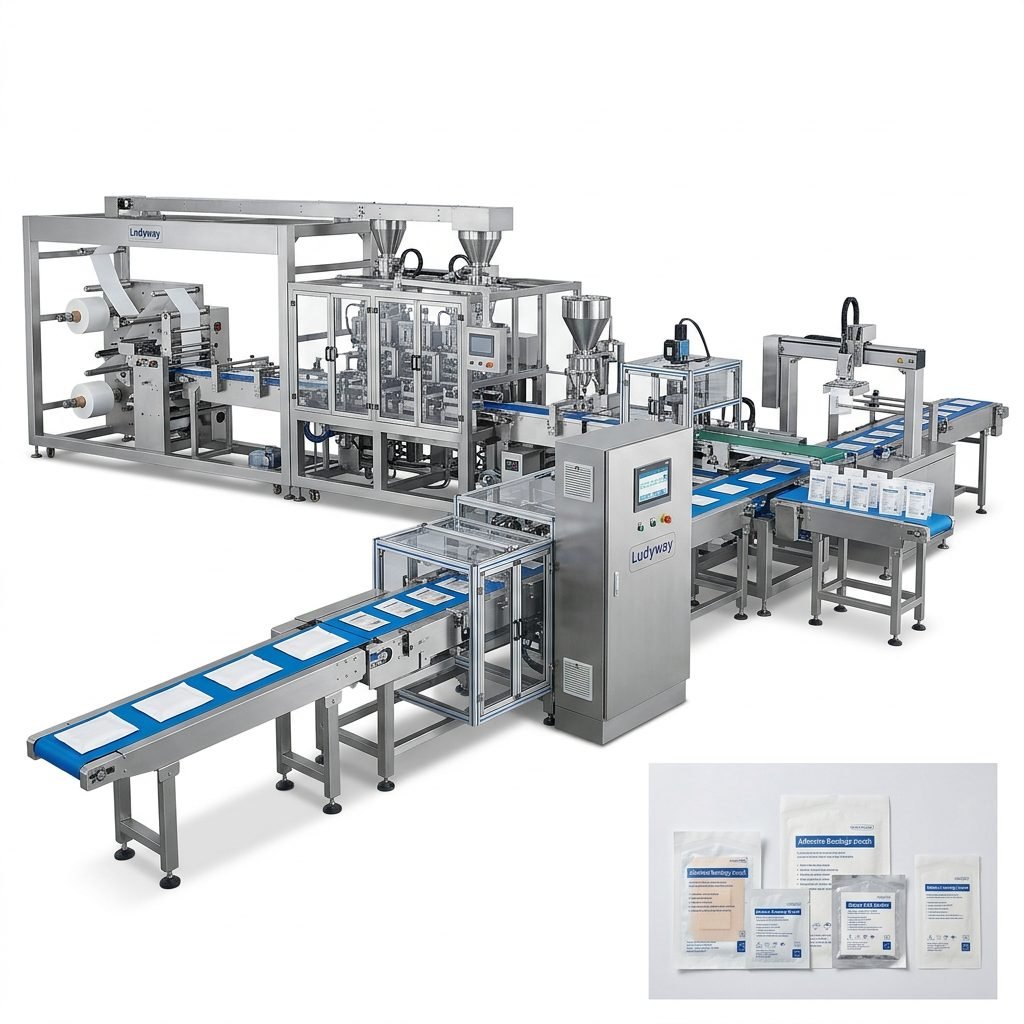
Q5: Can used machinery be integrated into a modern automated production line?
Yes, absolutely. Many used primary packagers (like VFFS machines) can be successfully integrated with new robots, conveyors, and vision inspection systems. The key is ensuring the machine’s control system (often updated during refurbishment) can communicate via standard protocols (e.g., Ethernet/IP, Profinet) with your line controller.