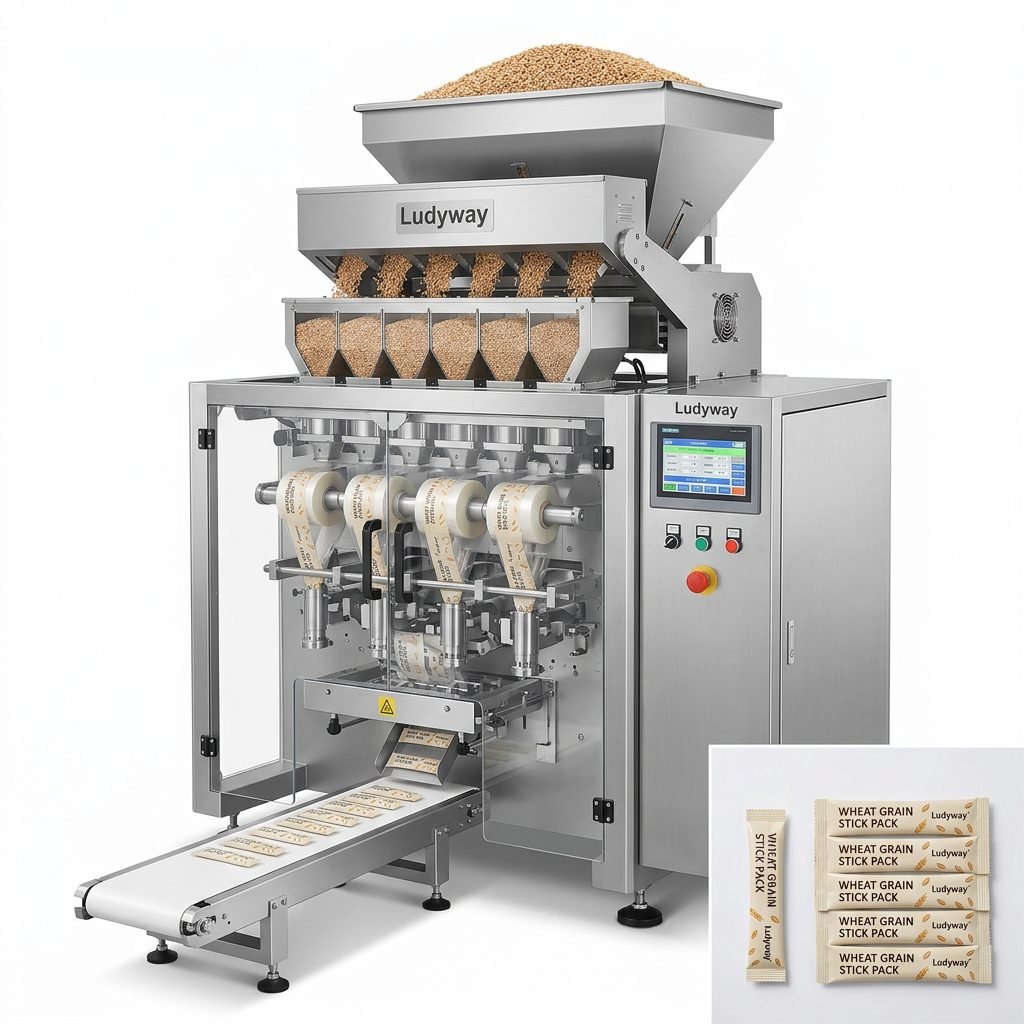
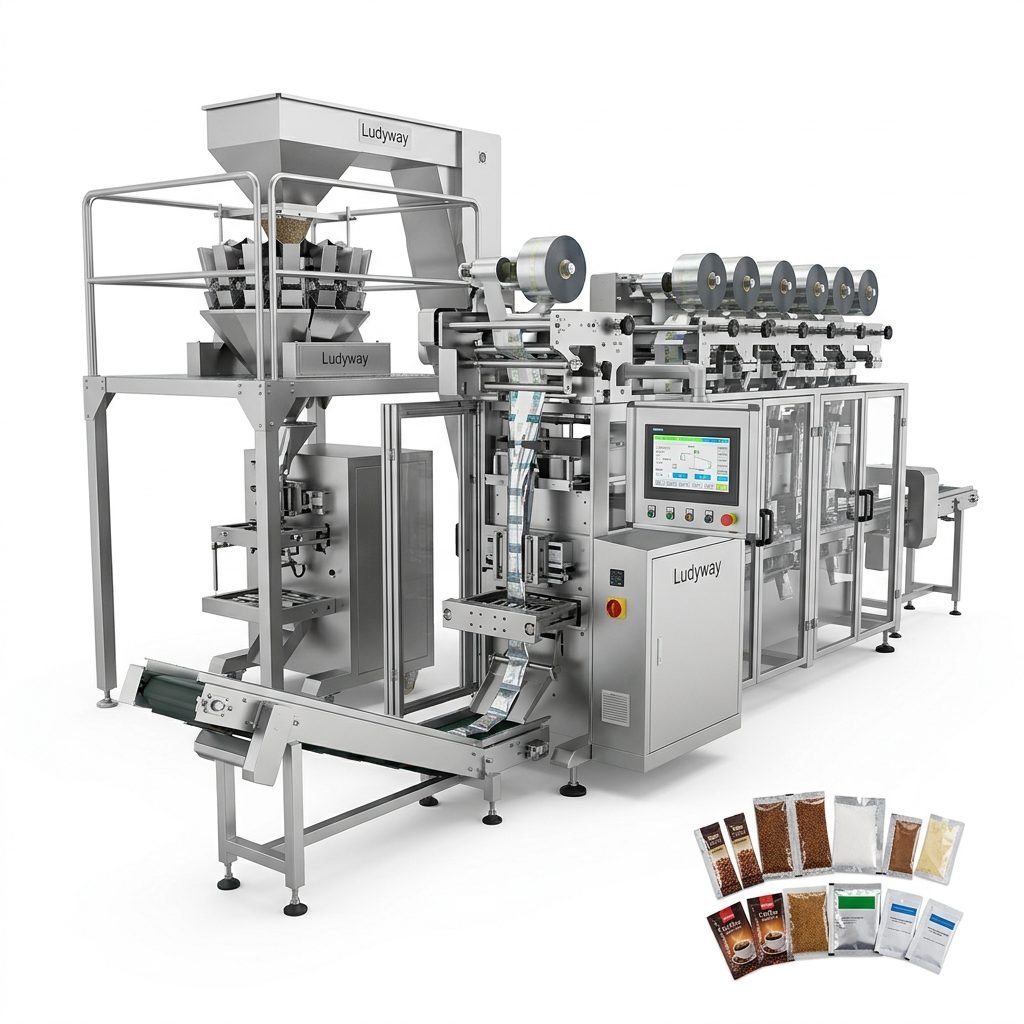
Coffee producers and private-label brands need packaging that protects aroma, supports shelf life, improves efficiency, and creates a strong retail presentation. A coffee bean packaging machine is the equipment used to weigh, fill, seal, and finish packages for whole coffee beans in different bag formats. Depending on production goals, the system may also include degassing valve application, nitrogen flushing, labeling, coding, inspection, and case packing.
From small specialty roasters to high-output industrial coffee plants, the right packing solution helps maintain bean freshness while reducing labor costs and packaging errors. Below is a complete guide to how these machines work, what types are available, and how to choose the best solution for your coffee business.
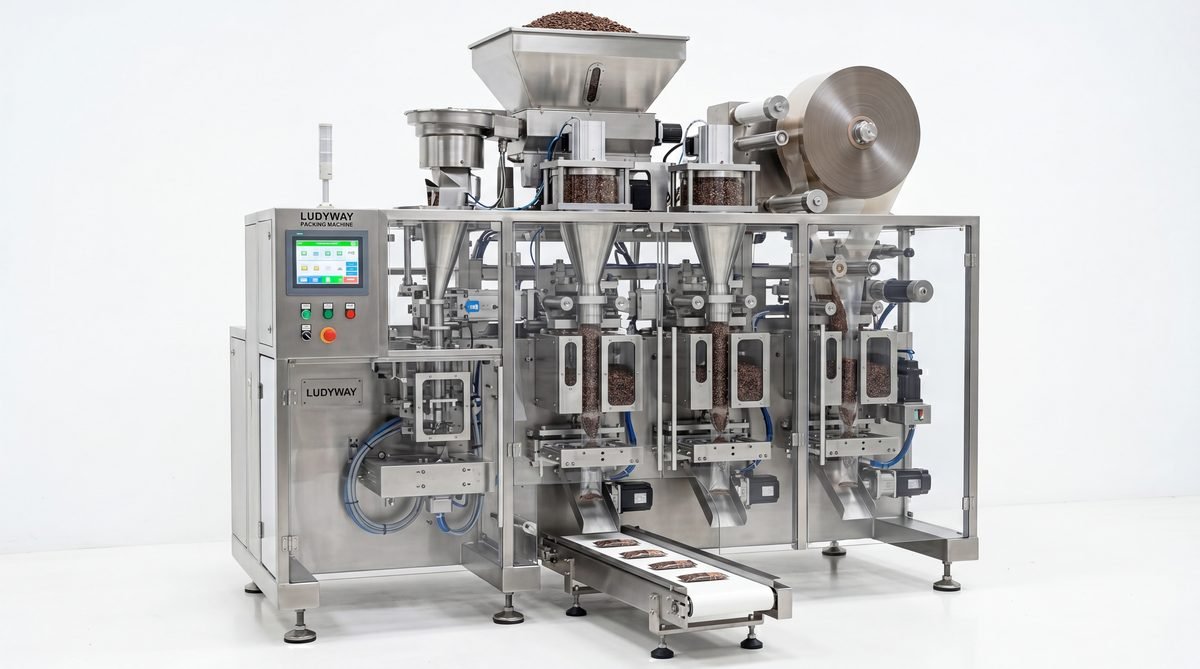
What does a coffee bean packaging machine do?
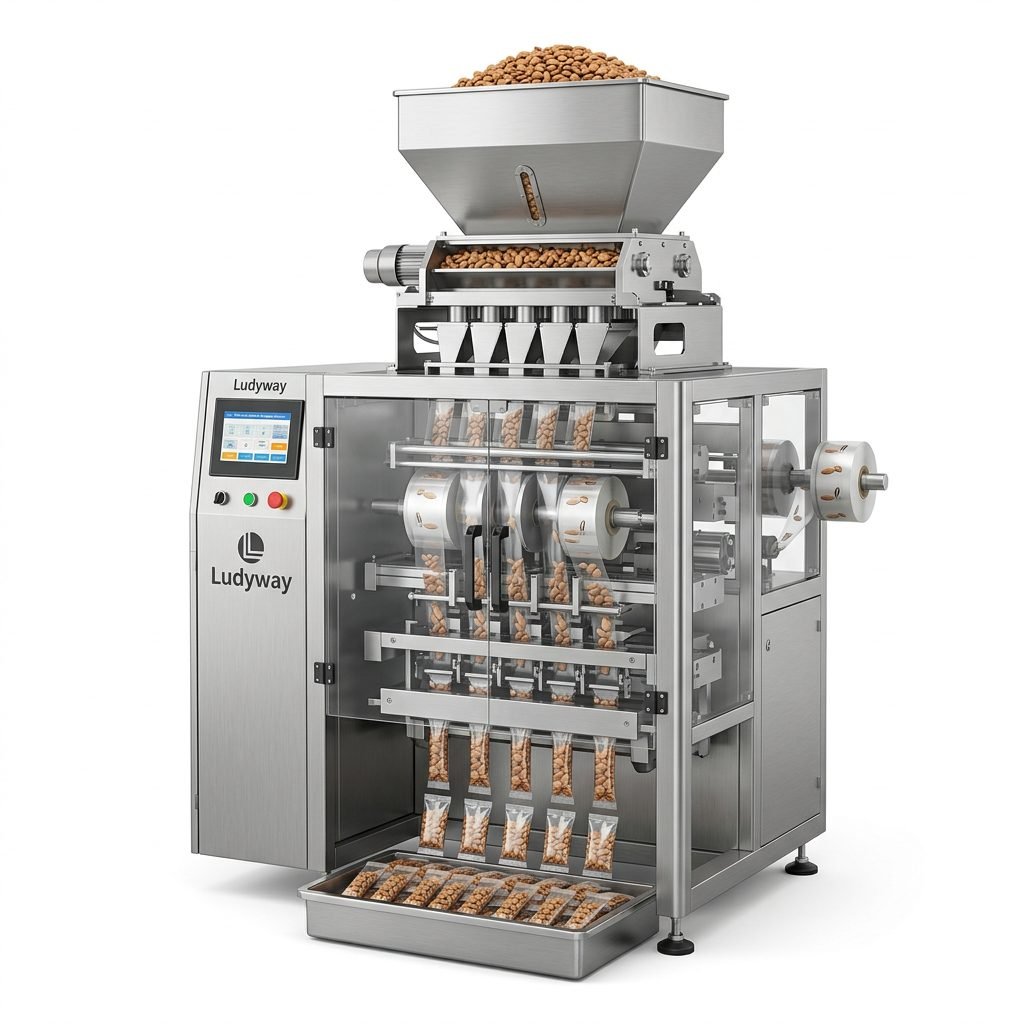
A coffee bean packaging machine automates the final stage of coffee production by placing a measured amount of beans into bags or pouches and sealing them securely. For higher-end coffee applications, the machine may also remove oxygen or inject nitrogen to preserve freshness.
- Accurate weighing of whole coffee beans
- Automatic bag forming or pouch feeding
- Filling and sealing in one continuous process
- Optional one-way degassing valve integration
- Date coding, labeling, and quality inspection
- Support for pillow bags, gusset bags, stand-up pouches, and side-seal bags
In simple terms, this machine helps coffee brands package beans faster, cleaner, and more consistently than manual methods.
Why coffee bean packaging matters
Freshly roasted coffee beans release carbon dioxide while remaining highly sensitive to oxygen, moisture, light, and contamination. Poor packaging can quickly reduce aroma and flavor quality. That is why packaging equipment is not only about speed; it is also about product protection.
- Freshness preservation: Proper sealing and gas control help maintain flavor.
- Brand presentation: Consistent bag shape and print registration improve shelf appeal.
- Operational efficiency: Automation lowers labor intensity and packaging waste.
- Scalability: Businesses can move from manual filling to semi-automatic and fully automatic lines.
- Compliance: Accurate coding, labeling, and inspection support retail and export requirements.
Main types of coffee bean packaging machines
The best machine depends on your bean format, target bag style, speed requirements, and production volume. The most common machine categories include the following:
1. Vertical form fill seal machines
These systems form bags from roll film, fill the beans, and seal the package automatically. They are widely used for flexible, cost-effective production and are suitable for many standard bag shapes.
2. Premade pouch packaging machines
These machines take ready-made pouches and fill them with coffee beans. They are ideal for premium packaging formats such as stand-up pouches, zipper pouches, and shaped bags.
3. Open-mouth or larger bagging systems
Used for bulk coffee bean packing, these systems are common in industrial processing, wholesale supply, and transport packaging.
4. Semi-automatic weighing and filling systems
Suitable for smaller roasters or startups, these systems combine manual bag handling with automatic weighing or dosing.
| Machine Type | Best For | Typical Benefits |
|---|---|---|
| Vertical form fill seal | Standard bean bags, medium to high speed | Efficient, flexible, cost-effective |
| Premade pouch machine | Premium retail pouches | Better appearance, multiple pouch styles |
| Bulk bagging system | Wholesale and transport bags | Higher capacity for large-volume packing |
| Semi-automatic filler | Small roasters and pilot production | Lower investment, simple operation |
Key components of a coffee packing solution
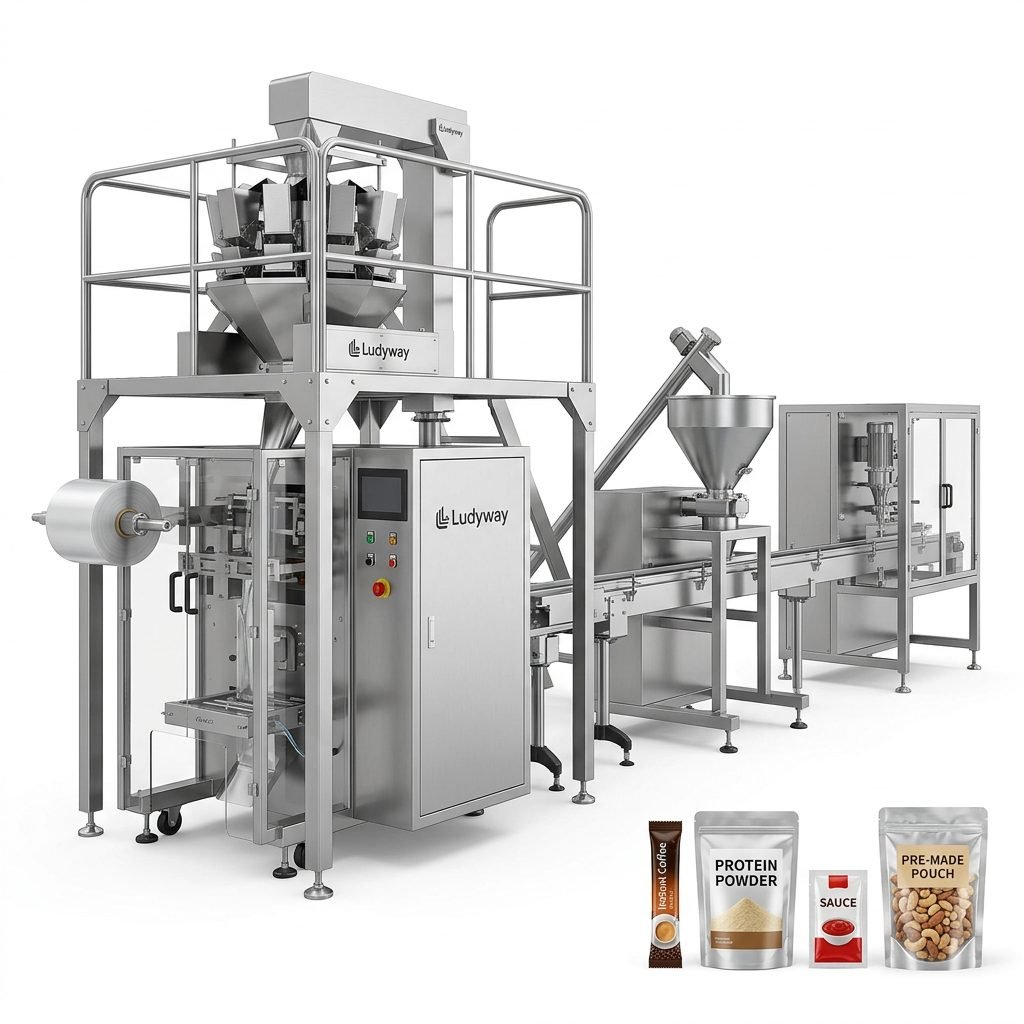
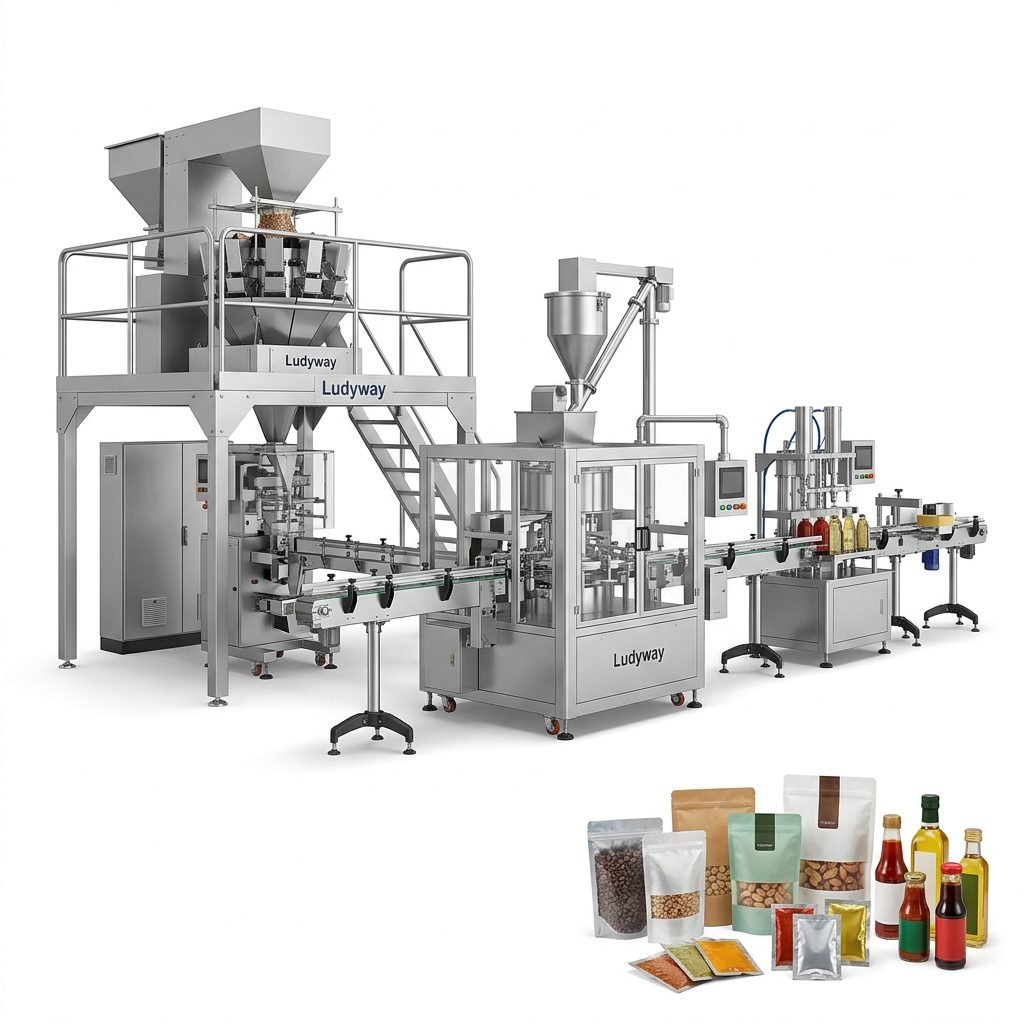
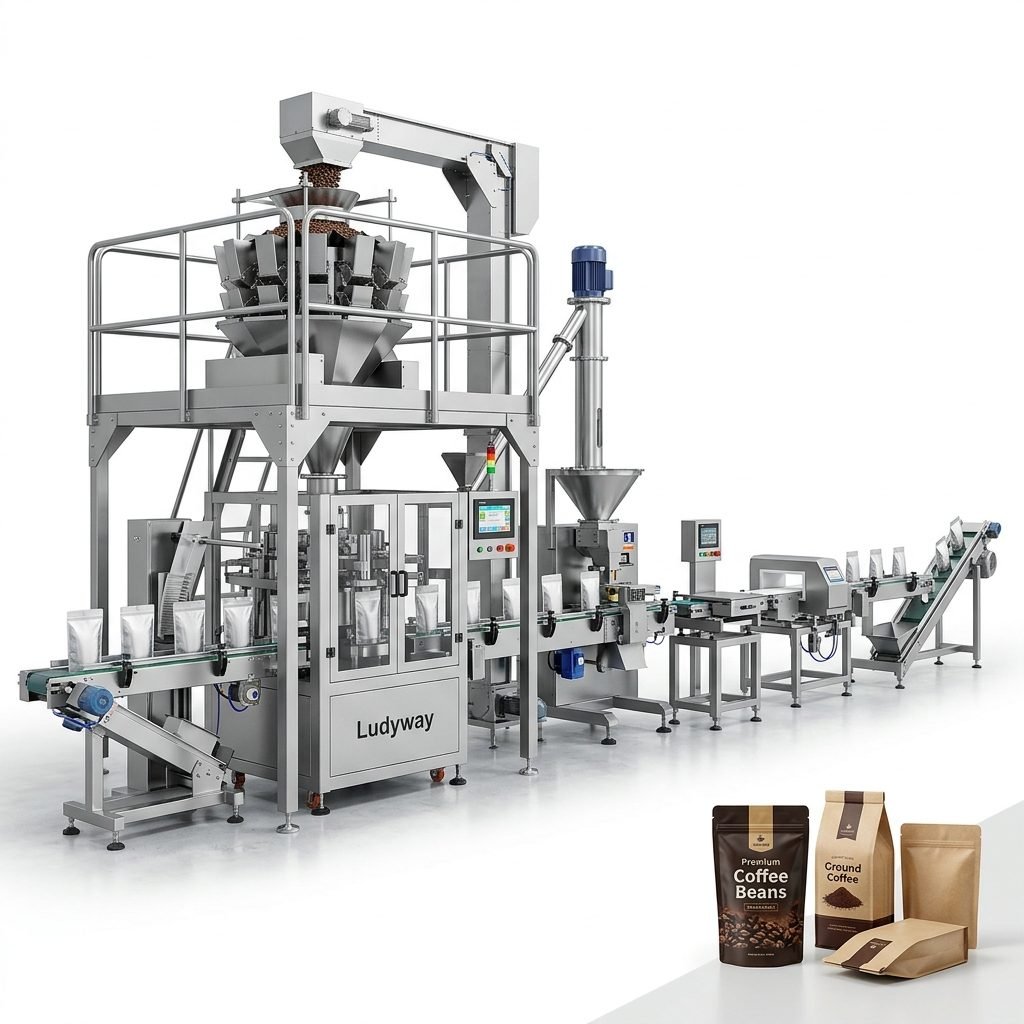
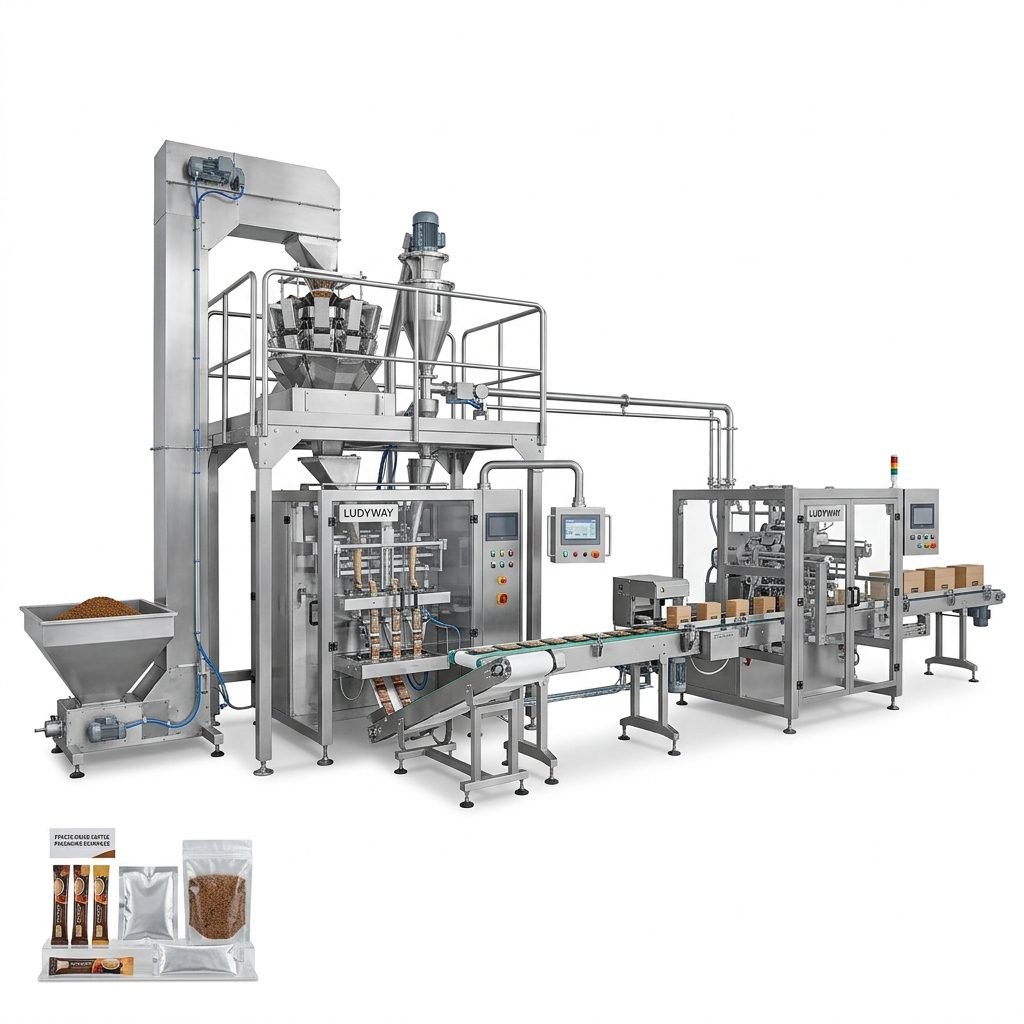
A complete coffee packing setup is often more than one machine. It may include upstream feeding, weighing, sealing, coding, and end-of-line equipment.
Typical system components
- Bean feeding conveyor or bucket elevator
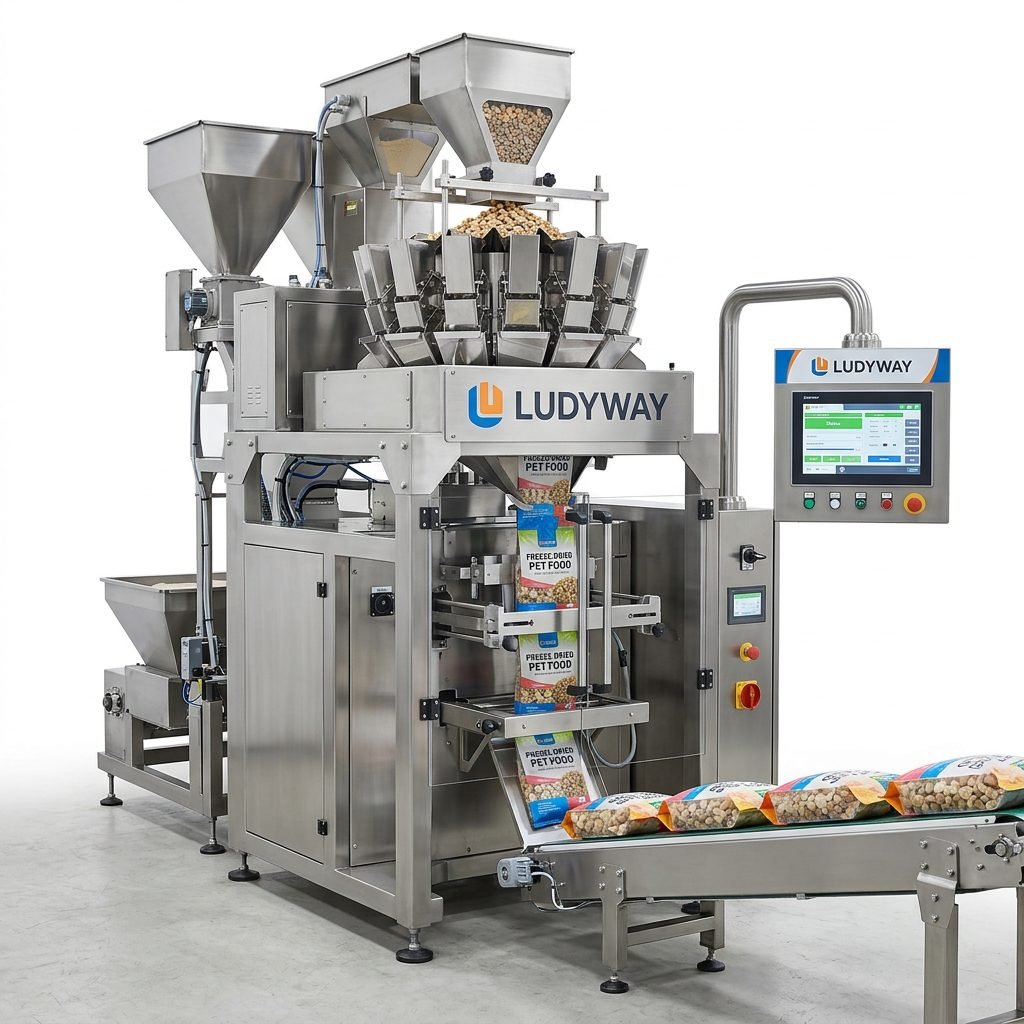
- Multihead weigher or linear weigher
- Bagging or pouch filling machine
- Nitrogen flushing unit
- Degassing valve applicator
- Heat sealing station
- Date coder or batch printer
- Checkweigher and metal detector
- Labeling, cartoning, and case packing equipment
When these machines are integrated correctly, the result is a more stable and efficient coffee packaging line with less downtime and better product consistency.
Common packaging formats for coffee beans
Coffee beans can be packed in several retail and bulk formats. Each one influences machine selection, sealing method, and line layout.
| Package Format | Application | Notes |
|---|---|---|
| Pillow bag | Economical retail packaging | Often used with VFFS machines |
| Side gusset bag | Traditional coffee presentation | Popular for premium whole beans |
| Quad seal bag | Structured shelf appearance | Strong retail impact |
| Stand-up pouch | Premium and specialty brands | Can include zipper and valve |
| Bulk bag | Wholesale, foodservice, export | Focus on speed and weight accuracy |
How a coffee bean packaging machine works
Although machine design varies, the packaging process usually follows these steps:
- Roasted beans are transferred to a hopper or feeding system.
- A weighing device measures the required fill weight.
- The machine forms a bag from film or opens a premade pouch.
- Beans are discharged into the package.
- Nitrogen flushing may be added to reduce oxygen exposure.
- A one-way degassing valve may be inserted if required.
- The package is heat-sealed.
- The bag is coded, inspected, and discharged for secondary packing.
For roasted whole beans, gentle handling is especially important to reduce breakage and preserve visual quality.
Important features to look for
When comparing machines, buyers should consider both technical performance and long-term operating value.
Must-have features
- Stable weighing accuracy for different bean sizes
- Reliable sealing performance for laminated coffee films
- Compatibility with degassing valves
- Nitrogen flushing capability
- Quick changeover between bag sizes
- Easy cleaning and maintenance access
- User-friendly HMI and recipe storage
- Integration with inspection and end-of-line systems
How to choose the right machine for your coffee business
Choosing the right coffee bean packaging machine starts with understanding your product and your growth plan. A machine that fits current output but cannot scale may become a bottleneck later.
Ask these questions before buying
- What is your target output per hour or per day?
- Are you packing whole beans, ground coffee, or both?
- Which bag styles do you need now and in the future?
- Do you require nitrogen flushing or valve insertion?
- Will the machine run one size or multiple SKUs?
- How much floor space is available?
- Do you need a standalone machine or a complete automated line?
- What level of after-sales service and spare parts support is available?
Coffee bean packaging machine vs. coffee powder packaging machine
Many buyers search for both coffee bean and coffee powder solutions at the same time, but the filling technology is different. Whole beans are generally handled by weighing systems, while coffee powder usually requires auger filling or other powder dosing methods.
| Category | Coffee Beans | Coffee Powder |
|---|---|---|
| Filling method | Weighing | Auger or powder dosing |
| Product behavior | Free-flowing granules | Dusty, compressible powder |
| Key concern | Bean breakage and freshness | Dust control and dose consistency |
Benefits of automated coffee packing solutions
Modern coffee packing equipment brings much more than labor reduction. It can improve the total packaging operation from upstream feeding to final carton loading.
- Higher throughput: meet growing retail and export demand
- Better consistency: uniform bag appearance and accurate weight
- Reduced waste: fewer sealing failures and less giveaway
- Improved hygiene: less manual handling
- Flexible production: easier SKU and format changes
- Professional branding: improved presentation for store shelves and online sales
Who needs a coffee bean packaging machine?
This type of equipment is suitable for a wide range of businesses:
- Specialty coffee roasters
- Private-label coffee brands
- Industrial coffee processors
- Export-oriented coffee suppliers
- Coffee co-packers and contract manufacturers
- Foodservice and wholesale distributors
Why turnkey packaging lines are becoming more popular
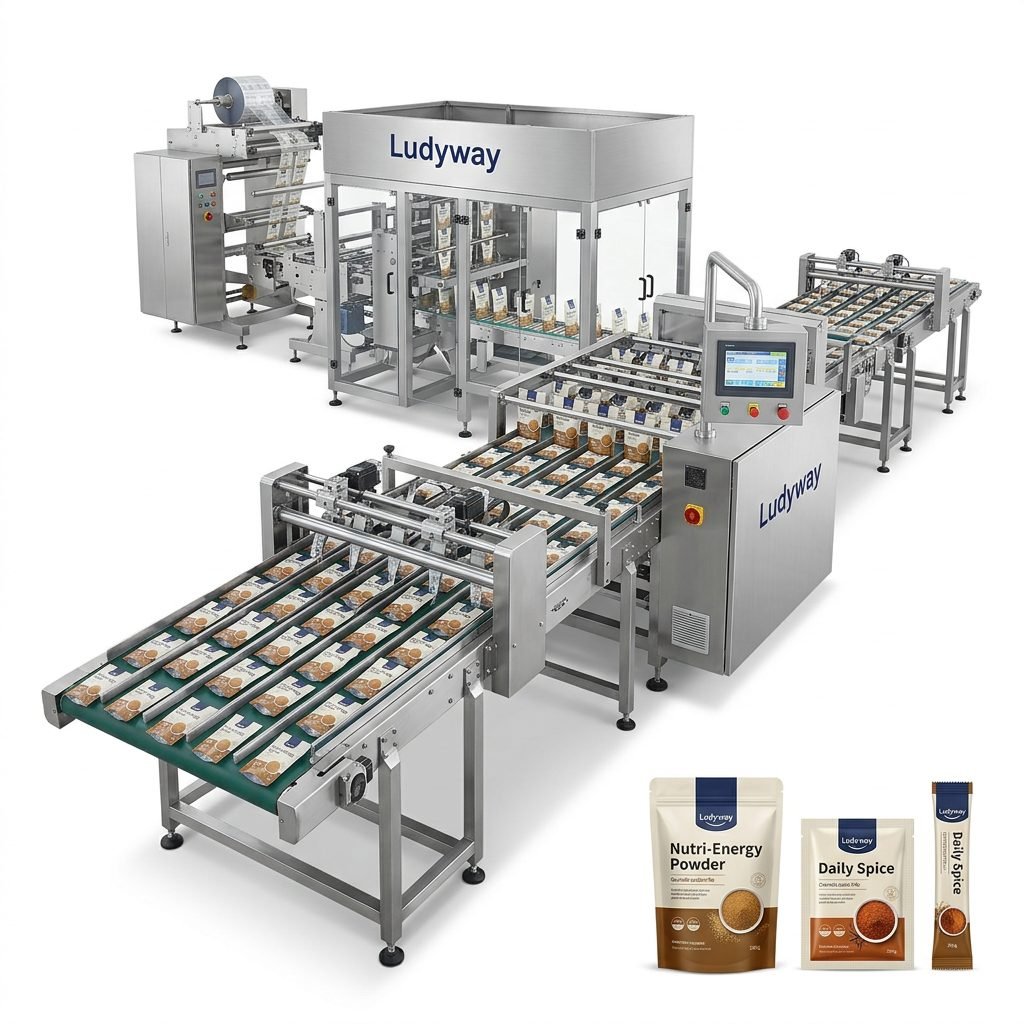
As production grows, many businesses move beyond a single machine and invest in a turnkey line. This approach improves synchronization between weighing, filling, sealing, inspection, and final packing. It also reduces compatibility issues across different pieces of equipment.
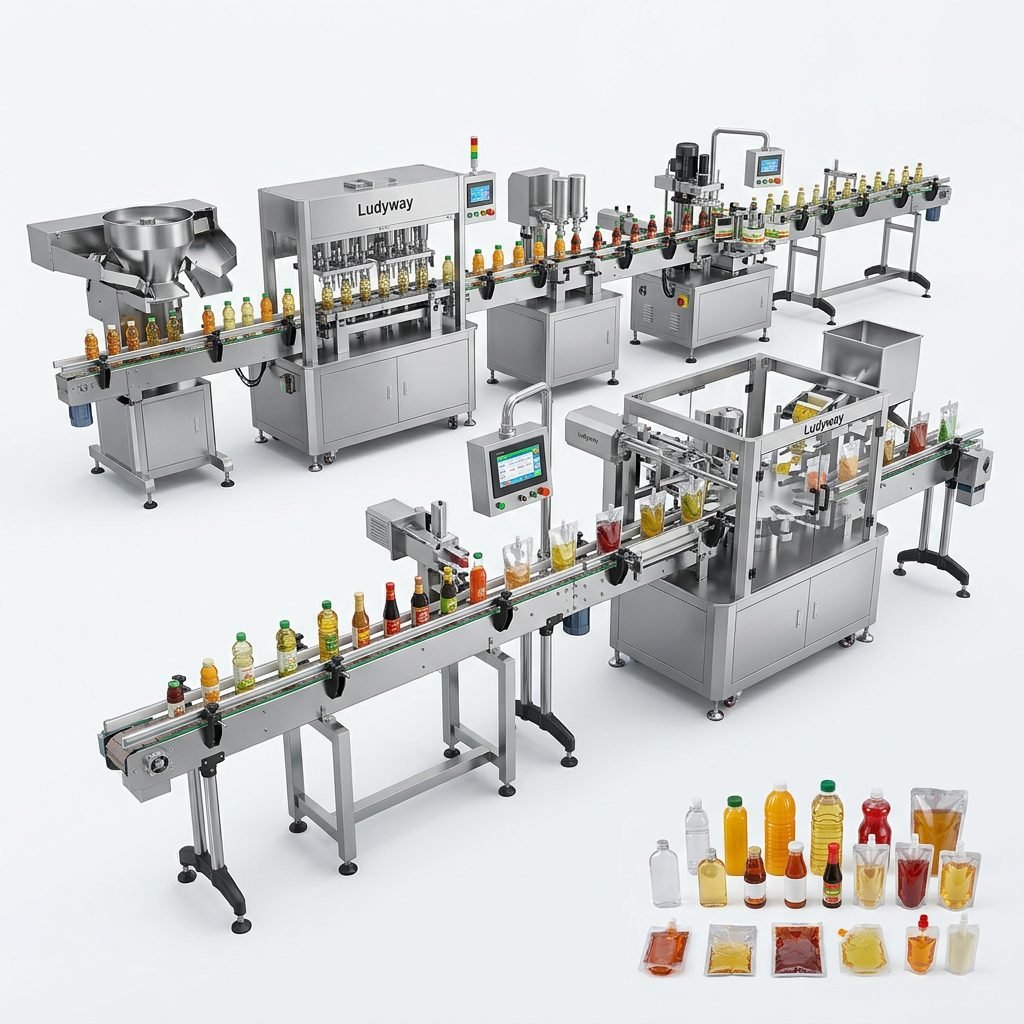
For businesses exploring integrated automation, Ludyway coffee packaging machine solutions can support standalone equipment as well as complete packaging lines for granule, powder, liquid, and pouch-based applications.
Maintenance and operational tips
Even the best machine needs proper maintenance to deliver stable performance over time.
- Clean contact parts and sealing areas regularly
- Check weighing accuracy on a scheduled basis
- Inspect sealing jaws for wear or contamination
- Monitor nitrogen and air supply stability
- Keep spare parts for critical wear components
- Train operators on changeover and troubleshooting procedures
Final thoughts on choosing coffee packing equipment
A coffee bean packaging machine is a critical investment for any brand that wants to protect freshness, improve packaging consistency, and scale production efficiently. The right solution depends on your bean type, bag format, speed target, and automation level. Whether you need a compact filler for small-batch roasting or a complete high-speed line, the goal is the same: deliver fresh coffee in reliable, attractive packaging.
If you compare equipment carefully and choose a system designed for your actual production needs, your packaging line can become a long-term asset for quality, output, and brand growth.