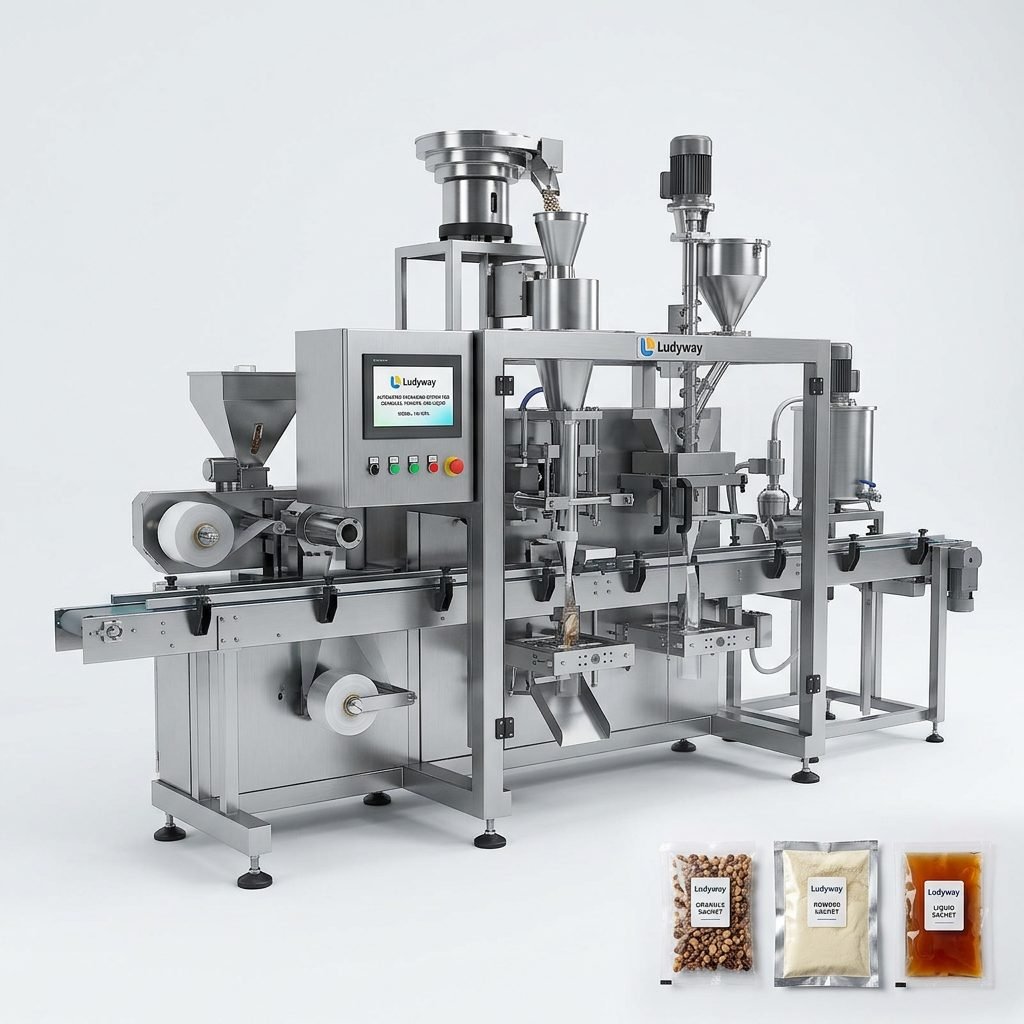
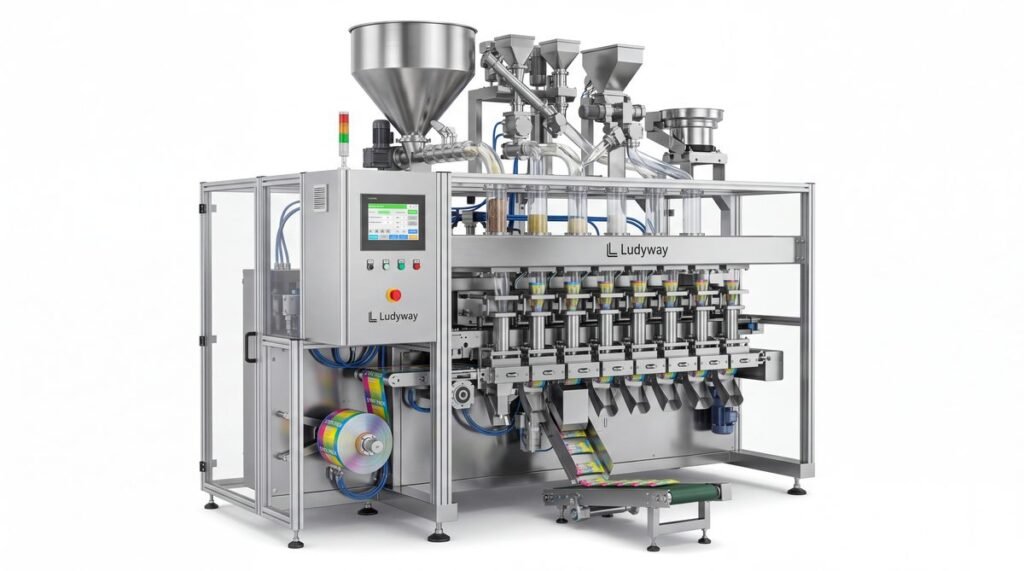
In today’s fast-paced manufacturing world, pouch packaging machinery is essential for efficiently and attractively packaging a wide range of products. From food items like coffee and spices to pharmaceuticals, cosmetics, and industrial powders, these machines offer versatility, speed, and reliability. Choosing the right machine, however, can be a complex decision influenced by your product type, production volume, and specific operational needs.
Understanding the Main Types of Pouch Packaging Machinery
The first step in selecting equipment is understanding the different technologies available. Pouch packaging machines are primarily categorized by their operation method and the final pouch style they produce.
Vertical Form-Fill-Seal (VFFS) Machines
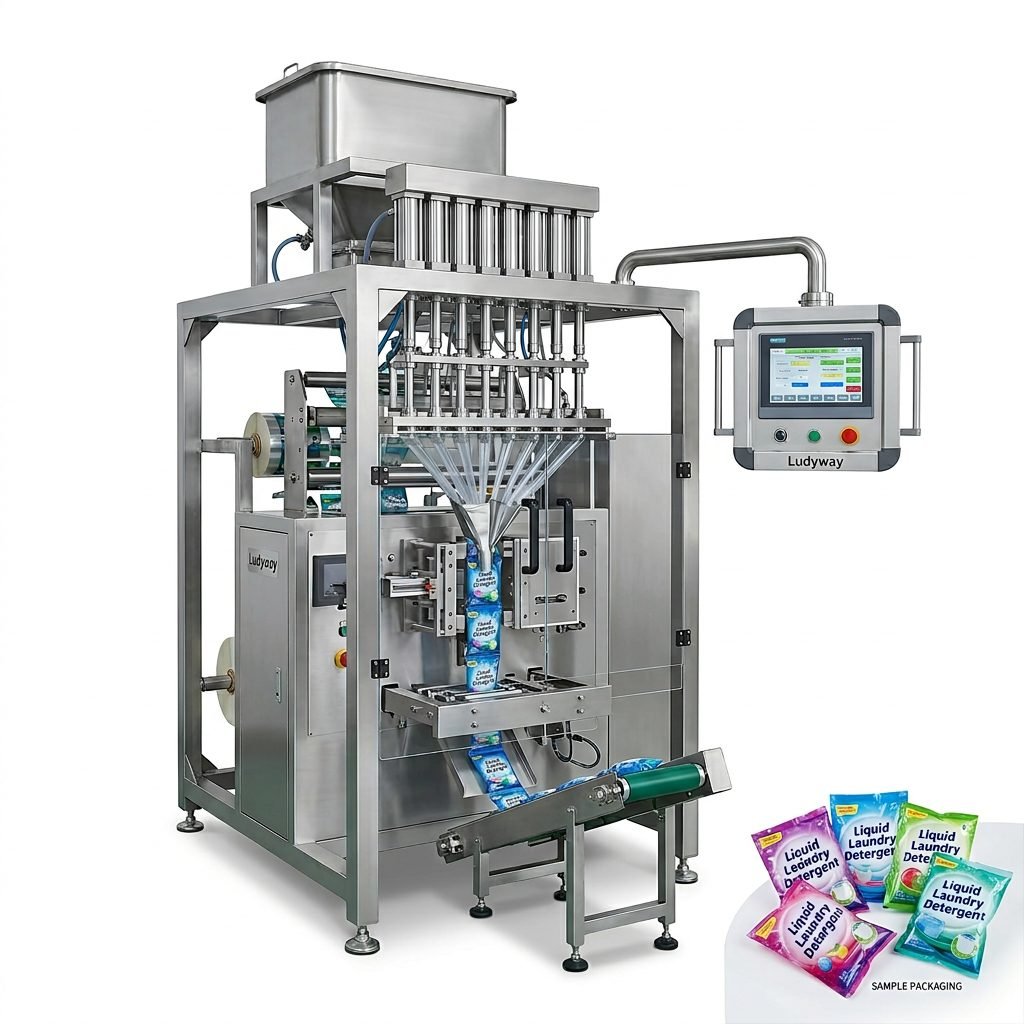
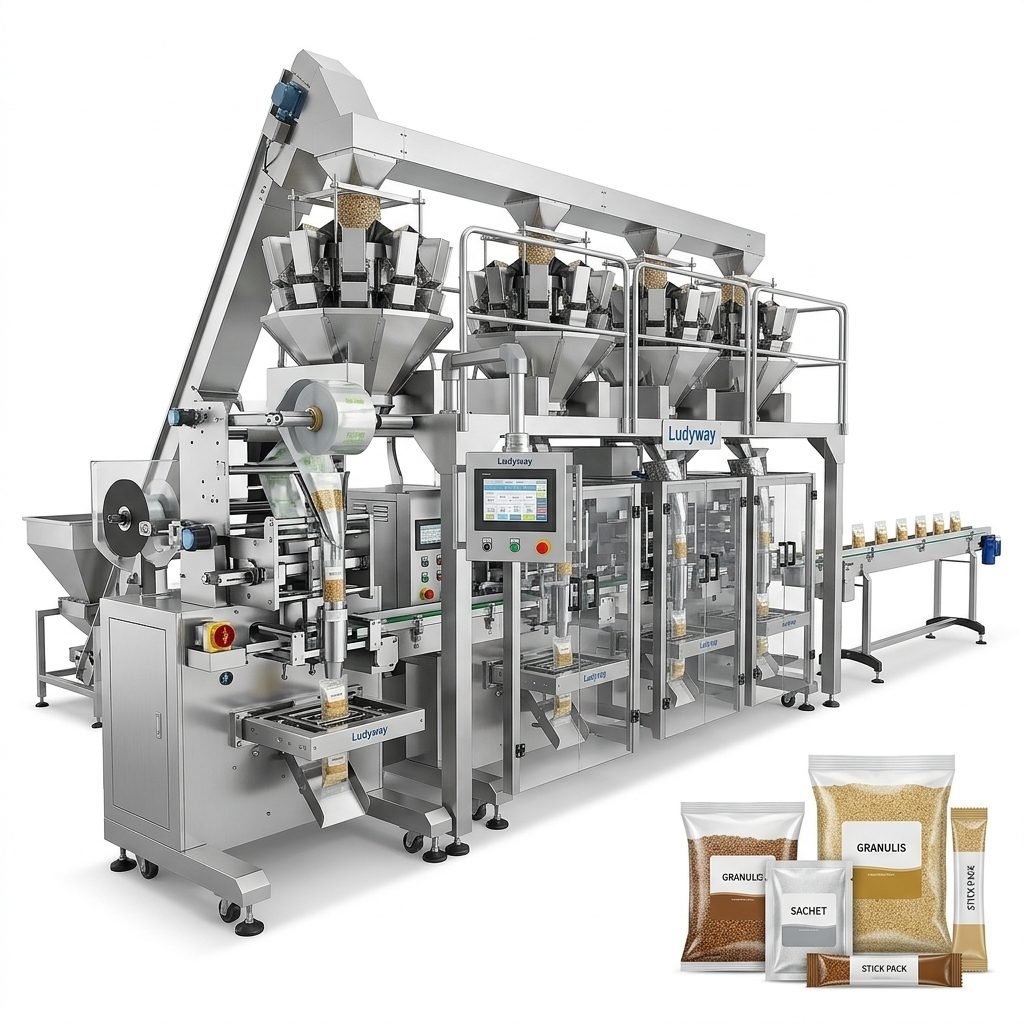
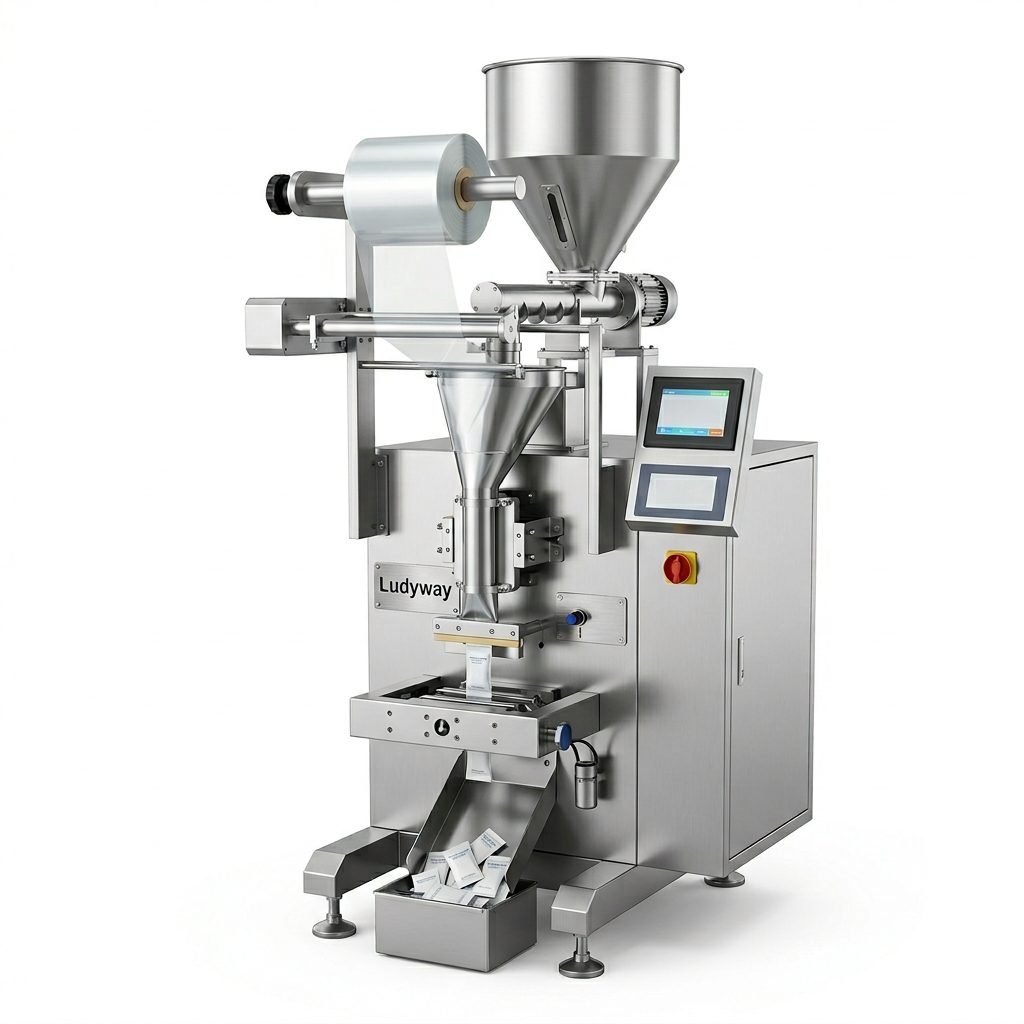
These are the workhorses of the industry. A VFFS machine forms a pouch from a roll of flat packaging film, fills it with the product, and then seals it—all in a continuous vertical motion. They are incredibly versatile and cost-effective for medium to high-volume production of granules, powders, liquids, and small solids. Their compact footprint makes them ideal for facilities with limited space.
Horizontal Form-Fill-Seal (HFFS) Machines
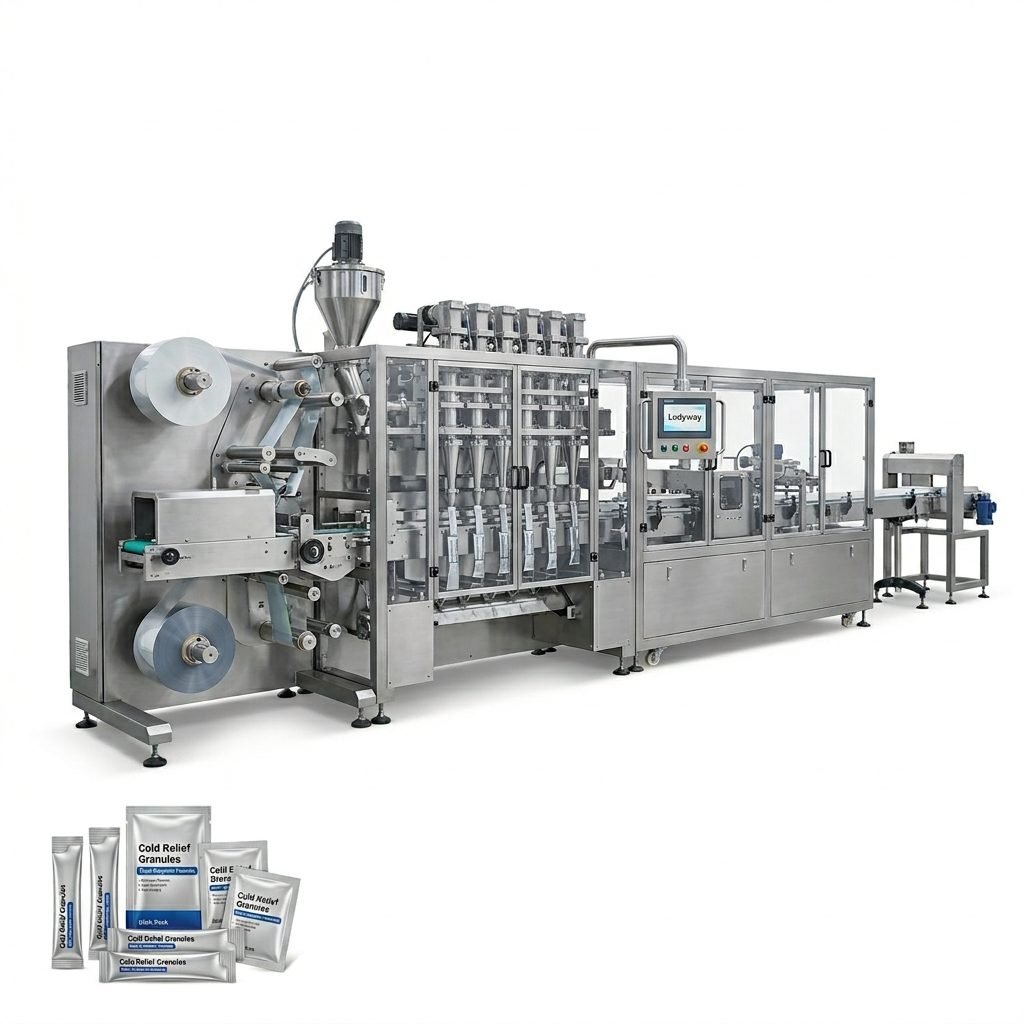
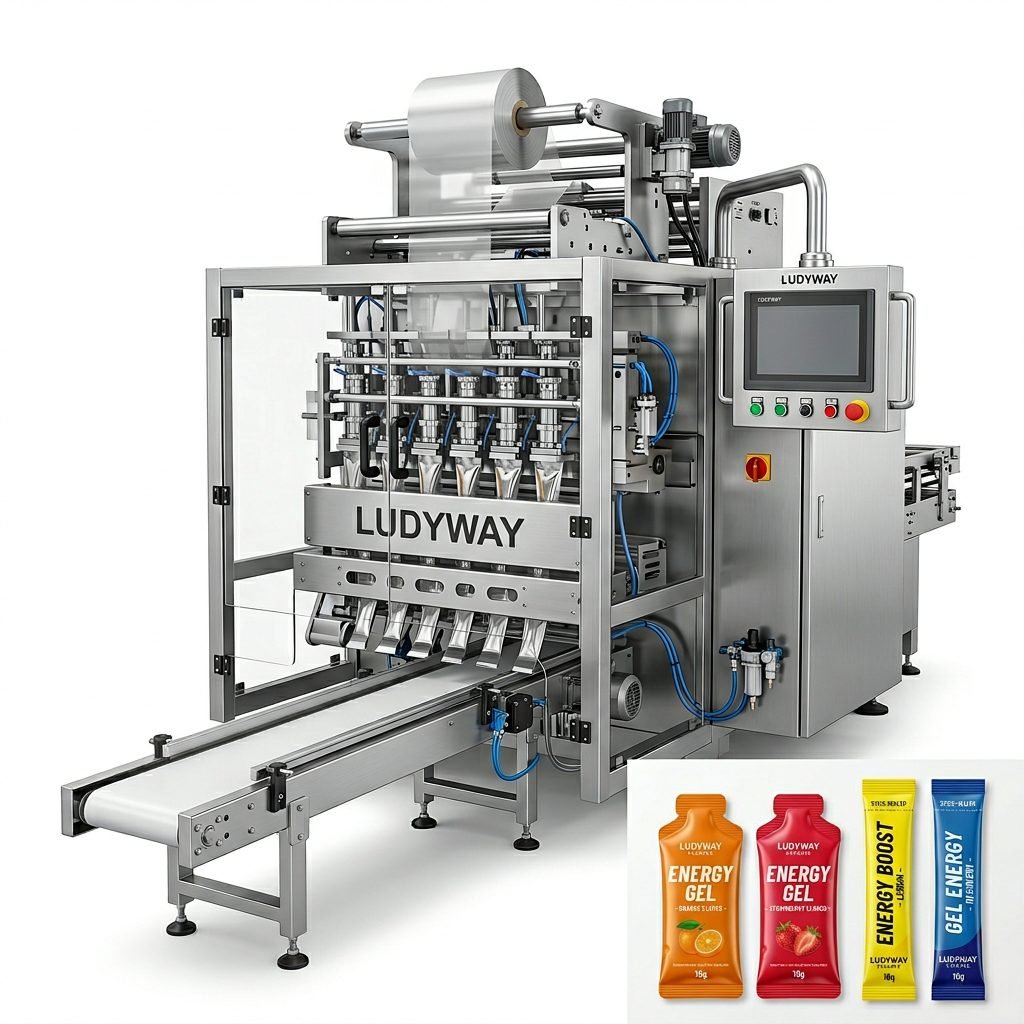
HFFS machines create pouches on a horizontal plane. They are often used for more complex packaging formats, such as stick packs, sachets, and four-side-seal pouches. This type is excellent for products that require precise, multi-lane dosing (like single-serve condiments, sugar, or pharmaceutical powders) or when a premium, flat presentation is desired.
Pre-Made Pouch Machines
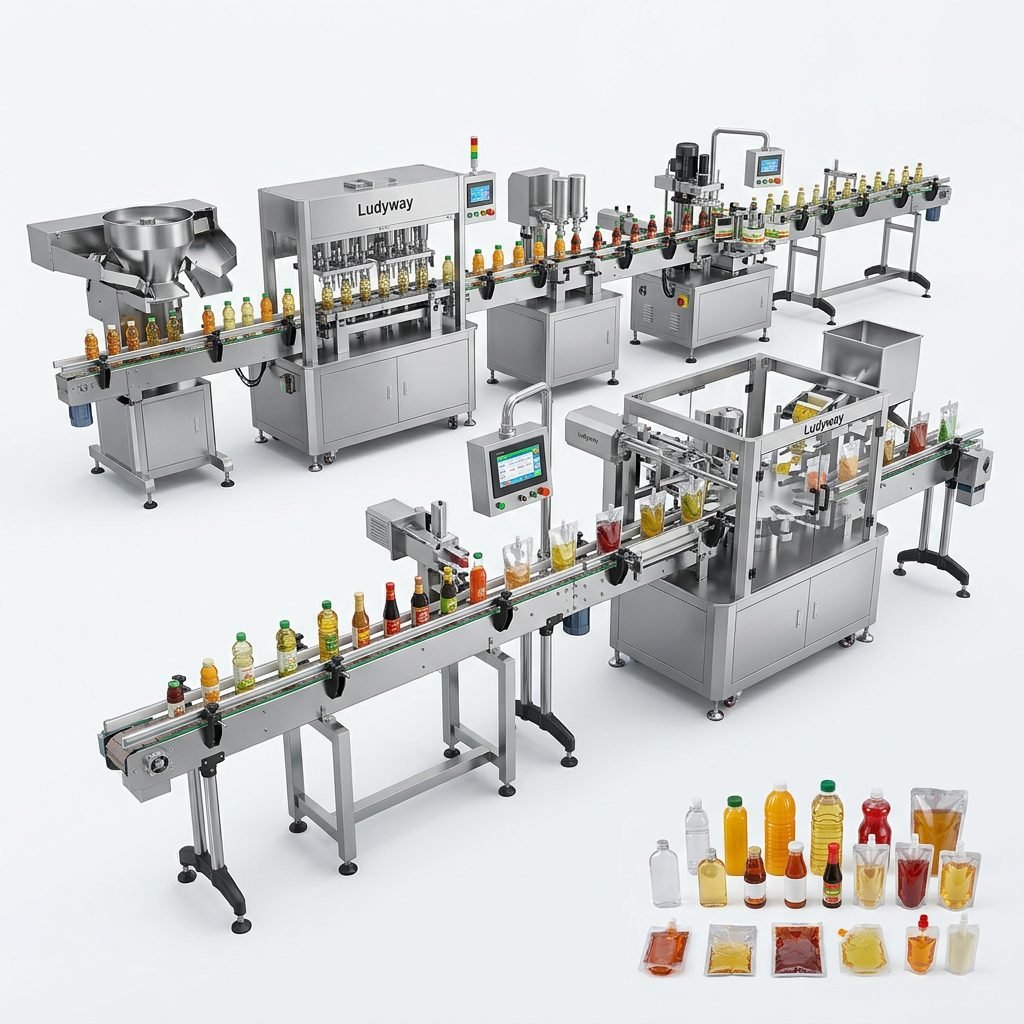
Instead of forming pouches from a roll, these machines use pre-manufactured, finished pouches. They open the pouch, fill it, and then seal it. This method is perfect for products that require unique, high-quality laminated pouch materials (like stand-up pouches with zippers or spouts) or for businesses that want greater flexibility in pouch design without investing in complex forming tools.
Key Applications Across Industries
Pouch packaging machinery serves a diverse set of markets, each with its own stringent requirements.
- Food & Beverage: Packaging coffee, tea, snacks, spices, sauces, and dairy powders. Machines here often need food-grade materials and may require gas flushing for freshness.
- Pharmaceutical & Nutraceutical: Producing sterile sachets for powders, stick packs for effervescent tablets, or dose-specific pouches. Compliance with GMP standards and high accuracy are non-negotiable. For more on industry standards, see our guide on pharmaceutical packaging compliance.
- Cosmetics & Personal Care: Creating single-use sachets for shampoo, conditioner, lotions, or face masks. Aesthetic appeal and leak-proof seals are critical.
- Chemical & Industrial: Packaging detergents, agrochemicals, lubricants, and construction materials. These applications demand robust machines that can handle corrosive or abrasive products.
How to Choose the Right Machine for Your Production
Selecting the optimal pouch packaging machine is a strategic investment. Here are the critical factors to consider:
1. Analyze Your Product Characteristics
The physical properties of your product dictate the machine’s design. Is it a free-flowing powder, a sticky granule, a viscous liquid, or a delicate solid? This determines the type of filling system (auger, volumetric cup, pump, scale) and the sealing parameters required. Abrasive products may need specialized, wear-resistant parts.
2. Define Your Production Volume and Speed
Your required output (pouches per minute) directly impacts the machine’s specification and cost. A small business might prioritize a simple, semi-automatic machine, while a large manufacturer needs a fully automated, high-speed system with integrated checkweighers and vision inspection systems to maintain efficiency and quality control.
3. Determine Your Pouch Specifications
What is your desired pouch size, style (pillow, gusseted, stand-up, stick pack), and material structure? The machine must be compatible with your packaging film and capable of producing the seals (fin, lap, four-side) you need. Consider future flexibility if you plan to launch new product formats.
4. Evaluate Automation and Integration Needs
Consider how the machine will fit into your production line. Does it need to integrate with upstream feeders, downstream cartoners, or robotic palletizers? Modern machines offer PLC controls with recipe storage, touchscreen HMIs, and data logging for Industry 4.0 readiness, which can significantly boost overall equipment effectiveness (OEE).
5. Prioritize Reliability and Supplier Support
The machine’s build quality and the manufacturer’s reputation for service are paramount. Look for a supplier with proven experience, like Ludyway Packaging Machinery, which offers comprehensive support from installation and training to readily available spare parts. A reliable partner ensures minimal downtime and long-term operational success.
💡 Pro Tip: The Total Cost of Ownership (TCO)
Look beyond the initial purchase price. Calculate the Total Cost of Ownership, which includes energy consumption, maintenance costs, changeover time for different products, and the potential cost of downtime. A slightly more expensive but robust and efficient machine often provides a far better return on investment over its lifespan.
Frequently Asked Questions (FAQs)
What is the typical lead time for a new pouch packaging machine?
Lead times vary based on machine complexity and customization. For standard models, it can range from 8 to 16 weeks. Customized or fully integrated turnkey lines may require 20 weeks or more. Always discuss timelines in detail with your supplier during the planning phase.
Can one machine handle different types of products and pouch sizes?
Yes, most modern machines are designed for changeover. However, the ease and speed of changeover differ. Look for machines with quick-change parts, digital settings recall, and tool-less adjustments if you frequently switch between products. This flexibility is key for contract packagers or companies with diverse SKUs.
How important is after-sales service and technical support?
It is critically important. Even the best machinery requires maintenance and occasional troubleshooting. A supplier with a strong global service network, readily available spare parts, and responsive remote support can save you from costly production halts. Ensure training for your operators and maintenance staff is included.
What are the key maintenance requirements for these machines?
Regular daily cleaning to prevent product buildup is essential. Scheduled maintenance typically includes lubricating moving parts, checking seal jaw temperatures and alignment, inspecting cutting blades, and verifying the accuracy of the filling system. Adhering to the manufacturer’s maintenance schedule is the best way to ensure longevity and consistent performance.
Are there sustainable packaging options compatible with these machines?
Absolutely. The industry is moving towards mono-material, recyclable, and compostable films. Many pouch machines can run these newer, sometimes more challenging, materials with minor adjustments to sealing parameters (temperature, pressure, dwell time). Discuss your sustainability goals with your machinery supplier early in the selection process to find the right compatible solution.