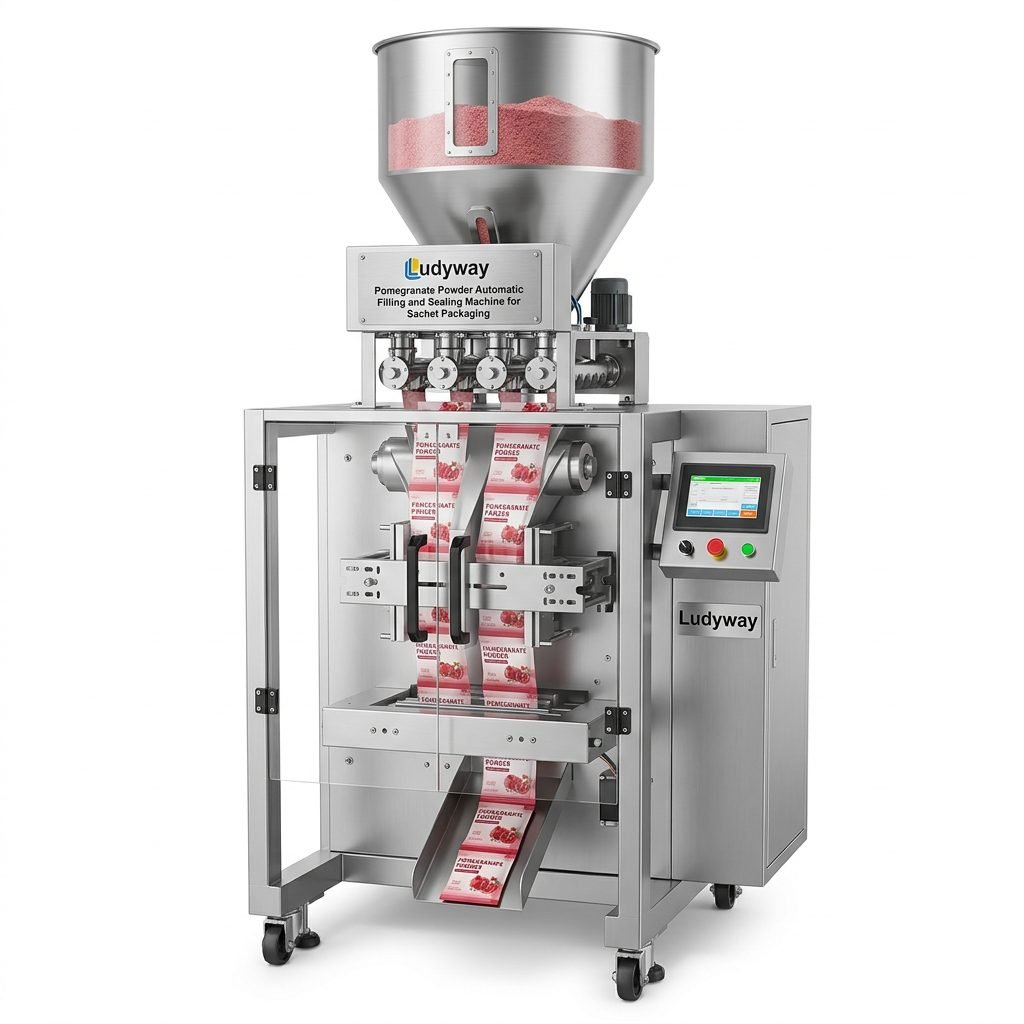
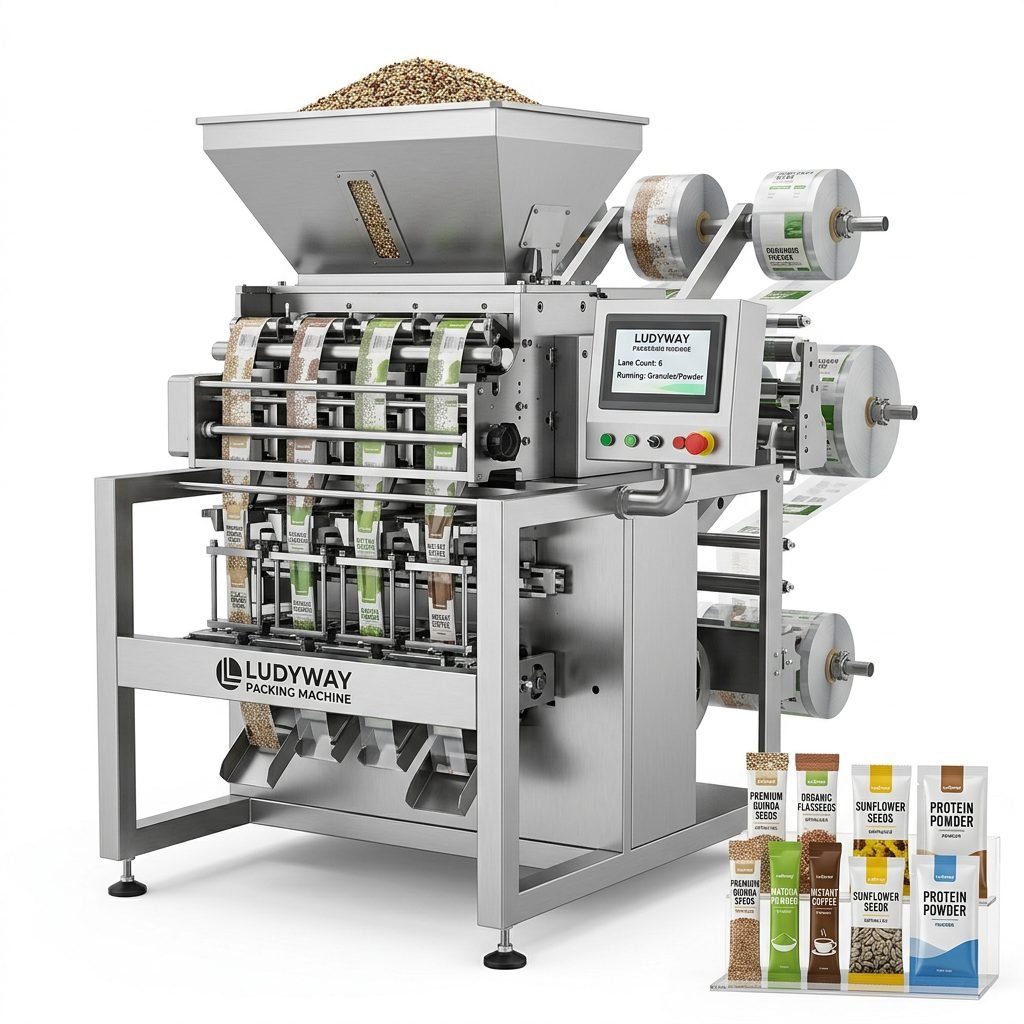
Choosing the right sachet pouch packing machine is not just about speed or price. It is about matching the machine to your product type, packaging format, output goals, compliance needs, and future growth plans. For food, pharmaceutical, cosmetic, and chemical manufacturers, the right solution can improve consistency, reduce waste, lower labor costs, and create a more competitive packaging operation.
Whether you pack powders, granules, liquids, pastes, or gel products, a well-selected machine helps ensure stable sealing, accurate filling, and scalable production. The key is understanding what matters before you invest.
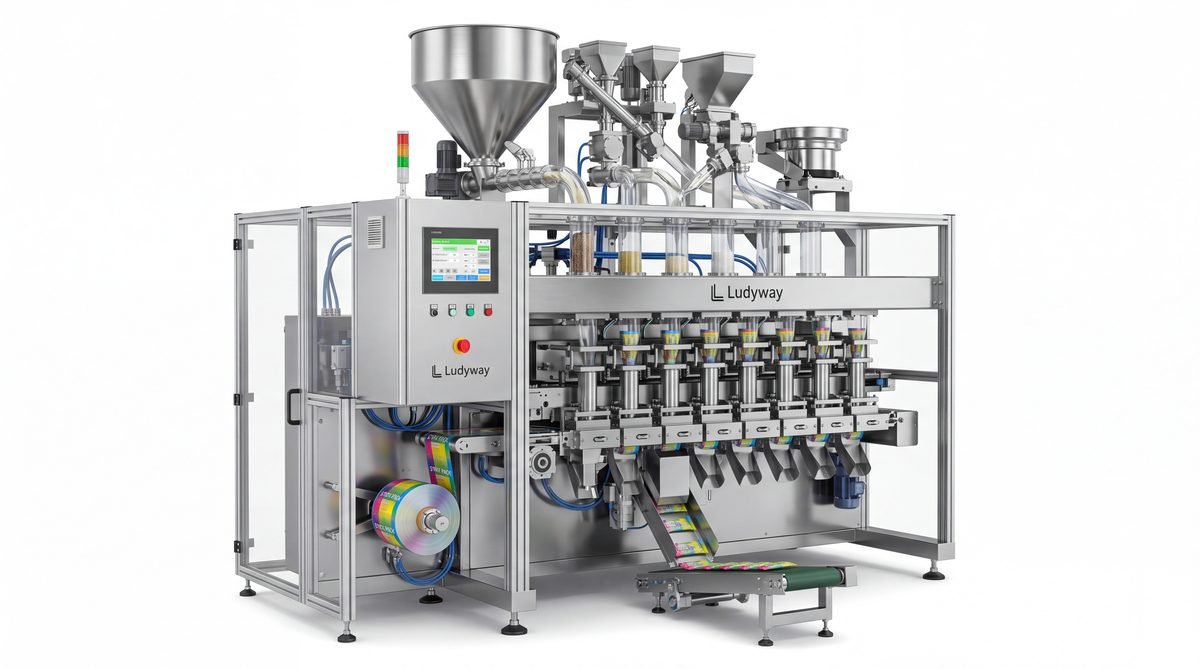
What Is a Sachet Pouch Packing Machine?
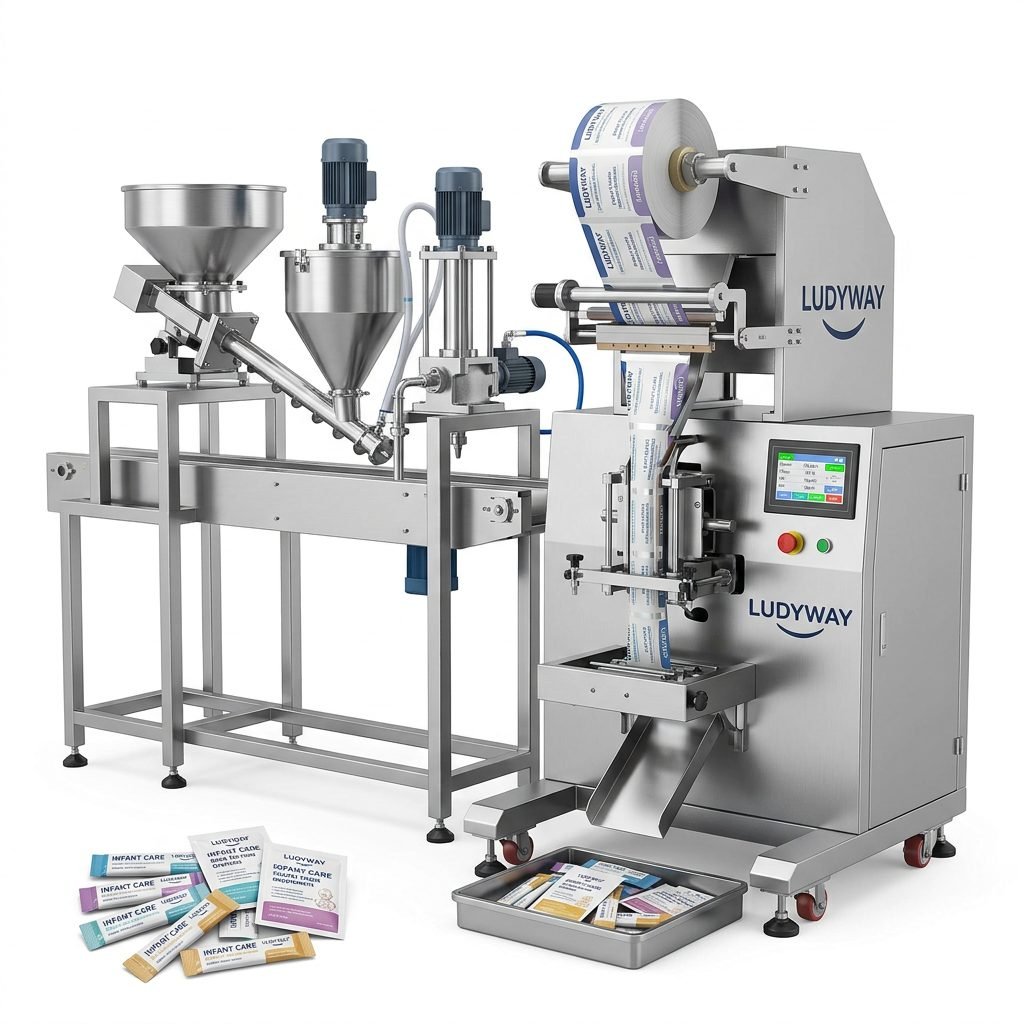
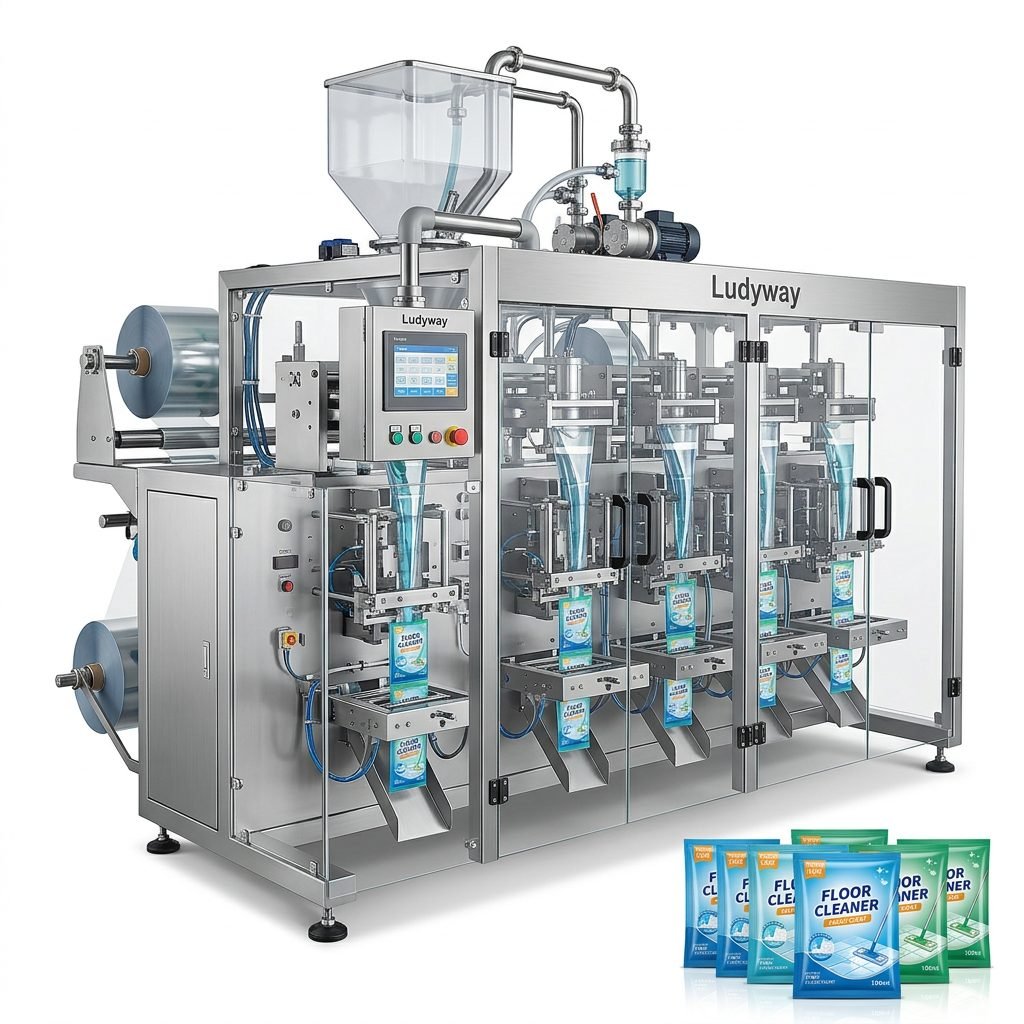
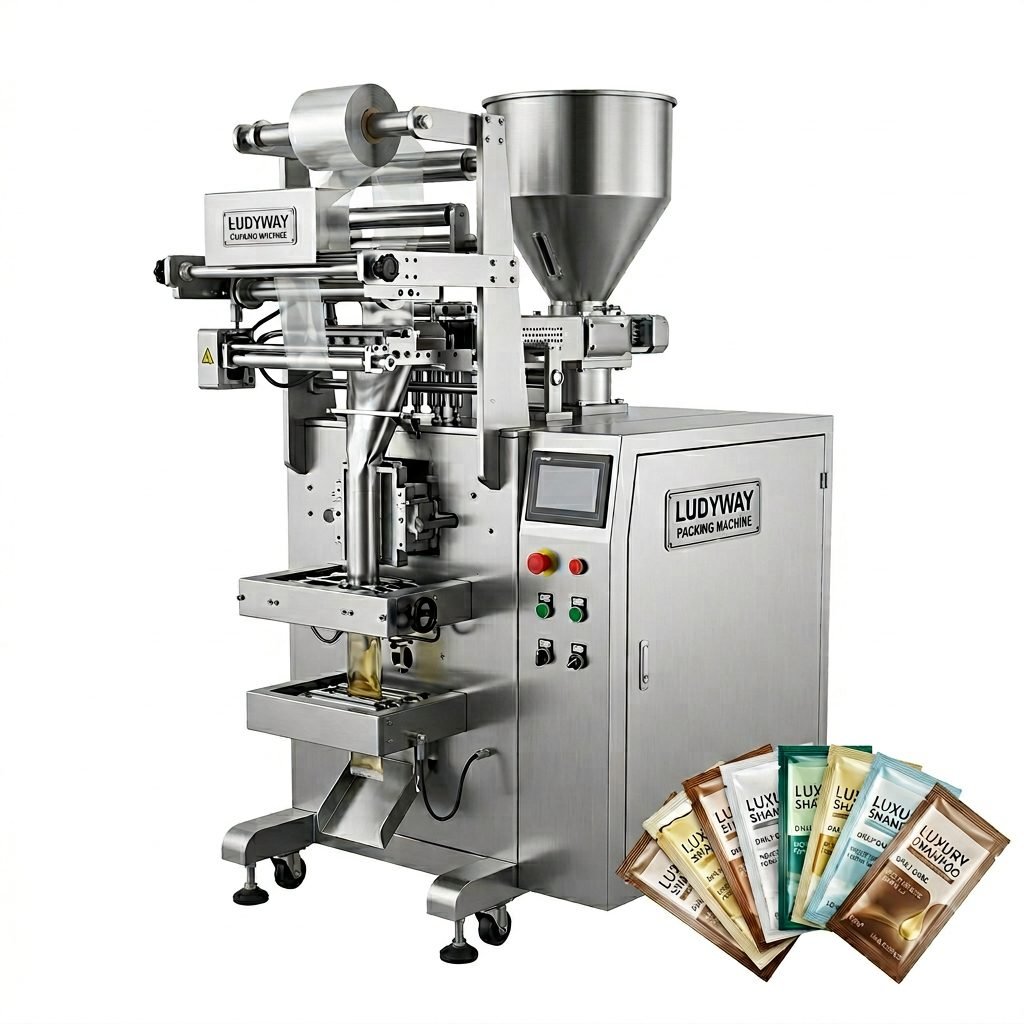
A sachet pouch packing machine is an automated system used to form, fill, and seal small flexible packages. These machines are commonly used for:
- Food powders such as coffee, protein, seasoning, and milk powder
- Granules such as sugar, salt, seeds, and instant beverage mixes
- Liquids such as sauces, oils, shampoos, and detergents
- Pastes and gels such as cream, honey, ketchup, and medical gels
- Pharmaceutical and nutraceutical products in single-dose formats
The packaging style may include 3-side seal, 4-side seal, back seal, irregular sachets, or multi-lane small-dose packs. In many industries, sachet packaging is preferred because it is portable, economical, hygienic, and easy to distribute.
Why the Right Machine Matters for Business Growth
Buying a machine that is too basic can cause bottlenecks, sealing problems, product waste, and costly downtime. Buying one that is oversized or poorly matched to your material can also hurt ROI. The right machine should support both your current production and your expansion plans.
A good packaging solution should improve more than output. It should also support product quality, packaging appearance, operator efficiency, and long-term maintenance control.
| Business Goal | Packaging Machine Benefit |
|---|---|
| Increase output | Higher packing speed and multi-lane production |
| Reduce labor dependency | Automated feeding, filling, sealing, coding, and counting |
| Improve quality consistency | Stable dosing accuracy and uniform seal performance |
| Reduce waste | Controlled film use and accurate filling |
| Expand product range | Flexible machine configuration for multiple formats |
Key Factors to Consider Before Choosing a Machine
1. Product Type and Material Characteristics
The first step is understanding what you are packing. Powders, granules, liquids, and pastes all behave differently during dosing and sealing. A machine suitable for free-flowing sugar may not perform well with sticky cream or dusty herbal powder.
- Powders: often require auger fillers and dust control
- Granules: may use cup fillers, weighers, or counting systems
- Liquids: need piston pumps, liquid pumps, or flow-meter filling
- Pastes: need precise volumetric or servo-driven filling
If your product is hygroscopic, abrasive, foamy, oily, sticky, or non-free-flowing, you should mention it early in the selection process. These characteristics affect machine design, hopper construction, sealing temperature, and discharge method.
2. Sachet Size and Pouch Format
Your package dimensions directly affect machine selection. A sachet machine must match your required pouch width, length, fill volume, and seal style. If you plan to offer several SKUs, machine flexibility becomes even more important.
Ask these questions:
- What are the minimum and maximum sachet dimensions?
- Do you need one format or multiple formats?
- Will you use flat sachets, stick packs, or special-shaped packs?
- Do you need easy-tear notches, euro holes, embossing, or coding areas?
3. Required Output Speed
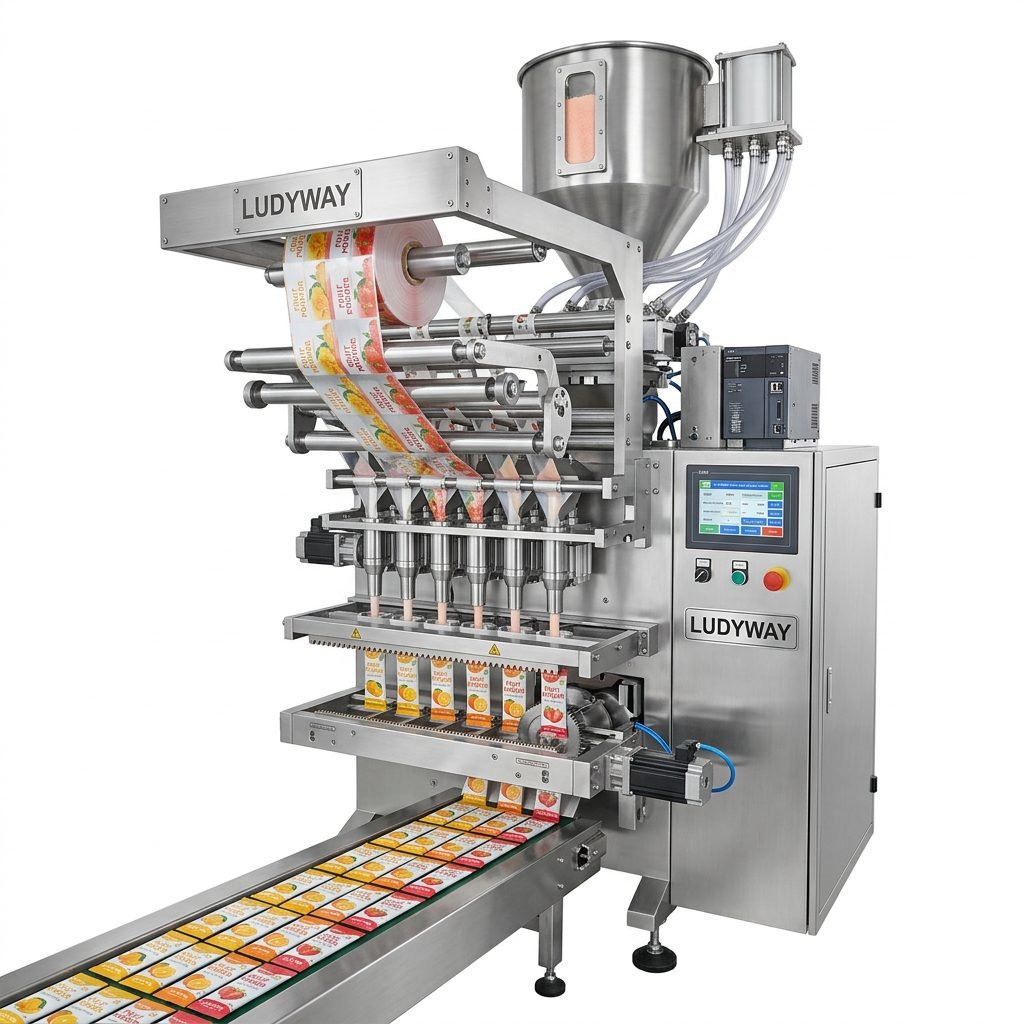
Machine speed should align with your production demand, not just your ideal target. Some businesses need a compact machine for moderate daily output, while others need multi-lane systems for large-scale production.
The cheapest machine is rarely the most economical if it cannot support your order volume or causes overtime, rework, and delivery delays.
| Production Need | Suggested Machine Direction |
|---|---|
| Low to medium volume | Single-lane or semi-automatic solution |
| Medium to high volume | Automatic vertical sachet packing machine |
| Very high-volume repetitive SKUs | Multi-lane sachet packing machine |
4. Filling Accuracy Requirements
For high-value products such as pharmaceuticals, supplements, specialty chemicals, or premium food items, dosing accuracy is critical. Overfilling increases giveaway costs, while underfilling may create compliance and reputation risks.
Look for machines with:
- Stable dosing systems matched to your material behavior
- Servo control for precise operation
- Easy calibration and recipe memory
- Optional checkweigher integration
5. Packaging Film Compatibility
Your sachet machine should be compatible with the packaging film structure you use or plan to use. This includes laminated films, barrier films, aluminum foil structures, PE combinations, and recyclable materials where applicable.
Film compatibility affects:
- Seal strength
- Appearance quality
- Running stability
- Material waste rate
- Shelf life protection
If your brand plans to move toward sustainable packaging, make sure the machine supplier can test and validate compatible film materials.
6. Industry and Compliance Requirements
Food, pharmaceutical, cosmetic, and chemical sectors often have different standards. For example, pharmaceutical sachet packaging may require stricter hygiene design, validation support, and traceability features than general consumer goods packaging.
Important considerations include:
- Stainless steel contact parts
- Dust-proof or corrosion-resistant design
- Cleanability and maintenance access
- GMP-oriented construction for pharma applications
- Batch coding and inspection integration
Single-Lane vs Multi-Lane Sachet Packing Machines
This is one of the most common buying decisions. Single-lane and multi-lane systems each serve different operational needs.
| Machine Type | Best For | Main Advantage |
|---|---|---|
| Single-lane | Smaller production runs, flexible changeovers | Lower entry cost and simpler operation |
| Multi-lane | Large-scale standardized production | Higher speed and improved output efficiency |
If your business has stable demand for high-volume SKUs such as coffee, electrolyte powder, sauces, shampoo, or supplements, a multi-lane machine can dramatically improve capacity. If your production is more customized, a flexible single-lane model may be a better fit.
Should You Buy a Standalone Machine or a Turnkey Packaging Line?
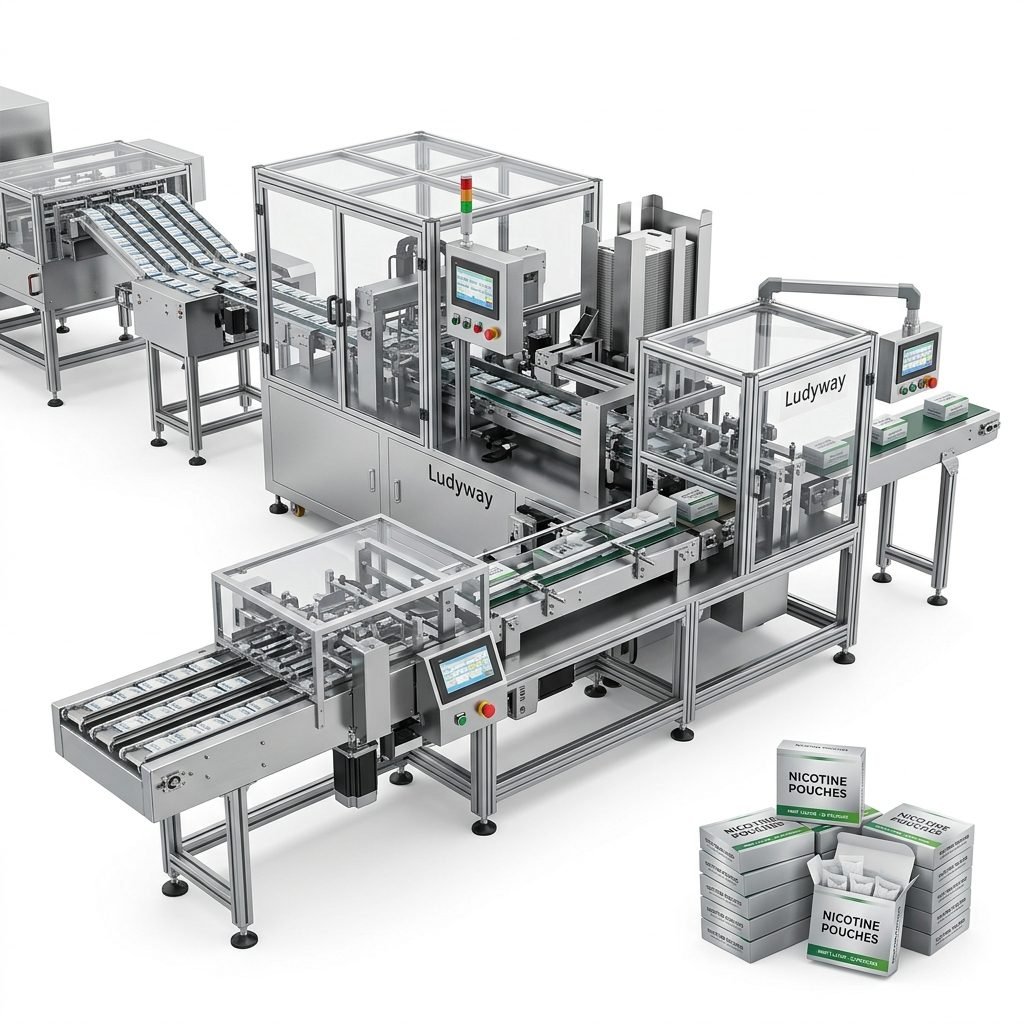
Some businesses only need the sachet packing machine itself. Others need a broader packaging line that includes feeding, conveying, coding, inspection, cartoning, case packing, or palletizing.
A turnkey solution is often better if you want to:
- Reduce manual handling between production stages
- Improve line synchronization
- Minimize supplier coordination problems
- Scale from product dosing to end-of-line packaging
- Build a more automated factory environment
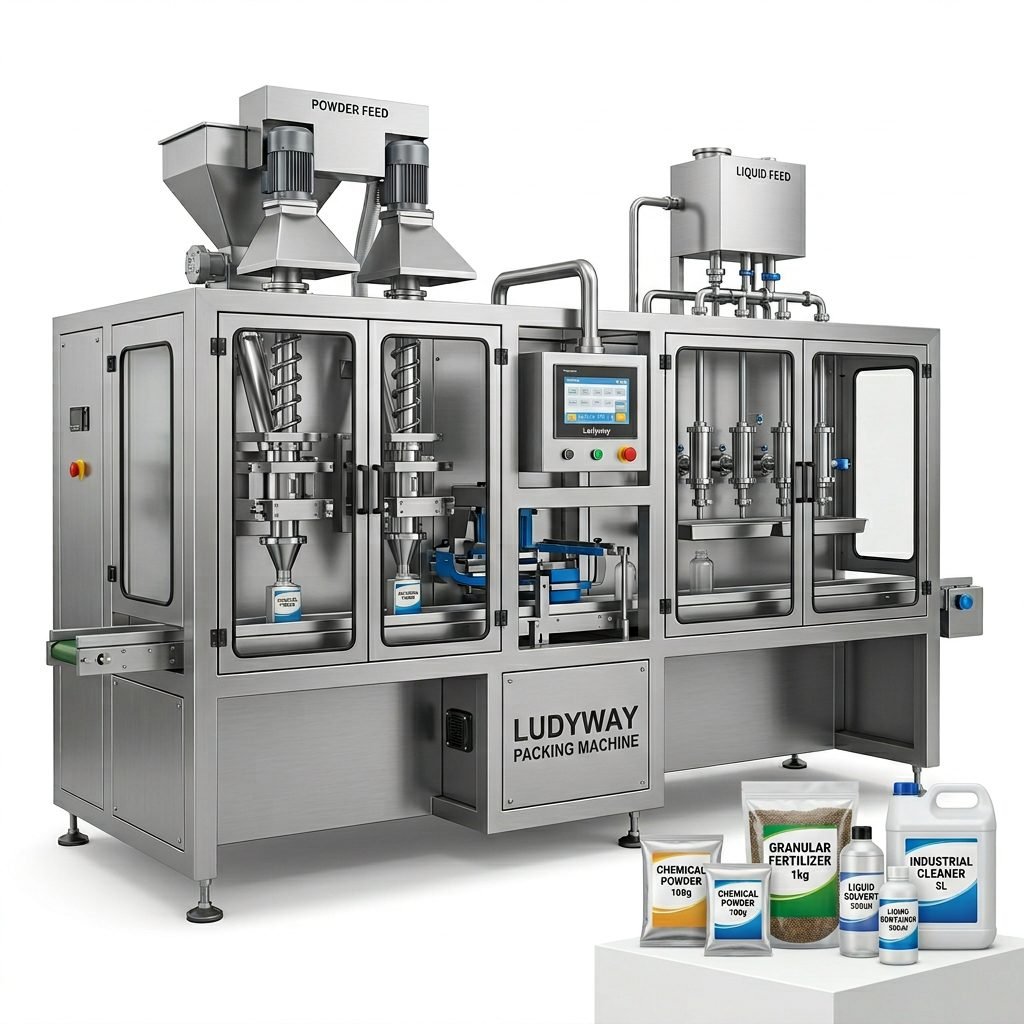
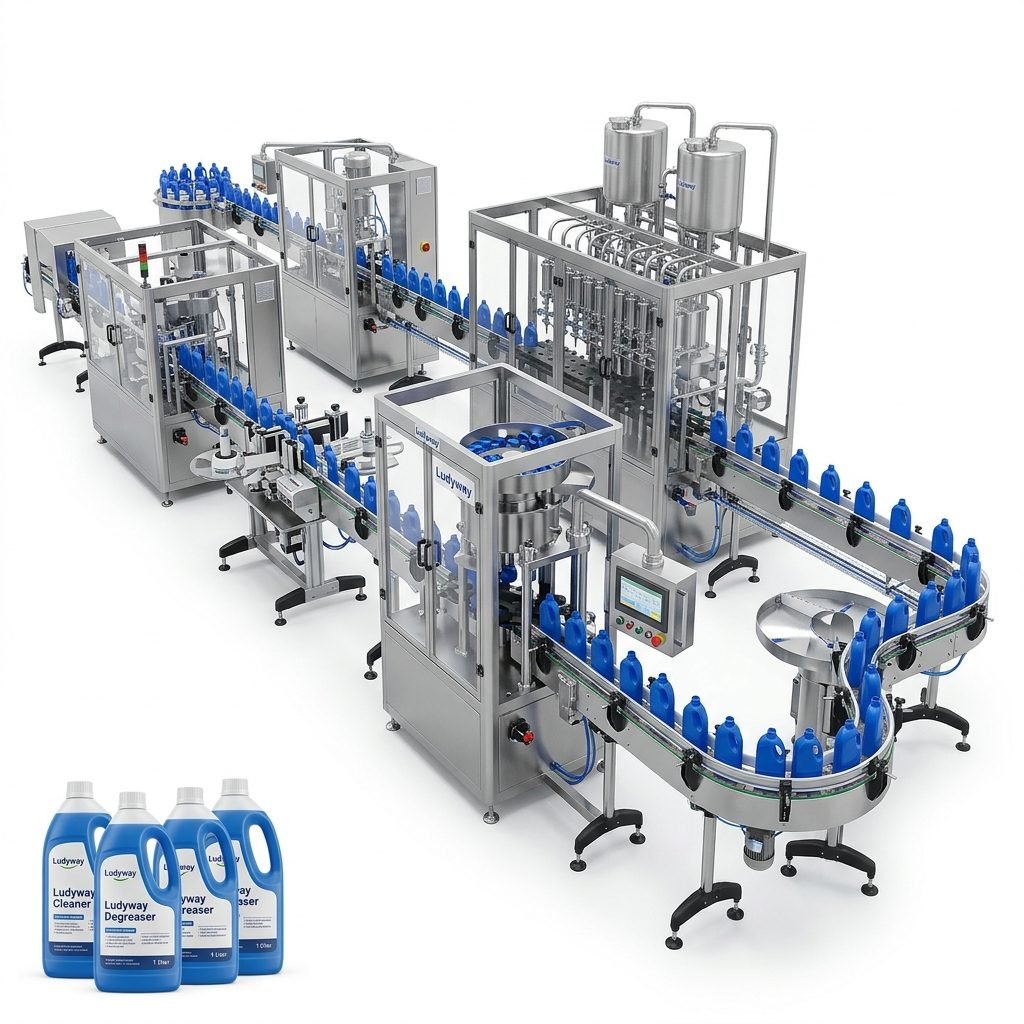
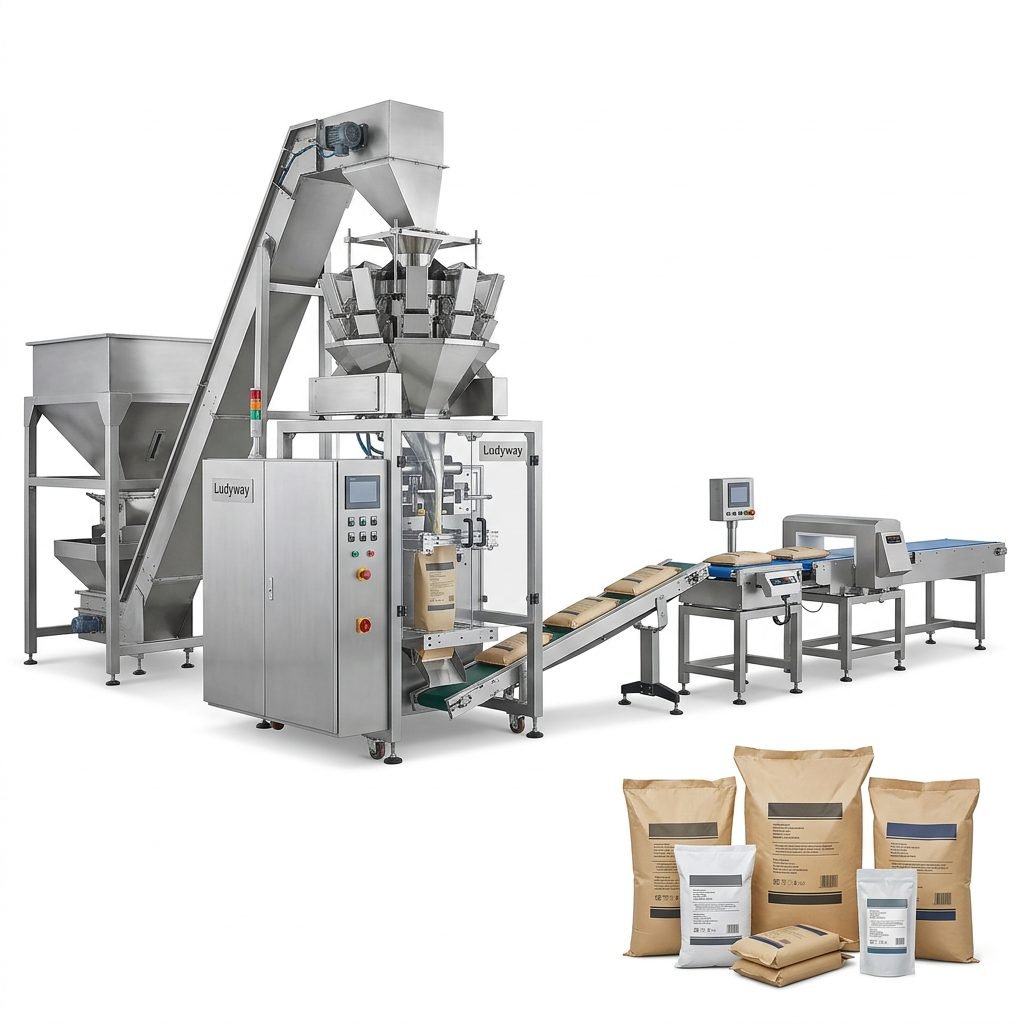
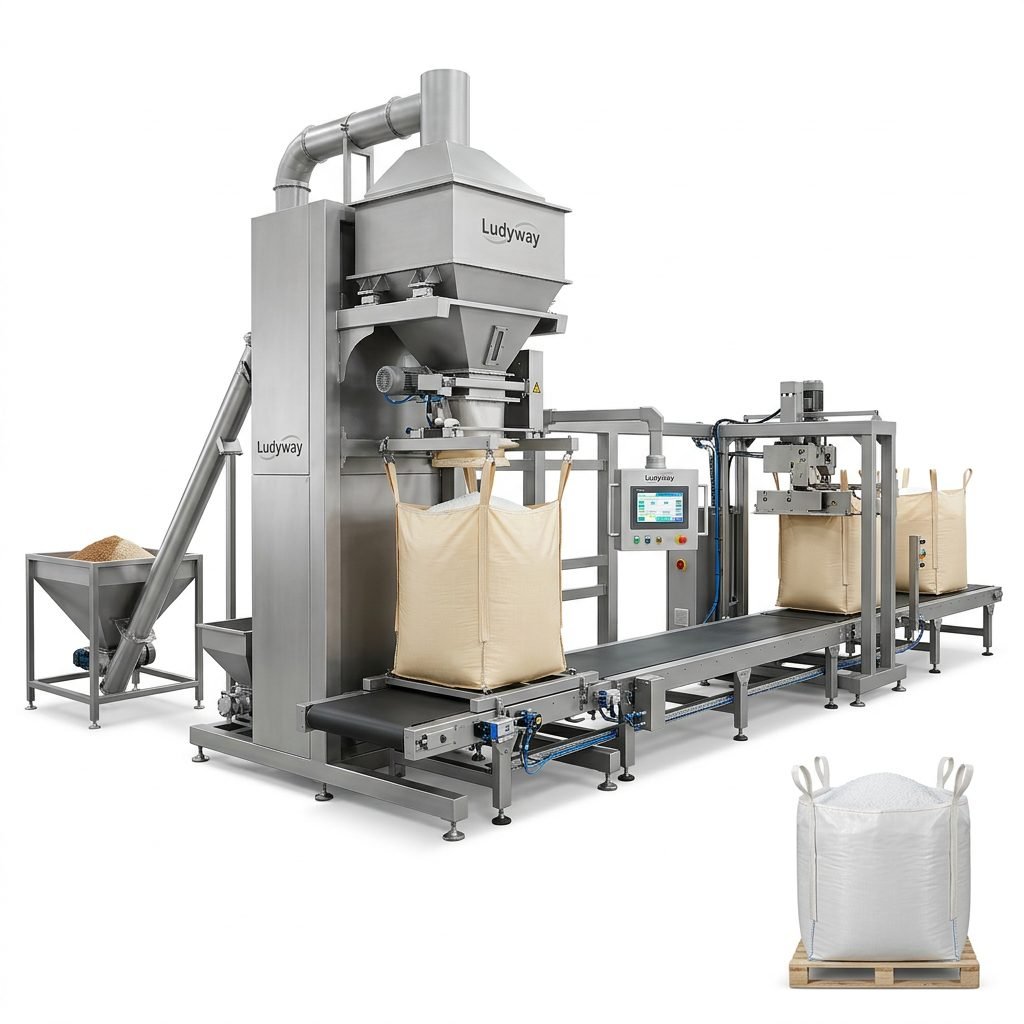
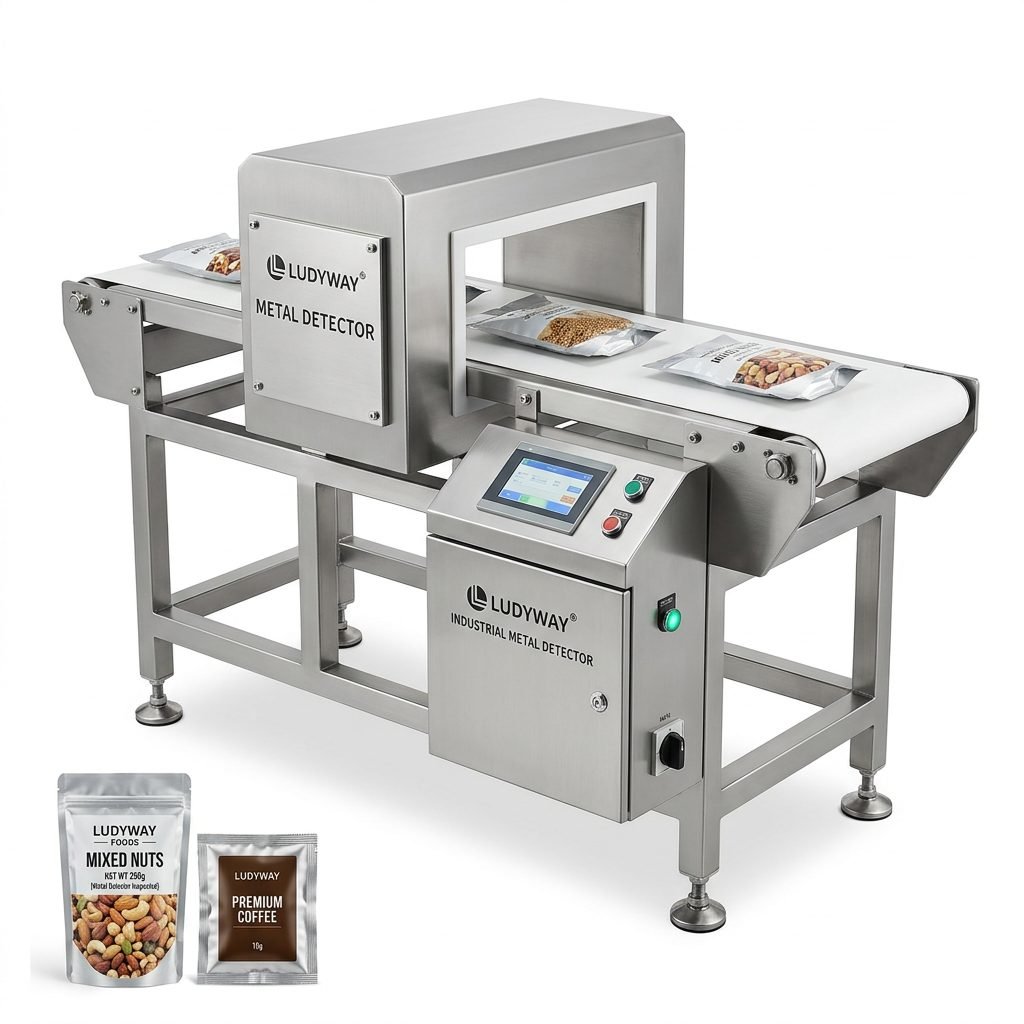
For companies looking for integrated solutions, sachet pouch packing machine manufacturer Ludyway offers standalone equipment as well as turnkey packaging line solutions for food, pharmaceutical, health supplement, cosmetic, chemical, and related industries.
Questions to Ask a Supplier Before You Buy
Before placing an order, ask detailed technical and service questions. This helps you compare suppliers beyond the quotation price.
Machine Capability Questions
- What products has this machine packed successfully before?
- What filling system is recommended for my material?
- What is the real running speed under my sachet size and fill weight?
- How easy is format changeover?
- Can the machine handle future package size adjustments?
Quality and Support Questions
- Can the supplier provide sample testing?
- What spare parts are included?
- What is the lead time for key components?
- Is remote technical support available?
- Do they offer installation, training, and commissioning?
Common Mistakes Buyers Should Avoid
- Choosing only by the lowest price
- Ignoring product flowability and sealing characteristics
- Underestimating future volume growth
- Not checking film compatibility
- Skipping sample tests before purchase
- Forgetting after-sales service and spare parts support
A machine that looks good on paper may still fail in real production if it has not been evaluated against your actual product and packaging material.
How to Match the Right Machine to Your Industry
Food Industry
Focus on hygiene, easy cleaning, sealing quality, and speed. Common products include coffee, sugar, spices, sauces, protein powder, and instant drink mixes.
Pharmaceutical and Nutraceutical Industry
Focus on dosage accuracy, GMP-oriented design, product traceability, and contamination control. Common products include oral powders, granules, health supplements, and medical sachets.
Cosmetic and Personal Care Industry
Focus on attractive sachet appearance, leak-proof sealing, and compatibility with creams, lotions, serums, and shampoos.
Chemical Industry
Focus on corrosion resistance, dust control, safe handling, and precise filling for powders, granules, liquids, and industrial additives.
Signs You Have Found the Right Packaging Solution
You are likely choosing the right sachet pouch packing machine if it delivers the following:
- Consistent fill accuracy across production runs
- Strong and neat seals with minimal leakage
- Stable operation at your target output
- Simple operation and maintenance for your team
- Room to scale as demand increases
- Reliable technical support from the supplier
Final Buying Checklist
| Checklist Item | Why It Matters |
|---|---|
| Product characteristics confirmed | Ensures correct filling and sealing system |
| Sachet size and format defined | Prevents mismatch with machine structure |
| Required output estimated | Avoids under-capacity or overspending |
| Film material reviewed | Improves sealing reliability and package quality |
| Sample test completed | Validates real-world performance |
| Service plan confirmed | Reduces downtime and support risk |
In the end, the best sachet pouch packing machine is the one that fits your product, production target, packaging design, and growth strategy. A smart buying decision starts with technical clarity, realistic output planning, and a supplier that understands your application in detail.