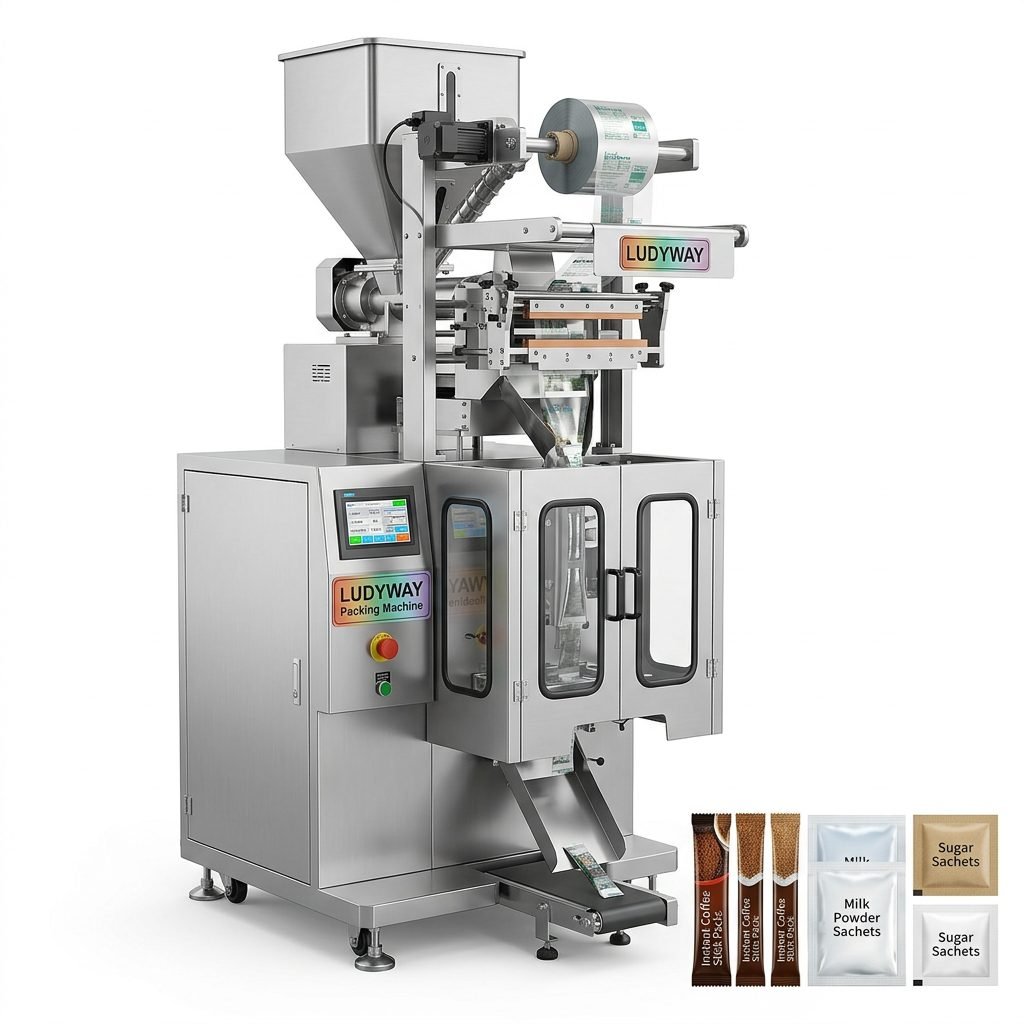
A bubble packaging machine is an automated system designed to form, fill, seal, and sometimes cut bubble-style packaging or protective air-cushion packaging used for product protection, transport safety, and presentation. In modern production environments, these machines help manufacturers reduce manual work, improve packaging consistency, and protect goods more efficiently during storage and shipping.
For businesses handling fragile, lightweight, consumer, food-adjacent, medical, cosmetic, or e-commerce products, choosing the right machine can directly influence damage rates, labor costs, packing speed, and customer satisfaction.
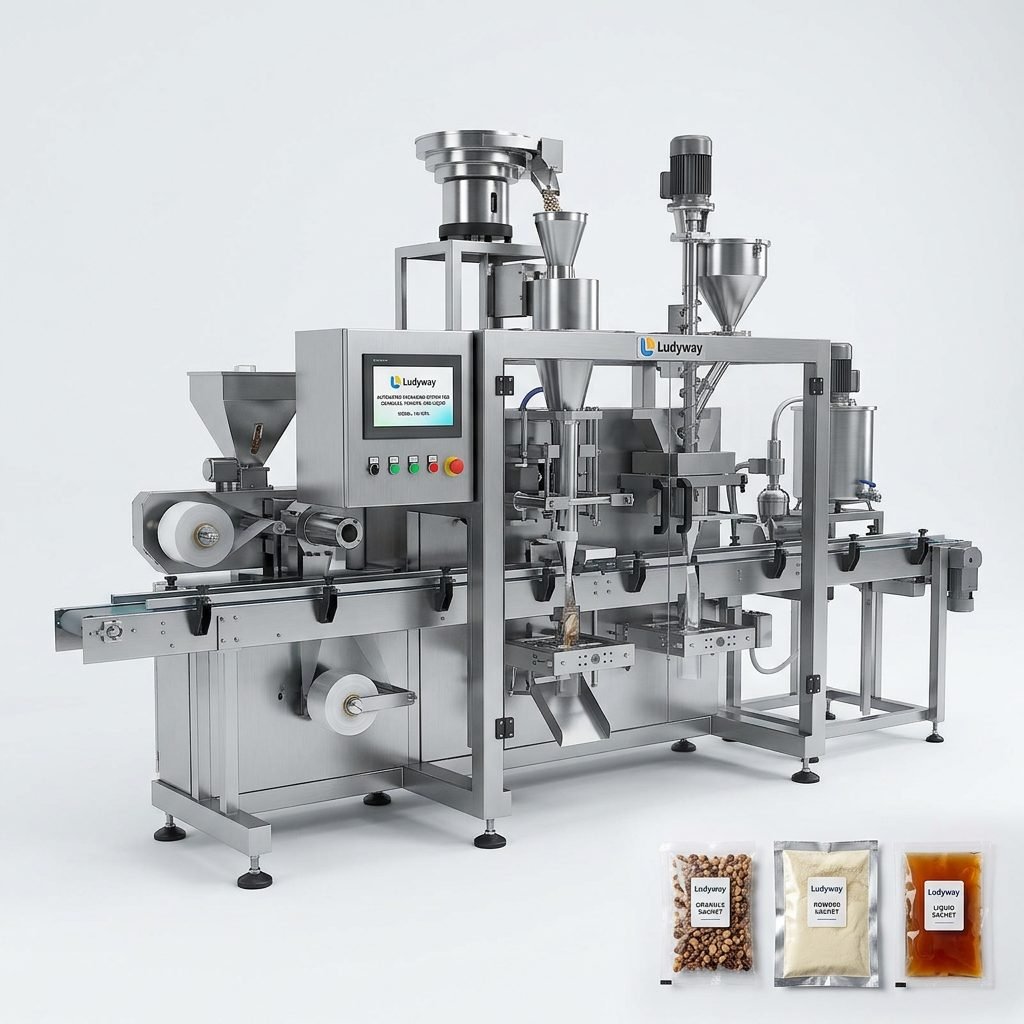
What Is a Bubble Packaging Machine?
A bubble packaging machine is equipment used to create packaging that includes an air-filled or protective bubble structure, or in some industrial contexts, sealed blister-like cavities that hold and protect products. Depending on the application, the term may refer to:
- Air bubble cushion machines that inflate film into protective packaging for shipping
- Bubble wrap making machines that produce cushioning material on demand
- Blister or bubble pack machines that form clear plastic cavities around individual products
In B2B packaging operations, these machines are widely used where products need shock absorption, visual protection, space efficiency, or retail-ready presentation.
Main Types of Bubble Packaging Machines
| Type | Primary Function | Common Industries |
|---|---|---|
| Air Cushion Bubble Machine | Inflates film to create protective air pillows or bubble rolls | E-commerce, logistics, electronics, retail fulfillment |
| Bubble Wrap Production Machine | Manufactures bubble cushioning material in larger volumes | Industrial packaging, warehousing, shipping centers |
| Blister/Bubble Pack Machine | Forms plastic cavities and seals products in place | Pharmaceutical, cosmetic, tools, hardware, consumer goods |
How Does a Bubble Packaging Machine Work?
Although the exact working principle depends on the machine type, the process usually follows a clear automation sequence.
1. Film Feeding
The machine first feeds packaging film from a roll. This film may be PE, co-extruded film, laminated material, or thermoformable plastic depending on the packaging style.
2. Bubble or Cavity Formation
The system then forms protective bubbles or blister cavities. In air cushion systems, air is injected into pre-designed channels. In blister systems, heat and pressure shape the film into product-specific cavities.
3. Product Loading
Products are loaded manually or automatically into the formed cavities or are wrapped with the inflated protective material.
4. Sealing
The machine seals the package to keep the air inside or secure the product in place. This can involve heat sealing, pressure sealing, or film lamination.
5. Cutting and Output
Finished packaging is cut, perforated, or discharged for cartoning, labeling, or final shipment.
Simple workflow: Film feed → Bubble formation → Filling/loading → Sealing → Cutting/output
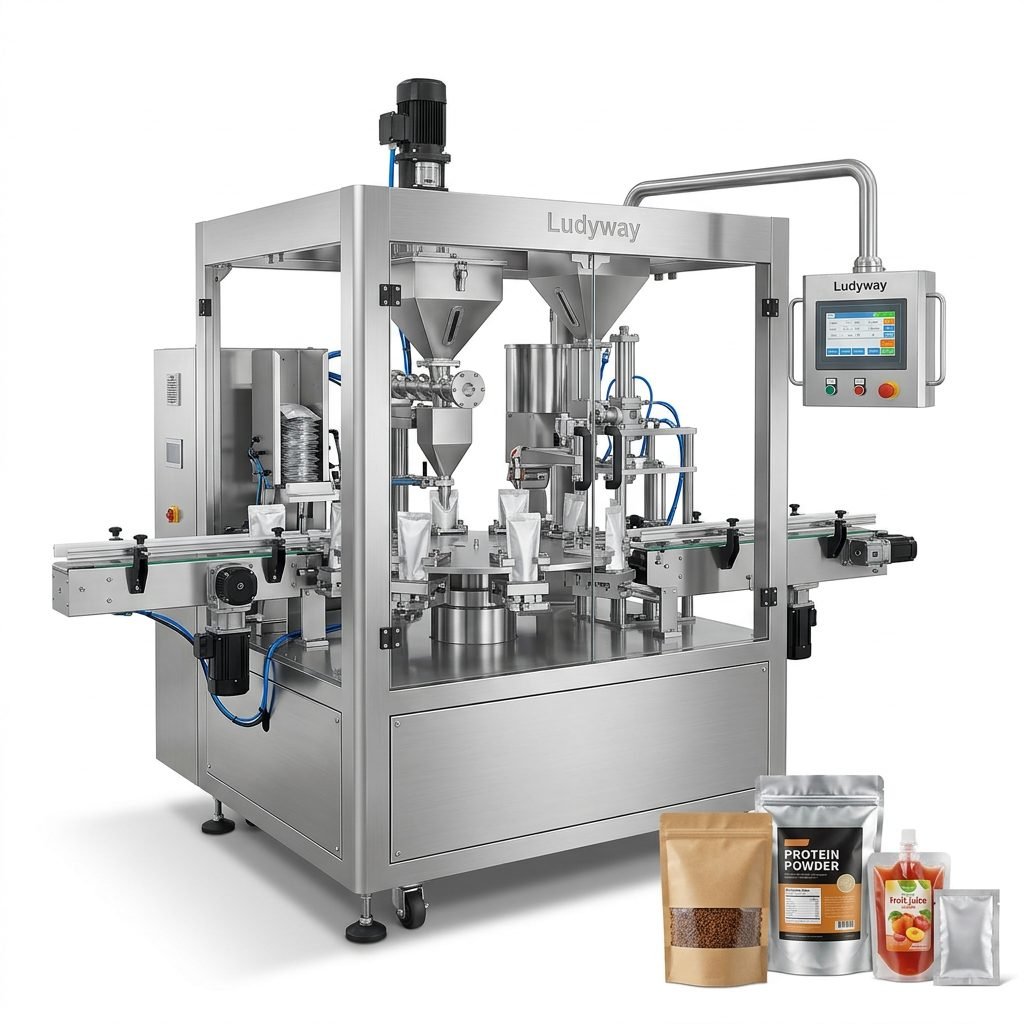
Key Components of a Bubble Packaging Machine
- Film unwinding unit
- Heating or forming section
- Air injection or vacuum-forming unit
- Product feeding system
- Sealing station
- Cutting/perforation module
- Control panel or PLC interface
- Sensors for alignment and quality detection
High-performance equipment may also include servo drives, temperature control modules, coding systems, rejection devices, and integration with cartoning or conveying systems.
Why Businesses Use Bubble Packaging Machines
Better Product Protection
The main value of bubble packaging is impact absorption. Fragile items such as bottles, electronics, cosmetics, medical products, accessories, and sensitive components benefit from a protective air layer that helps reduce breakage during transit.
Higher Packing Speed
Manual wrapping is slow and inconsistent. Automated equipment enables a faster and more repeatable process, especially in high-volume shipping or production environments.
Lower Labor Dependence
Automation reduces the need for repetitive manual handling. This is especially important for businesses facing labor shortages or rising labor costs.
Consistent Packaging Quality
Machine-made packaging offers more stable sealing, better appearance, and more predictable protection than hand-packed materials.
Reduced Material Waste
Many modern systems create packaging on demand, helping companies avoid overuse of wrapping materials and excess storage of bulky bubble rolls.
Industries That Commonly Need Bubble Packaging Machines
| Industry | Why Bubble Packaging Matters |
|---|---|
| E-commerce | Protects products in parcel shipping and improves packing efficiency |
| Pharmaceutical | Supports protective unit-dose or blister-style packaging |
| Cosmetics | Prevents leakage, scratches, and transport damage |
| Electronics | Reduces shock damage for sensitive components |
| Hardware & Tools | Improves retail display and secures small items |
| Food Adjacent Packaging | Protects packaged goods during secondary or transport packaging |
Advantages of Automatic vs Manual Bubble Packaging
- Faster throughput for medium and large orders
- Cleaner and more organized packing stations
- Lower packaging variation between operators
- Improved professional appearance
- Scalability for growing production demands
- Easier integration into automated packaging lines
For companies shipping hundreds or thousands of packages per day, manual bubble wrapping usually becomes a bottleneck. An automated machine helps turn packaging into a more predictable, measurable process.
How to Choose the Right Bubble Packaging Machine
Consider Your Product Type
Lightweight cosmetics, medical products, electronics, and glass items all require different levels of protection. Understand whether you need void fill, surface cushioning, or fixed-position blister packaging.
Check Packaging Speed Requirements
If your order volume is increasing, choose a machine with enough output capacity to handle both current and future demand.
Evaluate Film Compatibility
Make sure the machine supports the materials you plan to use, including recyclable or specialty films if sustainability is part of your brand strategy.
Review Automation Level
Some systems are compact tabletop units, while others are designed for full-line integration with conveyors, fillers, sealers, labeling machines, and end-of-line equipment.
Think About Maintenance and Support
Reliable after-sales service, spare parts availability, remote support, and technical training are important factors for long-term operation.
Signs Your Business Needs a Bubble Packaging Machine
- Your team spends too much time on manual wrapping
- Shipping damage complaints are increasing
- Packaging quality varies from order to order
- You are expanding into e-commerce or export markets
- You need to reduce labor cost per packed unit
- Your current packing process cannot keep up with sales growth
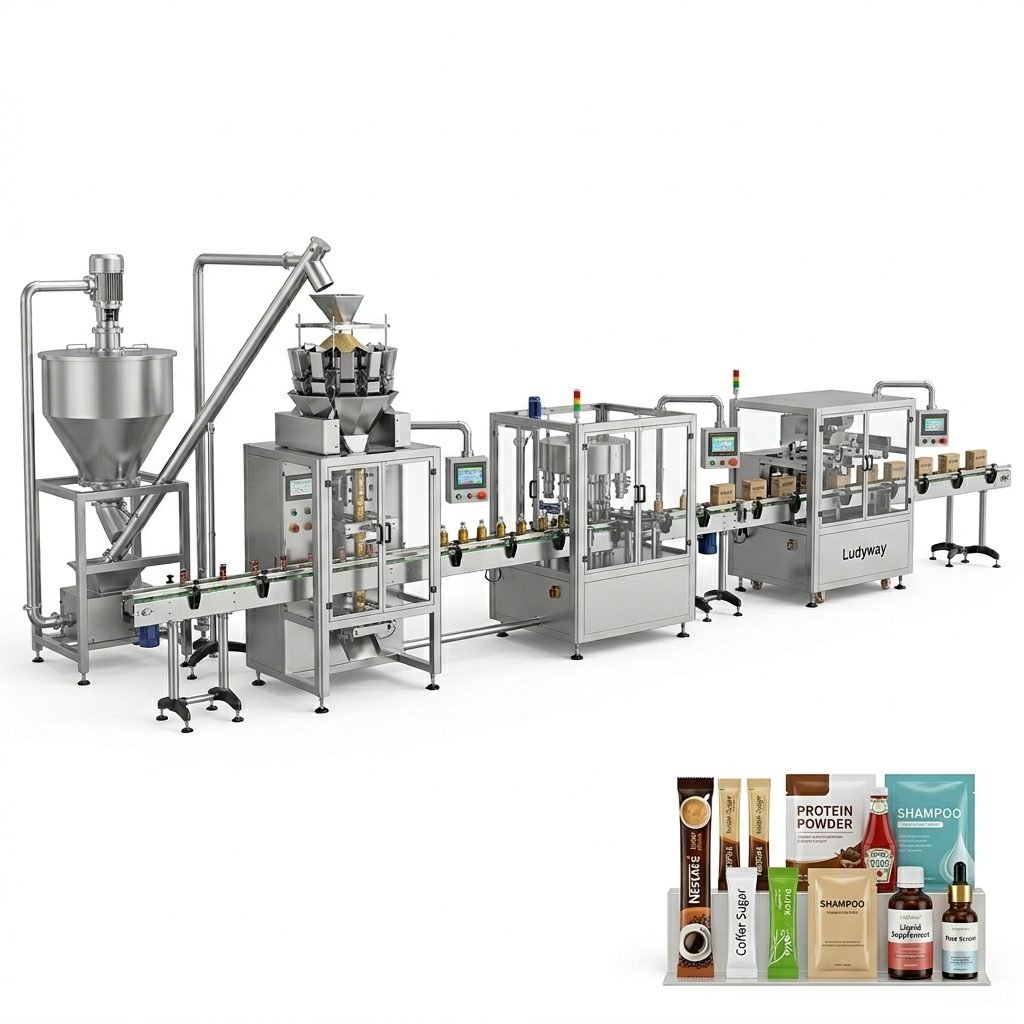
Bubble Packaging Machine Applications in Modern Packaging Lines
Today, more companies want complete packaging efficiency rather than standalone equipment. A bubble packaging machine can be integrated into a broader automated system that includes:
- Product feeding and sorting
- Primary packaging
- Secondary protective packaging
- Cartoning or boxing
- Coding and labeling
- Checkweighing and inspection
- Palletizing and warehousing preparation
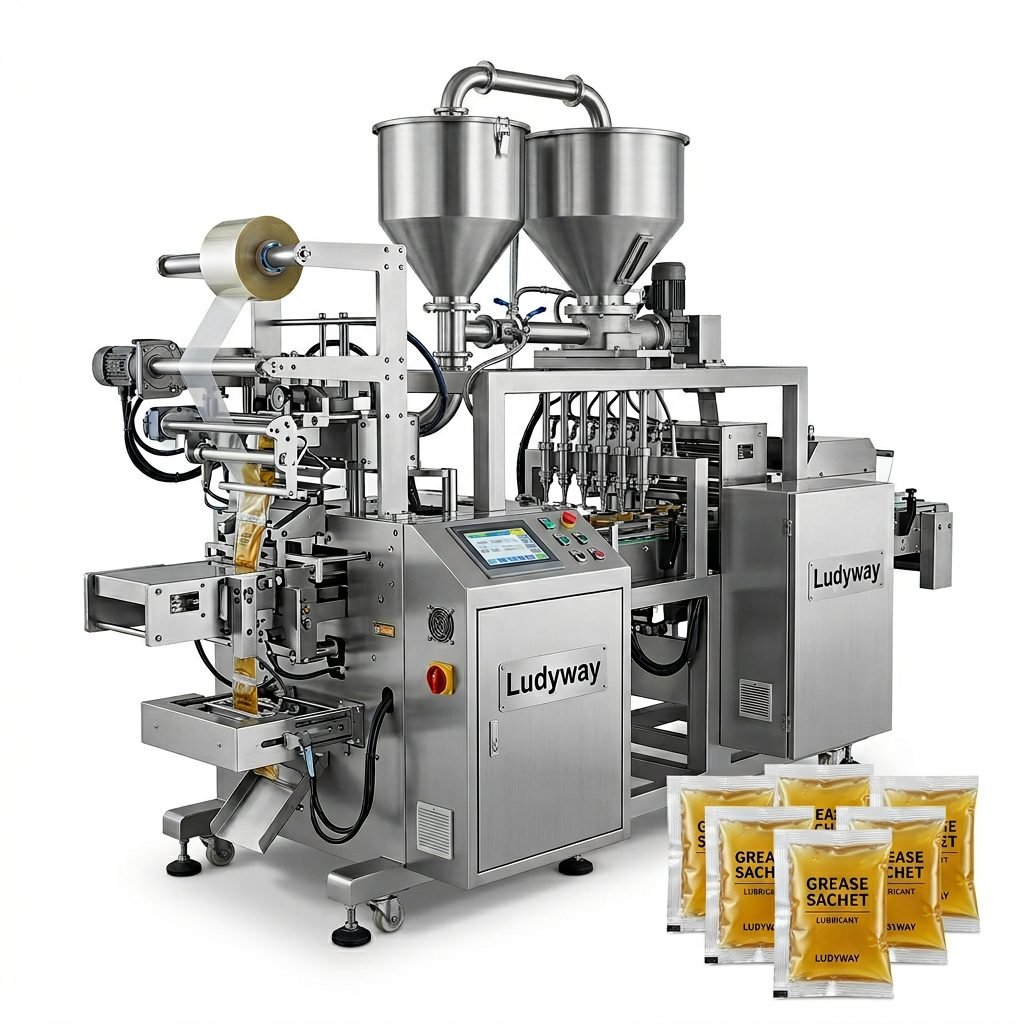
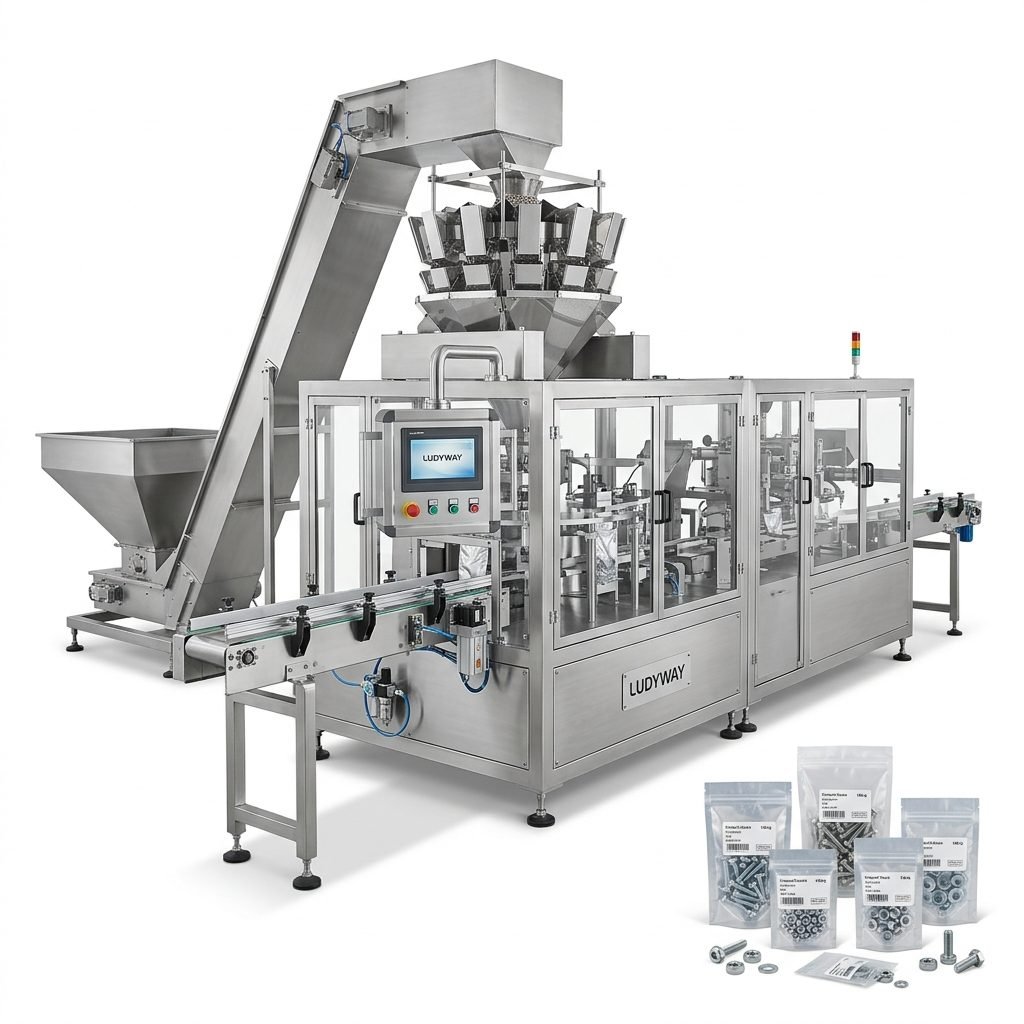
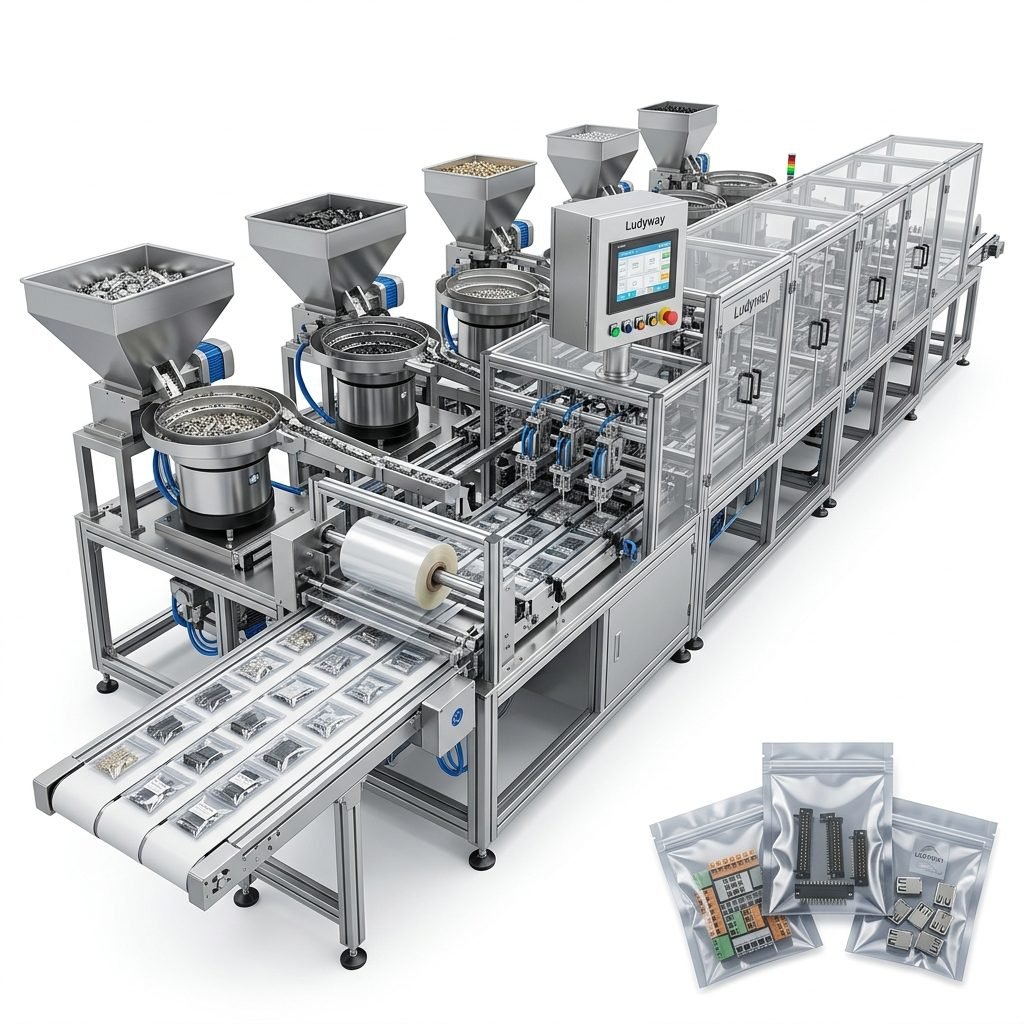
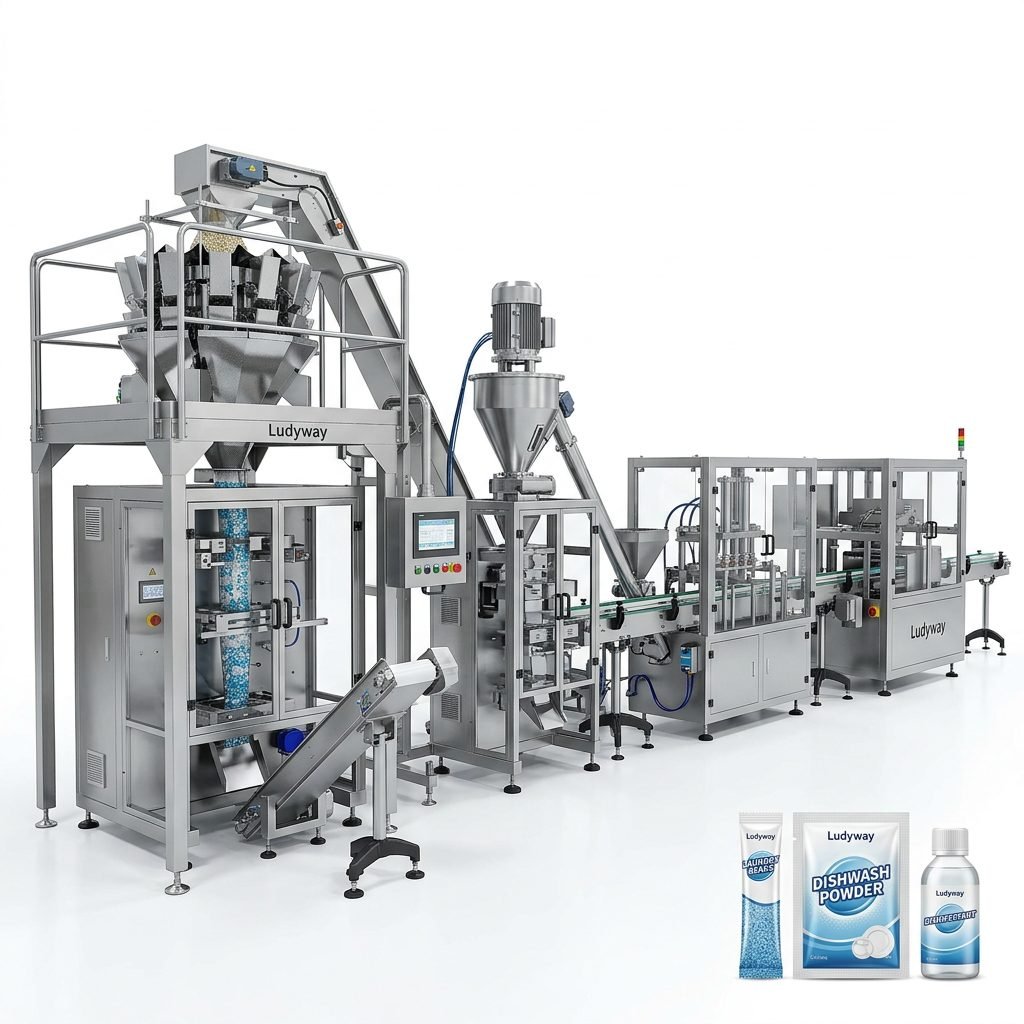
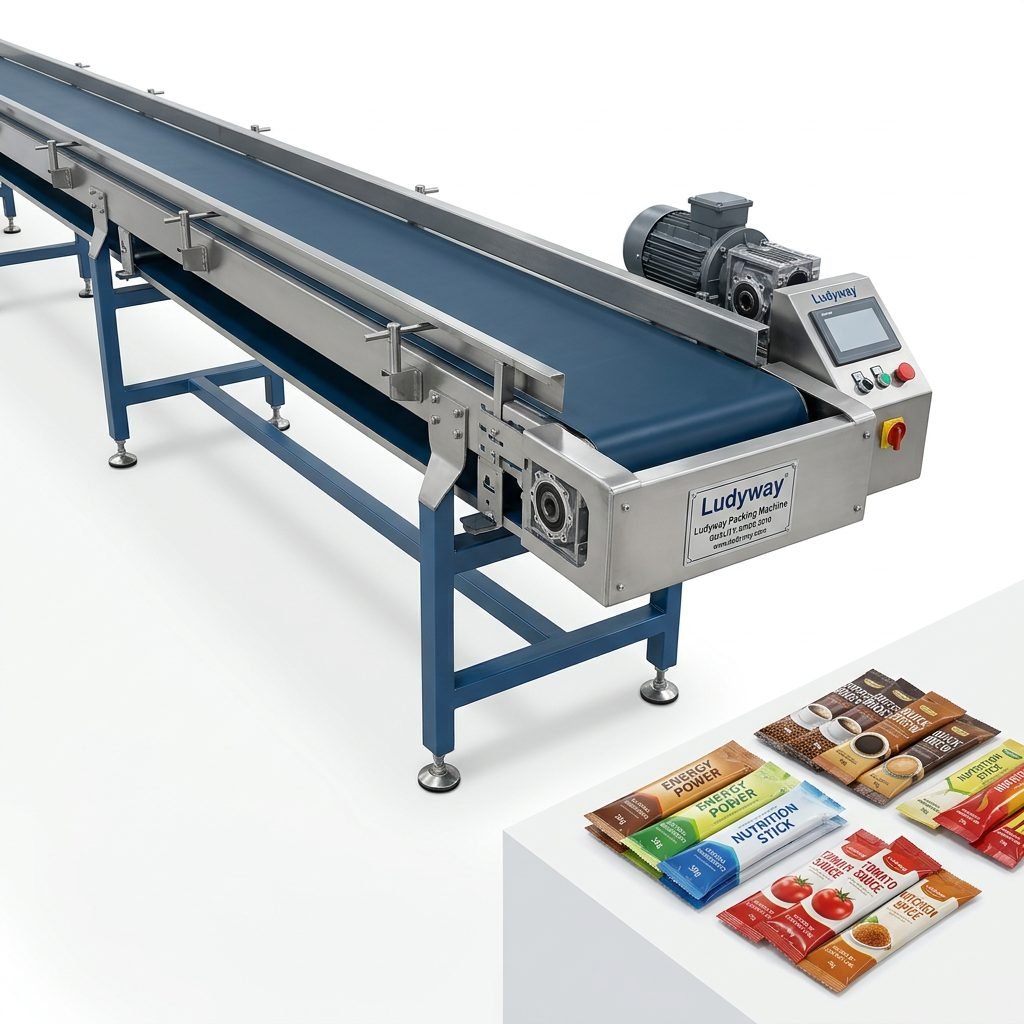
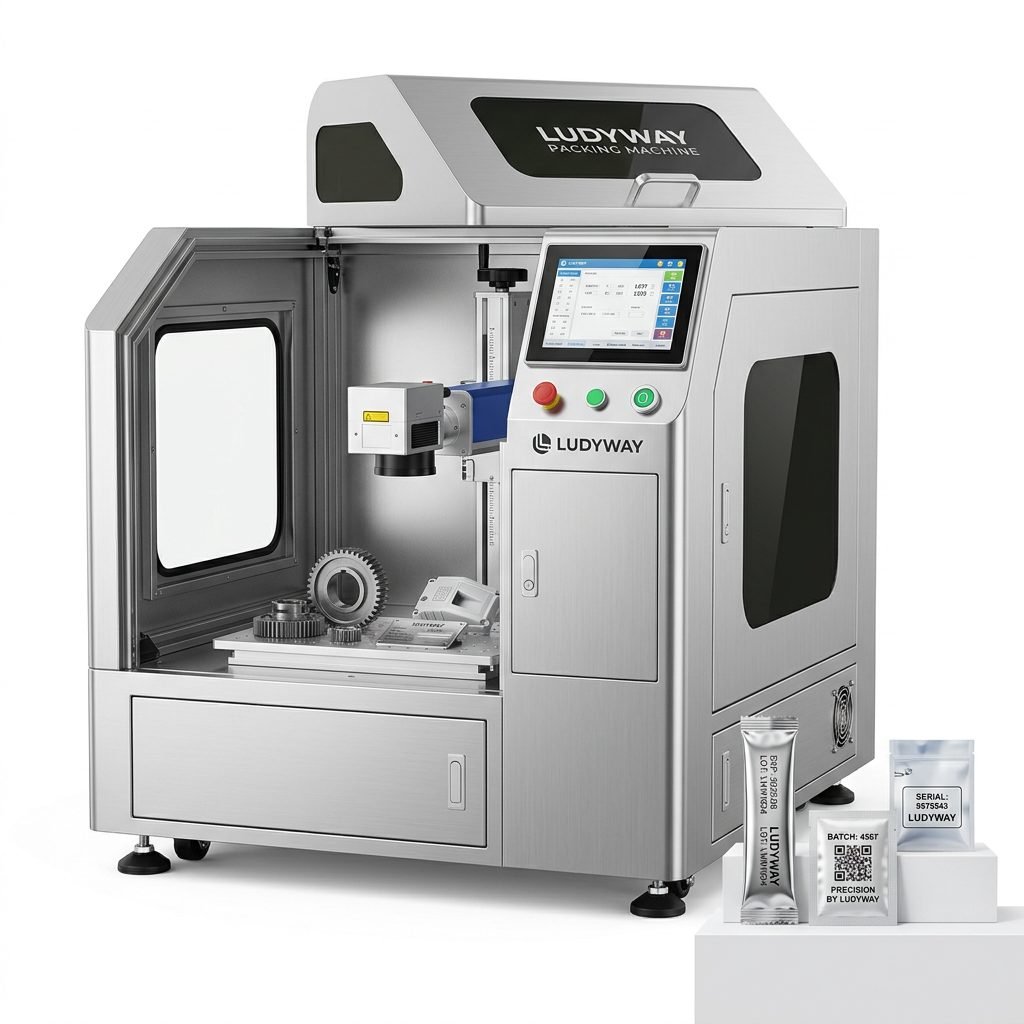
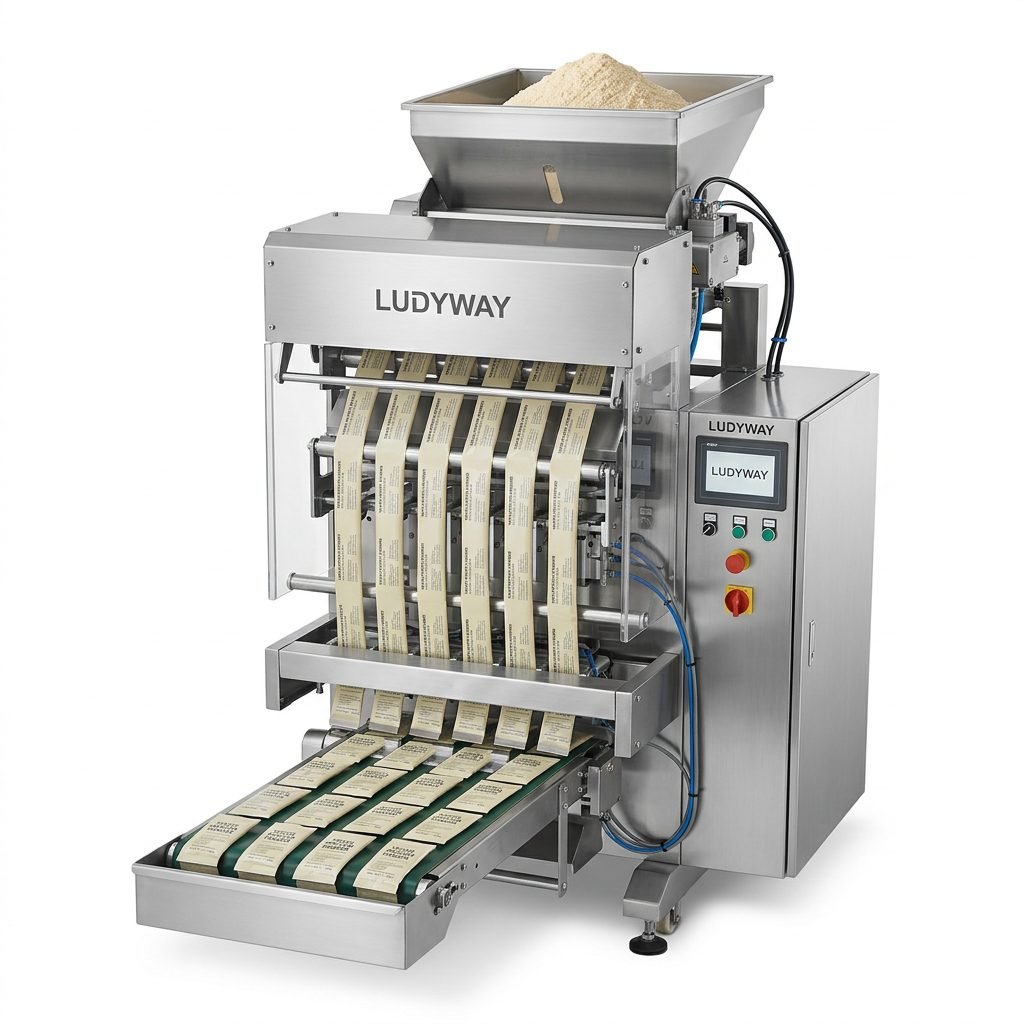
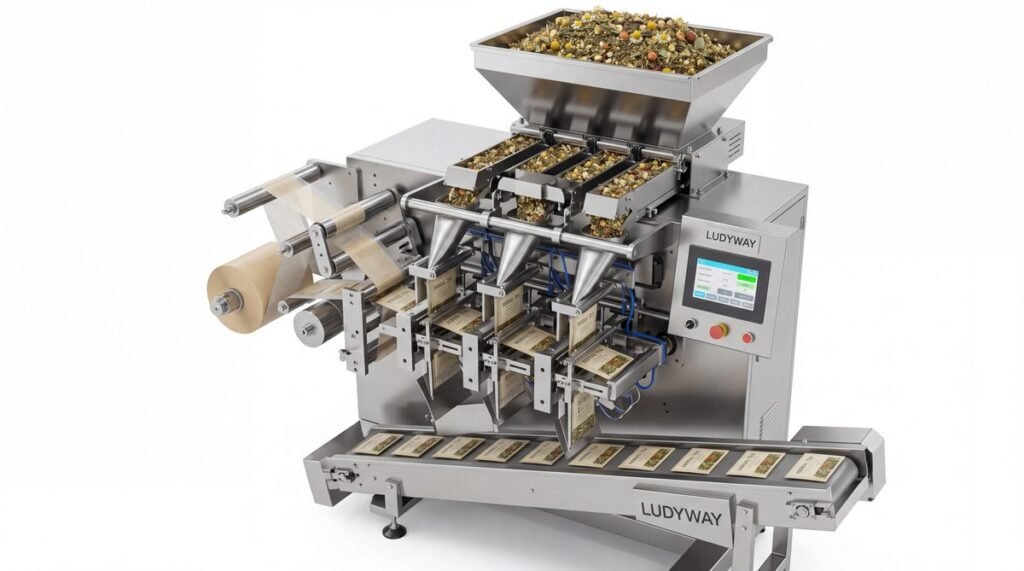
For manufacturers and processors seeking reliable automation, Ludyway packaging machine solutions are often considered for scalable standalone equipment and turnkey packaging line integration across food, pharmaceutical, health supplement, cosmetic, chemical, and related industries.
Common Features to Look For
| Feature | Why It Matters |
|---|---|
| PLC Touchscreen Control | Simplifies operation and changeovers |
| Servo Drive System | Improves precision and machine stability |
| Adjustable Sealing Parameters | Supports different film structures and package formats |
| Compact Design | Saves production floor space |
| Line Integration Capability | Allows expansion into full automation later |
Maintenance Tips for Long-Term Performance
- Inspect sealing parts regularly
- Keep film feeding paths clean and aligned
- Monitor air pressure and heating consistency
- Replace worn blades or sealing components on time
- Train operators on correct setup procedures
- Follow the supplier’s preventive maintenance schedule
Routine maintenance not only improves uptime but also helps maintain package quality, seal reliability, and material efficiency.
Final Buying Perspective
A bubble packaging machine is more than a protective packaging tool. It is a productivity investment that can improve throughput, reduce damage, and standardize packaging quality across your operation. Whether you run an e-commerce fulfillment center, a pharmaceutical packaging line, a cosmetics factory, or a consumer goods business, the right machine can help you package smarter and scale faster.
If your current process relies heavily on hand wrapping, has inconsistent protection quality, or struggles to meet growing order volumes, moving to an automated bubble packaging solution may be the next practical step.