In the fast-paced world of manufacturing, the efficiency and quality of your final product are often determined by the machinery that processes and packages it. Selecting the right equipment is not just a purchase; it’s a strategic investment that impacts productivity, cost, and market competitiveness. This guide delves into the various types of processing and packaging machinery, their applications across key industries, and provides a structured approach to choosing the perfect equipment for your operational needs.
Core Categories of Processing Machinery
Processing machinery prepares raw materials for final packaging. This stage is crucial for ensuring product consistency, safety, and shelf life.
Mixing and Blending Equipment
This category includes ribbon blenders, paddle mixers, and high-shear mixers. They are essential for creating homogeneous mixtures of powders, granules, or liquids, ensuring every unit of the final product has identical composition and quality.
Size Reduction Machinery
From hammer mills and grinders to crushers and pulverizers, these machines reduce the particle size of raw materials. This is vital for products like spices, pharmaceuticals, and chemicals where specific particle size distribution affects dissolution rates, texture, and reactivity.
Heat Processing Equipment
Ovens, dryers, pasteurizers, and sterilizers fall under this category. They are used to remove moisture, cook, or eliminate microbial contamination. For instance, spray dryers are indispensable in the dairy and food ingredient industries, while tunnel pasteurizers are standard in beverage production.
Forming and Molding Machines
These machines give the product its final shape. Examples include tablet presses in pharmaceuticals, extruders for snacks and pet food, and molding lines for chocolate or soap bars.
Primary Types of Packaging Machinery
Packaging machinery takes the processed product and encloses it for protection, distribution, and sale. The technology ranges from simple manual systems to fully integrated, high-speed automated lines.
Key Packaging Formats
Filling Machines: These are the workhorses, accurately dispensing product into containers. They are specialized for different states:
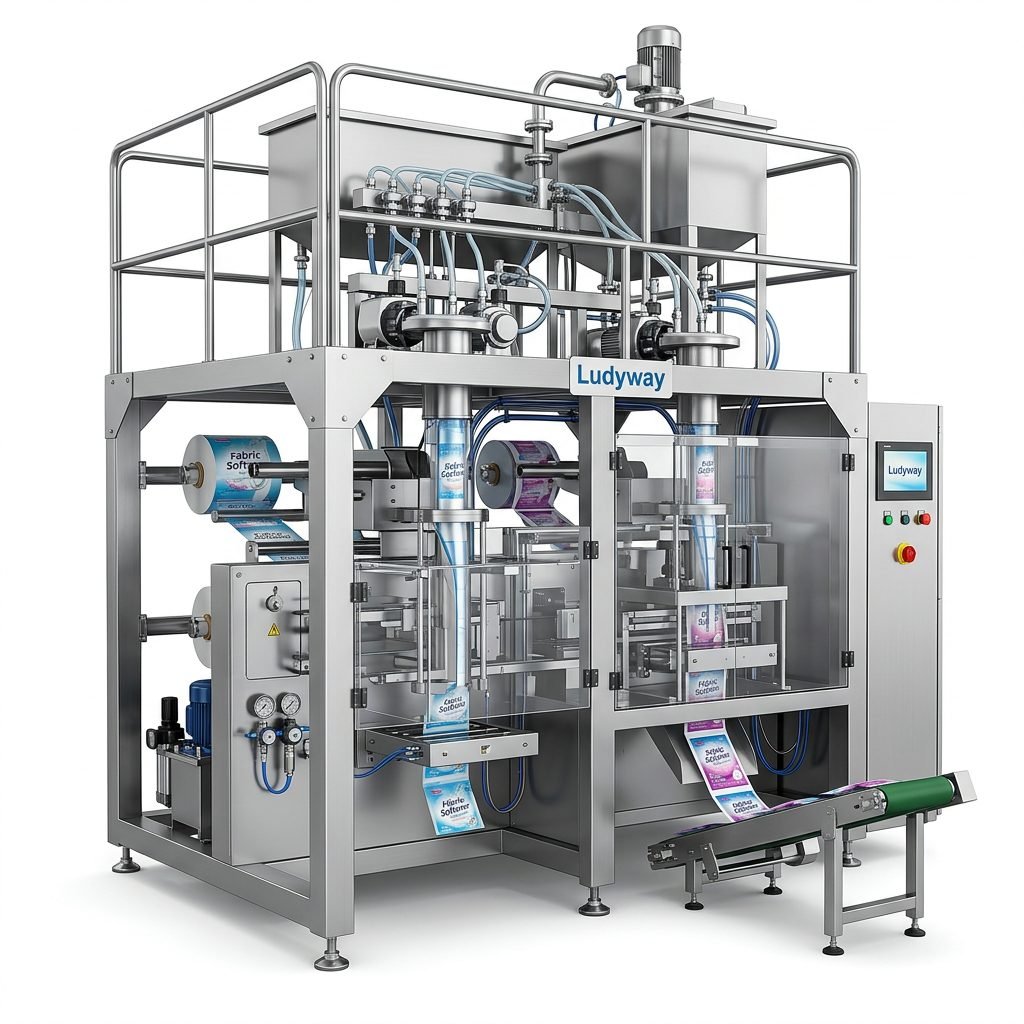
- Liquid Fillers: Used for water, oils, sauces, and shampoos.
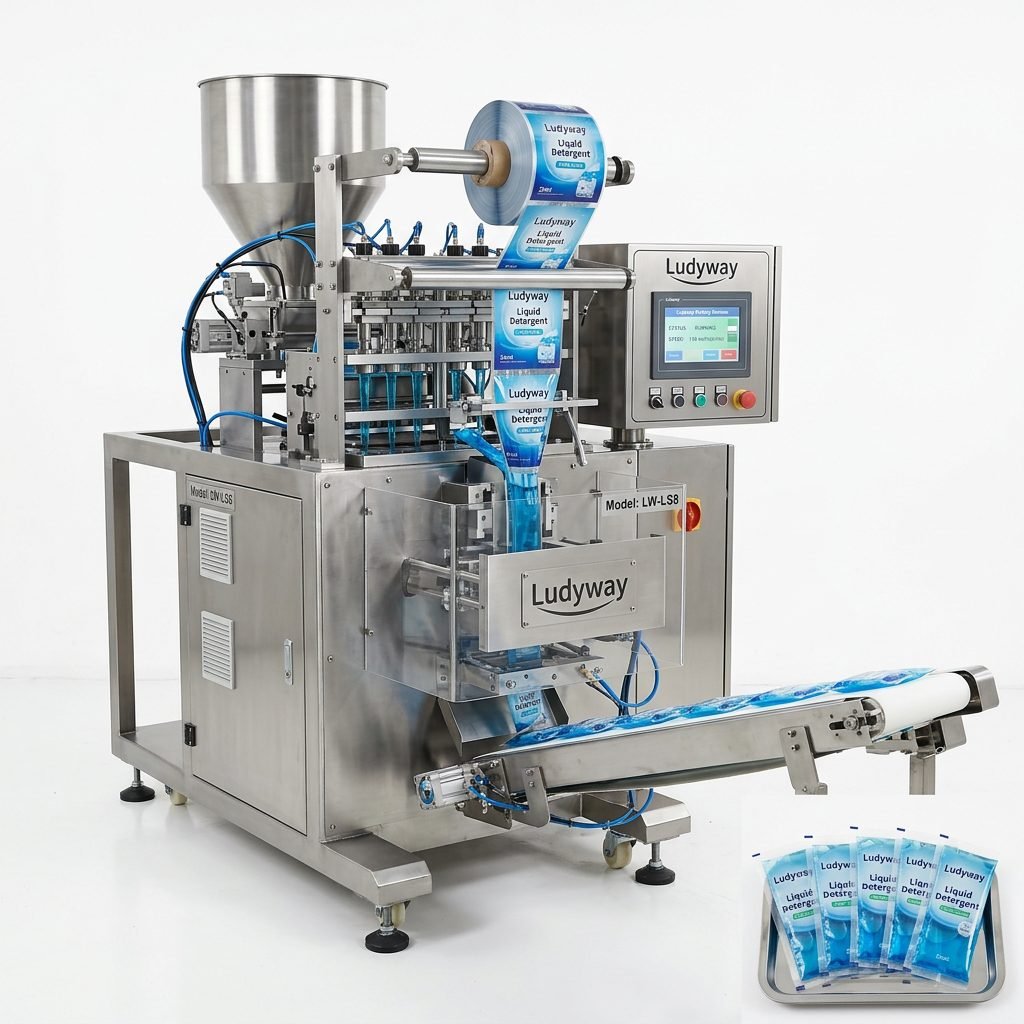
- Powder Fillers: Critical for milk powder, protein supplements, and detergents.
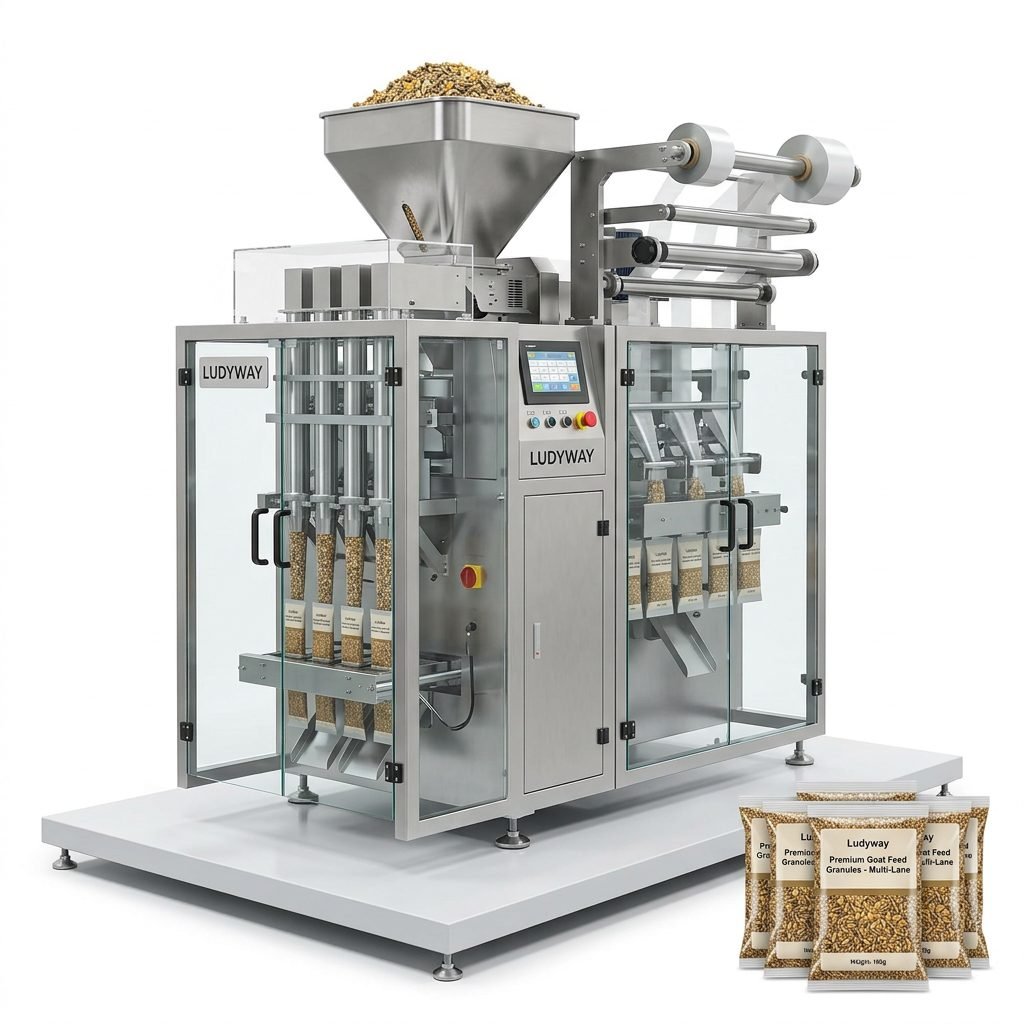
- Granule Fillers: Ideal for coffee beans, nuts, seeds, and hardware items.
Technologies include volumetric cup fillers, auger fillers for powders, and precise piston fillers for liquids and pastes.
Sealing and Closing Machines
Once filled, containers must be securely closed. This includes cappers for bottles and jars, induction sealers for tamper-evidence, heat sealers for pouches, and carton closers.
Labeling and Coding Equipment
These machines apply vital information. Labelers attach primary product labels, while coders (inkjet, laser) print batch dates, expiry codes, and barcodes directly onto the packaging or label.
Wrapping and Bundling Machines
Used for secondary packaging, these units group multiple products together. Flow wrappers encase items like candy bars, shrink wrappers bundle bottles or boxes, and case packers automatically load products into shipping cartons.
Industry-Specific Applications
The choice of machinery is heavily influenced by the industry’s regulatory standards, product characteristics, and required hygiene levels.
Food and Beverage Industry
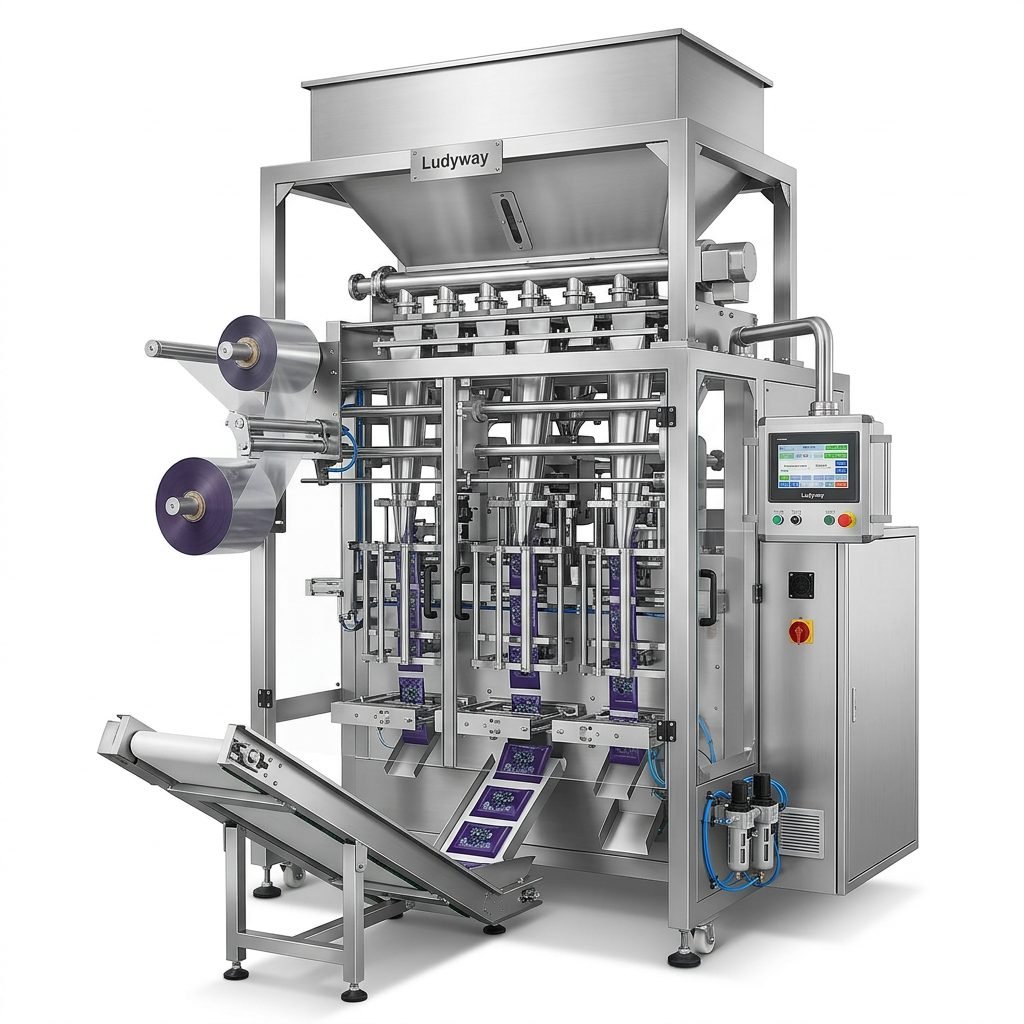
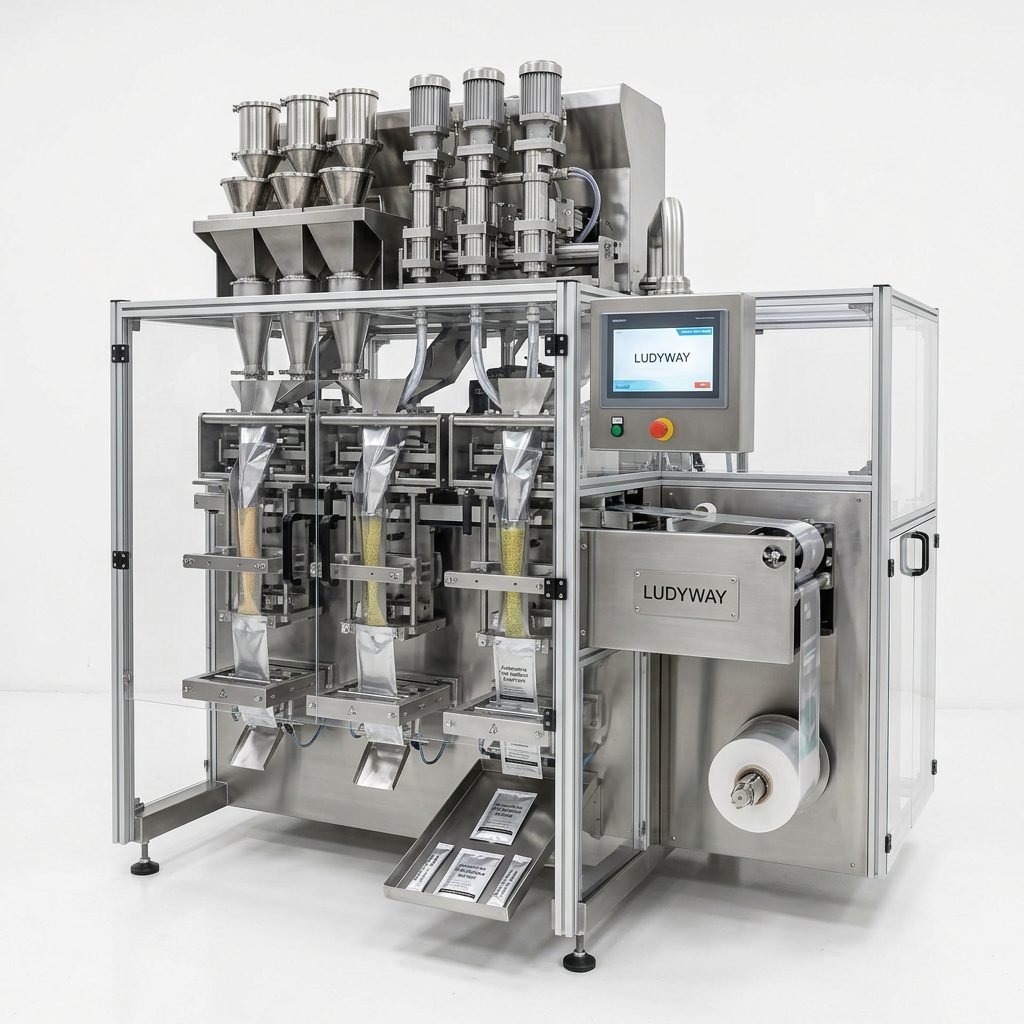
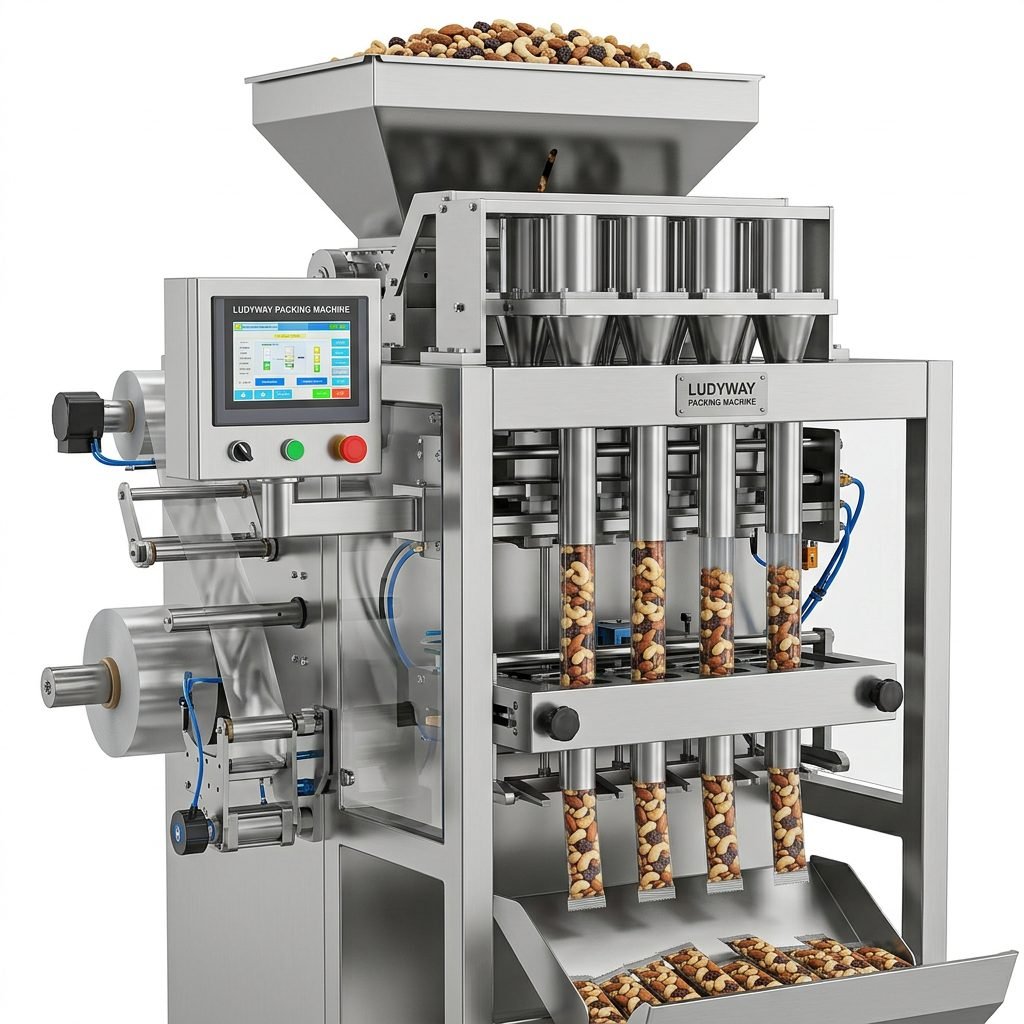
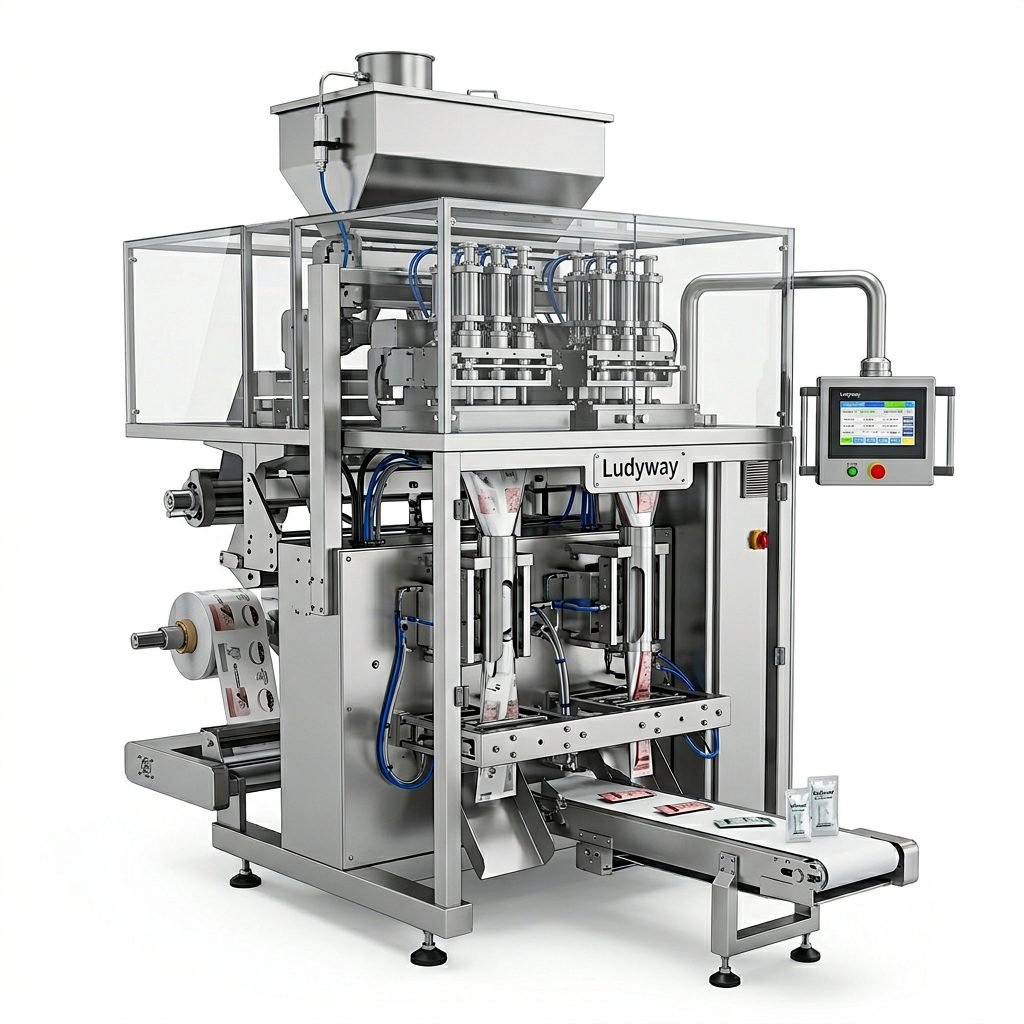
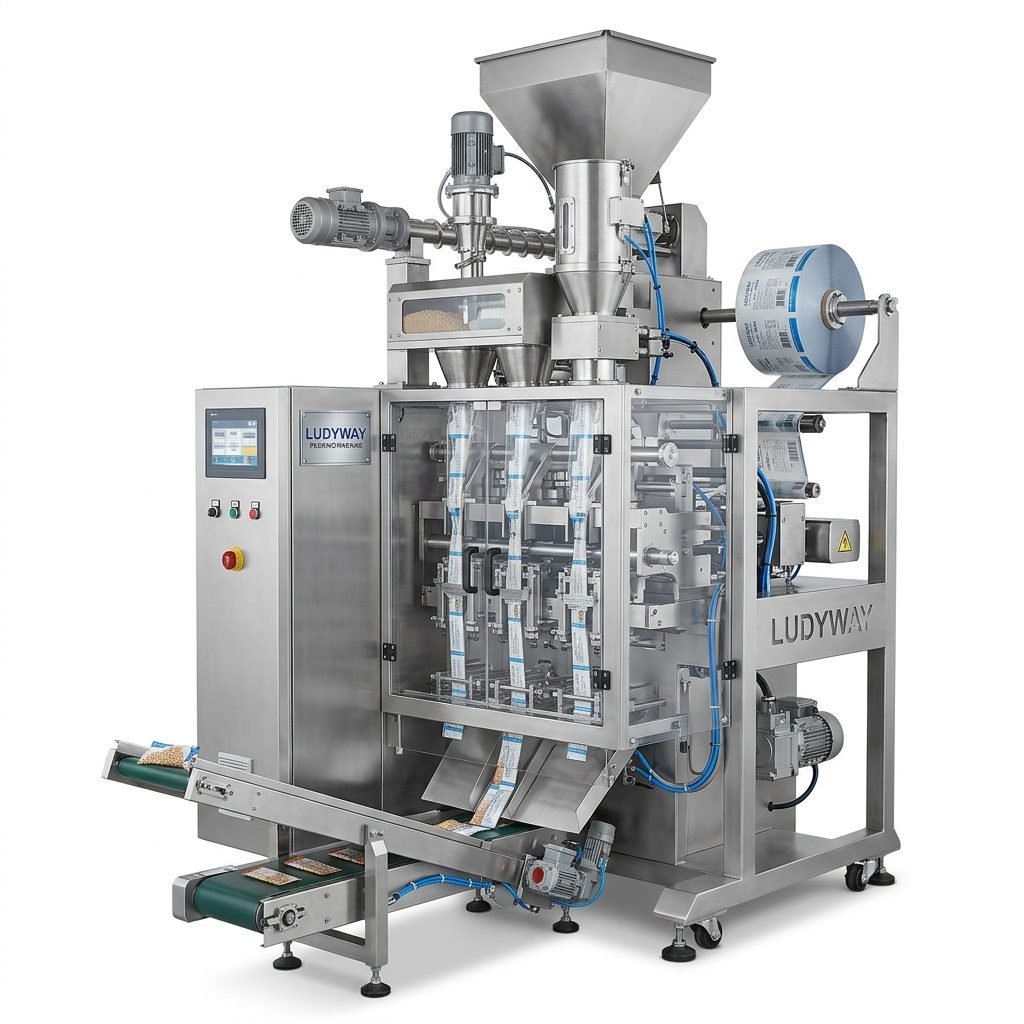
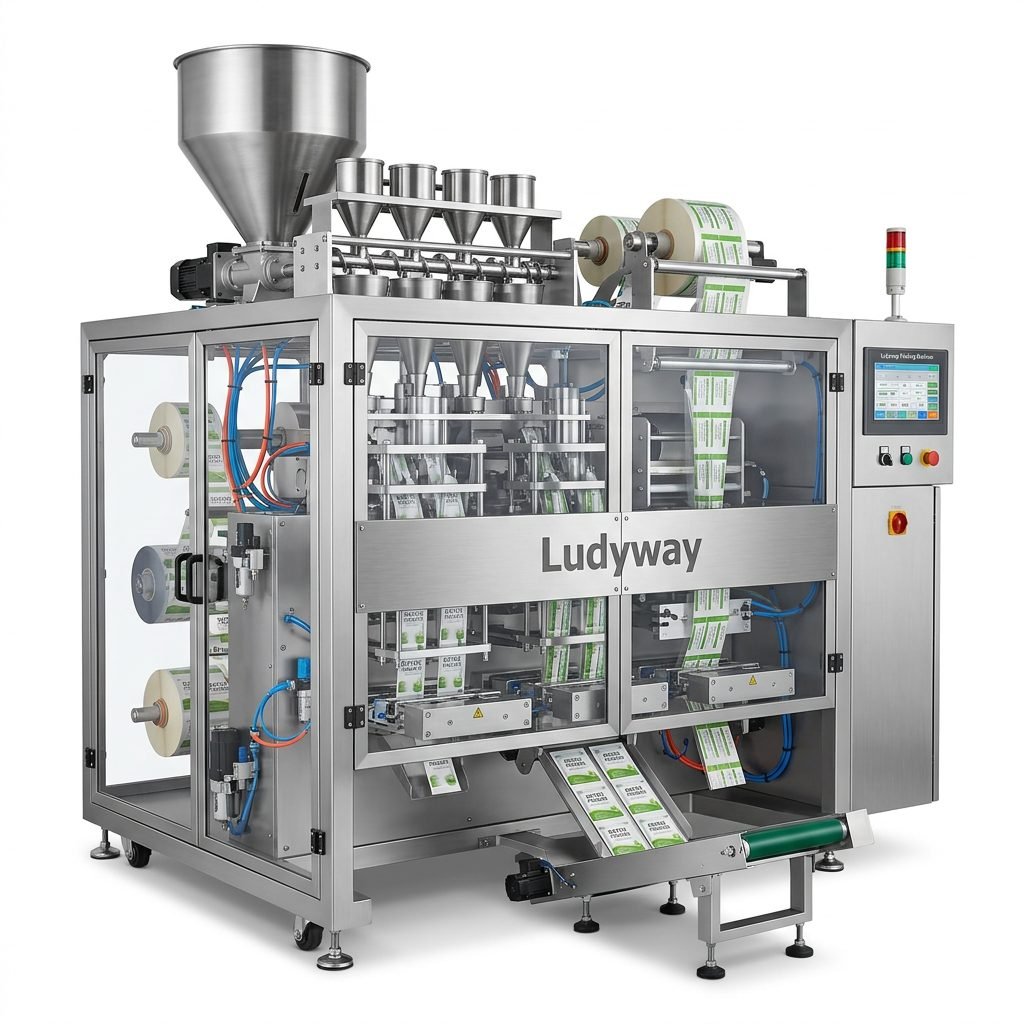
This sector demands machinery that ensures food safety, preserves freshness, and handles diverse consistencies. Aseptic processing and packaging lines are used for dairy and juices. Vertical form-fill-seal (VFFS) machines are ubiquitous for packaging snacks, frozen vegetables, and coffee. For more specialized needs, companies like Ludyway Machinery offer multi-lane stick pack machines ideal for portion-controlled items like instant drink mixes, sugar, and spices, catering to global convenience trends.
Pharmaceutical and Healthcare
Precision, sterility, and traceability are paramount. Blister packing machines are standard for tablets and capsules. Liquid syringes and vials are filled in cleanroom environments using high-precision fillers. Powder processing for antibiotics requires contained systems to protect operators. The machinery must comply with strict standards like cGMP (Current Good Manufacturing Practice).
Cosmetics and Personal Care
This industry focuses on aesthetics, precise dosing, and packaging versatility. Machines handle creams, gels, and liquids, often integrated with elegant filling and capping solutions for bottles and jars. Tube fillers and sealers are also common for products like lotions and ointments.
Chemical and Agricultural
Durability and chemical resistance are key. Machinery for packaging fertilizers, pesticides, and industrial chemicals often uses robust materials like stainless steel with special coatings. Bagging machines for powders and granules are widely used, with a strong emphasis on dust containment and operator safety.
How to Choose the Right Equipment: A Step-by-Step Guide
Making an informed decision requires a systematic evaluation of your needs against what the market offers.
Step 1: Define Your Product and Output Requirements
Start with the basics: What are you packaging? (e.g., viscous liquid, fine powder, fragile granules). Define your required production speed (units per minute/hour). Determine your packaging format (pouches, bottles, sticks, cans). This clarity is the foundation of your search.
Step 2: Evaluate Machine Capabilities and Technology
Match your product specs to machine specs. For powders, an auger filler’s accuracy is crucial. For liquids, check the filler’s viscosity handling range. Assess the level of automation needed—from semi-automatic to fully robotic lines. Consider future-proofing: can the machine handle different package sizes or products with minimal changeover time?
Step 3: Consider Compliance and Hygiene Standards
For food, pharmaceutical, or chemical applications, regulatory compliance is non-negotiable. Ensure the machine is constructed with appropriate materials (e.g., food-grade stainless steel, FDA-compliant seals). Check if it meets industry-specific standards for cleanability and safety.
Step 4: Analyze Total Cost of Ownership (TCO)
Look beyond the initial purchase price. Calculate TCO by factoring in:
✔ Energy consumption
✔ Maintenance costs and spare part availability
✔ Required operator skill level and training
✔ Potential downtime
A slightly more expensive but robust and reliable machine from a reputable supplier like Ludyway often offers lower TCO.
Step 5: Assess Supplier Reputation and Support
The supplier is your long-term partner. Investigate their experience, particularly in your industry. Review their after-sales service: Do they offer installation, training, and local technical support? What is their warranty and spare parts delivery policy? A supplier’s expertise, such as the 30+ years of industry experience behind the Ludyway brand, can be invaluable for troubleshooting and optimizing your line.
Future Trends in Processing and Packaging
The industry is rapidly evolving towards greater intelligence and sustainability. Industry 4.0 integration is becoming standard, with machines equipped with IoT sensors for predictive maintenance and real-time production data analytics. There is also a strong push for sustainable packaging solutions, driving demand for machinery that can handle biodegradable, compostable, or recyclable materials efficiently. Furthermore, the need for flexibility is growing, prompting manufacturers to design modular machines that can quickly switch between products and package types to meet shifting consumer demands.
Frequently Asked Questions (FAQs)
Q1: What is the main difference between a semi-automatic and a fully automatic packaging machine?
A: A semi-automatic machine requires some manual intervention, such as placing empty containers or initiating each cycle. It’s suitable for lower volumes. A fully automatic machine is integrated into a production line, performing all tasks (feeding, filling, sealing, labeling) with minimal human oversight, designed for high-volume, consistent output.
Q2: How important is after-sales service when buying packaging machinery?
A: It is critically important. Even the best machinery may require maintenance, parts, or calibration. A supplier with reliable, responsive after-sales support ensures minimal downtime, protects your investment, and helps maintain long-term productivity. Always verify the service network and support terms before purchasing.
Q3: Can one machine handle multiple different products or package sizes?
A: Many modern machines are designed with flexibility in mind. Look for models with quick-change features for parts like filling heads, forming tubes, and sealing jaws. However, the feasibility depends on the product similarity (e.g., switching between two different powder densities is easier than switching from a powder to a liquid). Discuss your specific changeover needs with the supplier.
Q4: What are the key hygiene considerations for food-grade packaging machines?
A: Key considerations include: construction with smooth, food-grade stainless steel (e.g., 304 or 316L) to prevent corrosion and bacterial harborage; design with minimal crevices and easy disassembly for cleaning (CIP – Clean-in-Place systems are a plus); and the use of compliant lubricants and seals. The machine should facilitate compliance with food safety standards like HACCP.
Q5: Where can I find a reliable supplier for turnkey packaging solutions?
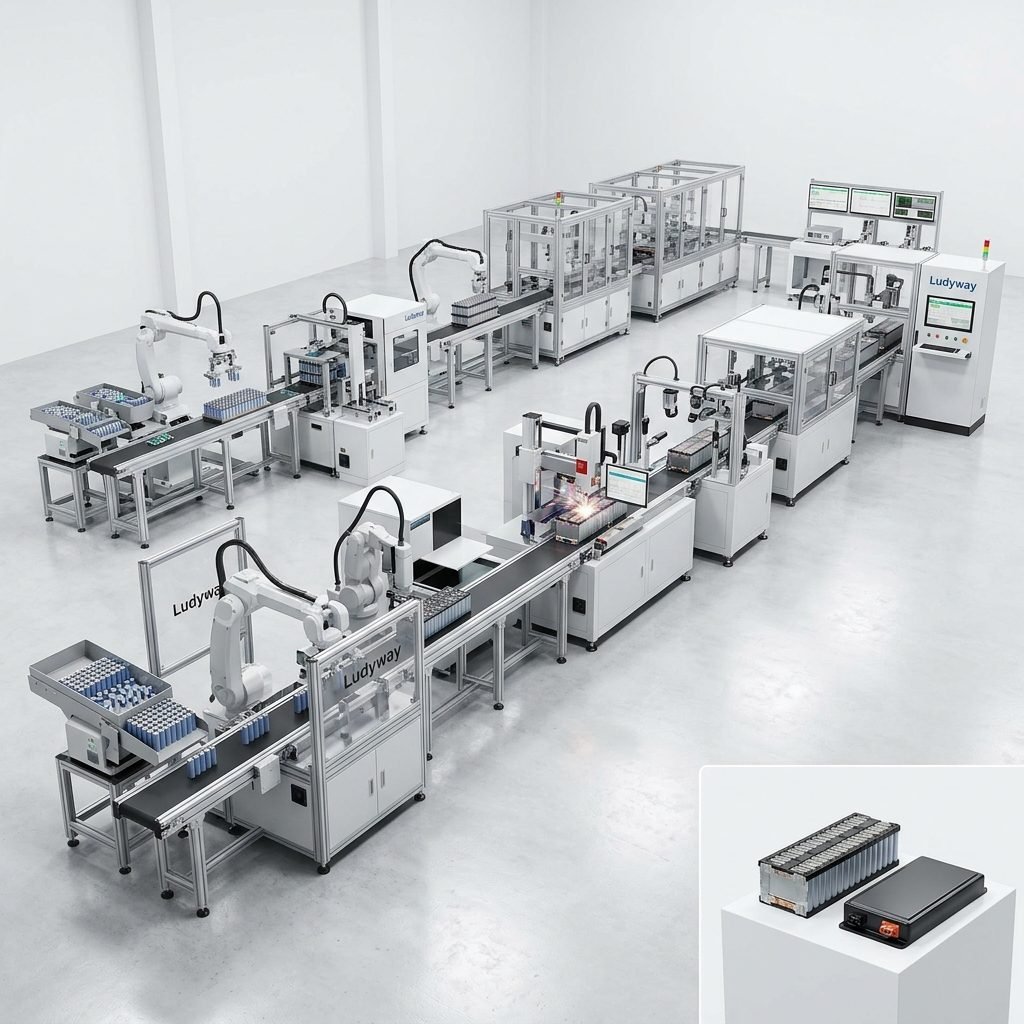
A: Look for established suppliers with a proven track record in your target industry. Companies that offer complete turnkey solutions—from single machines to integrated production lines—can provide significant value. For example, exploring the solutions offered by experienced providers like Ludyway Machinery, which specializes in tailored systems for food, pharmaceutical, and health products, can be a strong starting point for your project.