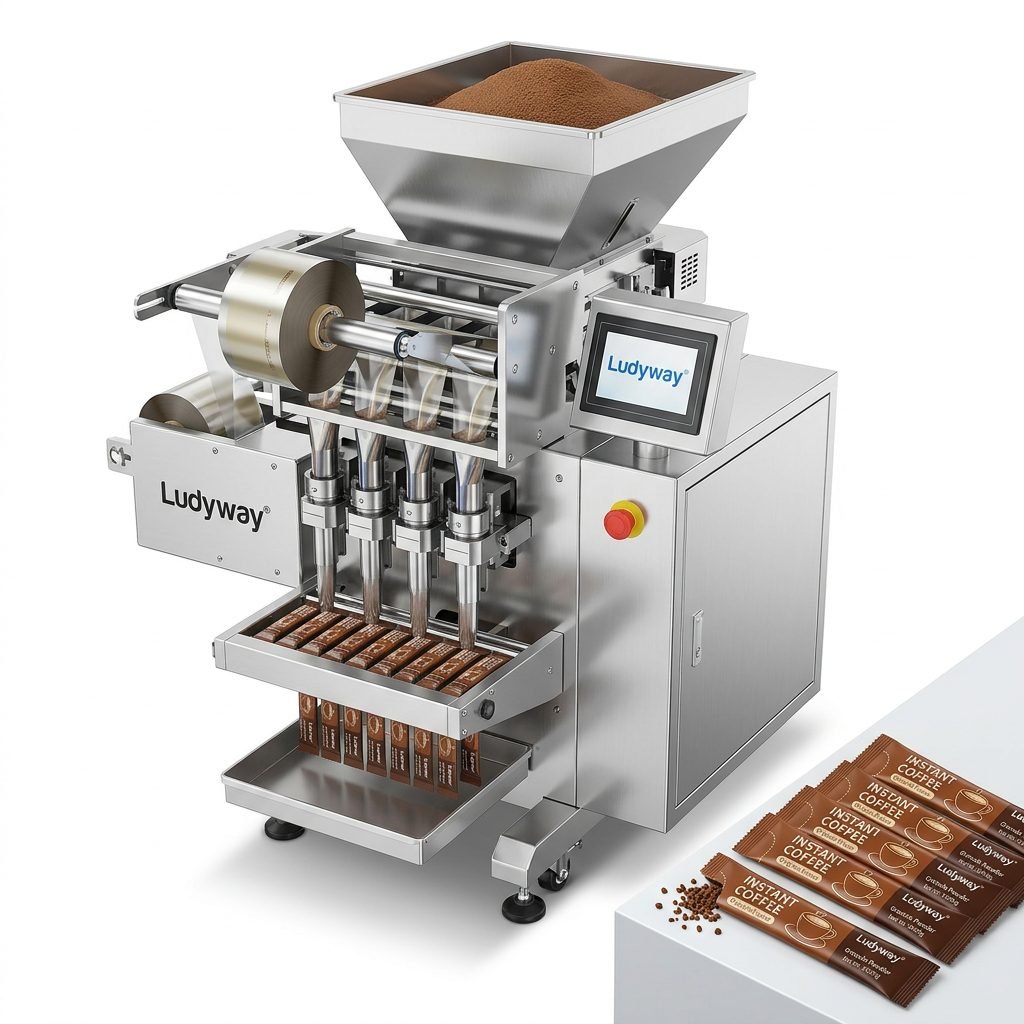
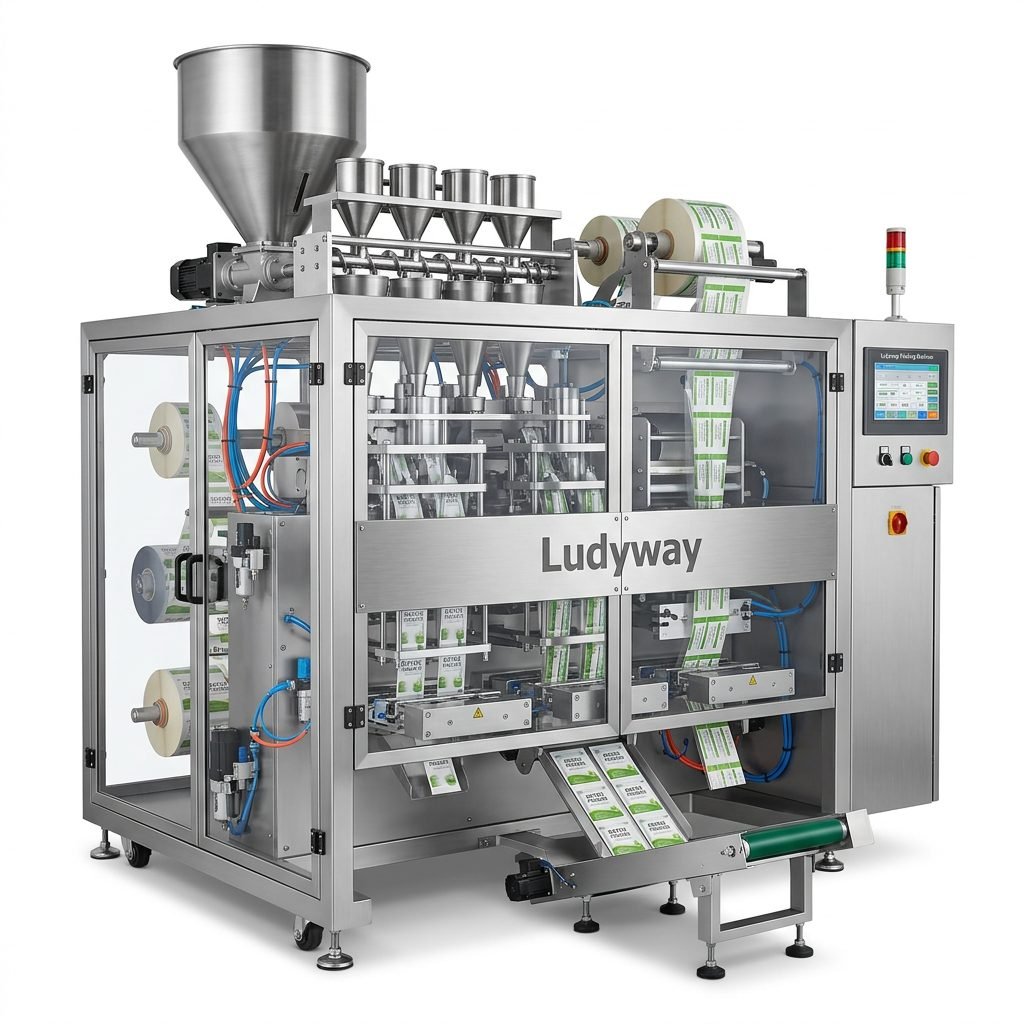
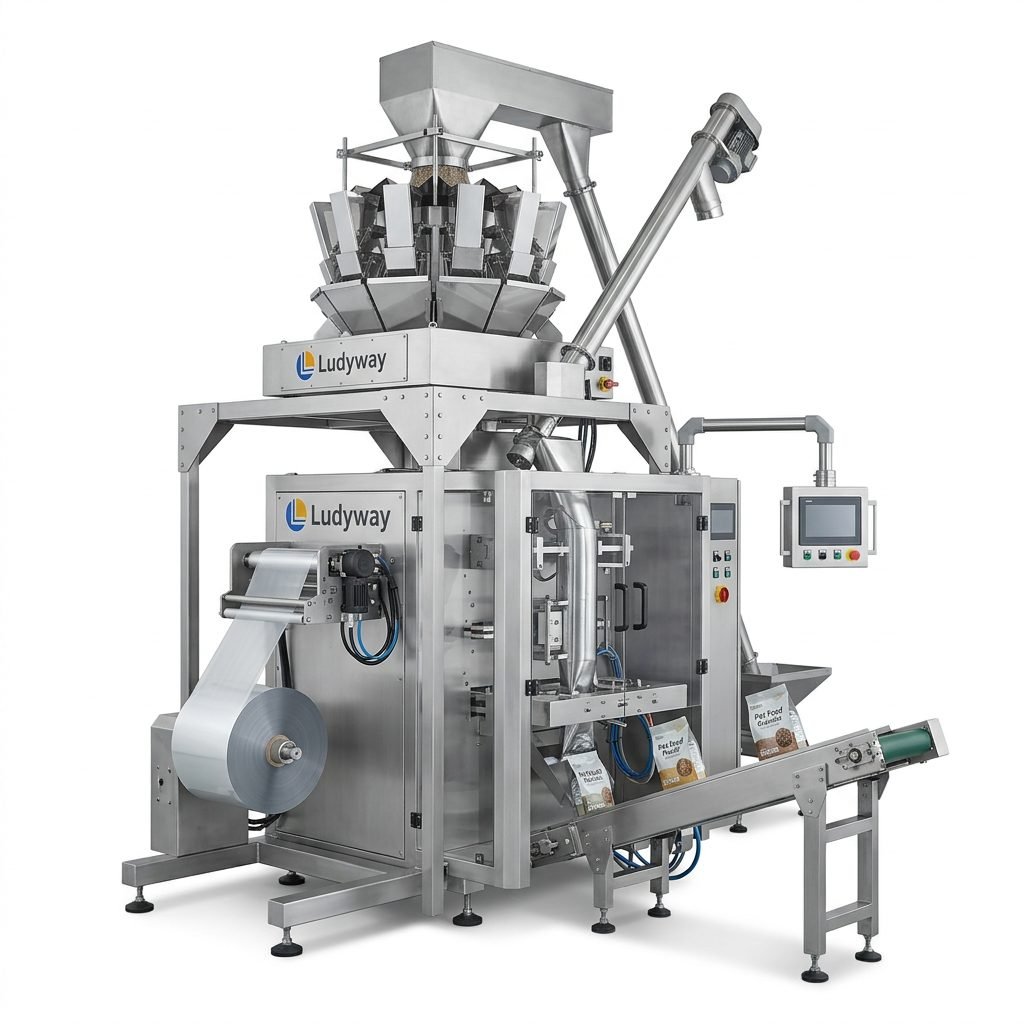
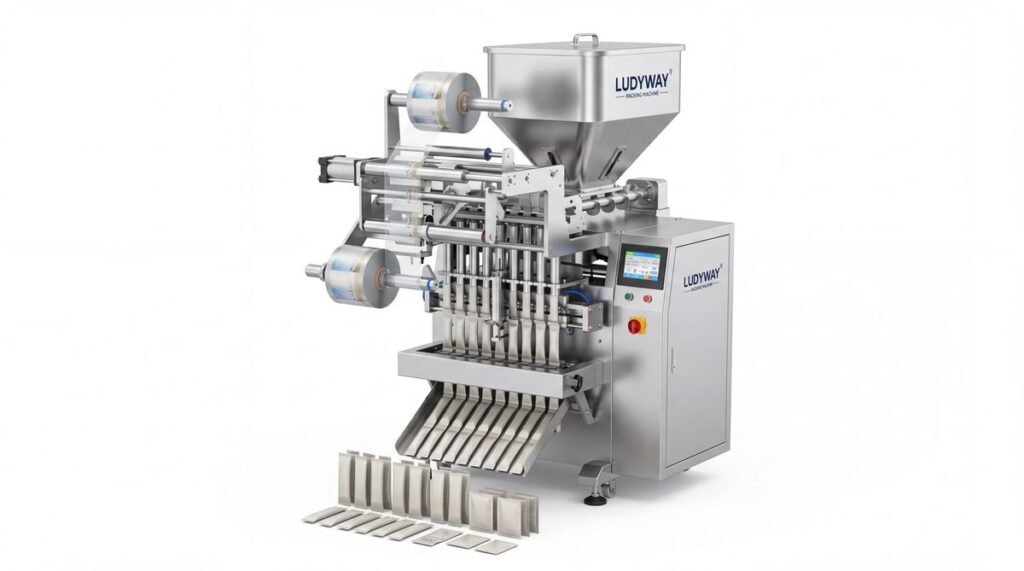
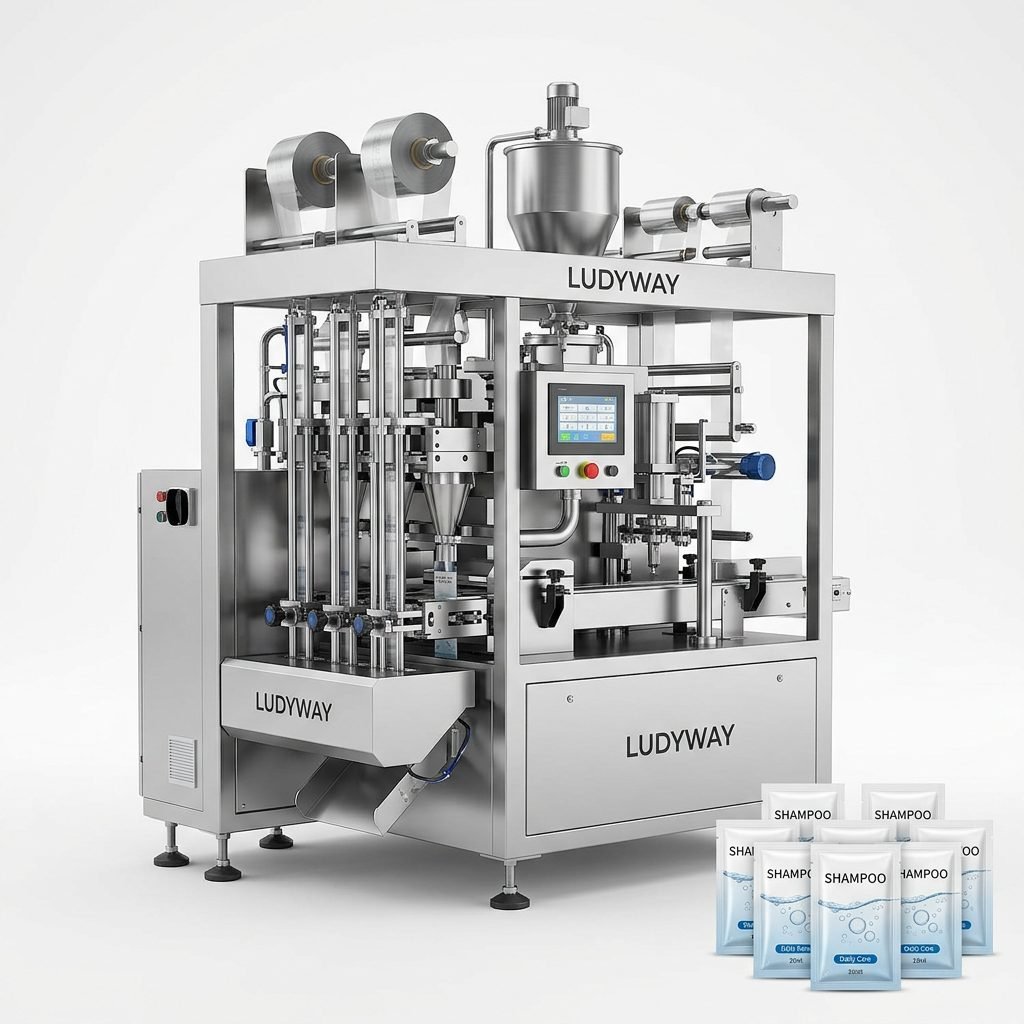
In the world of product packaging, a leak is more than just a minor inconvenience; it can represent a significant failure point leading to product waste, customer dissatisfaction, and potential safety hazards. For industries handling liquids, viscous pastes, oils, or even fine powders, ensuring a perfect, leak-proof seal is paramount. This is where leak-resistant packaging equipment becomes a critical investment. Choosing the right machinery is not just about buying a machine; it’s about investing in product integrity, brand reputation, and operational efficiency.
The High Cost of Leaks in Packaging
Before diving into equipment selection, it’s crucial to understand what’s at stake. Leaks can occur during filling, sealing, or handling stages and have far-reaching consequences:
Product Loss & Contamination: Leaking product is direct financial loss. For expensive ingredients like pharmaceuticals, health supplements, or specialty oils, this waste cuts deeply into profits. Furthermore, leaks can contaminate other packages on the line or during transit.
Damaged Brand Reputation: A consumer receiving a sticky, half-empty, or soiled package is unlikely to repurchase. In the age of social media, such experiences can quickly erode trust and damage a brand’s image that took years to build.
Supply Chain & Logistics Issues: Leaking packages can damage secondary packaging (cartons, pallets) and other products during shipping. This can lead to rejected shipments, costly returns, and strained relationships with distributors and retailers who face messy inventory.
Safety and Regulatory Risks: For chemicals, pharmaceuticals, or food products, leaks pose safety risks to handlers and consumers. They can also lead to non-compliance with stringent transportation and storage regulations, resulting in fines or legal action.
Core Technologies in Leak-Resistant Packaging Machines
Modern leak-prevention relies on a combination of precise engineering, advanced controls, and robust sealing technologies. Here are the key systems to evaluate:
1. Precision Filling Systems
Accurate filling minimizes overflow, which is a primary cause of seal contamination and failure. Look for machines with:
Servo-Driven Pumps & Augers: These provide exceptional volumetric accuracy for liquids, pastes, and powders, reducing the chance of excess product interfering with the seal area.
No-Drip Nozzles: Specialized nozzle designs that cut off product flow cleanly, preventing strands or droplets from contaminating the sealing jaws.
Weight Check Feedback Systems: Integrated checkweighers can provide real-time data to the filling system, allowing for automatic adjustments to maintain perfect fill weight and consistency.
2. Advanced Sealing Mechanisms
The seal is the primary barrier against leaks. The technology here is critical.
Precision Temperature Control: Consistent, accurate heat is vital for a strong thermal seal. Machines with PID-controlled heating and even heat distribution across the sealing jaws prevent weak spots.
Dual-Seal (Kiss-Cut) Technology: Some advanced sachet packaging machines create two parallel seals with a perforation in between. This provides an extra barrier and contains any potential leak within the outer seal area until the consumer tears the package.
Cooling Jaws: After heat is applied, controlled cooling under pressure solidifies the seal, enhancing its strength and integrity before the package is released.
3. Material Handling & Film Tension Control
Wrinkled or misaligned packaging film is a leak waiting to happen. Superior machines ensure perfect film presentation to the sealing jaws.
Servo-Driven Film Feed: Replaces mechanical clutches for smoother, more precise film advancement, reducing stress and wrinkles.
Automatic Tension Control: Maintains consistent film tension from the roll to the forming tube, crucial for achieving uniform package shapes and reliable seals.
Precision Forming Collars & Shoulders: Engineered components that gently and accurately form the flat film into a tube, minimizing drag and potential film damage.
How to Choose the Best Leak-Resistant Machine: A Step-by-Step Guide
Step 1: Define Your Product & Package
This is the foundation of your search. Be specific:
- Product Type: Is it a low-viscosity liquid, syrup, oil, paste, gel, or powder? Each has different flow characteristics that demand specific filling systems.
- Package Format: Are you producing stand-up pouches, flat sachets, stick packs, or pillow bags? The machine must be designed for your chosen format.
- Packaging Material: What is your film structure (e.g., PET/AL/PE, PET/PE, OPP/CPP)? The sealing temperature and pressure must be compatible. Provide samples to your machine supplier for testing.
Step 2: Assess Production Requirements
Balance your speed needs with reliability. A machine running at 120% capacity is more prone to errors than one running efficiently at 80%.
Speed (Packages Per Minute): Determine your required output. Remember, a slightly slower machine that produces zero leaks is often more profitable than a fast machine with a 2% defect rate.
Uptime & Reliability: Investigate the machine’s build quality, component brands (e.g., PLC, servos), and ease of maintenance. High uptime is essential for consistent, leak-free production.
Changeover Flexibility: If you run multiple products or package sizes, look for machines with quick-change parts and recipe memory to reduce downtime and human error during transitions.
Step 3: Evaluate the Supplier’s Expertise
The machine is only as good as the support behind it. A knowledgeable supplier like Ludyway Machinery, with deep experience in liquid and sensitive product packaging, is invaluable.
Request a Product Test: Always send your actual product and packaging materials to the supplier for a live demonstration. Observe the machine running, inspect the finished seals, and conduct leak tests (e.g., squeeze tests, vacuum tests).
Ask for Case Studies: Inquire about similar applications they have successfully implemented. References from companies in your industry are a strong positive signal.
Review Support Services: Ensure they offer comprehensive training, clear documentation, readily available spare parts, and responsive technical support. Leaks often require quick troubleshooting.
Step 4: Consider Future-Proofing & Integration
Think beyond the immediate purchase.
Automation & Integration: Can the machine integrate with upstream (e.g., feeders) and downstream (e.g., cartoners, case packers) equipment? Automated handling reduces manual intervention, a source of potential package damage.
Data & Monitoring: Machines with IoT capabilities or simple data output (OEE, defect counts) help you monitor performance, predict maintenance, and pinpoint the root cause of any sealing issues that arise.
Hygienic Design: For food, pharmaceutical, or cosmetic applications, a machine with easy-clean surfaces, minimal crevices, and compatible materials (e.g., stainless steel) is crucial for preventing contamination, which can indirectly affect seal quality.
Beyond the Machine: Best Practices for a Leak-Free Line
Even the best equipment requires a supportive environment and proper operation.
Consistent Raw Materials: Work with your film supplier to ensure minimal variation in gauge, coating, and sealant layer. Inconsistent film is a major cause of sealing problems.
Rigorous Operator Training: Operators must understand how to thread film correctly, perform routine cleaning of sealing jaws and nozzles, and conduct basic quality checks.
Preventive Maintenance Schedule: Regularly clean and inspect sealing jaws, replace worn Teflon or silicone sealing strips, and calibrate filling and temperature systems as per the manufacturer’s schedule.
Implement Quality Checkpoints: Use periodic manual checks (e.g., tear tests, visual inspection) alongside automated systems like checkweighers or vision systems to catch anomalies early.
Frequently Asked Questions (FAQs)
1. What is the most common cause of leaks in automated packaging?
The most common cause is seal contamination. This occurs when product residue, dust, or moisture gets trapped between the sealing layers during the sealing process. It is often caused by overfilling, drippy nozzles, or improper film handling. The second most common cause is incorrect temperature or pressure settings for the specific packaging material being used.
2. Can one machine handle both liquids and powders without leaks?
While some versatile machines are designed for multiple product types, it is challenging to achieve optimal, leak-proof performance for both with a single, standard configuration. Powders require precise auger fillers and dust extraction to keep the seal area clean, while liquids need pump fillers with no-drip nozzles. The best practice is to choose a machine platform that allows for easy changeover between dedicated, product-specific filling systems, or to select a machine specifically configured for your primary product.
3. How can I test my packages for leaks before shipping?
Several methods are used in the industry:
Manual Squeeze Test: Apply pressure to the sealed package and visually inspect for any product escape.
Vacuum Decay Test: Places the package in a chamber, creates a vacuum, and monitors for pressure changes indicating a leak. This is a highly sensitive, non-destructive method.
Dye Penetration Test: Submerging the seal area in a colored dye to see if it wicks inside (destructive).
For high-volume production, inline vision inspection systems can detect seal wrinkles, contamination, or incomplete seals.
4. Are there packaging materials that are inherently more leak-resistant?
Yes. Laminates that include an aluminum foil layer provide an absolute barrier against moisture and gases, offering the highest level of leak protection for sensitive products. However, they are more expensive and require specific sealing parameters. High-quality cast polypropylene (CPP) or polyethylene (PE) sealant layers with consistent gauge also contribute significantly to reliable heat sealing and leak resistance.
5. What should I do if my current machine starts producing leaky packages?
Follow a systematic troubleshooting approach:
1. Check the Basics: Verify temperature and pressure settings haven’t drifted. Inspect sealing jaws for residue, damage, or wear.
2. Inspect the Film: Ensure you are using the correct material and that a new film roll doesn’t solve the problem (indicating a bad batch).
3. Observe the Process: Watch the filling and sealing cycle closely for overfilling, nozzle drips, or film misalignment.
4. Review Recent Changes: Did you change product, film supplier, or operator? Any change can introduce new variables.
If the issue persists, contact your machine supplier’s technical support with detailed information and samples of both good and bad packages.