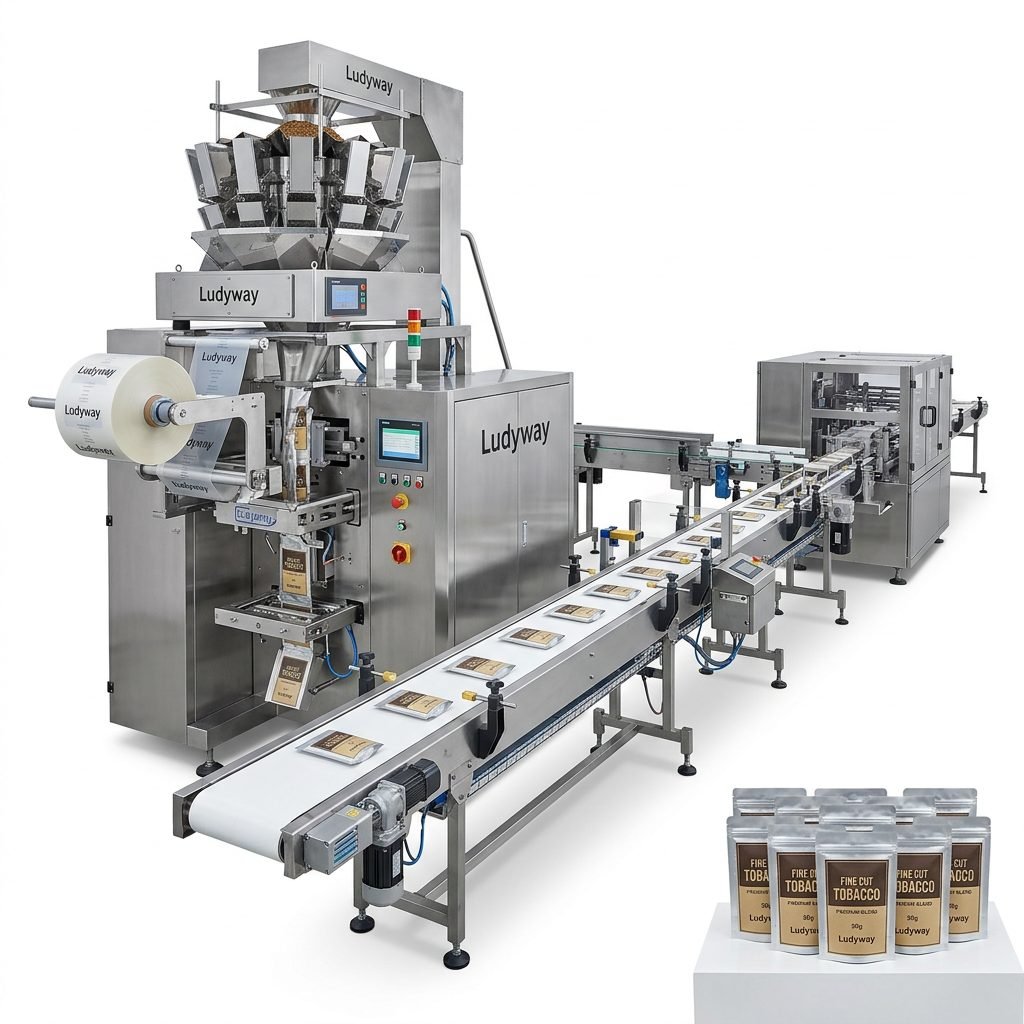
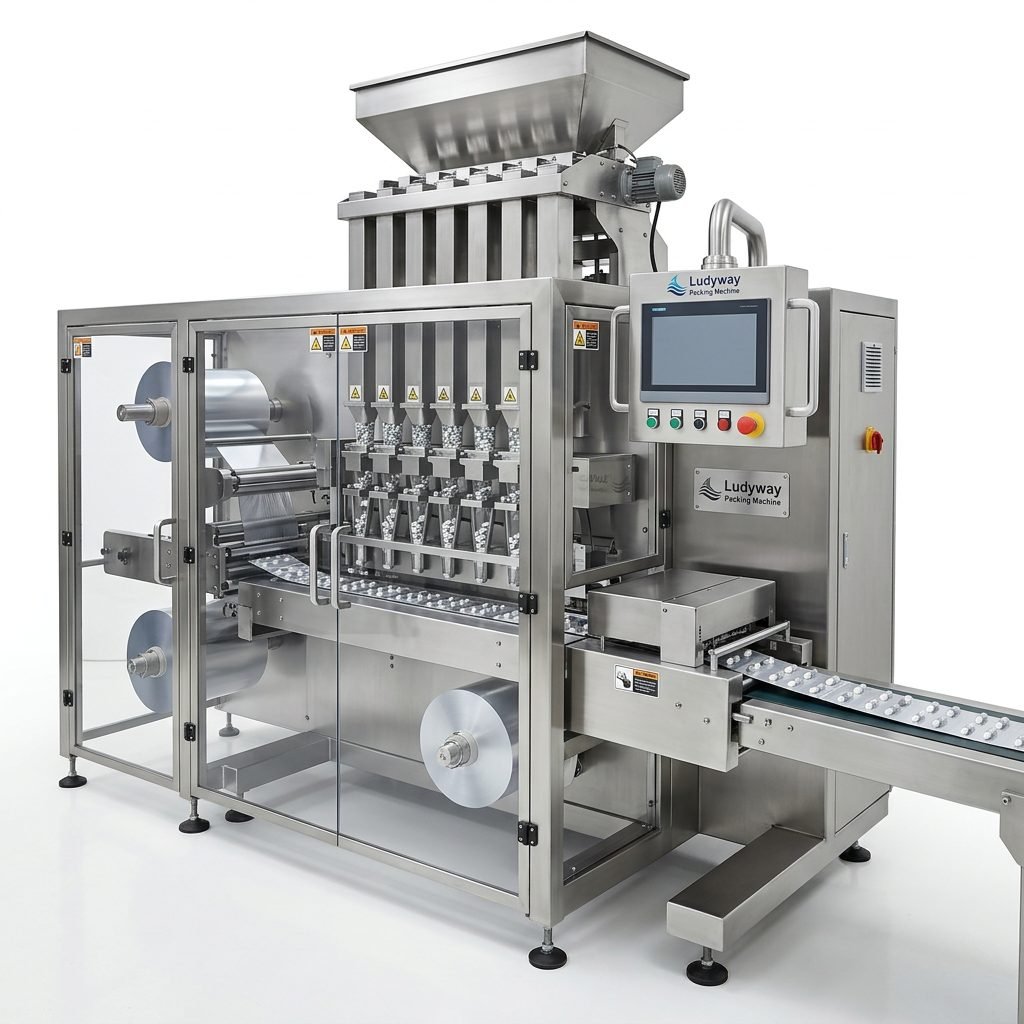
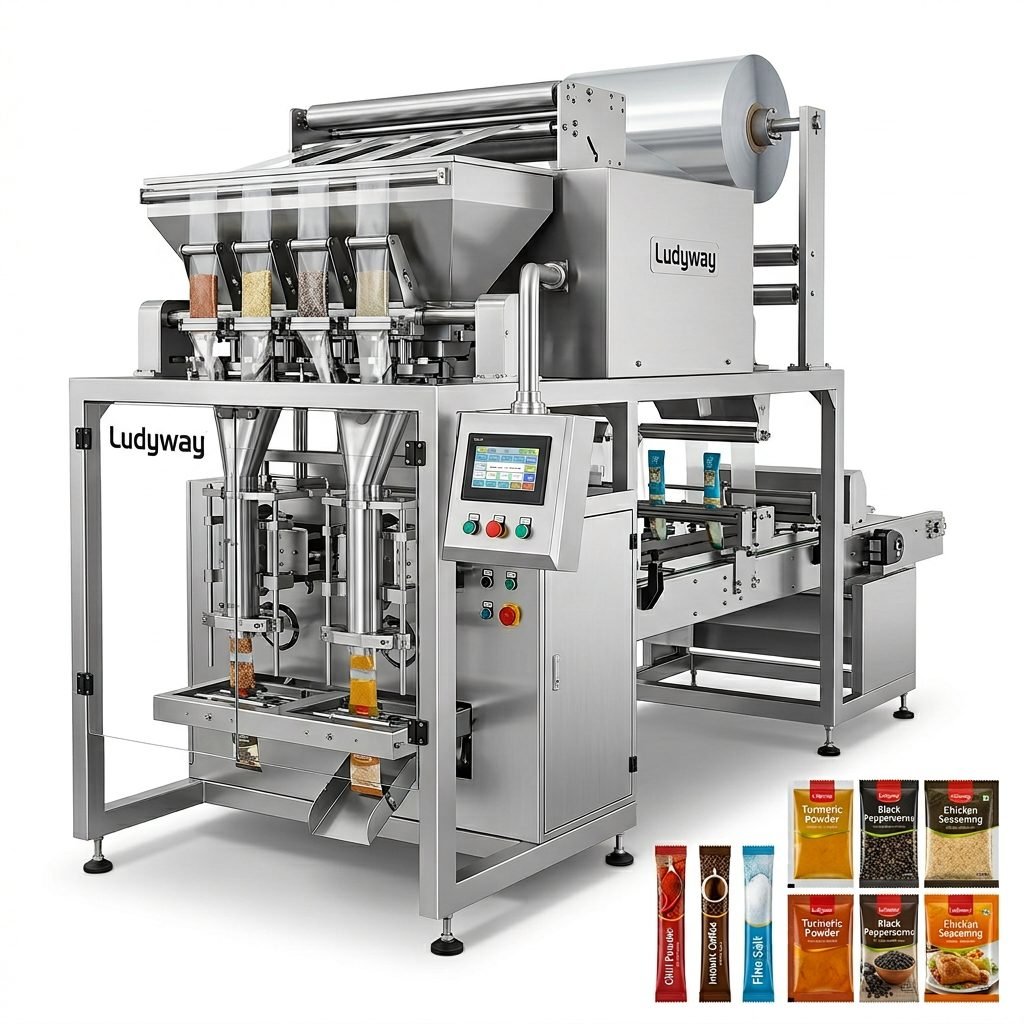
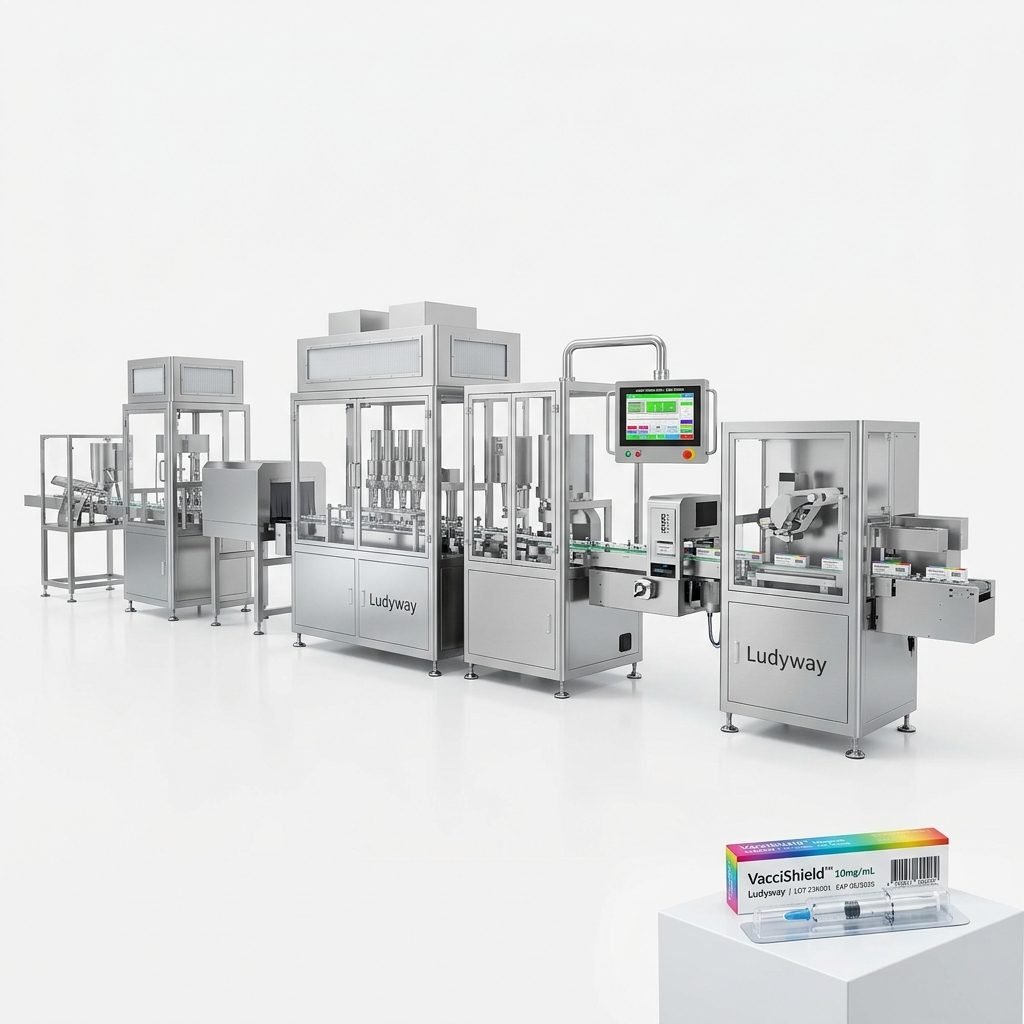
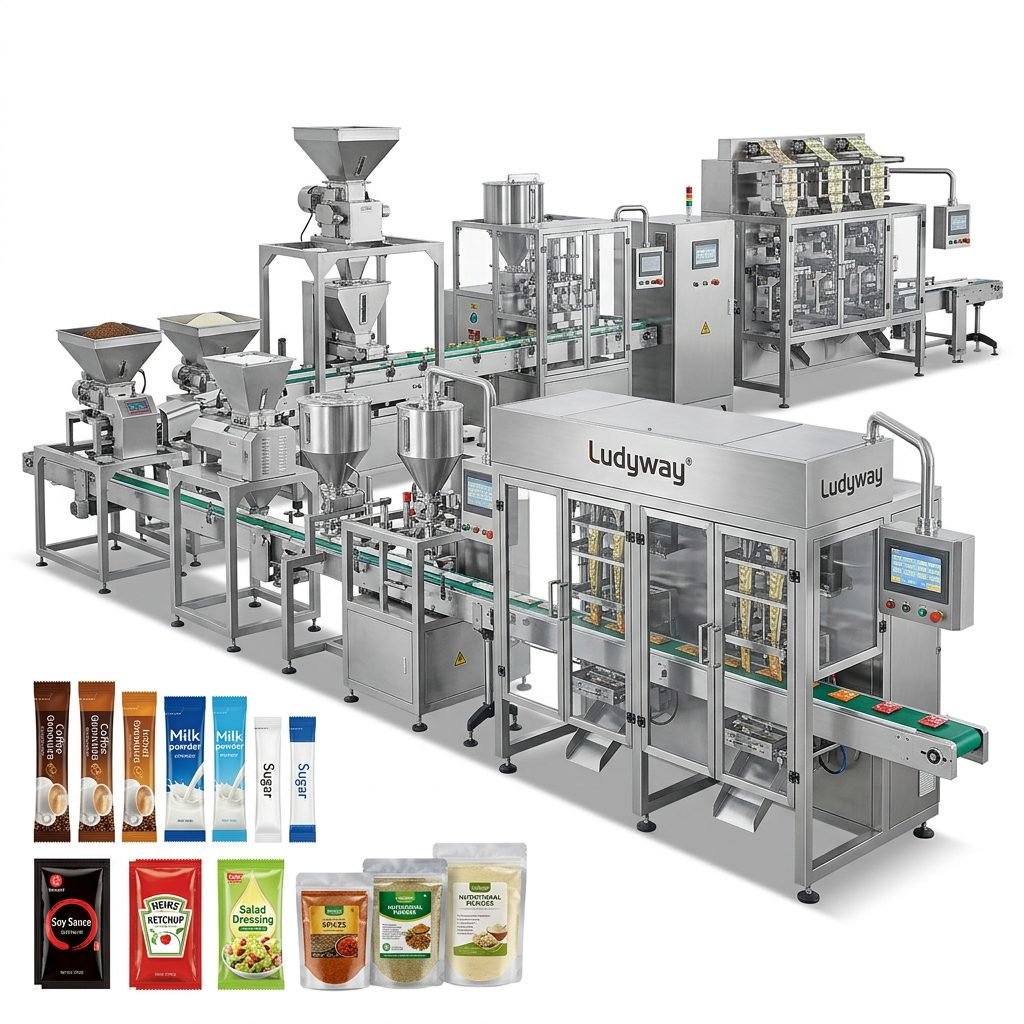
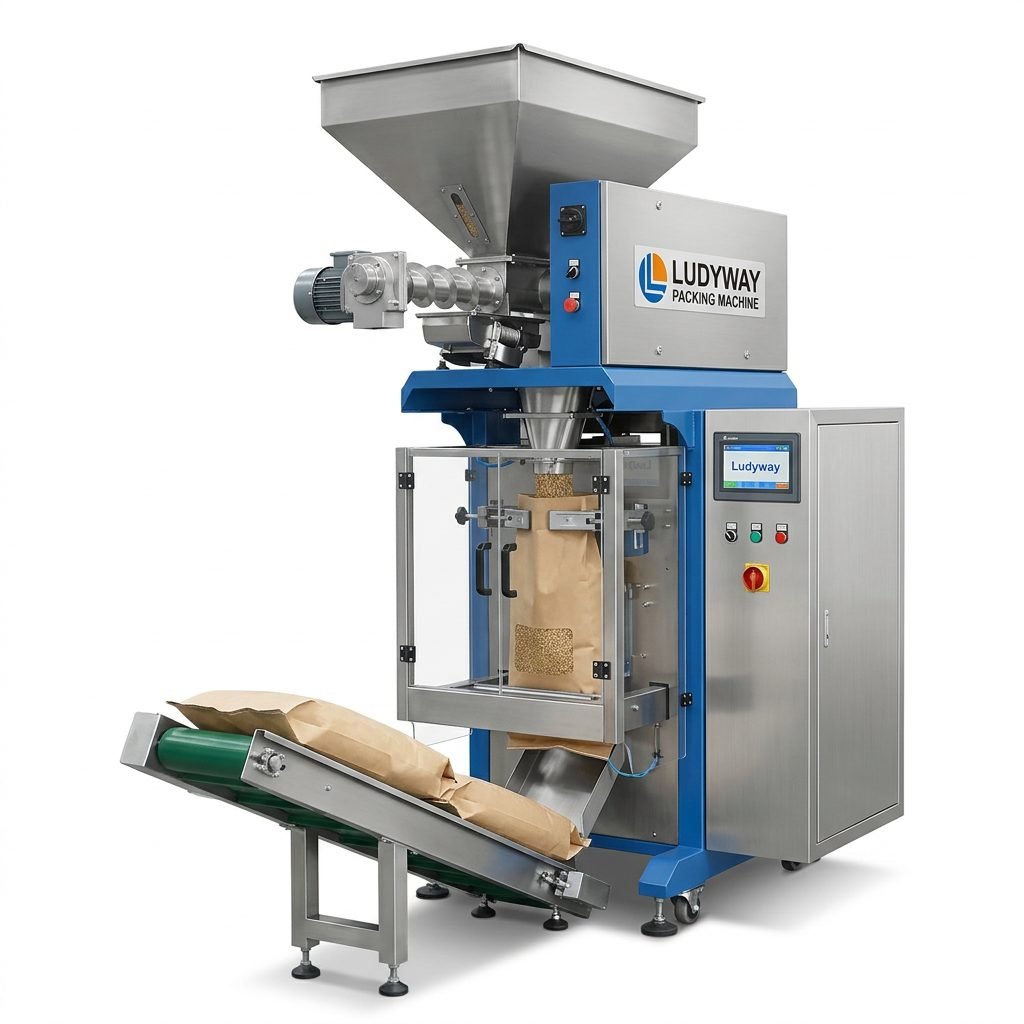
Selecting the right packaging equipment is a critical decision for any cosmetics brand. The machinery you choose directly impacts product quality, production efficiency, brand perception, and ultimately, your bottom line. This guide provides a comprehensive overview of the key machines used in the cosmetics industry and the essential factors to consider when building or upgrading your packaging line.
Understanding Your Cosmetic Packaging Needs
Before investing in any equipment, a thorough analysis of your specific requirements is essential. This foundational step ensures the machinery you select aligns perfectly with your business goals.
Key Considerations for Assessment:
• Product Type & Formulation: Is your product a liquid, cream, gel, powder, or solid? Viscosity, abrasiveness, and sensitivity to air or light dictate machine compatibility.
• Production Volume & Speed: Determine your required output (units per minute/hour). Are you a boutique brand or scaling for mass market?
• Container Types: Jars, bottles, tubes, sachets, sticks, or compacts? Each requires specialized filling and handling systems.
• Future-Proofing: Consider potential product line expansions or packaging changes. Modular equipment can offer valuable flexibility.
Essential Packaging Machines for Cosmetics
A modern cosmetics production line is a symphony of specialized machines. Here’s a breakdown of the core equipment.
1. Filling Machines
These are the workhorses of the line, responsible for accurately dispensing product into containers.
- Liquid Fillers: Ideal for serums, toners, and lotions. Options range from simple semi-automatic pumps to high-speed rotary piston fillers for volumetric accuracy.
- Cream & Paste Fillers: Designed for thicker formulations like moisturizers and masks. Often use auger filler systems for precise weight control.
- Powder Fillers: Used for loose powders, blushes, and eyeshadows. Auger and vacuum fillers ensure minimal dust and consistent fill weight.
2. Capping & Sealing Machines
Ensures product integrity and prevents contamination or leakage.
Torque control is crucial for applying screw caps consistently without damaging threads or the container. For tubes, heat sealing or ultrasonic sealing creates a tamper-evident closure. Induction sealing for bottles provides an inner foil seal for added safety.
3. Labeling & Coding Equipment
Applies your brand identity and mandatory information.
Labeling Options:
Pressure-Sensitive Labelers: Apply pre-printed self-adhesive labels. Versatile for front/back/wrap-around labeling.
Hot Melt Labelers: Often used for paper labels on glass bottles, offering a classic look.
Coding Systems: Inkjet or laser coders print batch numbers, expiry dates, and barcodes directly onto the container or label. This is a non-negotiable requirement for traceability and compliance.
4. Secondary & End-of-Line Packaging
This stage prepares products for shipping and retail display.
Cartoning Machines: Automatically erect cartons, insert products (like a bottle with a leaflet), and close them. Shrink Wrappers bundle multiple products together, while Case Packers load finished cartons into shipping cases.
Choosing the Right Machine Supplier
Partnering with a reliable supplier is as important as the machine itself. Look for a partner with deep industry expertise.
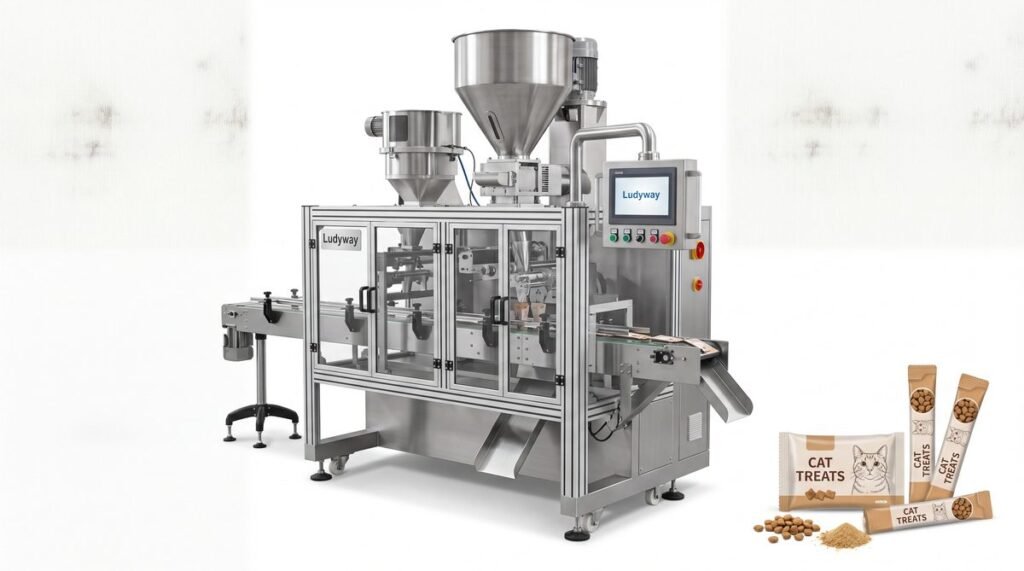
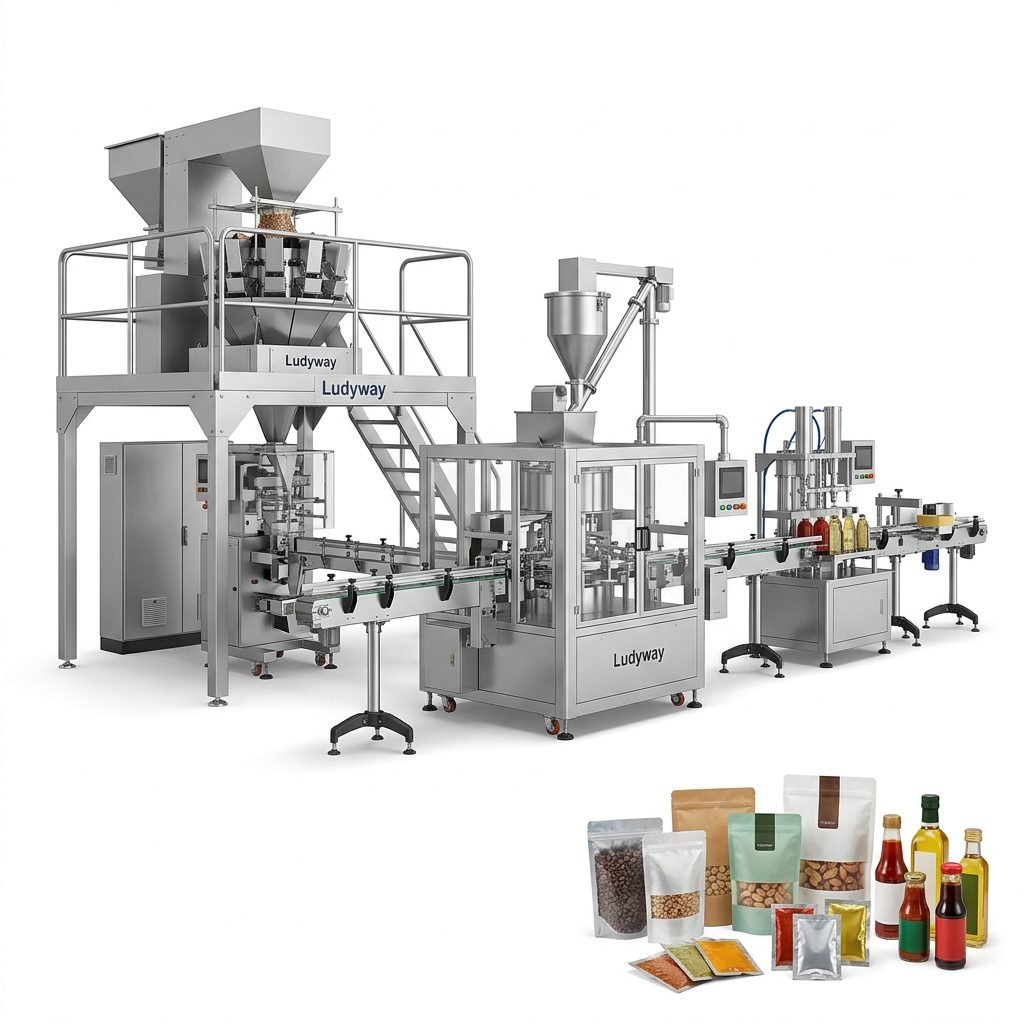
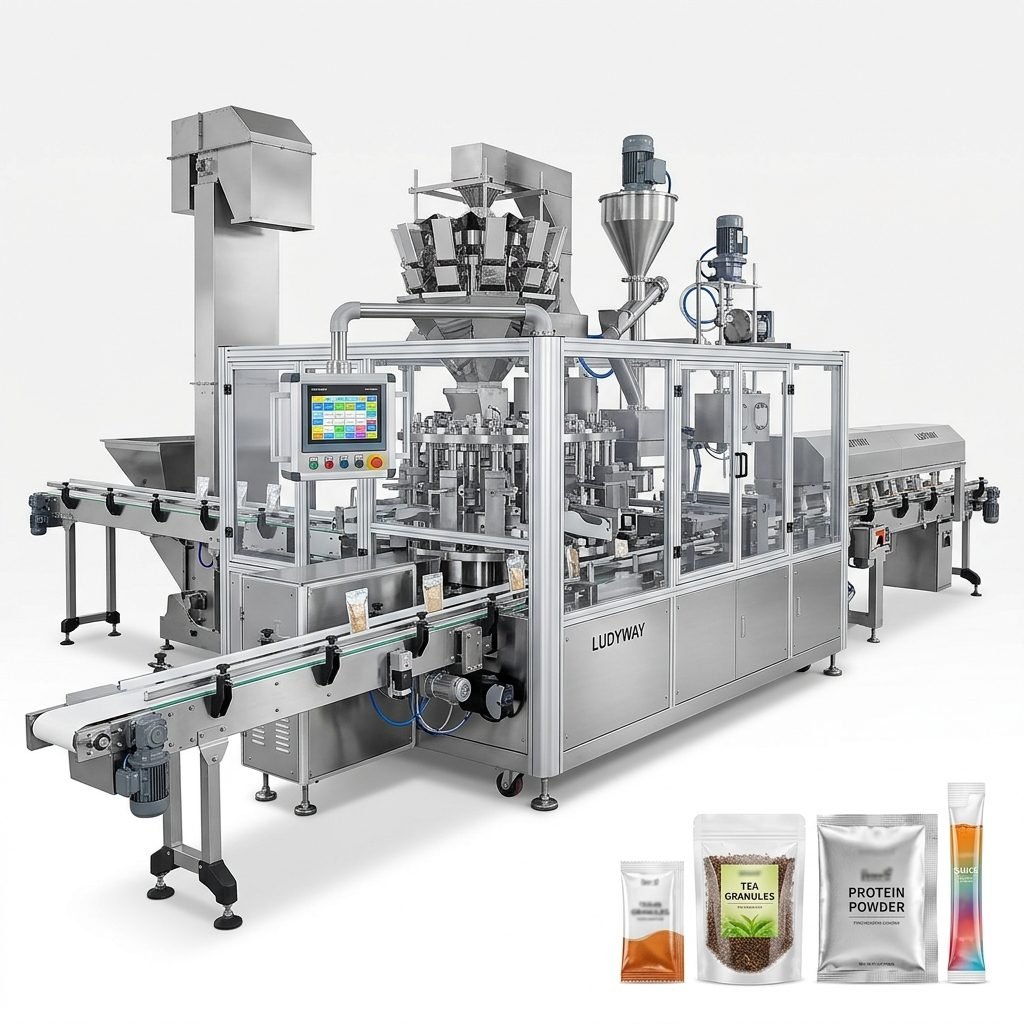
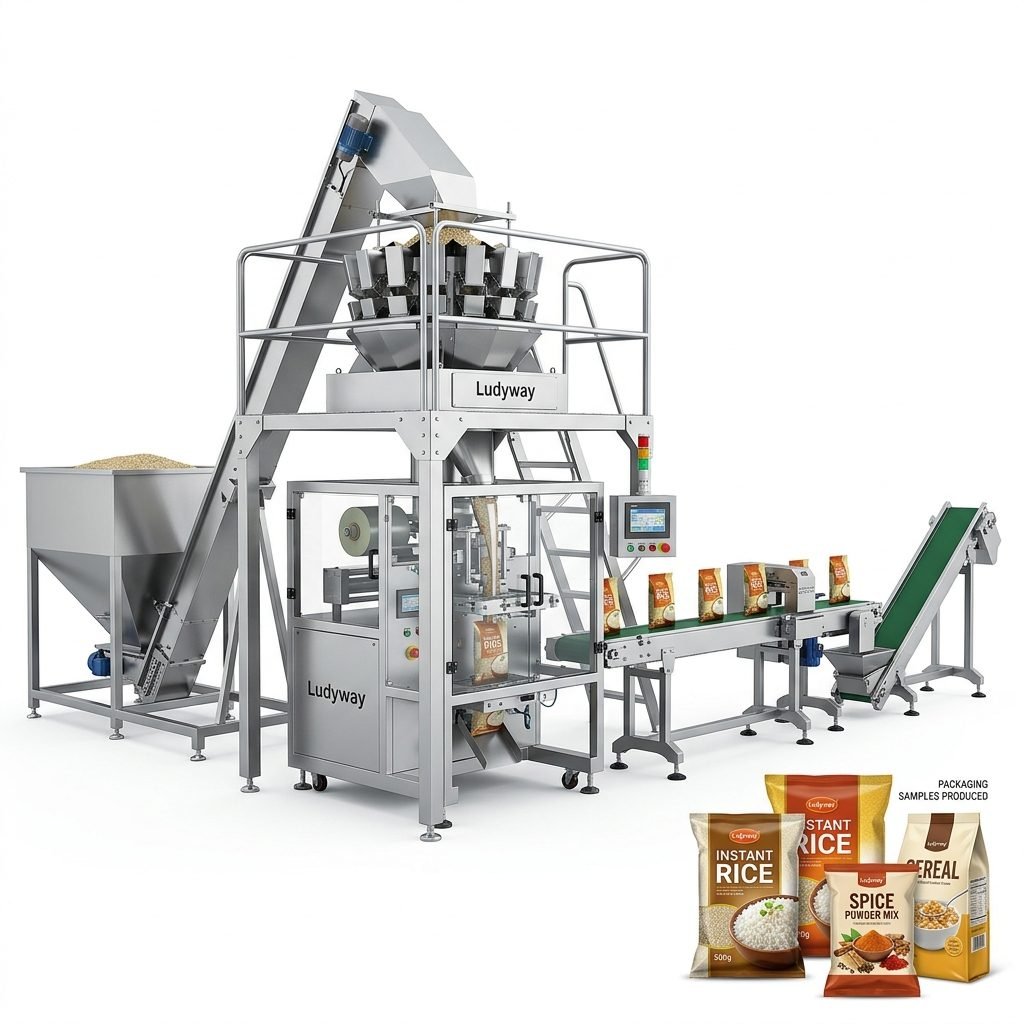
A supplier like Ludyway Packing Machine, with over 30 years of industry experience, brings invaluable knowledge to the table. They understand the unique challenges of cosmetic packaging, from handling delicate formulations to meeting aesthetic standards. Evaluate their company history and commitment to innovation.
Critical Supplier Evaluation Checklist:
✅ Proven Experience: Request case studies or references from other cosmetic clients.
✅ Technical Support & Service: Ensure they offer installation, training, and readily available spare parts.
✅ Customization Ability: Can they adapt standard machines to your specific container or process?
✅ Compliance Knowledge: They should guide you on machinery that helps meet GMP (Good Manufacturing Practice) and other regional regulations.
Trends Shaping Cosmetic Packaging Machinery
The industry is rapidly evolving. Smart manufacturers are investing in equipment that addresses these key trends:
Sustainability: Machines that handle recycled materials, reduce material waste (e.g., precise filling), and support refillable packaging systems are in high demand.
Flexibility & Quick Changeover: With shorter product lifecycles and frequent limited editions, equipment that allows rapid switching between formats (e.g., from jar to tube) minimizes downtime.
Smart Manufacturing & Industry 4.0: Modern machines with IoT connectivity allow for real-time monitoring of output, predictive maintenance, and seamless data integration into your MES (Manufacturing Execution System).
Conclusion
Investing in the right cosmetic packaging equipment is a strategic decision that drives efficiency, ensures quality, and supports brand growth. By meticulously assessing your needs, understanding the core machinery functions, and partnering with an experienced and reliable supplier, you can build a packaging line that is not only productive today but also adaptable for the future of the beauty industry.
Frequently Asked Questions (FAQs)
What type of filling machine is best for a viscous face cream?
For thick creams and pastes, an auger filler is typically the best choice. It uses a rotating screw (auger) to dispense product based on volume, offering excellent accuracy for viscous products that don’t flow easily. Piston fillers can also be suitable, depending on the specific formulation.
How important is automation for a small cosmetics startup?
Even for startups, a degree of automation is crucial for consistency and scaling. Starting with semi-automatic machines (e.g., a bench-top filler and capper) is a cost-effective approach. It ensures accurate, hygienic packaging and lays a foundation for easier transition to full automation as volume grows.
Can one machine handle different bottle sizes and shapes?
Many modern machines are designed with quick-changeover features. By using interchangeable parts like filling nozzles, capping heads, and container holders (nests), a single machine can often be reconfigured in minutes to accommodate a range of similar container types, which is ideal for brands with diverse SKUs.
What should I look for to ensure packaging line hygiene?
Look for equipment with easy-clean designs (e.g., stainless steel construction, smooth surfaces, minimal crevices), CIP (Clean-in-Place) capabilities where possible, and compatibility with sanitary protocols. This is especially critical for skincare and products without preservatives.
How do I balance upfront cost with long-term value?
Focus on Total Cost of Ownership (TCO). A cheaper machine may have higher long-term costs due to downtime, poor efficiency, or expensive maintenance. Invest in reliable, durable equipment from a reputable supplier known for support. The higher initial investment often pays off through superior reliability, speed, and lower operational costs.