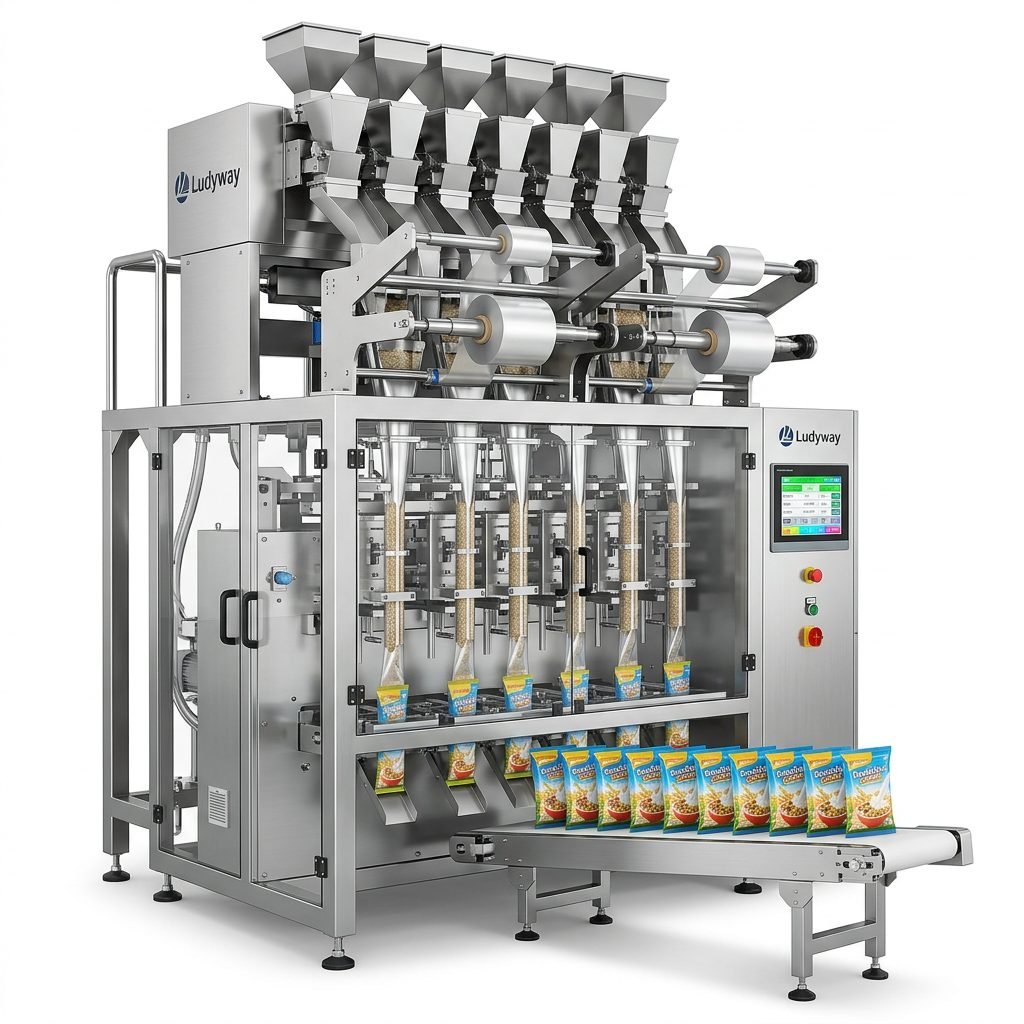
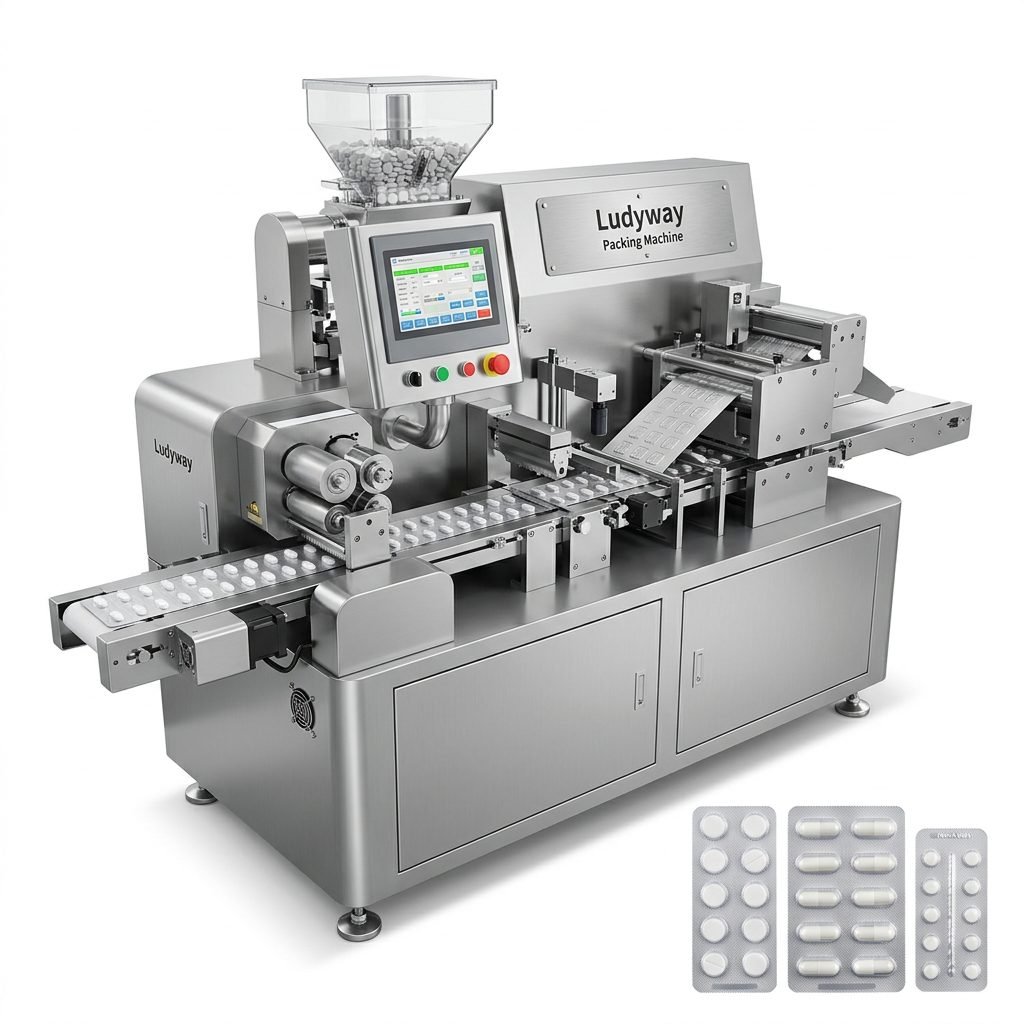
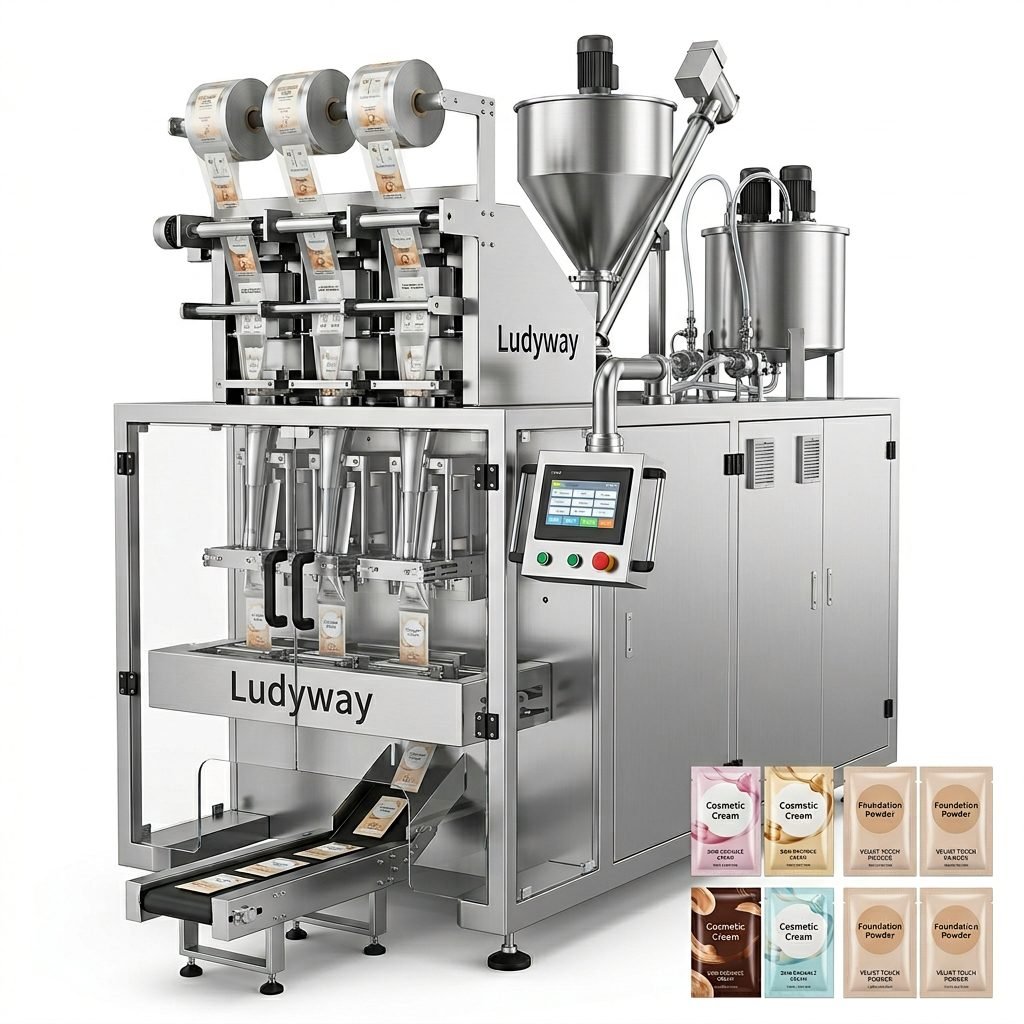
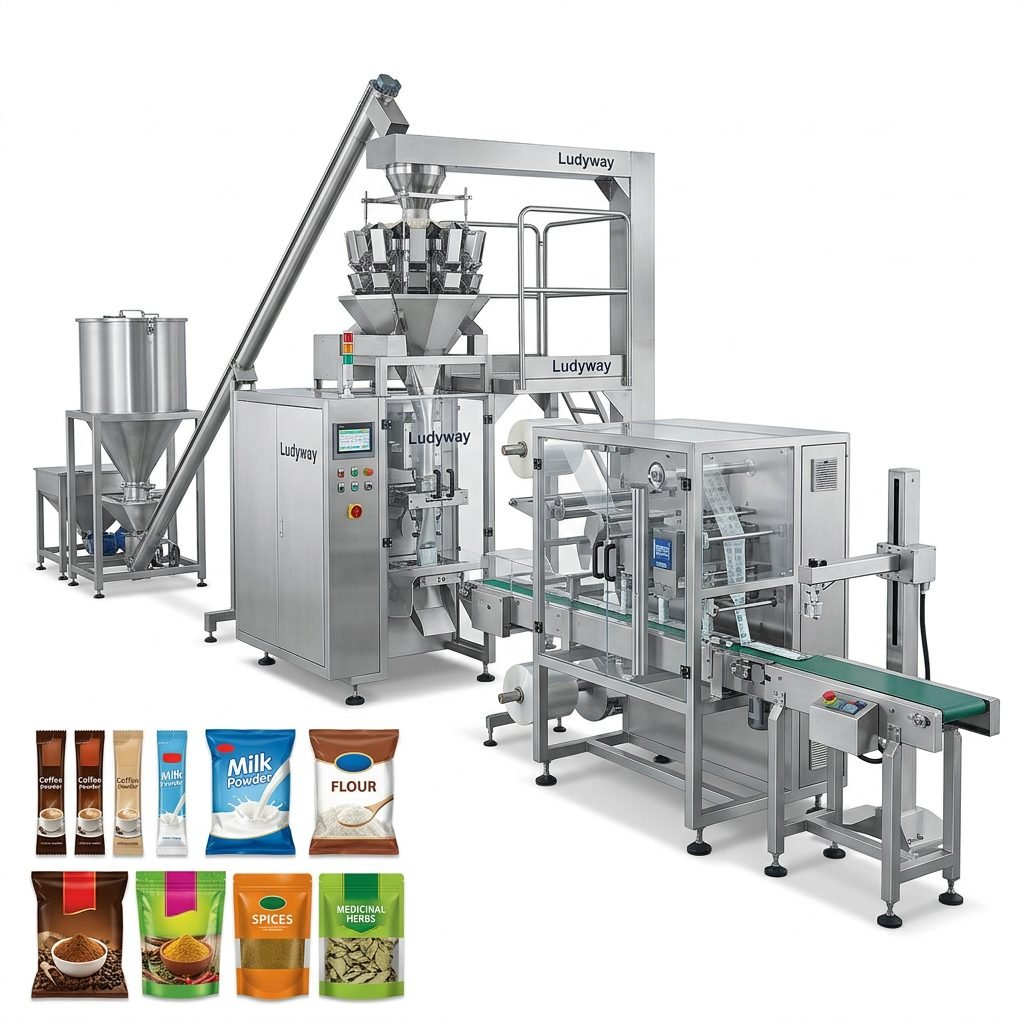
Selecting the right can packaging machine is a critical decision for any manufacturing operation. The efficiency, reliability, and flexibility of your packaging line directly impact product quality, operational costs, and your ability to meet market demands. This guide provides a comprehensive overview of the types of can packaging machines available, their key features, and a structured approach to choosing the best solution for your specific needs.
Understanding the Core Types of Can Packaging Machines
The world of can packaging is diverse, with machinery designed for different stages of the process and various product types. Understanding these categories is the first step toward making an informed choice.
1. Can Seaming Machines
These are arguably the most critical machines in the line. They hermetically seal the lid onto the filled can body. The two main types are:
• Single-Head Seamers: Ideal for lower to medium production speeds, pilot plants, or specialty products. They offer simplicity and are often easier to maintain.
• Multi-Head Rotary Seamers: Designed for high-speed production lines (e.g., in beverage or food canning). They feature multiple seaming stations on a rotating turret, achieving speeds of thousands of cans per minute.
2. Can Filling Machines
These machines accurately dispense the product—whether liquid, powder, granules, or semi-solids—into the empty cans. Technology varies by product:
Volumetric Fillers: Use pistons or cups for consistent volume.
Gravity/Pressure Fillers: Common for free-flowing liquids like juices or beer.
Net Weight Fillers: Utilize scales for extreme accuracy, crucial for high-value products.
3. Can Washing & Drying Machines
Prior to filling, cans must be cleaned of any dust, lubricants, or contaminants. These machines typically use jets of air, steam, or purified water, followed by drying to ensure a clean surface for labeling and to maintain product integrity.
4. Can End (Lid) Feeders & Placers
Automated systems that orient and place lids onto the filled cans before they enter the seamer. They are essential for maintaining line speed and preventing jams or misalignments.
5. Complete Canning Lines
For large-scale operations, integrated lines combine all these functions—conveying, washing, filling, lidding, seaming, coding, and packaging—into one synchronized, automated system. Companies like Ludyway Packaging Machinery specialize in designing and supplying such turnkey solutions, ensuring compatibility and optimal workflow.
Essential Features to Evaluate in a Can Packaging Machine
Beyond type, specific features determine a machine’s suitability, performance, and long-term value.
Production Speed & Capacity
This is measured in cans per minute (CPM). Your required speed must align with both current output goals and future growth projections. A machine operating at 80% of its max capacity is often more reliable than one constantly running at 100%.
Versatility & Changeover Flexibility
Can you run different can sizes or products? Look for machines with quick-change parts (like changeover kits for fillers and seamers). This reduces downtime and is vital for manufacturers with diverse product portfolios.
Construction & Hygiene Design
For food, beverage, or pharmaceutical products, hygiene is non-negotiable. Machines should be constructed from food-grade stainless steel (e.g., 304 or 316L) with smooth, crevice-free surfaces. Easy access for cleaning and maintenance (CIP/SIP capabilities) is a major advantage.
Control System & Automation Level
Modern machines feature PLC (Programmable Logic Controller) touchscreen interfaces. These allow for precise parameter setting, recipe storage, and diagnostics. Higher automation, including integration with line monitoring systems, reduces manual intervention and improves consistency.
Accuracy & Consistency
Filling accuracy (minimum give-away) and consistent seaming integrity are paramount. They affect product cost, shelf life, and safety. Look for machines with precision servo-drives and real-time monitoring feedback loops.
Reliability & Ease of Maintenance
A robust machine design with accessible components and comprehensive documentation minimizes unplanned downtime. Consider the availability of spare parts and technical support from the supplier.
How to Choose the Best Can Packaging Solution: A Step-by-Step Guide
Step 1: Define Your Product & Process Requirements
Start with the fundamentals: What are you packaging (viscosity, acidity, particulates)? What is your target output (cans per shift)? What can sizes and materials (aluminum, steel) will you use? What are your hygiene and sterilization standards?
Step 2: Assess Your Space & Utility Constraints
Measure your available floor space and ceiling height. Identify available utilities: electrical power (voltage, phase), compressed air (PSI, CFM), water, and steam. The machine must fit and function within these physical parameters.
Step 3: Determine Your Budget (Total Cost of Ownership)
Look beyond the initial purchase price. Consider installation costs, energy consumption, required consumables (seaming rolls, gaskets), maintenance costs, and potential costs of downtime. A slightly more expensive, reliable machine often has a lower total cost of ownership.
Step 4: Research & Shortlist Reputable Suppliers
Seek suppliers with proven experience in your specific industry. Review their case studies and client list. A supplier with over 30 years of industry experience, like Ludyway, brings invaluable application knowledge. Evaluate their after-sales service network and spare parts logistics.
Step 5: Request Demos & Factory Acceptance Tests (FAT)
Whenever possible, witness a live machine demonstration using a product similar to yours. A Factory Acceptance Test allows you to verify performance against agreed-upon specifications before the machine ships. This step is crucial for complex turnkey production line solutions.
Step 6: Plan for Integration & Future Growth
Ensure the new machine can communicate with your existing line (conveyors, coders, case packers). Discuss with your supplier how the system can be scaled or modified in the future to accommodate new products or higher speeds.
Frequently Asked Questions (FAQs)
Q1: What is the main difference between a can seamer and a can filler?
A seamer is specifically for attaching and sealing the lid to the can body, creating an airtight seal. A filler is for accurately placing the product into the can. They are distinct machines, though often integrated into one line.
Q2: How often do seaming rolls need to be replaced?
This depends on production volume, can material, and maintenance. With proper adjustment and lubrication, high-quality seaming rolls can last for millions of seams. Regular inspection for wear is essential.
Q3: Can one machine handle different can sizes?
Many modern machines are designed for quick changeover between specific size ranges. This requires purchasing and installing a changeover kit (different size parts) for each can size you plan to run.
Q4: What level of operator training is typically required?
Basic operation (starting/stopping, loading) can be learned quickly. However, in-depth training on changeover procedures, maintenance, troubleshooting, and seamer adjustment is critical for long-term success and should be provided by the supplier.
Q5: What are the key indicators of a poor can seam?
Visual indicators include wrinkles, sharp edges, or an uneven seam profile. Leak testing (pressure or vacuum decay) and teardown analysis (measuring seam thickness, overlap) are the definitive quality control methods.