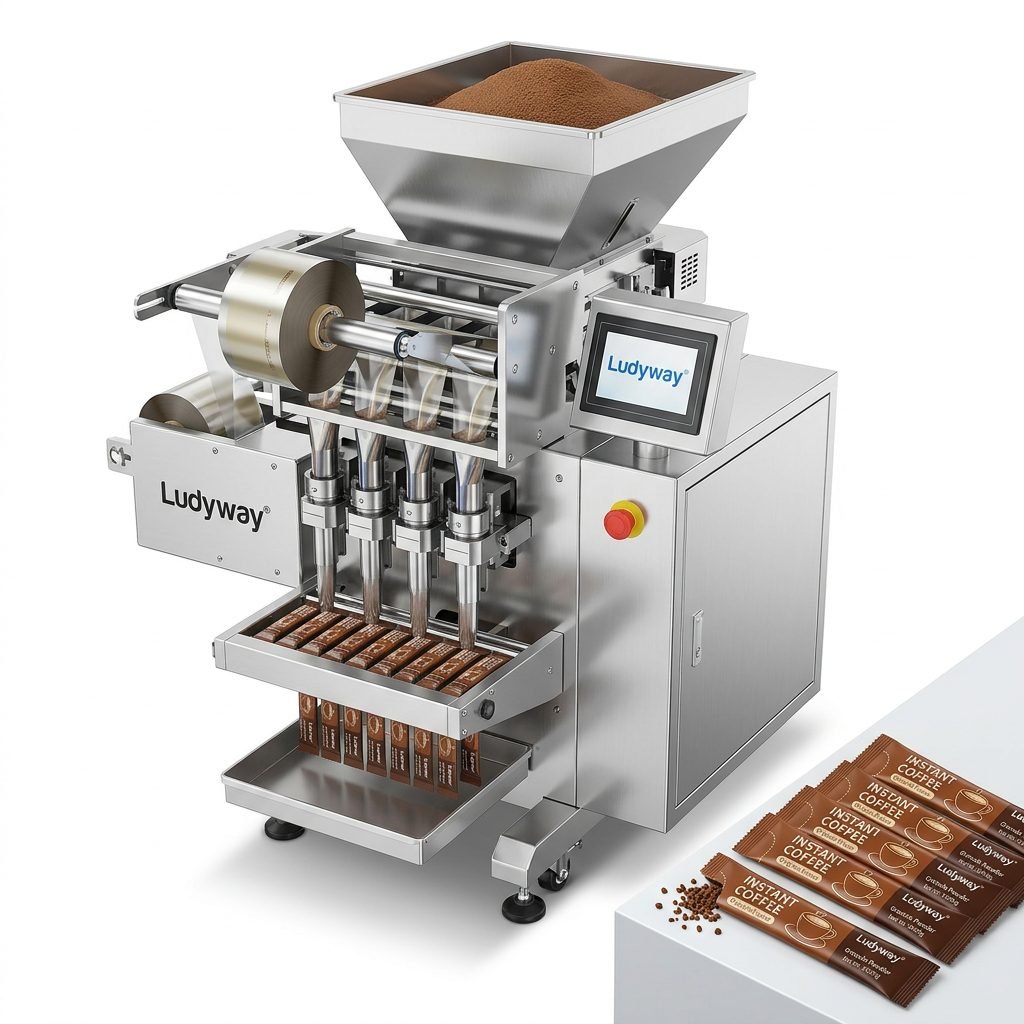
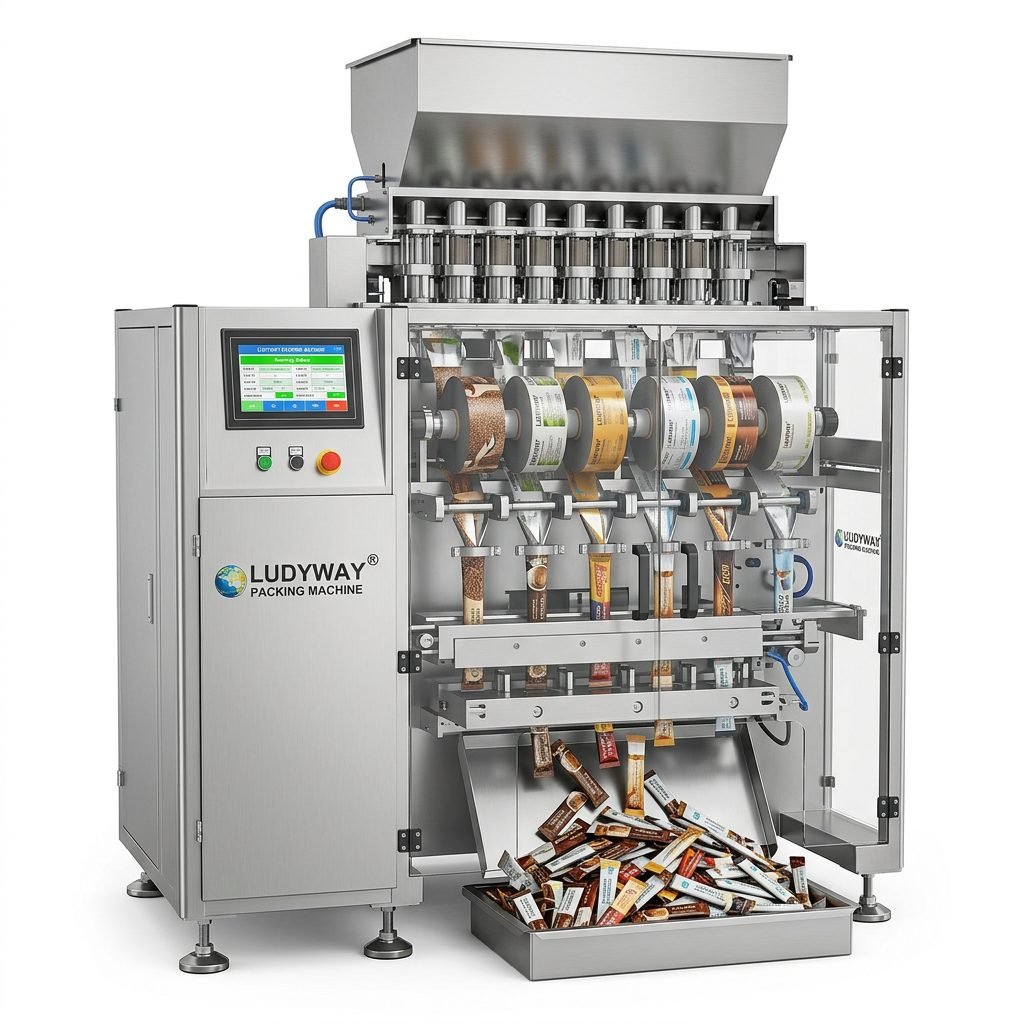
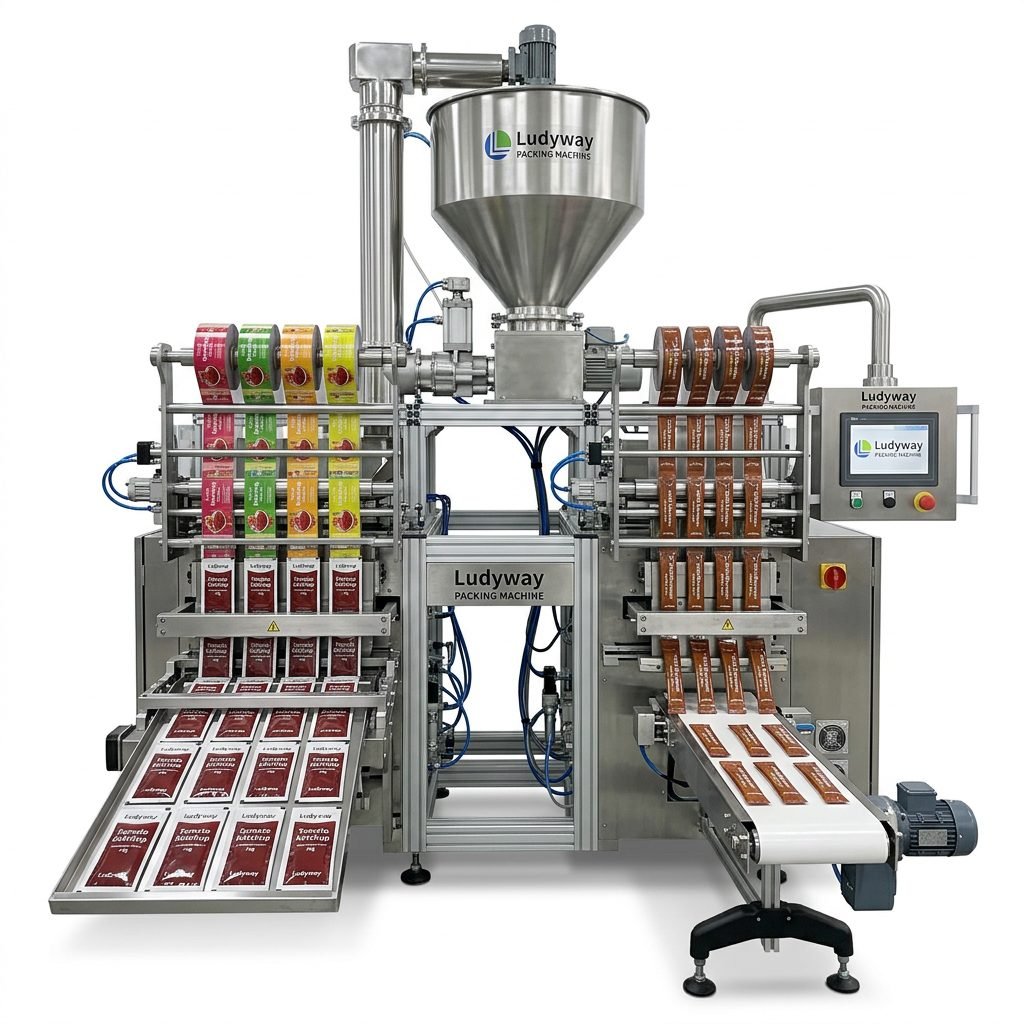
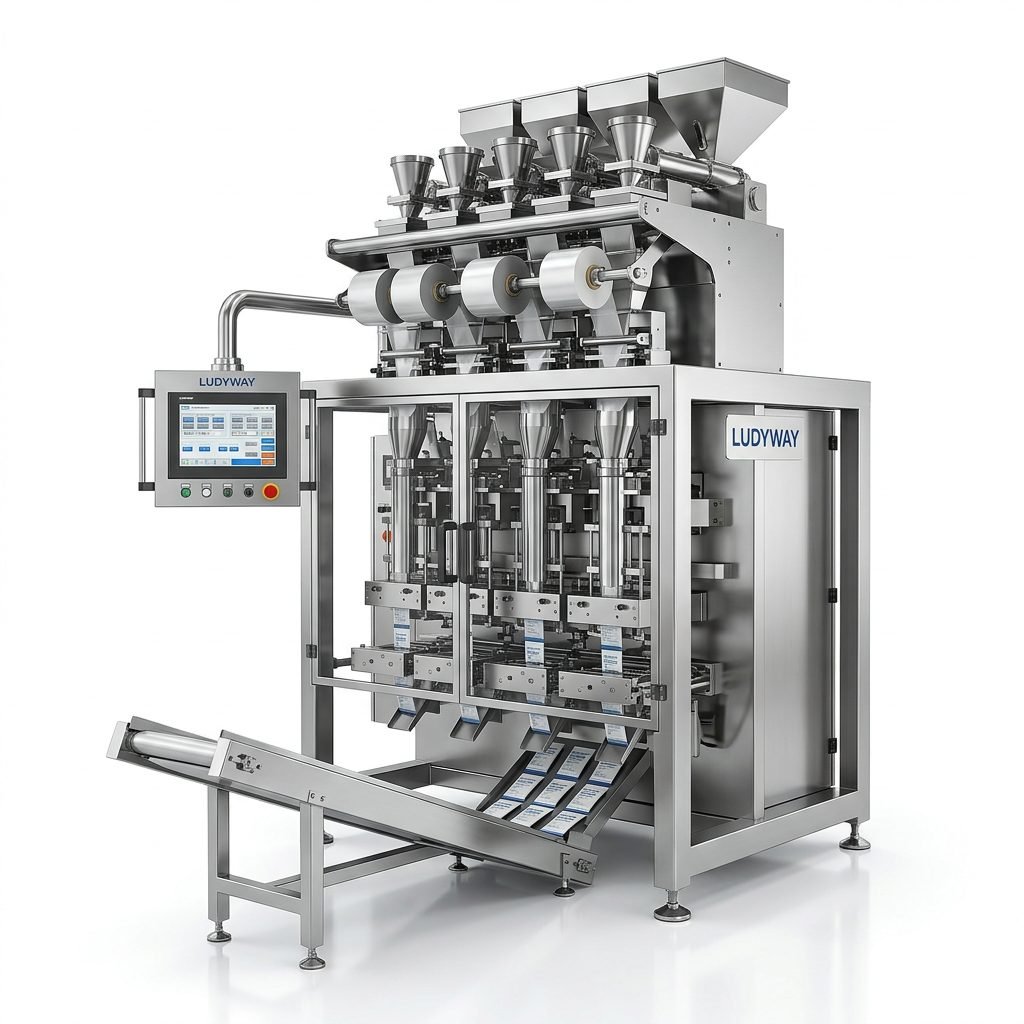
Proper maintenance of packaging equipment is not just a routine task; it is a critical investment in the longevity, efficiency, and safety of your production line. Neglecting this vital aspect can lead to unexpected downtime, costly repairs, compromised product quality, and even safety hazards. This comprehensive guide delves into the essential components of a robust maintenance program: systematic inspection, effective repair, and strategic preventive care. By implementing these practices, you can ensure your packaging machinery operates at peak performance, maximizing your return on investment and securing your production output.
The Critical Role of Regular Equipment Inspection
A proactive inspection regimen is the first line of defense against equipment failure. It involves scheduled checks to identify potential issues before they escalate into major problems. A thorough inspection protocol should be documented and followed diligently by trained personnel.
Daily & Weekly Inspection Checklists
Start with visual and operational checks. Look for signs of wear, loose components, leaks (hydraulic, pneumatic, or product), and unusual noises or vibrations. Verify that all safety guards and interlocks are functional. Check lubrication points and ensure they are adequately greased. For weighing and filling systems, calibration checks are paramount to maintain dosing accuracy.
Beyond daily observations, more detailed inspections should be scheduled weekly or monthly. This involves examining critical components like seals, gaskets, cutting blades, heating elements (on sealers), and conveyor belts. Electrical connections should be checked for tightness and signs of overheating. Documentation of every inspection, noting any anomalies, creates a valuable historical record for predicting future maintenance needs.
Leveraging Technology for Advanced Diagnostics
Modern packaging machinery often comes equipped with sophisticated control systems that provide diagnostic data. Monitoring parameters like motor current draw, cycle times, and error log histories can reveal subtle signs of component stress or misalignment. Utilizing this data transforms maintenance from a reactive to a predictive practice.
Executing Effective Repair Strategies
When a breakdown occurs, a structured repair process minimizes downtime. The goal is not just to fix the immediate problem but to understand its root cause to prevent recurrence.
A Step-by-Step Repair Protocol:
1 Diagnosis: Use machine manuals and diagnostic tools to accurately identify the faulty component. Avoid guesswork.
2 Parts Sourcing: Use genuine or high-quality approved replacement parts. Inferior parts can lead to rapid re-failure and may void warranties.
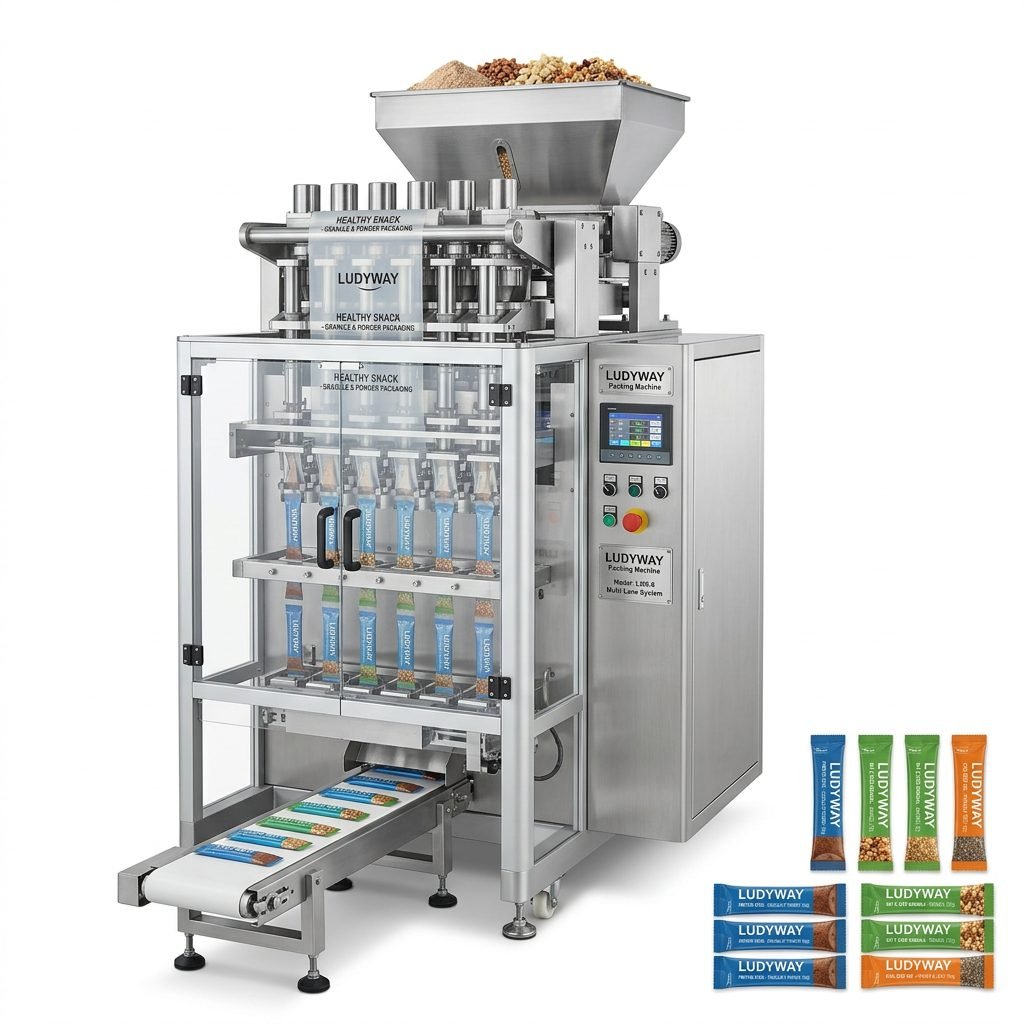
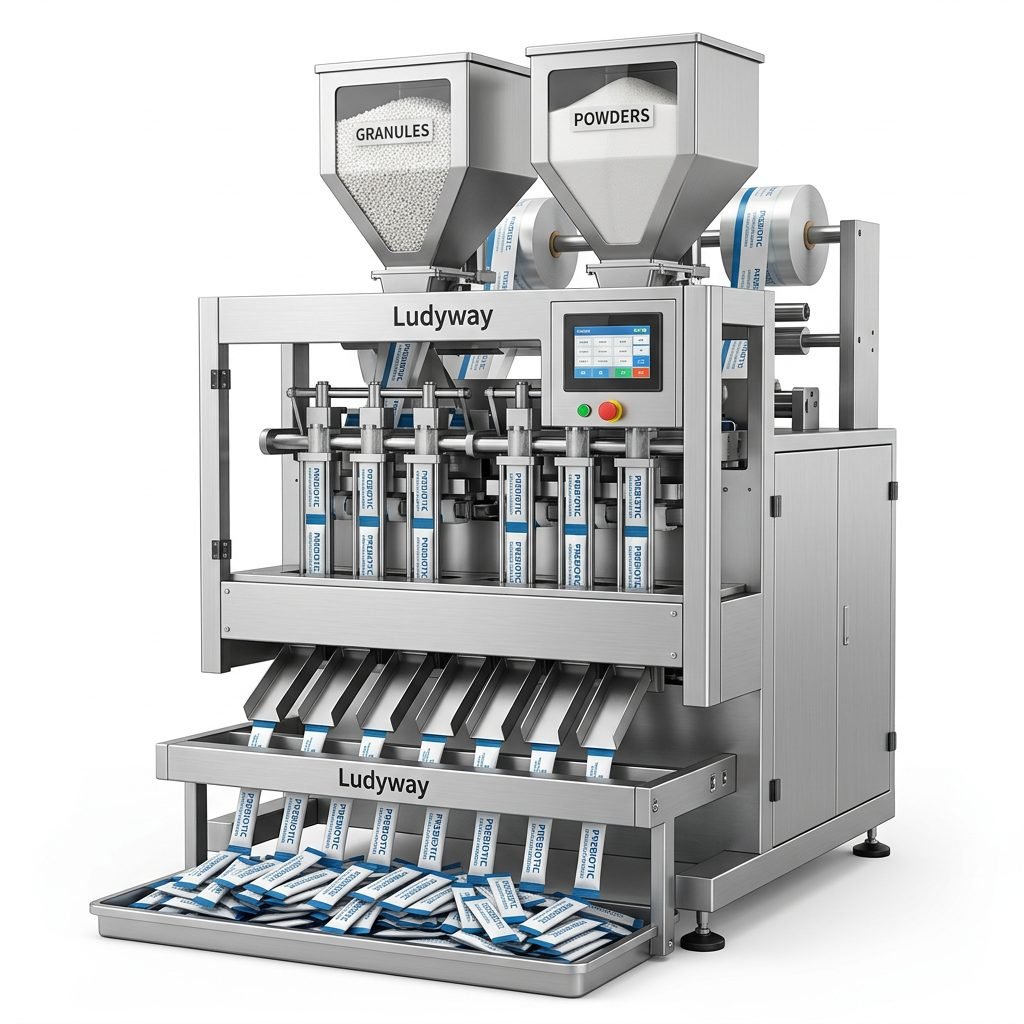
3 Qualified Technicians: Repairs should be carried out by trained technicians familiar with the specific equipment. Complex systems, especially those involving multi-lane stick pack machines, require specialized knowledge.
4 Testing & Verification: After repair, conduct full operational tests under normal production conditions to ensure the issue is resolved and no new problems have been introduced.
5 Documentation: Record the failure, cause, repair action, parts used, and technician details. This log is invaluable for future troubleshooting and warranty claims.
For companies without in-house expertise, establishing a relationship with a reliable service provider like Ludyway Packing Machine is crucial. Their team of experts can provide remote support, on-site service, and critical spare parts, ensuring repairs are completed correctly and efficiently.
The Power of Preventive Maintenance (PM)
Preventive maintenance is the scheduled, proactive care designed to prevent equipment failure. It is the most cost-effective strategy in the long run, significantly extending equipment life and improving overall equipment effectiveness (OEE).
Building a Customized PM Schedule
A PM schedule should be based on the manufacturer’s recommendations, adjusted for your specific operating environment and production volume. Key activities include:
- Lubrication: Re-lubricating bearings, gears, and slides at specified intervals with the correct grease or oil.
- Cleaning: Deep cleaning to remove product dust, grease, and debris that can cause wear, corrosion, or contamination.
- Component Replacement: Proactively replacing wear-prone parts like seals, filters, belts, and blades before they fail.
- Calibration & Adjustment: Regularly calibrating scales, sensors, and timers, and adjusting mechanical tolerances.
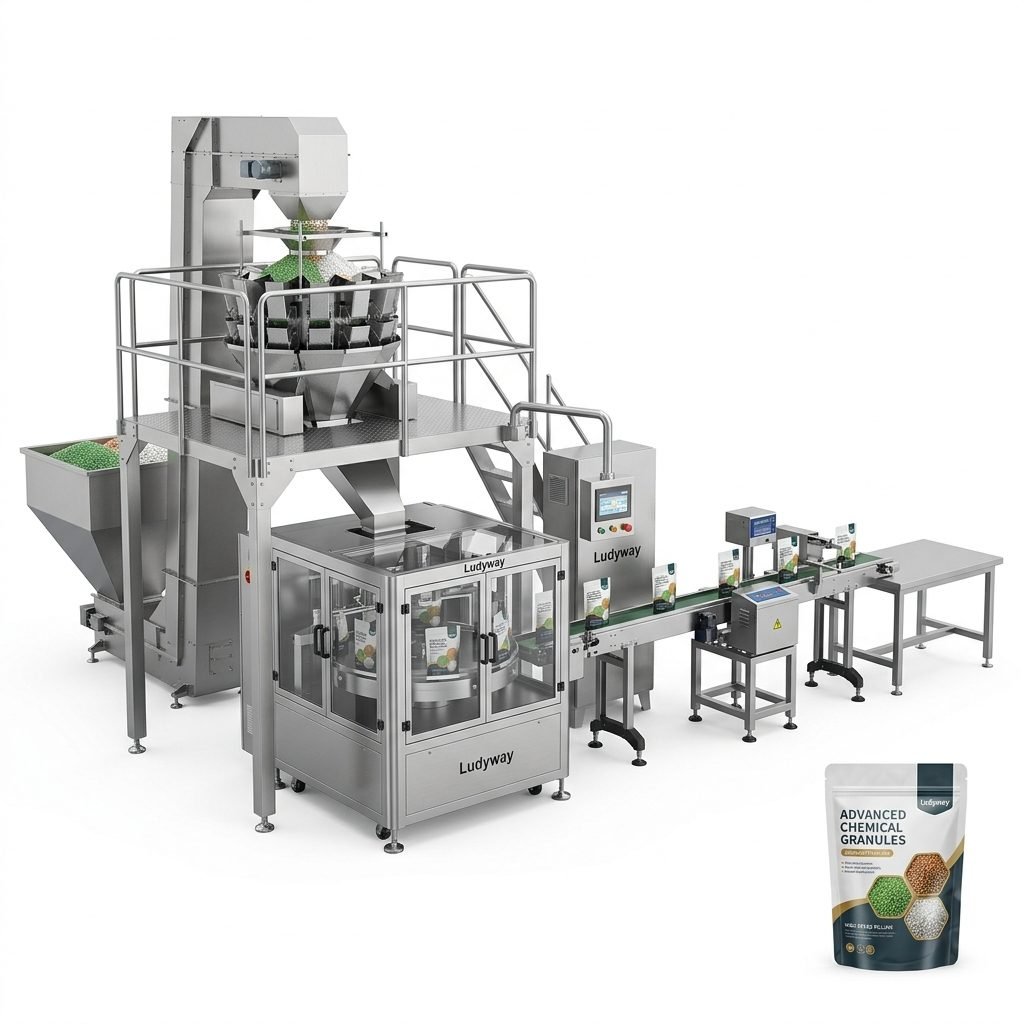
Implementing a Computerized Maintenance Management System (CMMS) can automate PM scheduling, track work orders, and manage spare part inventories, bringing structure and accountability to your maintenance operations. For insights into building a complete production system, consider exploring turnkey production solutions that integrate maintenance planning from the outset.
Training: The Human Element of Maintenance
The best maintenance program is only as good as the people executing it. Comprehensive training for machine operators and maintenance staff is non-negotiable. Operators should be trained to perform basic inspections, identify early warning signs, and follow proper startup/shutdown procedures. Maintenance technicians need ongoing training on new technologies and specific machine models. This human expertise, combined with robust procedures, creates a resilient operation.
Partnering for Long-Term Success
For many businesses, managing a comprehensive maintenance program in-house can be challenging. This is where a strategic partnership with your equipment supplier becomes invaluable. A partner with deep industry experience, like the team behind Ludyway Machinery, offers more than just machines. They provide ongoing technical support, detailed maintenance manuals, training programs, and access to a reliable supply of spare parts. Their 30+ years of experience means they understand the lifecycle of packaging equipment and can help you navigate every stage, from installation to optimization and overhaul.
Frequently Asked Questions (FAQs)
1. How often should I perform preventive maintenance on my packaging machine?
The frequency depends on the machine type, usage hours, and product being packaged. Always start with the manufacturer’s recommended schedule (often found in the service manual). As a general rule, light cleaning and inspection should be daily, lubrication weekly or monthly, and more comprehensive service quarterly or annually. High-speed machines or those handling abrasive products will require more frequent attention.
2. What are the most common causes of packaging machine failure?
The top causes are lack of lubrication, accumulation of product debris and dust, worn seals and gaskets, misaligned components, and the use of non-genuine or low-quality spare parts. Electrical issues often stem from loose connections or environmental factors like moisture.
3. Is it worth investing in a maintenance contract with the OEM or supplier?
For critical packaging lines, a professional maintenance contract is often a wise investment. It typically provides prioritized service, discounted parts, scheduled PM visits, and guaranteed response times. This can drastically reduce unplanned downtime and provide peace of mind, ensuring experts familiar with your specific equipment are maintaining it.
4. Can proper maintenance really improve my packaging quality?
Absolutely. Consistent maintenance ensures all machine functions—like weighing, filling, sealing, and cutting—operate within precise tolerances. This directly translates to consistent package weight, secure seals (preventing leaks or contamination), and neat, professional-looking cuts, all of which define final product quality.
5. How do I build an effective spare parts inventory?
Focus on critical, high-wear items that would cause prolonged downtime if they failed. Consult your machine manual for a recommended spare parts list. Also, analyze your maintenance records to identify parts you replace most often. Start with essentials like seals, gaskets, fuses, specific sensors, cutting blades, and belts. A reliable supplier can help you develop a tailored inventory plan.