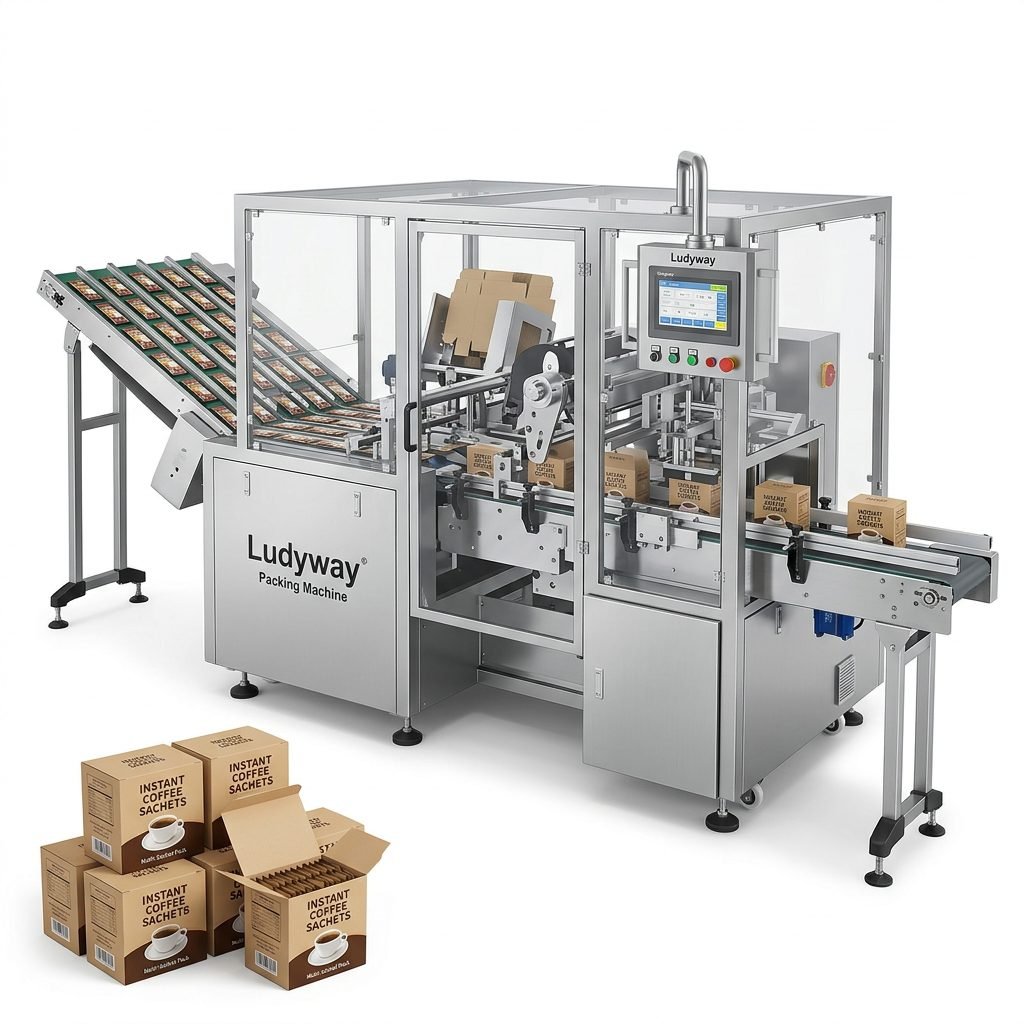
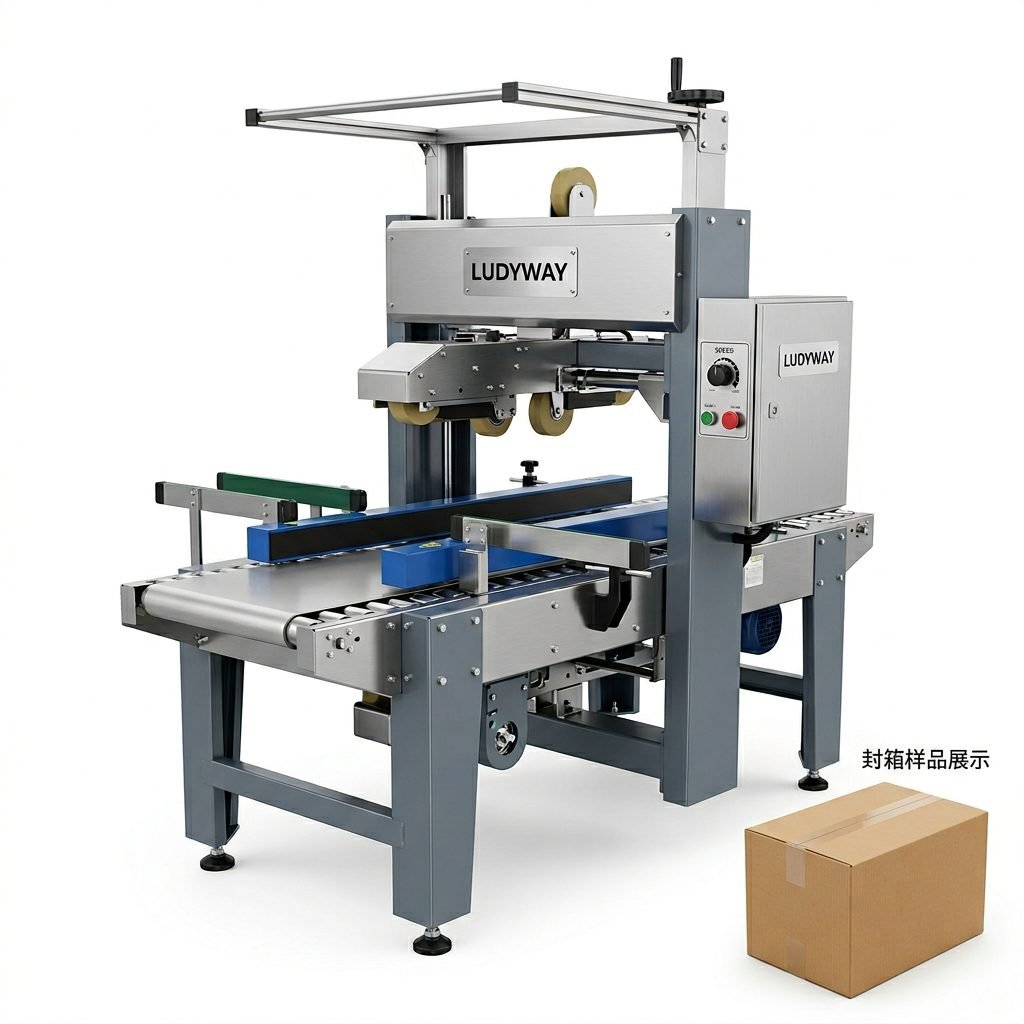
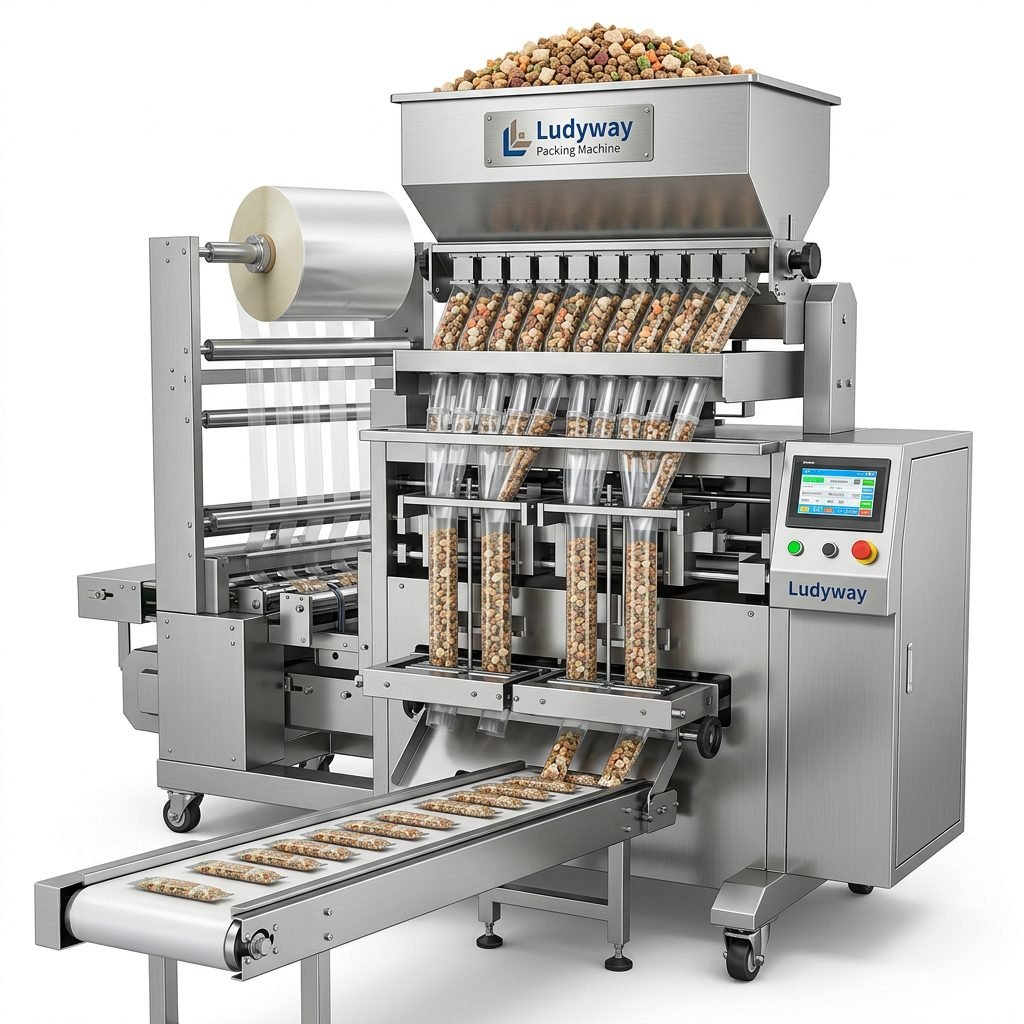
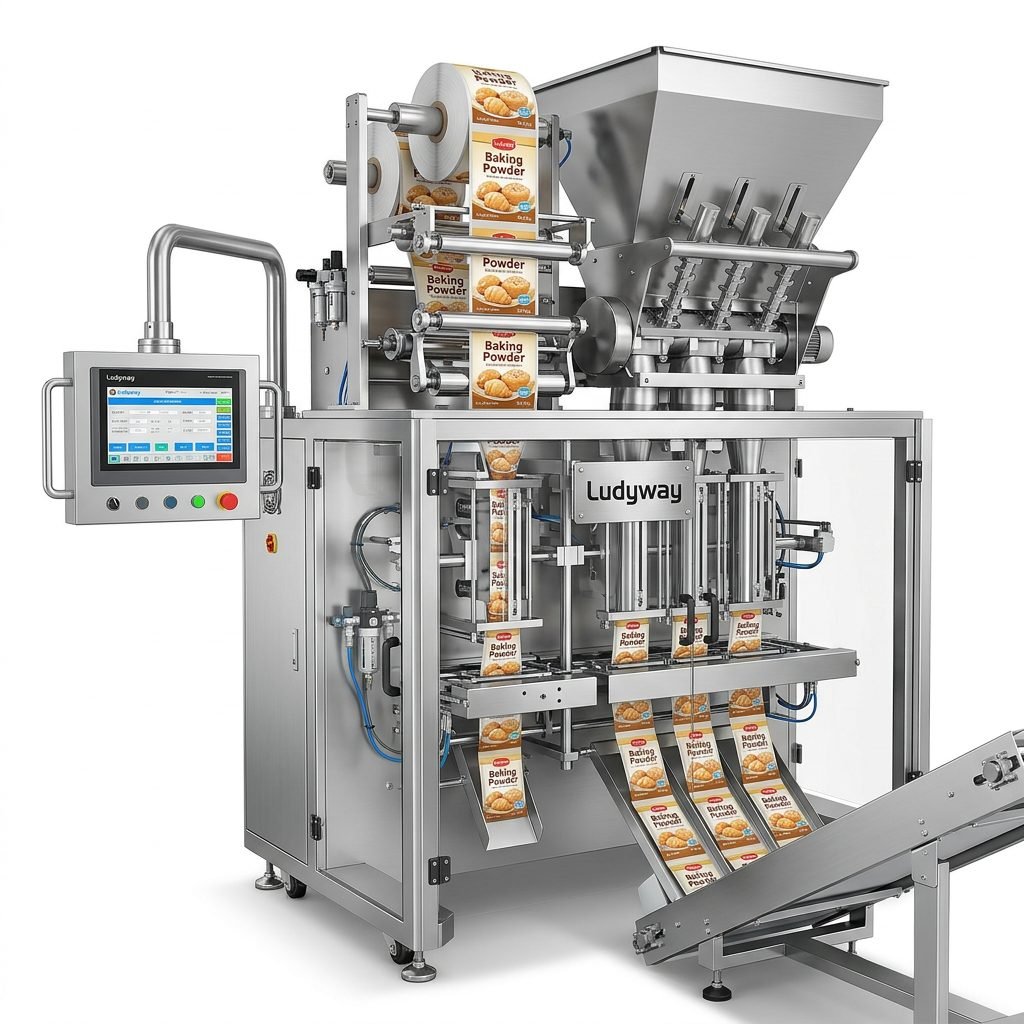
In the fast-paced world of manufacturing, packaging equipment is the backbone of production lines. When these machines run smoothly, they ensure efficiency, product consistency, and profitability. However, even the most reliable equipment from trusted suppliers like Ludyway Machinery can encounter operational hiccups. This comprehensive guide is designed to help operators and maintenance personnel quickly identify, diagnose, and resolve common packaging machine issues, minimizing downtime and maintaining peak performance.
Understanding Your Packaging System
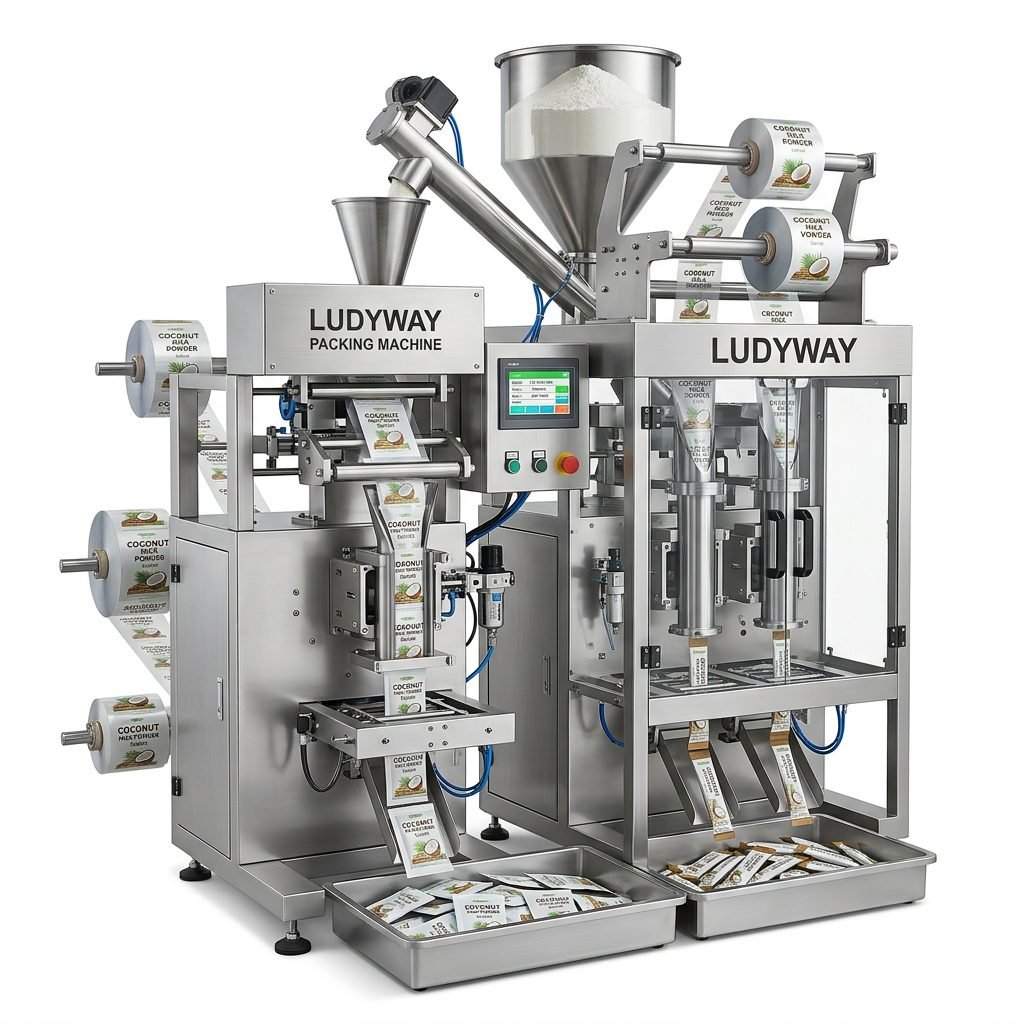
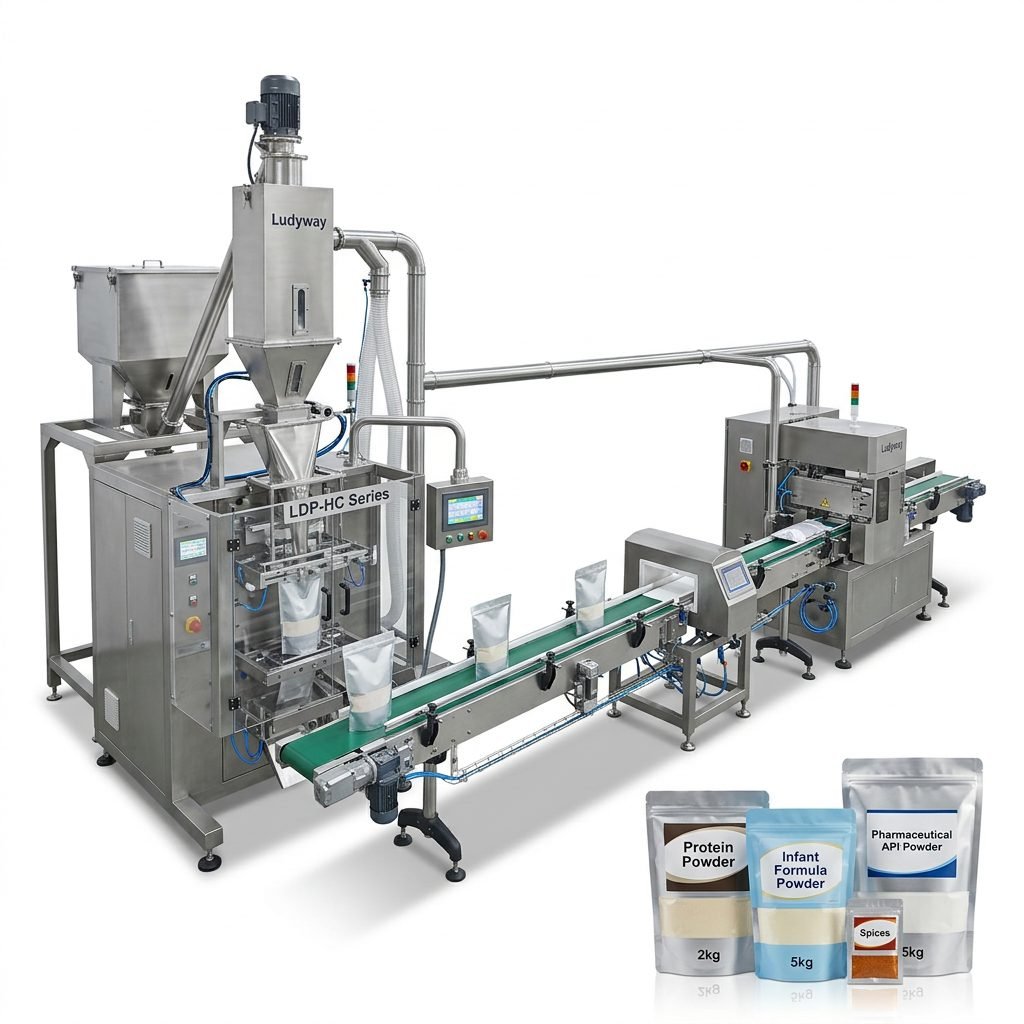
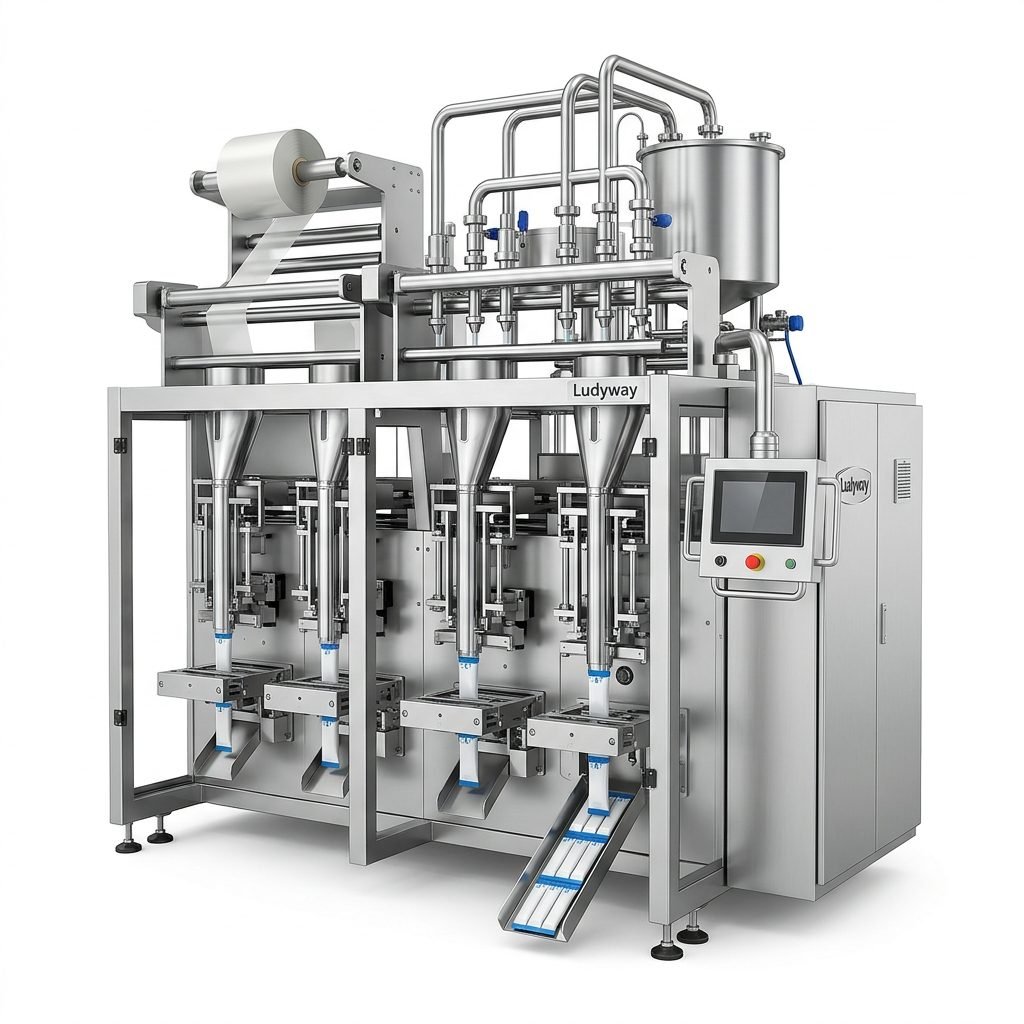
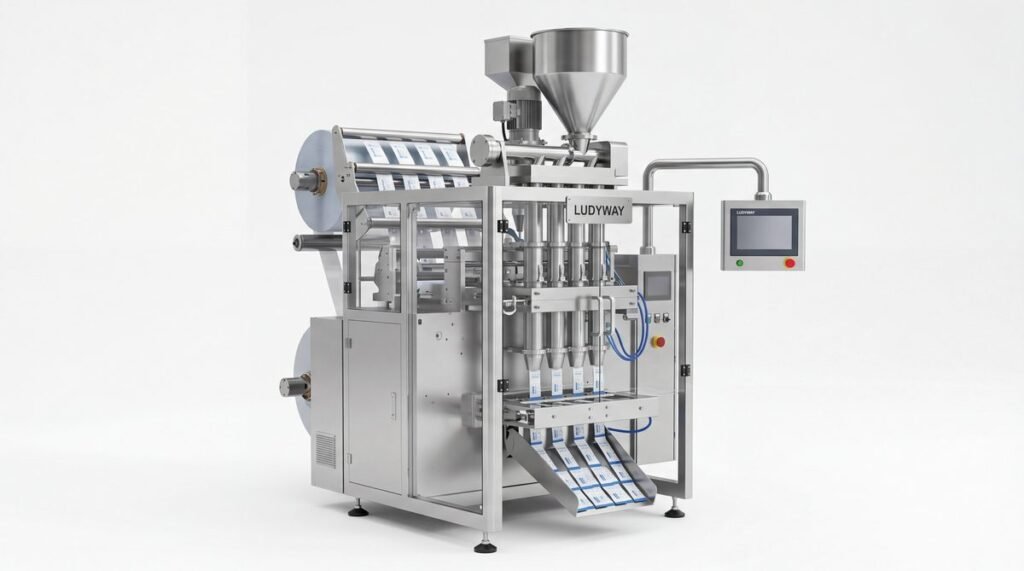
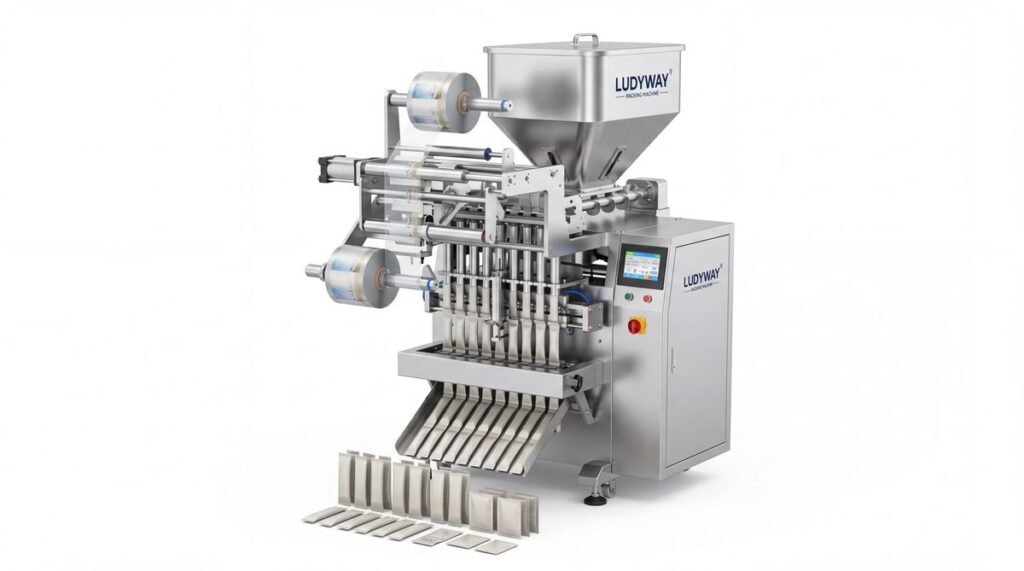
Before diving into specific problems, it’s crucial to have a basic understanding of your packaging equipment’s key components. Most modern systems, such as those offered by industry leaders, integrate several core modules: the feeding system (for granules, powders, or liquids), the forming and sealing mechanism, the cutting unit, and the central programmable logic controller (PLC). Familiarity with these parts will significantly speed up your troubleshooting process.
Proactive Maintenance Tip
A well-documented preventive maintenance schedule is your first line of defense against unexpected breakdowns. Regularly check seals, filters, and moving parts for wear.
Common Problem Areas & Their Solutions
Issues can arise in any part of the packaging process. Below, we break down the most frequent problems by system area.
1. Product Feeding & Metering Inconsistencies
Inaccurate filling is a primary cause of product waste and quality control failures.
- Problem: Under-filled or over-filled packages.
- Potential Causes:
- Clogged or worn feed screws/funnels.
- Incorrect calibration of the volumetric or auger filler.
- Fluctuations in product density or flow characteristics.
- Faulty sensor on the feeding track.
- Easy Fixes:
- Clean and inspect: Disassemble and thoroughly clean the feeding mechanism. Look for wear on augers.
- Recalibrate: Follow the machine manual to recalibrate the filler for the specific product weight or volume.
- Check product properties: Ensure the raw material is consistent. For hygroscopic powders, control environmental humidity.
2. Film Web & Sealing Defects
Problems with the packaging material itself or the sealing process lead to leaks, spoilage, and an unprofessional appearance.
Quick Diagnostic Icons
⚠️ Wrinkled Seals: Often indicates misaligned film or incorrect tension.
🔥 Weak Seal Strength: Check temperature, pressure, and dwell time of sealing jaws.
🌀 Film Jams: Inspect guide rollers, registration marks, and unwind brake.
- Problem: Poor seal integrity, film tearing, or misregistration.
- Potential Causes:
- Incorrect temperature settings for the sealing jaws.
- Worn or contaminated sealing surfaces (e.g., with product residue).
- Improper film tension or misaligned registration marks.
- Using film that is incompatible with the machine or product.
- Easy Fixes:
- Adjust temperature: Increase or decrease sealing temperature in small increments. Use a pyrometer to verify jaw surface temp.
- Clean jaws: Regularly clean sealing jaws with a soft cloth and appropriate solvent (never abrasive).
- Realign film: Re-thread the film web, ensuring proper alignment of eye marks and consistent tension across all rollers.
- Consult your packaging equipment supplier for recommended film specifications.
3. Mechanical & Electrical Faults
These issues often manifest as unexpected stoppages, strange noises, or complete machine failure.
- Problem: Machine stops unexpectedly, motors overload, or unusual vibrations/noises occur.
- Potential Causes:
- Overheated motors or drives due to excessive load or poor ventilation.
- Loose mechanical components (belts, chains, couplings).
- Faulty sensors (proximity, photoelectric) giving false signals.
- PLC or electrical connection issues.
- Easy Fixes:
- Check for obstructions: Immediately stop the machine and inspect for jammed product or foreign objects.
- Inspect drives and belts: Tighten loose belts and check gearboxes for proper lubrication.
- Test sensors: Clean sensor lenses and check alignment. Use the machine’s diagnostic mode to verify sensor operation.
- Review error codes: Modern machines like Ludyway’s intelligent models display error codes on the HMI. Always refer to the manual for specific code meanings.
Systematic Troubleshooting Approach
When a problem occurs, follow a logical sequence to avoid wasted time.
- Observe and Identify: Note exactly what the machine is (or isn’t) doing. Which specific station failed?
- Isolate the Issue: Can the problem be replicated in manual mode? Does it affect all packages or just some?
- Check the Basics First: Power supply, air pressure, emergency stops, and simple mechanical jams.
- Consult the Manual: Your machine’s manual has tailored troubleshooting flowcharts and error code definitions.
- Document the Solution: Once fixed, record the problem and solution for future reference and team training.
When to Call a Professional
While many fixes are operator-level, some situations require expert intervention from your equipment provider.
Contact technical support if you encounter: Repeated electrical faults, major mechanical component failure (e.g., a broken main shaft), complex PLC programming errors, or any issue that persists after applying basic fixes. Leveraging the 30+ years of industry experience behind your machinery can save significant time and cost in the long run.
Summary of Common Problems & Quick Actions
Here is a final recap of frequent issues to keep on your quick-reference list:
Frequent Packaging Machine Issues
- Inconsistent Fill Weight: Clean the filler, recalibrate for product, and check material consistency.
- Leaking or Weak Seals: Verify and adjust sealing temperature, clean jaws, and ensure correct film type is used.
- Film Web Breaks or Misalignment: Re-thread film, check and adjust tension settings, and clean registration sensors.
- Unexpected Machine Stoppage: Clear any jams, check all safety interlocks and sensor signals, and review the HMI for active error codes.
- Excessive Noise or Vibration: Inspect for loose components, worn bearings, or unbalanced rotating parts, and ensure proper lubrication.