Investing in a tea aseptic packaging machine is a significant decision for any tea producer looking to scale operations, extend shelf life, and maintain product purity. The cost of these sophisticated systems varies widely, influenced by a complex interplay of automation levels, production capacity, and regulatory compliance features. Understanding the price breakdown is the first step toward making an informed capital investment.
Key Factors Influencing the Price
The final purchase price is not a flat number; it is the sum of carefully engineered components designed for aseptic processing. At the core, the sterilization technology is the most significant cost driver. Machines employing high-temperature short-time (HTST) or ultra-high temperature (UHT) processing integrated with sterile filling zones command a premium. A packaging machine designed for aseptic cartons or pouches requires a sterile environment maintained by positive pressure, hydrogen peroxide sterilization tunnels, or advanced electron beam technology.
Price Ranges by Automation and Configuration
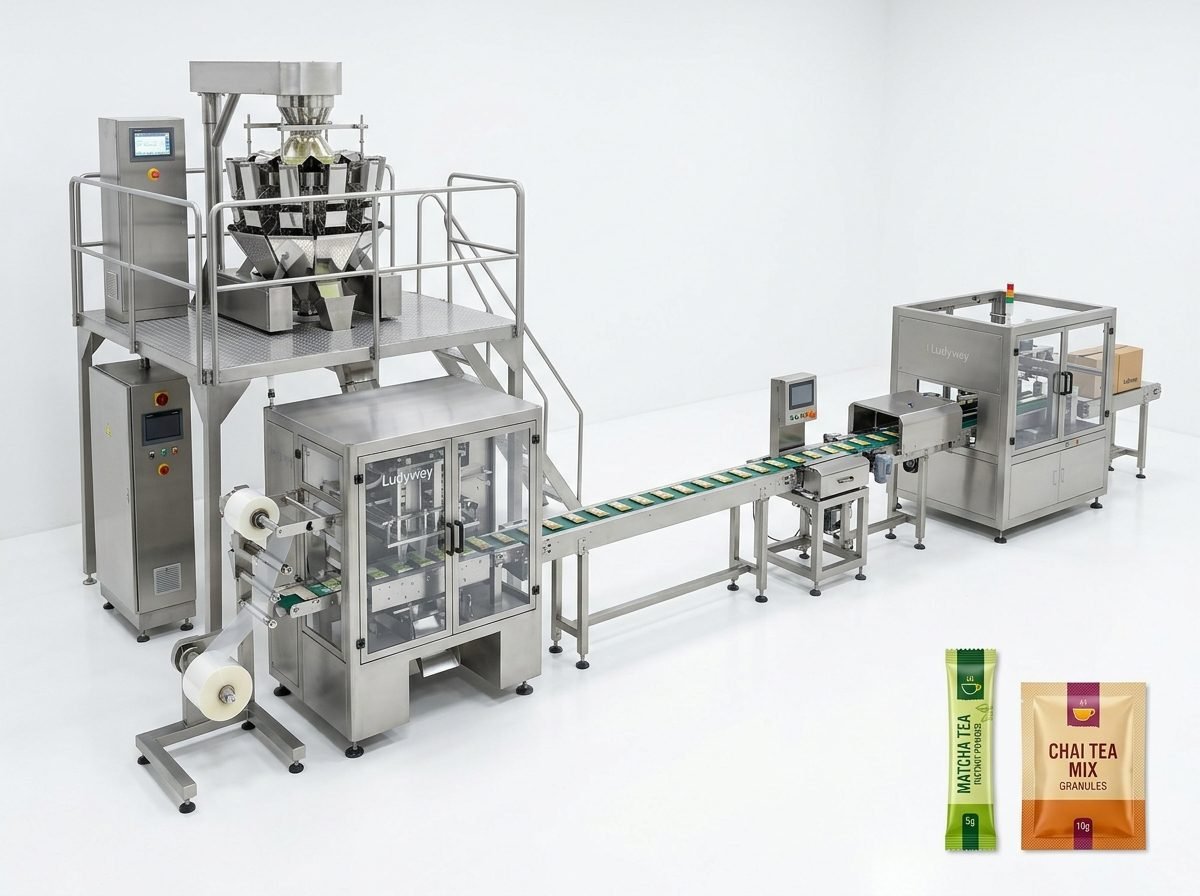
The cost of a tea packaging system fluctuates based on whether you select a semi-automatic stand-alone unit or a fully integrated, high-speed turnkey production line. Below is a general market overview based on machine type and capacity.
| Machine Configuration | Production Capacity (Packs/Min) | Estimated Price Range (USD) |
|---|---|---|
| Semi-Automatic Stick Pack Machine | 40 – 80 | $15,000 – $45,000 |
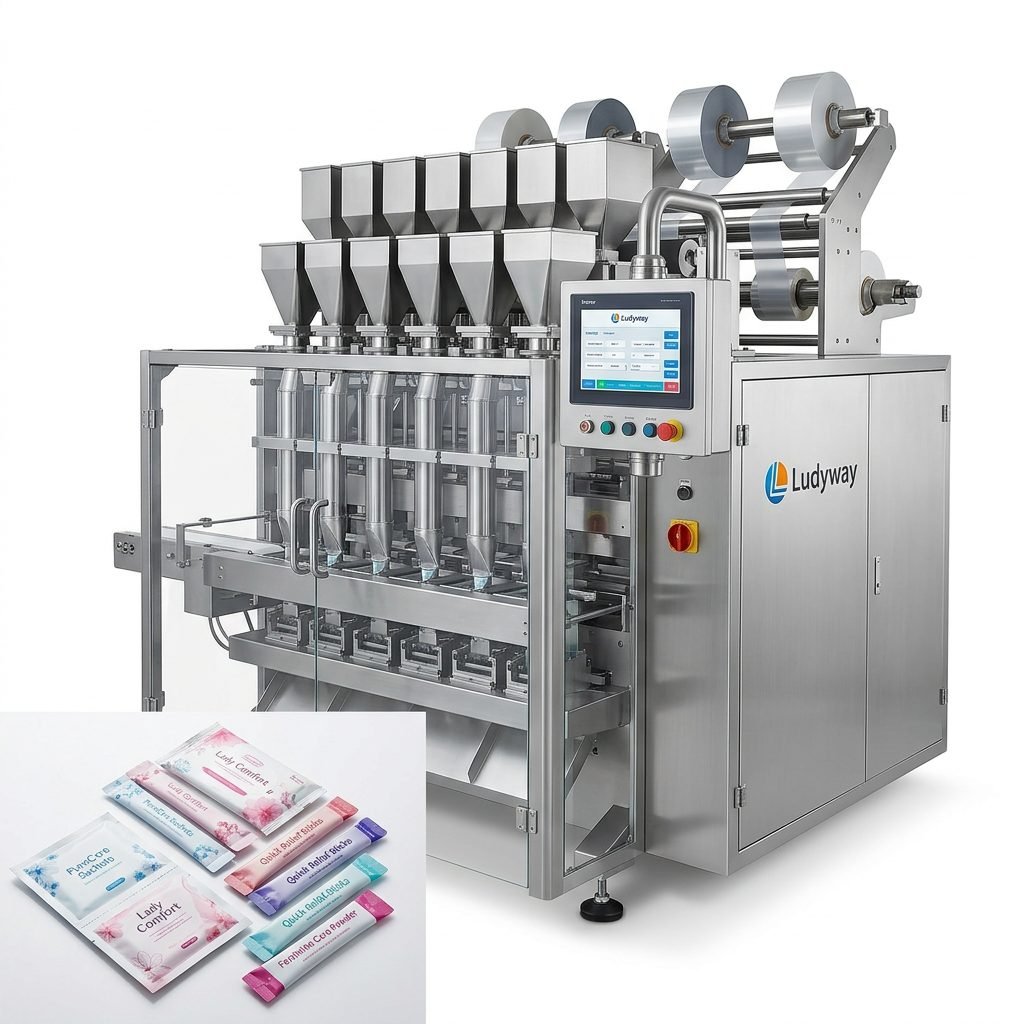
| Multi-Lane Sachet Aseptic System | 200 – 400 | $80,000 – $180,000 |
| Fully Automated Aseptic Carton Line | 100 – 250 | $250,000 – $600,000+ |
The variance within these $15,000 to $600,000+ brackets is largely determined by build quality, servo-driven precision, and compliance with international standards. Opting for a multi-lane sachet system with advanced filling technology naturally positions the investment at the higher end of the spectrum due to increased output efficiency.
The Hidden Value: Beyond the Initial Purchase Price
When evaluating suppliers, the cost of the machine itself is just the beginning. You must also account for the Total Cost of Ownership (TCO). This includes several crucial components:
- Sterilization Consumables: The ongoing cost of hydrogen peroxide, steam, or sterile air filtration systems.
- Validation and Qualification: Documented Installation Qualification (IQ) and Operational Qualification (OQ) are mandatory for aseptic processes.
- Spare Parts and Service: Availability of critical components and remote diagnostic support from an experienced engineering team.
- Material Waste: High-precision machinery, like that from reputable manufacturers, minimizes expensive tea product loss during film splicing and start-up cycles.

Packaging Format and Material Complexity
The physical format of your tea product directly dictates the mechanical design and price. Intelligent packaging solutions differ significantly in cost based on the final package style:
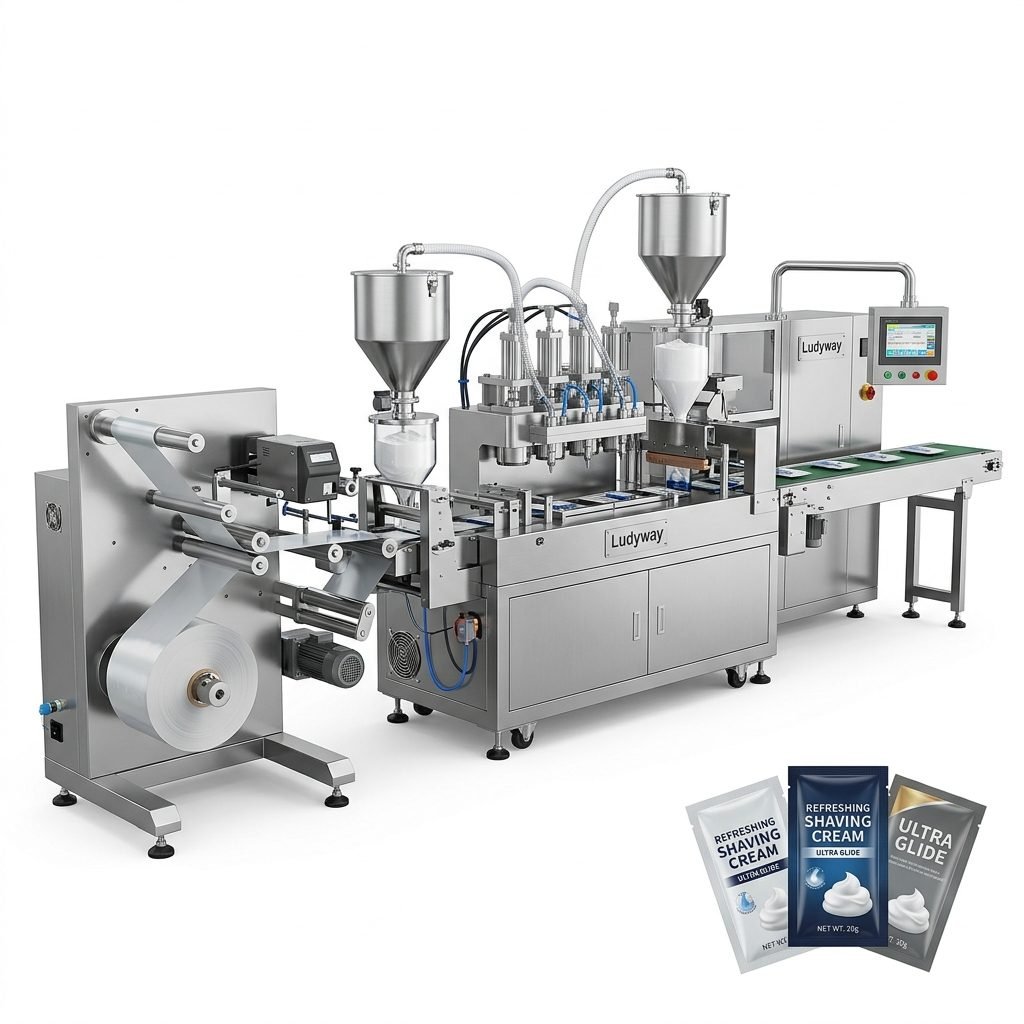
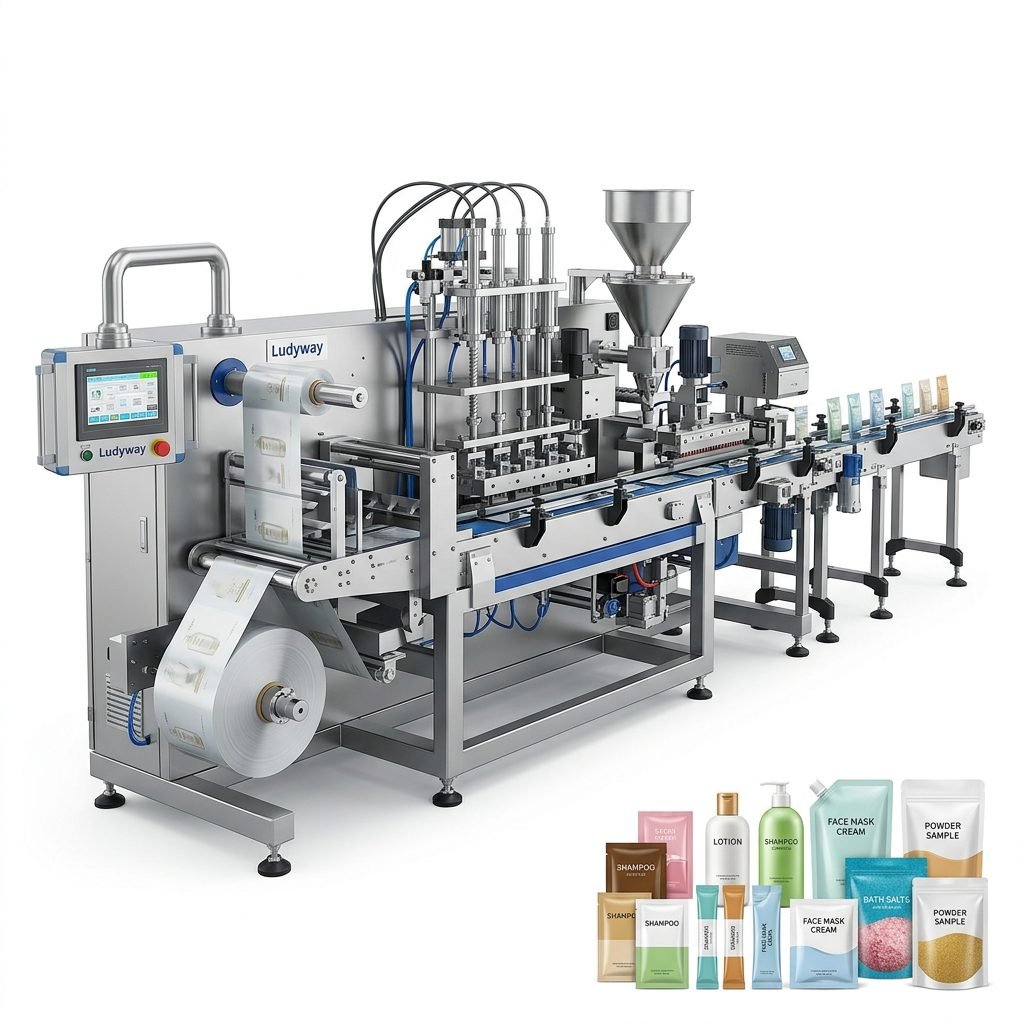
- Stick Packs: Often require precise servo-driven longitudinal sealing and cutting, adding to the mechanical cost but offering high consumer convenience.
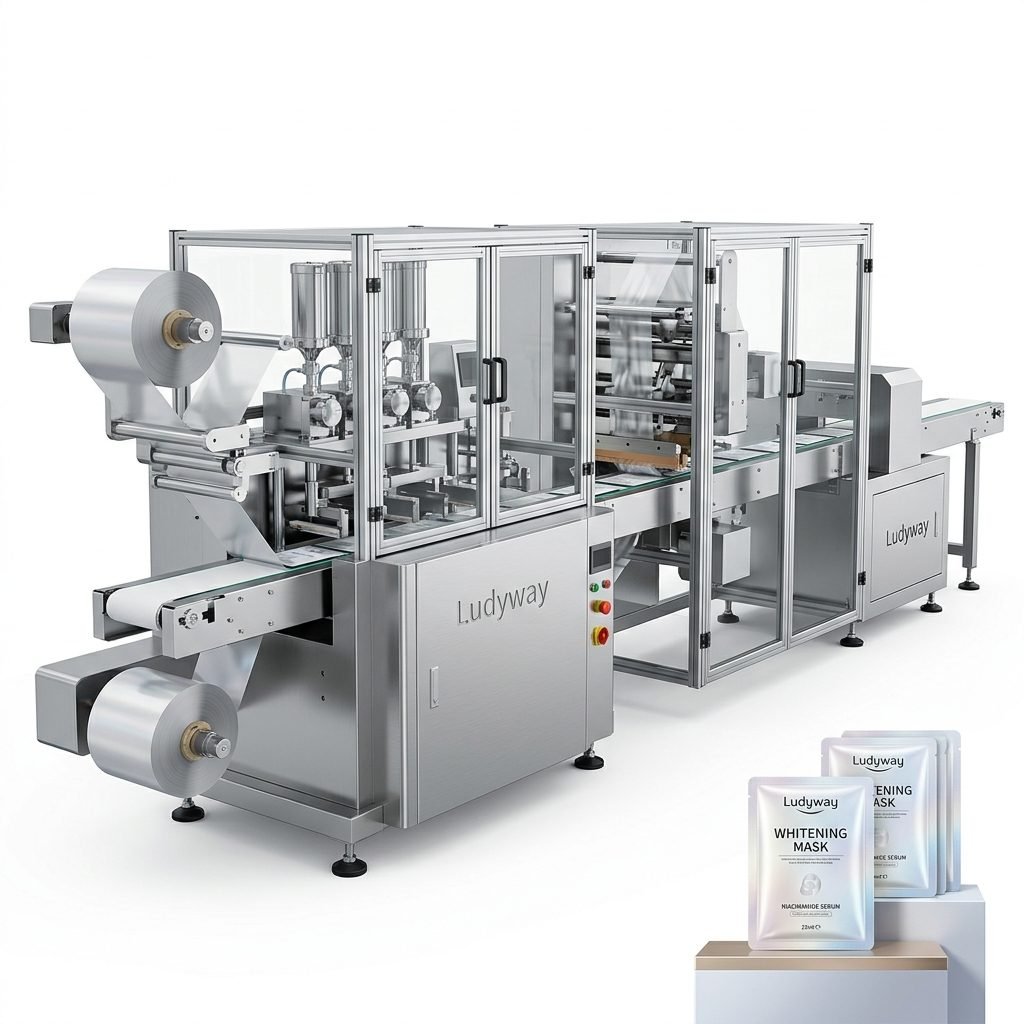
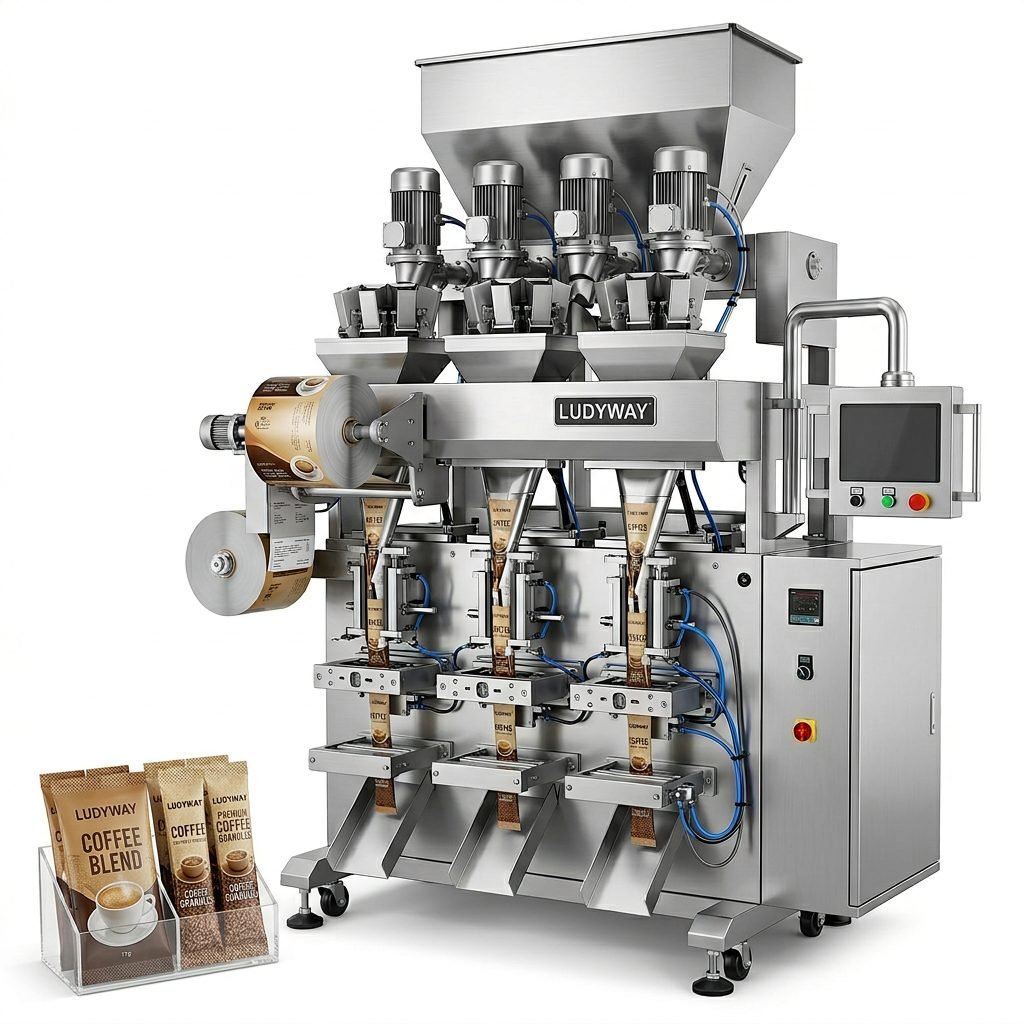
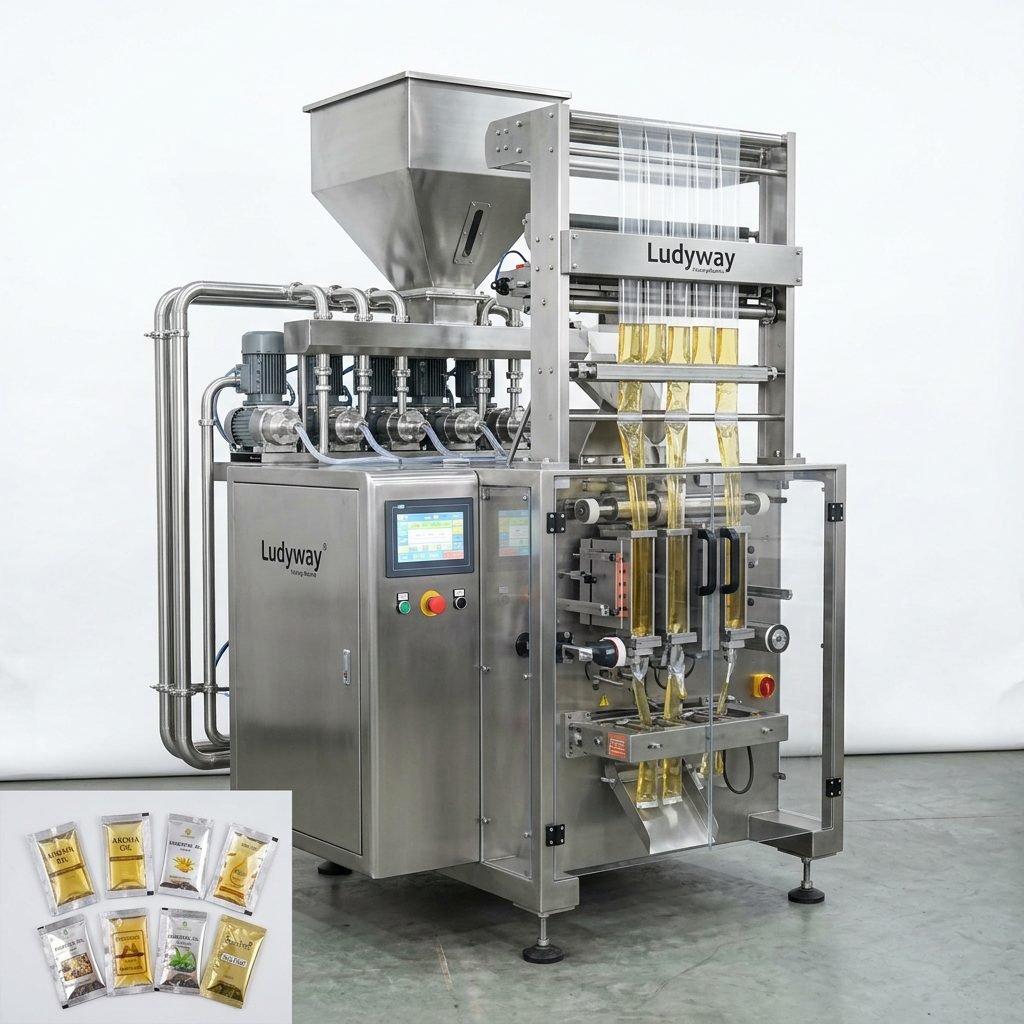
- Multi-lane Sachets: These systems multiply the cost relative to the number of lanes but dramatically increase throughput. An 8-lane machine will cost significantly more than a 4-lane model.
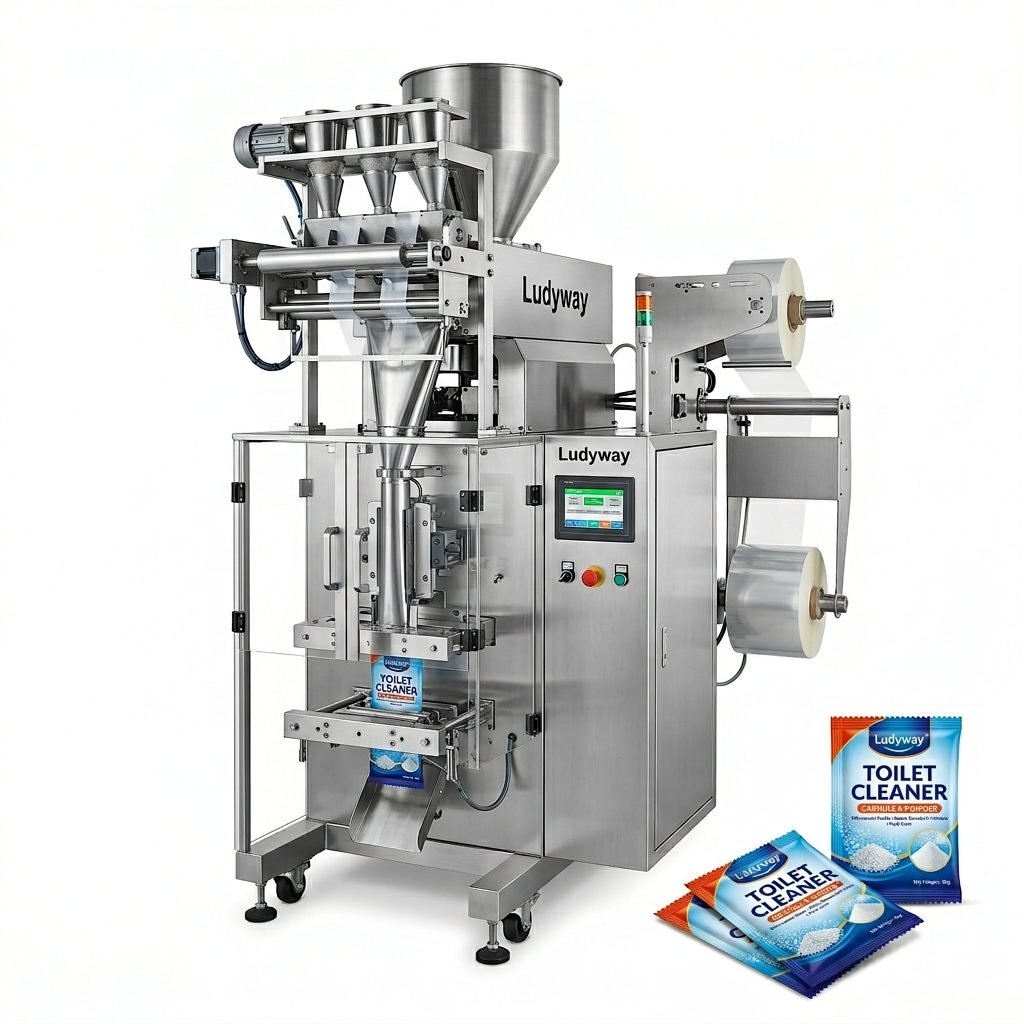
- Gusseted Pouches: Adding a bottom gusset for stand-up capability requires extra forming parts and sealing stations, increasing the capital outlay.
Matching Machine Cost with Production Goals
To avoid over-spending or under-sizing equipment, you must match the packaging machine’s capabilities with your specific production environment. A mid-sized tea company releasing a new line of functional powder packaging equipment might target a 4-lane stick pack machine costing between $60,000 and $100,000. In contrast, a large-scale contract packager handling multiple organic tea brands would require high-speed multi-lane systems exceeding $200,000 to ensure meeting demanding delivery schedules.
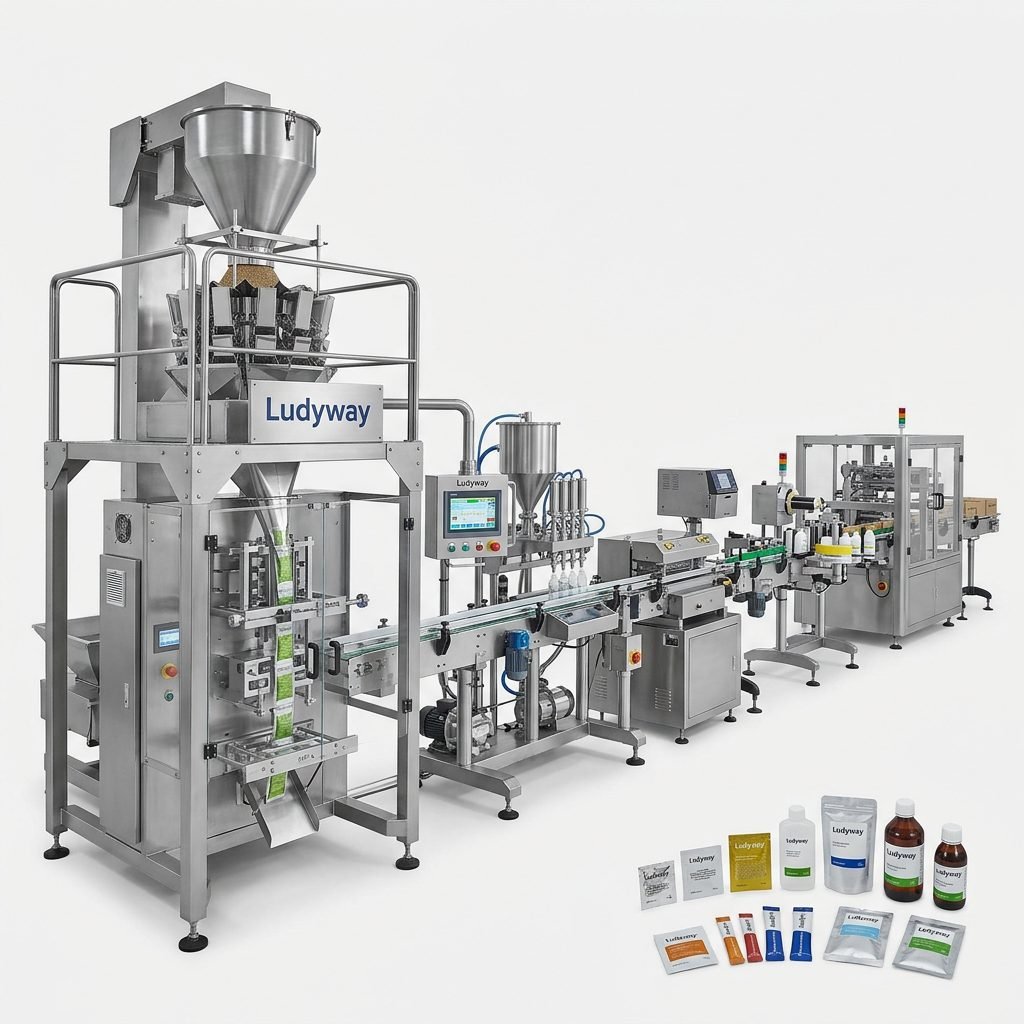
For high-volume producers, aseptic filling systems that integrate fully automated packaging systems can process thousands of packs per hour, minimizing labor while maximizing sterility. The return on investment here is rapid due to the extension of shelf life without refrigeration.
The Lubyway Advantage in Aseptic Solutions
To get an accurate quote for a tea aseptic packaging machine, it is essential to collaborate with manufacturers who possess deep engineering expertise. Ludyway, leveraging over 30 years of industry expertise and a 20,000㎡ modern production facility, specializes in advanced packaging equipment for powder and liquid applications. Their engineering team offers more than 50 intelligent packaging machine models, ensuring customized, high-performance solutions that allow you to achieve a rapid return on investment while maintaining the highest product quality standards.
By focusing on the specific cost drivers—sterilization method, automation level, and format flexibility—you can strategically select a machine that aligns perfectly with your budget and your brand’s long-term vision for quality.
References and Further Reading
For more insights into flexible packaging technologies and market trends, explore the following industry resources: