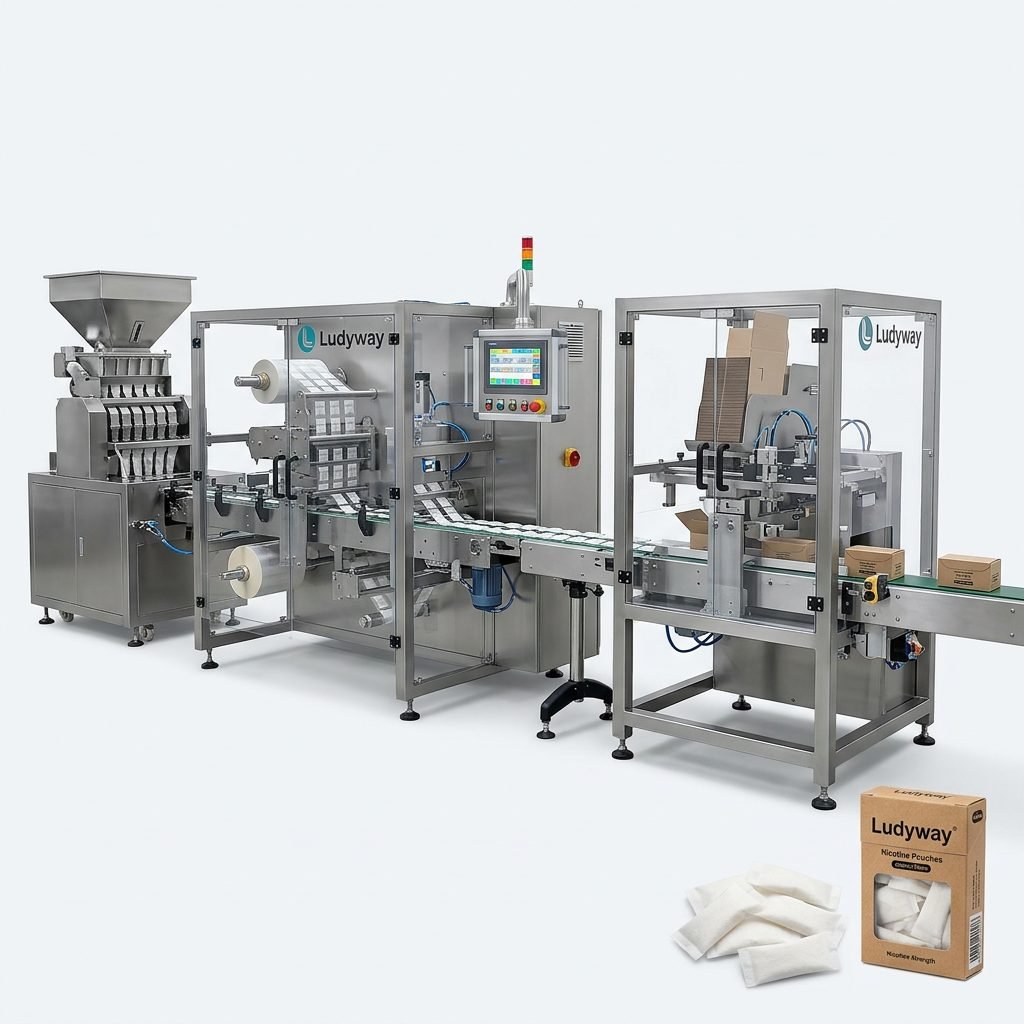
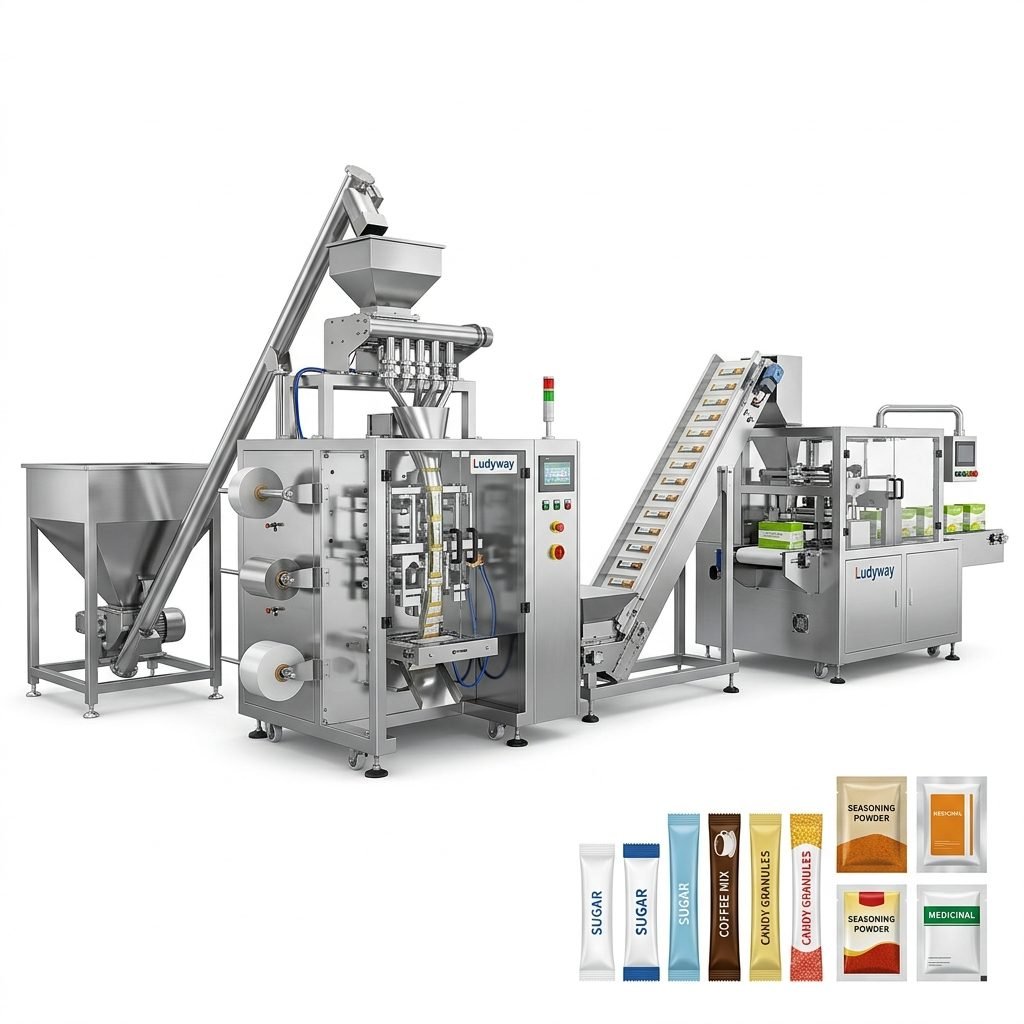
In the fast-paced world of manufacturing, efficiency, consistency, and product protection are paramount. The right packaging equipment is not just a component of the production line; it is the backbone that ensures products reach consumers in perfect condition while optimizing costs and throughput. Modern production lines leverage a sophisticated array of machinery, each designed for specific tasks, materials, and output requirements. This article explores the top types of packaging equipment that are essential in contemporary manufacturing facilities.
Filling Machines: Precision in Every Dose
Filling machines are critical for accurately dispensing products into their containers. They come in various types based on the product’s physical state.
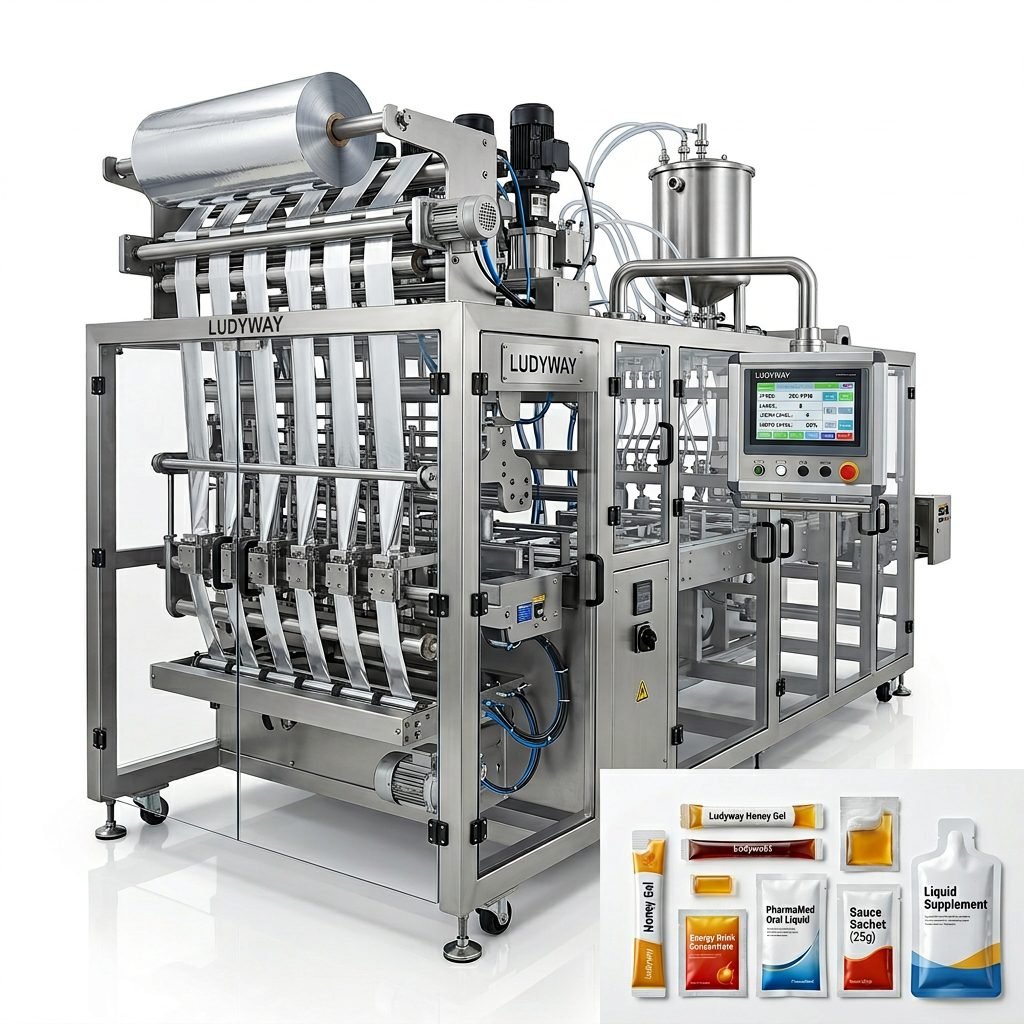
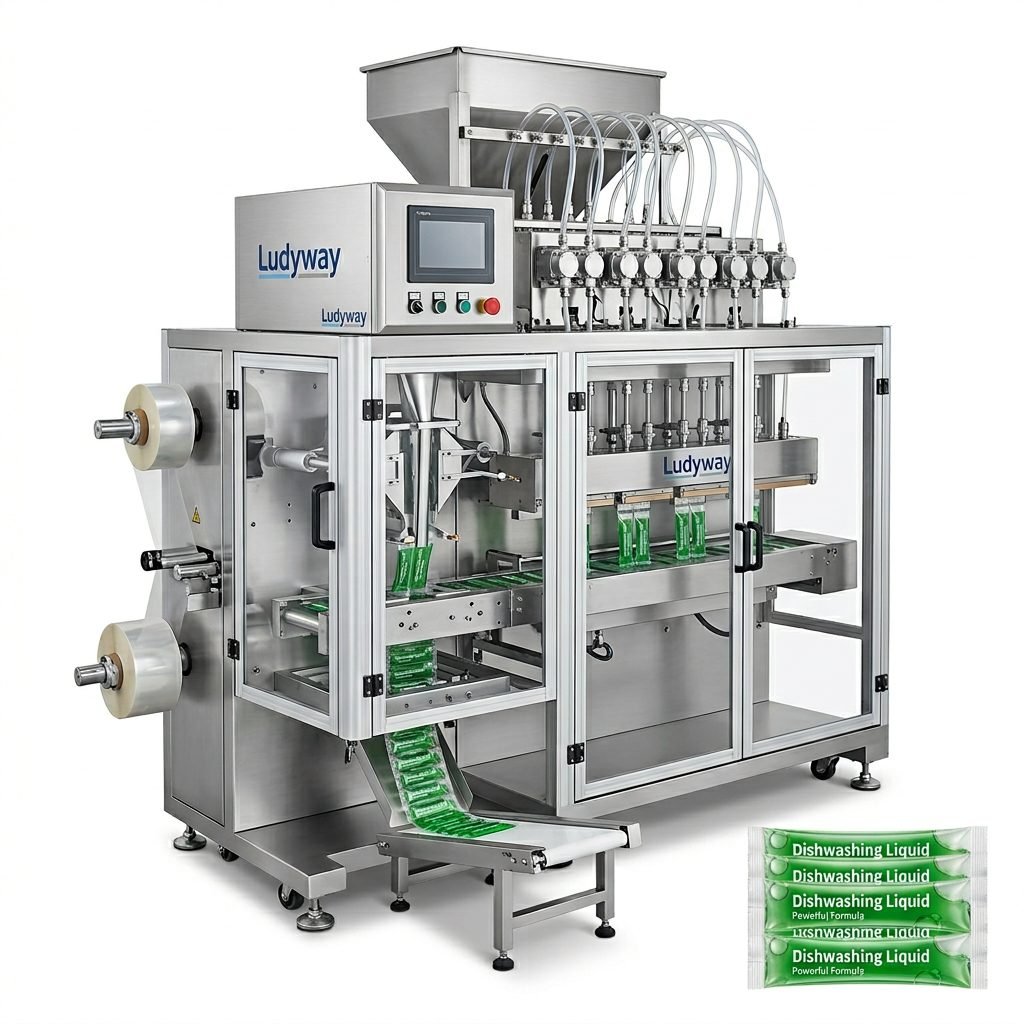
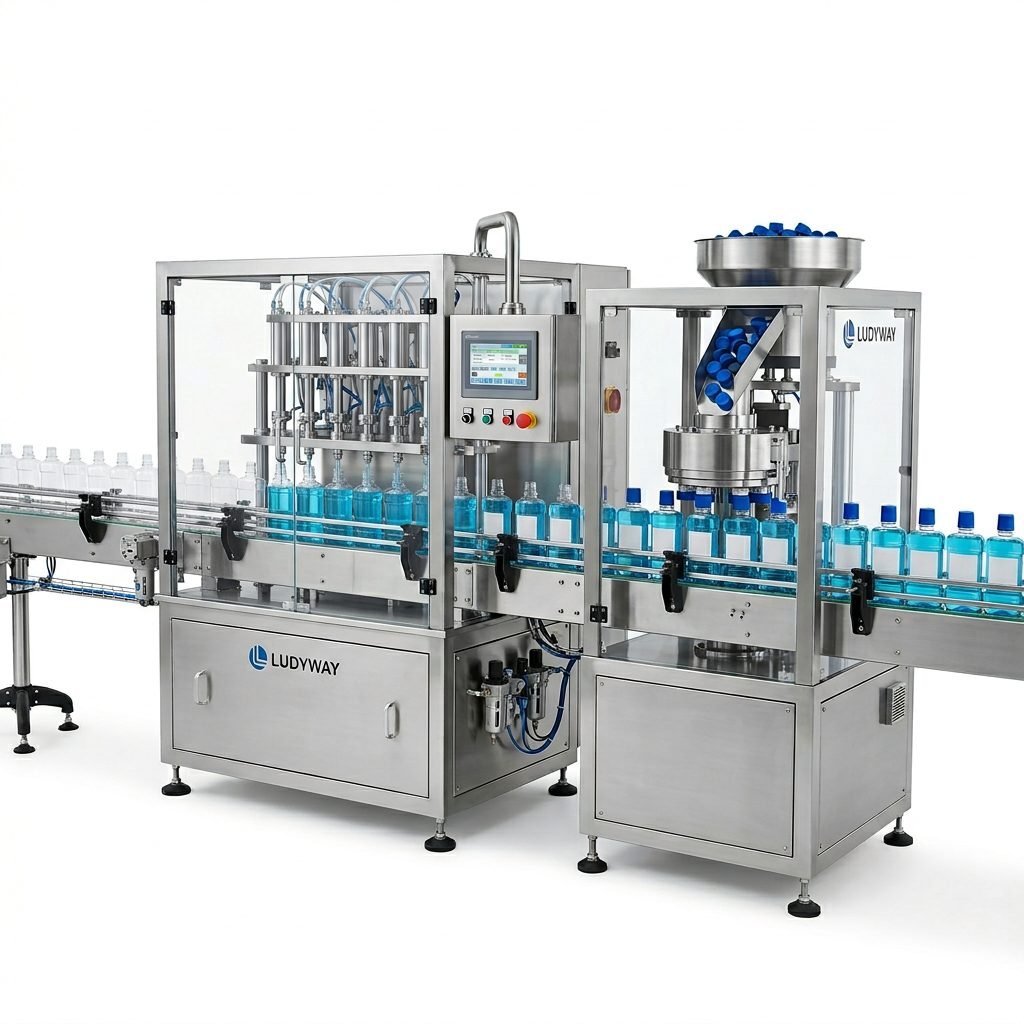
Liquid Fillers: These are ubiquitous in beverage, pharmaceutical, and chemical industries. Volumetric, piston, and gravity fillers are common, offering high-speed, precise filling with minimal waste. Advanced models feature touch-screen controls and CIP (Clean-in-Place) systems for hygiene.
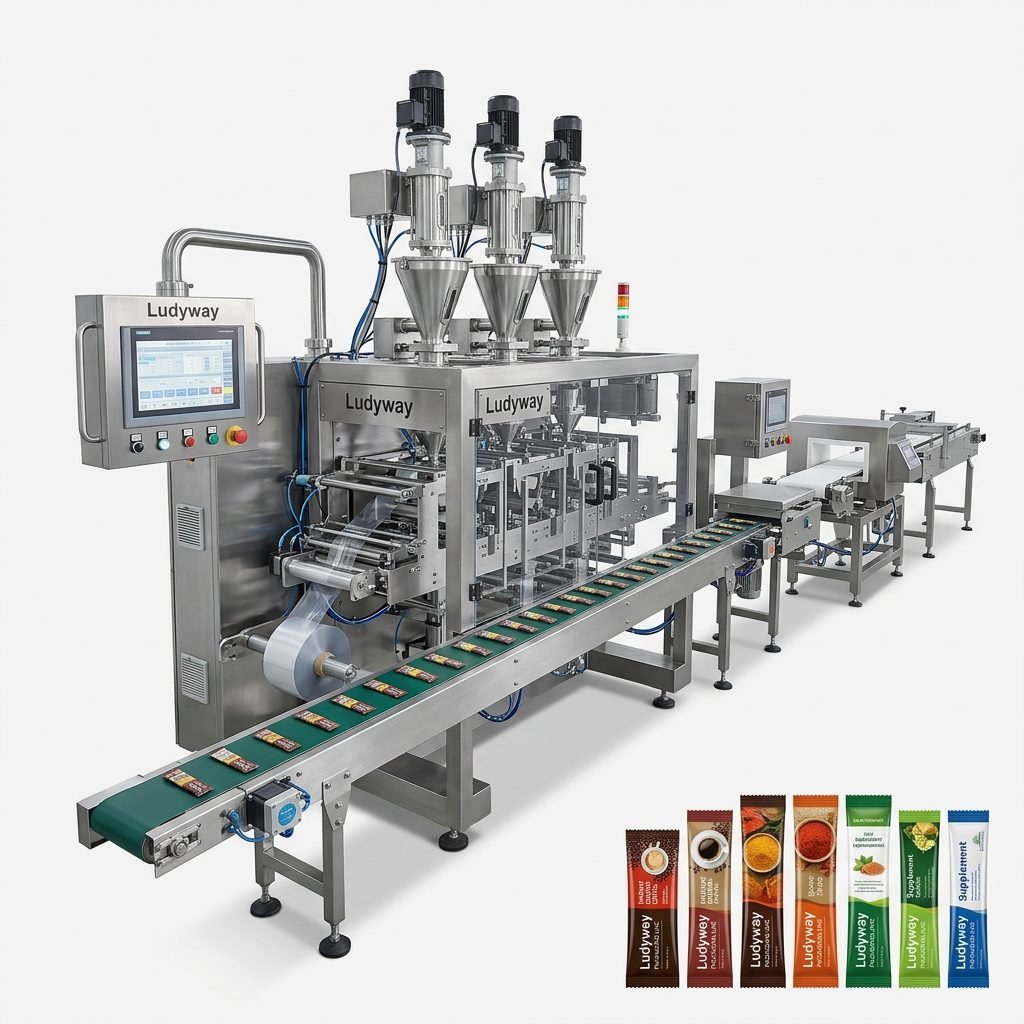
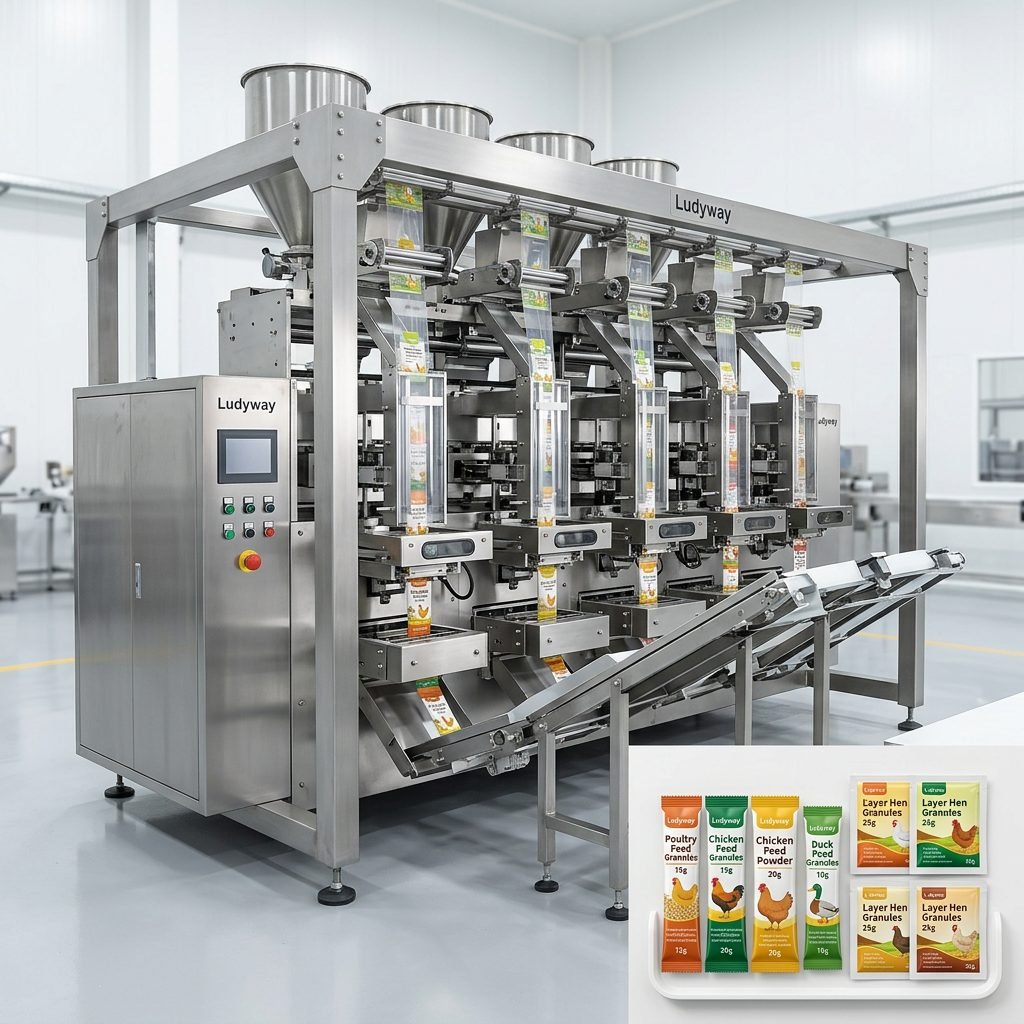
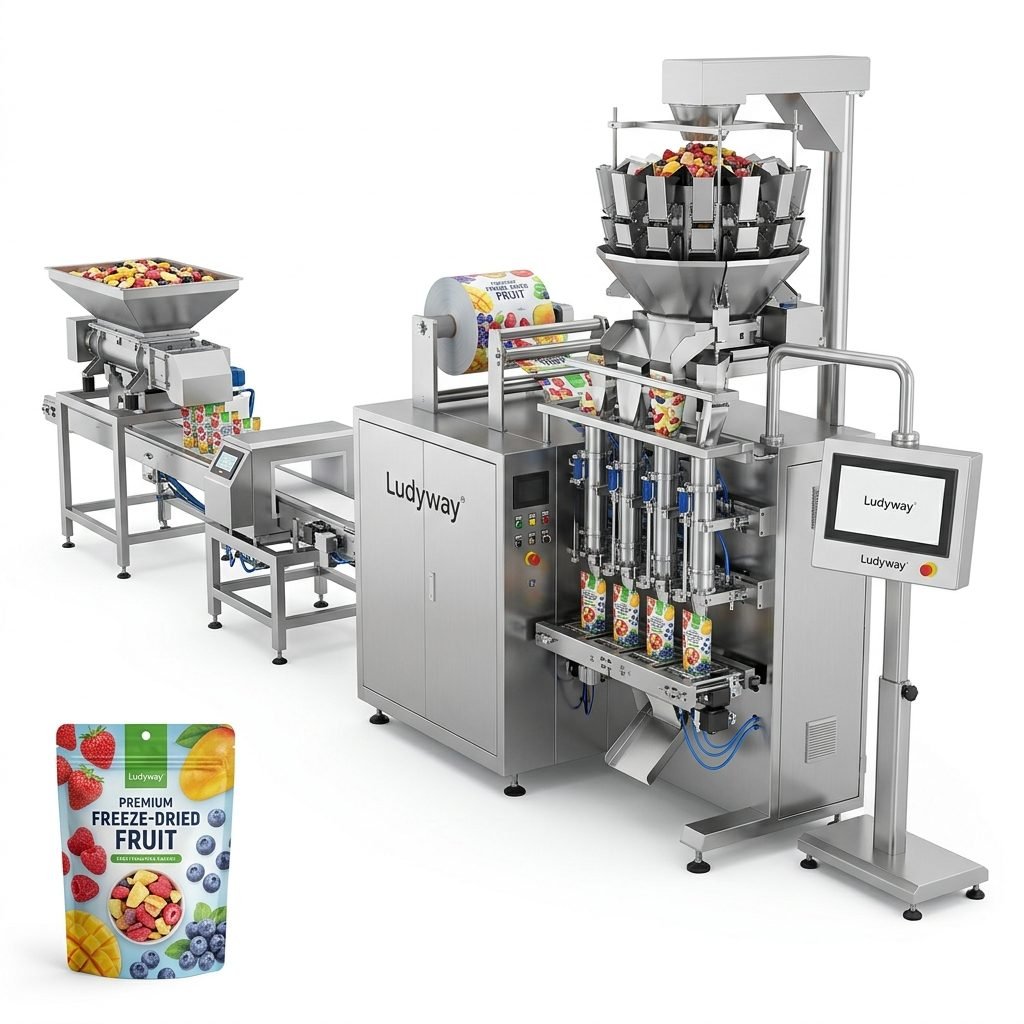
Powder & Granule Fillers: For products like coffee, spices, or detergent, auger fillers use a rotating screw to measure and dispense dry materials. Weight-based fillers offer even higher accuracy for premium products. Modern granule packaging machines often integrate these systems for seamless operation.
The choice between them depends on viscosity, particle size, and the required filling accuracy, which can be as precise as ±0.5%.
Sealing Machines: Ensuring Integrity and Freshness
Once filled, containers must be securely closed. Sealing technology varies dramatically with packaging materials.
Induction Sealers: Used for plastic containers, they create a tamper-evident hermetic seal by inductively heating a foil liner under the cap. This is crucial for pharmaceuticals and food to prevent contamination.
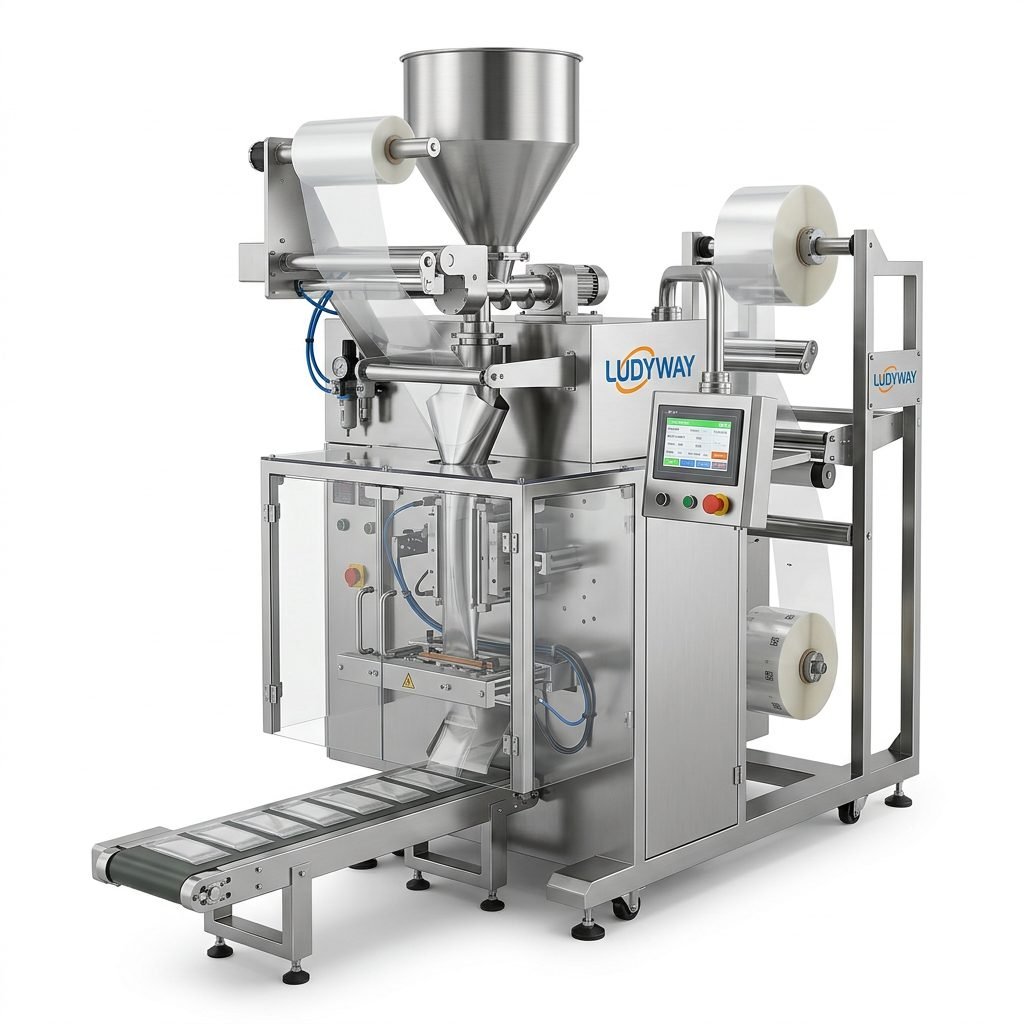
Heat Sealers: Essential for flexible packaging like pouches and sachets. They use heated jaws to melt the inner polymer layer of the film, creating a strong bond. Sachet packaging systems rely heavily on high-speed, precision heat sealers.
Cap Sealing and Capping Machines
For bottles and jars, cappers apply screw caps, snap-on lids, or press-on caps. Spindle cappers are common for screw caps, while chuck cappers are used for a variety of closure types. Magnetic torque control ensures consistent tightness without damaging the container or threads.
Labeling and Coding Equipment: The Final Touch of Information
This category ensures products are properly identified, branded, and traceable.
Primary Types:
➤ Pressure-Sensitive Labelers: Apply pre-printed self-adhesive labels at high speeds. They are versatile for front/back/wrap-around labeling.
➤ Print & Apply Systems: Integrate a printer to generate variable data (like barcodes, expiry dates) and immediately apply the label, perfect for logistics and batch tracking.
➤ Inkjet and Laser Coders: Directly print dates, lot codes, and logos onto packaging substrates. Laser coding offers permanent, high-contrast marks without consumables like ink.
Wrapping and Bundling Machines
These machines group primary packages for distribution and retail sale.
Shrink Wrappers: Use a loose sleeve of plastic film that shrinks tightly around products when heated. Ideal for bundling multi-packs of bottles, cans, or boxes.
Stretch Wrappers: Pallet wrappers use stretch film to secure loads for shipping, preventing movement and damage.
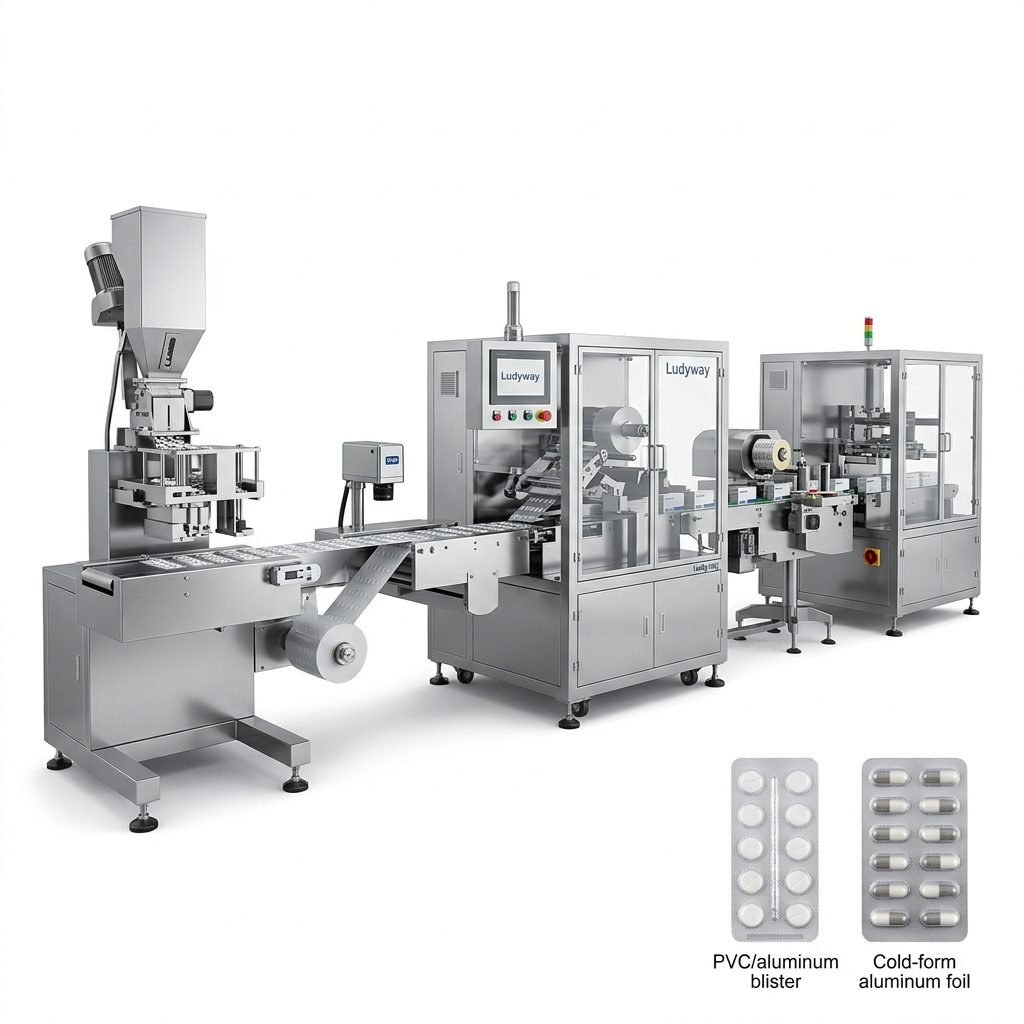
Cartoners: Automatically erect cartons, insert products (like blister packs or bottles), and close them. They are a key component in secondary packaging lines.
Specialized and End-of-Line Equipment
This includes machinery that handles specific tasks or prepares finished goods for shipment.
Case Packers and Palletizers
Case Packers automatically load primary packages into shipping cases. Robotic case packers offer incredible flexibility for mixed-SKU pallets. Palletizers then stack these cases or bags onto pallets in stable, optimized patterns. Robotic palletizers are becoming standard for their flexibility and gentle handling.
Checkweighers and Vision Inspection Systems
These are critical for Quality Control. Checkweighers ensure each package meets weight specifications, rejecting under or over-filled items. Vision systems use cameras to inspect labels, seals, fill levels, and even product presence, ensuring 100% visual quality compliance. Integrating a multi-lane stick pack machine with inline checkweighing guarantees consistent portion control.
The Rise of Integrated Turnkey Solutions
Modern trends move beyond standalone machines. Manufacturers like Ludyway Machinery now provide complete turnkey production line solutions. These integrated systems combine filling, sealing, labeling, and inspection into one synchronized, automated line. The benefits are immense: reduced labor, minimized transition time between products, consistent quality control, and higher overall equipment effectiveness (OEE). For businesses looking to scale, investing in a coordinated line from a single supplier with over 30 years of industry experience ensures compatibility and simplifies technical support.
The evolution of packaging equipment is driven by demands for higher speed, greater flexibility, smarter data integration, and sustainable practices. From precise fillers that handle delicate pharmaceuticals to robust palletizers that prepare goods for global logistics, each machine plays a vital role. By understanding these core equipment types, production managers can make informed decisions to build lines that are not only efficient but also adaptable to future market changes. The ultimate goal is a seamless, automated flow that protects the product, delights the consumer, and strengthens the bottom line.
Frequently Asked Questions (FAQs)
What is the main difference between a sachet and a stick pack machine?
While both handle flexible packaging, they are designed for different pouch formats. Sachet machines typically produce larger, wider pouches (e.g., for sauce or shampoo samples). Stick pack machines create long, narrow tubes ideal for single-serve powders like coffee, sugar, or supplements. The forming tubes and sealing jaws are configured differently for each shape.
How do I choose between an auger filler and a volumetric piston filler for my product?
The choice hinges on your product’s characteristics. Auger fillers are best for free-flowing powders and granules (e.g., flour, spices). Volumetric piston fillers excel with viscous liquids, pastes, or products with particulates (e.g., sauces, creams). A product test with your specific material at the equipment supplier’s facility is highly recommended.
Can one packaging line handle multiple, very different product types?
Modern lines are built with changeover flexibility in mind. With quick-change parts (like filler nozzles, forming tubes), adjustable settings saved in the PLC, and sometimes modular design, lines can switch between similar product families. However, switching between vastly different formats (e.g., from bottles to pouches) usually requires significant reconfiguration or separate dedicated lines.
What are the key benefits of a turnkey packaging solution versus buying machines separately?
Turnkey solutions offer single-source responsibility, guaranteed machine compatibility, synchronized line speed, and integrated control. This reduces project risk, shortens commissioning time, and simplifies after-sales service and spare parts sourcing. It ensures the entire line is designed to work as one efficient system.
How important is after-sales support and service for packaging equipment?
It is critically important. Packaging equipment is a long-term investment. Reliable service, readily available spare parts, and remote technical support minimize costly downtime. Suppliers with a strong global service network, like those with extensive international project delivery experience, provide peace of mind and protect your production continuity.