Selecting the right packaging machine manufacturer is a critical decision for any production facility, and in a sophisticated market like Denmark, the stakes are even higher. Danish manufacturers are renowned for their high-quality standards, precision engineering, and a strong commitment to sustainability and automation. Partnering with a manufacturer that understands the specific needs of the Danish market, including its regulatory environment and consumer expectations, can significantly impact your operational efficiency and product quality. This guide outlines the key factors to consider when choosing a packaging machine manufacturer in Denmark to ensure your investment drives long-term success.
Understanding the Danish Packaging Landscape
The Danish packaging industry is characterized by a strong emphasis on innovation, sustainability, and automation. Danish businesses, from food and pharmaceuticals to consumer goods, demand equipment that is not only efficient but also aligns with the country’s stringent environmental regulations and high consumer expectations for quality and design. A manufacturer must offer solutions that support the circular economy, minimize waste, and integrate seamlessly with existing high-tech production lines. When evaluating potential partners, it’s crucial to assess their understanding of these local market dynamics.
Key Considerations for Danish Production Needs
Your choice of manufacturer should be guided by several core considerations specific to operating in Denmark:
1. Technical Expertise & Industry Specialization: Does the manufacturer have proven experience in your specific industry? For example, pharmaceutical packaging requires adherence to strict GMP standards, while food packaging demands hygienic design and material safety compliance.
2. Machine Quality & Reliability: Danish production environments often run 24/7. The machinery must be robust, reliable, and built with high-quality components to minimize downtime and ensure consistent output.
3. Automation & Smart Technology Integration: The trend in Denmark is towards Industry 4.0. Look for manufacturers offering machines with IoT capabilities, data analytics, and easy integration with your factory’s MES or ERP systems for smart production monitoring.
4. Sustainability & Energy Efficiency: With Denmark’s focus on green initiatives, manufacturers offering energy-efficient machines, reduced material consumption features, and compatibility with recyclable or biodegradable packaging materials have a distinct advantage.
5. After-Sales Support & Local Presence: Proximity and responsive support are vital. Consider the manufacturer’s ability to provide timely technical support, spare parts availability, and service engineers familiar with the Danish market.

Evaluating Manufacturer Capabilities
Once you have identified your core needs, it’s time to evaluate potential manufacturers on a deeper level. Look beyond the sales brochure and assess their real-world capabilities.
Manufacturing & Engineering Prowess
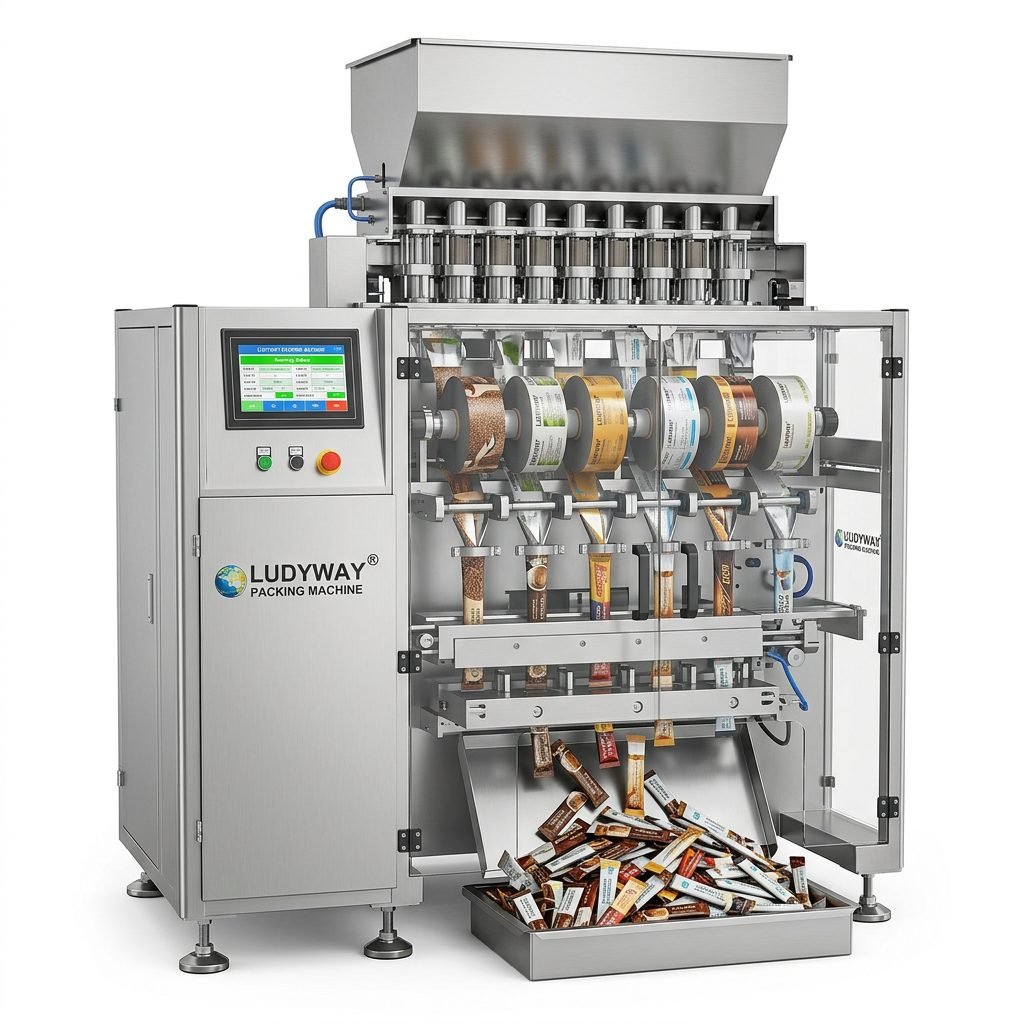
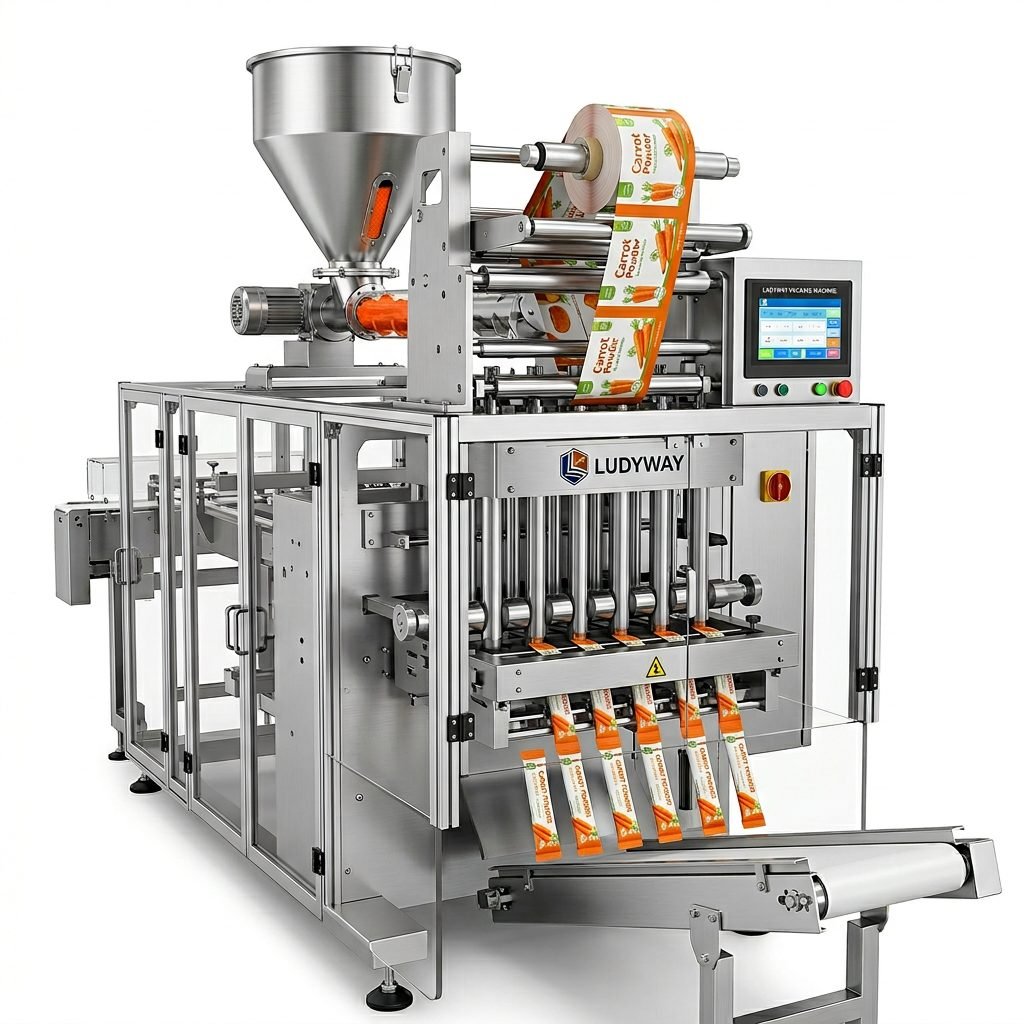
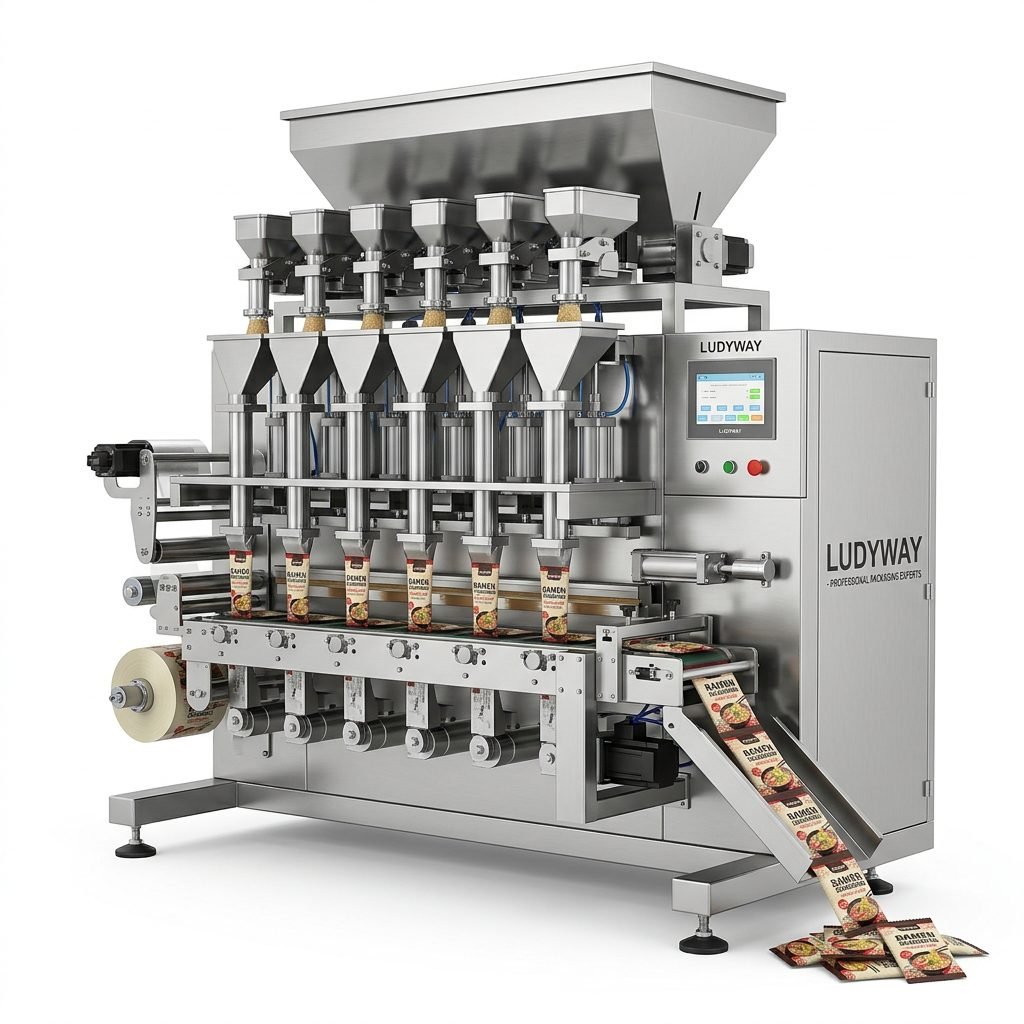
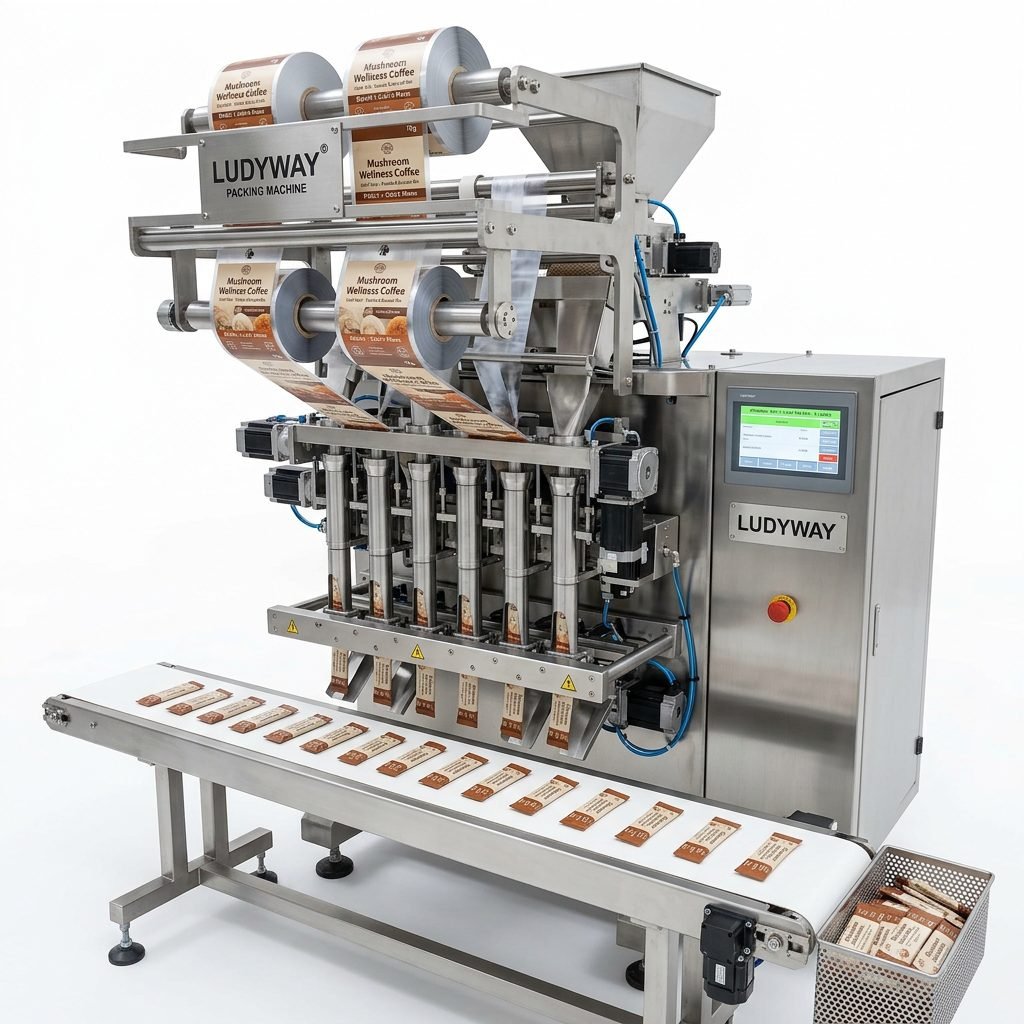
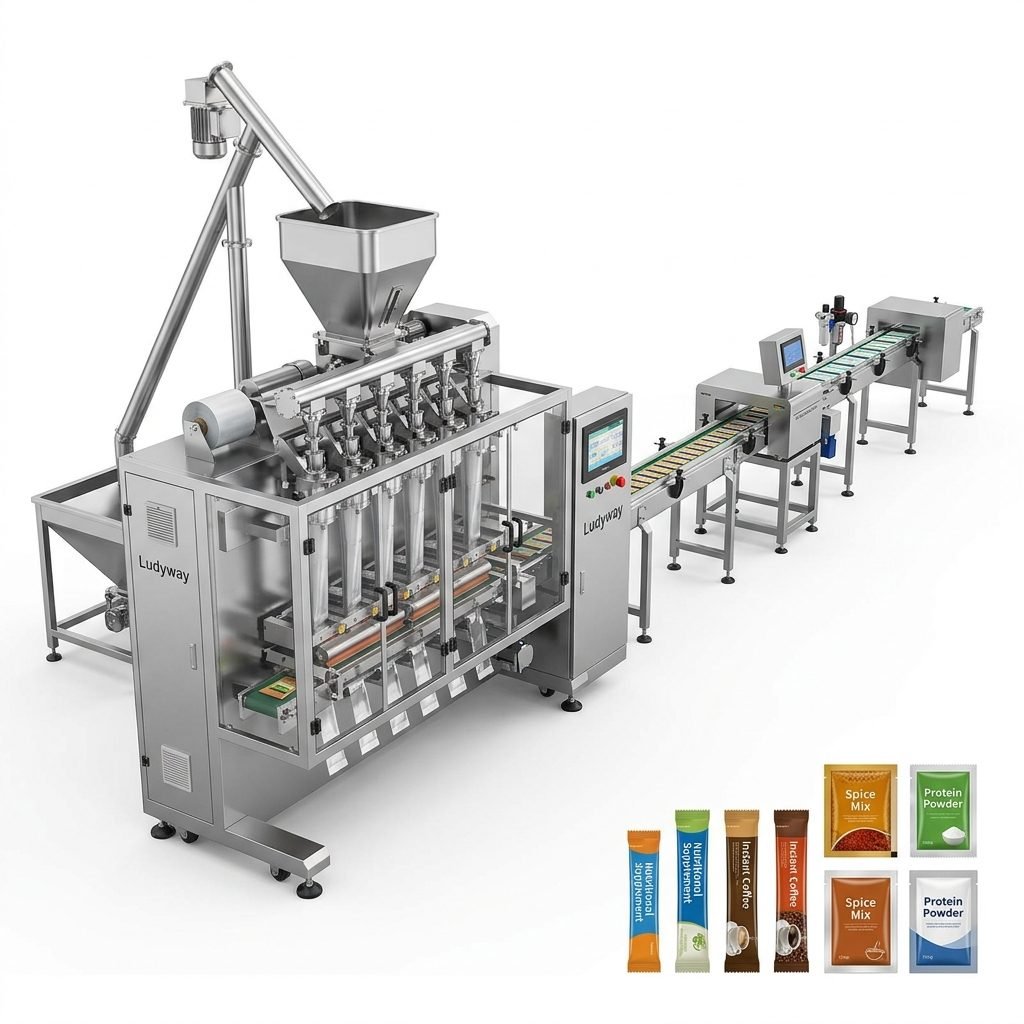
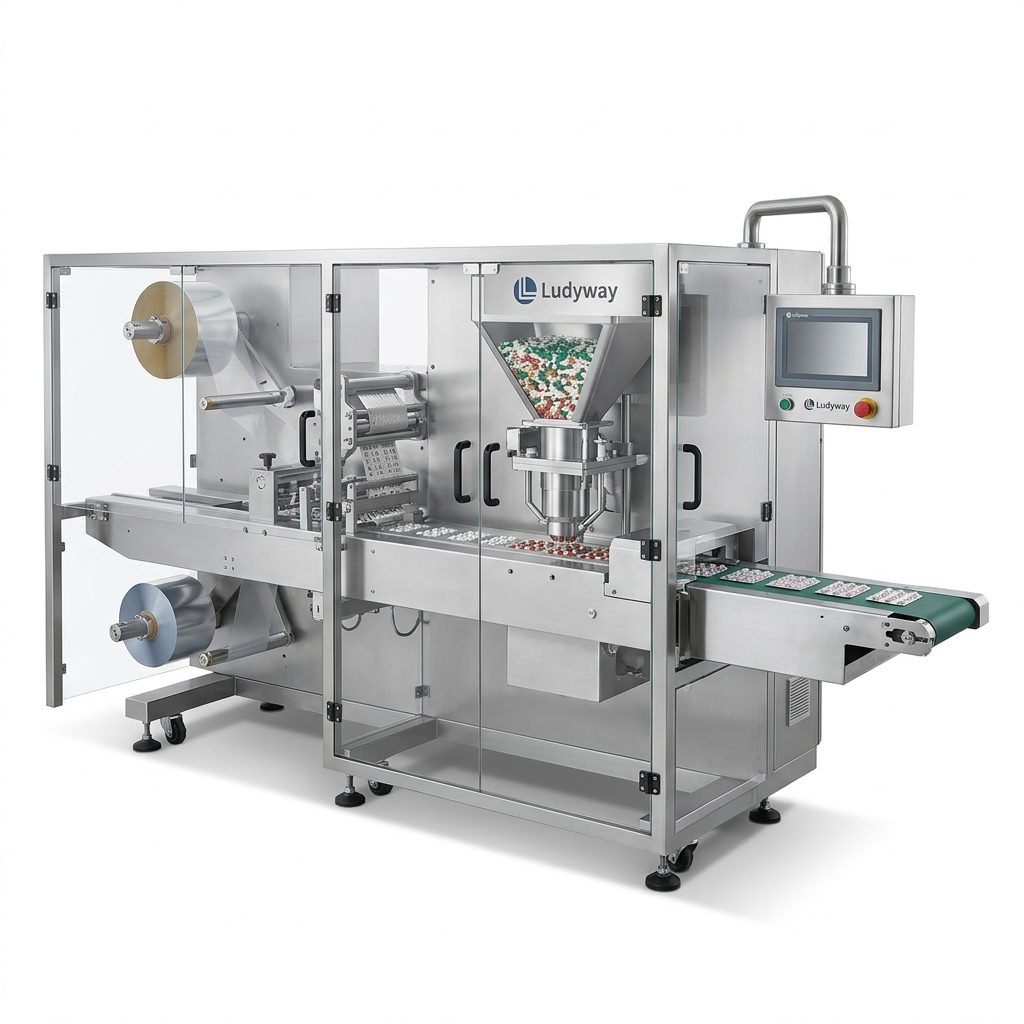
A manufacturer’s own facility is a reflection of their quality standards. Companies like Ludyway operate from a modern 20,000㎡ manufacturing base, which signifies a strong production capacity and investment in their infrastructure. Evaluate their in-house engineering team’s expertise. Can they offer customizations? For instance, if you need a specific multi-lane stick pack machine for a new health supplement line, can they modify standard models to fit your exact pouch size, dosing accuracy, and speed requirements?
Product Portfolio & Technology
Examine the breadth and depth of their machine range. A manufacturer with a wide portfolio, such as Packmate Machinery or PacklineOEM, can offer more comprehensive solutions. For Danish companies, advanced features like servo-driven precision, quick changeover systems, and CIP (Clean-in-Place) capabilities are often essential. Look for technology that enhances flexibility and reduces waste.
Global Experience & Local Understanding
Experience serving international markets is a strong indicator of a manufacturer’s ability to meet diverse standards. Ludyway, serving customers in over 100 countries, brings a wealth of cross-border experience. However, for the Danish market, it’s equally important that they understand local regulations (e.g., EU food contact materials regulations) and have experience working with Danish or Scandinavian clients. Manufacturers with a focus on specific niches, like SnusMachinery for oral nicotine products, can offer deep expertise for that particular segment.
The Importance of After-Sales Service and Support
For a Danish production manager, machine downtime is a critical cost. Therefore, the manufacturer’s support structure is non-negotiable. Investigate their service offerings:
- Installation & Commissioning: Do they provide on-site engineers for setup and operator training?
- Spare Parts Availability: Is there a European or local warehouse for critical spare parts to ensure fast delivery?
- Technical Support: What are the channels (phone, remote diagnostics, on-site) and response time guarantees?
- Preventive Maintenance Programs: Do they offer scheduled service plans to maximize machine lifespan and prevent unexpected failures?
A manufacturer like PackingMachineOEM, which specializes in non-standard solutions, should be evaluated on their ability to provide specialized, long-term support for their custom-built equipment.

Making the Final Decision: Partnership Over Transaction
Choosing a packaging machine manufacturer in Denmark should be viewed as establishing a long-term partnership, not just a one-time purchase. The right partner will work with you to understand your evolving business goals, production challenges, and future expansion plans.
Request detailed proposals, but also ask for client references, especially from other Nordic or European companies. If possible, visit the manufacturer’s facility or arrange to see their machines running in a similar production environment. This due diligence will give you confidence in their build quality, operational efficiency, and the real-world performance you can expect in your Danish facility.

Frequently Asked Questions (FAQs)
Q1: Why is local support so important when sourcing packaging machinery for Denmark?
A: Local or readily available European support ensures faster response times for service calls, easier access to spare parts, and engineers who are familiar with regional electrical standards, safety regulations, and common operational practices. This minimizes costly production delays.
Q2: How do I ensure the packaging machine complies with EU and Danish regulations?
A: Reputable manufacturers will design machines to meet CE marking requirements and relevant EU directives (e.g., Machinery Directive, EMC Directive). For specific industries like food or pharma, they should provide documentation proving compliance with hygiene standards (e.g., EHEDG, FDA guidelines for materials in contact with product). Always request a Declaration of Conformity.
Q3: What are the advantages of choosing a manufacturer with a broad product portfolio?
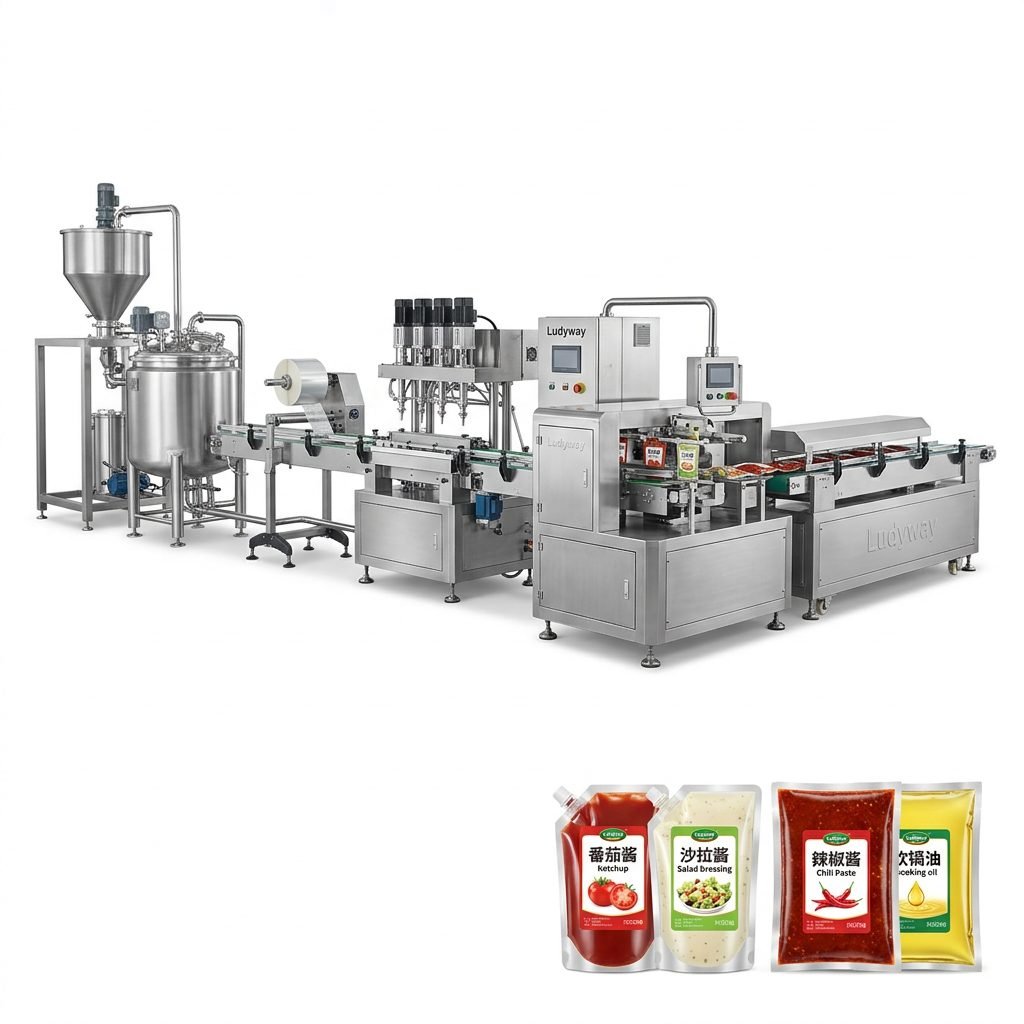
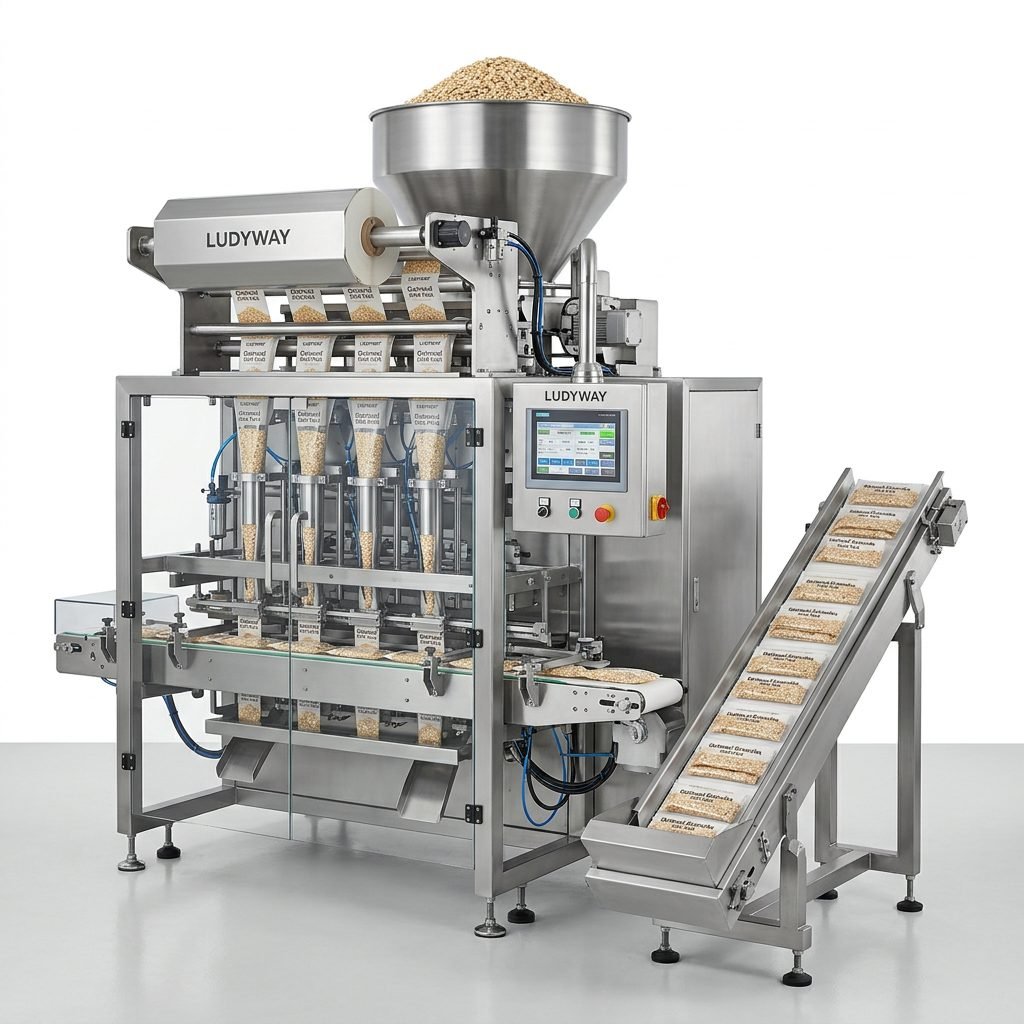
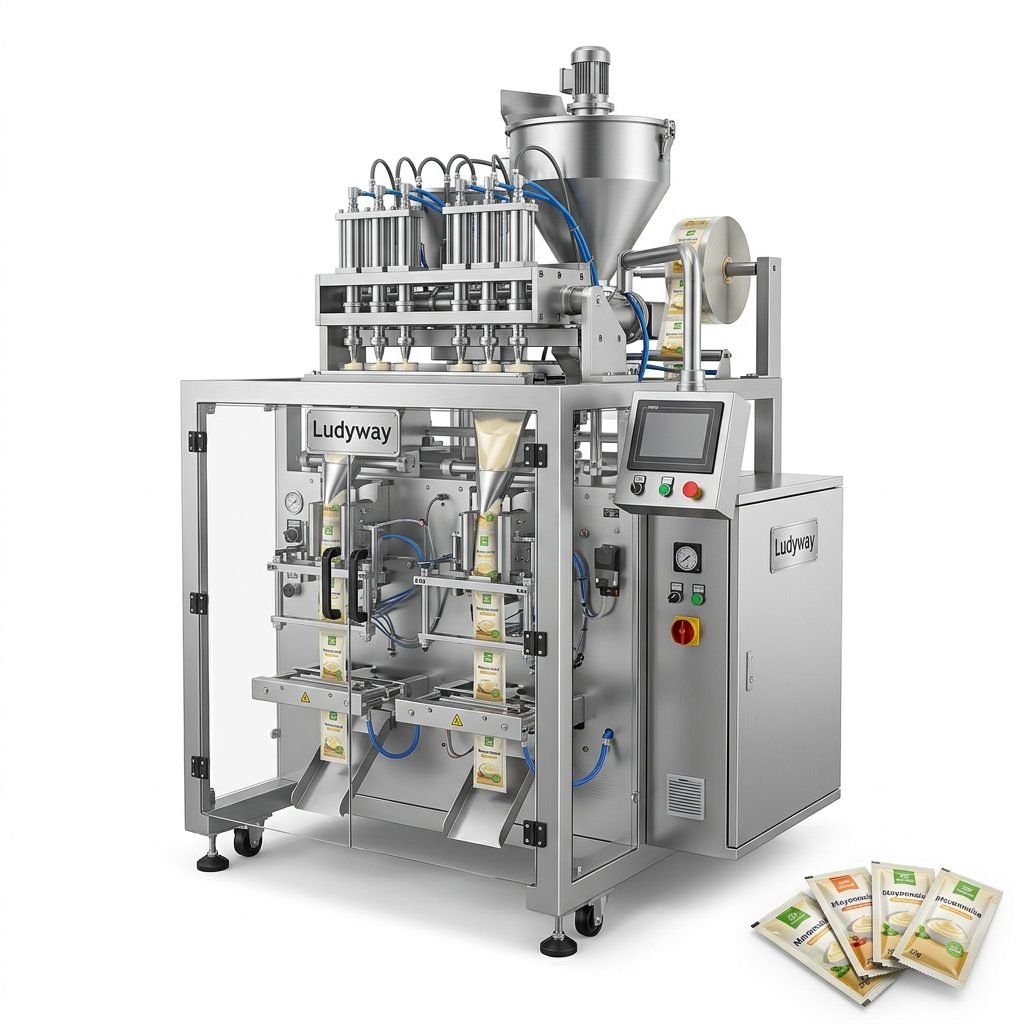
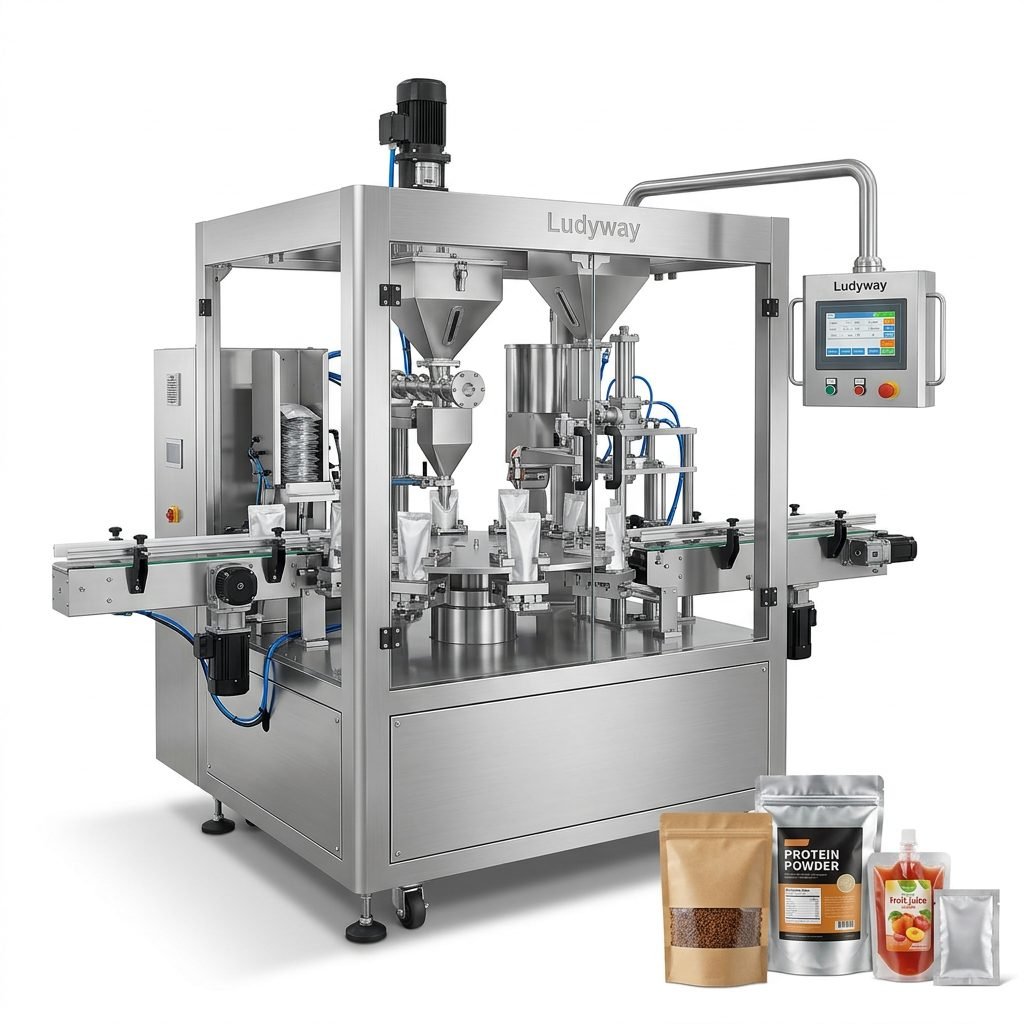
A: A broad portfolio, like that of Ludyway, offers flexibility. It means you can source different types of equipment (e.g., sachet, stick pack, cartoning) from a single supplier, ensuring better system integration, simplified training, and a single point of contact for service and parts.
Q4: Can manufacturers provide customized solutions for unique Danish products?
A> Yes, leading manufacturers often have strong R&D and engineering teams to develop custom or heavily modified solutions. This is particularly important for non-standard products or unique packaging formats common in innovative Danish markets. Discuss your specific product characteristics and packaging vision early in the process.
Q5: What is the typical lead time for a new packaging machine from an international manufacturer?
A: Lead times vary significantly based on machine complexity, customization level, and current order backlog. For standard models, it could be 3-6 months. For highly customized or turnkey lines, it may take 6-12 months or more. A clear project timeline and regular updates from the manufacturer are essential for planning.