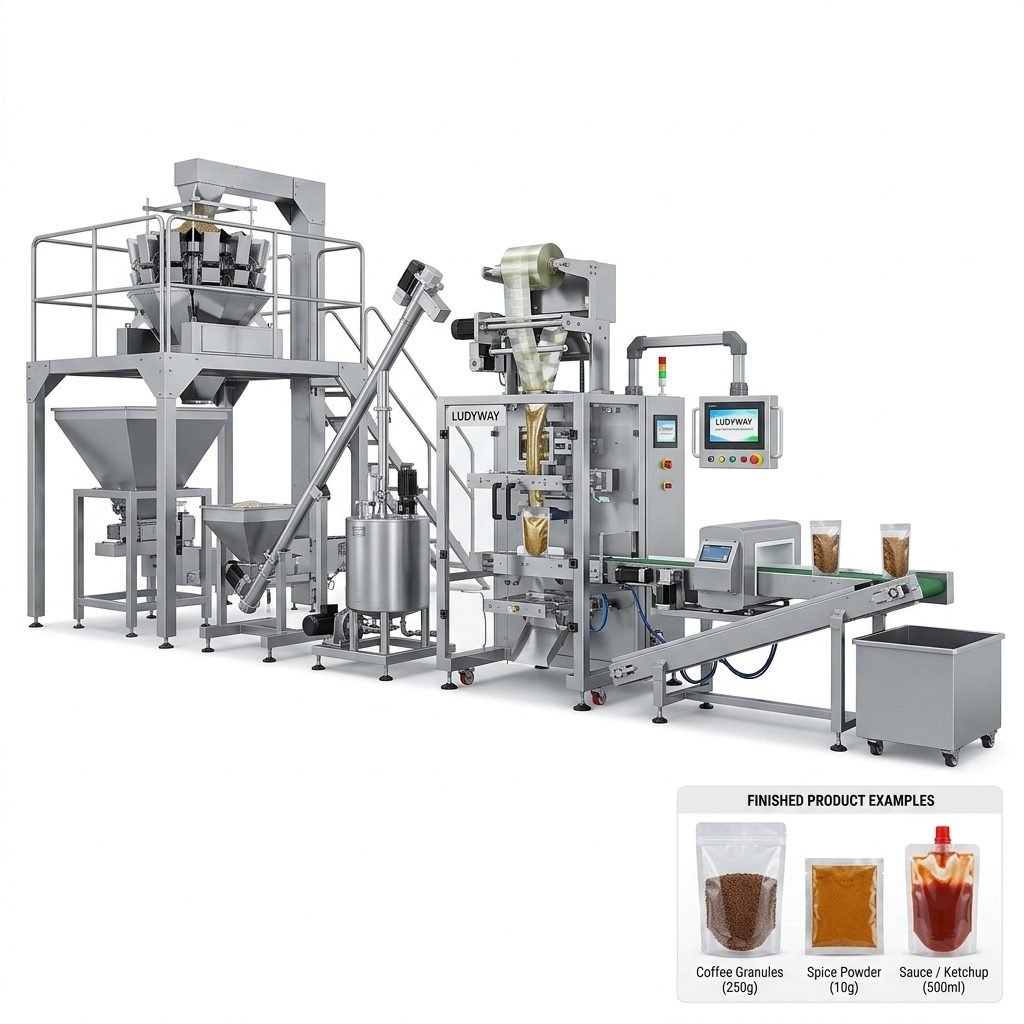
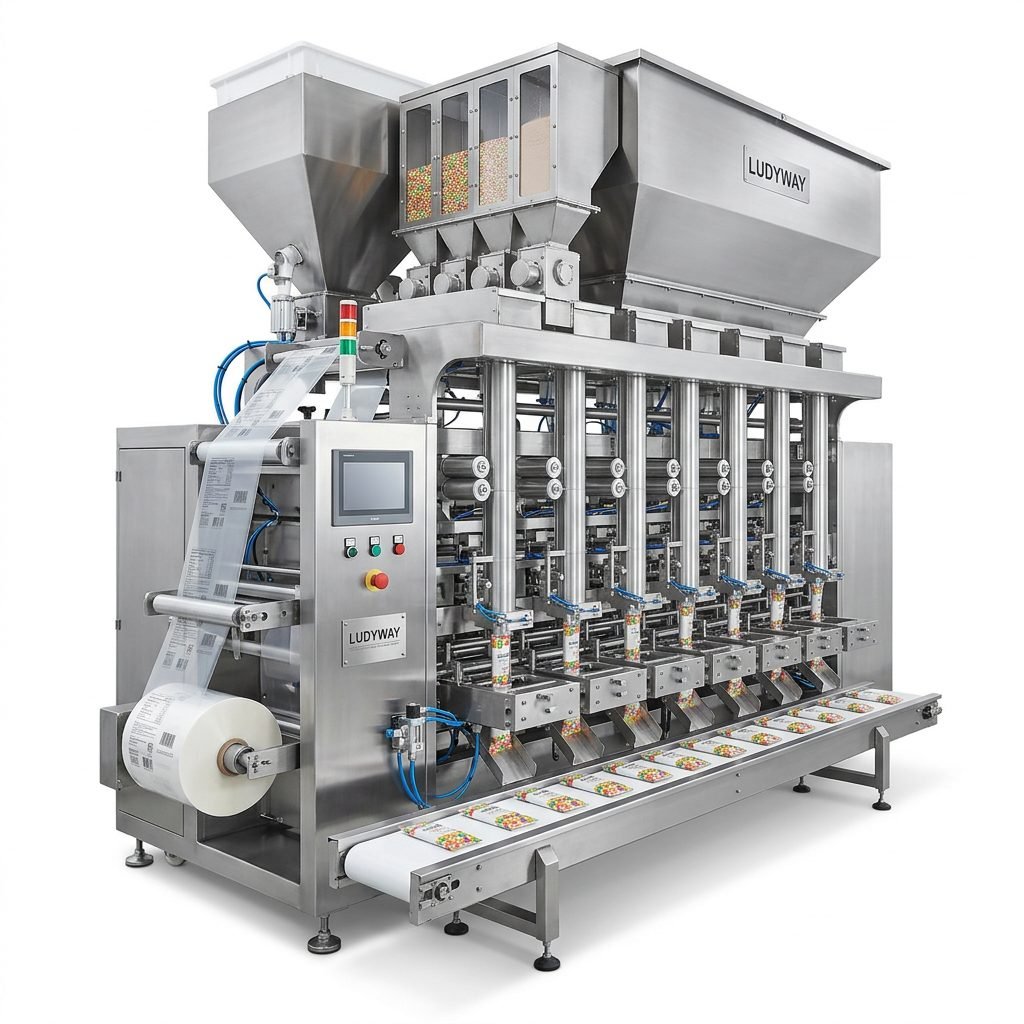
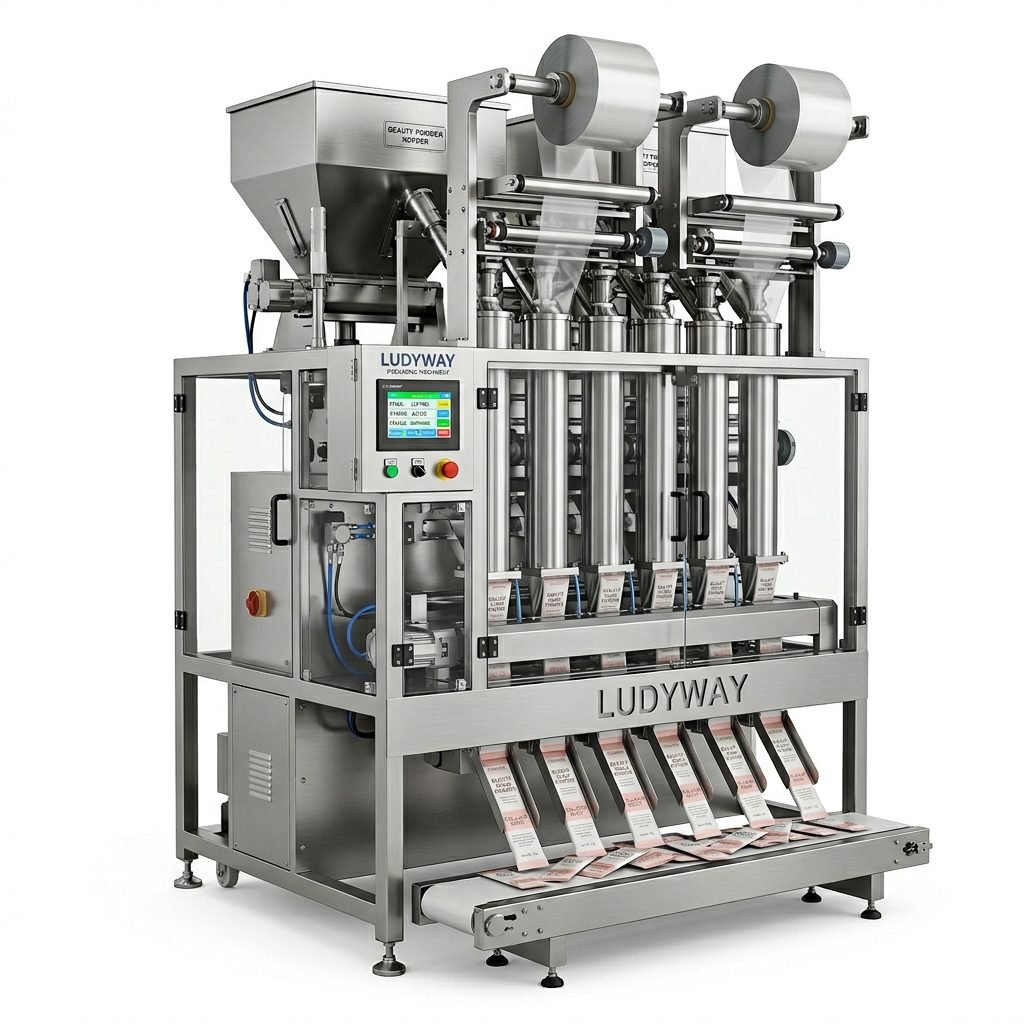
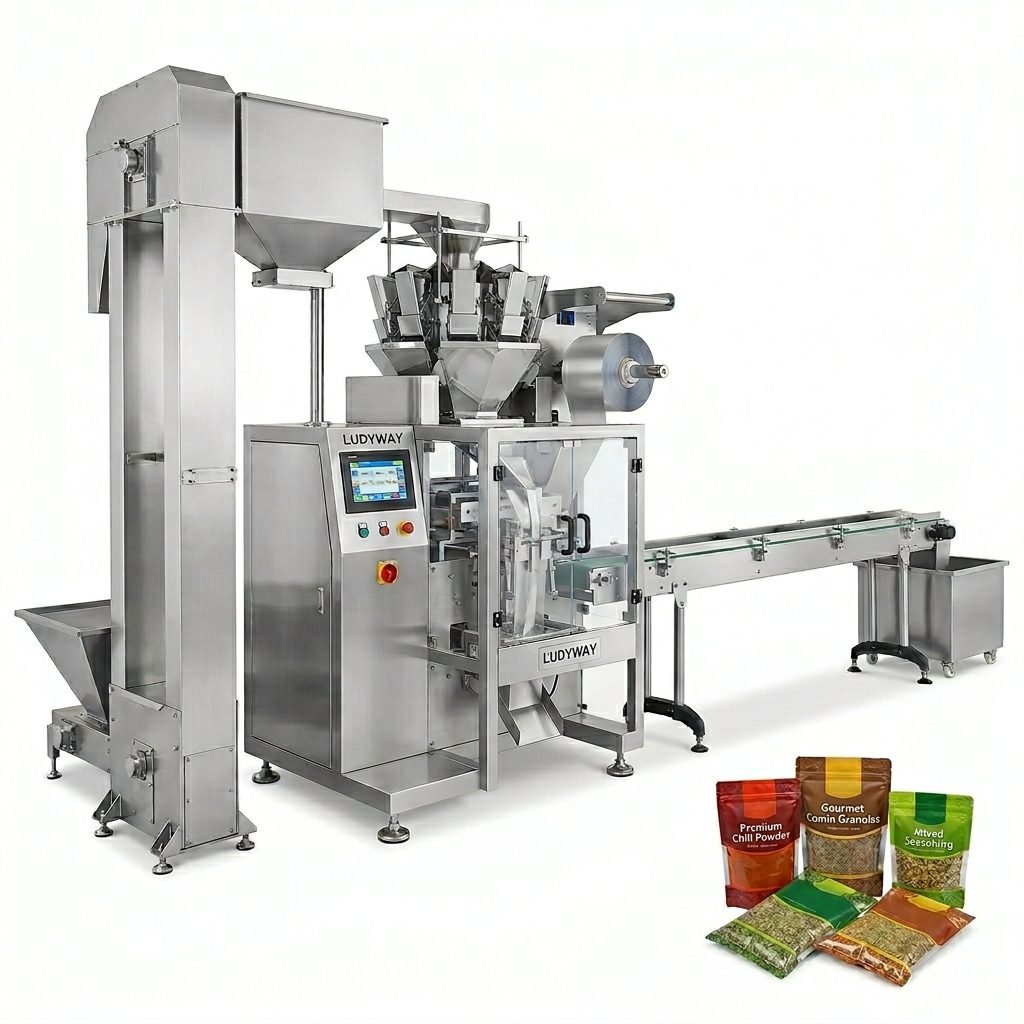
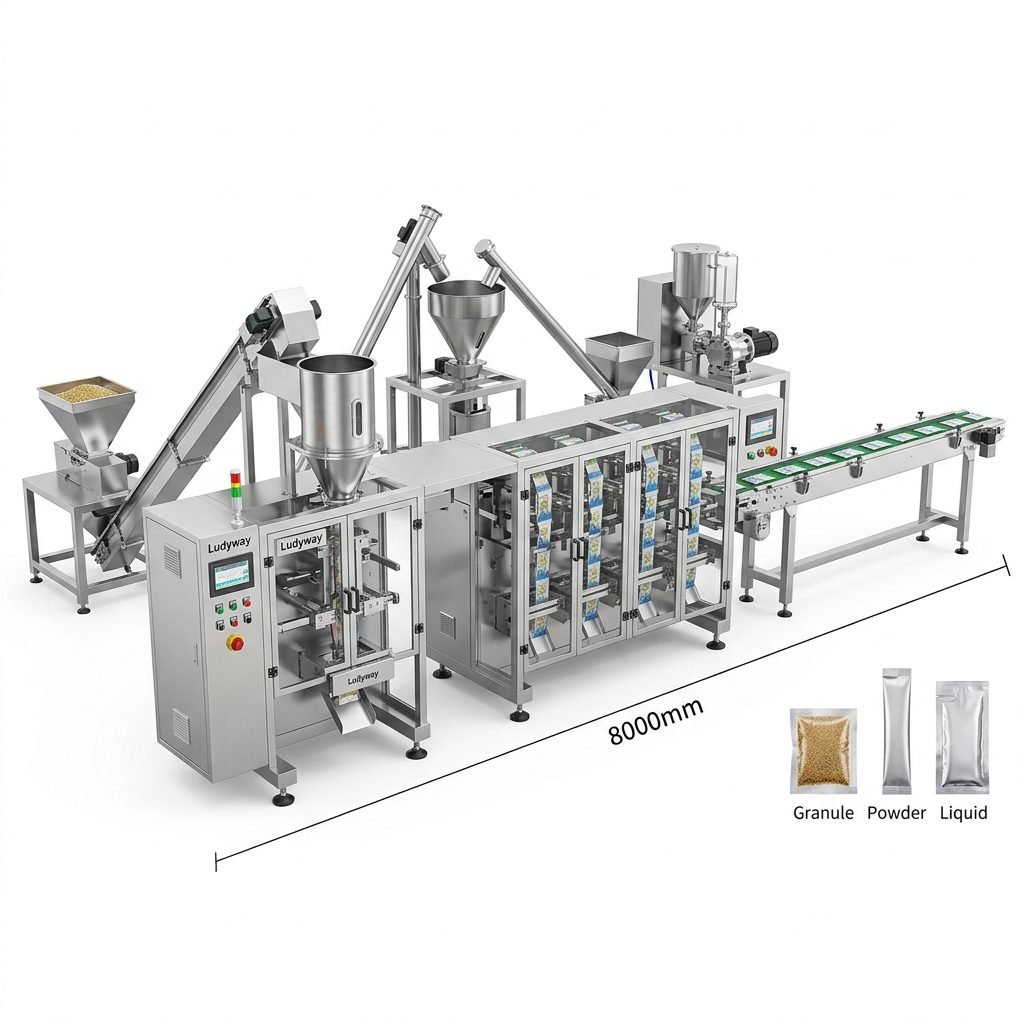
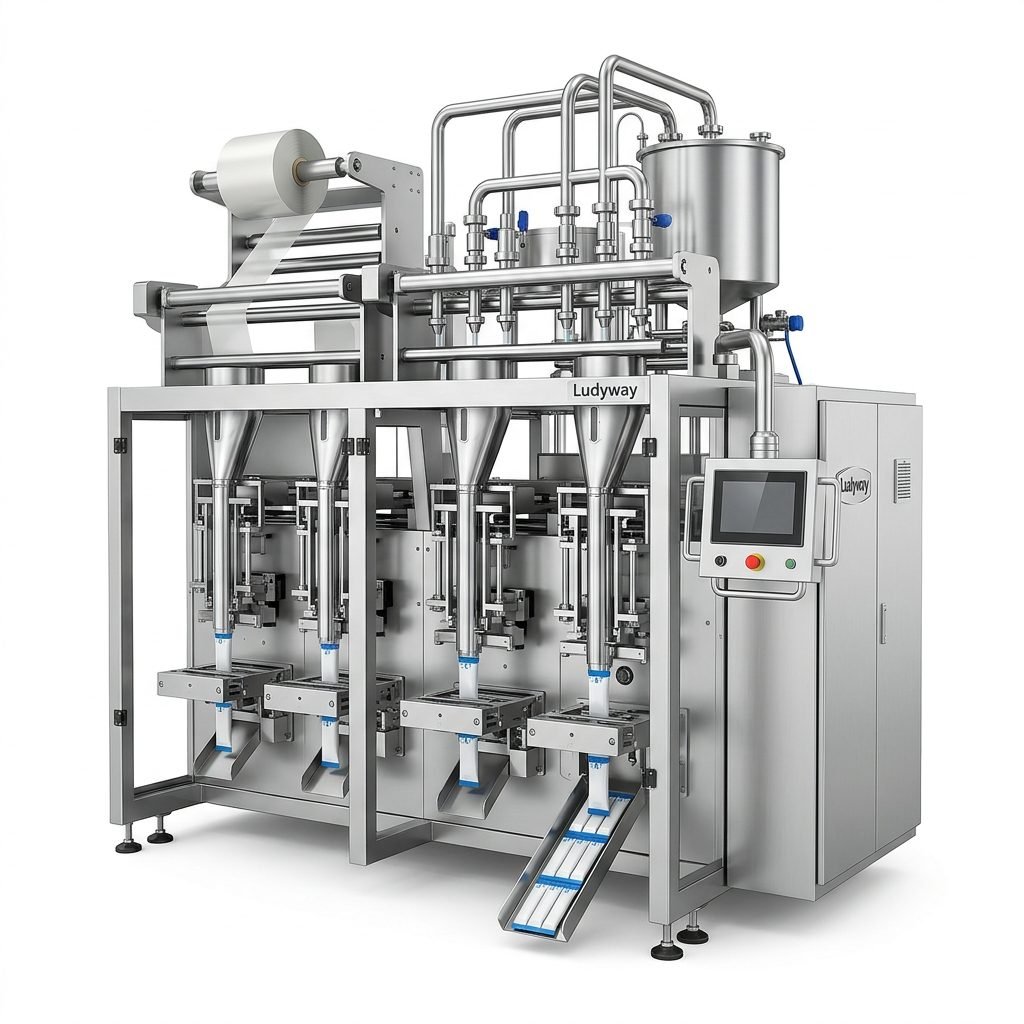
In the fast-paced world of manufacturing, packaging equipment downtime is more than an inconvenience—it’s a direct threat to productivity, profitability, and customer satisfaction. When a critical machine fails, the entire production line can grind to a halt, leading to missed deadlines, wasted materials, and lost revenue. For many operations managers, the immediate dilemma is whether to invest in expensive new machinery or seek a more budget-conscious alternative. This is where the strategic value of professional repairs and high-quality refurbished parts comes into sharp focus, offering a powerful, cost-effective pathway to minimize downtime and maximize operational continuity.
The True Cost of Packaging Equipment Downtime
Before exploring solutions, it’s crucial to understand the full impact of unplanned equipment stoppages. Downtime costs extend far beyond the simple repair bill.
Key Losses During Unplanned Stoppages:
→ Lost Production Output: Every minute the line is idle is a minute of lost potential product and revenue.
→ Labor Inefficiency: Skilled operators and line workers are left idle or reassigned to less critical tasks.
→ Wasted Materials: Partially processed materials may spoil or be discarded, especially in food and pharmaceutical applications.
→ Missed Deadlines: Failure to fulfill orders on time can damage client relationships and your brand’s reputation for reliability.
→ Emergency Service Premiums: Rush fees for parts and technicians can inflate repair costs by 50% or more.
This multifaceted financial drain makes a compelling case for proactive maintenance and smart sourcing of repair solutions. Investing in reliable repairs and refurbished components is not just a fix; it’s a strategic investment in operational resilience.
Strategic Advantage #1: Professional Repair Services
Opting for professional, expert-led repair services is the first line of defense against chronic downtime. Unlike quick, makeshift fixes, professional repairs address the root cause of the failure.
What Constitutes a Professional Repair Service?
A true professional service goes beyond simple part replacement. It involves a systematic approach:
- Comprehensive Diagnostics: Using specialized tools and software to pinpoint the exact failure point, not just the symptom.
- Genuine or Premium-Equivalent Parts: Sourcing components that meet or exceed the original manufacturer’s specifications for fit and performance.
- Factory-Trained Technicians: Engineers with specific training on your brand and model of packaging machinery, such as the experts behind Ludyway’s service network.
- Performance Calibration & Testing: Ensuring the repaired machine operates at its original efficiency and accuracy before returning to production.
- Preventive Recommendations: Providing a report on wear-and-tear and advising on steps to prevent future, similar failures.
This methodical process restores integrity to your equipment, often extending its service life significantly and preventing a cascade of related failures.
Strategic Advantage #2: Sourcing Refurbished Parts
When a critical component fails, a new OEM (Original Equipment Manufacturer) part is often the default choice. However, certified refurbished parts present a savvy alternative that can slash costs by 30% to 70% without compromising on reliability.
The Rigorous Refurbishment Process
High-quality refurbished parts are not simply used parts. They undergo a stringent renewal process:
Step 1: Inspection & Decommissioning
The core component is thoroughly inspected, cleaned, and completely disassembled.
Step 2: Component Replacement & Re-machining
All seals, bearings, and any worn surfaces are replaced or professionally re-machined to original tolerances.
Step 3: Reassembly & Lubrication
The part is reassembled with precision, using manufacturer-specified lubricants and torques.
Step 4: Performance Testing
The refurbished unit is tested under simulated load conditions to verify it performs to new-part standards.
This makes refurbished parts an excellent choice for non-proprietary, high-wear items like servo motors, gearboxes, sealing jaws, and PLCs. Sourcing from a trusted supplier with a strong track record, like a provider with over 30 years in the packaging industry, is key to ensuring quality.
Building a Proactive Maintenance Strategy
While repairs and parts are reactive solutions, their greatest value is realized within a proactive maintenance framework. The goal is to prevent failures before they occur.
Essential Elements of a Proactive Plan
Scheduled Inspections: Regular, calendar-based checks of mechanical, electrical, and pneumatic systems.
Condition Monitoring: Using vibration analysis, thermal imaging, or amperage readings to spot anomalies early.
Predictive Parts Inventory: Based on machine history and manufacturer guidelines, keep key wear-items (like those available through a comprehensive parts catalog) in stock to avoid waiting for shipments.
Operator Training: Empowering line staff to perform basic checks and identify early warning signs of trouble.
This integrated approach transforms your maintenance operations from a cost center into a strategic asset for competitive advantage.
Conclusion: Maximizing Uptime, Minimizing Cost
In today’s competitive landscape, maintaining seamless production is non-negotiable. Viewing equipment repairs and part refurbishment as mere expense-control measures is a missed opportunity. Instead, they should be recognized as core components of a smart, sustainable operational strategy. By partnering with experienced technical service providers and integrating high-quality refurbished parts into your maintenance plan, you achieve the optimal balance: dramatically reducing both downtime and total ownership costs. This proactive, cost-effective philosophy ensures your packaging lines run longer, more reliably, and more profitably, safeguarding your productivity for the long term.
Frequently Asked Questions (FAQs)
Are refurbished parts reliable for critical packaging machinery?
Answer: Yes, when sourced from a reputable and certified provider. High-quality refurbished parts undergo a rigorous process of disassembly, replacement of all wear components, re-machining, and performance testing to meet or exceed original specifications. They offer a reliable, cost-effective alternative for many mechanical and electrical components.
How do I choose between repairing an old machine and buying a new one?
Answer: Consider the “50% Rule”: if the cost of a critical repair or refurbishment exceeds 50% of the value of a comparable new machine, replacement may be more economical. Also, evaluate the machine’s overall condition, technology obsolescence, and whether the repair will restore it to reliable service for a significant period. A professional assessment from a service expert is invaluable.
What is the typical lead time for sourcing a refurbished part vs. a new OEM part?
Answer: Refurbished parts for common models are often available from stock or have much shorter lead times (days or weeks) compared to new OEM parts, which may require manufacturing and international shipping (potentially several weeks or months). This faster turnaround is a major advantage in reducing downtime.
Can professional repair services help improve my machine’s efficiency, not just fix it?
Answer: Absolutely. A thorough professional repair often includes calibration, alignment, and software updates that can restore a machine to its peak performance. Technicians may also identify and rectify minor inefficiencies during the repair process, potentially improving speed, accuracy, or energy consumption beyond its pre-failure state.
How can I verify the quality and warranty of a refurbished part?
Answer: Always ask the supplier for details on their refurbishment process and request documentation. A trustworthy supplier will offer a warranty on their refurbished parts—typically 6 to 12 months—which provides peace of mind and protects your investment. Ensure the warranty terms are clear and in writing.