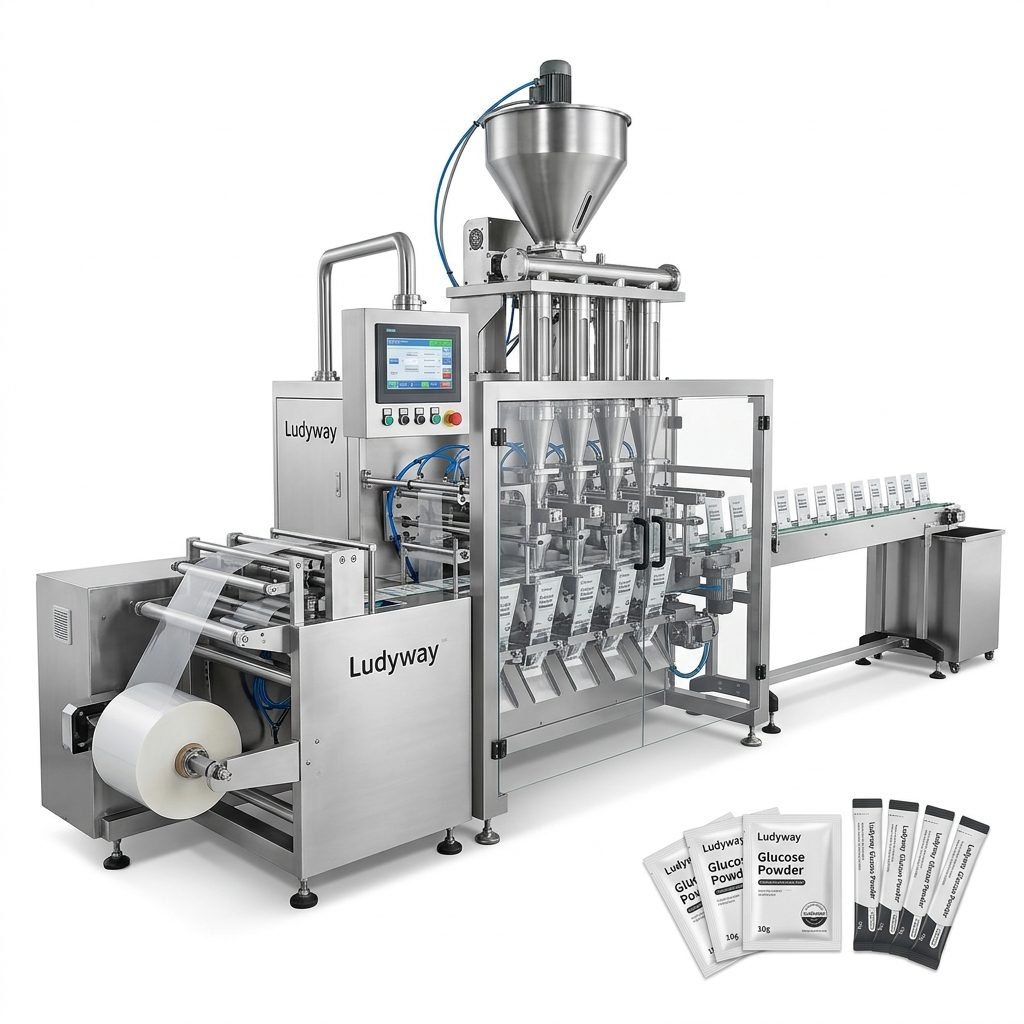
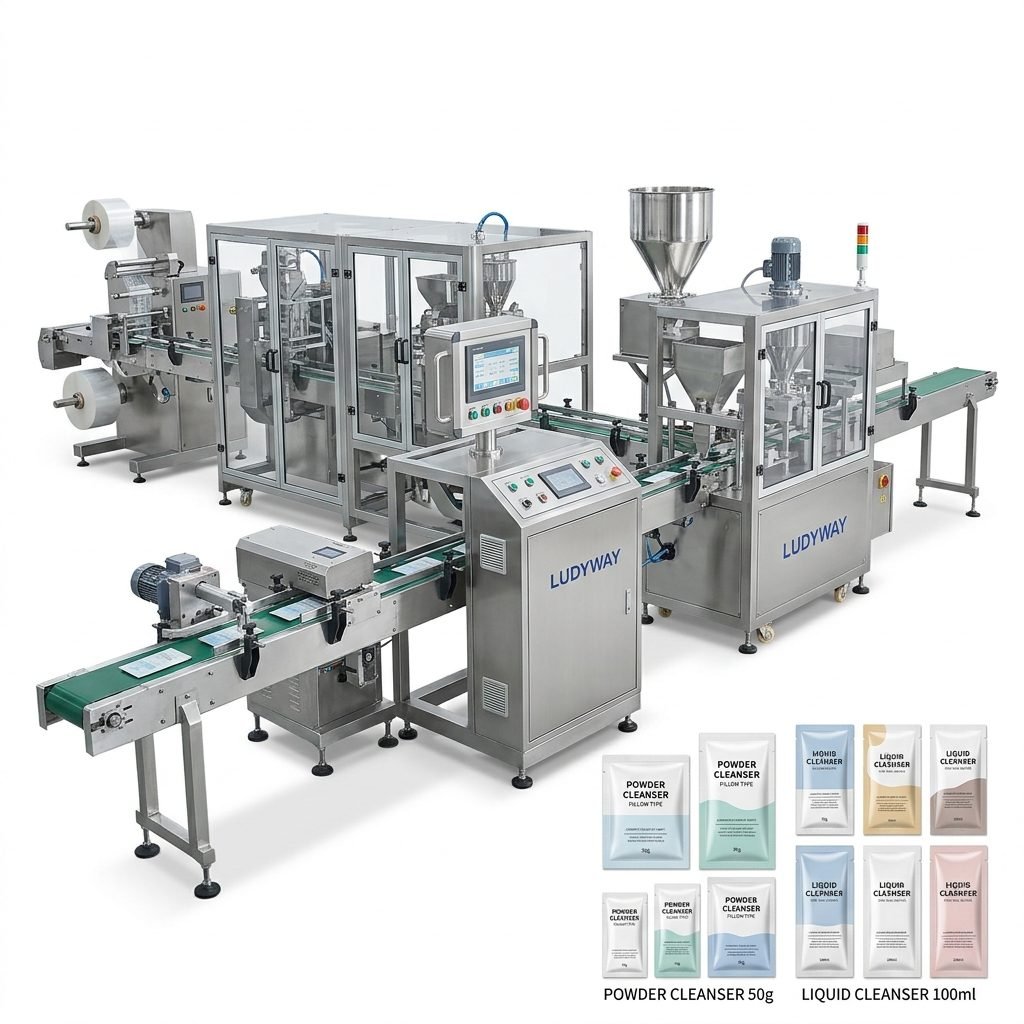
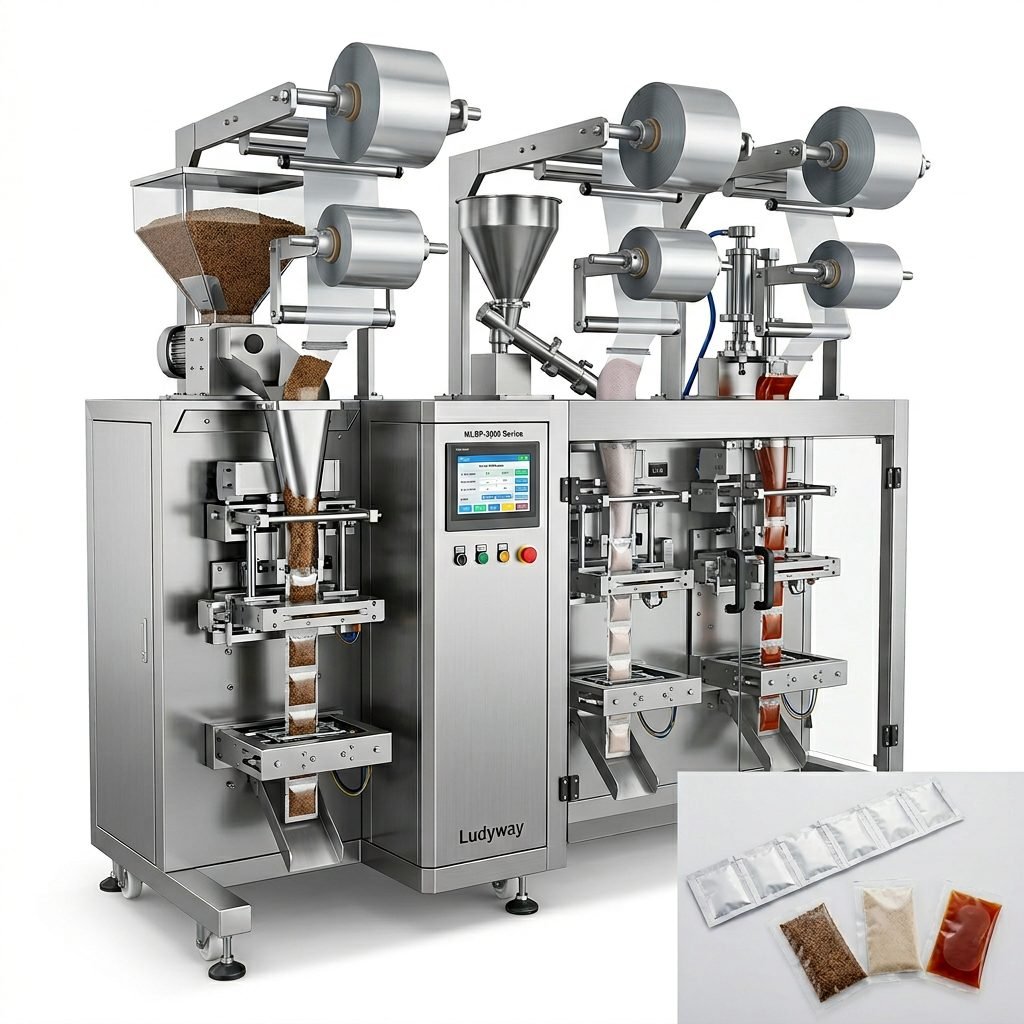
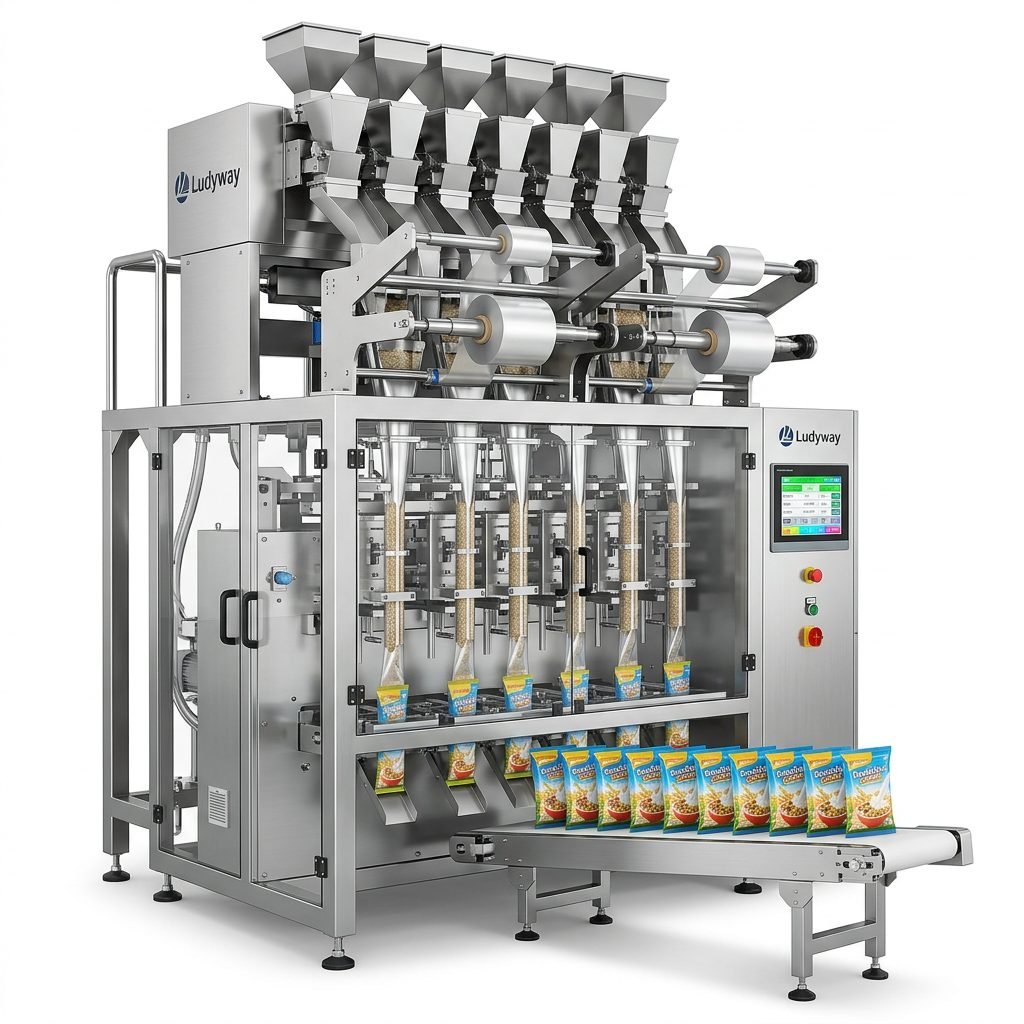
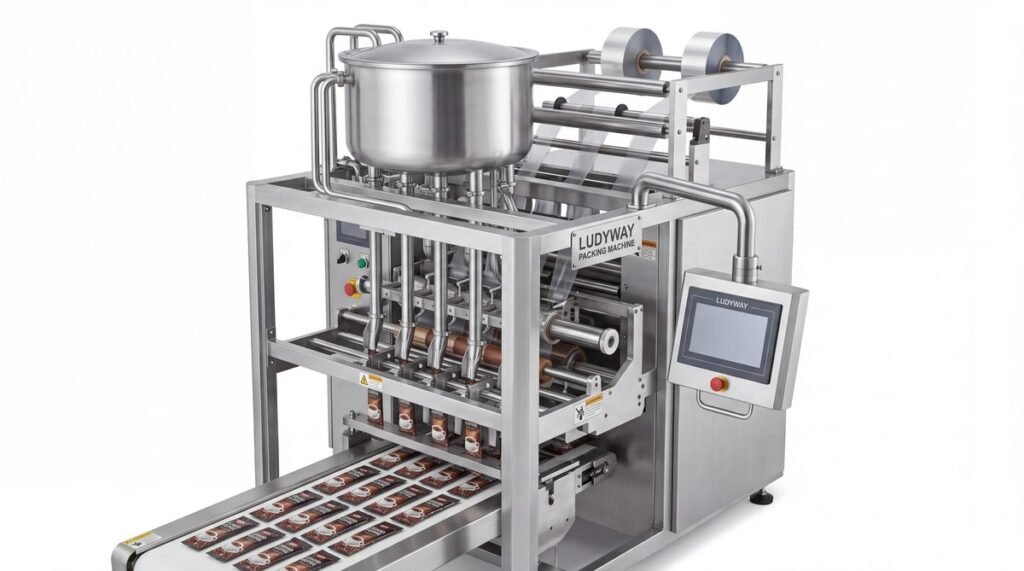
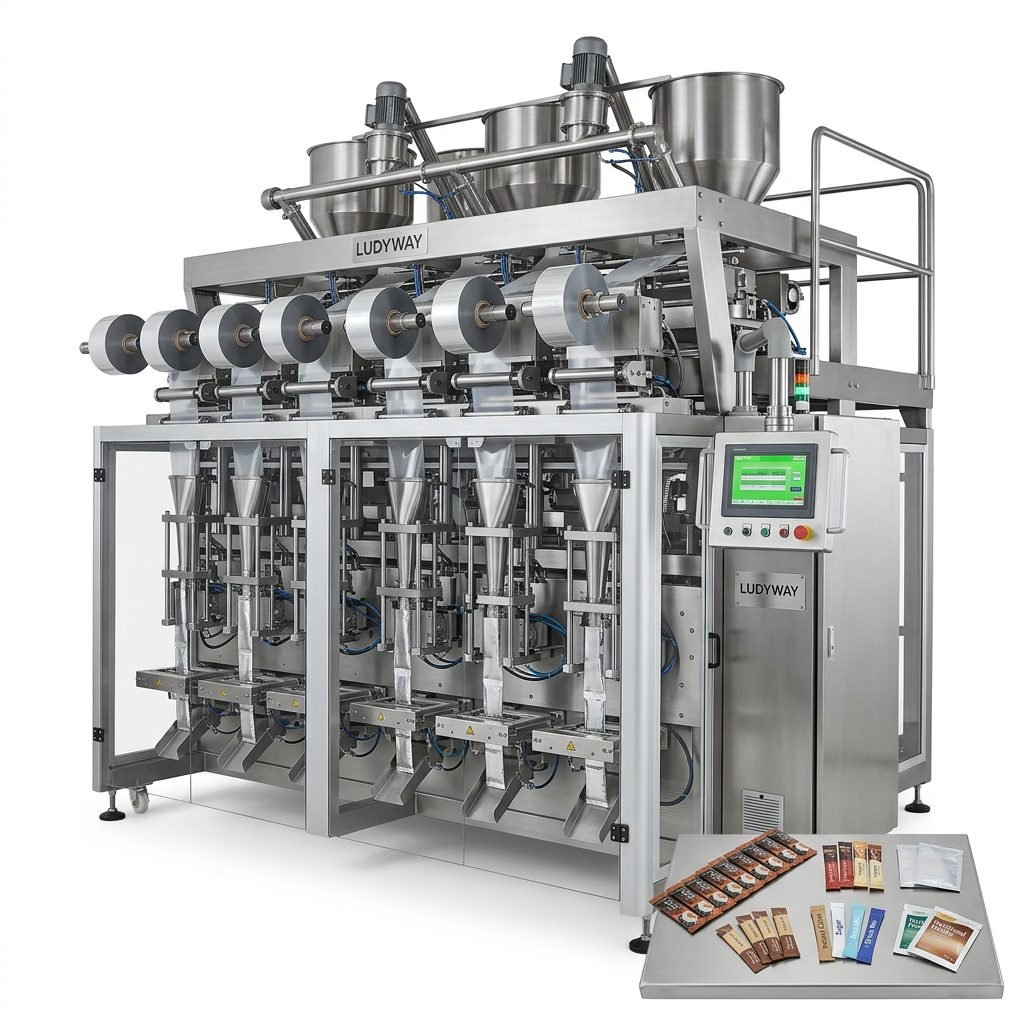
Selling used packaging equipment online can be a highly profitable venture, but it requires a strategic approach to attract serious buyers quickly and secure the best possible price. Whether you’re upgrading your production line, downsizing, or simply looking to recoup capital from idle machinery, the digital marketplace offers unparalleled reach. However, standing out in a competitive online environment demands more than just posting a basic listing. This comprehensive guide will walk you through the essential steps to prepare, price, market, and sell your used packaging machinery for maximum profit and a fast, smooth transaction.
Step 1: Preparation is Key to Value
Before you even create your listing, thorough preparation is crucial. A well-presented machine commands a higher price and builds immediate buyer trust.
Detailed Documentation & History
Gather all original manuals, electrical schematics, and maintenance records. A complete service history proves the machine has been cared for. Create a simple folder with digital copies of these documents.
Professional Cleaning & Inspection
Invest in a deep clean. Remove all product residue, dust, and grease. This not only improves appearance but also shows potential buyers the machine is in working order. Consider a basic inspection by a technician to identify and note any minor wear items.
High-Quality Media Assets
Capture clear, well-lit photos and videos from multiple angles. Essential shots include: the control panel, serial plate, key mechanical components, and the machine in operation (if possible). A short video demonstrating a cycle is incredibly powerful.
Step 2: Strategic Pricing for Fast Sales
Pricing too high scares buyers away; pricing too low leaves money on the table. The goal is to find the sweet spot that reflects true market value.
Conduct Market Research
Search for similar makes, models, and vintages on major industrial marketplaces. Note their asking prices and how long they’ve been listed. Look for “sold” listings if the platform provides that data, as this reflects the actual market price.
Factor in Key Variables
Adjust your price based on:
• Age & Hours: Total operational hours are more important than just years.
• Condition & Upgrades: Recent servo motor upgrades or new PLC controls add significant value.
• Included Accessories: Are spare parts, changeover kits, or special tooling included? List them explicitly.
Price for Negotiation
Set your asking price 5-15% above your target final price. This gives room for negotiation, making buyers feel they’ve secured a deal while you still hit your profit goal.
Step 3: Crafting a Compelling Online Listing
Your listing is your salesperson. It must be informative, transparent, and persuasive to convert browsers into buyers.
The Anatomy of a High-Converting Listing
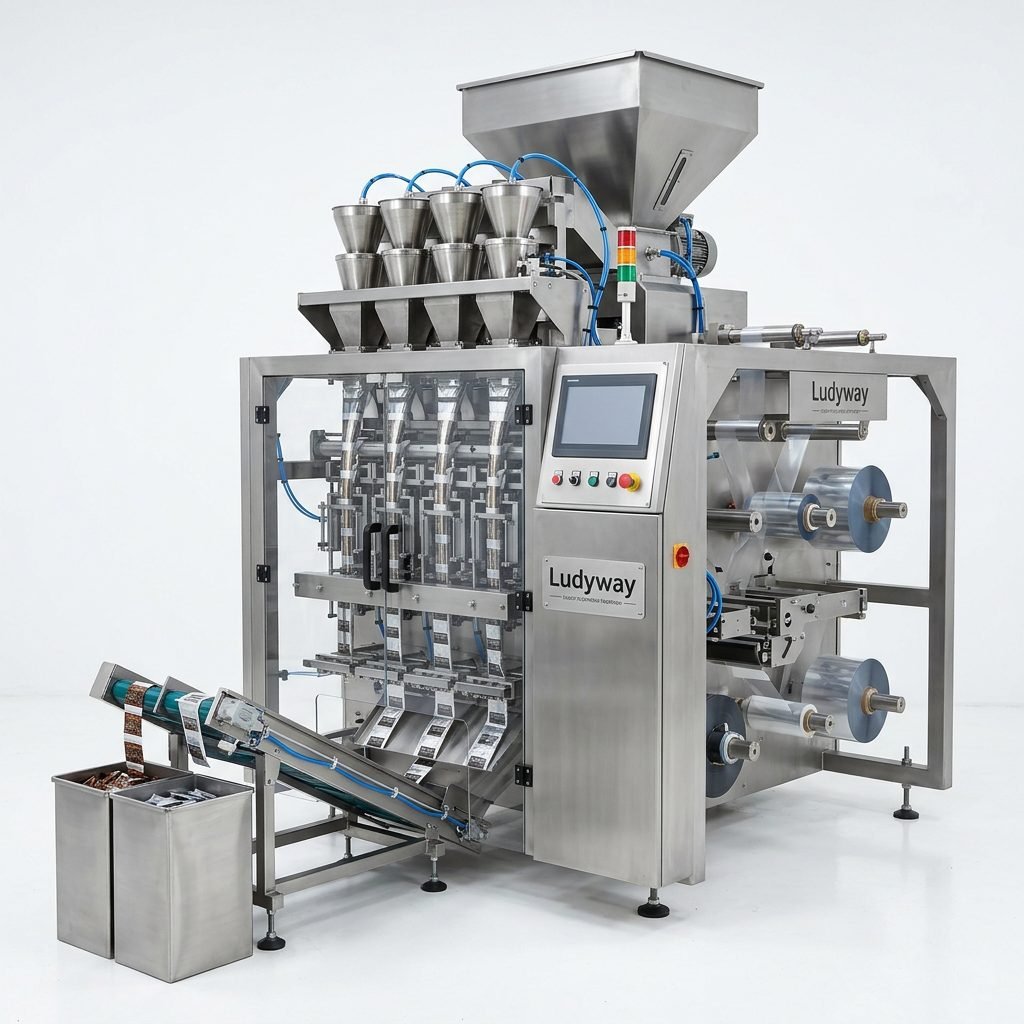
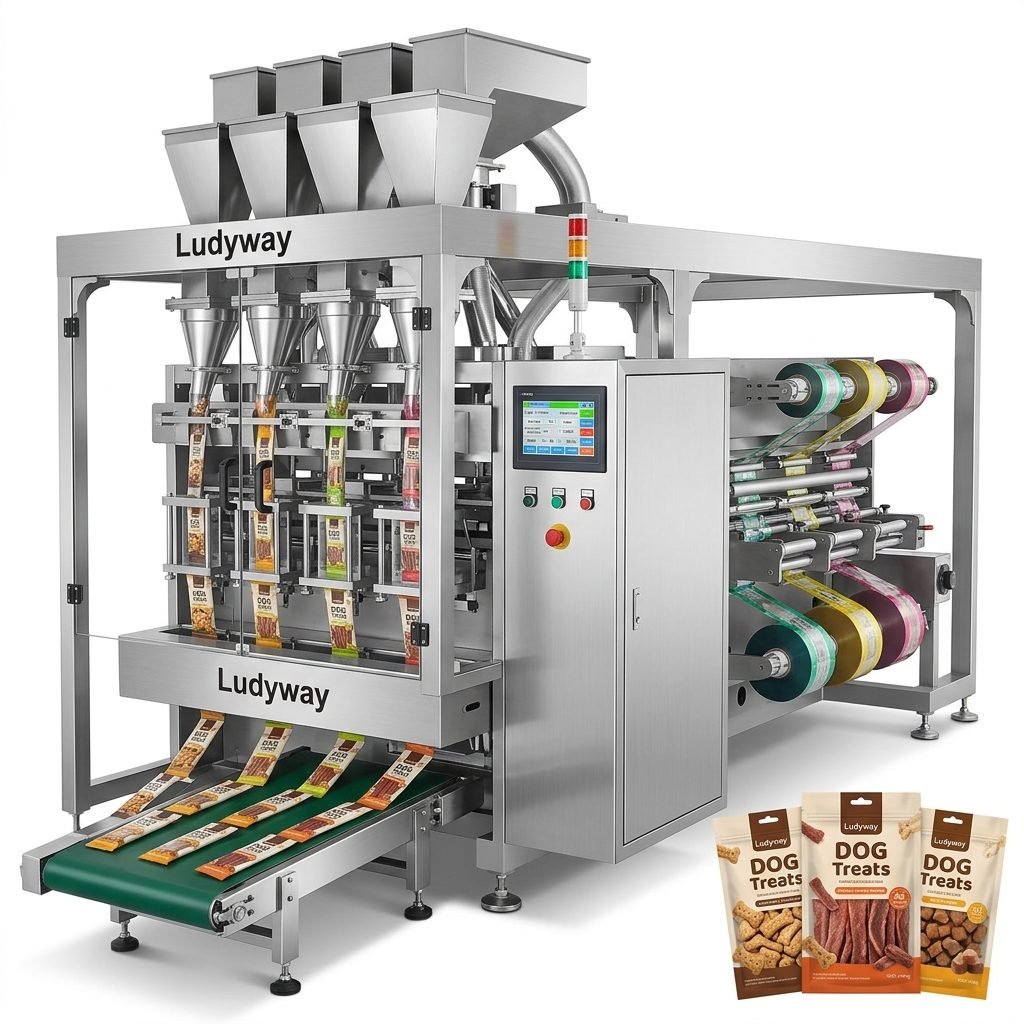
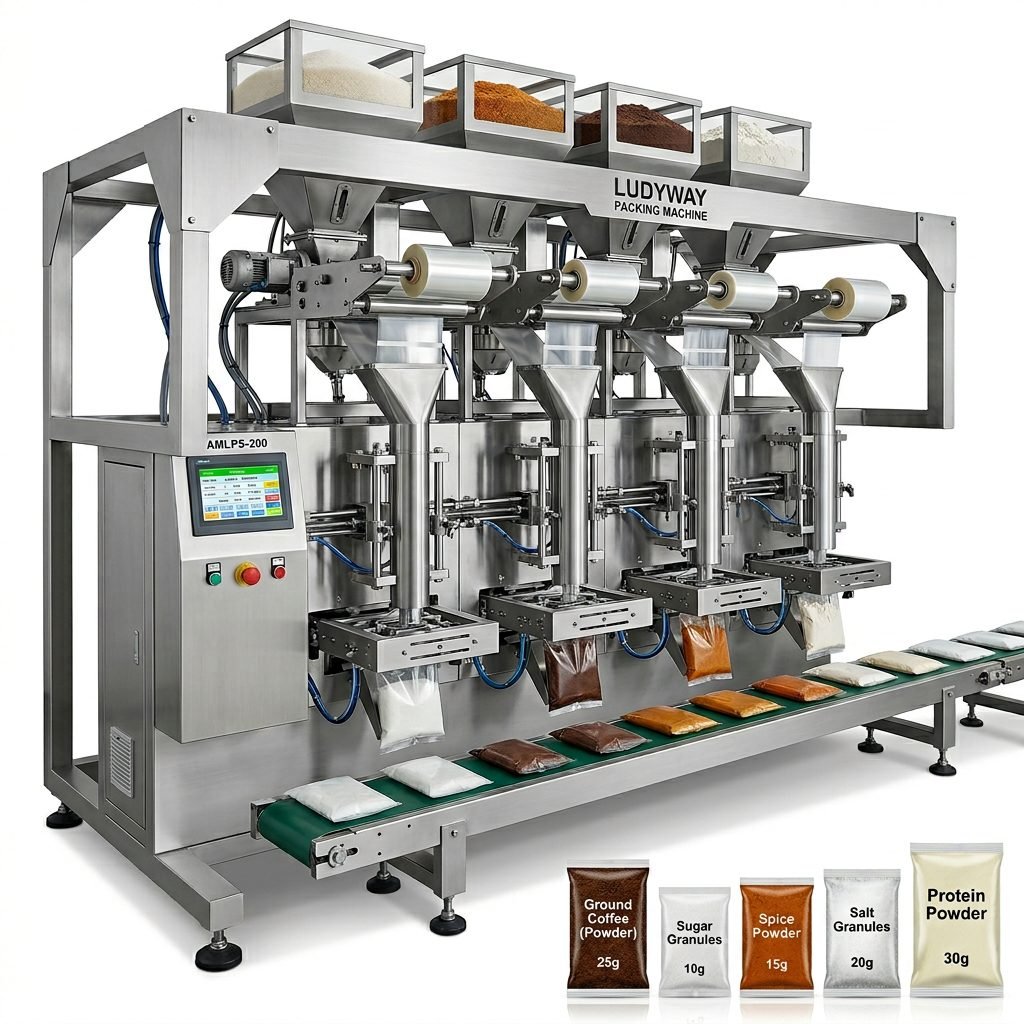
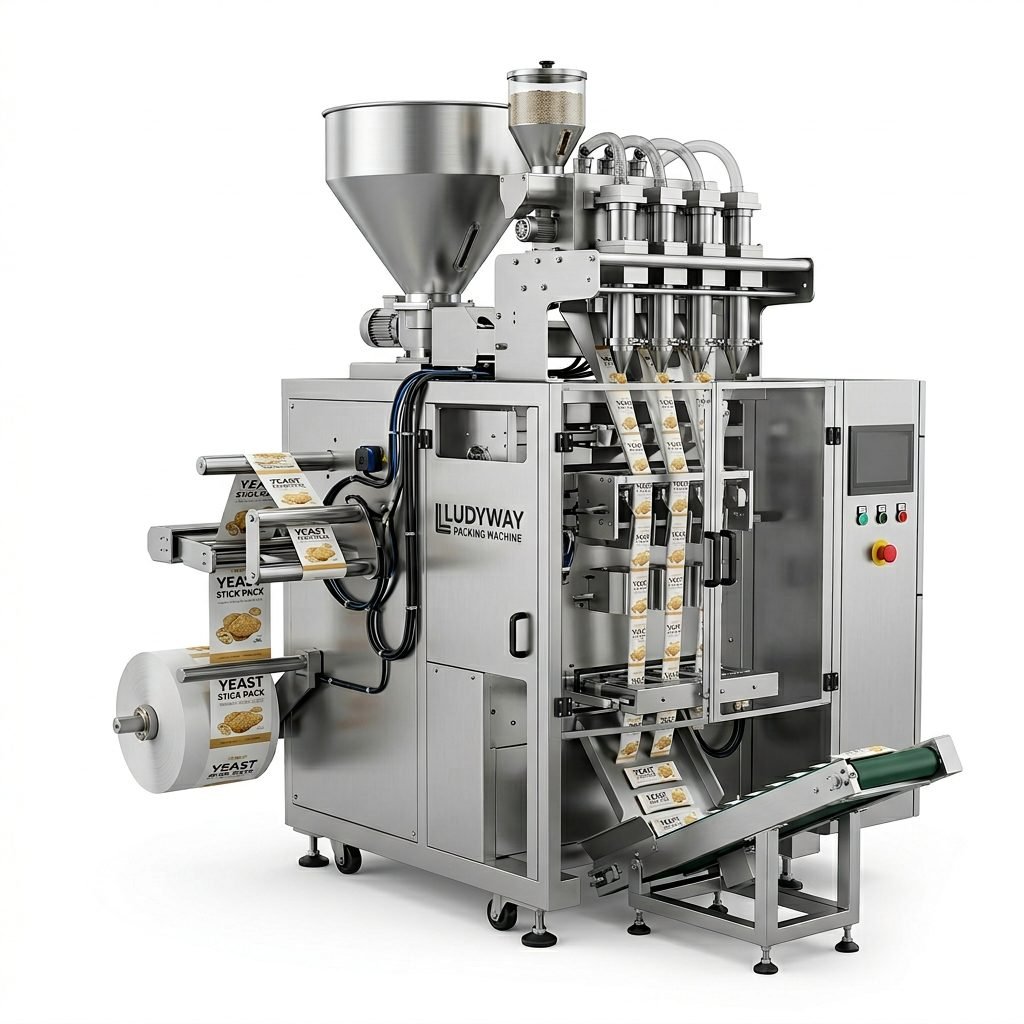
Title: Be specific. “2018 Ludyway LW-320 8-Lane Stick Pack Machine for Powders” is far better than “Used Packager.”
Description: Use clear paragraphs and bullet points. Start with key specs (model, year, speed, dimensions). Detail the machine’s history, current condition, and reason for sale. Mention compatibility with common packaging materials.
Keyword Optimization: Naturally include terms buyers might search for, like “used sachet packaging machine,” “pre-owned form fill seal,” or “liquid filler for sale.”
Clear Call to Action (CTA): End with a direct instruction: “Contact today for a full video demonstration and quotation,” or “Serious inquiries welcome for immediate inspection.”
Step 4: Choosing the Right Sales Channels
Don’t rely on just one platform. A multi-channel approach maximizes visibility.
Primary Industrial Marketplaces
List on global B2B platforms like Exapro, Machinio, or Packaging Digest’s equipment exchange. These sites attract serious commercial buyers specifically looking for machinery.
Industry-Specific Forums & Networks
Leverage professional networks on LinkedIn or industry forums. Post in relevant groups where packaging engineers and plant managers congregate.
Social Media & Visual Platforms
Use LinkedIn Company pages or Facebook Industry groups. A platform like YouTube is perfect for hosting your demonstration video; you can link to it from all other listings.
Step 5: Managing Inquiries & Closing the Deal
Fast, professional communication is what separates tire-kickers from genuine buyers.
Be Prompt and Prepared
Respond to inquiries within a few hours. Have your documentation and media files ready to send immediately. Offer to schedule a live video call to walk through the machine’s functions in real-time.
Facilitate Inspection & Logistics
Be flexible and accommodating for in-person inspections. Have a list of recommended local rigging and freight companies ready to provide quotes. This removes a major hurdle for the buyer.
Secure Payment & Transfer
Use secure payment methods. For high-value equipment, a bank wire transfer or escrow service is standard. Never release the machine until funds are fully cleared. Provide a detailed bill of sale and coordinate the logistics handoff.
Step 6: Post-Sale: Building Reputation for Future Sales
The transaction doesn’t end at payment. A positive post-sale experience can lead to referrals and establish you as a trusted seller in the niche.
Offer basic post-sale support, such as helping the buyer locate a manual online or suggesting a technician in their area. Follow up to ensure the machine arrived and was installed satisfactorily. Ask for a testimonial or review on the marketplace platform. This social proof is invaluable for your future listings.
Frequently Asked Questions (FAQs)
1. How much does it cost to sell used packaging equipment online?
Costs vary by platform. Most major B2B industrial marketplaces charge a listing fee or a success fee (a percentage of the final sale price, typically 5-10%). Some also offer premium featuring options for an additional cost to boost visibility. Budget for professional cleaning and photography, which is a worthwhile investment.
2. What is the most important factor buyers look for?
Beyond the machine’s basic specifications, transparency and documented maintenance history are paramount. Buyers need to trust the machine’s condition. Clear, honest descriptions and plenty of photos/videos address their biggest concern: risk.
3. How long does it typically take to sell used packaging machinery?
The timeline depends on price, specificity, and market demand. A common machine might sell in 4-8 weeks. A well-priced, niche, or high-end machine in excellent condition with great marketing can sell in under 2 weeks. Overpriced or poorly presented listings can languish for months.
4. Should I consider trade-in options with machinery dealers?
Yes, especially if you are purchasing new equipment. Dealers like Ludyway Machinery often have trade-in programs. While the outright cash price may be slightly lower than a private sale, it offers immense convenience, guaranteed payment, and simplifies the logistics of upgrading your line in a single transaction.
5. How do I handle international buyers?
International sales are common. Be clear about the machine’s voltage and electrical standards. Use Incoterms (e.g., FOB Your Location) to precisely define shipping responsibilities and costs. Recommend freight forwarders but let the buyer choose their own. Secure payment via wire transfer before shipment, and provide all necessary documentation for customs (commercial invoice, packing list).