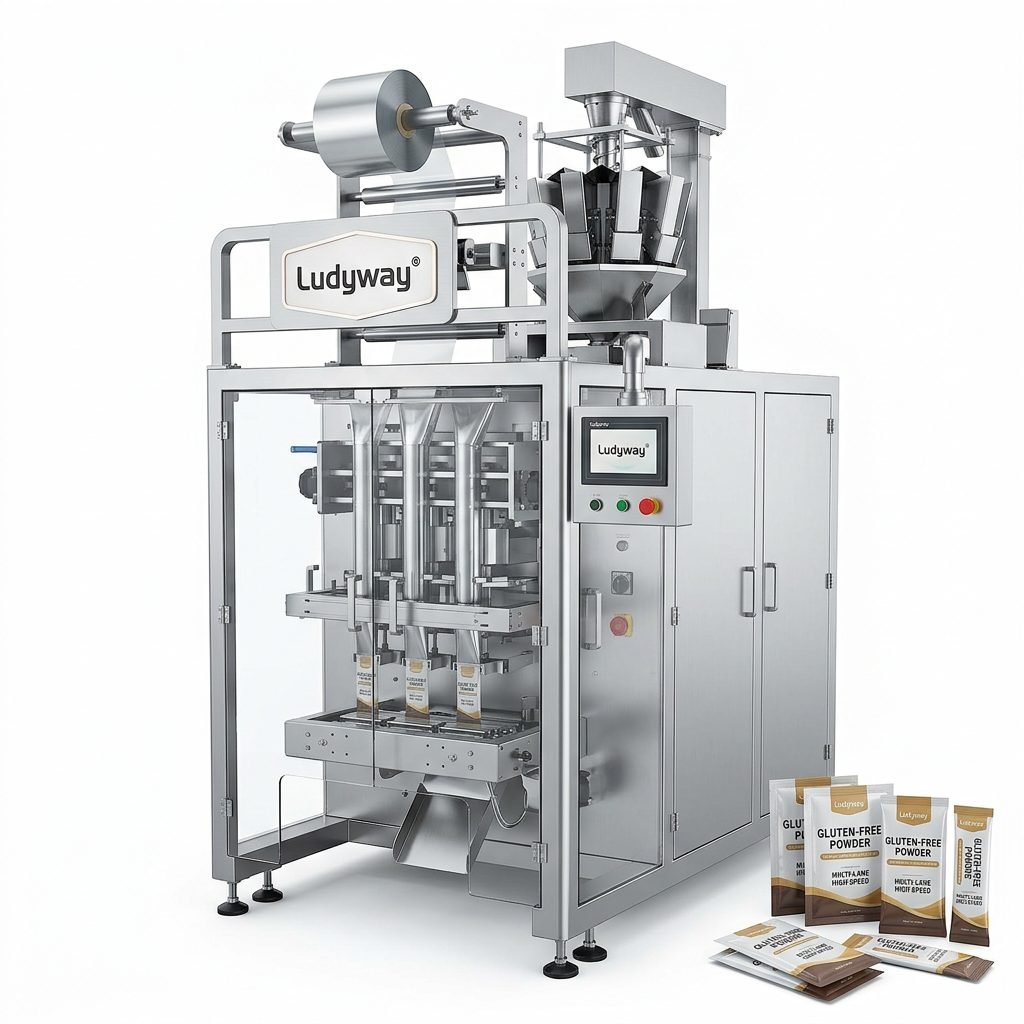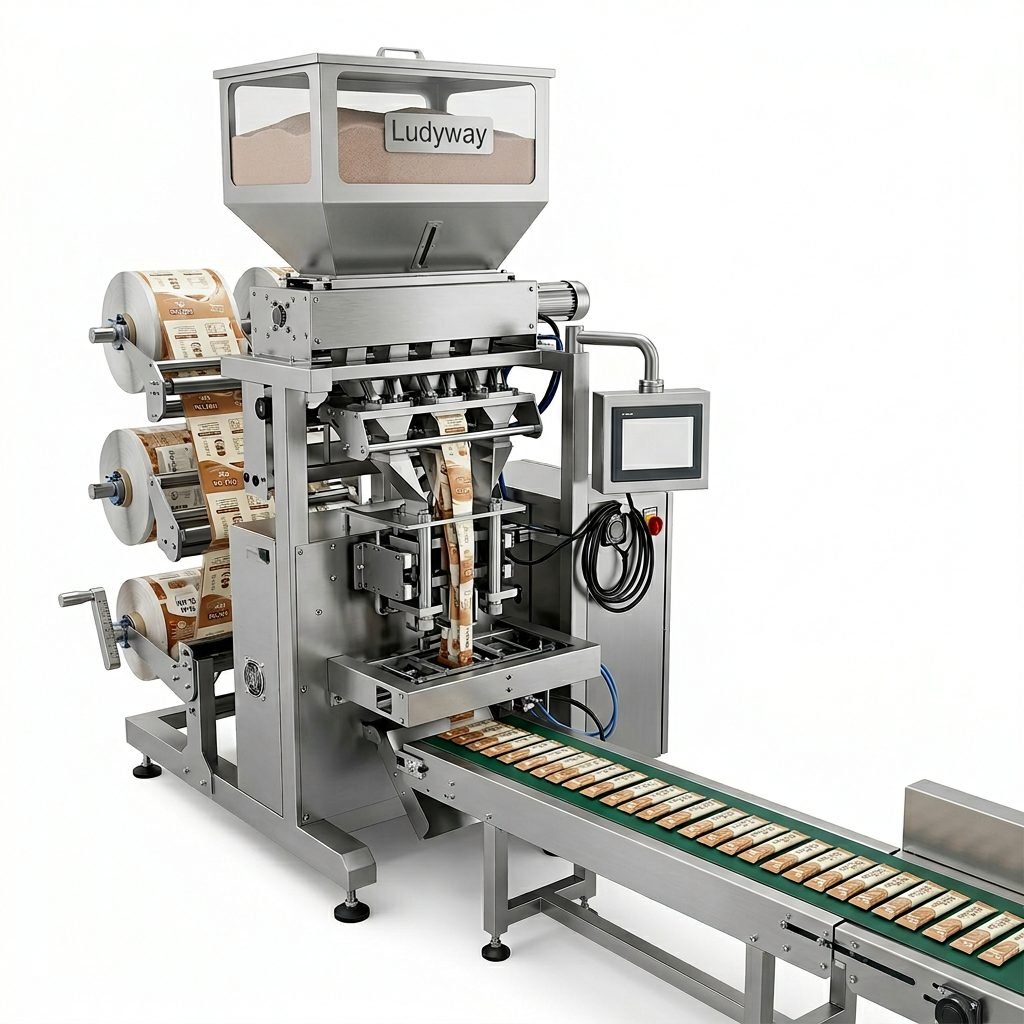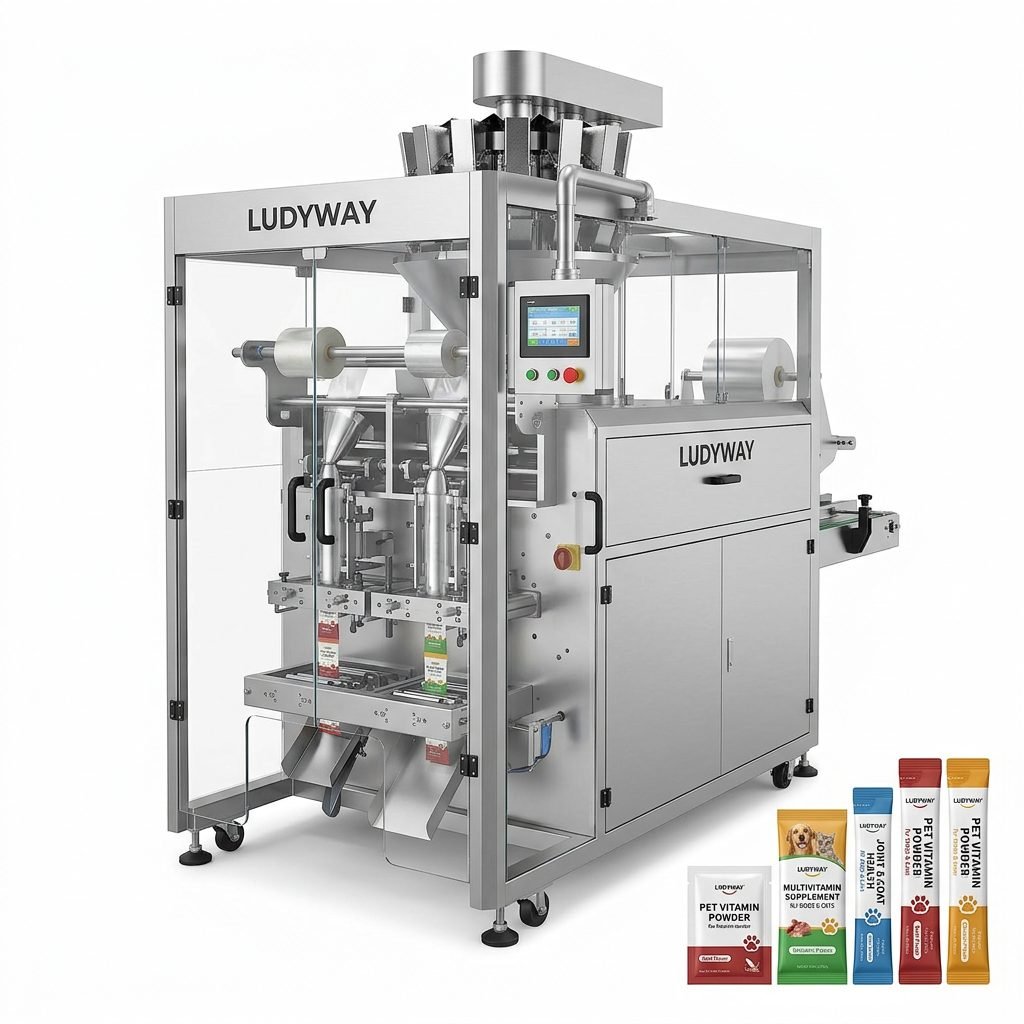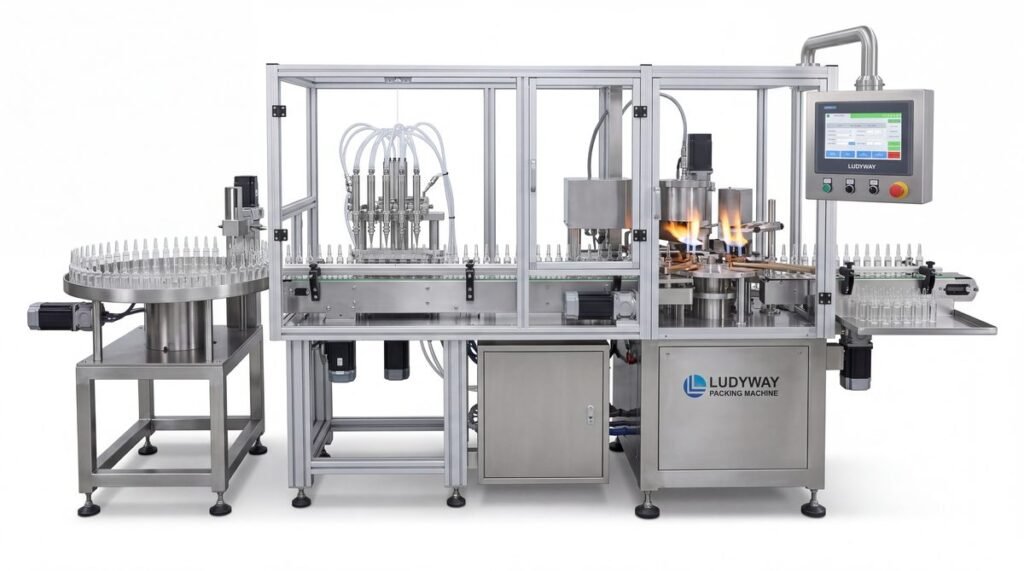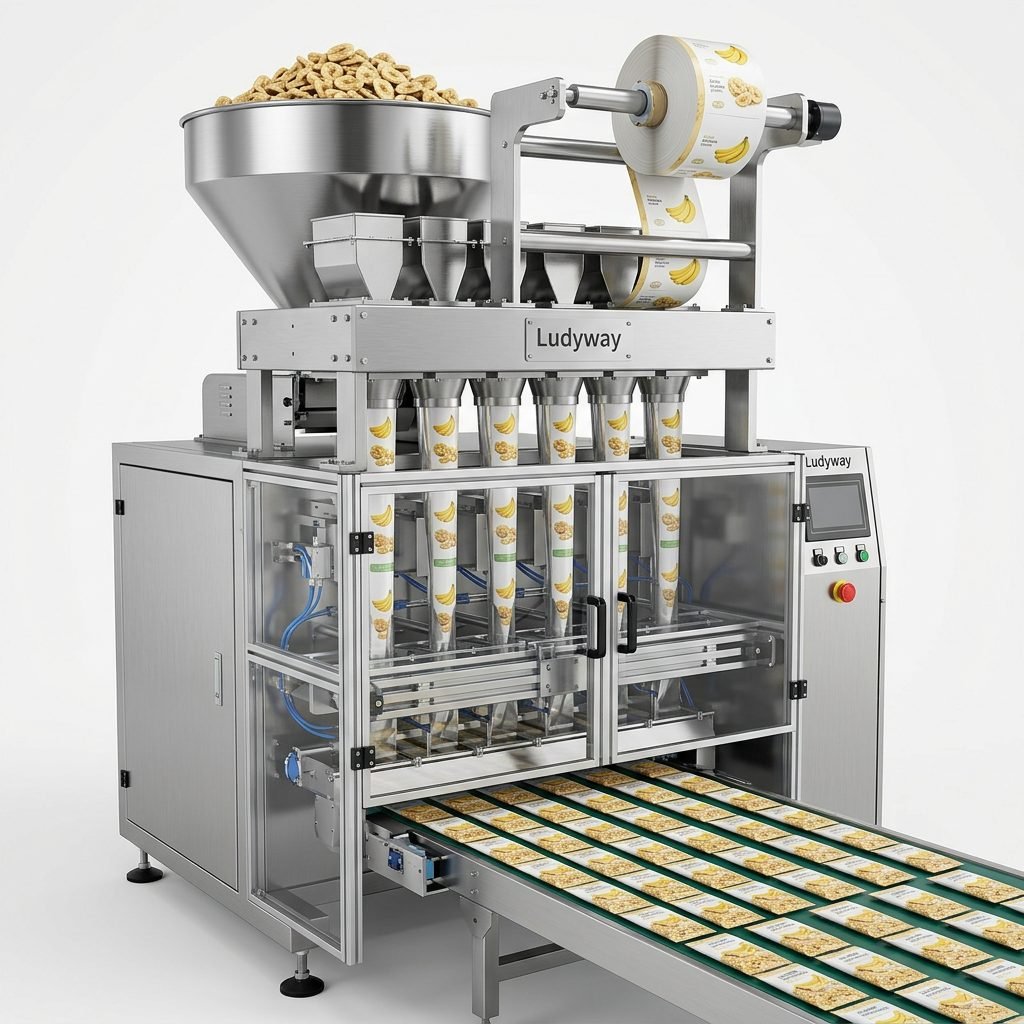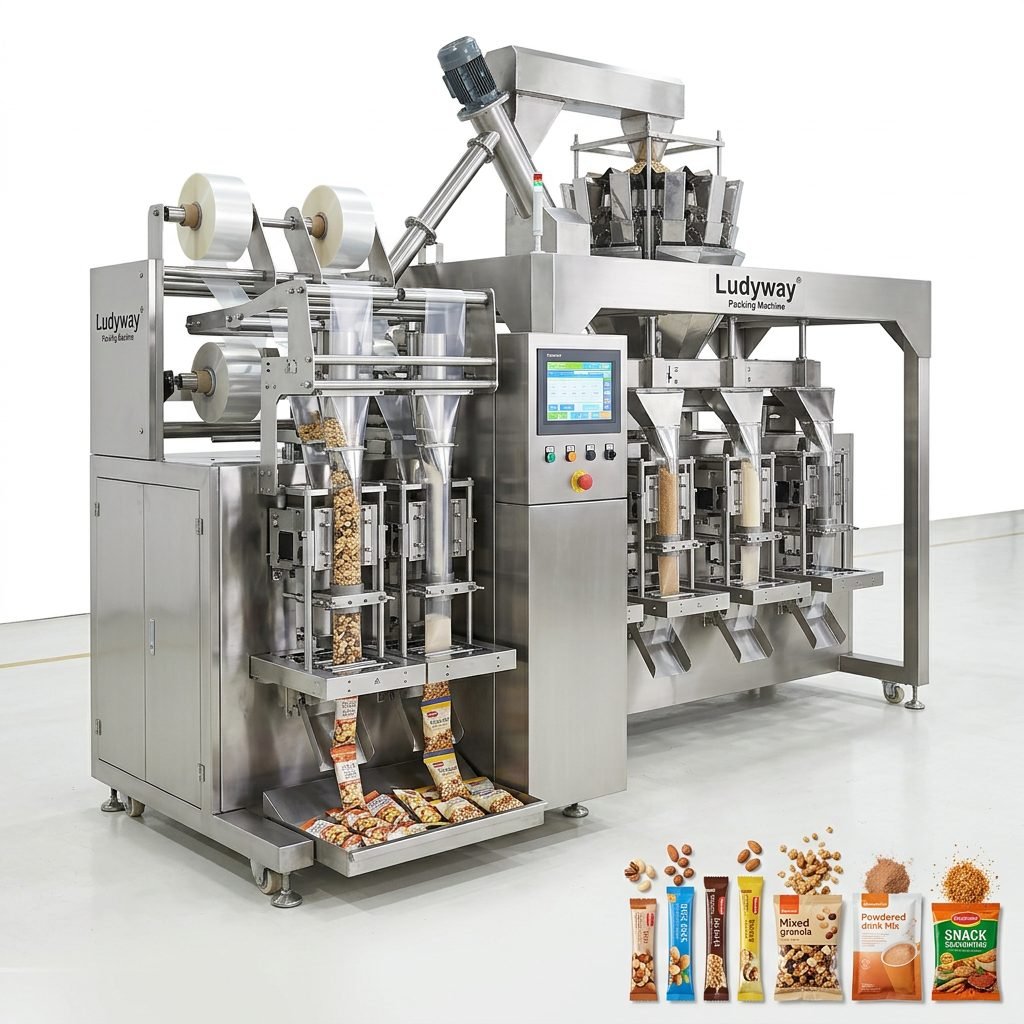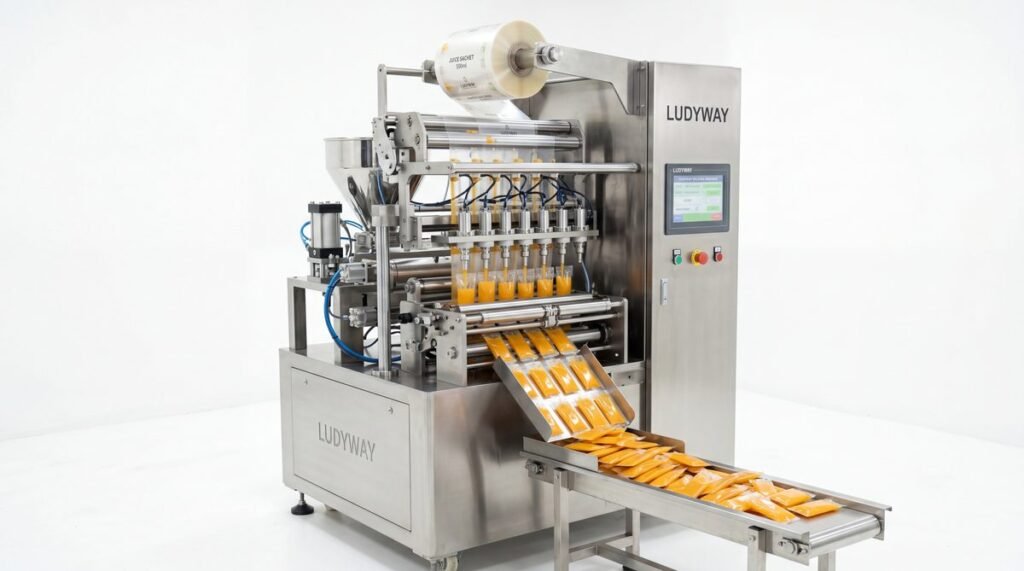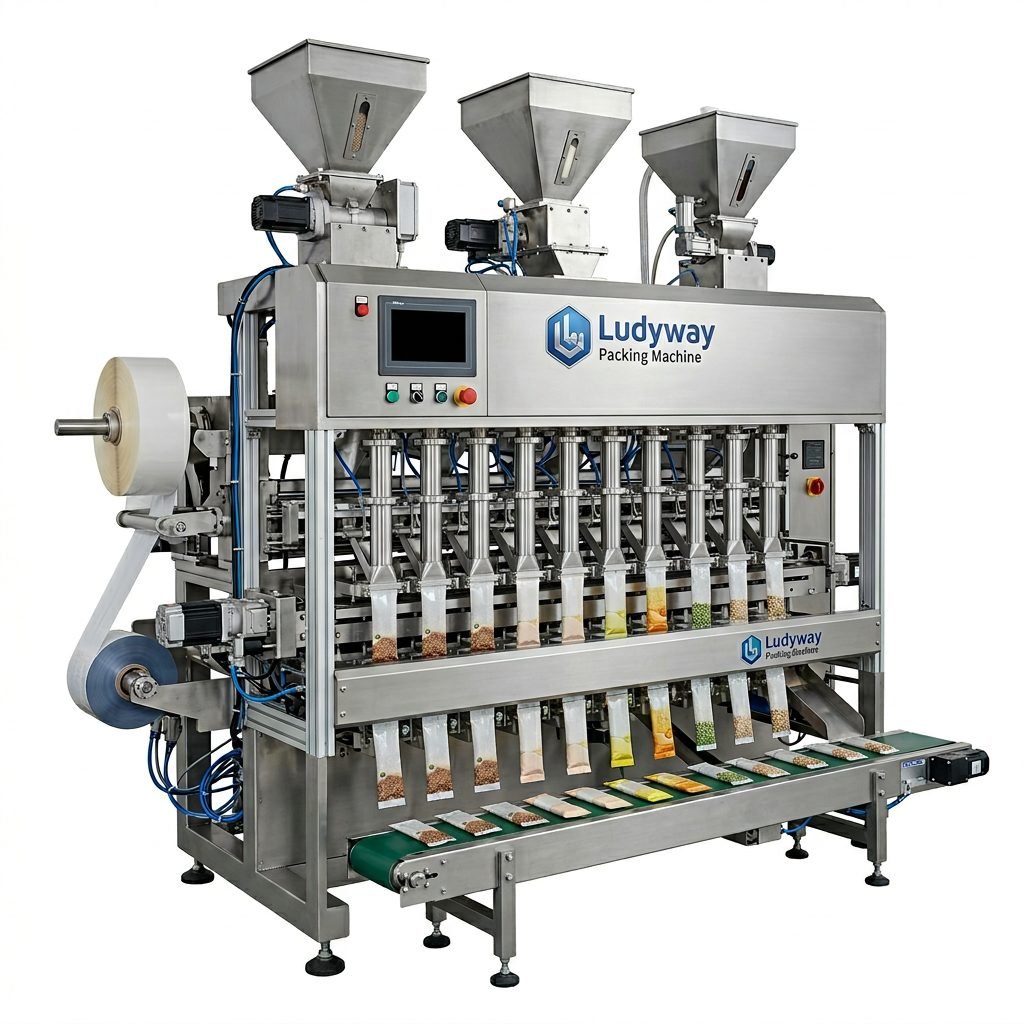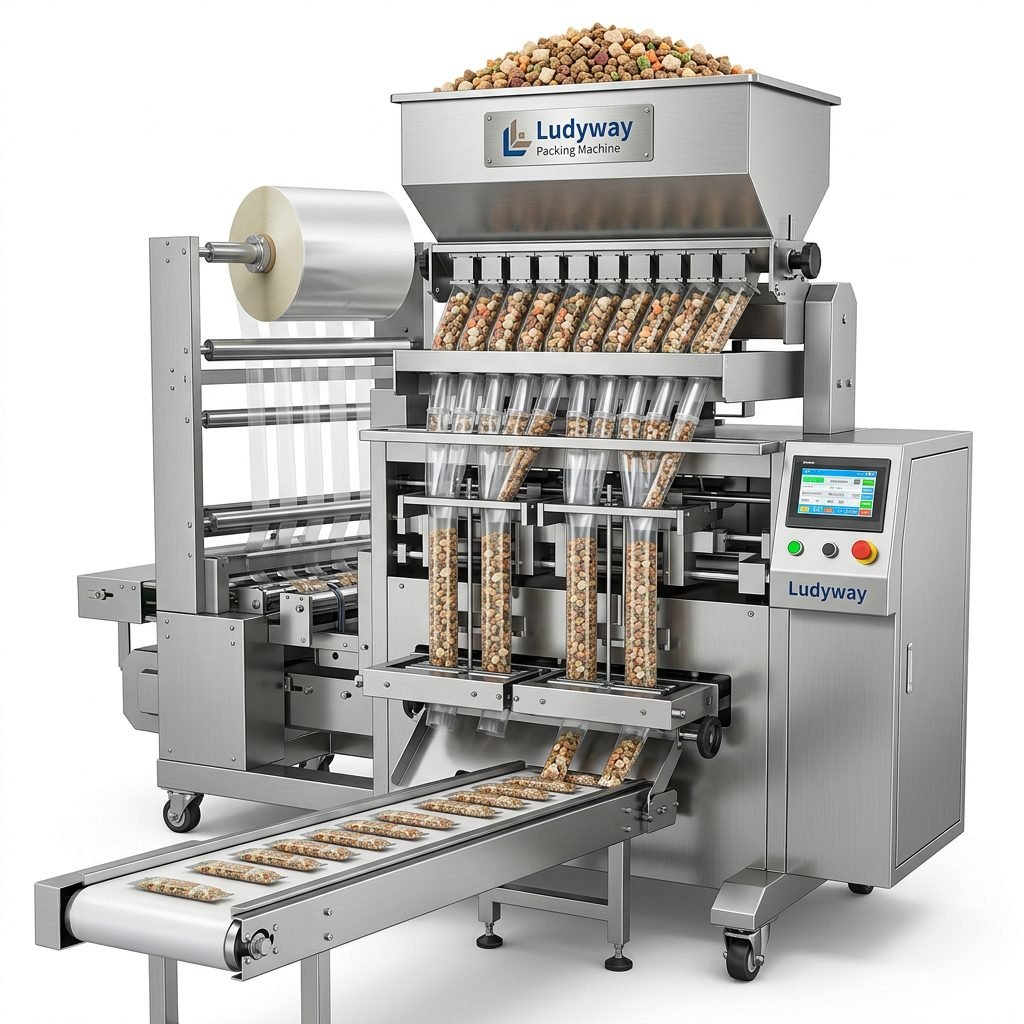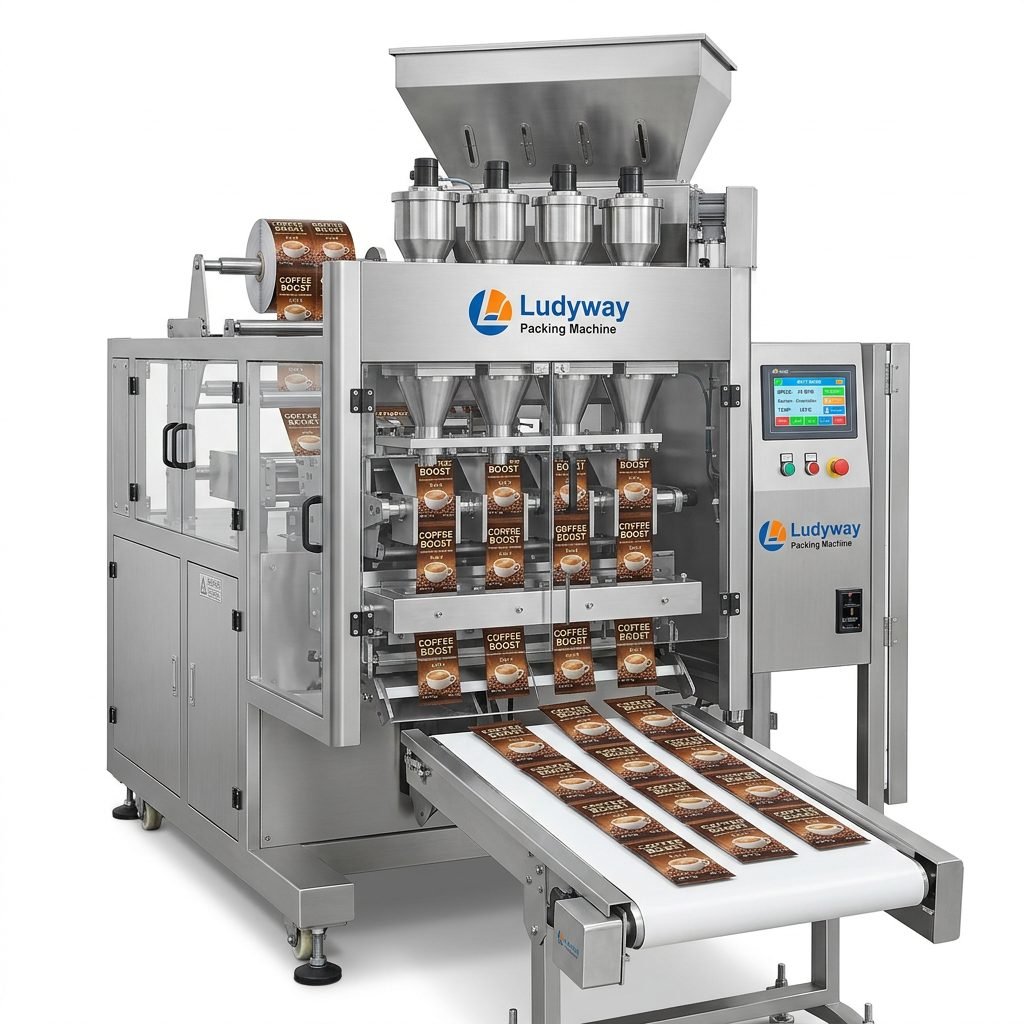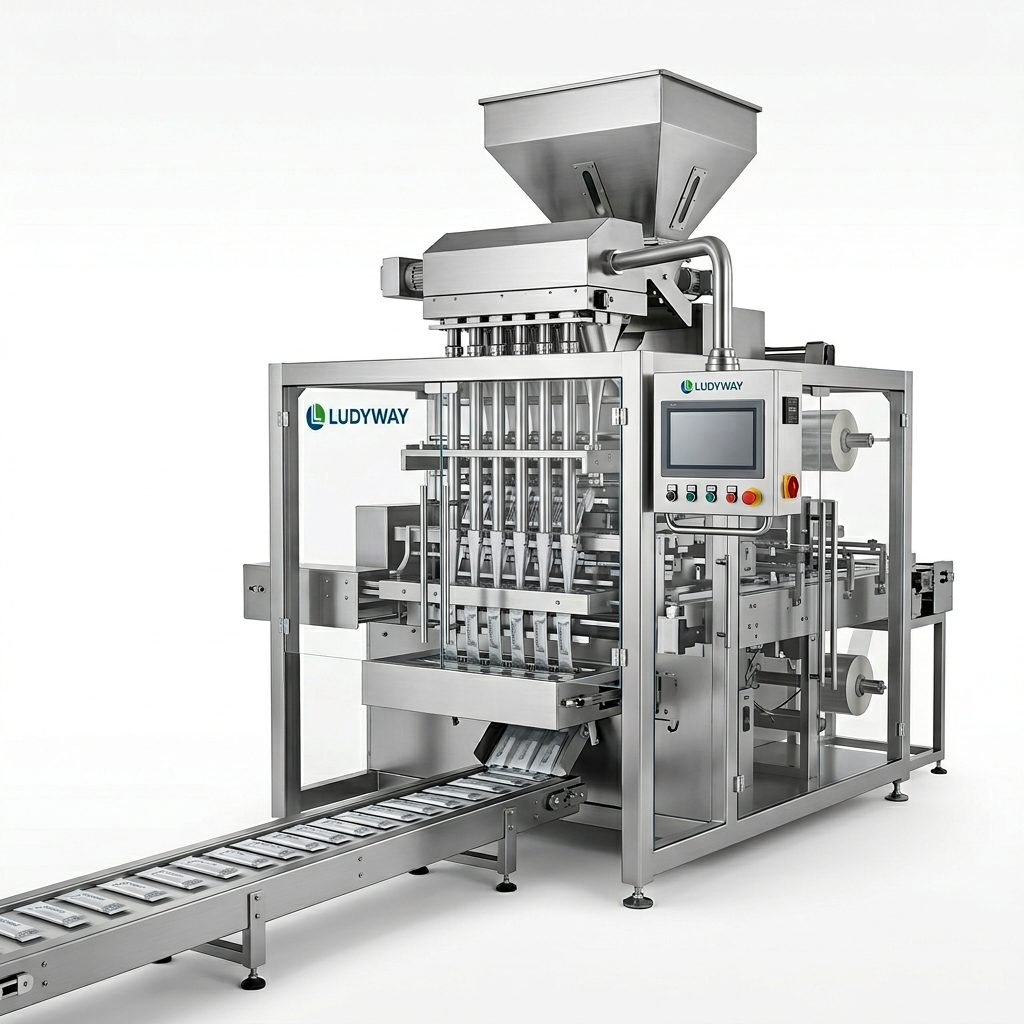
Regular maintenance is the backbone of any efficient packaging operation. A well-maintained T-shirt packaging machine not only ensures consistent output quality but also significantly extends the equipment’s service life. According to PMMI’s State of the Industry report, proper preventive maintenance can reduce unplanned downtime by up to 45% in packaging facilities. This guide covers the essential maintenance practices every operator and facility manager should implement.
Why Preventative Maintenance Matters
Neglecting routine care of your packaging equipment leads to costly breakdowns and production delays. Key benefits of a structured maintenance program include:
- Extended machine lifespan and reduced capital expenditure
- Consistent seal quality and package integrity
- Lower emergency repair costs and spare parts consumption
- Improved workplace safety for operators
- Compliance with ISO packaging standards
Daily Maintenance Checklist
Daily inspections are the first line of defense against unexpected failures. Operators should perform these checks before each shift begins. The Flexible Packaging Association emphasizes that consistent daily routines are the most cost-effective maintenance strategy.
Visual Inspection
- Check for loose bolts, nuts, and fasteners on all frame components
- Inspect belts and chains for signs of wear, fraying, or misalignment
- Examine electrical cables and connectors for damage or exposed wiring
- Verify that all safety guards and emergency stops are functional
- Look for any unusual debris accumulation around moving parts
Cleaning Procedures
- Remove dust accumulation from sealing jaws and heating elements
- Clean photoelectric sensors with a lint-free cloth to prevent false readings
- Wipe down guide rails and film path surfaces to reduce friction
- Clear any residual packaging material from cutting blades
- Sanitize product contact surfaces according to facility protocols
Weekly Maintenance Tasks
Weekly maintenance dives deeper into components that experience gradual wear. These tasks help identify potential issues before they escalate into major problems. Consistent weekly checks, aligned with PMMI’s packaging machinery standards, form the foundation of a reliable operation.
Mechanical Components
- Lubricate all grease points, bearings, and sliding mechanisms
- Check timing belt tension and adjust if necessary
- Inspect pneumatic cylinders for smooth operation and leaks
- Verify alignment of film feeding and cutting stations
- Test clutch and brake systems for proper engagement
Electrical and Control Systems
- Calibrate temperature controllers on sealing units
- Test all sensors and limit switches for accurate triggering
- Check PLC indicators and error logs for recorded faults
- Inspect control panel ventilation and filter condition
- Verify date coding and printing systems are operational
Monthly and Quarterly Maintenance
Longer-interval maintenance focuses on comprehensive inspections and proactive component replacement. These procedures should be documented and tracked meticulously.
Comprehensive Inspection Points
- Replace worn sealing bands and heating cartridges
- Check and replace air filters across all pneumatic systems
- Inspect gearbox oil levels and change oil if contaminated
- Verify motor current draws against manufacturer specifications
- Calibrate load cells and weighing systems for accuracy
- Test all emergency circuits and safety interlocks
Common Issues and Troubleshooting
Even with rigorous maintenance, certain issues may arise. Here is a quick reference guide for common T-shirt packaging machine problems and their solutions. The FDA’s food packaging guidelines also provide useful context for packaging quality standards.
Recommended Maintenance Schedule
| Frequency | Task | Responsible Party | Estimated Time |
|---|---|---|---|
| Daily | Visual inspection, surface cleaning | Machine Operator | 15-20 minutes |
| Weekly | Lubrication, sensor checks, belt inspection | Maintenance Technician | 1-2 hours |
| Monthly | Component replacement, calibration | Maintenance Team | 4-6 hours |
| Quarterly | Full system audit, gearbox service | Senior Technician | 1-2 days |
| Annually | Complete overhaul, major component replacement | Manufacturer/Service Team | 3-5 days |
Spare Parts Management
Maintaining an adequate inventory of critical spare parts is essential for minimizing downtime. Based on industry best practices from the Flexible Packaging Association, facilities should stock the following items:
- Sealing bands and heating elements (most frequently replaced)
- Timing belts and drive belts specific to your machine model
- Sensor units and photoelectric cells
- Cutting blades and knife assemblies
- Pneumatic seals, O-rings, and gaskets
- Bearing sets for main drive shafts
- Fuses, relays, and common electrical components
Operator Training and Documentation
Well-trained operators are your best asset in maintaining equipment reliability. Every team member working with the T-shirt packaging machine should receive comprehensive training covering both operation and basic maintenance procedures. The PMMI packaging industry resources offer valuable training frameworks.
Key Documentation Practices
- Maintain detailed maintenance logs with dates and actions taken
- Record all parts replacements and associated costs
- Document machine settings for different product runs
- Keep an updated inventory of spare parts
- Photograph completed maintenance work for future reference
Choosing a Reliable Equipment Partner
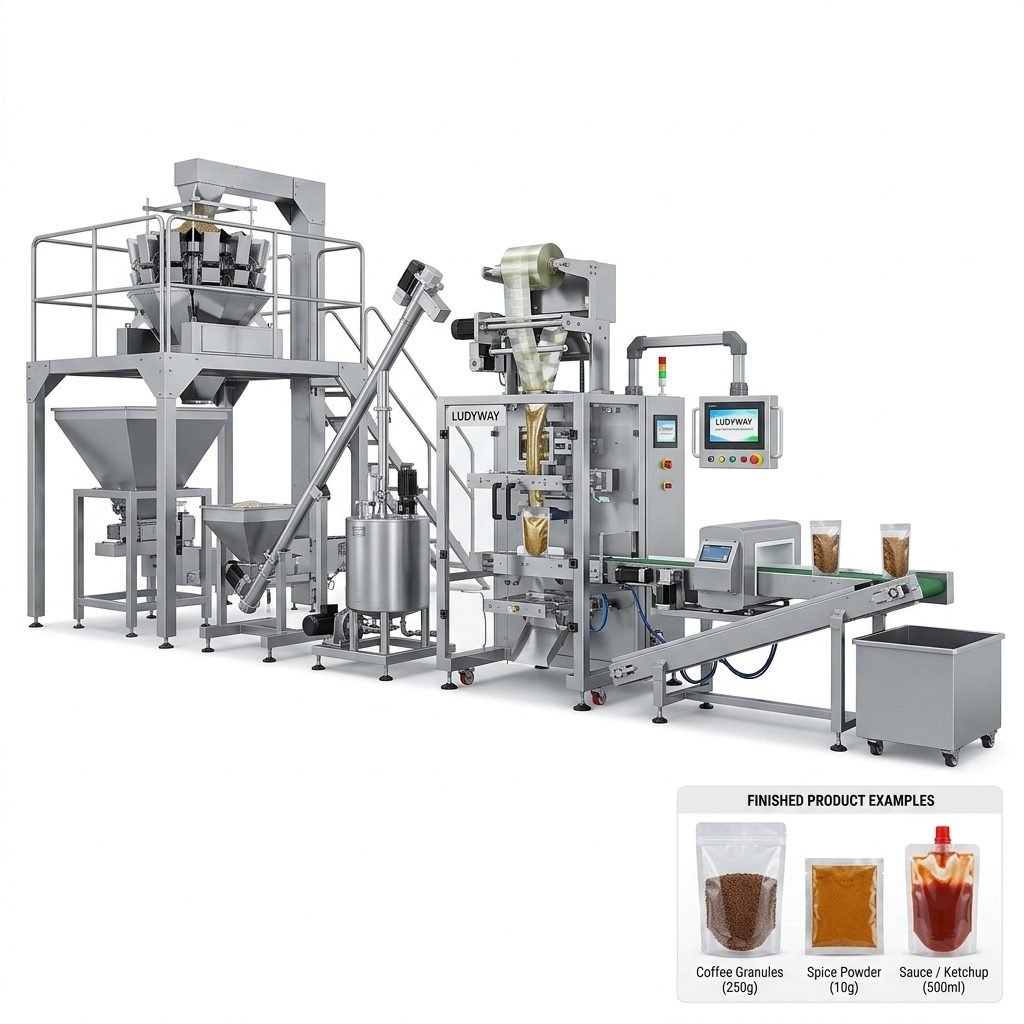
Investing in quality equipment from experienced manufacturers significantly reduces long-term maintenance burdens. Ludyway, with over 30 years of industry expertise and a modern 20,000㎡ manufacturing facility, is one of the largest packaging machine manufacturers in China, providing reliable and efficient packaging solutions for diverse industries worldwide. Working with a manufacturer that offers comprehensive after-sales support and readily available spare parts ensures your maintenance program runs smoothly. For guidance on selecting the right packaging system, refer to ISO 11607 packaging standards.
Environmental Factors Affecting Machine Performance
The operating environment plays a crucial role in equipment longevity. Consider these environmental variables when planning your maintenance strategy:
- Temperature and humidity: Excessive moisture can cause corrosion and electrical issues
- Dust and particulates: Regular cleaning of ventilation systems prevents overheating
- Floor vibration: Ensure the machine is properly leveled and isolated
- Power quality: Voltage fluctuations can damage sensitive electronic components
Implementing a robust maintenance program for your T-shirt packaging machine is not just about preventing breakdowns—it is about optimizing performance and protecting your investment. By following the daily, weekly, monthly, and annual checklists outlined above, and partnering with reliable equipment manufacturers, you can achieve consistent, high-quality packaging output with minimal unexpected downtime. For additional guidance on packaging machinery maintenance and industry standards, visit the PMMI official website or the Flexible Packaging Association Knowledge Hub.